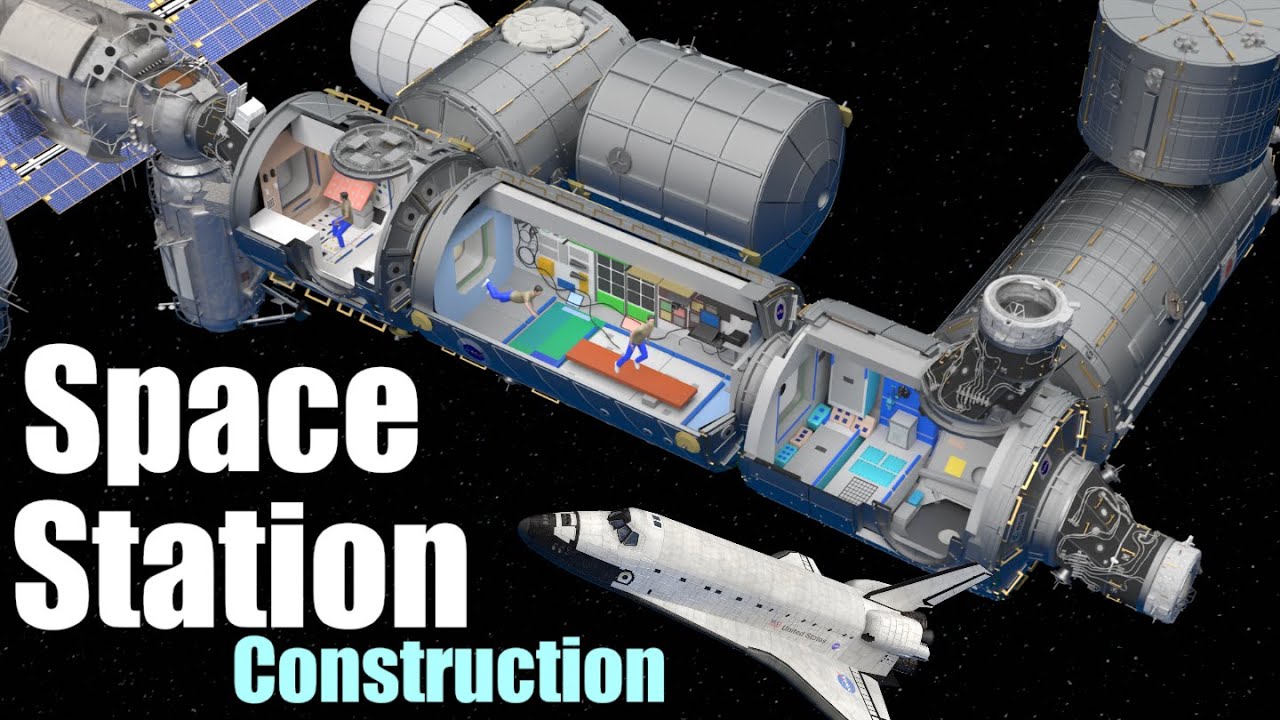
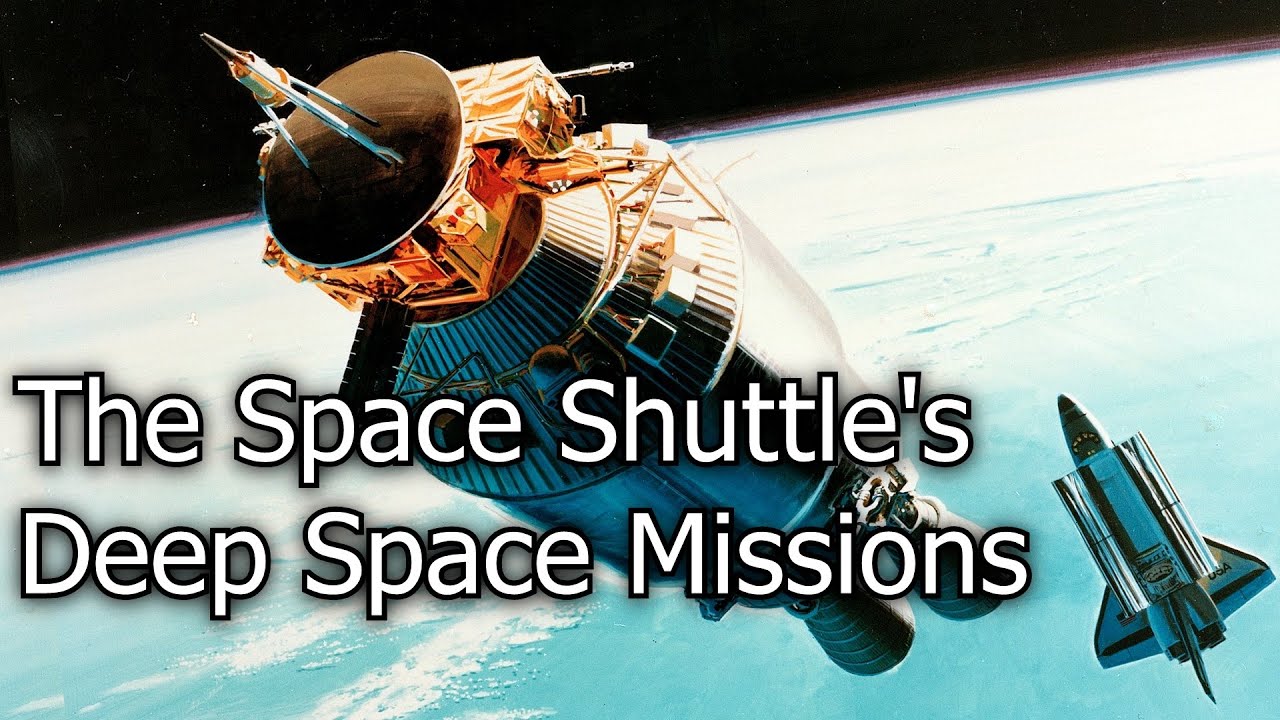
hello it's Scott Manley here space station has been in orbit for almost three decades and this week we found out a bit more about NASA's plan to deorbit the space station using a super version of the dragon by SpaceX and while I will talk about that I actually want to address what will happen after the space station is no longer being used by NASA on a video a couple of months ago there was a set of comments from people who seem to think that since NASA wasn't building a successor to the International Space Station that
once the ISS ended then the only space station left in orbit would be the Chinese space station and the US in Europe and Canada and Japan would have to send their people to China as Space Station instead and that's obviously not the case because there are multiple us space station projects it's just they're not being carried out by NASA they're being carried out by private organizations now I honestly don't expect all of these to reach space it's a very expensive business and I'm not sure the market is big enough but on the other hand axm
have demonstrated that there is a demand with private individuals and countries paying to send their astronauts to the space station either to have fun in space or to generate some sort of prestige for the government and so this is a perfect jumping off point to talk about uh the first space station that will succeed the the International Space Station I succeed might be one word survive might be even better because axium space station is going to start out as a commercial extension to the International Space Station so this is partially funded by NASA there's like
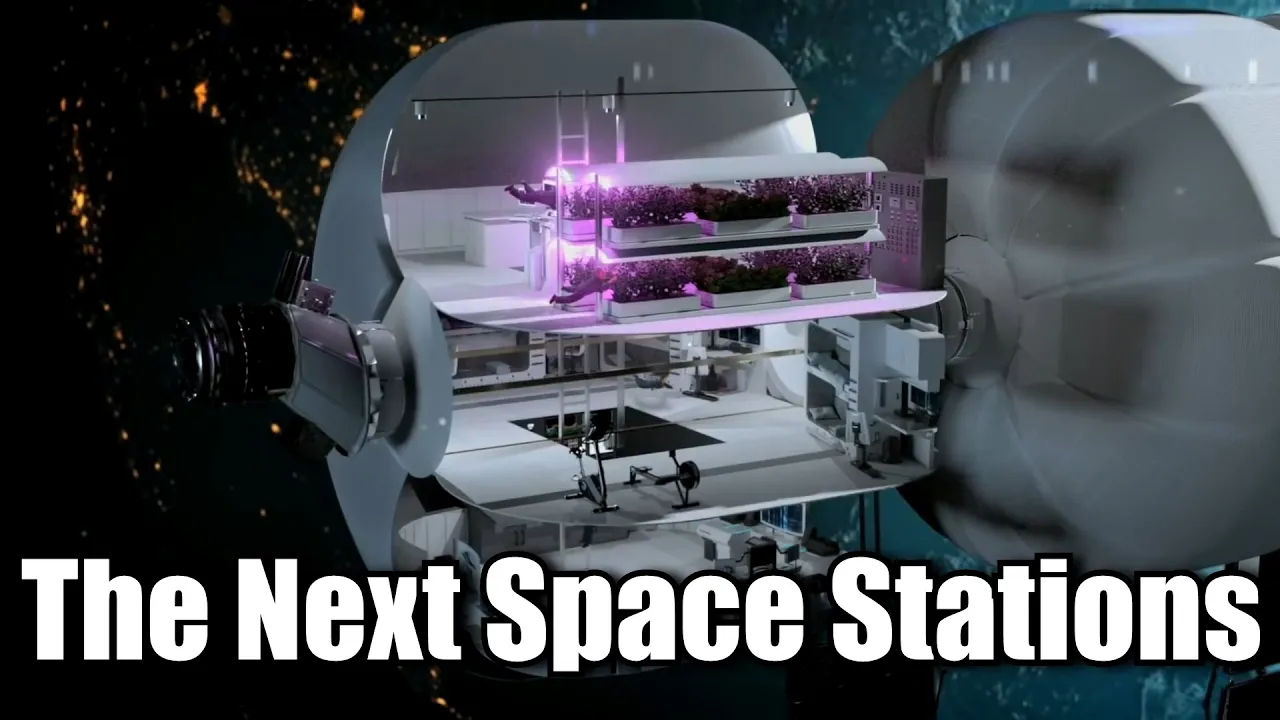
$140 million but most of it comes from private investors there's three modules are built and then there's a power and your thermal module that's attached there's also a super wide angle version of the kapola because of course they're going to be selling this to tourists who just want to experience the Earth in complete immersive you know view now when this was announced they talked about 20124 as being the target dat I think 2026 may be the current dat it certainly seems more likely but they are actually building the hardware now teselia in Europe are building
the pressure vessels and much of the structure for this module and they are the place to go if you want to get pressure vessels built they built the original Harmony module Tranquility Columbus they uh continued building pressure modules for the signus spacecraft and so it's logical to have them working on this and so while it's going to use the International Space Station to enable its construction providing power and the services of the robotic arm once the space station is going to be decommissioned the Axiom segment can depart and become a separate module flying on its
own I've also heard that it may actually choose to take some parts of the International Space Station with it although I haven't heard anything concrete one thing I have heard is that there's the raphaelo multi-purpose module which was a basically a cargo container that was used to transport stuff to the International Space Station in the shuttlebay now Leonardo was Mo was started out as that and then it was modified and then it is permanently attached to the space station raphaelo is on the earth it's been transferred to Axiom and it's entirely possible that Axiom uses
this and repurposes it in some way to become part of their future station so since they're actually building flight Hardware this seems like a pretty good bet but the station that CH stands the best chance of getting to orbit first is vast Haven space station this is a vastly simplified system it is a single module launched on a single launch it's much closer to the original salute station now vast appeared a few years ago they were founded by a guy called Jeb MB who pretty much made a ton of money on you know Bitcoin he
started up one of the first crypto exchanges and their initial plans were way more ambitious giant modules launched on Starship that would form a spinning station that could provide artificial gravity and in the meantime they also acquired a company called launcher which was working on a small rocket but obviously that market isn't there and uh now they're going for this small space station and the pitch is pretty simple if you've got a private space flight on a dragon you've not got that much room to move around you've got limited life support well why not dock
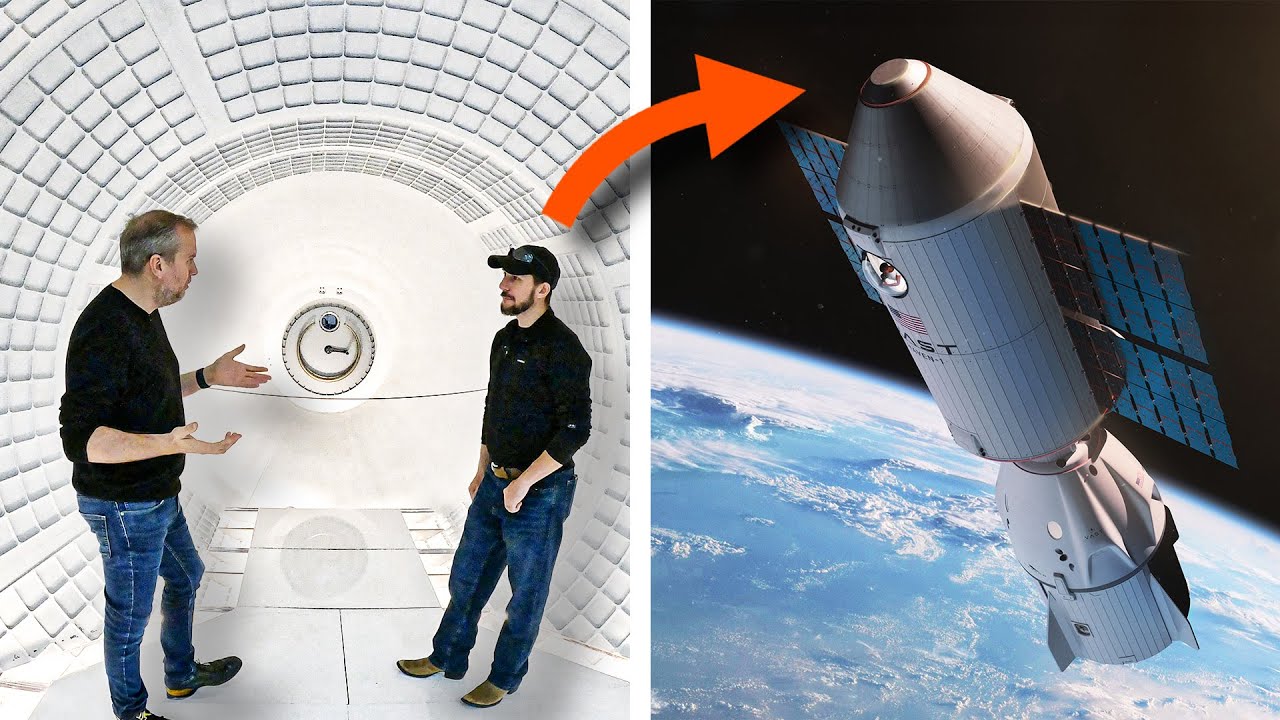
it to a somewhat larger spacecraft in orbit you get a bit more room to stretch your legs uh and and this station doesn't need to be amazingly complicated it can actually use the spacecraft the dragon's life support capability just with a bit more consumables added so this vehicle is going to be about 10 m long 3.8 M wide it will handily fit on top of a falcon 9 it could be preloaded with up to 150 kg of cargo and that could be scientific experiments space manufacturing or party supplies if that's your jam but this isn't
like the International Space Station it's not going to be permanently occupied there's only one docking port so once the the spacecraft leaves the crew has to go with it but it looks simple enough that uh I could see it launching before any of the axium segments they are already building your test structures to verify that their design is going to work and I'm sure they haven't forgotten about those larger space stations they've just re-calibrated towards using something which it could be here now rather than something that could be here you by the end of the
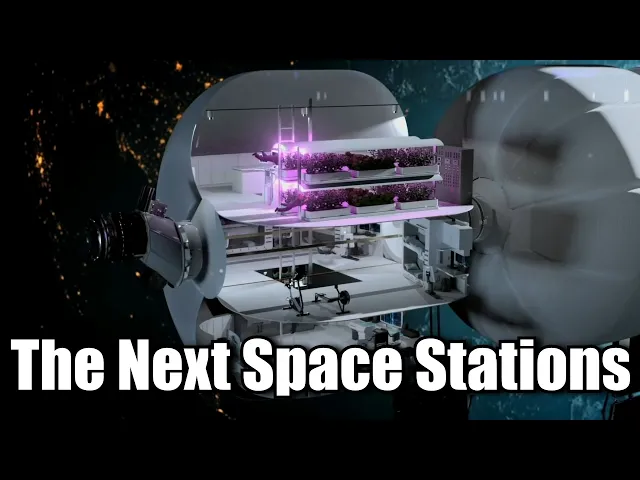
decade so the next one is star laab and it is a little further out it is part of NASA's commercial Leo destinations program which meant that they got a bunch of money about $140 million I believe to develop their technology and proposals potentially for your NASA to visit after they've launched it now this is initially a collaboration between nanorx Voyager space and locked Martin but since then Lockheed have dropped out north Grumman has come on board and Airbus is is now a major partner in this now this is slightly more ambitious than what vast is
doing it does include a manipulator arm includes the airlock which of course nanoracks have already developed for the International Space Station while the initial design only includes the power module and the habitation module they do look like they have the potential to expand this in the future should there be demand and it supports multiple docking ports so it could be permanently habited it could have crew coming and going and it could have uh your cargo spacecraft delivering you know new consumables and materials in particular North or Grumman are developing a version of their sickness spacecraft
which would be able to automatically dock to a Target station rather than requiring the you know manipulator arm to grab it and you know put it in place on the docking adapter and speaking of docking adapters I noticed some of these renders include Russian style soed docking adapters in addition to International docking adap and the common birthing adapter so it seems they might have put those on there to pitch to as many customers as possible but honestly I don't see Russia being interested so this Design's pressure module is 8 m wide it provides a volume
of 450 cubic M that's about half of the International Space Station but that's from a single launch but that single launch has to happen on a Starship class launch vehicle that also means that dragon is the most likely spacecraft to be delivering crew to this station and while I was looking for Star Lab footage I did find this Airbus Loop concept which looks very very similar and since they are Partners on this I expect there'd be a lot of commonality you know 8 m module with multiple levels in there so that's a good reference point
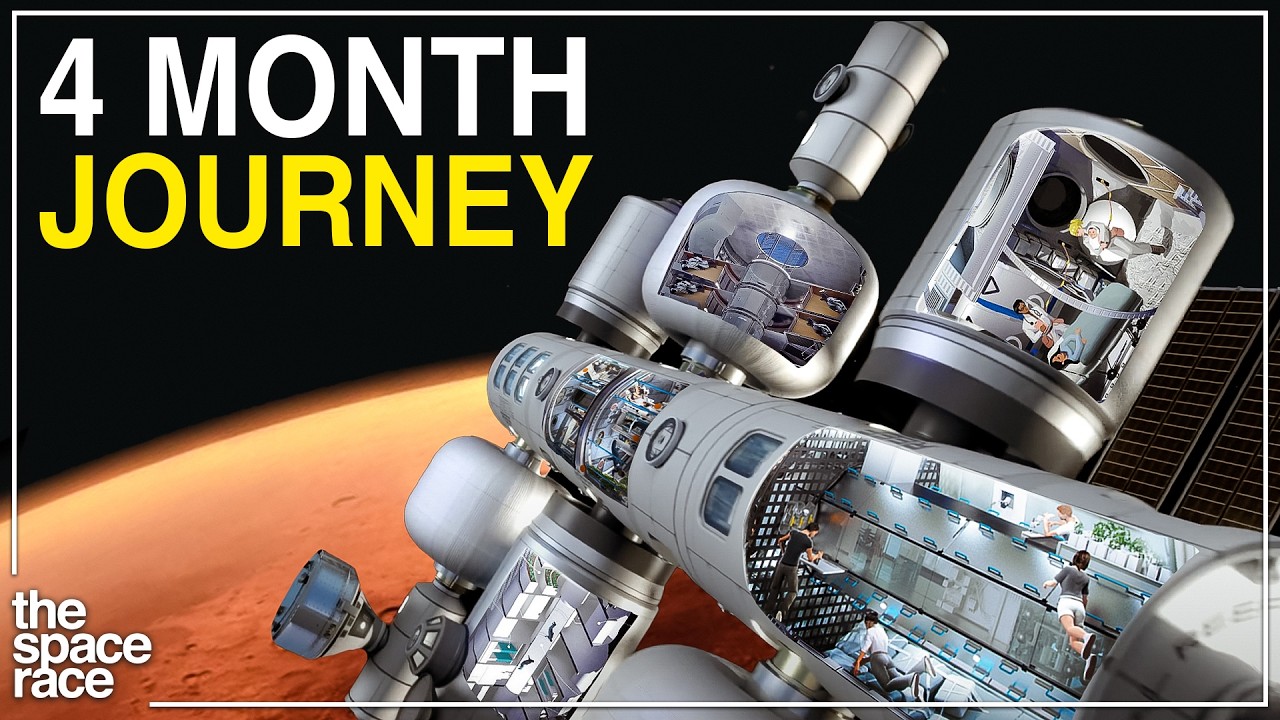
anyway moving onwards the other one is the vastly more ambitious orbital Reef this is a blue origin lead concept for a massive multi multiart modular space station mostly launched by new Glenn Now new Glenn is Bigg ger than Falcon 99 it's payload fairing can put much larger payloads in there but it's not as big as Starship and so some of the modules on this are inflatable modules and these are being developed by Sierra space we've actually seen concrete Hardware well not concrete obviously because it has to be flexible we've actually seen physical Hardware being tested
and developed by uh Sierra space and by tested I mean they overinflated the stuff until it popped and in fact in one case they broke the inflation system therefore demonstrating that you know while these modules may be flexible they are strong now last year there was some murmurings that this project might be dead that they hadn't made any announcements that uh the companies weren't talking to each other but that seems to have a abated for now and work does seem to be moving forward but it is does look like a very very ambitious project because
building a station of this size is uh incredibly complicated and no doubt it's even more complicated if if you deliberately exclude SpaceX and go with like Starliner and uh Sierra's Dreamchaser is the only spacecraft you have to service it but for all its ambition it definitely has one leg up over a lot of the other options and that is that Jeff Bezos has a lot of money and he has been steadily shoveling money into uh the hole in the sky called Blue origin and will probably continue to do so and this sort of you know
orbital Reef basically lines with his vision of moving manufacturing and stuff into space now there are a few other Concepts out there that could potentially work I've sort of limited it to the ones which are most likely to fly but I do want to take a moment to discuss the logistics of building a space station in orbit and how the International Space Station is different from all of these proposals the International Space Station was constructed as a combination of the Russian mirror 2 and Us's Space Station freedom and these two segments have radically different design
techniques Russia would launch its space station modules on top of rockets and then those modules would maneuver and dock together in space that's how Mir was built but space station freedom and therefore the American segment of the International Space Station was designed with a space shuttle in mind it would carry these modules up and then it would assemble them using its manipulator arm to build the station bit by bit and that me meant that every every single part on the Russian section had to have its own propulsion navigation its own attitude control Power capabilities so
it could autonomously navigate itself whereas the US segments they didn't need any of that so they were more efficient in terms of their Mass but now without the space shuttle every single module for a space station is going to have to have these capabilities so that it can you know get to its Target on its own now sure Starship May one day be able to to bring along a manipulator arm and a big your cargo bay and do a lot of shuttle like stuff that is that is a possibility but none of these stations are
being designed with that Concept in mind anyway going Beyond low earth orbit NASA is going to have its Gateway station around the Moon I don't know they keep on changing what it's actually called but this is going to sit and it's going to provide a temporary place for NASA's astronauts to hang out as they're preparing to go to the moon or perhaps do some research out here it's not going to be permanently occupi but it will be another destination for NASA's astronauts but in many ways this will be a true successor to the International Space
Station because the ISS a lot of its work was really about learning to live in low earth orbit learning to you know how Hardware interacts and ages so that you could say build a spacecraft that could go to Mars now we know how to keep people alive for months or even years in space but you're going out now Beyond Beyond low earth orbit it's a different environment there's much more radiation we have different uh you know thermal environments because we don't have half the sky filled with a planet there's no 90minut day night cycle to
contend with and also no Atomic oxygen continually eroding materials and this is also an international collaboration we have sure the core is built by the us but we have like lunar ihab which is built by uh European Space Agency with a bit of Japan's work we obviously Canada arm 3 from Canada so we have a number of collaborators working on the Gateway but what about those International collaborators what are they doing in low earth orbit well as I said Airbus is working with star laab and therefore Europe has a presence on that and Japan built
the kbo module which was docked to the International Space Station and there's definitely work going on towards building our you know designing a Japanese module for a commercial space station but there's been no firm commitment as to which commercial space station it might become a part of and axom have apparently signed on with uh Canada to develop their version of the Canada arm for their station although I am wondering whether they could just take the arm that is currently on the station and then there's Russia Russia has the most to lose from the end of
the International Space Station while they have their own segment which in theory has its own power and propulsion it has not been in good condition lately and it's in fact aging faster than the rest of the station by all accounts now in terms of politics they've made a big a lot of moves to Ally with China in recent years but soyu cannot get to the Chinese space station because the inclination of that orbit is too low they don't have that capability they also don't have the correct docking adapters and they cannot adapt soos to get
it there so Russia is you're really facing the possibility of having no place to send its uh spacecraft which is the one thing that it can do reliably right now in space even if Russia fixes its reputation with the International Community it will not be in a position to work with any of the commercial stations because they make more sense in lower inclination orbits the only one that would make sense to still be in an orbit accessible by Russia is Axiom space station because it's being built on the International Space Station therefore has to maintain
the same orbital parameters now rosc M absolutely has wonderful designs for a space station that will actually orbit in a sun synchronous orbit which would be pretty cool but of course they don't have any money and it's unlikely that they will develop this and launch it in time for there to be a you know a continuous presence of cosmonauts in space unless maybe China offers them a ride to space to their space station so yeah China's station is in a 40° inclination orbit which can't be reached from any of Russ 's launch sites uh the
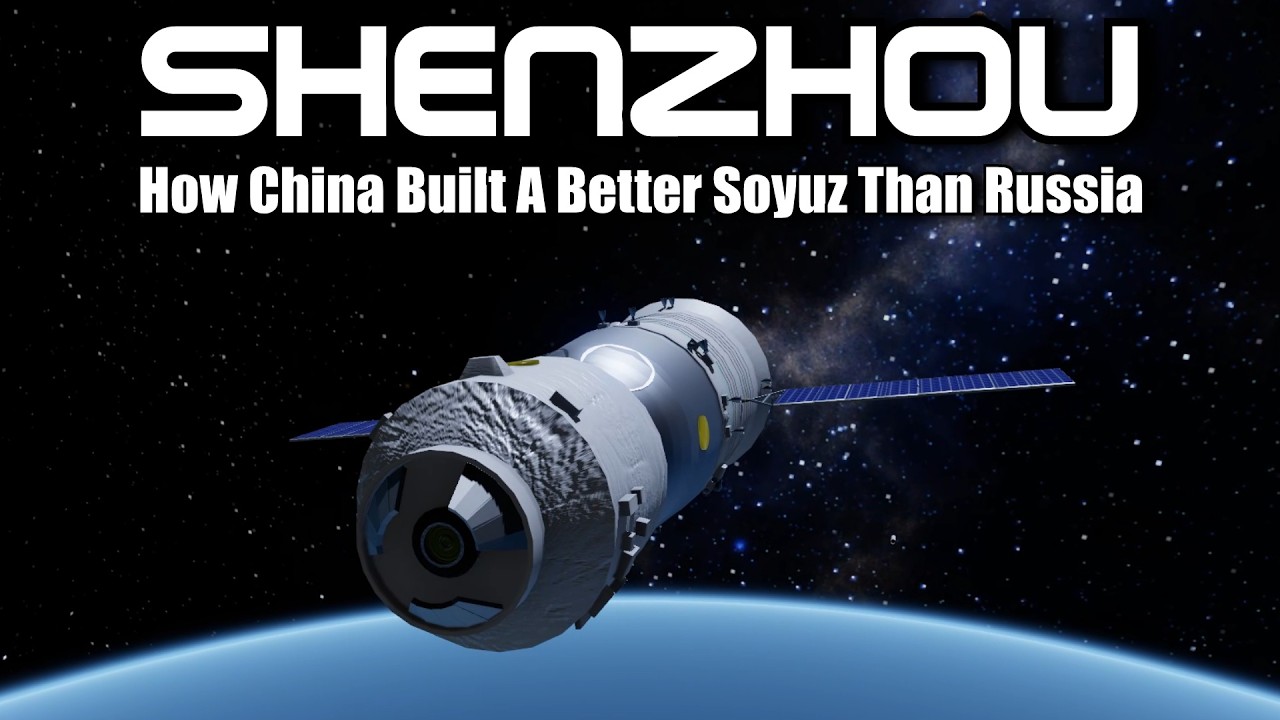
space station that they have has three major modules and like I said it wasn't built like the International Space Station it was built with modules that were self-propelled that would dock themselves onto the station and then they would use like a small manipulator system to be able to move the module from the initial docking port around to the secondary uh like to the the lateral ports so these three modules that we have for the backbone of the station right now but they could potentially expand it more there's another capability that is coming to the Chinese
space station and that is a Space Telescope which will orbit in the same orbit as the China's space station but it will periodically return and be captured so that it can be serviced and have its instrumentation changed out much like the Hubble Space Telescope was upgraded over its lifetime their Space Telescope will um you'd be upgraded the reason you don't have it permanently docked to the space station is that as people move around it causes vibration and that makes it very hard to point so it's much easier to have it flying free on its own
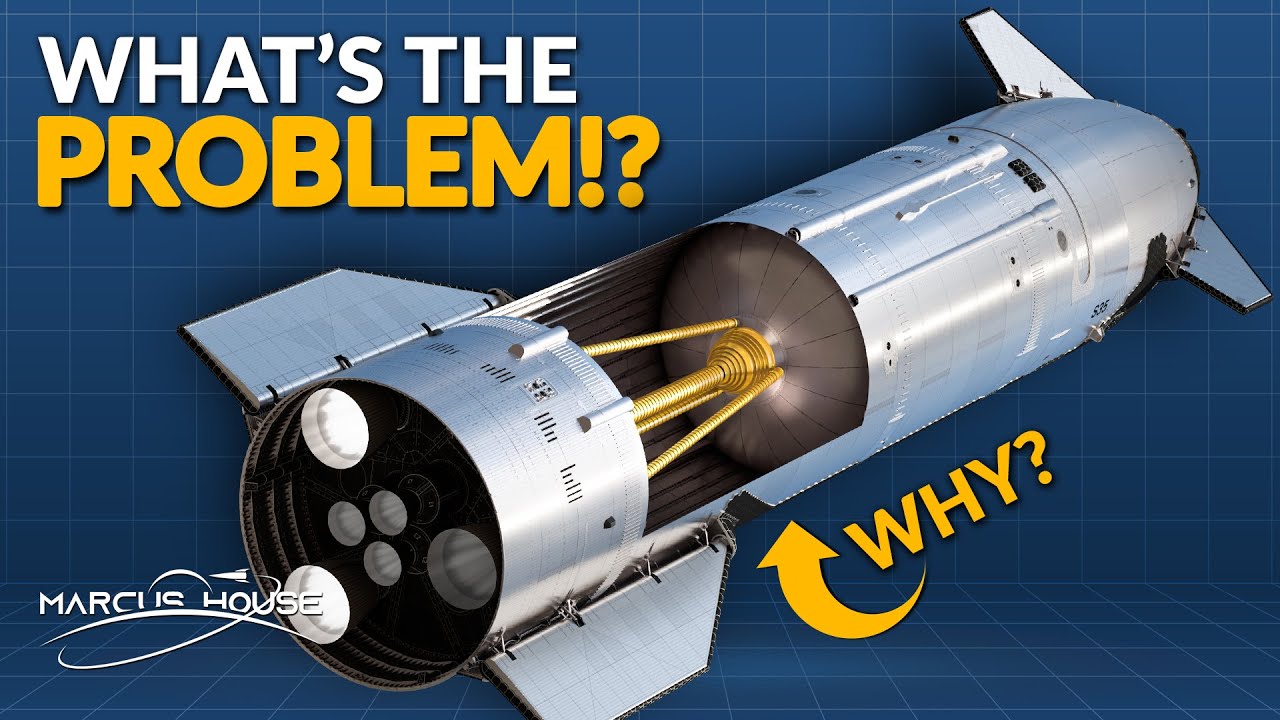
and so anyway coming back to that initial picture of the D orbit vehicle for the International Space Station it is effectively going to be a dragon with a much larger trunk it's going to use an existing Dragon spacecraft on the front which will presumably operate autonomously I think it's going to have over 20 tons of propell at the bottom there is a ring of 30 Draco thrusters because they need to be able to push the space station down relatively quickly within like a part a fraction of an orbit so they can Target the impact site
over the ocean accurately and you might wonder why is it not using like the super Draco thrusters well they actually would deliver way too much thrust they can't use like the Merlin or the Rapture because those require uh cryogenic propellant and this would have to sit on orbit for potentially years as it's maintaining the the spacecraft orientation and bringing the station down slowly and by the way while this is based on a dragon I don't think we should call it a dragon because well look at the way that propulsion works it's not dragging the station
it's pushing the station it's a pushing but honestly if I was to call you know come up with a name for a spacecraft which was synonymous with destroying hard work in space it would have to be Untitled spacecraft but Jokes Aside you might wonder where's SpaceX and all of this I mean why aren't they proposing a successor space station for the US and they they might well have and I think if they did they might have simply proposed making Starship the space station now granted this might be Starship with a bunch of solar panels and
thermal radiators to allow them to actually operate in orbit for an extended period of time but uh you know Starship has a phenomenal amount of internal volume and it could absolutely operate like the space shuttle did with the space lab technology where they would have a lab in the cargo bay or the payload Bay of the Space Shuttle which could do experiments for a couple of weeks and then it could be brought back the experiments could be you know changed out and then it could fly again this is the kind of approach which might actually
make sense for a number of customers and if they truly have a reusable Starship that's what we might see replacing a lot of on orbit experiments regardless when the International Space Station is decommissioned whether it is deorbited or whether somebody sees the light and puts it into a storage orbit I think there will be no lack of places to go in orbit that Humanity will continue operating in low earth orbit you know more or less continuously from this point onwards I got to believe that it's the future that I want to see I'm Scott Manley
fly safe [Music] [Music] [Music]