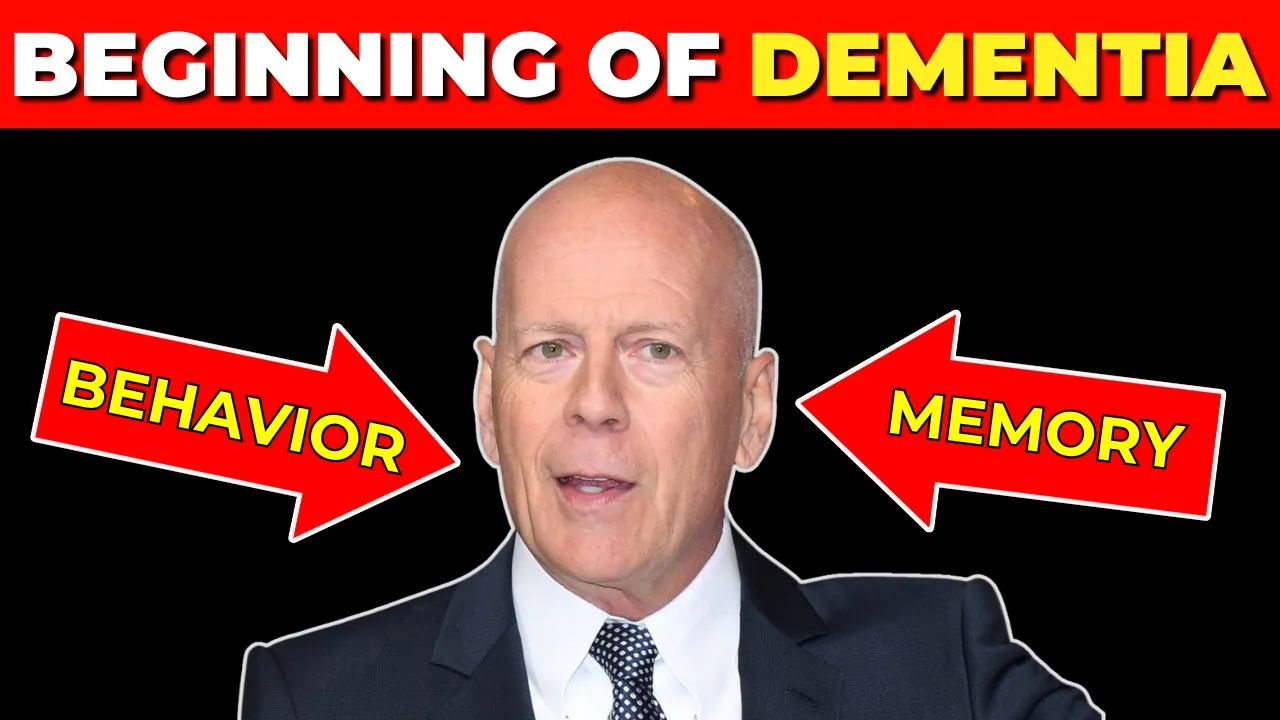
fronto temporal dementia is a tricky condition unlike Alzheimer's which tends to affect memory first fronto temporal dementia often starts by changing someone's personality or behavior in subtle ways this makes it easy to miss in the early stages you might just think your spouse or parent is going through a phase or having a midlife crisis actor Bruce Willis's diagnosis of frontotemporal dementia has brought fresh Focus to the disease which is characterized by symptoms such as behavioral changes language difficulties and communication challenges today I want to talk to you about fronto temporal dementia what it is and
the 10 early signs of fronto temporal dementia that you should never ignore before we dive in make sure to hit that like button subscribe to the channel and share this with your friends and family have you or anyone in your family noticed any Behavior changes which part of the world are you from leave your comment below front temporal dementia is really serious it's a group of brain disorders that damage the frontal and temporal lobes areas that control things like personality behavior and language and it tends to strike earlier than other types of dementia often in
people in their 50s or 60s so what should you look out for here are 10 early signs that might indicate fronto temporal dementia one personality changes this is often the first and most noticeable sign someone with fronto temporal dementia might start acting in ways that seem out of character a shy person might suddenly become outgoing a kind person might become rude or insensitive an ambitious person might lose all interest in their career these changes can be subtle at first you might just feel like something is off about the person but not be able to put
your finger on exactly what pay attention to that feeling our intuition about people we're close to is often right even if we can't articulate why the key is to look for changes that are persistent and out of character we all have bad days or go through phases but if someone's personality seems to have shifted in a lasting way that's worth paying attention to two loss of empathy this is a specific type of Personality change that's particularly common in frontal temporal dementia someone might stop reacting appropriately to other people's emotions they might seem cold or different
when a friend is upset or they might laugh at inappropriate times like when someone gets hurt this loss of empathy can be really painful for family and friends it can feel like the person you knew is disappearing replaced by someone who doesn't care about others feelings but it's important to remember that this isn't a choice they're making it's the disease affecting their brain three socially inappropriate behavior as the disease progresses some people with fronto temporal dementia start to lose their social inhibitions they might say offensive things make inappropriate comments or violate other social norms this
can be really embarrassing for family members you might find yourself constantly apologizing for your loved ones Behavior but again it's crucial to remember that this isn't the person choosing to act this way it's the disease four lack of judgment people with fronto temporal dementia often start making making poor decisions especially about money they might suddenly start gambling giving away large sums of money or falling for obvious scams this can be financially devastating for families it's often necessary to take over managing finances for someone with fronto temporal dementia even in the early stages but this can
be tricky to do without causing conflict especially if the person doesn't realize anything is wrong five apathy while some people with fronto temporal dementia become more disinhibited others go in the opposite direction they might lose interest in things they used to care about Hobbies work relationships nothing seems to matter anymore this apathy can look a lot like depression and indeed many people with fronto temporal dementia are initially misdiagnosed with depression the key difference is that depression usually comes with feelings of sadness or guilt while people with front of temporal dementia often don't seem distressed by
their apathy they just don't care six compulsive or ritualistic behavior some people with fronto temporal dementia develop strange compulsions or rituals they might need to do things in a very specific order or become fixated on certain activities for example someone might suddenly start collecting random objects or need to walk the exact same road every day or they might develop eating rituals like needing to eat Foods in a specific order these behaviors can be frustrating for caregivers but trying to stop them often just causes agitation it's usually better to accommodate them as much as possible as
long as they're not harmful seven changes in eating habits speaking of eating changes in diet are common in fronto temporal dementia some people develop strong Cravings especially for sweet Foods others might overeat forgetting when they last ate and some lose the ability to know when they're full eating far more than they need on the flip side some people with fronto temporal dementia lose interest in food altogether they might need to be reminded to eat or only want to eat the same thing every day these changes can lead to significant weight gain or loss they can
also cause conflicts around meal times which can be stressful for caregivers eight difficulty with comp complex tasks in the early stages of front o temporal dementia basic memory often remains intact but complex thinking can become difficult someone might struggle to plan a trip manage their finances or follow a complicated recipe this can be particularly noticeable at work a person who was once a star employee might start making mistakes or falling behind they might have trouble adapting to new systems or Technologies often people try to hide these difficulties at first they might make excuses or find
ways to avoid complex tasks but over time these problems become harder to conceal nine language problems for some people with fronto temporal dementia language is one of the first things affected this can show up in different ways trouble finding the right word we all have moments where a word is on the tip of our tongue but for someone with front to temporal dementia this happens more more often using words incorrectly they might substitute an incorrect but related word like saying chair instead of table losing the meaning of words over time some people lose understanding of
what words mean especially less common words speaking less some people gradually talk less and less eventually becoming nearly mwy echoing some people start to Echo what others say repeating back phrases or questions instead of answering them these language problems can be incredibly frustrating both for the person experiencing them and for those trying to communicate with them it often takes a lot of patience and creativity to find new ways of communicating 10 lack of self-awareness perhaps the most challenging aspect of front to temporal dementia is that people with the disease often don't realize anything is wrong
they might acknowledge specific problems like struggling to find words but they don't see the bigger picture of how they've changed this lack of awareness can make it really hard to get someone to seek medical help they might get angry if you suggest something is wrong or come up with alternative explanations for their behavior it's important to note that not everyone with fronto temporal dementia will show all these signs the disease can manifest differently in different people and many of these symptoms can also be caused by other conditions depression stress thyroid problems and other medical issues
can all cause similar symptoms so if you notice these signs in yourself or someone you love don't jump to conclusions but do take them seriously make an appointment with a doctor preferably a neurologist who specializes in cognitive disorders getting an accurate diagnosis can be a long and frustrating process fronto temporal dementia is less common than Alzheimer's and many doctors are less familiar with it it often takes multiple appointments and tests to get a definitive diagnosis but getting that diagnosis is important while there's currently no cure for fronto temporal dementia there are treatments that can help
manage symptoms and knowing what you're dealing with can help you plan for the future and get appropriate support it's also important to take care of yourself if you're caring for someone with fronto temporal dementia the stress of caregiving can take a serious toll on your own health make sure to take breaks ask for help when you need it and maintain your own social connections and activities one of the hardest things about fronto temporal dementia is that it often strikes people in the prime of life it's not uncommon for people to be diagnosed in their 50s
or even 40s this can mean having to step down from a career at its peak or having young children to care for while dealing with the disease another challenge of fronto temporal dementia is that it's less wellknown than other types of dementia this can make it harder to get support in understanding from others people might not understand why someone with fronto temporal dementia is acting the way they are especially if their memory seems fine this lack of awareness also means there's less research funding for fronto temporal dementia than for more common types of dementia like
Alzheimer's but research is happening scientists are working to understand the causes of the disease and develop potential treatments for now though the most important thing is awareness knowing the early signs of fronto temporal dementia can help you catch it early and early diagnosis while it can't stop the disease can help you and your family prepare and make the most of the time you have if this video helped you out why not give it a quick like and share it around it could really help someone else looking after their brain health you never know who might
need to hear it recognize any of these signs in yourself or someone you know drop a comment and let's chat about about it if you want to stay in the loop with more health tips just hit that subscribe button and turn on notifications we release new videos every week your likes and comments really keep us going they show us what you want to see more of and before you go check out these two videos we selected especially for you I think you'll love them thank you for watching see you in the next video bye