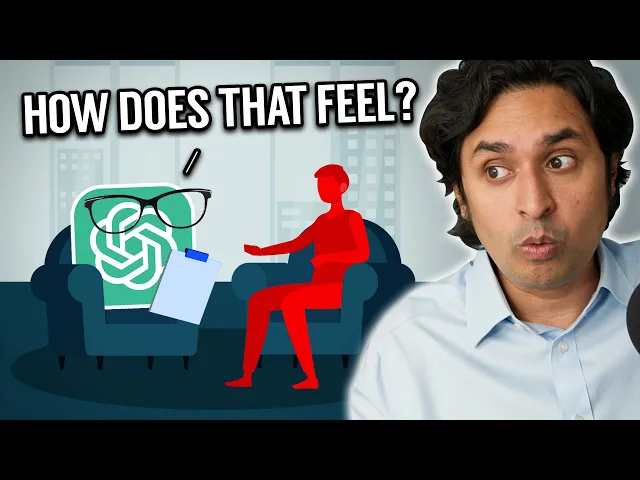
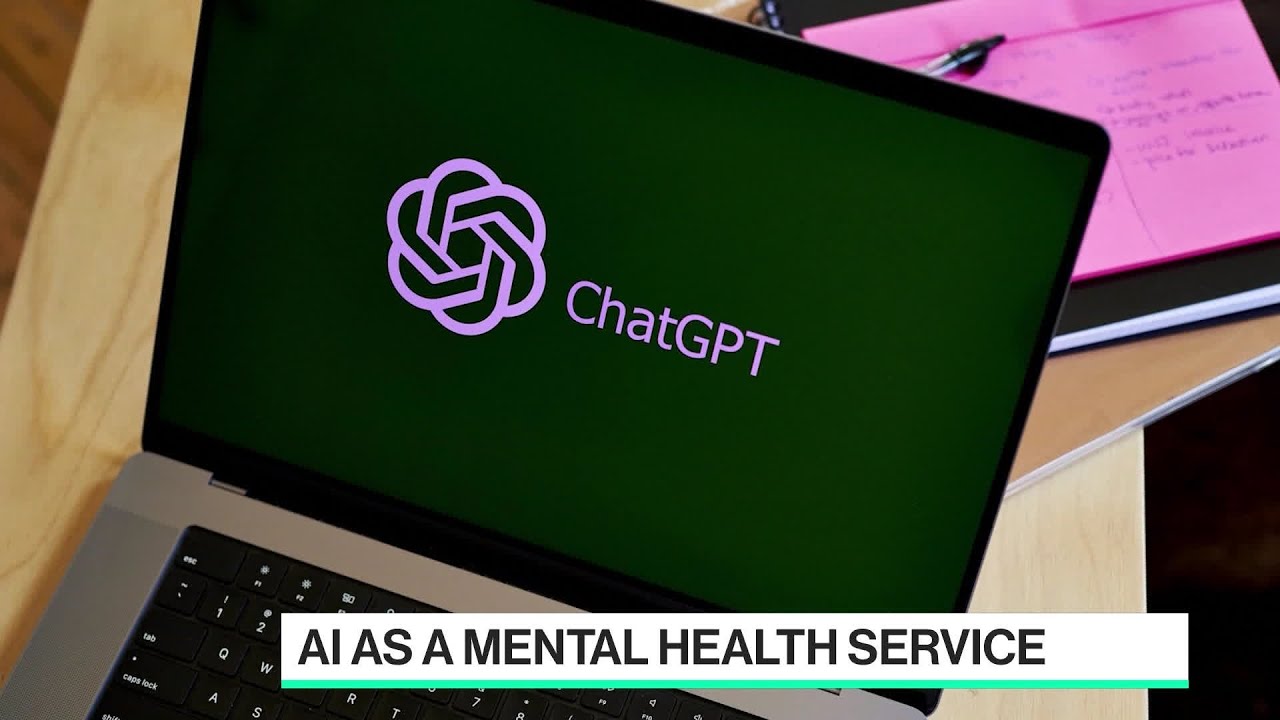
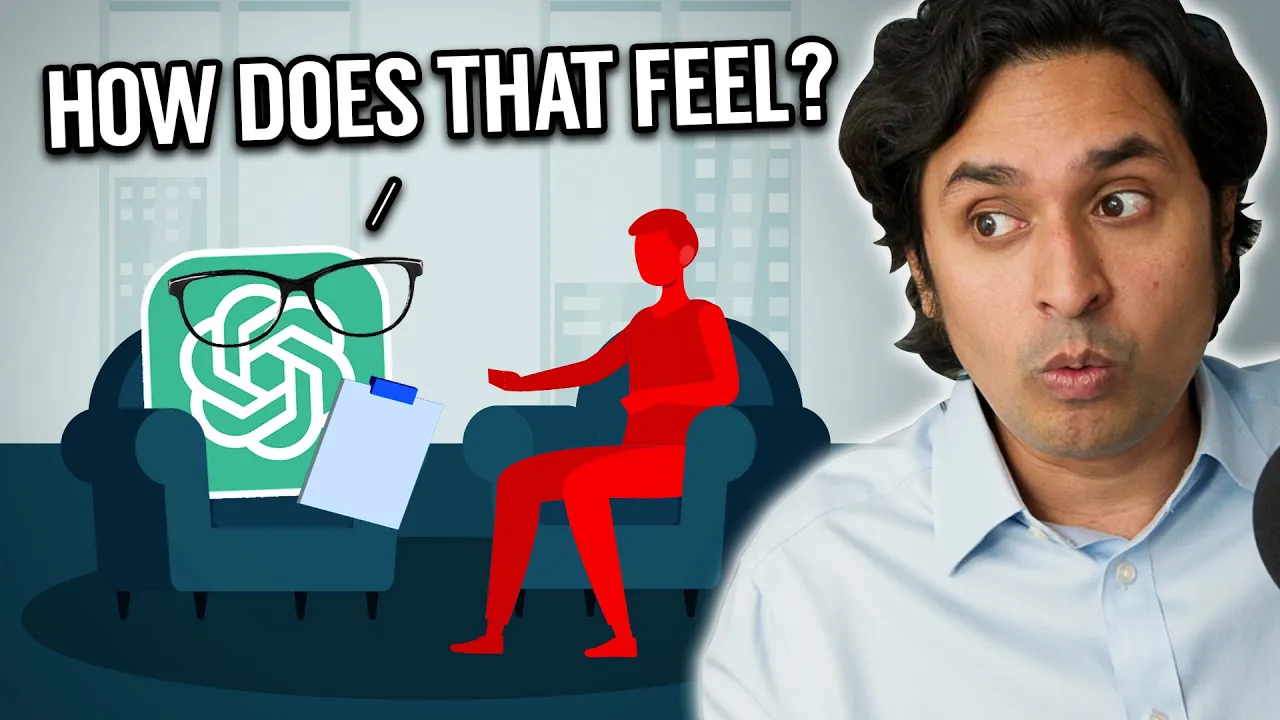
everyone today is talking about the impact of AI on various Fields including mental health and people are asking the question can an AI do therapy in my opinion is absolutely yes and then there's another interesting question though which is can an AI replace therapists and to that my answer is actually probably not and you may be thinking for a second hold on a second if a AI can do therapy how can it not replace therapists in order to understand how an AI can do therapy and at the same time not replace therapists we have to
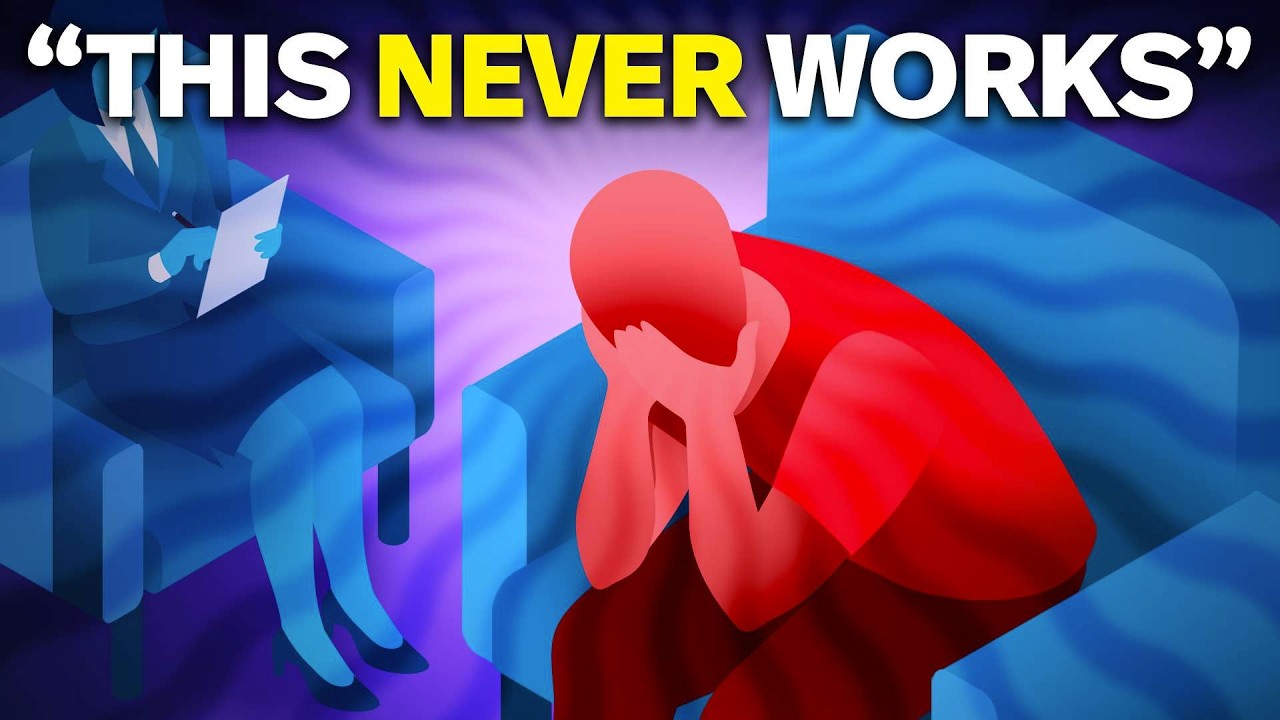
understand how therapy actually works and we're going to start with sort of a historical framework so let's remember that therapy is built on the foundation of something called psychoanalysis which was done by people like Sigmund Freud and Jung and essentially what they would do is have their patients lay down on the couch and they would sit behind them and the patients would do something called free associate which is just basically think out loud in the psychoanalyst would say very little and they would do this for about one hour a day so you basically go into
the office you lay down and you just talk about whatever kind of things pop into your head and the analyst is sitting behind you and like just paying attention and eventually what they would do is come to these ideas about what's going on in your subconscious they would translate all this random crap you were saying in sort of formulate okay this person has this kind of problem in their subconscious and then they would sort of work on that in some way and then presumably this person would get better if this sounds like it's kind of
a load of crap other people sort of agreed with that as well including the behaviorists so the behaviorists came along and they were like hey all this crap with the subconscious sounds like BS and at the end of the day like whatever is happening in the unconscious is not nearly as important as what people actually do and instead of Plumbing the depths of the unconscious what we should do is help people change their behavior and this sort of idea evolved into something called cognitive behavioral therapy which isn't concerned with the subconscious what it's concerned with
is the relationship between our thoughts the things that we think our feelings our emotions and our behavior and if we work on these three components we can help human beings and we did a bunch of research on both of these things and we found that they're basically both effective and so then what happened is therapists were trying to figure out okay these things are fundamentally different one is fixing your unconscious which will then result with natural changes to your thoughts your emotions your behaviors whatever and over here you've got a different Camp who's like forget
about the unconscious let's just fix thoughts or emotions and behaviors and so which one is better and so as we started to study all of this stuff what we basically found is that all of these things are equally effective which really confuse people because these are fundamentally different things and so then what we did is we tried to figure out okay if these things are all equally effective what's going on here and what we stumbled upon is this concept of common factors that if you look at progress within therapy it doesn't really have anything to
do with a particular methodology it comes down to certain relationship aspects so do you trust your therapist do you believe your therapist can help you does your therapist actually listen to you is your therapist somewhat non-judgmental do they challenge you at the right times do they have some kind of framework that they can share with you to help you understand your problems and essentially the value of therapy has to do not with the the methodologies of therapy but rather with the actual relationship you have with your therapist and this is kind of what we concluded
that the closer you are with your therapist the tighter y'all's relationship is the better you will get and so we thought we had figured it out that basically it has to do with the relationship of the therapist but then something else happened as we developed more sophisticated cognitive behavioral therapy protocols like on week one we're going to do this on week two we're going to do this on week three we're going to do this kind of exercise and a good example of this is something like procrastination so if you struggle with procrastination is procrastination a
thought a behavior or a feeling is it an emotion you're kind of scratching your head you're kind of thinking well it's kind of all of the above right I engage in some avoidance behaviors I feel some emotions and I have particular thoughts and that's exactly how CBT Works what CBT does is it takes this problem like procrastination and breaks it down into these individual components and then you can Target those individual components and thereby reduce the procrastination so we essentially developed protocols for these kinds of things and the more protocolized we got the more it
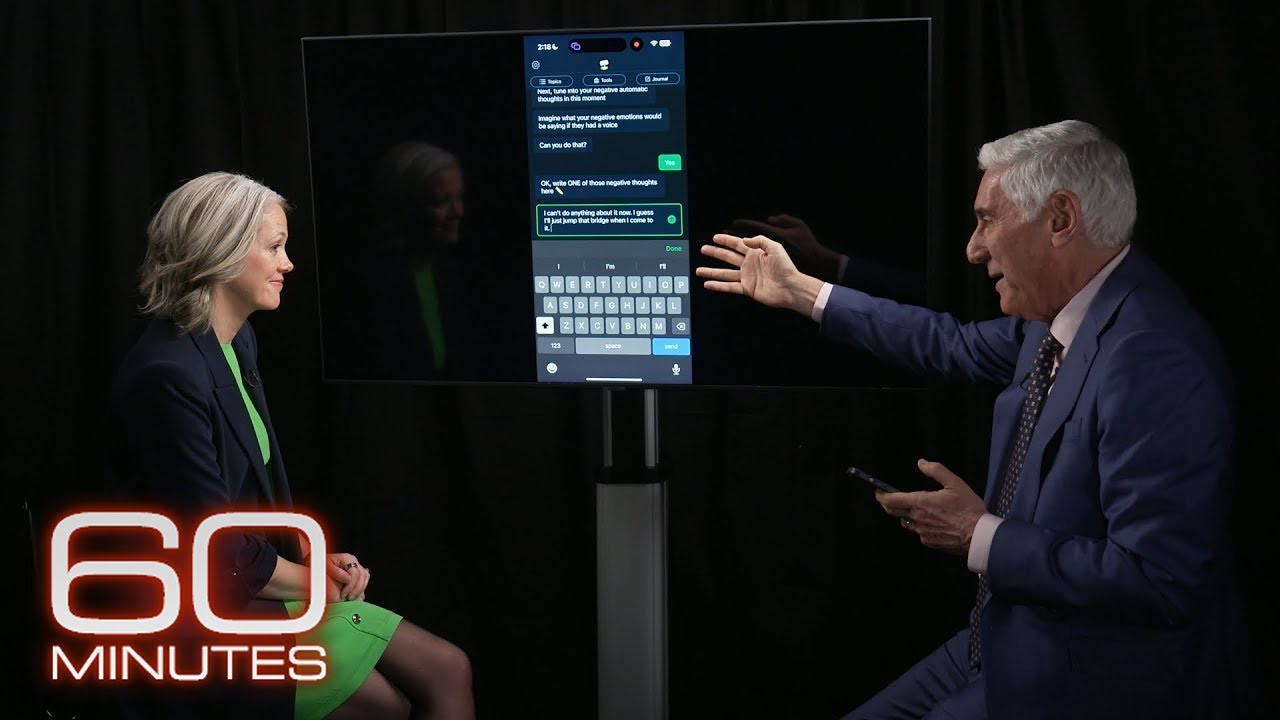
became week one week two week three the more people started to think okay if this is a protocol do you actually need a human to do it can a computer run a patient through the protocol and Achieve good results and so we started studying something called computerized CBT which is essentially cognitive behavioral therapy delivered by a computer or a program and this is what was kind of bizarre is we started studying CBT it seemed to be very effective and some studies even found that CBT or computerized CBT was just as effective as CBT administered by
a therapist and so this should be kind of confusing right because we discovered from common factors research that it has to do with a human and we looked at these computerized CBT trials and we sort of discovered okay you don't actually need a human so which is it and now we really start to understand that therapy is two different things so one part of therapy is sort of helping people understand their mind it's providing them with a framework a certain amounts of knowledge or even tools or skill sets that can help them with their mind
and this is sort of responsible for half of the effect of therapy the other part of therapy seems to be something that's a little bit more empathic or sort of forming a human connection and by having trust in a human being it sort of activates all of this empathic circuitry that sort of helps us heal helps us sort of understand ourselves in a different way when a therapist treats us in a non-judgmental and compassionate way we sort of integrate that into ourselves and we change for example our self dialogue so when someone treats us with
compassion we learn self-compassion and that's a little bit different from teasing apart or breaking apart how procrastination is thoughts emotions and behaviors and so these are kind of the two elements of therapy and so now we can begin to see how an AI may be able to do therapy like it may be able to run human beings through a CBT protocol and it may be very successful at helping human beings tease apart how procrastination is thoughts behaviors and emotions and these are three different things and we can tackle them individually and at the same time
it may not be able to replace a therapist because I don't think an AI has reached the point of actually substituting for human connection and so a lot of therapists are really concerned about being placed by AI this is a big concern for a lot of people out there right can my job be done by an artificial intelligence but in my opinion that's not actually the biggest problem the biggest problem is not whether an AI can do a job the really tricky thing is that if an AI can substitute for a therapist what that means
is AI has crossed a fundamental barrier at this point the AI is not doing a job at this point an AI is a replacement for a human and so if AI can ever cross the barrier of substituting for a therapist what this fundamentally means is we have now trained a computer or an artificial intelligence to replace an actual human being in a relationship context and if we ever cross that barrier I think what we should be worried about is way more than making a job obsolete because if an AI can actually substitute for a human
being it'll be able to substitute for human beings in other kinds of relationships like friendships maybe even parental relationships maybe even romantic relationships and the really funny thing is that this is actually already starting to happen it's actually started to happen many years ago with this concept like waifus there are some human beings out there who have relationships with imaginary or virtual people they'll go on dates with their waifu they'll even sometimes like have some kind of robot or like physical partner that can sort of gratify them sexually we sort of know that there are
virtual reality kind of girlfriends out there that are sort of programs or AIS that you can kind of go on Virtual dates with and so what I'm really concerned about is if AI ever replaces human beings in relationships I literally don't know what's going to happen to the human race and so this is an area where theoretically I'm an expert but honestly I can't predict the future any better than you can and so we'd love to hear from you about what you think about this problem would you actually want an AI to replace a therapist
hell let's think about this for a second if we could train an AI to be me a duplicate of Dr K that was accessible to you is that something that you would actually want or do you think this is the kind of thing where that would be one step on the road to disaster and that's what's so scary about this right because if we're sort of thinking about it and I've thought about this recently do I want to try in an AI to be me maybe I could help so many people but are we actually
moving in the wrong direction by creating things that seem to be good for us so please let us know what you think and honestly what you say may help us help inform us about like whether we actually create a Dr K AI or not foreign [Music]