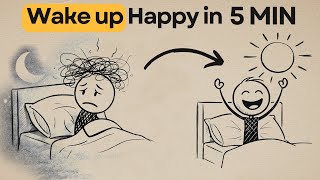
Have you ever done everything right? Slept seven or even 8 hours? Avoided caffeine?
Went to bed early and still woke up feeling tired and heavy? You open your eyes, but your brain still feels foggy. And you drag yourself out of bed, half awake, and reach for your coffee before you even say good morning and wonder why do I still feel so tired?
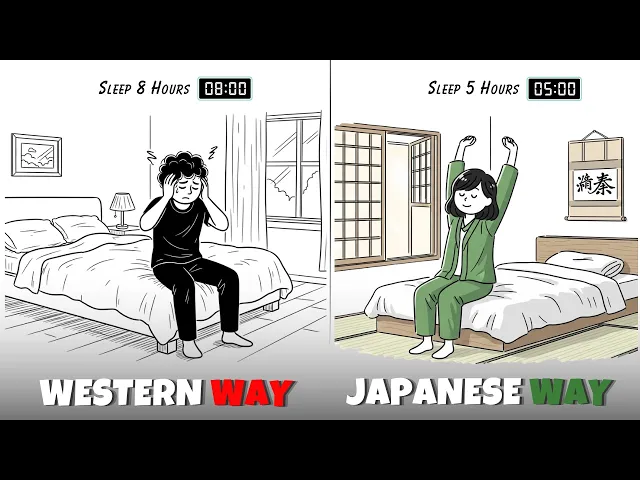
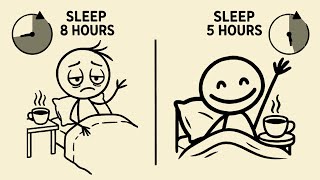
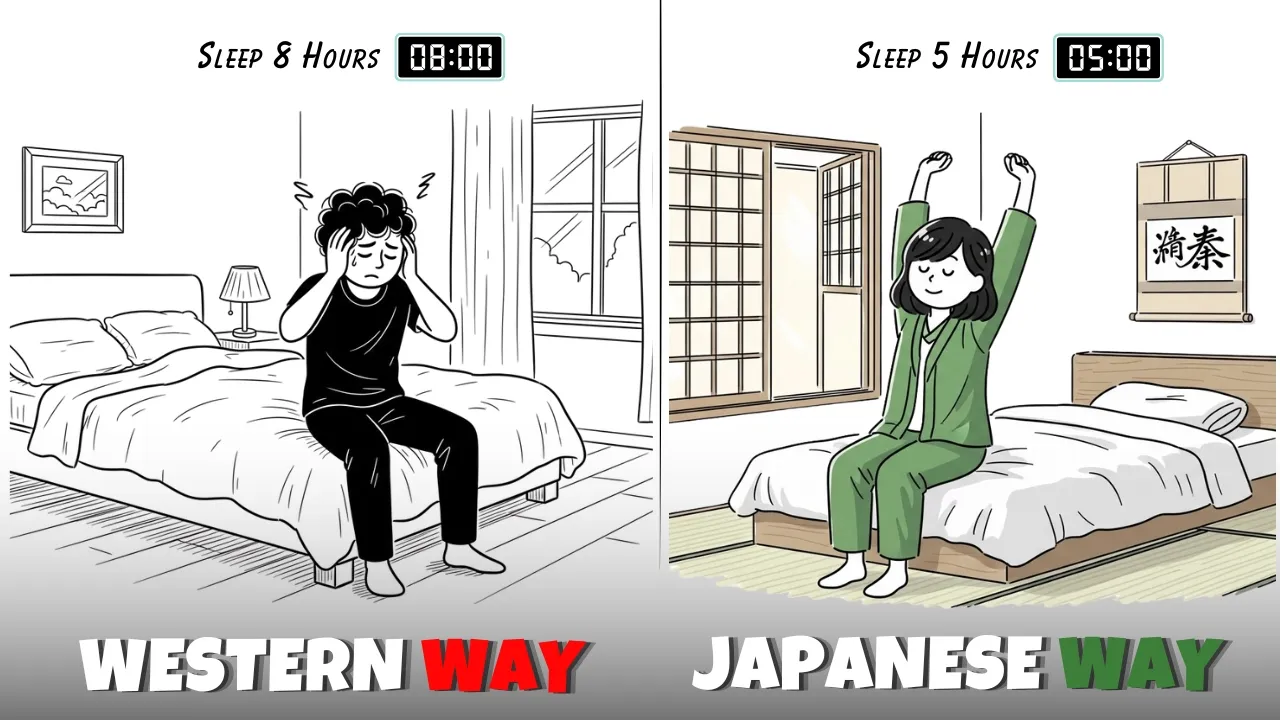
Here's the strange part. Somewhere across the world in Japan, someone else also slept for 7 hours, but they woke up calm, focused, and full of energy. Same number of hours, but different result.
So, what's going on? Is it something in their genes or their diet? Or maybe they've learned to sleep differently in a way most of us have completely ignored.
See, in Japan, sleep isn't treated as a lazy activity. It's seen as a form of discipline, a way to reset your mind and prepare your body for the next day. It's not just about how long you sleep, but how you sleep.
So, in this video, we're going to explore five Japanese sleep habits that turn ordinary rest into deep and powerful recovery. And you don't need to move to Tokyo or buy an expensive mattress or drink some weird tea made from mountain herbs. You just need to understand the art of sleeping smarter.
the small mindful changes that help your body and brain wake up truly refreshed. Because maybe it's not about sleeping more, it's about sleeping better. We live in a world that glorifies hustle.
People brag about how little they sleep, as if being tired means they're working harder than everyone else. You've probably heard people say sleep is for the weak. But here's the truth.
Sleep isn't a waste of time. It's how your brain repairs itself, restores energy, and prepares you for success. Without good sleep, your focus drops, your mood crashes, and your productivity slowly disappears, no matter how motivated you are.
And if there's one place that truly understands this, it's Japan. In Japan, sleep isn't seen as laziness. It's seen as discipline.
It's part of a balanced life where the mind and body are treated with respect. While most of us chase more hours, the Japanese focus on quality, not quantity. They turn six to seven hours of rest into powerful recovery through small daily habits and a deep respect for rhythm, routine, and rest.
So maybe the secret isn't about how long you sleep, but how you sleep. Because when done right, even a few hours can recharge your entire system. Habit number one, cool down your cave.
Imagine walking into a Japanese bedroom at night. No bright lights, no thick, heavy blankets, just calm, clean air. And one small but powerful detail.
It's cool. In Japan, people don't sleep in warm or stuffy rooms. In fact, a study across more than 2,000 Japanese homes found that most bedrooms stay between 13° to 16° at night.
That's almost 10° colder than the average home in Western countries. But why does that matter so much? Because your brain actually needs to cool down by about 2 to 3° F to enter deep sleep.
And it's not just about comfort. It's pure science because when your body temperature drops, your brain releases melatonin, the hormone that tells your body it's time to rest. Then your heart rate slows down and your muscles relax and your body begins its nightly repair process, fixing tissues, restoring energy, and cleaning out mental clutter from the day.
The sleep expert, Dr Matthew Walker, author of Why We Sleep, explains it perfectly. A cool bedroom is like an invitation to your brain to rest deeply. So, what can you do?
Try lowering your room temperature tonight to around 15 to 18°. And if you live somewhere warm, open a window or use a small fan. You don't have to make your bedroom feel like an ice cave.
Just make it a little cooler than usual. You'll notice the change almost instantly. Less tossing and turning, deeper rest, and a morning where you don't wake up groggy, but calm, refreshed, and ready to take on the day.
Habit number two, hot bath, cold room. Now, here's where Japan really stands out. Through a simple but powerful nightly ritual called the Afuro.
Every evening, millions of Japanese people end their day with a hot bath, usually around 40° C. But it's not just about cleaning the body. It's about clearing the mind.
And when you sit in that warm water, then everything slows down. The noise of the day fades, and you breathe deeper, and your muscles relax and all the stress that built up quietly starts to melt away. It's like pressing a reset button for your body and mind.
But here's where the real magic happens. When you step out of the hot bath, your body temperature drops quickly and that sudden cool down sends a powerful message to your brain. It's time to sleep.
Then your heart rate slows and your mind calms down and your body starts preparing for deep rest naturally, not forcefully. This is the beauty of Japanese sleep culture. They don't try to fight their biology.
They work with it. Now, let's compare this with what most of us do in the West. We finish the dinner, then maybe scroll through our phones and stare at bright screens and then expect our brains to just switch off.
But it doesn't work that way. Your mind can't relax if you're still feeding it noise and light. Sleep isn't something you can command.
You have to invite it. So, here's what you can try tonight. Take a warm shower or bath about 1 to 2 hours before bed.
Don't rush it. Let it be your quiet time. No phone, no music, just calm.
Then, when you get out, keep your room cool around 15 to 18° C. This hot bath and cool room combo tells your brain it's safe to power down. Then, you'll fall asleep faster, and your rest will feel deeper, and when you wake up, it won't feel like you just survived another night.
It'll feel like you actually recharged. Habit number three, change the meaning of tiredness. Here's something interesting.
In Japan, when someone says, "You look tired," it's not an insult. It's actually a compliment. It means you've worked hard.
It's a way of saying you gave your best, that your effort mattered. But in many Western cultures, being tired is seen as a weakness. We try to hide it.
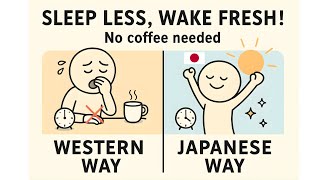
So, we drink more coffee, push through the day, and force a fake smile as if admitting we're tired makes us less capable. But Japan looks at it differently. They see tiredness as a signal, not a shame.
It's your body's gentle way of saying you've done enough. It's time to rest. And that small shift in mindset changes everything.
So when you respect your fatigue, you start listening to your body and you stop fighting it with caffeine or guilt. And also you stop treating rest like a reward and start treating it like a need. That's when true rest begins.
Because sleep isn't just a physical act. It's an emotional experience, too. If your mind feels guilty for resting, your body never truly relaxes.
You might close your eyes, but your nervous system stays alert, as if it's still waiting for permission to switch off. So tonight, when you feel tired, don't say, "I'm lazy. " Say, "I'm human.
" And you've worked so hard. So now you've earned the right to rest. And the moment you honor your tiredness instead of fighting it, your body will finally do what it's meant to do.
Recharge, repair, and rebuild you from the inside out. Habit number four, master the mini nap. If you ever walk through an office in Tokyo, you might notice something surprising.
People sleeping right at their desks, heads down, eyes closed, and quietly resting in the middle of the day. And this isn't laziness. It's called inamorei, which means sleeping while being present.
In Japan, this kind of nap isn't seen as a bad thing. It's actually respected. It shows that someone has worked hard, given their best effort, and now their body deserves a short moment of recovery.
And here's the smart part. These naps don't last an hour or two. They're short, just 10 to 20 minutes.
That's long enough to refresh the brain, but short enough to avoid entering deep sleep so you don't wake up groggy or tired. And studies show that 20inut nap can boost your energy and improve focus, memory, and even creativity. It's like hitting a reset button for your brain in the middle of a busy day.
So instead of worrying about getting a perfect 9-hour sleep at night, you can balance your energy with short and mindful naps during the day and not a power nap that you rush, but a peace nap that you enjoy. So find a quiet spot, then close your eyes and breathe deeply. Let your mind slow down.
Even if it's just for 10 minutes, your brain will thank you for it. Because rest isn't only about how long you sleep. It's about your rhythm.
And once you master that rhythm, you'll notice something powerful. Your energy won't depend on caffeine anymore. It'll come naturally from within.
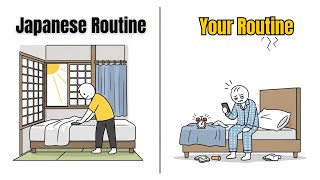
Habit number five, peck off, mind on. Let's be honest, most of us use our beds like entertainment centers. We scroll through social media and watch videos, reply to messages, and keep our minds busy until we can't think straight anymore.
And then we wonder why we can't fall asleep. The truth is, your brain never really shuts down when you do this. It's flooded with blue light, constant notifications, and endless information.
And you're trying to rest, but your mind is still running a marathon. In Japan, people use their phones, too. But they follow something simple and powerful.
Tech discipline. No screens before bed. No chaos, just calm.
They know that blue light from phones and laptops blocks melatonin. The hormone that tells your brain it's night, time to sleep. So even if you feel tired, but your brain still thinks it's daytime.
That's why the Japanese bedtime routine focuses on peace. Soft lighting, quiet rooms, and slow breathing. They create an environment where the mind naturally relaxes.
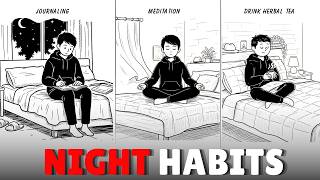
So here's a simple rule for you. Go techfree for at least 1 hour before bed. Use that time to read a few pages of a book, stretch your body, and write down your thoughts.
Or simply sit in silence. If you absolutely need to use your phone, turn on night mode or blue light filter and keep the brightness low and let your mind land softly before you sleep, just like a plane preparing for a gentle landing. Because here's the truth.
Your phone can recharge overnight, but you can't unless you unplug first. So, if this video helped you see sleep in a new way, don't just nod and keep scrolling. Pick one of these habits and try it tonight.
like lower your room temperature and put your phone away or take a warm shower before bed. Just one small change. Then notice how you feel tomorrow morning.
A little calmer, a little more rested, a little more alive. And if it worked for you, share this video with someone who's tired of always feeling tired. Because sometimes the difference between exhaustion and real energy isn't more hours of sleep.