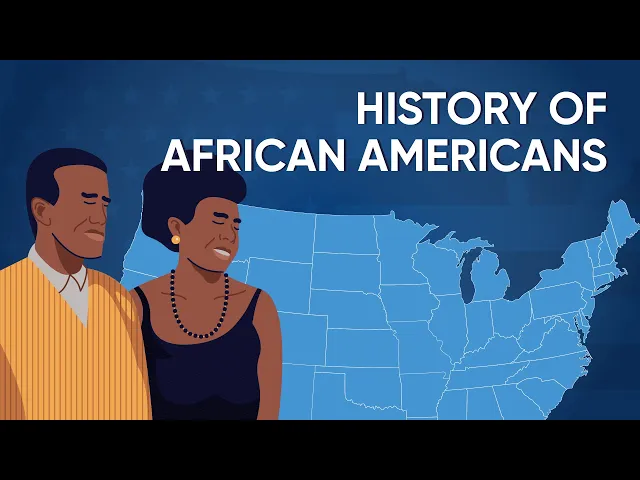
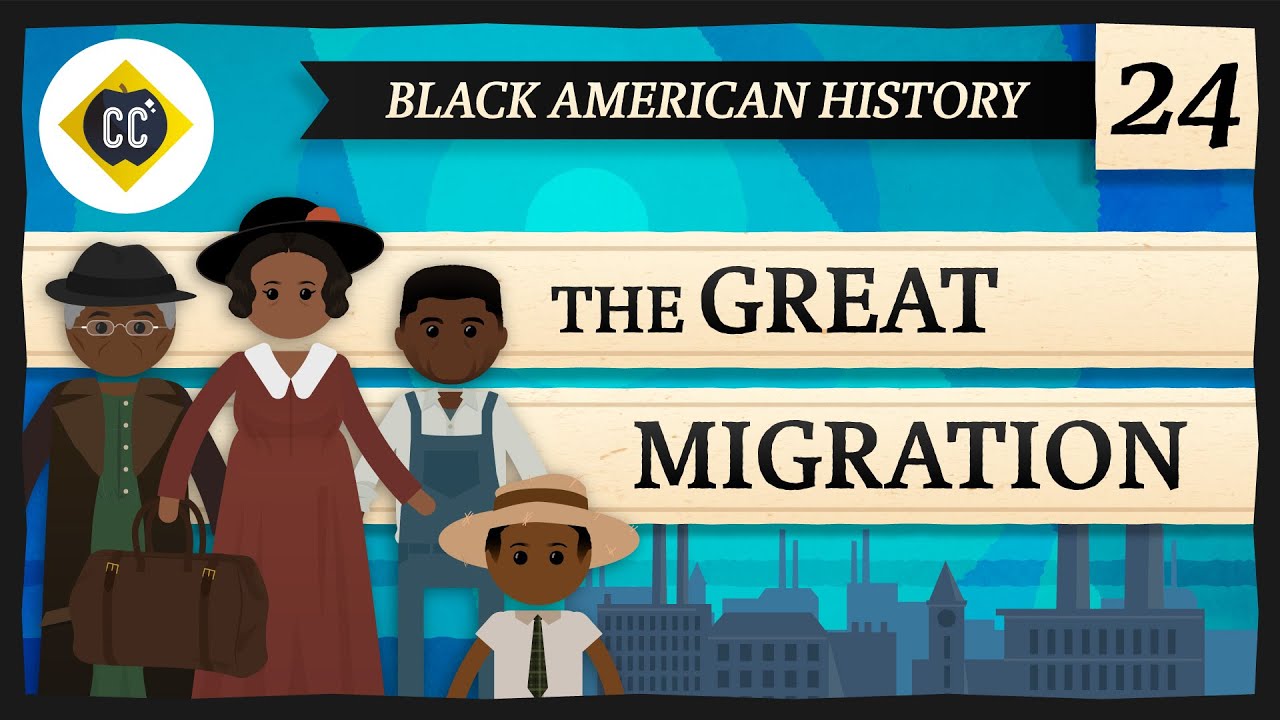
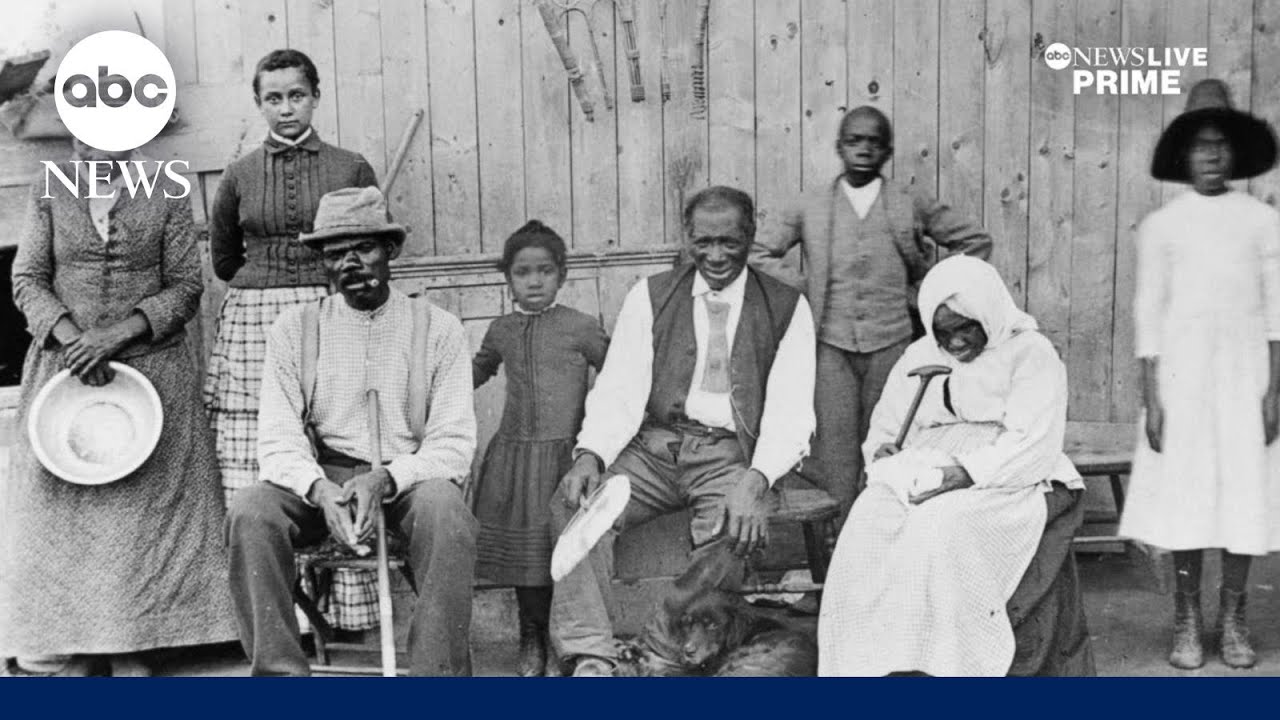
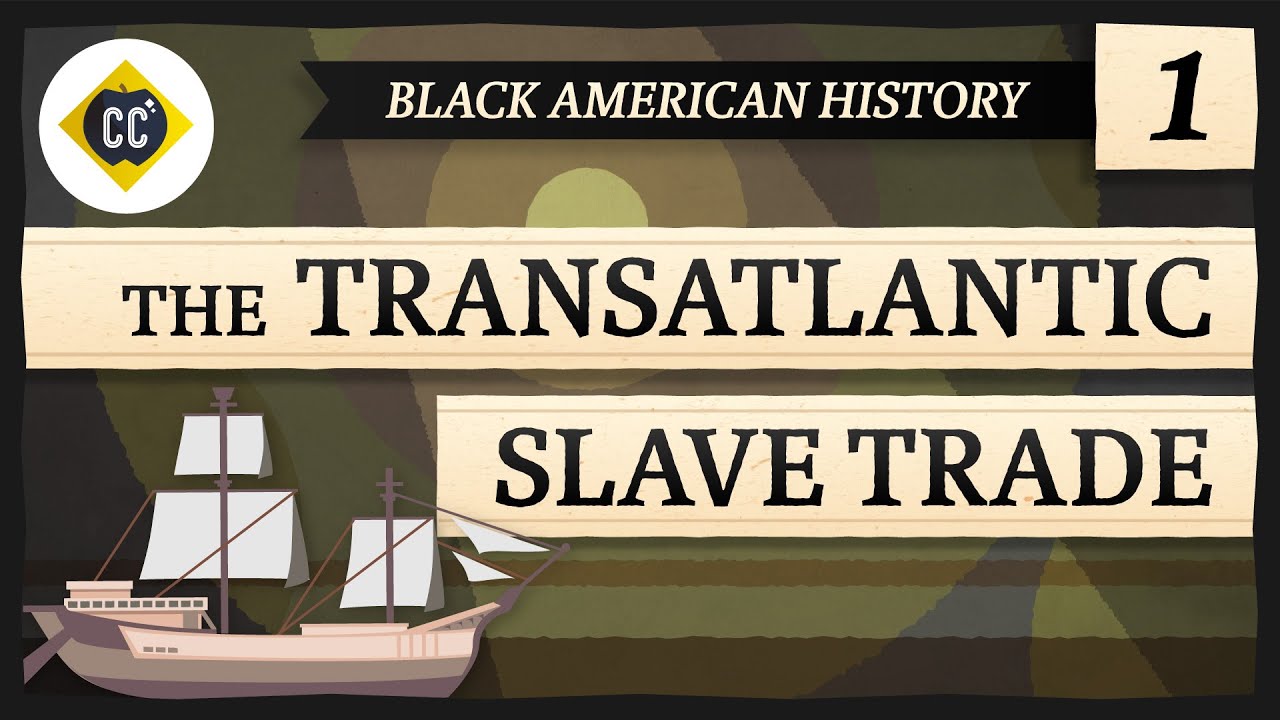
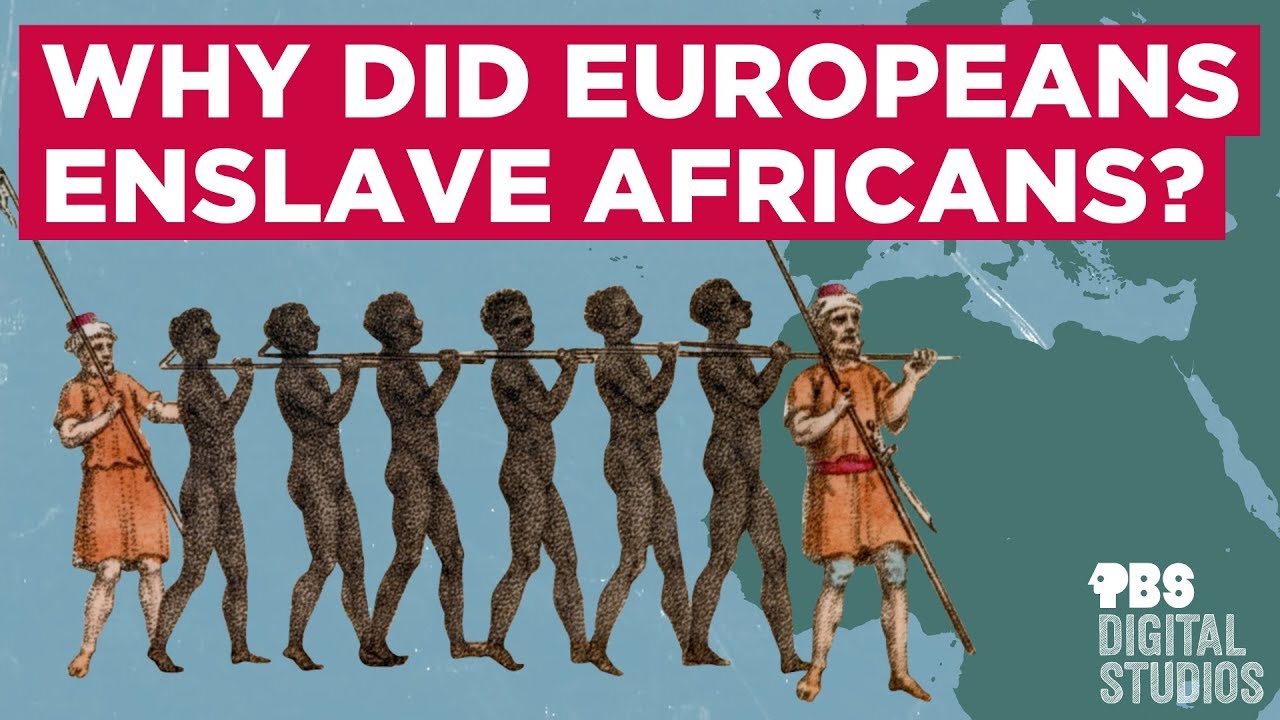
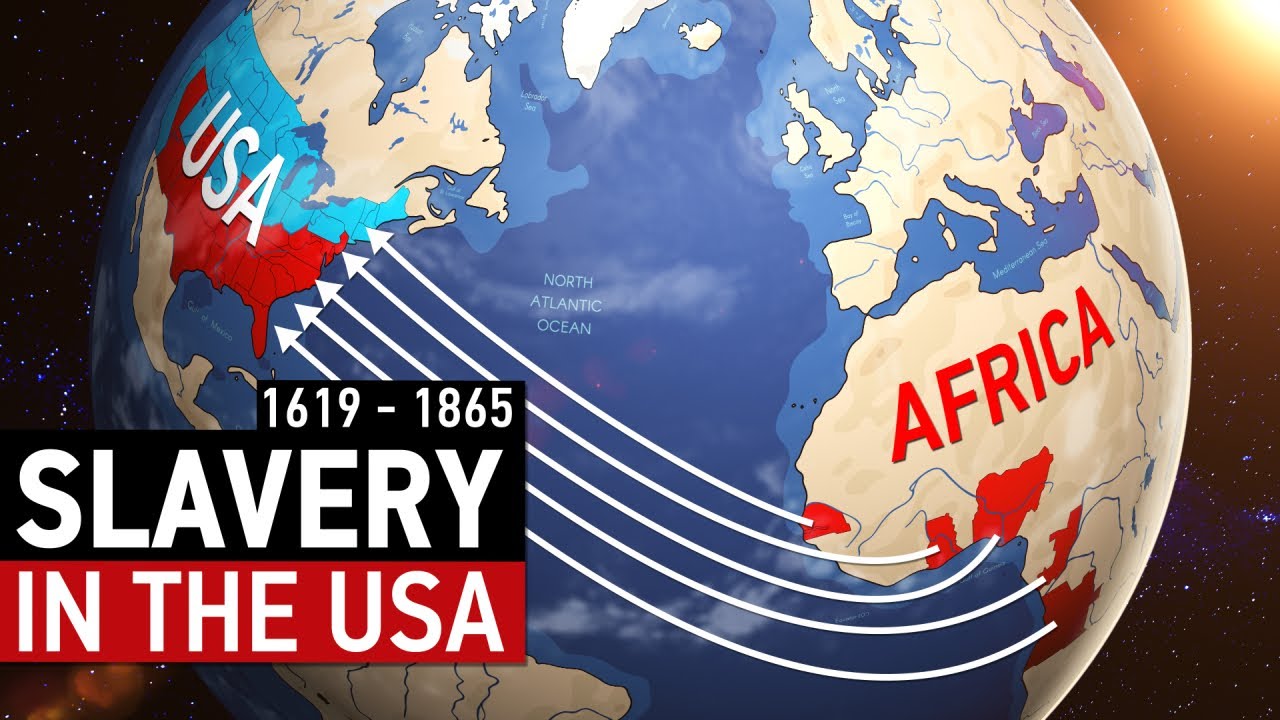
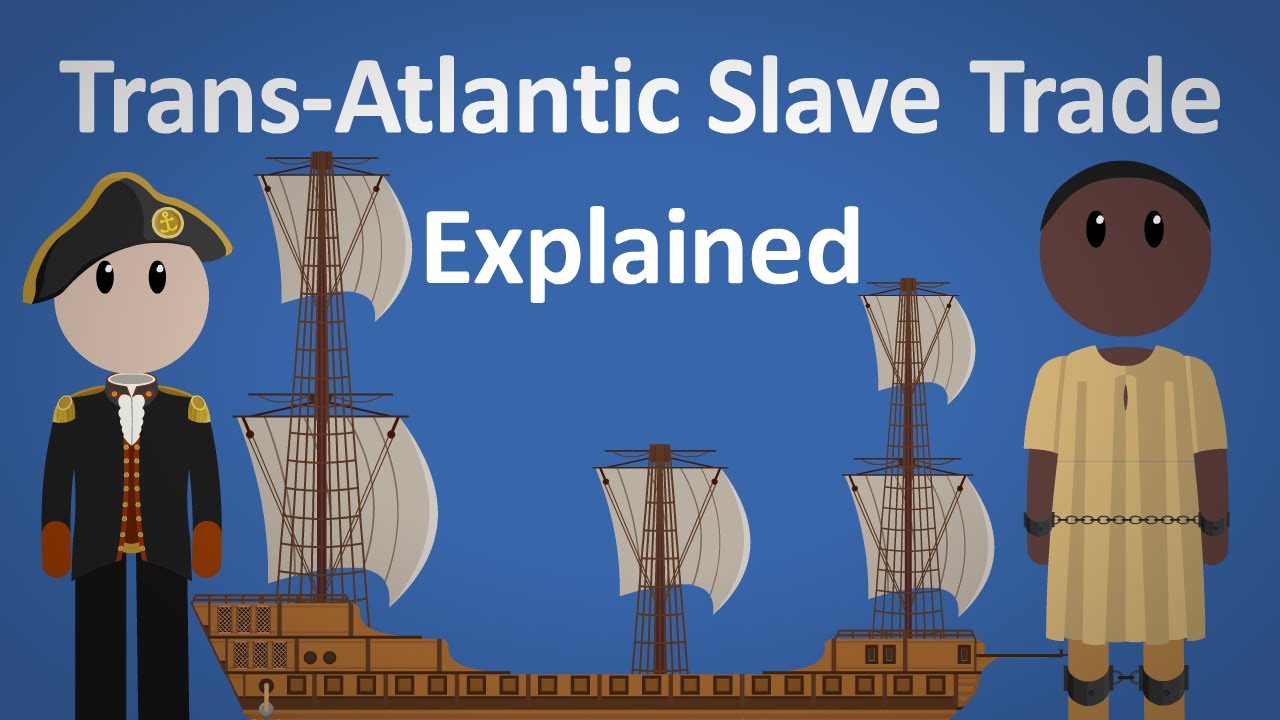
history of african americans african americans account for a large portion of the american population at the turn of the 21st century there were 36 million african americans in the south 2 million in new york city 1 million in chicago and around 500 000 to 1 million african americans living in detroit philadelphia and houston early history of african americans history of african americans began when 20 africans were dropped in the english colony of virginia in 1619. they worked as indentured servants who were bound to an employer for a limited number of years their population kept growing and reached in 760. 179 most of them were directly imported from africa or were the children of slave mothers accounting for one-fifth of the population of the united states the blacks were documented into slavery in virginia in 1661 and all the english colonies by 1750 during that time they were considered an inferior race with heathen culture they were forced to work in the farmlands of the new world africans were sold as merchandise by european traders on slave ships across the atlantic ocean to the west indies the region of the north atlantic ocean and the caribbean at least one-sixth of them died during the journey due to shock disease and suicide slavery in america during the period of the 17th and 18th centuries africans and african-americans referring to those born in the new world were forced to work as slaves on tobacco rice and indigo plantations of the southern coast from the chesapeake bay colonies of maryland and virginia south to georgia eventually slavery became rooted in the south's huge cotton and sugar plantations legislation was passed by president thomas jefferson in 1807 to end the slave trade in america however it did nothing but boosted the domestic slave trade in the country black women were forced to conceive as early as age 13 and to give birth as often as possible there were still free black people making up one-tenth of the entire african-american population they originated with former indentured servants and their descendants some of them migrated from the west indies or were freed by their owners but while in the south they were subject to restrictions imposed on slaves in the north they were not allowed to vote own any property and travel freely they even faced the risks of being kidnapped and enslaved movements to end slavery abolitionists in britain and the united states in the 1840-1860 period developed large complex propaganda campaigns against slavery among the free blacks in the north were emerging african-american leaders in many states such as philadelphia boston and new york city they initially held national and state conventions in early 1830 however these people shared different opinions on how to deal with slavery and discrimination several leaders encouraged slaves to revolt and overthrow their masters while others thought they should enhance the economy and establish a modern black country in africa thus african americans founded liberia in west africa which foreshadowed the development of pan-african nationalism american civil war according to the missouri compromise of 1820 there must be an equal number of slave and free states but this was abrogated leading to slavery in all american territory in 1860 abraham lincoln was elected president of america on the anti-slavery platform of the new republican party at the beginning of 1861 a movement was launched in an attempt to liberate all the country's slaves it was the civil war however the initial goal of lincoln was not to abort slavery but to emancipate gradually with the federal government compensating the slaveholders for the loss of their property but in september of 1862 he issued the emancipation proclamation stating that all slaves were to be free making the civil war a war to end slavery african americans after the civil war after the civil war nearly 4 million slaves were freed gained their citizenship and the right to vote by the 13th 14th and 15th amendments respectively however all of these new provisions were ignored especially in the south during reconstruction with leadership from educated african americans from the north and abroad they gradually wield political power in the south however it didn't last long due to economic pressure and violent anti-black activities such as ones from the ku klux klan the white supremacy once again dominated leading to racial separation all over the southern states in the post-reconstruction years both african-americans in the south and the north struggled to find a job so many of them decided to migrate westward impacts of world war one in 1900 nearly 8 million african americans still lived in the south however due to economic depression more african americans moved northwards and were then embroiled in world war one during the war thousands of black officers were commissioned and many served abroad in labor battalions and service regiments in 1919 the universal negro improvement association was established in the harlem district of new york city by marcus garvey a black nationalist born in jamaica with several hundred thousand members it is considered to be the largest mass movement of african americans in the country's history garvey's movement ceased after he was jailed and deported to his home country the great depression due to the great depression of the 1930s a large number of african americans lost their jobs amidst inherent discrimination virtually ignored by the republican administrations of the 1920s black voters drifted to the democratic party especially in the northern cities they supported democratic candidate franklin d roosevelt in the 1932 presidential race with the establishment of the new deal reforms african americans were aided with low-cost public housing education and more jobs impacts of world war ii the outbreak of world war ii along with the industrial boom put an end to the depression in 1939 with support from president roosevelt african americans secured more jobs at better wages during the war more and more blacks migrated from the rural south to the industrial cities of the north which was known as the great migration however due to culminating job competition along with serious housing shortages race riots broke out in many areas the worst occurred in detroit in june 1943.
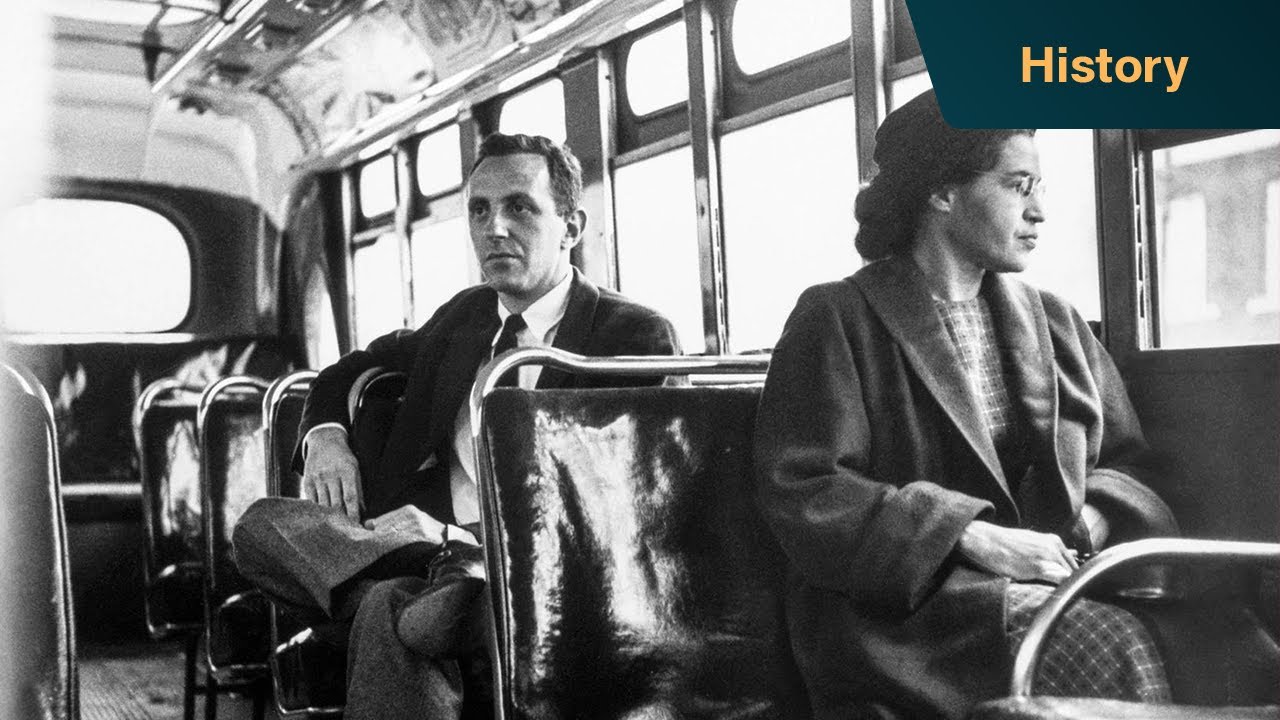
during the war a large portion of african-american soldiers overseas were in service units and combat troops remained segregated but then integrated officer training was subject to ratification in 1949 four years after the end of world war ii the armed services finally adopted a policy of full integration the civil rights movement the civil rights movement was the persistent and deliberate step of african americans in the 1940s and 1950s direct non-violent action by african americans achieved several successes such as the bus boycott of 1955-56 led by the reverend martin luther king jr in alabama student sit-ins movement in greensboro north carolina in 1960 and freedom rides in alabama mississippi to defy segregation on interstate buses in 1961 freedom now party in michigan in 1964. and national attention in the spring of 1963 in alabama within 15 years after the supreme court prescribed all white primary elections in 1944 the number of the registered black electorate in the south increased more than five-fold reaching 1. 25 million in 1958.
the culmination of the civil rights movement was in 1963 when king addressed the crowd of about 250 000 demonstrators gathered on the mall from lincoln memorial the march aided in securing the passage of the civil rights act of 1964 which banned discrimination in voting public accommodations and employment post civil rights era of african american history in 1989 douglas wilder became the first american elected governor in us history in 1992 carol mosley braun of illinois became the first black woman elected to the u. s senate there were 8936 black office holders in the united states in 2000 showing a net increase of 7467 since 1970. in 2001 there were 484 black mayors the 39 african-american members of congress formed the congressional black caucus which serves as a political bloc for issues relating to african americans the appointment of blacks to high federal offices including general colin powell chairman of the u.