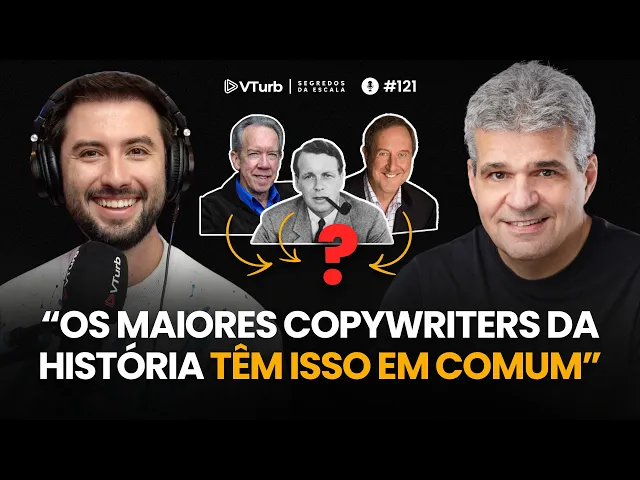
The time to beat your promotion that's crushing it is immediately good, better, best. Never let it rest until the good is better and the better best. It's kind of corny, but that's direct marketing in a nutshell. Like, you know, you have to always be testing. >> Brian Kurts Boardroom. There was a 404 4020 rule in in direct response marketing. And the 40420 rule Said the success of any campaign depends 40% on the list. 40% depends on the offer and 20% depends on the creative and copy. The creative and copy is the least important element of
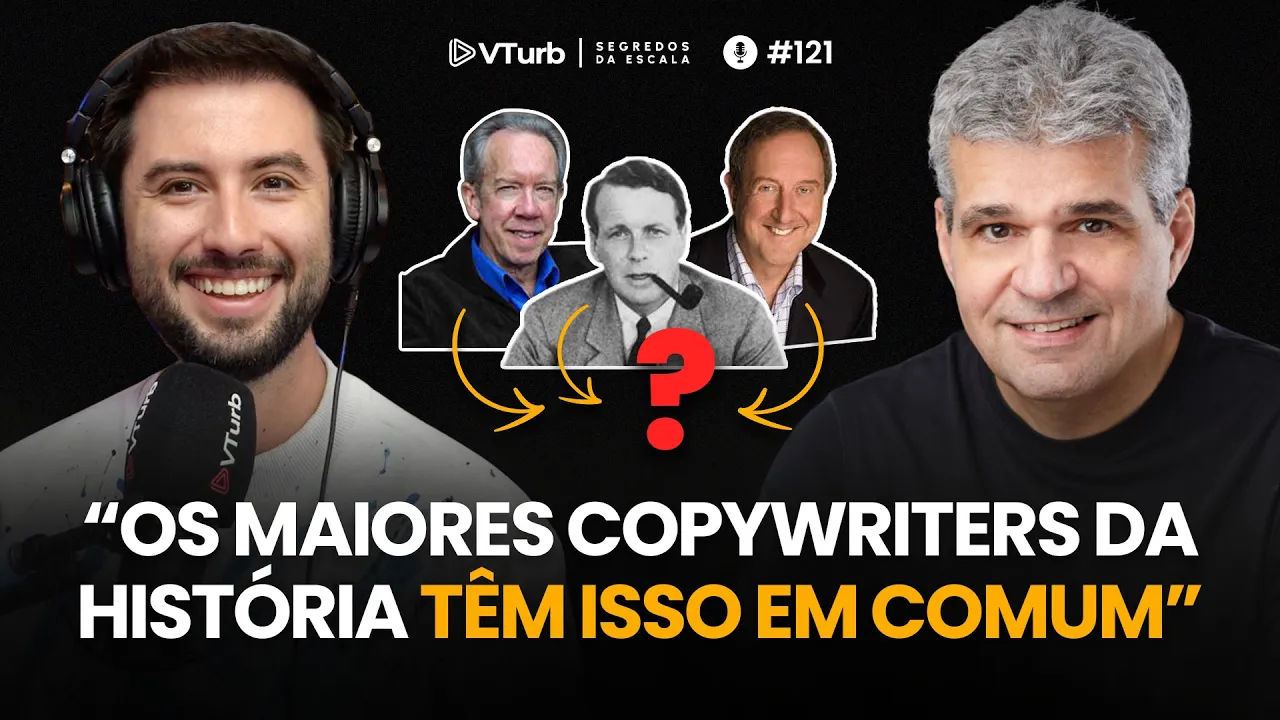
your marketing campaign until it's not. What do you think there is missing today that people in the past used to do? >> That I've been in the business for over 40 years and I've been involved in a lot of direct mark response marketing campaigns online and offline that I've Worked with every great copywriter who's alive today basically and a lot of them are dead now but I've worked with every single one of them and I looked for the characteristics that were part of all of them and there were seven characteristics. I think the new direct
response marketers, they really need to learn that. Fore spechch. [Music] Fore. [Music] So, Brian Kurts, nice to have you here, man, on the V podcast. I've been a fan of you for a long time now. >> Yeah. and and and you're so young. So, you know, I you must have been a fan of mine since you were like 10 years old. I'm kidding. Um but yeah, no, I was I was so pleased when you contacted me cuz as we said in the warm-up, I I um I I never turn down a podcast, which is kind
Of some people say I'm stupid to do that because there are a lot of podcasts that, you know, you never know who the guy is or who the woman is, but I I'm just obsessed with direct marketing. And so anybody who wants to talk to me about it, even if it it doesn't matter how many downloads you have, it doesn't matter what your audience is, as long as they're people that are interested in direct response marketing, I'll talk I'll keep talking until you shut me up. >> That's amazing. >> So, yeah. So, and and especially
because you you know, you're from Brazil. Um Brazil is such a growing market. It's um we I said in our warm-up that you know I said that I just I just got the uh made a deal to to publish Breakthrough Advertising by Jean Schwarz, one of the greatest books ever written on copywriting, marketing, and human behavior. And it's going to be in Portuguese in the next year because I Made a deal to get it translated because I know Brazil is one of those markets and it's one a place where I want to speak. It's a
place where, you know, through the through um I guess it's IO who is behind Yeah. the publishing company. >> Yeah. >> He said, you know, maybe we'll do a um uh you know, video uh with me on breakthrough advertising. And so I'm I'm just into I'm I'm very into the International market for a lot of reasons and I didn't just >> So I I was really pleased when you contacted me and I'm really happy to be here. Well, thank you for being here. And you probably don't know that, but I was the one who sent
your contact to Ikaroo because IU, he was just learning direct response and then he said, "Okay, who are the guys that I should learn about? Who are the the biggest uh books that I should read?" Then I made him a List of all the books that I read like from Claude Hopkins to to Dan Kennedy, all these guys. And then there was of course uh Gin Schwarz there and also your book over deliver. And then I say to you, hey, if you want to publish this book here, uh, Breakthrough Advertising, this is to to me
the, uh, best book. You should talk to this guy. And then I sent him your email because I also have one of your copies a friend of mine bought from you and then he gave me the my own Original copy of Breakthrough Advertising. I was like, >> that's a real friend. >> Yeah, that's amazing. He's one of the best. >> You should you should you should call Icaro and and get a piece of the royalty then. >> No, it's okay. It's okay. But thank you for that. I appreciate that. >> No, thank you for being
here. So, Brian, uh, first thing that I would like to ask You is that you've been I mean, first of all, for for the few people that don't know you here on the in the VB audience, could you please tell us a little bit about yourself? Uh, what do you do right now and what you have done in the past so people can get to know you a little bit better? >> Well, it's a, you know, I've been I've been in direct marketing for well over 40 years. Um and and hopefully it's not one year's
experience for 40 years and It's 40 years of cumulative experience. You know people say I have 50 years 40 years experience and they go well if you do the same thing every year for 40 years >> it's okay but it's not accumulated knowledge and then that's how that's how you get to wisdom if you have accumulated knowledge. So I hope that it's a a 40 year 40 plus year career of accumulated wisdom and I I pride myself on that. You know I always want to build On knowledge knowledge knowledge and and then innovate on things
that I learn from people. So I mean just the brief I can do 40 years in in three minutes but you know Yeah. Yeah, cuz you you don't want to hear the whole 40-year uh monstrosity. But, you know, I basically spent the first 34 years helping build a company in the United States called Boardroom, Inc. Um, and Boardroom was a newsletter publisher, um, and a book publisher of basically for consumers. um Health information, financial information, um you know, information about you know, personal health and psychology and all that kind of stuff. And we had the
largest subscription newsletter. When I say newsletter, it wasn't a magazine, so there was no advertising in it. So we were we had the largest consumer general consumer newsletter in the world. It had a million over a million paid active subscribers to a print newsletter. that Was called Bottom Line Personal. And so we built that up. Um I didn't do it by myself, but the founder of the company, Marty Edelston, um entrusted me with all the marketing. And so I became a partner in the business. We we launched that. We when I got to the company,
the company was maybe I don't know five six million in 1981. And by the time we got to the mid two, like 2004 2005, we were at 157 million. And a lot of it was the idea of multi- channelannel marketing cuz I think we said, you know, before you turned the recording on, you said something to the effect of, you know, Brian, I I see you as somebody who always tests and is never in one medium. And if if that's if that's on my tombstone, I'm okay with that. You know, never met a test he
didn't like and never met a medium he didn't like. Um that doesn't mean you can test everything all the time and cuz Then you'll be every you'll try to be everywhere and you'll get nowhere because you'll be too spread out. >> But you can't be in one. Dan Kennedy says the most dangerous number in business is one. And one medium is is a death nail for you and your company. So I was always just committed to multi- channelannel marketing. So you know I uh I tested everything and but I got in I got in to
testing and I got out quickly if it's something that didn't work. And So and you know in the day in the 80s and 90s you know advertising opportunities were it were finite. You know, it was like, you know, you had direct mail, you had TV, radio, um um uh uh space advertising. It was there weren't that many me, you know, there was no internet, there was no email, there was no Facebook, there was no, you know, YouTube. So, we had fewer choices. And even then, >> we would not leave ourselves in one Medium. today, you
know, with advertising opportunities being infinite, I think that anybody who, you know, is not diversified, and I could talk, we can talk about that later, how to diversify, which I think is important because you have to do it intelligently and responsibly. You can't, as I said, you can't be everywhere, but you can make it seem like you're everywhere if you choose wisely. And I think that, you know, that's that's something that I' I've prided myself on. So, boardroom 34 years and then um got to 157 million. Um we made a good transition to to online.
We developed our newsletters in email and um but it was time to leave when I left. Marty Edston, the founder, he had made me a partner in the business. Uh he died in 2013. >> Yeah. >> In 2014, I did a tribute event to him, which is kind of known to some people who were around then. Yeah. Titans of Direct Response. And it was a >> a who's who of legends who were still alive at the time. Dan Kennedy, Joe Sugarman, Jay Abraham, um Ken McCarthy, um Gary Benvvenga, copywriter. Then copywriters who worked for Boardroom,
Paris Lropolis, David Deutsch, Greg Ranker was there, who was the guy who runs the largest infomercial business. We had the we had the king of direct response radio there uh Perry Marshall. So it was it was just a and and and after that I said you know what I got more to do than just boardroom. I mean the company was being run by Marty's kids at the time at that after Marty passed and I said I'm not doing I'm not doing my best work here anymore. So, I I decided to leave and I launched Titans
Marketing, which I I launched as sort of a direct marketing educational business, coaching business. I don't like to say consulting because in the United States When someone says they're a consultant, they're usually unemployed. Um, so I don't and it's just something that I think about in my mind. Maybe maybe it's my it's my association. >> Yeah. So, so I developed and the first thing I did interestingly, you know, if you talk about ascension models and descension models in direct marketing and ascension model means, you know, you go from a low ticket product, you know, a
$20 product, a $50 product, a $100 Product, and you work your way up to a to a,000 to 2,000 to 10,000. Um, I did a descension model and that's the advantage of having 34 years experience that's cumulative because I had developed a following. I developed I was no guru, believe me, but I developed a following of people that wanted to be with me at which was nice. And so I launched a mastermind, a $20,000 mastermind, $20,000 a year, 25,000 if you come with a partner. And I Immediately got 23 people, 23 companies to join. And
I launched that within like six months after I left Boardroom. So immediately I had a business. I mean that's a half a million dollar business right off off the top, right? You you know just >> 20 $25,000 at 23 people is >> over half a million dollars in revenue. So from there >> I said I only wanted 30 companies max. So and I got to 30 pretty quickly. So Now it's like a $600 700,000 business. And then I I I put on top of that the fact that I had the rights to breakthrough advertising. Um
when I was at boardroom, Dream Schwarz was one of our copywriters. It's one of the greatest of all time. And he had passed from he had been p had passed away many years when I when I started Titans in 2015. But I went to Jean's wife. I had published Breakthrough Advertising in small quantities while I was still at Boardroom. But I took the rights with me. I negotiated a new contract with his wife Barbara. And since 2015, I've sold um 15,000 copies of >> of Breakthrough Advertising at $125 a book >> because it was actually
it was very rare. So you'd see it on eBay and Amazon for like $500 and $1,000. So $125 was a bargain. Um and so and then I also develop um a boot camp because breakthrough advertising is a very dense Book. So we do these three-week boot camps with you know multiple calls to go through the book with exercises and hot seats and so people can adapt. Actually you pay $125 for a book. You want to be able to make it work for you. Right. >> Of course. you know, so we have the boot camp and
then my marketing partner Chris Mason uh had the idea to do a a companion volume which we did. It's a 500page companion volume, breakthrough advertising mastery. Um and the book is Fantastic. It's just, you know, got the exercises from the boot camp. It's got every ad that Jean mentions in Breakthrough Advertising and we got published in four color and the guy who got me the ads is from Brazil. >> Okay, I'm sold. Where can I buy this? >> I'll I I'll get I'll I'll send you the digital version tomorrow. >> That's amazing. That's >> But
yeah, it's an amazing book. So, I've got the Breakthrough Advertising Franchise. I've got my Now I I don't have Titans Mastermind anymore. I have Titans Accelerator, which is a mastermind that's virtual with 250 members. Um, so it's basically I have a very simple business, but I'm trying to reach as many people as possible. >> Yeah. >> With, you know, what I've learned. Basically, it's Jay Abraham's um J. Abraham wrote the forward to overd deliver my book and he's one of my Mentors and he always said, you know, Brian, we if you did it, you have
a responsibility to teach it. >> Yeah. Yeah. And that's kind of the area that's where I am in my life. You know, I'm I'm going to be 67 years old um in in May. And so I'm in like a teaching mentoring phase. And the amazing thing is, you know, when I say I'm a teacher and a mentor, I'm still a student, you know, because I I I somebody like some online marketer comes to me and says, You know, you're you're like my mentor from afar, Brian. And then I learn what this guy's up to or
this woman's up to. And after we're done, after we get together and they speak at my mastermind and they're they're like proficient in in in in the new media, I say, "You know what? You're my mentor. You know, you're my teacher." Because that's the way it goes. When when the when the when the student becomes the teacher, that's when life is just grand. It's like and so I've been I I I I toggle between teacher and student every day and that's it's a wonderful place to be. >> So that's my that's my 40 plus years
in a nutshell. >> Well ju just to to answer you I would like to say thank you just for because you're doing that because at the end of the day someone needs to pass the experience to the other generation. So you could just, you know, play golf and do your thing, but you're actually Here working. So thank you for doing that. I appreciate it. >> But my work is my play, so it's not really working. I'm, you know, but but you're right. Is technically it's my job and my company, but when when you get to
this stage in life, and I I say this to everybody listening, including you. I mean, you know, you're what? You're you're 30 years old, and you're >> Yeah. And you're you've accomplished so much in such a short time. um that you Know you've got so much to contribute and not only I mean I'd say make make money you know do your thing you know your your new your new company VTB and you you already had a supplement business in the past so you've already had all this experience so you'll keep contributing to your own bank
account that that's fine I I don't I'm not a nonprofit you know I don't I'm not I'm not looking to not make money but you know what when you can and it's not it's This is a great quote It's not just giving back because Dan Sullivan who runs Strategic Coach in the United States and in in the UK, he has um he's the top coach for entrepreneurs in the world. Absolutely. Nobody comes close. And he has a phrase that says, you know, entrepreneurs don't need to give back because they never took anything. >> Entrepreneurs don't
need to give back. They never took anything. That doesn't mean they don't have to give. That Doesn't mean they shouldn't give. >> Yeah. But the idea of giving back um I always and I bristle every time someone says I Brian you need to give back. I said no I don't. I just need to give. >> I need to give unconditionally. Now that may be the same thing as giving back but I'm not doing it as a quidd proquo for my career. I I do I do I I am so I have so much gratitude >>
for my career and all the people that Help me and all my mentors. I honor them all the time, whether it's Jean Schwarz or Gary Beno or Marty Edelston or whoever. I mean, but the the thing is it's like, you know, if you just give and I I have this in my book overd deliver. If you continually give and contribute, and I always say 100, it's not quit proquo. It's not I'll meet you halfway. It's not 50/50. Just give, give, give. And if you contribute with no expectation of getting any return on It, I got
to tell you, it's I only have 40 44 years of experience, so it's not a really good sample size. I'm being sarcastic. Um, but I will say that what comes back is it it's been and and I have so much gratitude for that. But it's all about contributing, contributing, contributing, giving, giving, giving. Yeah. >> And then whatever comes back and sometimes I'll give like let's say I'm I'm doing this podcast with you. I'm giving what I can I'm sharing whatever and whatever comes back from this particular podcast. If someone signs up for my list, you
know, my I call my online family because I don't like to I'm a list guy that doesn't like the the word list because lists are people too. But >> but I I think that when people so I might I might actually make money from this podcast, but that's not why I'm Doing it. >> I'm doing it because I might get something else. It's serendipitous, you know, that someone else is going to come from a different direction >> and maybe and look, we just made a connection. and you said you're the one that told Eco about
Breakthrough Advertising and now I've got a a lucrative book publishing contract out of that just by you contributing >> m connecting the dots and making that Connection and all I'm saying to you is I'm not giving you advice but all I'm saying to you is that you've got you know you're 30 years old you got 70 years at least to keep contributing. Yeah. So, you know, you'll contribute cuz you're already doing it by doing interviews with people like me and and stuff like that. >> Yeah. To be honest, I have firsthand experience when it comes
to just uh giving stuff out to people because Victor was born out of that. I because three years ago, I mean, not three years ago, I think five years ago, I started to doing some uh lives on my Instagram. So, I just uh take out my phone, just press live, and then start talking about copy and then people would watch it. And then I I had nothing to sell. I had no coaching, no mentorship program, no info product, nothing. I was just straight out talk to the camera and talk about uh Gin Schwarz about how
to choose your Mechanism, headlines, how to create a sales argument, all that kind of stuff. And people really liked it. I started to get lots of followers here in in Brazil in my Instagram account. People h start to to say that I was the best Brazilian copyriter, which is not true. Maybe at that time I was because nobody knew what copyrightiting is, >> right? >> So yeah, probably, you know, in the land of the blind, the one that has one eye Is Yeah, that was me. >> So yeah, but after I created all this all
these followers, then I just said, "Hey guys, now I created Verb. Do you want to use it?" And then the very first month we we were just like became profitable. We like made around 100,000 Brazilian highs, which is $20,000 uh for the first month of a software. It's pretty cool because I thought that I was >> That's pretty cool. Yeah. >> Usually they they people that create like software products they they don't make a lot of money in the the first year or maybe the second year because they are trying to learn what the market
wants. They are trying to create more more features. But we no first month we already made money and then we started growing and then uh thankfully uh we just like grew each month and we are still growing today. So that's that's really cool. So if you're in the Audience, you're not giving out uh stuff to people, content, if you're not helping out people for free, man, just do it. It will come back to you somehow. I I don't know how, but as Brian said, like random stuff will start to happen. People will notice that you're
helping it. The good karma will give back to you. So that's >> exactly I I I'll add something else. This is interesting. So in my mastermind, we've had a bunch of Speakers over the years of people who help people write books. >> Yeah. And there's this sense out in the world of marketing especially, but in a lot of areas that everybody should write a book. Everybody should write a book. >> Yeah. >> And I don't agree with that. I don't agree with that. I I I don't think there are any shoulds. I I really believe
that, you know, when it's a should, then it becomes an obligation. It becomes Something you have to do. Then it becomes a burden. However, what I have realized and you've realized it at an early age, which is incredible, that everybody maybe not write a book, but everybody has to write. And when I say write, I'm talking about like this is writing in a way. What we're doing now, of course, is we're going to create content. It's going to go out into the marketplace. It could get transcribed and then it's Writing and and so your voice
is writing, your video is writing. You said you're going to do VSSLs and things like that. That's writing. Obviously, you got to write a script and just writing. And so, um, Matt Fury, who's a oldtime, um, he's a fitness guy going way back. And I just had a dinner in in Florida with a bunch of people, like one of the boardroom style dinners, which I can talk about if you want, but it was a special kind of dinner in a private room With some amazing marketers and copywriters. And this guy Matt Fury, and you people
should look him up, fur ey. He was uh he's an amazing guy. Came out of the Dan Kennedy world, but just an amazing guy. He's written books. He's um he he bought the company um psychocybernetics, which was a book by Maxwell Maltz, an amazing book. He owned psych cyber psychics. So anyway, but we we went around the table and I said, you know, Matt, what what would be advice You would give? Cuz he's not as old as me, but he's considered kind of, you know, a veteran, we'll say. And I said, "What advice do you
give?" And he says, "Just, you know, don't don't stare at a blank piece of paper. Don't just write. Just, you know," and so he he reinforced what I was saying. And so even if you don't think you have much to contribute to the world, and a lot of people do, you know, they kind of like they sheepishly, you know, crawl into their Cocoon and say, "Oh, I have nothing to share. I don't have any good stuff to do. Everybody else has better content than me." Well, no, they don't. You know, and at at these dinners,
I always say that, you know, everybody knows everything about this much. And those of you who can't see me, I don't know if this is going to be a video or not, but my thumb and my my thumb and my index finger are three inches apart. >> Yeah. >> So, everybody knows everything about this much. So, realize what that is cuz you you know everything about something >> and share it as as a as a starting point. Now, some people know everything about this much. Now I'm expanding my hands to, you know, 12 in or
15 in or and sometimes people are just know-it-alls and they don't know anything and that's a different kind of person. That's not who we're talking about here. But I think when you're Sharing, I would say sharing with in your genius zone, you know what you know best, what your unique and Dan Dan Sullivan calls it your unique ability. And if you're sharing in your unique ability, it's magic. It's magic because then everybody else and you're and imagine being at a dinner with a bunch of rock stars in marketing and copywriting all sharing, you know, the
three in you know the the everything about something in like five minutes and Going around the table. How can that not be an amazing dinner? and they're always amazing because that and so that's about so when you said that when you said that you know how you shared your genius with others the fact that you took it on and you didn't you didn't like back off from it is the first step I mean you could have said you know I'm not Jean Schwarz I'm not I'm not Gary Benga I don't know if I have anything
to share no I mean look there's a thin line between between Um um confidence and arrogance. >> Yeah. >> Right. And having confidence in what you know and what you can share without ego. And you and just when you were explaining it, you did it with humility. You already did. You said, "H, you know, I I didn't know if I was, you know, going to be able to share, but I just shared what I knew." Or something like that. So >> confidence is so important. But when you What happens is that you go into arrogance.
And arrogance is when you think you know it all. And when you think that everything that you need to know to be the most successful person in the world has already been taught you taught to you. That's when you lose it. You lose your audiences. You lose you lose you actually and then you end up losing your confidence because people will leave you. >> And so you know look I don't like to get Any unsubscribes from my online family from my list. >> Yeah. >> But you know people want to leave and that's fine. But
I always I always I I kind of like look at every and it's crazy because you know I don't have a big list. I have I don't know 15,000 people on my on my in my online family >> but I look at every every name lists are people and every person is valuable to me >> and and and plus when they when they engage with me I try to engage back. I try to respond to every single email. I mean, look, your email came out of nowhere, >> you know, in a way. You know, it
came it came from this guy in Brazil. Yeah. >> Um, wants to do a podcast. You talked it up a little bit about the podcast and what you're doing. But I'm sure people I'm not saying you're you're people will repel you, but I'm sure you get a lot of Nonresponse to your emails when you reach out to people. >> Of course. And I would never not respond to a a legitimate email that's not asking, you know, for money for a Nigerian prince, you know. Um, but but if I if it looks legit, like a legit
email that someone wants to engage with me. >> Yeah. >> How could you not engage? The whole, you know, I always say email is a contact Sport. >> Yeah. You know, if you're not going to engage, like then don't do it because it's, you know, >> Brian, now you have no idea how many emails the Brazilians are going to send you now that they know that you're going to answer. >> Oh no. Oh no. But you know what? There was Jonas, you know, who is publishing and Io who are publishing Breakthrough Advertising. >> Yeah. their
their email, you know, look, and they could have been like um a rinky dink publishing house and I would have just said no, you know, I mean, you could always say no. Now, of course, but and here here's the downside. If there is a downside, >> it's that, you know, Dan Kennedy is known for creating a moat around himself, meaning that, you know, he's very inaccessible. Yeah, >> I'm probably too accessible and I it's And and and I'm not I'm not I'm proud of it and I'm not proud of it. I'm proud of it because
I get to engage with a lot more people. I get to contribute and connect with a lot more people. >> But the downside is a lot of people want to connect with me >> and I have sort of like um I have a reflex reaction to responding to everything and it get it can get in the way of productivity. I will say that. >> Yeah, sometimes. >> But you know what? I I'd rather heir on that on the side of, you know, over engagement than just be a being a castle with a moat around it,
>> you know, not letting anybody in. Now, it it also Dan Kennedy, it's paid off for him because his exclusivity is how he's made a lot of money. Now, I've made a lot of money in my life. So, it's not like it's not it's not exclusive that you have to be um ex that it's not it's not an exclusive thing that you need to Be a brand of one that no one can get to to make a lot of money. >> Yeah, of course. >> Dan Kennedy made more money than me. >> I don't know.
Who cares? It's like how much is enough, right? So, so I I I I have and and I I've been taken to task on on my philosophy because people say you you can't be you can't be that accessible and be successful. >> I mean, if it works for you, right? >> If you're happy to do it, then why not? >> Exactly. Exactly. >> If it comes up to a point that maybe I don't know, as you said, your productivity starts to go go down, then maybe you can stop talking to to that much of a
people to a lot of people. [Music] canchech. [Music] [Music] Yeah. But in order to be in this position, in order to be able to to Actually share something, to build an audience, you need to first know something, right? As you said, you know, the the three inches that of something that you you really know, you really know well. And then you said h that I I wrote it here that you got like almost 40 years of accumulated wisdom, right? So it's not like someone that was doing one thing over and over and over again. I
would like to explore that because I thought that this was really interesting Because uh there's that quote by by Bruce Lee and then he says I fear the man who who practices like the same kick a thousand times and not the man who practice like all the the movements like a lot of times. >> So how do you see this? Do you think that people in their career they should aim to get really good at something and do the same thing over and over again or do you think that they should go to more of
your path? I think you answered this The second option because you you already uh talked about that but I don't know I wanted to explore that which is to try lots of things get good at a lots of things not not like really really good but have like this general knowledge of everything. How how do you think that like these young marketers should prepare to become like really really good? >> Yeah, I mean I I I wrote a um I wrote a I've written blogs about this um and I Think I think the basic premise
is that I believe in if you look at a a funnel upside down funnel. >> Yeah. >> So the top is the narrow piece and then it comes out wide. >> Yeah. >> It's it's a concept of narrow to wide. narrow to wide. So, I think that like every great copywriter that I've met now, I wrote I wrote this blog post. It's like, you know, you may Not know it when you see it was the title. Um, and it was about like the characteristics that were evident in all the top copywriters I've worked with. And
I'm not bragging. It's just that I've been in the business for over 40 years and I've been involved in a lot of direct mark response marketing campaigns online and offline that I've worked with every great copywriter who's alive today basically >> and a lot of them are dead now, >> but I've worked with every single one of them. And I looked for the characteristics that were part of all of them. And there were seven characteristics, but the one that I'll focus on is the is the is the is on passion. >> And so I think
that, you know, if you look at the top copywriters and marketers too, but they usually started in a in a very tight niche and then just went deep like not wide, but deep and They just became a master. you know, you know, Malcolm Gladwell says it takes, you know, 10,000 hours to master anything. I mean, maybe it's it could be 7,000 hours. It could be 3,000 hours. It's not 15 minutes. I'll tell you that. >> Yeah. People say, thousand repetitions, not not repetitions, right? So, sometimes I >> So, I think what you said about Bruce
Lee is important because getting the repetitions is how you get to being able To identify where you go next. But I think without that, if you start to go like a copywriter who comes to me over the years and says, you know, what do you have? I can write for it. I'm I'm going to be suspicious. >> You know, anybody who and especially if they're young and they haven't I don't think they put in the hours yet. And again, >> it sounds like I'm being I'm I'm discriminating against younger Copyriters. I'm not. There are young
copywriters who've gone deep in a lot of areas but you know to get to a point where you can write about anything um it takes time it takes the discipline and all that. So to focus on your question I think that um mastery in in a in an area is the key to getting mastery in multiple areas basically. So, I think that, you know, to to just um go deep on the area that you're most passionate about, the one that really jazzes you The most, and then you say, "Well, that'll be easy." You know, that
but then you say, "Oh, I'll be pigeonholed. Nobody will hire me because all I can write about is, you know, health or all I can write about is, you know, financial." But you have to understand financial has niches within it. Health has niches within it. Yeah. >> So, you know, if you can become an expert, say in natural prostate cancer um cures, Um that will serve you well because then you go out and you choose your clients. You know, I know this area better than anybody and I will be your best copywriter in that area.
And then from that, you know, you'll spread out. you'll start doing stuff on natural, you know, um, uh, skin cancer cures or whatever. So, it's it's just a natural progression, narrow to wide. The other thing is that um as it pertains to um media choices, we kind of touched on it Before um that you and I think you you kind of like perked up when I said this when I said that, you know, you can't be you got to you can't be everywhere, but you can make it seem like you're everywhere. >> And I I
I I subscribe to Perry Marshall's um Maze 2.0, which is a great construct. It's it's basically I mean I have my own interpretation of it but it's basically what Perry it's Perry's invention. >> Yeah. >> So basically you have two axes. So you have two axes, one horizontal, one vertical. >> And on the uh on the vertical axes you have online offline and on the horizontal axis you have um um live and recorded. >> Live and recorded. And then you have four boxes when you have the axis, right? And basically every media choice can go
into one of those boxes. So What's a book, a hard coverver book that's recorded? >> Yeah. >> And offline. >> Yeah. >> What's a Facebook live cast that's online and live? >> Yeah. >> What's a web a recorded webinar that's that's that's recorded and online? So and you put and and and and then all the media too. Facebook, Instagram, uh YouTube, um Adwords, all the media choices. Then you have things like, you know, TV and radio and, you know, so basically what Perry did is he plotted all media choices in those four boxes. Now, he
said that you don't have to be everywhere, but you can make it seem like you're everywhere if you at least choose a medium in one of each of those four boxes. Um, so again, you don't have to be an expert in everything, >> but you need to be an expert in at least One in each box. And the reason by that, going back to Dan Kennedy, who says, you know, you need to do offline marketing in an online world. And in in my book overd deliver, I expanded on that with my concept of O to
O to O, online to offline to online to offline that you want to toggle between online and offline. So even just being all online that's why offline is one of the is one of the uh points of the axis because you know combining not everybody's going to Respond to every online medium you choose and every offline medium you choose but you want to meet the customer where they want to be met >> and to do that you need to explore. So, I think I I I went a step further than Perry and said, you know,
I think I think maybe you could be in two, if you have enough of a budget, you can test at least two in each in each quadrant. >> Um, and and but you need to choose wisely. And to choose wisely, That goes back to the original point I made about going deep as opposed to wide, you know. And if you can't go deep in a medium, um, then you got to find the expert to help you with that because to do it on your own when you don't know what you're doing is is the curse
of the entrepreneur sometimes. And so I mean that's why I always say using and I'm not I'm not saying direct response agencies are bad but to go to one-stop shopping for everything. I never did it In my career and I never would do it because like for example in the 1980s when there were direct response agencies popping up all over the place and they said they can handle everything for you. Um I knew the best copywriters weren't in direct response agencies. The best copyriters were getting royalties and getting the big bucks because they were so
good. So I was going to buy my copywriting alocard. I wasn't going to buy it as part of a package. >> And today it's even more severe because of the specialization. Advertising opportunities are now infinite. So I want somebody and this again narrow to wide. I want to get if I'm going to do YouTube advertising, I don't want like a digital agency who does Facebook, Instagram, YouTube, AdWords, and they say I can handle everything for you. That's not my first choice. I want to find if I think YouTube is one of the ones that I'm
going to use, I want to Find the YouTube experts. >> Yeah. >> And then hire them. Now, you may not have a budget for that, of course, and that gets that money gets in the way. And that's why I think Perry why he suggests one medium media in medium in each in each quadrant is that that's a budgetary concern as well. But again, the idea of of narrow to wide and niching down. In fact, I was at I'm in Jeff Walker's mastermind, Jeff Walker of PLF. Um I know that uh Ero Raa Racha um is
a is a who who sells PLF in Brazil. So, a lot of your listeners might know about that, of course. >> And there was this um uh presentation by one of the members about how she was uh a coach for for entrepreneurial women. And she just had her audience all wrong. And what she did was and she revamped everything by really going deep with the audience. And she actually switched gears. The audience that she was going After was not the best audience. the people that, you know, I I I don't want to put it just
in money, but it it's a powerful way to look at it. It's like this what Dan Sullivan says. He says, "Go to the people that pay you the mo pay you the biggest checks. Go to the people that engage with you the most. Go to the people who love you the most, love, like, you know, like, respect you the most, and go deep with them." And it was an amazing case history in going Deep rather than wide. And what happens is they use the the analogy of a boat. And so you're going after the the
front end of the boat, like all the people that are most likely to be your long-term customers, your long-term members. And what happens is when you go after them exclusively, at least initially, there might be other people that have aspirations to be like that and they come in in the they call the wake. you know, the wake of of a boat is Like the the water on the sides as the boat's moving forward. They'll come along for the ride. >> They're not the people that you're even going after because your messaging needs to be to
your core audience. You know, it's the idea of message to list. So, you know, it's a long- winded answer of of narrow to wide, but I think every and every hot seat that I that I I um I moderate in my mastermind, like someone comes on a hot seat with a challenge in Their business, an opportunity in their business, there's always a discussion about, you know, have you defined your avatar? Have you defined your core audience? Have you gone deep enough with your audience to get the most out of it? It's like Jay Abraham has
a book getting everything you can out of all you've got. You want to get you want to go deep. >> Yeah. Great book. Um so, you know, that's my take on I I hope I answered The question of all of that. Um but I I and you can follow up with anything you want on that. One thing that you just said that I think it's really interesting is that you said that today advertising possibilities are infinite and yeah I agree with you because today we have so many so many uh different channels like YouTube, Facebook,
Instagram and we have all of these new ones and all also the old ones like for example direct mail which I think is Still being used right especially in the United States >> here in Brazil I think people are not doing it so maybe it's an opportunity I don't know >> but one thing that I would like to ask you is uh what do you think that is missing uh today that the red marketers knew in the past? Because today, for example, one thing that I noticed is that the copy that is being written today
is way Worse than the copy that was written uh back in the day. Just because today anyone can can write anything, there's no limit of how big your landing page can be. So they can write out these long shitty sales letters. Back in the day, you had to pay for each new page, right? So the the copy need needed to be very tight, very u well organized, very well written. And you you probably are seeing some other stuff that new direct marketers are missing. So I'd like you To ask you that. What do you think
that is missing today that people in the past used to do? >> Yeah. So, I have to be careful here because I don't want to be like, you know, grandpa at the picnic. You know, you know, you >> Yeah. You Yeah. Get off of my lawn. You You youngsters don't know anything, right? Um because I I I marvel at at the at the marketers of today. I call them my NGS. They're the new gangsters, Right? The old guys are the old OGs, the original gangsters. >> But there's still a lot to learn from basic direct
marketing principles. And so I think when a new marketer an usually an an NG is still a gangster. So they get these because they've they've read the books of the past. They've studied they've had mentors who live through um you know the the the prehistoric years of marketing. Um, but you know, and I, as I said, you know, Chapter 3 of my book says how paying postage made me a better marketer because it's it's the discipline and you already hinted at it. You know, when you're paying postage and printing for every message going out, you're
going to be more careful, but that and you're going to be more precise and you're going to be more um uh uh uh >> maybe accountable. >> Yeah, you're going to be accountable. And when you're doing email or online, If you're paying for the media, I guess then you have to, you know, that's that's the equivalent of postage. But you don't have to pay for the messaging. So people will just, as you said, will throw stuff out there and see what works. And there's a there's a there's a a negative to all of that. So
I think it's not just because, you know, email is cheap doesn't mean you should be sloppy with it. So when you hit send, it's not it's not doing mailing from a Mailhouse paying, you know, $500 per thousand pieces mailed, but you still when you hit send, make sure the message is still congruent and it's consistent with who you are, what your brand is. when you're doing affiliates, don't don't take an affiliate that is so alien to what your your product is and what you usually sell because, you know, people will will leave you. They'll unsubscribe
when they see when they see that you're you're not being congruent. So that's one tip that I always talk about in in the online world that you know just because it's cheap doesn't mean you should be sloppy and you need to have that same precision in all of your marketing. I also think that you know I I don't think there's enough not this is not everybody again I'm not making a blanket statement about all marketers today but I do see this a lot that people think that starting with you know the the killer offer and
the best Copy and creative they can send it anywhere and they're going to make money and the opposite is True. Um I always one of my blog posts is that I wrote that I'm really proud of is you know um the the creative and copy is the least important element of your marketing campaign until it's not. >> And what I mean by that that's the 413920 rule. So there was a there's there's a a base and this is to me this is like I mean I I took it a step further but because I didn't
invent anything as I said before you know but I I will say that you know there was a 40420 rule in in direct response marketing and the 40420 rule said the success of any campaign depends 40% on the list. So the list could be the media but it's the it's the names you're going out to your audience. Yeah, >> 40% depends on the offer and 20% depends on the creative and copy. So, I I made That the 41 3920 rule because I wanted the list to be a little bit more and it's actually more than
41 because you need to have your audience dialed in. And again, narrow to wide. If you're in a tight niche, getting that niche because I'd rather I'd rather have a big piece of a small pond than um a small piece of a big pond that is changing all the time. If you're going deep, it's going to be more it's not going to be as changeable. It's not going to be as, you Know, and so you can really identify that to a person almost who you're going after and therefore getting that audience dialed in. So, so
once you get the audience dialed in, then you get a killer offer. Of course, you have to have a good offer with bonuses and, you know, a good price point and all of that, but then only then do you go out and do the creative and so, but it's when it's done in the reverse order. If you have the best creative and the best Offer and it goes to an audience that's not interested, >> yeah, >> you're going to get zero orders. You're going to get nothing. The opposite. If you have the perfect audience for
what you're selling with a mediocre offer and mediocre creative, you'll get some orders. It won't be it won't be like awesome off the charts, but it'll be you'll get some orders because now you're going to the right audience and You can you can send out anything and get something. And again, if you're lazy and sloppy, you still can make money. However, what when it everything is is sizzling, it it gets really hot when the list is in in in order and the the offer is congruent and then you go to the best copywriter or you're
the best copywriter for your product and you write the best copy. Now, that's direct response marketing, you know, heaven >> because and that's when the creative is The most important. you know, the fact that it's 20% and you say, "Well, it's half as important as the offer and the and and the list." It's not. It's not. It's it's actually the most important. And I know that because again, over 40 years of testing proved it that whenever I got a new create, I had my list dialed. I was a list guy, so I always had my
list dialed in. Offers, we brainstormed the best offers. We always had killer offers. And I knew that if I Got the right copywriter to to write a package, that's where I always got my biggest lifts in response. You know, yes, you can change the list mix a little bit. You can change the offer a little bit or the price point and get a lift in response usually, you know, 10 to 30%. But when I got a new creative approach that was just off the charts to that audience, that's when I got 100% lifts in response
rates. So I proved it in This is all in direct mail too. So it was really you know single variable testing discipline testing. So I I proved it and so that's a really important aspect that if if every marketer online and offline understood that I think it would it would it would up their game a little bit. I'm not saying that people aren't doing it either, but I and and there are people that start with the creative first, but at least they realize that if they don't Have the right audience, it's going to all that
work is going to be a waste of time. >> Yeah. The other big concept that needs to be addressed all the time in marketing and it doesn't always get addressed is um life the term lifetime value or LTV >> and lifetime sometimes can be a year but it's not it's not the first order usually and so the idea that you need to make now some people need to because of Cash flow or they're a startup and they need to make money on the first order um it restricts you, right? But if you can extend out
and you can predict what the retention rate's going to be, what the what the renewal rate's going to be, what the continuity, what so even for a year, I had there was a guy in Jeff Walker's mastermind presented on this. He his lifetime value, he doesn't do lifetime value. He does one year value. So he knows that within the first year He's got to make a certain percentage and that's his measure and he he he's disciplined about that. I'm not saying that's right or wrong, but it's when where you can really expand your business >>
big time is when you can extend out. But you have to extend out within believing your numbers, making sure that you have enough cash to to support it and that there aren't any places where you could get screwed where all of a sudden you You you're predicting a certain retention rate or a certain uh renewal rate and then it goes in the toilet and then you're screwed because you've invested in those people. So you need some history >> of course >> and keeping and so you need to keep accurate records. So I think that uh
another tip would be that have and again the best marketers today do it as they did in the past but in the past you had To do it because the media and the cost of advertising was more expensive. So you needed to have an analytics department that was topnotch. You needed to have your numbers um dialed in. You need to have a dashboard as the CEO of everything that's going on so that you can make the call. You know, you're in the cockpit. You have to make the call. You know, whether to whether to, you
know, elevate more or descend a little more. And so it's it's um you know the Idea of lifetime value the 41 um 3920 rule as as concepts not not necessarily those concepts in it literally because lifetime value could be a year. The 413920 rule could be you know the the 60 3010 rule or whatever. But um but the concept of of a mindset that thinks of audience first, thinks of renewability, continuity, um that you don't want to be a one-hit wonder. You don't want to just, you know, sell product until it until you're Out of
inventory and then figure out what the next product is. And there are companies that do well that way. The infomercial business was like that. you know, the infomercial business was a lot of one hit wonders, but and the one hit could be amazing, right? >> Of course. Of course. >> Um, but I I I I'm into building a business for the long term. So, >> yeah, exactly. That's that's one thing that I I noticed. I mean, I I don't know If I'm right about this, but in in my opinion, I think that the the business
that uh we're using direct response, like the the old ones, for example, bottom line uh all these uh sorry, Boardroom, right? The name of your company, >> Bottom Line Personal was >> Bottom Line Personal. Yeah. And then uh it looks like it were more like a more legit business. Let's say he focused more on giving value to people because They could not afford to lose these guys once they become a client. You had to to make them pay for themselves, right? So today I I in my opinion I think that people are not caring that
much about this. They just want to make a sale on the front end and that's it. >> They usually don't build a brand. >> Uh at least here in Brazil, people don't care. In the United States, I mean you have Craig with Golden Hippo. I think he's doing a very good job. You have the Guys from Vishu, uh, Performance Golf, I think that's the name of it. And you probably know way more brands, but I I don't know if that's something that is accurate that people are not caring a lot about the customer these days
because it's just so easy to make advertise. It's just so easy to sell on the front end and because of that, they are losing a lot of money. That's my opinion. >> Yeah, I Well, I you're right, of course, Because there are people doing that. And I just don't know I if if I say it's widespread then I'll sound like grandpa saying you're you you're all terrible marketers and I don't want to say that. So there are people that are disciplined um and doing this but you know the question was it was a good question
you know what what what um core principles from you know the past can be taken into the future under today's marketing conditions. Yeah. >> And these are certainly things that if you're not considering, you know, um John Carlton, great copywriter, um used to say a promotion is not a business. >> And the example that he gave, I was at a mastermind with him. And there was someone there who had like the number one product on ClickBank and I guess ClickBank is still around, but it's an affiliate network where people would just >> It is of
course. >> Okay. So, they had um the number one product on ClickBank and they were like going nuts about it. It's fantastic. This video sales letter is crushing it. It's fantastic. We're making all this money and and John, you know, looked at him and John is somebody who's who's like the wise sage in the room. He'll tell you he'll tell you that, you know, he'll tell you if you're full of [ __ ] And he basically looked at the guy and he says he says um you realize a Promotion is not a business. And the
guy was like taken aback. It's like well this promotion is going to basically you know he was thinking that this promotion is going to last forever. So then I chimed in and I said you know the time to beat your promotion that's crushing it is immediately. >> Yeah. >> Like Gary Benson, one of the great copywriters of all time. He used to go to me, he'd get a control package, a Winner for us at Boardroom. And the day I told him, I said, "Gary, you got the control. Your your package won by 30%. You're going
to start getting royalties. Congratulations." His first question was always the same thing. Okay, so now how can I beat it? Cuz he didn't want another copywriter beating it. >> Yeah. >> Because then he's not going to get the royalties. And he had to come up with like the ra the bar was raised. he got The winner. How do I raise it further? And um you know, Marty Edston um my mentor, the the the guy who who founded Boardroom had this stationery that he had. It was like this fold out stationer. It folded out to like
11 by7, a big sheet, but it folded down to like a smaller size. And because he write he used to write handwritten notes to people all the time. And he'd write them on these big sheets and then mail them in an envelope. And on the bottom he had He had a he had a quote that is what this is it was the quote was good better best never let it rest until the good is better and the better best >> and it's kind of corny but that's direct marketing in a nutshell like you know you
have to always be testing just like I talked about testing different mediums not going crazy not not doing a hundred different mediums but or or 100 different media choices, picking four or Six or eight, but you need to always be testing. And so in in the context of, >> you know, testing uh these concepts, you you absolutely um you need to just be disciplined in everything that you do so that you don't get away from yourself. you know, you'll start reading your press clippings. Basically, you'll say, "Hey, I got this ad. It's crushing it. I'm
I'm done." You know, and and >> I can retire now. >> I can retire now. And it's it's it's the opposite. It's like if you want a business and the other the other thing, so a promotion is not a business. >> I'd say a product is not a business either. Now, there are businesses that have one product, and that's fine, but you know, you're in the supplement business. If you don't have multiple SKs, >> you know, multiple product lines without going crazy, you don't need every Product line. You have to Yeah. Again, going deep. Have
a hero product. >> Milk it, but know what the next what's going to be product two, three, and four when you launch product one. You don't have to launch four products at the same time, but you need to know what's on the horizon a little bit. You don't have to go too far out either. Just go out for the second and third product maybe, but you need to know what you're going to do for the what you're going to do for an Encore. But that's direct marketing. direct marketing, you know, in in the book um
one of the textbooks on direct marketing which was um successful direct marketing methods by Bob Stone on on like page six it says no direct response market no direct marketing business this was mostly direct mail but it's it's still true today most direct any direct marketing business can survive without repeat products >> so all of us are saying duh >> duh but it's not a duh because there are people that have a product and they think they have a business. >> Now you see it on Shark Tank. I guess they have Shark Tank in Brazil,
right? >> Yeah, we have our our version of it. Yeah. >> Yeah. Yeah. So Shark Tank, you know, you have these people that have this miracle product and sometimes they get one of the sharks to take them on because but usually it's a shark that has a business That they can incorporate that new hot product into that business because they'll have the back-end products for that product. Usually, if it's just a freestanding product, >> I mean, a lot of them get deals, but you know, it's it's not the same as when someone comes up to
the Sharks and has a vision for what they want to do in the future, but they're also can't be absent-minded. So, some people come in to the Sharks. I mean, the Shark Tank is A good is a good um microcosm of business and entrepreneurship, obviously. So they come to the they come to the Shark Tank with like 18 SKUs for a product that's not proven yet and usually though they don't get a deal usually. >> Yeah. >> Because they're they're too they're too frazzled. They haven't gone deep before they went wide. >> And so you
see that concept show up all The time. I keep on coming back to that because it's it's a universal. But I do believe that, you know, testing within a niche and then knowing what you need to have a vision. You don't need to have the product set yet. You don't need to have the promotion set yet. And then when you get a winner and you're going to and you're going to now roll it out and and milk it for as much money as you can make, >> that's the time you have to work on the
Creative >> to beat it. You know, beat the control. It's like the king is dead, long live the king, right? So you need to like you need to go beat it almost immediately. And that that was a Gary Benga thing that you know has stayed with me my entire career. Yeah. for I think the new direct response marketers, they really need to learn that because to be honest, I mean, I'm One of them and I think that we are lazy when it comes to actually building the business. I think that most of us they just
have one promotion and then they call it a business because they don't know all these things. What they do what they what they see someone like on YouTube that's talking about, hey, here's how you can make some money online and they they are doing direct marketing but they don't even know that they're doing it. They are just like Copying some some type of framework and that's it. And then these people start to to kind of pollute that's the word in English, right? >> Yeah. Yeah. Yeah. uh the the the media, but when when uh the
real direct uh response guys, the ones that really know how to do direct market, they come to to this media, they end up dominating it. I think that's why Craig is so big, maybe because he probably understands all of These things. >> Oh, he absolutely does. Absolutely. He I mean he was mentored by um Eban Pagan who Eban Pagan was mentored by or at least learned marketing from other people and then took it into a whole different direction. So I mean having you know having the right mentors is important which goes back to your original
question that we got I got off on some tangents which I always do. People say I'm I'm a t I'm a I'm a Tangent waiting to happen. But but but you but you you asked a good question which is like what what can we learn from the old oldtime marketers and it's it's that listen to them >> and then adapt. You don't have to do everything they tell you to do. That's not what a mentor does. The mentor is like a guide. I mean now it's called coaching almost you know not even mentoring but you
you get you get a you get a road map of what they did and now You adapt it to today's media that's what you know I'd say if there's one thing where I have somewhat of a unique perspective is that you know I've outlived some of the people that I started in direct marketing with that's that's an advantage that I'm still above ground you know um um but it's Yeah, it's a good thing. It's a good thing to be above ground. Um, but it's it's that, you know, I can continue to be a bridge >>
that connects the fundamentals and Eternal truths to everything that's state-of-the-art today, which I don't even know. I don't know that's everything. Well, I mean, again, advertising opportunities are infinite. All the things that are going on, they, you know, and now with AI and chat GPT, etc., you know, there's so much to learn that I want I have to that's why I say teaching. You're you're learning when you're teaching. So, I'm being the the bridge. I'm I'm sort of teaching on this Podcast today, >> of course, >> but but I'm learning >> from you when you
interject and you talk about what's really going on because you're on the ground. But I only have my mastermind members to tell me because I'm not actually a practitioner >> in the marketing landscape right now. But I know you I've got 250 people who are in my in my intimate mastermind plus 15,000 people on my in my online family Giving me feedback all the time. So, but I'm not doing it. I'm not actually doing it. So all I can do is be the bridge of the fundamental truths, bring them forward, and then let the new
guys and the new gals, you know, use it for adaptation and innovation. I'm not saying do like do it like we did. As I said, I started this off saying I'm not going to be grandpa at the picnic. So I'm not going to be constantly saying, "Oh, marketing today sucks. You got to Do it like we did it." No way. It's never going to be my game because there's too much good stuff going on today. >> But, you know, we're identifying through your question of what can marketers today learn? >> You know, there are people
that are, you know, that are sloppy >> that aren't they don't know these things. >> Now, some people some people are Instinctive about it though. Like there's a there was a guy in in one of the masterminds I was in that just he knew he knew lifetime value, but he didn't call it lifetime value. But he knew that, you know, advertising a $10 special report on Facebook that he didn't have to even get the $10 back off the advertising spend. He knew cuz he had a funnel set up. And you know, funnels have been around
a long time. They just didn't call them funnels back Then. you know, they were upsells and crossells and strategic byproducts, but funnel, you know, you come in with a $10 book, what's next? What's next? What's next? And he showed us, this is like, >> this had to be like eight years ago. And he Facebook was not what it is today even. and he was talking about how the average sale um average, not every sale, but the average sale on the $10 initial product was something like $79. >> Oh. >> And then he knew that at
$79, he could get back his ad cost plus some. And he knew he could accumulate cash that way and then invest more. >> That's direct response marketing to a T. That's lifetime value to a T. That's everything we're talking about. He didn't call it that. He just figured it out because he's just a really smart guy. >> Yeah. >> Um he probably had some training in Direct marketing, but he never did direct mail. He never knew it from direct mail. And in my book, I talk about it from a direct mail perspective. Um we call
it the bogey. How much you can afford to lose on your first order to make it back in some reasonable amount of time in the future. >> This guy figured it out. He figured it out on his own. So, you know, there are just really smart people doing marketing today. So, we don't want to throw every We're not throwing everybody under the bus here. >> Yeah. Of course. Of course. That's >> But I think I think what what you've shared and what I've shared at least gives an indication that anybody who's not doing it this
way might want to read some books, might want to, you know, re listen to, you know, uh webinars with the greats of direct marketing. Of course, um there's a lot of stuff that's available to them. And then they can Adapt. >> Yeah. And for these people, Brian, that they want to like become better marketers to learn the fundamentals of direct response so they can improve their business, make more money, have a better life, and especially if they want to learn from you. Uh where do you think that people should go? You say that you have
a mastermind. You say that you have a big online family which you which is your list, right? That you call. >> Right. Right. Right. Right. And because uh we are reaching the end of the podcast, so I'd like to send people your way so they can learn for you. This is better for me too because the more money they make, the more they will use Verb, which is great. So I make money, too. Yeah. >> So you'll be kind of like working for me a little bit, like teaching these people. So thank you. >> You're
not you're not a nonprofit. I I Know. And uh >> but how can people get to know you? >> Yes. So and again, I'm I'm not the be all endall. So you said, you know, how can people learn about direct marketing? But I have I have so many resources in my world and I share a lot of them for free. So I I encourage people to become a member of my online family and they can do it one of two ways. They can go to briankurtz.net uh b r i ankur rtz.net. There's an optin to
my list which is my online family. um they get actually um the the uh the welcome mat to that um is an interview I did with Perry Marshall which talks about three case histories from boardroom that are like some of those eternal truths of that we've talked about today. So it's a really it's a powerful interview and that's what they get for free when they sign up and signing up for my online family. You know I don't I Don't sell a lot. Um, in fact, I've been called the director of sales prevention sometimes because I'm
basically I'm I'm just educ I'm educating. Um, so it's an educational blog that I send out every Sunday morning. Um, in fact, that's what created the book overd deliver because I had eight years of blogs and I kind of not just assembled them, but I put them into um a a book by chapter. But um so the they and and so in the PS sometimes I'll sell you know an educational thing Either breakthrough advertising or my mastermind but it's more of the same. They don't have to buy anything ever. Um they can um access a
lot of free content that's on the site. The archive of my blog going back to 2014. They're all on there. You can do a search on anything. copywriting lists, um, you know, offers, anything that that I've talked about in the last, uh, >> you know, 11 years, um, on in my blog. So, so that's briankirks.net. >> If another way to get into my online family and get some amazing resources and my book, if you want to spend $20 to do it, is you go to Brian, you go to overdeliverbook.com. >> Yeah. ove vde dl i
vbook.com and that site is basically um to buy my book but there are 11 huge bonuses on that site like there are there's there's a course that Jay Abraham did that he spent 200 thou $200,000 to develop >> and it's all there for people to have For free. Um there's a swipe file from Dan Kennedy. There's a swipe file that I put together with a um a a an archavist named Jason Hart. Um there are two PDFs of the two best books about direct mail ever written that are not in print. One by Dick Benson
and one by Gordon Gman. I'm sure your audience has never heard of either of them. >> Me neither. I have no idea. >> But there's two PDFs of their full books on the site just for buying Overdeliver.com. So you go to overd deliverbook.com. There's a button there to go buy the book. So you go into an open window on Amazon or Barnes & Noble. You come back to the site. You put in your order number. You get the book and then whether it's Kindle or hard coverver, it doesn't m or audio, it doesn't matter. And
then you get access to all of these amazing bonuses. And that's sort of like a cheat sheet into not just my world, But the world of direct response marketing over time. cuz I have a I have a something from Perry Marshall in there. I mean, he's not from yestery year. He's he's an OG, but he's not an OG, like really old. Um so, um but you know, you know, it's it's you know, Jay Abraham, Dan Kennedy, all of that stuff. And so, those are the two best ways. Um my mastermind is is Titans Accelerator um
on at brianckurts.net net or you need to go You go to the tab it says work with me um and you can go see the details on Titans Accelerator. It's $2,000 a year. >> Um it's the best value in masterminds in the world in my opinion cuz I'm not I'm not I I I'm not a nonprofit but I'm not >> I'm not all about the money. So it's you know and I overd deliver I overd deliver on everything I do. So, I overd deliver in the mastermind, but also if you notice this the overdeliverbook.com site,
when you title a book overd Deliver, you better overd deliver on your bonus, >> of course. Yeah, >> which I did. Um, so those are the best ways to get into my world if people want to get into my world. I'm I'm I I'm anticipating getting more involved in Brazil because please do >> I I know Victor Damasio, we've talked about me being, you know, a guest at his mastermind at some point. Um possibly um talk to the guys who are publishing Breakthrough Advertising. Oh, that's another thing that's on my site, briankurts.net. There's a products
tab at the top and you can get to everything that I sell. I sell some great educational products. Um but um but you know the guys who are publishing overd deliver in Portuguese in Brazil um they've talked about you know me doing um interviews and and webinars with them. So I'm looking forward to that. So I I you know I hope to get more involved In the Brazilian market at some point as well because it's a growing market. It's got a lot of great young entrepreneurs. Um you being one of them. So, thank you. >>
It's it's like, you know, it's it's it's such fertile ground for me and everybody else. So, I'm excited. I'm excited about that. >> I think I really like it. Uh ju just so you know, this right here is the biggest direct response podcast in Brazil. So, you probably like get some around 10,000 15,000 views on your podcast. That's that's like the average that we get. And I know that's not a lot, but I mean it's a very qualified audience because most I not most people all all the guys that are going to hear this, they
are doing some sort of a response marketing. Either they know it or not. >> Right. Right. Right. I I hope I hope that I hope that I didn't go off on too many tangents to not keep them interested during this interview because I mean if I get if I get six people to opt in to my online family from this podcast, >> that's a big win for me. >> Like six Brazilian entrepreneurs who want to learn from me >> and they don't have to pay me any money to do it. I'm I'm cool with that,
you know, because then I get to, you know, again, going back to, you know, contributing, right, as you do, you know, I I I hate the word networking. >> I hate the word networking because networking implies that, you know, the one who has the most Facebook friends wins, right? >> But that's not me. I want to contribute to connect because I go deep with people. >> I go deep and then wide. So I think contributing to connect is a much better way to look at networking because networking is like I just want to accumulate people
and that's not who I Am anymore. >> Yeah. >> I never was that. People misconstrued my my skills and connecting people as networking and collecting people. But I'm I'm not that and I don't want to be that and I never want to be that. So um >> I just want to contribute. >> Yeah. I'm the same way the same way. I know you are. I know you. That's why I wanted to be on your podcast. >> Ah, thank you. Thank you. So, uh, guys, All the links that Brian mentioned, brian curs.net, it will be here
in the description. Over overd deliver.com, it will be here in the description, too. So, you can click there, you can explore if you want. Uh, at least the the what you can do is just join uh Brian's online family, which is his list, because then you can learn for free. And I mean, if you've been following here, the Vtor podcast or if you've been following me, these are the guys that I Learned from. That's why I'm bringing them here to Brazil because uh you don't have to learn from me. You can learn directly from them,
which is better. I think you can get it from the source. So, uh, >> but don't underestimate don't underestimate what they're learning from you. >> I mean, thank you. But I'm just like teaching a little bit of what I learned from you. So, I think it's way better if They go directly to you. >> Yeah. But you're you're you're you're you're you're learning by teaching and teaching by learning and that's the best way. >> Exactly. People say that the best way to to learn is actually teach someone. That's true. >> Yes. Yes. Absolutely. >> Brian,
thank you so much for being here and I would like to uh ask you to just send a message to the Vive audience. You Can say whatever you want. Uh yeah, just wanted to give you the word so you can say something. So go for >> Yeah. I sometimes um when I when I um my my first book, The Advertising Solution, which I wrote with Craig Simpson, which profiles six legends of advertising guys like David Ogleby, Claude Hopkins, Gene Schwarz, Gary Halbert, uh Robert Collier, and John Capable. Um whether you've heard of them or not,
these were six guys who were um they were um they Were general advertising guys because they there wasn't really direct marketing when well with Gene and and Gary Halbert there was but Claude Hopkins you know wrote scientific advertising in 1923 >> 24 >> 32 yeah and so he knew about direct marketing even before direct marketing was invented, if it ever was invented. >> So, I always I I always sign whenever I sign that book for somebody, I always Have the have the words and it's from this guy I met a long time ago, Don Liebey,
but it's go forth and multiply. >> Go forth and multiply. And you know, I'm not saying like multiply for multiplying's sake either because all the things we talked about in this podcast about going deep before you go wide, it's not just, you know, multiplying to get a big number. But um when I say go forth and multiply, multiply your influence, multiply your Impact, multiply your your audience, you know, but do it intelligently. Do it, you know, do it in a way that suits you. And I'm talking to everybody who's listening now who that suits you
and your comfort zone. you dial it up aggressively or less aggressively as you might feel like. And there's nothing better in the world than seeing other people uh multiplying based on what you've shared. >> And so that's why I say go forth and Multiply. And that's what I'll tell your audience now. It's like awesome. >> It's a good way to end the interview because it's it's um but again, I don't want to misinterpret that it's not just >> yes, you want to multiply your income, you want to multiply your list, you want to multiply all
of those typical metrics, but there's a whole bunch of stuff that you can multiply. You can multiply your influence, you can multiply your connections, you can Multiply your relationship capital, >> you know. So go forth and multiply is my message to your audience. And I know they will because we've seen it in Brazil already. And I'm sure people listen to this podcast in other places um because I'm talking in English. I guess you subtitle it in um >> in Portuguese, but you know, it's for everybody, not just the Brazilians, but the Brazilians in particular because
you're on such a a a An incredible growth path that all of the things we talked about in this interview are applicable as you're growing. It's they're not they're not like things you have to do or should do. I don't believe in shoulds but incorporate a lot of these things into how into your thinking about your business, your marketing, your copywriting, whatever you do. Um, so yeah, go forth and multiply. >> Okay, thank you so much for the message By Brian. So now guys, go forth and multiply. This was another V podcast and I see
you on the next one. Foreign