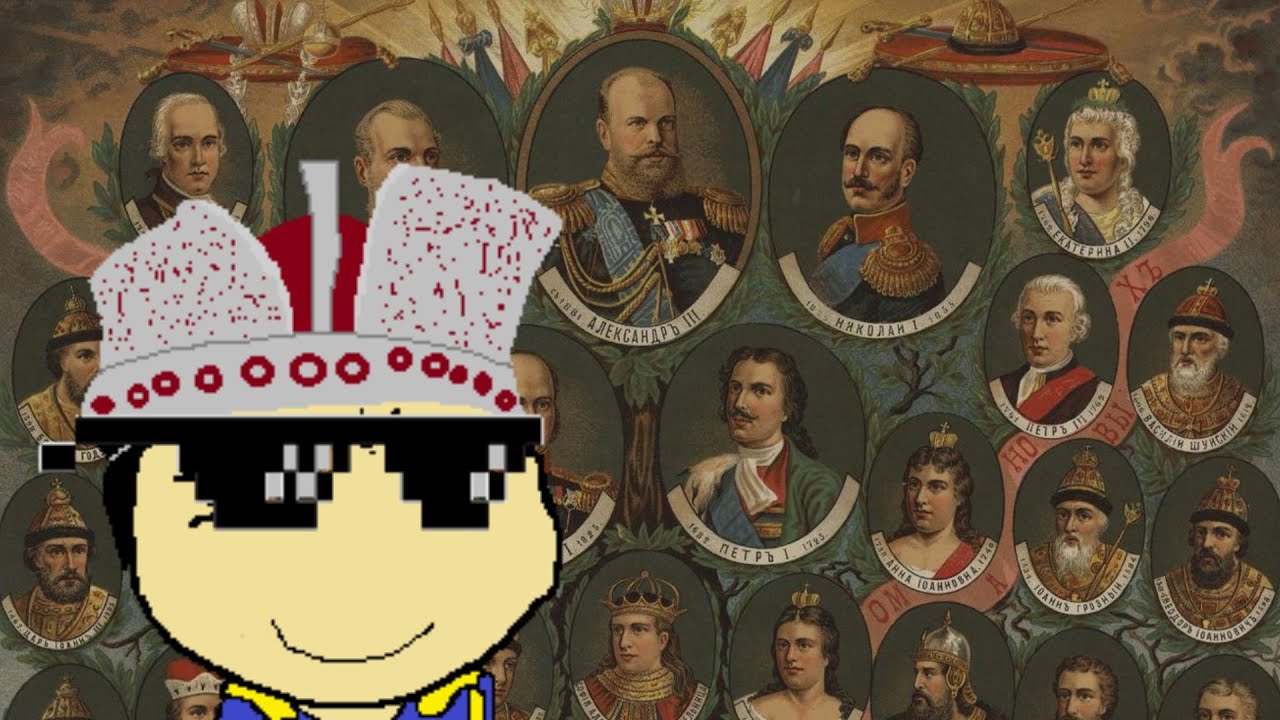
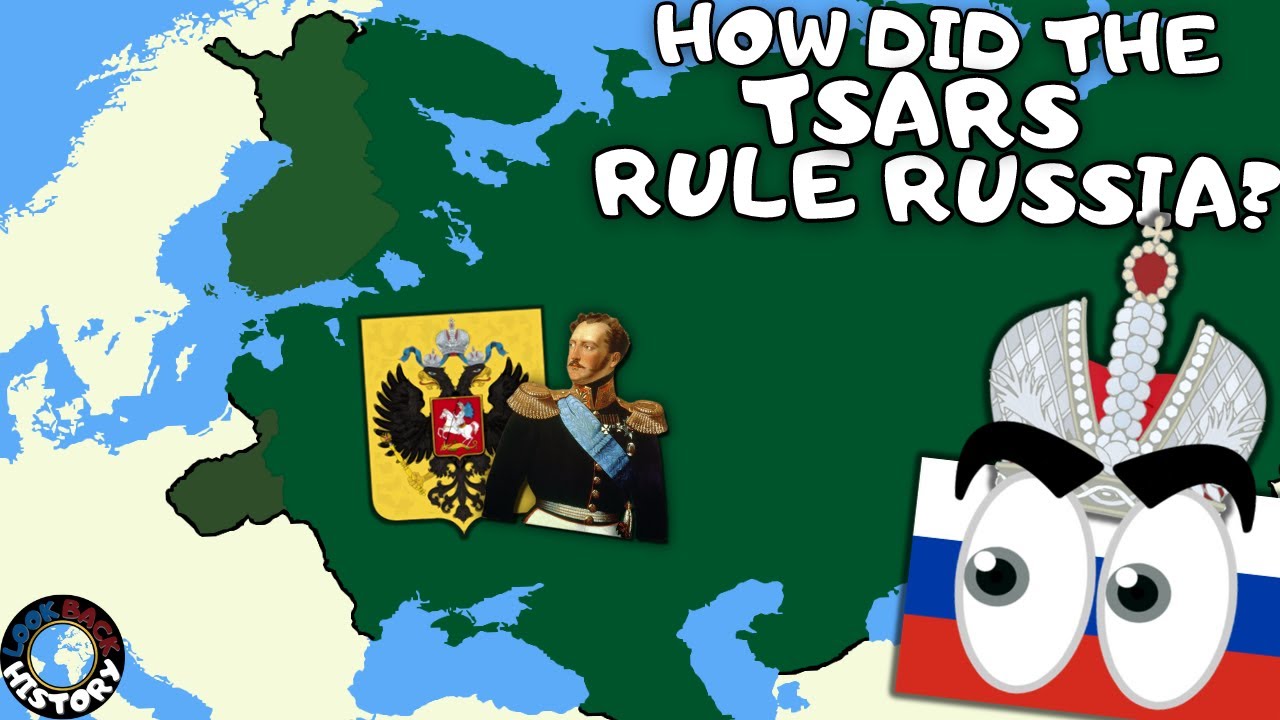
[Music] we all know the autocratic rule instilled in the Russian Empire that is without a doubt from the early days of the tsardom of Muscovy to the eve of the February Revolution in 1917 countless Russian monarchs imposed a rule with full force such as a vom the Terrible with the ruthless oprichnina and with a role he played in his own son's death along with Catherine the second illegitimate ascension to the throne in suppression of the poobah cheff rebellion and finally in the era of emergency rule and counter reform initiated by Alexander the third however with
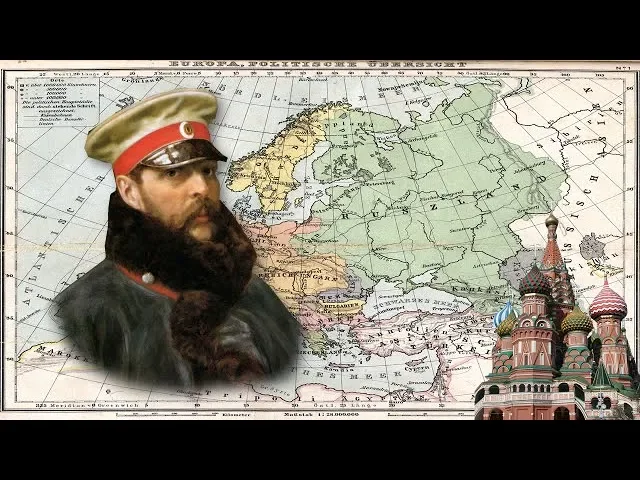
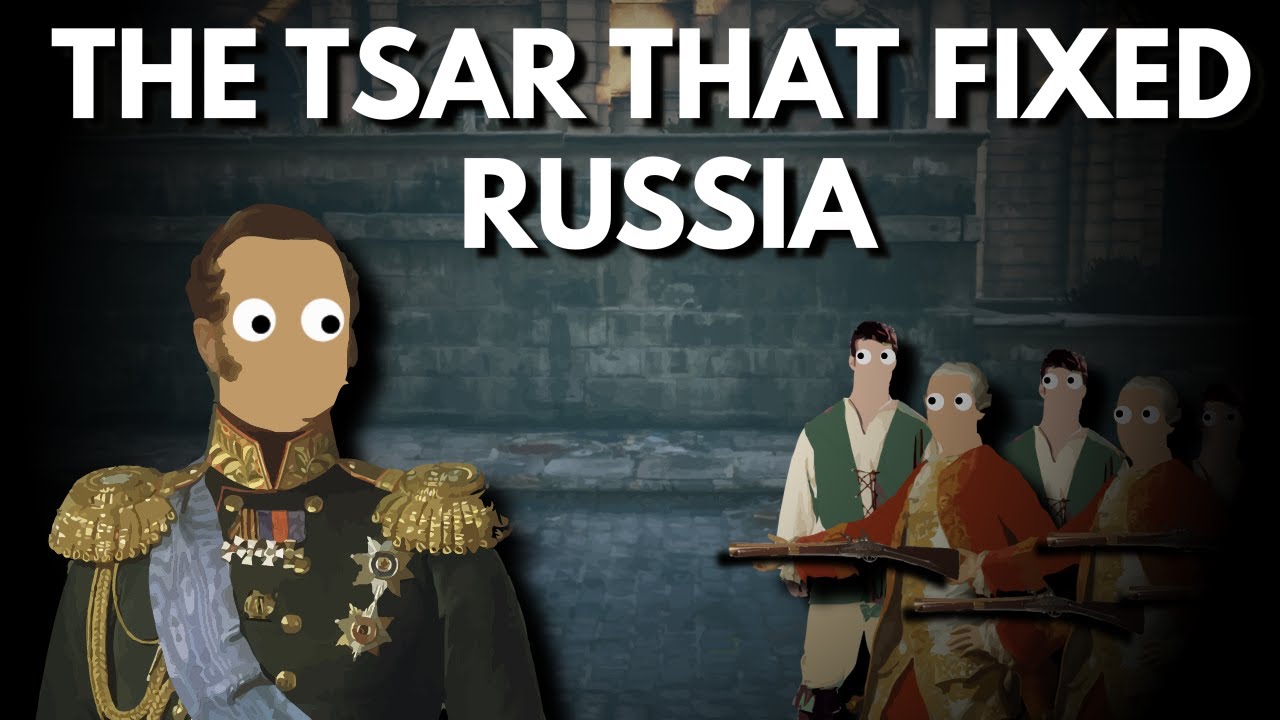
all of these examples of a liberalism and autocracy there's one Tsar who gets a reputation for being rather innovative and forward-thinking for his time guests that dunk Emperor you uneducated swine I'm not talking about this guy but rather this guy Alexander the second otherwise known as the Tsar Liberator and although some may dispute this title on the account of his rather conservative and ambivalent attitudes to the great reforms I'd beg to differ the story starts with Alexander's uncle Alexander the first who initiated the reform process of Russia's peasantry however this included a lot of caveats
favoring the nobility and was only really implemented in the Baltic region even worse peasants within the baltic weren't even compensated with land you see even at the beginning of the 19th century the Russian Empire still had a feudal society in which peasants worked the land owned by the nobility this was called surrogate this created a worry in the aristocracy that there would be an eventual societal backlash against serfdom thus encouraging the unwritten proviso that peasants should own land in order to avoid being a landless proletariat Papa Alex was not having any of it and handed
responsibility to his brother Nicholas the first who stated that serfdom was an evil palpable and obvious to all yet he was worried about alienating the noble given that they supported him and his brother in the Napoleonic campaigns the Decembrist revolt of 1825 the Polish uprising of 1830 and the Hungarian uprisings of 1848 he also thought the Decembrist revolt was pretty much the fault of the reforms of his brother but he could not afford to give too much to the peasantry so he did what his brother did he passed responsibilities to his son the rather distrustful
Alexander the second Alexander already had experience with the reform process having already chaired the peasant reform committee and railroad construction committee yet he saw what many others saw a rotting state that was humiliated by war with distant powers and to him one of the most archaic institutions most responsible for this raw was serfdom he was so worried about peasant backlash to serf them that he stated regarding emancipation that so great a work should begin from above that it might not proceed from below thus on the 19th of February 1861 he did what his predecessors could
not he issued a statue that emancipated the serfs but hold on there's a catch here although he effectively removed the nobilities police powers in the countryside and gifted peasants arable land he couldn't alienate the nobility either thus Alexander's ministers created a system of redemption payments that the peasantry had to pay to their old masters for a period of 49 years and even worse the nobility used the majority of this revenue to repay old debts and mortgages on previous property and serfs the result was a skyrocket in noble bankruptcies in a reduction of noble arable lands
peasants now had the right to marry acquire property and conduct trade however as individual Redemption payments were hard to track the government invoked the clause of collective responsibility in the obscene ax otherwise known as the peasant commune peasant communes were basically villages that performed societal functions like redistributing land amongst their impotence collective responsibility meant that redemption payments would not be collected at an individual level but at a communal one so apart from this some may argue that the artificial market valuations for redemption payments the poll tax corporal punishment and internal passports removed the true benefits
of emancipation for peasants however that is not necessarily the case redemption payments were in fact at least partially financed by the government apart from the liberation of some twenty million serfs Alexander's government introduced this Mpho in 1864 which were elected assemblies at both the district and provincial levels although highly segregated and favoring the nobility with their three class voting system the zemstvos did encourage autonomy and self taxation however they were not implemented in Poland the Baltic and the caucuses this was married by municipal reform in 1870 which effectively created independent city governments and curbed Nobles
privileges who until then did not pay taxes like the zemstvos they suffered segregation as there were strict property qualifications in order to participate in the council's judicial reforms were also introduced where the judiciary gained complete independence from the administration judges were appointed for life tenures a Bar Association was created and the accused were entitled to lawyers even at a pro bono basis apart from this courts were to be segregated with criminal courts trying everyone except peasants who were tried in velocity to further the claim that alexander ii deserves the title of liberator he attempted to
expel a member of the russian supreme court in 1867 only to reluctantly obey his own law this is also paired with the assassination attempt of the governor-general of st. Petersburg general trep of in which the accused was acquitted by a largely sympathetic jury the reforms on education and religion are probably the most widely penetrating given that schools became slightly more secular and were opened up to serfs educational reform was also closely linked with military reform given that the length of military service correlated with education universities also gained more autonomy and even allowed women to attend
courses church reform however was largely a failure given that the clergy sons would leave the profession and the Zara reorganized parishes into bigger units what spelled was disaster because there weren't enough parishes for clergy sons therefore forcing them to join the army restrictions were even reimpose to dissuade them from going to university however to me the most egalitarian of Alexander's great reforms was a universal military training Act of 1874 which obliged all social classes to serve in the military no longer were the nobility exempt from conscription and peasants were allowed the incentive to pursue primary
education in order to lessen service time literary classes were also introduced as soldiers were required to read and write and the cadet corpse was abolished military schools were also created for non Nobles and discriminatory conscription policy targeted at Jewish youth were revoked given the last point nationalities experiences of the great reforms varied widely with travel restrictions on the Jewish Pale of Settlement being east along with renewed Baltic German and Finnish autonomy similar concessions were given to the poles along with generous terms of surf emancipation which explains why the Polish peasantry was largely inactive during the
Polish rebellion of 1863 one largely propelled by the gentry the result was the confiscation of Catholic Church lands from 1864 to 1865 the abolition of Polish government councils in 1867 and the dissolution of the Congress of Poland which in turn was reorganized into ten Russian provinces in 1868 although there was no inherent rousseff occation of poland warsaw university became a russian institution and the Russian judicial system was introduced in 1876 and everyone just kind of had a bad time Alexander's administration also did plenty of other bad things too they suppressed and ultimately deported the Sirk
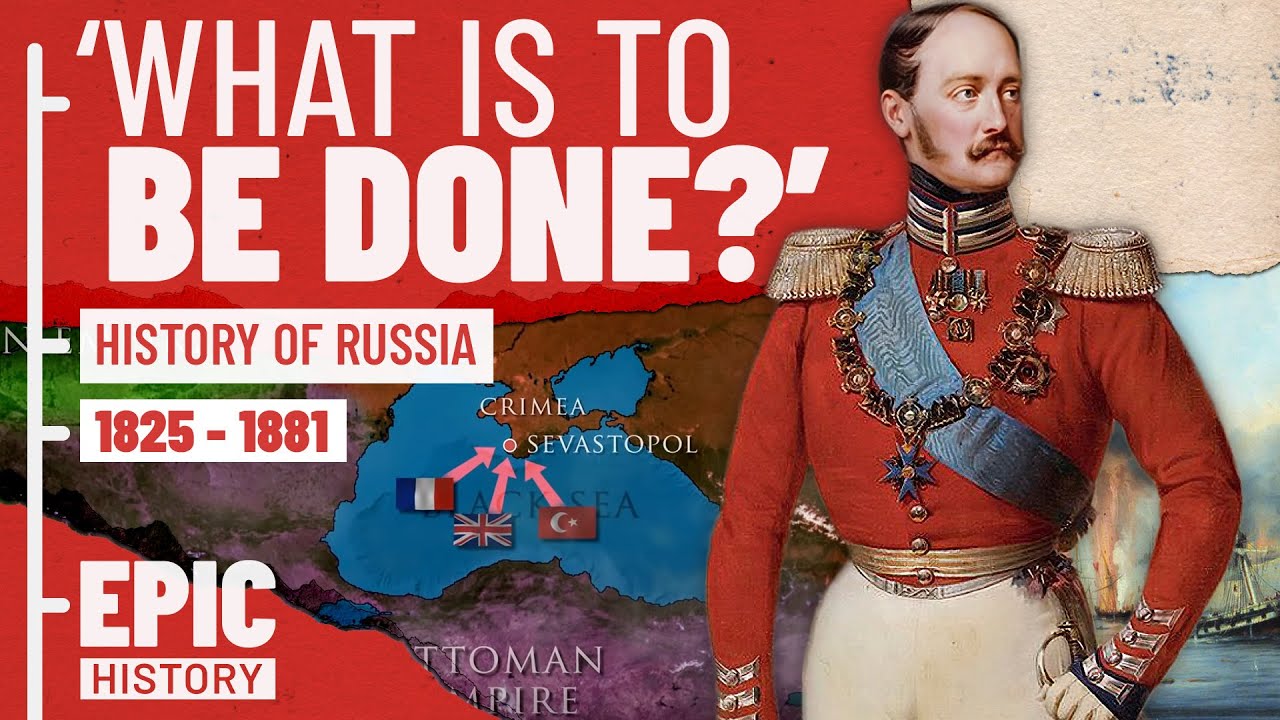
Asians and other North Caucasian ethnic groups in the aftermath of the Caucasian war incorporated various territories in Central Asia like Kiva Bukhara and coke and and proceeded with the Russia Turkish war of 1877-1878 but I mean he also freed tons of political prisoners and relaxed censorship in academia books and newspapers even if there were still fines and suspensions I mean it's apparent enough that the term glass nosed not that glass dosed this glass most originates from this time even socialist novels like nikolai china jeff skis what is to be done passed through censors ironic however
the good times could only last for so long as a man by the name of dmitry caracas OV attempted to assassinate the tsar in 1866 this changed the mentality of alexander and to one of even deeper distrust for reform causing his administration to institute a philosophy called the dictatorship of the heart censorship was gradually reinstated and the atmosphere just got really intense with tribunals against terrorists being imposed on 1878 on the 26th of August 1879 through an executive committee meeting the terrorist group Nara nyah Volia even condemned Alexander to death things were not looking good
Alexander felt hopeless in the matter but placed his trust in general Mt Loris melikhov who was able to launch several consultative commissions to systematically review the great reforms On February 18 80 although historian Gregory fries stated that this was wrongly described as a parliamentary reform I would disagree the reforms recommended by Malikov laid out several plans to reinvigorate the taxation functions of the zepho and city governments but most importantly they laid out plans to allow zemstvos and other autonomous units the ability to form preliminary committees to examine draft laws this could have been seen as
a birth of representation in the legislation branch of the russian government instead of that pesky state duma created in the aftermath of the 1905 revolution but alas it was not meant to be on the same day that Alexander signed the plans into law he was finally assassinated by agents of Narodnaya Volya chaos ensued and his son Alexander the third was crowned czar and almost immediately feuds occurred within his cabinet resulting in Loris melih Cobbs resignation and the introduction of emergency rule emergency rule pretty much worked like martial law where the government could override judicial rulings
zemstvos municipal governments pretty much everyone lucky enough this lasted up until 1917 so Russia was in effect under martial law for more than 30 years scary stuff in addition he gave governor's more veto powers introduced the anti-semitic may laws of 1882 and created a land Commandant's in 1889 which effectively reintroduced police powers for Nobles in the countryside no more freedom for serfs I'm quite sorry to all my polish North Caucasian Central Asian and Turkish subscribers but in all honesty Alexander kind of deserves the title of Liberator of course one could argue that his reforms were
compromises and may reflect his greater desire to keep the Russian Empire from disintegrating but it seems that he had some insecurities and simply wanted to be respected by his subjects never mind his obviously illiberal conquests i cannot object to that but i mean apart from that he even reduced visa fees and ease restrictions to travel abroad what autocratic incentive could he exactly gain from allowing subjects to import different ideas from abroad whether they be moderate or radical in substance as Alfred Reiber succinctly put it on matters about which he had made his mind he usually
found a loyal subordinate an instrument of his will to carry it out where he felt himself uncertain he tossed the issue like a juicy bone into the pack of his squabbling ministers and waited to be convinced by the strongest or most clever of them but even with the ability of persuasion Alexander still had his own convictions and those most closely aligned with importance of private property and individual freedom he was the autocrat at the end of the day and he chose to obey many of his statues lending and renewed credibility to Russian institutions and I
personally think that merits some praise you