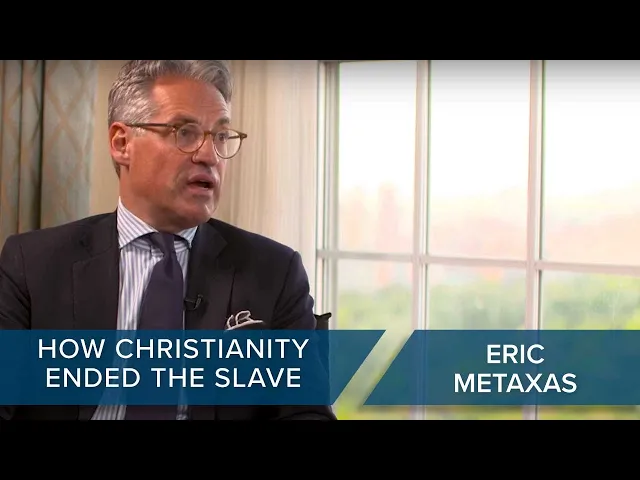
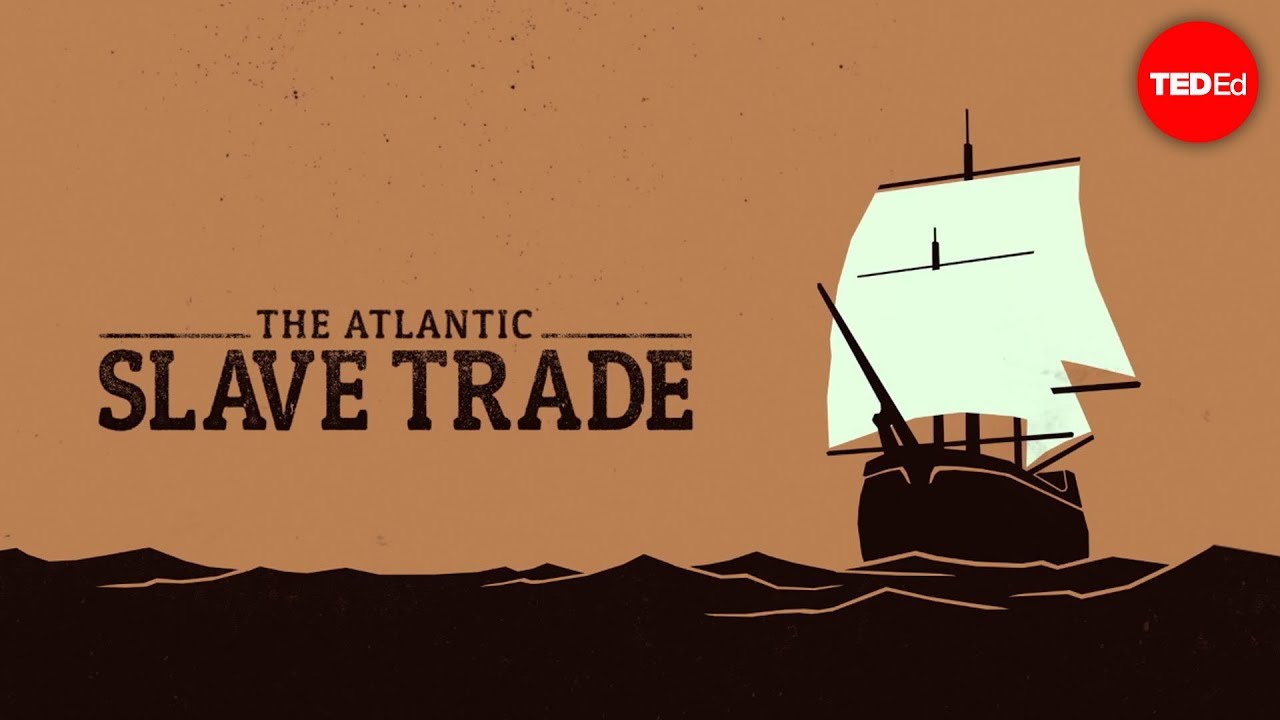
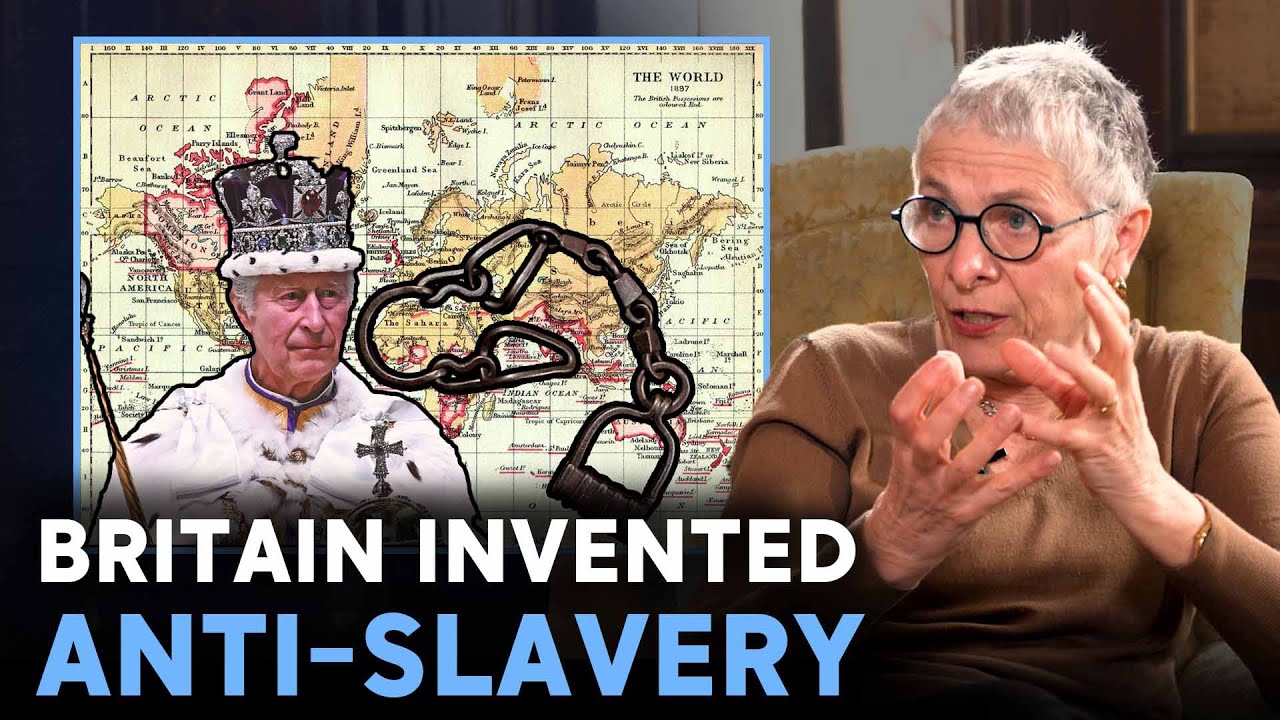
interesting for you as an American as the the whole sort of slavery issue here the horrors of the Civil War so discover that in fact the British Empire which was you know the superpower of the day had been there but well before the Civil War had tackled this issue and so far as I am aware it was the only culture the only peoples anywhere who'd actually got rid of ended slavery yeah and it happened in two parts there was the ending of the slave trade which was brutal beyond all belief right then of slavery itself
well the histories uh with regard to slavery of Great Britain and the United States are very very different I mean for one thing in Great Britain one never saw slavery it was invisible it was something that supported the economy but you didn't walk around and see slaves in the fields in in England no all of the slavery went on across the Atlantic in the in the West Indies and so it was an invisible things the ships would leave the the three main ports uh uh Wilbur forces Port Hall was the only uh of the four
uh English ports big ports that did not have much of a slave trade at all and it's because of that really that he was politically allowed to stay if he'd been battling you know in his own on his own turf but uh he didn't have to deal with that but from these other uh ports you have ships going out and no one sees them they go down to West Africa they pick up human cargo they go across the Atlantic to the West Indies all of the the sugar plantations were owned by the English including the
Church of England yes but who saw it no one saw it the brutality of the slave trade the brutality brutality of of the slave uh plan of the plantations there just was no evidence of it in British life so it's a whole different thing in this country it was part uh in America I should say it was part of um what one saw day by day in the south in the north of course not so much but it's it's really it's dramatically different so there's a couple of things there I'd love to tease out the
first is uh the the issue of Britain being England being a pretty Pagan Society a terrible Society the second uh is uh if we could take these in order is it yeah the reason that I want to talk about this is that that whole era when I say Britain was the colonizer of my country Australia and it was undergoing massive massive change social change yeah and economic change very much for the better yeah but one of the things that people often say on the slave trades are the Bible justifies slaveries and Christians kept slaves and
what have you yeah it's important to note that the moral impulse to tackle this came from those Christians it hadn't come out of the enlightened media at all well I mean this cannot be said often enough anytime anyone says the Bible supports slavery that is absolutely untrue 100 untrue it is nonsense but people repeat nonsense over and over and over until everyone acts as though it's true it's absolute nonsense there's all kinds of Horrors described in the Bible but one of the seminal moments in the Bible is the Exodus of the Israelites From Slavery I
mean uh you know it's the most dramatic example of God leading people out of slavery uh the most dramatic example I should say in the Bible of anything and it's God leading people out of slavery but there are all kinds of terrible things that are depicted in the Bible but not because God approves of them or because God's people approve of them but because they were a reality of the time but as you said the impulse to to abolish slavery came almost exclusively from serious devout Christians the mere church goers in other words when people
want to say oh Christians had slaves and so on and so forth yes people who were mere church goers who were not devout uh were inclined to do all kinds of terrible things the Church of England owned slave plantations as we said in the West Indies but it was the evangelicals so we have to make the distinction Wilberforce was was uh you know he was officially part of the Church of England but he was an Evangelical effectively Behind Enemy Lines the The Establishment church as is the case in many countries is dead and it's the
reformers from within and without like Wilberforce who have this Evangelical impulse you taught who talk about being born again who talk about a relationship with Jesus those are the people that led the battle against the slave trade against slavery and those are the people who were often fighting people who claimed the mantle of Christianity but were in fact just bureaucrats or uh you know ecclesiastic figures whose faith I would say since they're not alive anymore I can say that they their faith was effectively dead they were they were just um you know moving papers they
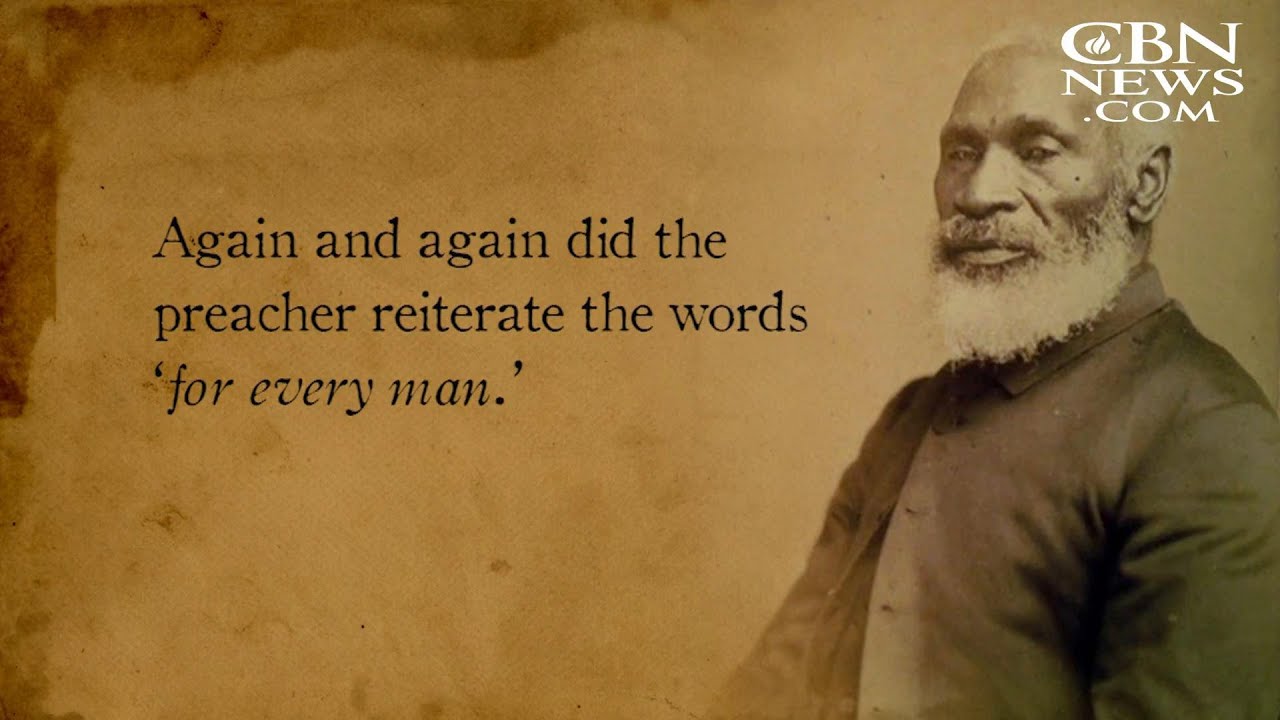
really didn't burn for justice and have empathy to their fellow human beings it was the evangelicals of course they were called the methodists or the enthusiasts in in 18th century England in in the American movie by Steven Spielberg Amistad um it tells uh the story it has to do with abolitionists and and slaves and it's uh around 1840 might be even earlier than that but the earliest abolitionists in the United States of America were all Bible carrying Bible thumping evangelicals there's no question about it and so if you want to see where abolition started it
was always evangelicals it's it's absolutely undeniable so when people say things like oh you know Christians approved of slavery people may have been technically Christians in that they weren't Muslims they weren't atheists they weren't Jewish so they say they're Christians well what Wilberforce and his uh ilk Illustrated is that they're Christians and they're Christians they're Christians who live out their faith who see these things these injustices and abolish them do what they can to abolish them and work against these injustices and then there are people who simply call themselves Christians and go to church that
has never uh been any different I mean you can even say the same thing about the the ancient Israelites you know they're the people of God and then there are the people of God and and just because you are technically Jewish uh just because technically you're part of the the nation of Israel doesn't make you Moses you know that there were people that bought into these ideas that had a relationship with God and then they were other people who were dragging their feet and even opposing things so you have the Church of England uh and
then you have I would say you know establishment figures in the church in the United States who were strongly opposed to abolition but the bible thumper offers the serious Christians whom we would call today evangelicals they were the ones that that pushed uh for for abolition then eventually it caught on with others but let's not kid ourselves that's the provenance of abolition period end of sentence [Music]