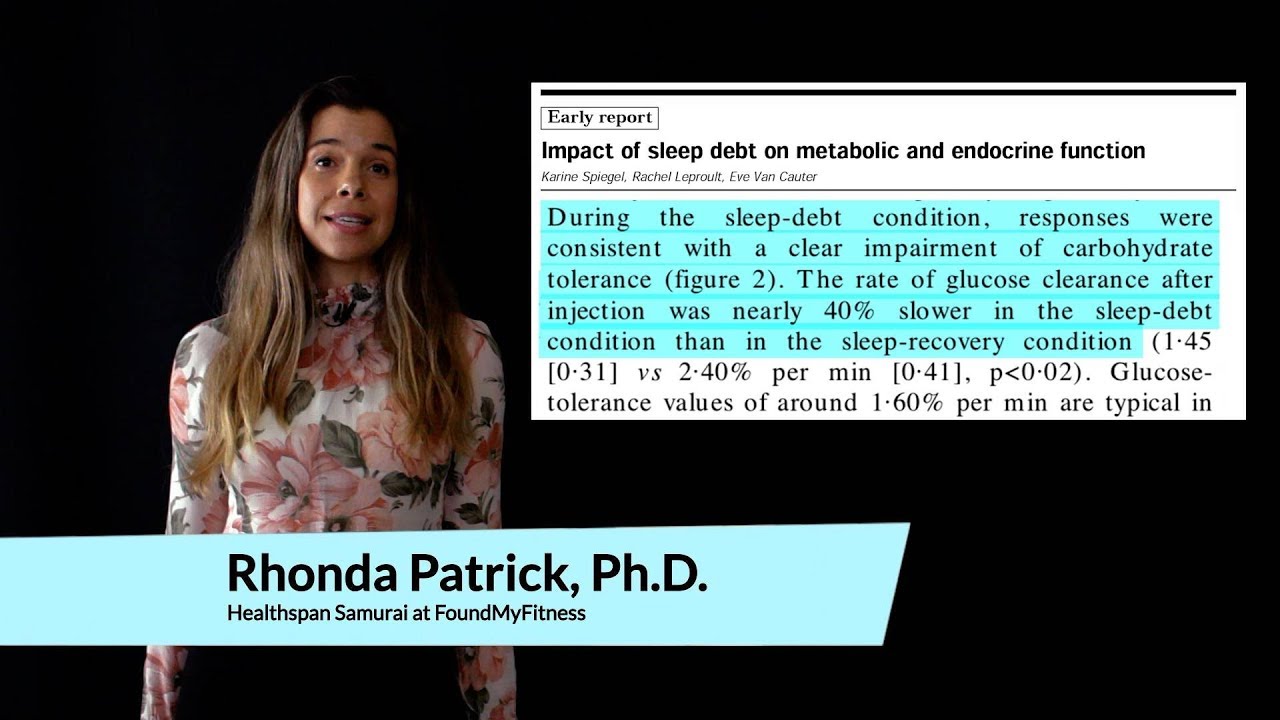
doctor under Patrick here when most people think about what raises blood glucose levels they think about dietary composition or what you eat and rightfully so if you eat a meal that consists of highly refined processed sugar lacking a fiber matrix it will quickly spike your blood glucose levels however what most people do not realize is that in addition to what you eat when you eat is also a very important determinant of your blood glucose levels time restricted eating is a topic I've covered a lot it refers to eating all your meals within a restricted time
period such as 8 to 12 hours and then fasting for the remaining 12 to 16 hours obviously time mr.kidding has an intermittent fasting component to it but it also has a circadian component to it because you try and eat all your meals during a time when your metabolism is optimal metabolism changes throughout the day for example when healthy adults eat identical meals in terms of both their caloric content and macronutrient content for breakfast lunch and dinner their postprandial glucose levels are the lowest in the morning after breakfast and the highest in the evening after dinner
even though the meals are 100% identical this may have something to do with melatonin the hormone that's produced from the pineal gland that plays a role in initiating sleep if our circadian conditions are optimal meaning we aren't bathing ourselves in bright blue light before bed our bodies naturally start to produce melatonin around 2 to 3 hours before we go to sleep melatonin has been shown to bind to receptors on the pancreas and this signals to the pancreas to stop producing insulin that means that our blood glucose levels will remain elevated because glucose is not getting
taken up into our cells I previously had a discussion with the expert on time restricted eating dr. Sachin panda and he discussed how melatonin plays a role in blood glucose regulation so this is where it becomes a little bit complicated because as you said there is day and night transition and we know that in the evening as our body prepares to sleep a melatonin level begins to rise and that melatonin usually rises 2 to 3 hours before our habitual sleep time so if somebody is going to bed around 11:00 then that melatonin is beginning to
rise around nine o'clock on an average for some people it might rise around four hours early and some people it will rise exactly at bedtime and when melatonin rises there is new data showing that melatonin can bind to its receptor in pancreas and this and gasma and melatonin with the pancreas receptor essentially tells differently as okay it's time to sleep Don you don't have to bother releasing insulin so in that way what happens if somebody is having a big meal when there is high melatonin and that may not be enough insulin released from pancreas and
glucose may stay high in the blood circulation for a long time and this study this kind of studies came to publication because almost 10 years ago large genome-wide Association studies found that people with obesity or diabetes might have a mutation in melatonin receptor and that was confusing because what is monitoring to do with obesity and diabetes and you fast forward 10 years people went back to the drawing board and looked at where the receptor is expressed and what it does when molybdenum is engaged and then the found out that there is this effect of melatonin
on insulin so that's why people who are eating late into the night may not get the best benefit in terms of glucose control because that Lucas might remain slightly higher then if they had the same dinner two hours up here this is obviously very relevant for people with pre-diabetes or type 2 diabetes but it's also important for the general population for example one study showed that people with fasting blood glucose levels between high normal and slightly pre-diabetic may experience more brain atrophy with age specifically they experienced a greater loss in brain volume in the hippocampus
and the amygdala regions of the brain that are involved in learning met and cognition so elevated blood sugar levels even in the absence of clinically diagnosed about type-2 diabetes may affect brain health this really drives home the importance of finishing that last meal or anything else that may drive up your blood sugar levels like that late night glass of wine up to three hours before bed to better align with when our bodies are sending signals to shut down insulin production I'm dr. Rhonda Patrick and I'll catch you next time