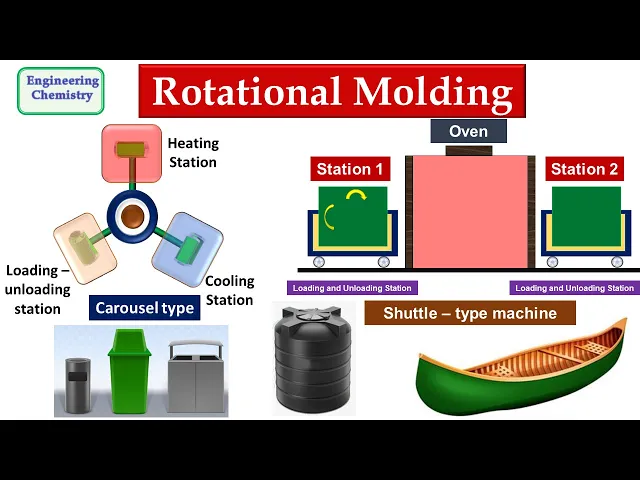
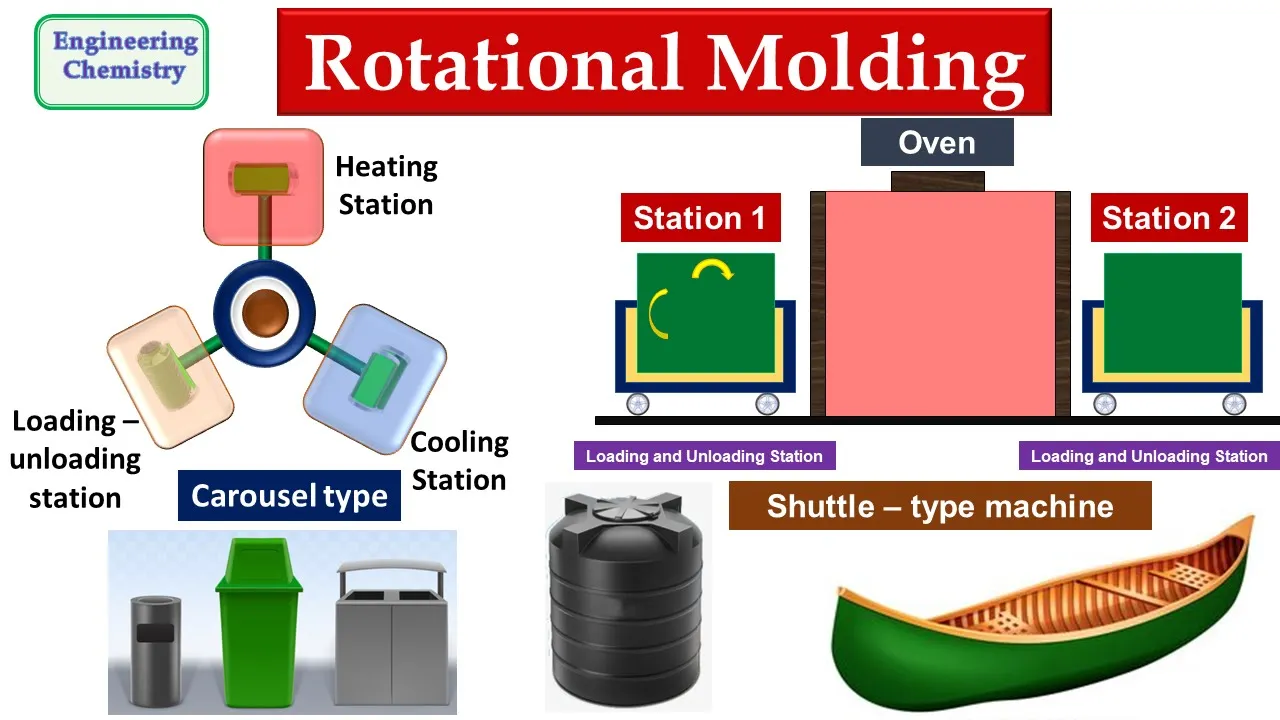
Hello friends welcome to engineering chemistry in this video we will see rotational molding rotational molding or roto molding or rotational casting is a unique molding process today the rotational molding industry is one of the fastest growing segments of the Plastic industry with an annual growth of 10% the heating shaping and cooling of the plastic all takes place inside the mold with no application of pressure the equipment used in rotational molding is simple and many variations are available the most common type is carousal type A carousal has three to six spindles or arms where the mold
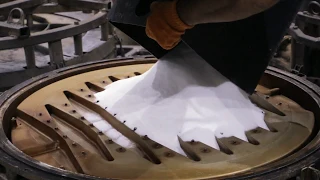
or molds are mounted most Carousel have the freedom to revolve in a complete circle it consists of loading unloading station where molds are loaded the spindles are mounted on a central Hub and driven by variable motor drives in most roto molding operations the molds or cavities are filled with a certain amount of powder or liquid which is called as charging the moldes the particle size of the resin is extremely important generally 500 micromet powder is the standard of the industry the mold halves are pressed together by bolts or clamps rotated bya and then placed in
a heated oven the ovens are usually fired with natural gas and equipped with blowers to distribute the heat throughout the chamber some ovens can be heated by oil or propane gas during the heating the resin melts fuses and densifies into the shape of the mold the molds are moved into a cooling chamber where they are slowly cooled by air and water a fan provides FST air to the cooling station for the initial cooling whereas a water system cools the molds and products a frame mist is used for even cooling the cooling station may or may
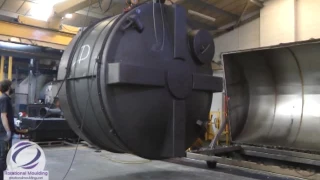
not be enclosed after removal from the cooling chamber the molds are open and finished articles are released after the article is formed the excess of resin is discarded and the flame is turned off to allow for air cooling once this process is complete the mold is again charged for the next cycle and the process continues a shuttle type of machine is used for the large products it consists of oven at the center a frame for holding a mold is mounted on a movable bed the drive for turning the mold by actually are Incorporated in the
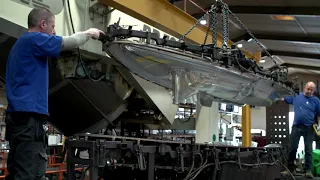
bed which is on a track that allows the mold and bed to move into and out of the oven after the heating cycle is completed the mold is moved into the cooling station which is not enclosed during this cooling time another bed with a mold is used in this way there are two stations station one and station two which are used alternatively a mold at station two is moved into the oven from the opposite end the clamshell type of rotational molder utilizes an enclosed area that serves as both the oven and the cooling station this
machine employs only one arm heating cooling and loading unloading stations are all in the same location robotic system for loading unloading of powder and parts are now making their way into this industry some resins such as nylon require a nitrogen atmosphere machine maintenance is of extreme importance a weekly inspection as well as a good inventory of spare parts is necessary in case of breakdowns the molds are used in rotational molding are the easiest and least expensive to fabricate two piece molds are standard but three piece molds are sometimes required to remove the finished products molds
can be as simple as a sphere or complex with undercuts ribs and tapers small to medium articles are molded with a cast mold cast aluminium has a good heat transfer and is cost effective when several moldings of the same article are required C molds can be porous however and are easily damaged sheet metal molds are normally used for larger Parts each mold must have two or more sections requiring good parting lines for a close fit and minimum flash these parting lines can be stepped pin and bushing type fabricated or tongue Groove let's move to the
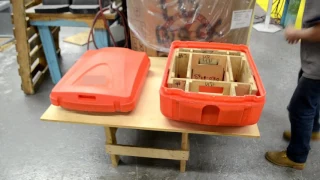
resins in the early days of rotational molding only venile plastisols were used the first polyethylene for roto molding was produced in the 1960s today polyethylene is the principal material for the industry the distribution of Raisin used in rotational molding is 85% polyethylene 10% fluorocarbons polycarbonate nylon poly venile chloride and polypropylenes remaining 5% is abs acetals acryic phenolics polylines poly easers polystyrenes polyurethan and silicons let's move to the applications rotational molding can be used for making portable toilets battery cases garbage containers are also prepared by rotational molding a water tank maybe a vacuum cleaner and even
the canos are made by rotational molding almost any type of part or product can be produced by rotational molding and has fewer limitations than any other plastic processing method rotational molding offers lower equipment and mold cost and Broad design parameters it is used for tank ranging in size from 19 L to 88 M Cube Rotom molded tanks are utilized in agricultural chemical and recreational vehicle Industries rotational molding is a reasonably safe industry most resins used are non-hazardous some resins may cause mild irritation but supplies provide safety information information on their handling and use if you
like my video click on like do share and subscribe my channel if you want to ask something mention it in the comment box don't forget to press the Bell icon to get the notification of my new videos and keep watching engineering chemistry thank you