sometime in the year about 170 ad at night in his tent on the front lines of the war in Germania Marcus Aurelius the emperor of the Roman Empire sat down to write it may have been at dawn the palace in Rome or perhaps he stole a few seconds to himself during the games when and where it was doesn't really matter that much what matters is that this man at the time the most powerful man in the world he sat down to write something both to himself and for himself and that idea it survives to us
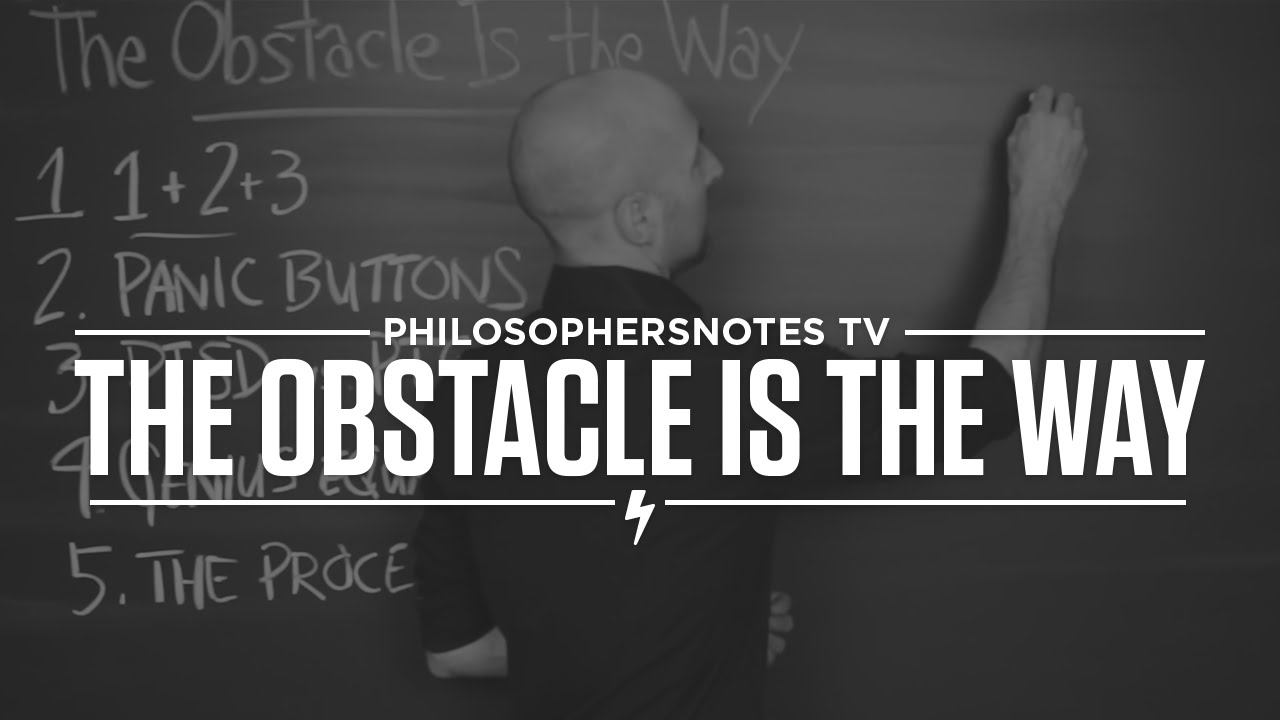
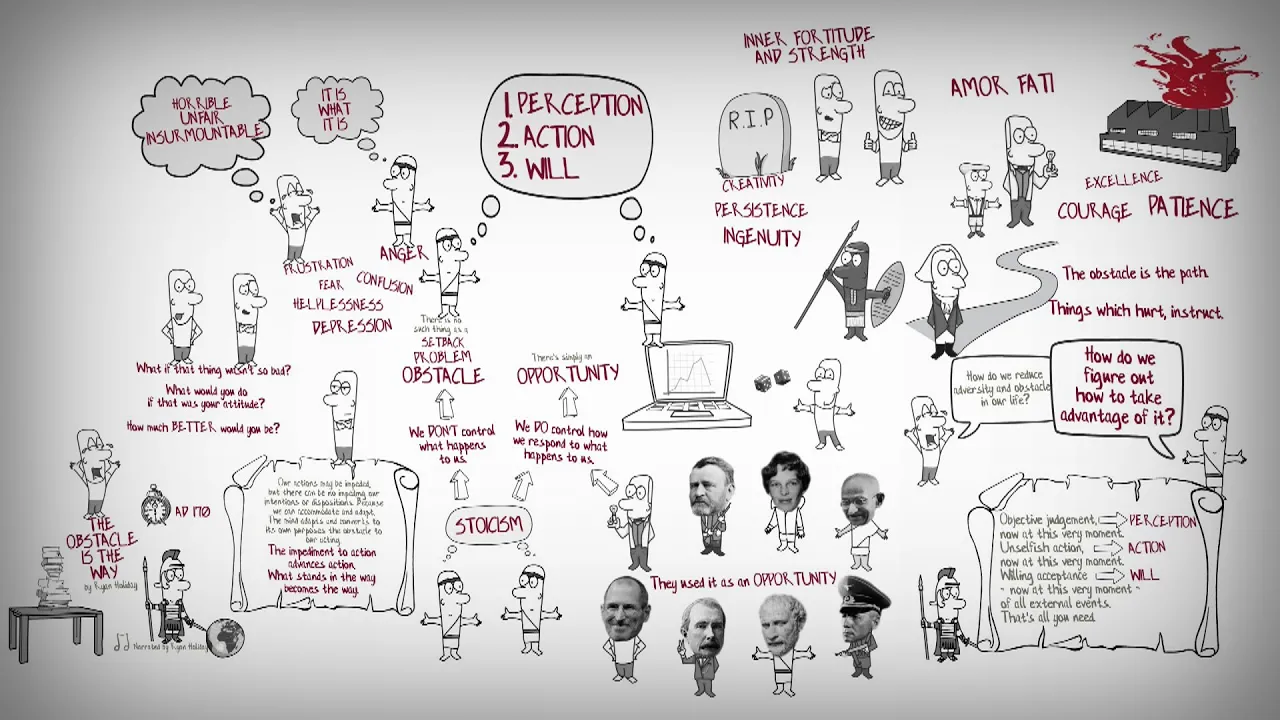
what he wrote It's a pretty simple quote but basically he said our actions may be impeded but there can be no impeding our intentions or dispositions because we can accommodate and adapt the Mind adapts and converts to its own purposes the obstacle to our acting and then Marcus he concluded with these words that are I think a maximum for anyone he said the impediment to action advances action what stands in the way becomes the way and so this concept is critical to a philosophy known as stoicism it's part of an exercise in that philosophy known
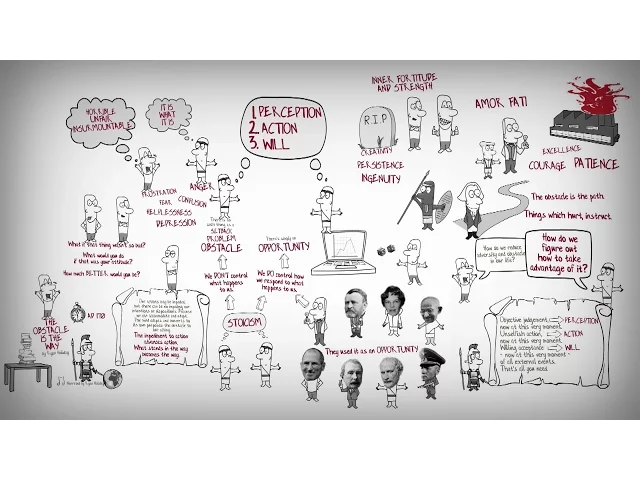
as turning obstacles upside down it's basically the premise that we don't control what happens to us but we do control how we respond to what happens to us and in this way there is no such thing as a setback or a problem or an obstacle there's simply an opportunity to do something different maybe not what we thought but what we needed or not maybe what we would have preferred but still good enough to work with and so this is a philosophical idea of course but it's also a recipe for entrepreneurship for personal happiness for navigating
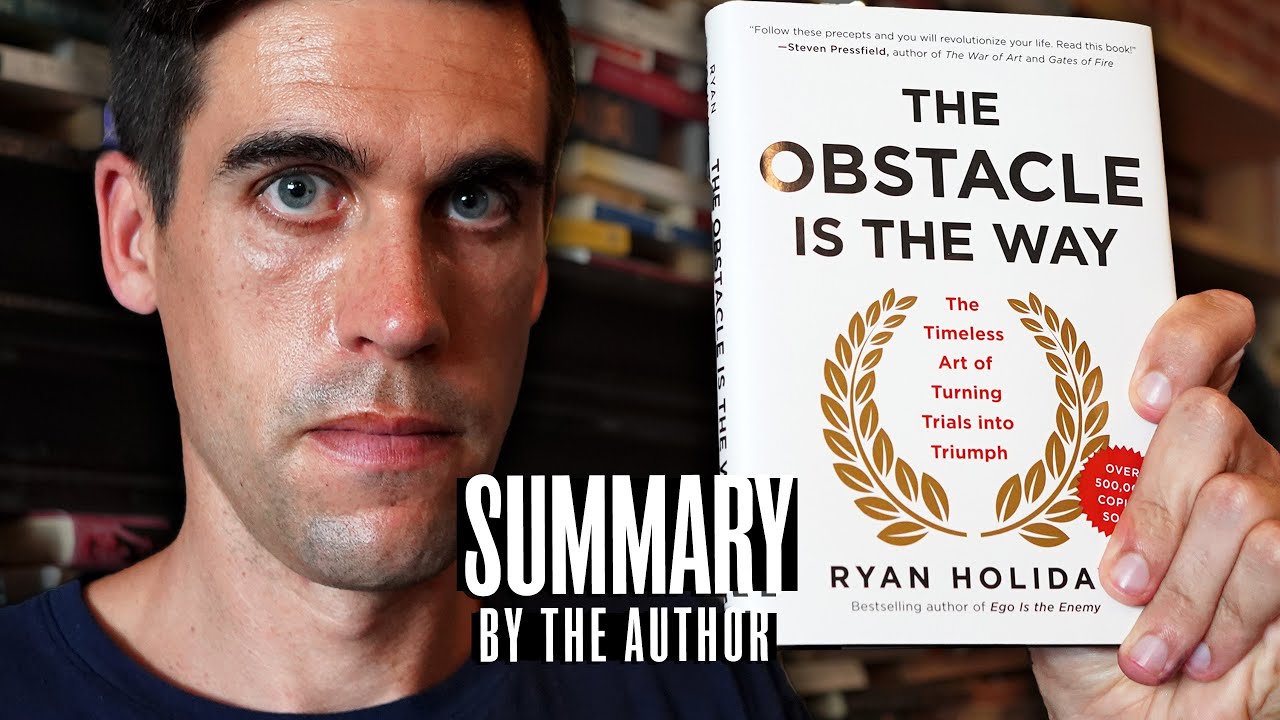
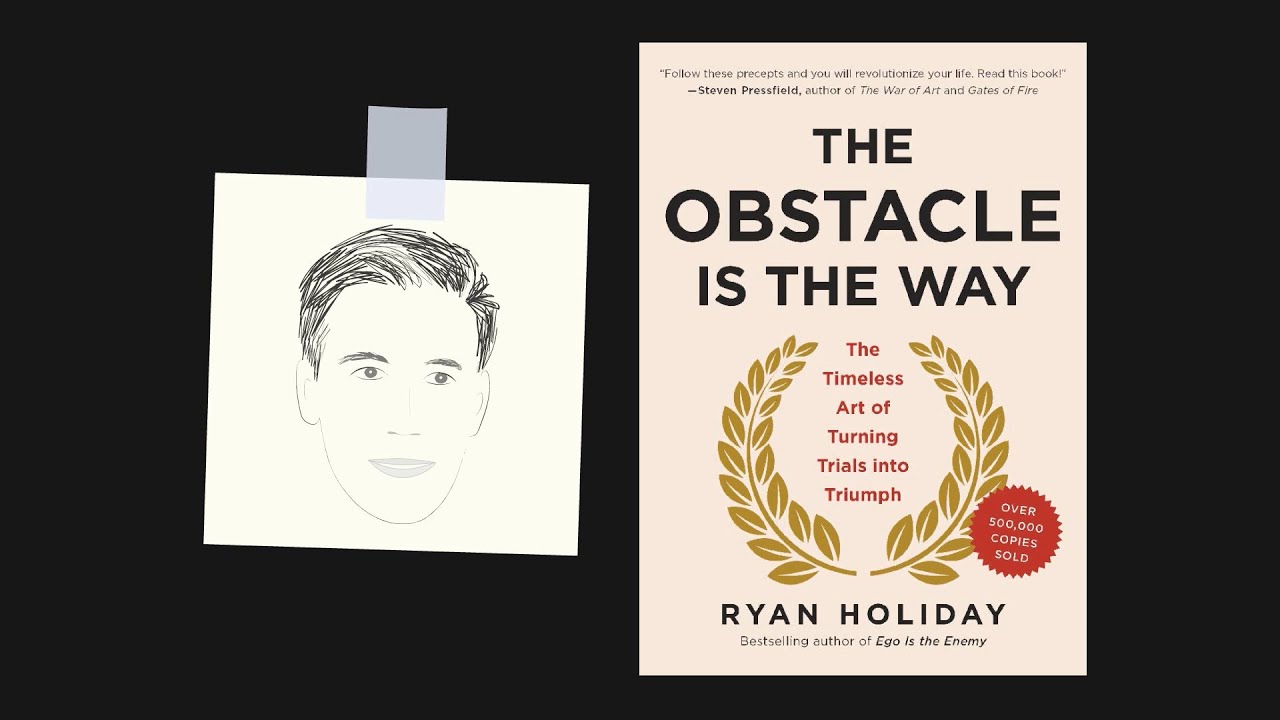
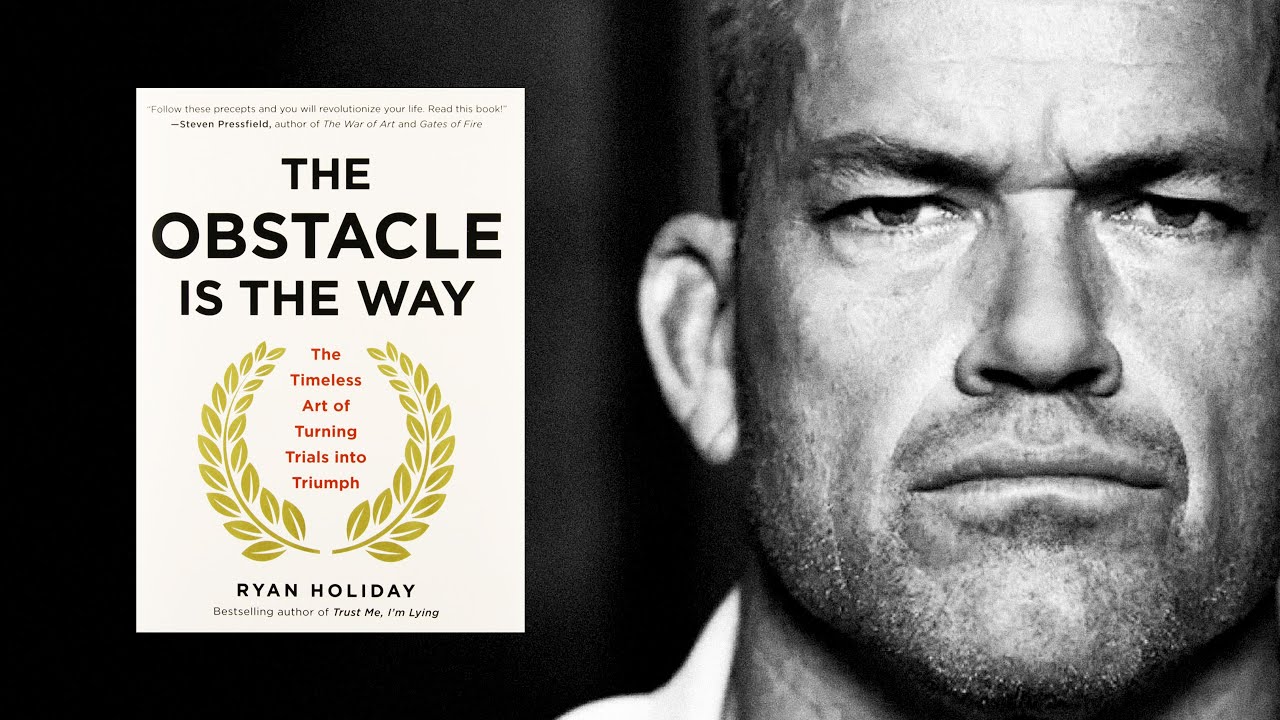
a world that is inherently unpredictable it's a philosophy for self-made individuals for resilient and robust individuals people who understand that they don't control these outside forces but they do control their internal forces and so the book for me is the idea of taking this ancient philosophy that is both Timeless and modern at the same time and illustrating it with with historical stories whether we're talking Thomas Edison or ulyses srant or Amelia aart or gandi Irwin raml the German general to uh deanes the Athenian orator John D Rockefeller is another story I tell in the book
even Steve Jobs I'm looking at Great men and women who throughout history have responded to problems and obstacle and adversity some great and some small but they've all responded to it in the same way which is that they used it as an opportunity in fact it was these difficult ities that made those people great and so look all of us we have something in front of us we have an obstacle an issue a frustration an unexpected problem or if we're not encountering it right now we will in the future well what if that thing wasn't
so bad what if embedded inside of it were certain benefits benefits for just you what would you do if that was your attitude how much better would you be and the reality is most of us when we're faced with problems we we are paralyzed we're stuck we say this is unfair I don't want it to be this way we look to blame someone we look to investigate what caused it instead of dealing with the actual thing that's right in front of us and so of course we have fear and frustration and confusion and helplessness and
depression and anger um because those are the only emotions that those are the emotions that we've enabled and allowed ourselves to have and what the stoics do and what I've broken this book down is they sort of break the philosophy down into these three very important disciplines the first discipline is perception that's how you see the problem if you decide to see it as horrible or unfair or insurmountable it in many ways will be those things that's not to say that stoicism is the secret and how you see things magically makes them that way we're
still going to have to get into action which is the next discipline but the story you tell yourself about a thing has a great impact on what that thing actually will be for you and so next if you've told yourself that this thing although problematic and and unfortunate and upsetting or maybe not even upsetting it just it that it is what it is but that you can in fact do something about it what's next is to do something about it so that leads to the discipline of action that's the the desire to actually take action
to do something about your problem to respond to it with creativity and with persistence and with some some Ingenuity with using what you have to the best of your ability these are the sort of the the stoicism in action right and then the final part that's that's what we control about a given problem right is the action we take about it and then sort of final third of the book is probably my favorite this is the discipline of the will now the will is looking at the parts of the things that we don't control right
we don't control that we're all going to die we don't control that people might try to hurt us in Life or they might try to screw us over we don't control the fact that not only will that happen but we're not always going to be prepared for it so what do we do about that right so the the discipline of the will is is sort of building that inner fortitude that strength that's understanding our own mortality that's understanding that there are things that are bigger than us and there has to be causes bigger than us
that we dedicate ourselves to um there's this great stoic concept amorfati which in Latin means a love of fate and the stoics were about accepting and embracing and loving what happened to them even if it was bad I tell the story of Thomas Edison his Factory burned down and his words to his son were go get your mother and all her friends will never see a fire like this again and what he was saying is like look crying about it isn't going to do anything but I can at least enjoy it and then the next
day I can get back to work and I can do something about it and that's in fact sort of exactly what he did and so stoicism is this idea that in everything that happens to us there's a chance to practice Excellence to practice virtue to improve our position in life and and this is an idea that is both very Western and very Eastern right there's also the Eastern saying the Zen proverb the obstacle is the path and so the book is me combining these ideas it's embracing as Benjamin Franklin said the things which hurt instruct
and focusing on instead of how do we reduce adversity and obstacles in our life how do we how do we figure out how to take advantage of it how do we how do we learn how to seize the events that paralyze everyone else and so I thought maybe at end there's a there's a quote from Marcus Aurelius again that I think embodies the ideas in the book quite well he said objective judgment now at this very moment unselfish action now at this very moment willing acceptance now at this very moment of all external events that's
all you need and so that is stoicism in a nutshell right that's the three ideas the discipline of perception action and will and that's a recipe for for greatness in whatever it is that someone's doing it's this sort of stoic optimism and how you turn what's in the way into the way and that's the attitude I've tried to live my life by because the people that I admire and the people that I respect and the people who have done great things throughout history that's how they live their [Music] lives [Music]