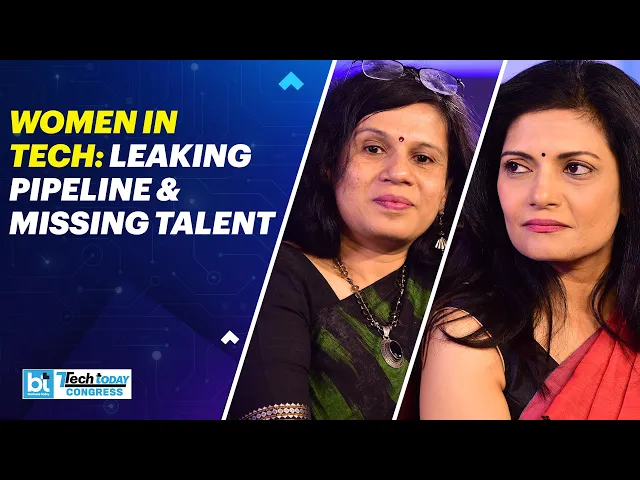
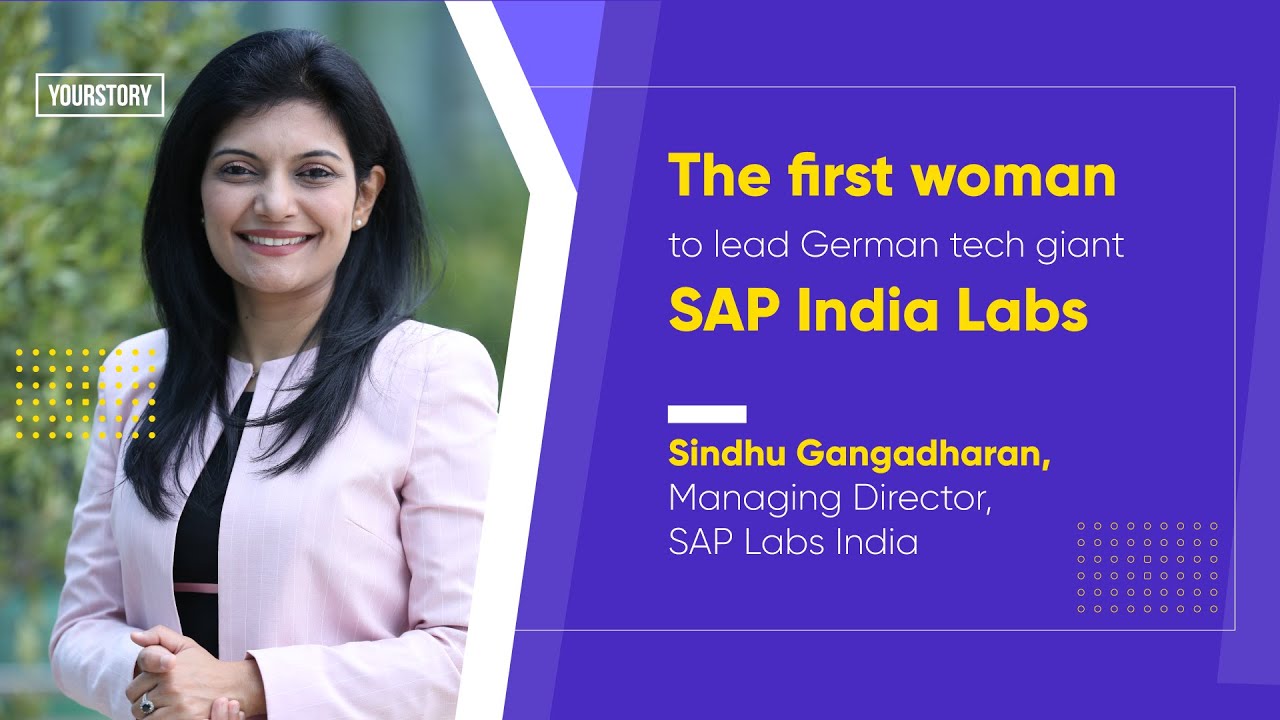
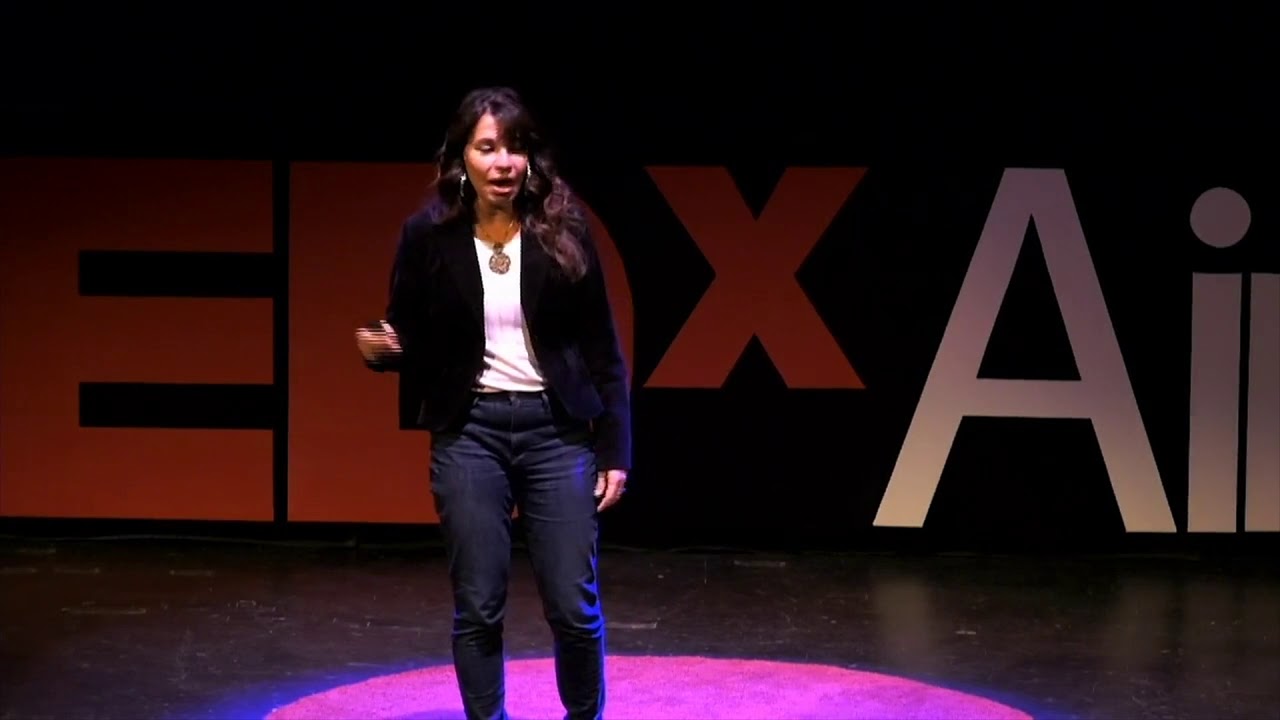
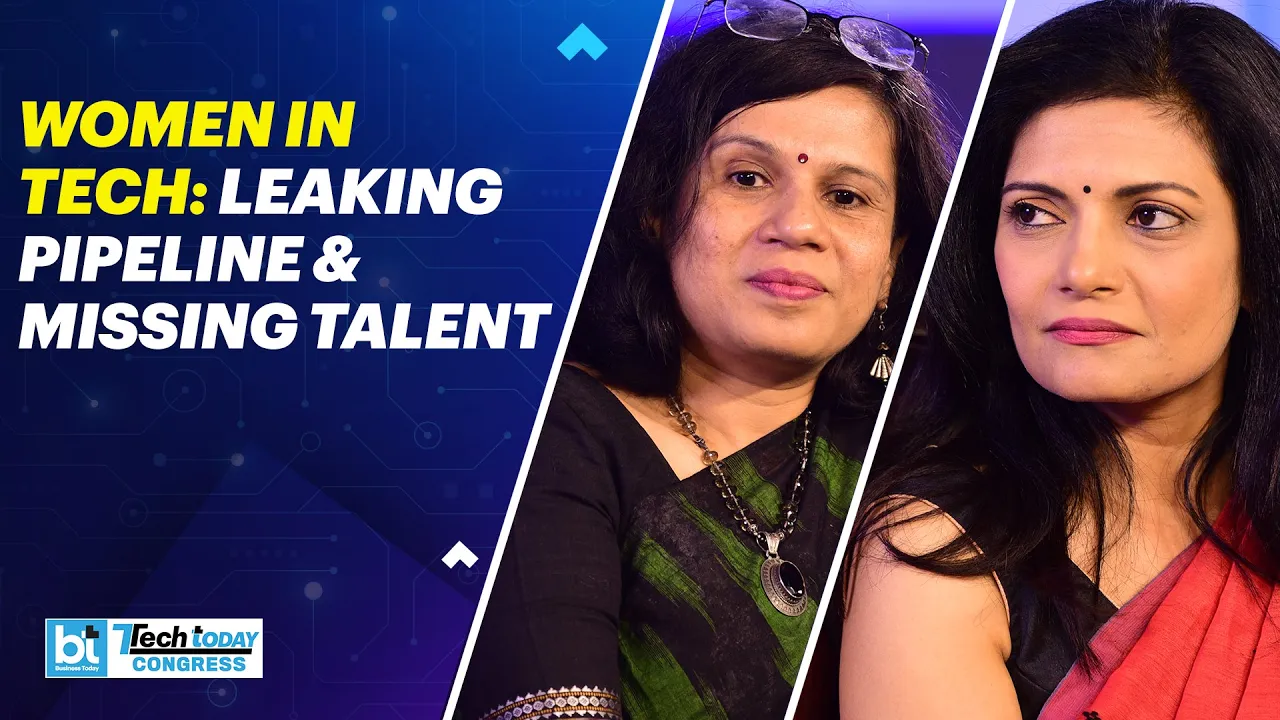
thank you ladies for joining us and I'm truly truly grateful that I can actually say that on the stage because I've been saying thank you gentlemen throughout parroting that and I'm so glad that at Tech today we do believe in having a diverse set of views and to kick-start that conversation Arena it's interesting that we call this women in Tech be it at you know at the c-suite level be it at the Creator level there's very few Tech content creators who happen to be women as well what do you think is is holding people back
from really embracing Tech and from your vast experience at Microsoft is this something which is a cultural thing maybe this has to be fixed at the top or does it work the other way around things one is you talk Ed culture right right when you talk about tech in particular so now the intake of women in the entire stem industry is about 43 but what survives right till the end to go across the entire functions and statuses is about 14 itself why is this leakage happening that's one question and also um this is at the
level where you have privileged people entering and how is it translating to the underprivileged section as well so I'll cover two things here one is an overall ability for women to ensure that they stay very engaged in the tech sector itself so the inflow is high in the mid-career stage there is a lot of support which is required to ensure that they do not fall off the grid now women definitely go through various phases and the part that you touch upon culture that becomes very important because it's very critical that women get the support through
various phases of their life for them to see the North Star they are invested heavily in the career how do they see that and finally how how do they feel that the organization itself is invested in them for them to take up a career which make them see role models make them see various next next work level and the next to Charter this entire career path I'll give you another contravue of this as well when you go across to the underprivileged section of the society I happen to lead a foundation called my little bit the
inflow isn't High either in stem and what prevents girls out there is this entire mindset that stem Tech is hard now the fact is that so what is easy I generally ask them is Commerce easy what is easy for you nothing is easy and I'll cite an example that I kind of started by setting up digital literacy labs in a lot of these government schools it's the Curiosity which has to be kindled in people to know what can they do and once you do that I think they have the hunger and the drive to go
ahead what literally happens is that once you've done that we've seen these girls turn across and they have the grit and the determination to make a difference there was one such girl who in our special stem classes who came across from a very very modest background and in the recent sslc because of the support that they got in maths and science through special classes came out with a flying 94 percent now can you beat that I mean they have kind of beat this entire thing about a myth that they cannot do it because of their
grit and the support ecosystem Sindhu Irina sorted out my next question because she alluded on on one particular to alluded to one particular fact being role models now I it's strange that I have to ask this but I mean for someone who's been in the industry much younger than their peers for me they've been Role Models so many of them sitting in the audience today as well but is it any different for young aspiring women entering the workforce to have a role model a mentor who could be well a woman could be a man does
that make does that really change the game altogether well um Irina first of all I agree a lot of things that you said and uh Mr nayush about role models I think Irina and me come from a time where we had almost kind of accepted the fact that the the entire gender balance is a bit skewed in the tech industry right that was the status quo but if I just look at the status quo today I used to your point I mean today this phenomenal role models for young aspiring leaders beat men or women for
that matter and honestly um for women it definitely has to be there right I mean there's no question about that because like Irina said women go through a lot of different phases in their life and it's very important that we have role models for them and today there are ample number of role models who really kind of shattered the kind of myths that you would possibly have and kind of show the way right like what is possible and how it is possible and that's very important and of course to back that up you also need
organizations you need Industries you need governments because of course we can sit here as women who are already having a lot of privileges in our life but to those young women out there in the underprivileged parts of the country they need to be also brought in to organizations that really help them understand what it is to mean what it is to work in the corporate world right so uh initiatives like you mentioned or initiatives like what we have at sap like girls power Tech where we bring in women from rural parts of Karnataka into sap
give them what it means to just be in the corporate world no matter what I think that's super important yeah I think I was going to ask you how do we truly democratize the process but just to understand because you've already given me illustrations I'm guessing you know there's a lot of chat GPT already working in the background but what I want to understand was that if you're trying to really democratize the process how do we do this uh given the challenges that we Face here in India so to speak and also from you know
drawing from your personal experience could you share with us a time where you felt that this was a challenge and and you'd had had to overcome that challenge in genuinely taking on the status quo so to answer the second question first um the democratization right technology has such a powerful role to play in ensuring that you create a Level Playing Field um earlier for a lot of women it used to be education is The Equalizer now it's Tech the scale and the reach and the accessibility so you're getting the education but the accessibility to the
opportunities to make a true difference is The Equalizer and technology is such a big role to play in this right now I mean when I was speaking to one of the people who just joined us recently again I was asking her that how did she upskill herself things that she was doing and she said that while she had faced some 2025 interviews was getting rejected she kept on going through a lot of courses on udemy Coursera and she told me this course was 500 rupees this was this was free and this is how I got
used to doing what power bi or visualization can do for me so that's the way technology can really kind of democratize things the second thing that you asked me um did I face any challenges at any point of time I would say of course but having said that not every time is the challenge is a challenge it's also a lot of mental chatter in your head and it's a lot of support that all through that you get from the ecosystem of mentors of sponsors of coaches who are people like all of us sitting here it's
not just women it's a lot of men who kind of really Propel and ensure that there is an ally so I think the concept of having an ally who speak for people in their absence in any organization is critical and that's a behavioral thing I think we should always model who are the people who are kind of making a difference and some of the things that we do intentionally is there are biases which can creep up right biases which are related to performance evaluation Affinity to a person non-affinity to a person you don't know and
if you do not know a woman who who's kind of been a little bit of introvert could be the same with a man as well you kind of have a little bit of bias or during the selection process you've created a JD which was relevant say maybe two years back it's not even relevant right now how do you ensure that you make these processes very inclusive and really pushing yourself for the last mile to make everything a lot more gender and closer right so those are things that you have to bring in a lot of
intentionality fantastic Sindhu when we're talking about creating that supportive inclusive culture and like you said women go through several stages in their career and their lives which are unique to these situations considering the systems have been built differently how can the HR department of a company let's let's stick to tech companies for now really Foster that culture the supportive culture and that culture of diversity and inclusion I mean you know is there a way in which it can be augmented given the time that you said that Irina and you were obviously climbing the corporate ladder
at a different time now with the Gen Z Workforce coming your way can this genuinely be tweaked to to Foster that support yeah I mean before we get to HR policies and all of that I think first of all it's the mindset that needs to change right both within oneself but also within the organization I think a lot starts with with yourself and I think if you set your goal very clearly in terms of what is it that you want to do right and of course backed up with the right support system the right organization
there's no no stopping you right that that's important so I always tell and it applies to both men and women it doesn't matter um which gender I think very important starts with the what's going on in your head that's one thing the second thing is discrete that support system right I mean HR is just one element of the larger piece create that support system for yourself because I mean that can be a support system at home it can be amongst your friends it can be in the organization but create that very strong support system who's
going to really support you in those times where you need them right and and like Irina said to be able to also speak up for you when you're not around and goes back to this whole topic of sponsorship and something that a HR team can do is really look at who are those sponsors Advocate sponsors and organization because many times sponsors think hey um there's only certain places where you need to bring up the the person that you're kind of watching for but make it part of the practice itself right make the the whole policies
around your organization around having that advocacy possible and the the point what I'd also like to make from a HR point of view today is technology today there are so many things when you put in um an application and where you already kind of have some unconscious biases built into that application but technology can help you make sure that those biases are removed right like if you look at some of the AI you talked about AI earlier AI based technologies that scan through thousands of resumes and find the best possible match so I'd say we
need to really Embrace technology even more and of course have the right policies and practices in place that really give you all the possibilities to to also have that support in different phases of your career so all these things need to come together I'd say first of all start from your own self second find a good support system of course map back into the organization that also gives you that platform to excel at different phases in your career all of these need to play together HR is just one piece of the whole equation so then
building on that thought given the fact that you know as Tech leaders you you have so many people in the organization men and women that you manage how do you address the issue of attrition of women in Tech how do you manage to retain top talent what are the key things that you look at when you're scaling up the organization multiple things right you want to start Arena so I mean when you talk about attrition I think the first and foremost thing is to find out why people leave right and many times when you look
at those exit interviews as we call it there's multi-fold reasons right it's never only one and the most important one that comes up is your immediate leadership who's your immediate leader what are the practices that are being followed the second thing that comes up is what are the career possibilities that exist and usually if people say hey I don't see those opportunities for me to kind of get to the next level that is also one of the reasons and third is compensation I mean no-brainer on that one so it's always these three things so it
to nurture the leadership in the organization to make sure and particularly for women to make sure that they have that right support system across as they grow into different roles to support them to make sure that this is also talked about in your talent roundtables who are those women in the organization that we want to make sure that take on a completely different role in a totally different part of the organization somebody who's driving Tech today can totally run uh the field organization why not to have those conversations very actively I think is super important
and to also make sure that you exemplify those leaders who stand for those practices because it goes both ways right so one is to really make sure that you identify those people talk about them and and make sure that uh also there are the leaders who are supported and also glorified for that I just add up to that I think um you've touched upon so many things and I think another thing to add to that is the pandemic has showed us in times like now hybrid is the way to go hybrid will be the future
so the previous panelists were talking about India's moment right now I think with the opening of AI it's Technologies moment right now and the hybrid is giving the power to the women with a flexible approach for their moment now and I'll tell you why in a study which was done by McKinsey it showed that people women why they are leading leaving Workforce is because of the lack of flexibility given to them hybrid is giving them the highest flexibility when the question is asked to men and women 47 of the women are saying that I would
stay back if I'm giving flexibility less than 30 percent of men are saying that right so which means that it does matter to them and when you think about the culture that it's it's providing this three things an organization look at one hybrid can give you the social culture it can give you the knowledge culture it can also give you the human culture irrespective of where you are based out of right so these three things coming together for women and they're not losing their sleep that I literally have to show up for that nine to
five job and I cannot manage that so let me drop out and come back that is important also I think a lot of organizations are now looking at getting women back to Workforce all the organizations sap Microsoft everybody is kind of putting in ways that you create things for giving women to have a chance for upskilling themselves and then getting back into the mainstream make because mind you even in the time that they left the workforce they got different kind of skill sets if they left it for bringing up their child they got different kinds
of skill sets in terms of being multitask great leaders and kind of fostering those skills which are also needed skill sets for a woman to kind of be a leader right you know it's interesting and I must give you guys a little bit of a sneak peek to a conversation before this session now chatting with Irina and I was trying to have a cup of coffee so I'm all charged up for this one I also got a call from my boss and then we had our marketing team calling as well I couldn't manage all those
things together that's just me I like to hide under the Garb of I'm 100 focused at what I'm doing Irina was managing maybe a hundred percent more than me with a smile on her face as a multitasker which you've now gotten well the gold standard Arena which I cannot do how much and I'm not gonna get more by all the guys in the audience but I must say this multitasking for women in leadership especially in Tech how much of a critical factor is it I would say it's important and element of flexibility of the mind
it also lets you know that everything hundred percent driven to Perfection is not important you have to do a few things and don't fret over and have a guilt that I couldn't do this to the last level of perfection and and finally it brings in a lot of empathy as well which are all needed traits and skill sets and I think for women in different parts it's not just Tech otherwise also Tech gains a lot more prominence because the overall diversity quotient here is low these three things definitely set them up well ahead Irina Sindhu
we're running short of time but thank you so much it's been an insightful session and we hope to continue this in the business today Multiverse and these conversations should be built on maybe we'll start a podcast and have these conversations more often thank you so much can we have a huge round of applause [Music] thank you [Music]