The history of our story began long ago at one point in time around 3 billion years ago we were floating around as little tiny atoms in the little petri dish of the world fast forward to around 6 million years ago and we see the emergence of the first homat the family of primates that include humans 1.9 million years ago go Homo erectus was the first species to leave Africa and colonize Other parts of the world they had larger brains than their primate ancestors around 400,000 years ago the first evidence of the Neanderthal their bodies were
adapted to the cold environments of Europe and Western Asia their distinctive facial features were some of the most humanlike ever seen then came us the only surviving species of the homogenous but how did Homo sapiens rise into a global Dominance through the mechanism of [Music] civilization We Begin our story in the fertile lands of Mesopotamia in 4,000 bcee nestled between the great Tigris and Euphrates rivers in the Sumerian city of iric instead of relying on hunting and Gathering like our ancestors of the past the citizens of Eric were able to develop a way to harvest
cereal grains like wheat and barley however turning cereal grains into edible foods Took a lot of work in the beginning they had to use an invention called a hand Mill which consisted of two stones as the grains were crushed between the two stones the flower was collected in a container and stored for future use this was the start of something great this complex strenuous process was our modern world's first example of Agriculture we no longer depended on hunting animals or picking berries for our food rather than using human Ingenuity we can create our Own food
source this allowed Eric to prosper into a place with over 50,000 residents however this change did have a change on the human body the average height of men drastically shrunk from 5 9 to 5'3 and for women they shrunk on average from 5'3 to 5T instead of being the super athletes we were of the past we were smaller less noticeable Farmers people also became landlocked changing the very essence of what it means to be human in the early 3000 BCE according to Legend King Gilgamesh began his rule as a Sumerian king of his region one
of the world's earliest poems the the Epic of Gilgamesh describes the story of Gilgamesh and his quest for immortality he meets a wise traveler named utnapishtim who tells a story of a great flood sent to destroy the world towards the poem's end Gilgamesh says life which you look for you will never find for when Gods created man they let death be his share and life withheld in their own Hands however by the end of 3000 BCE the Acadian ousted the Sumerians Sargon the Great took power and conquered all of Sumeria while in the indis valley
in modern-day Pakistan a new civilization was growing the indis valley civilization 3300 to 1300 BCE was most notable for its highly Advanced toilet system the toilets were built with a seat and a chute that led to the underground drainage system the sewage was then carried away from The homes through a network of covered drains preventing disease spread the waste was treated and disposed outside of City Limits helping to keep the cities clean and hygienic while in Egypt they were more consumed with building pyramids than basic human Plumbing this was because in ancient Egyptian religion it
was believed that when a pharaoh was to die in the physical world his Spirit would continue to live on in the afterlife in Which they would continue to rule in perpetuity and where they would be worshiped by the living inside these pyramids the pharaoh's body was carefully mummified a process believed to preserve his physical form and help ensure his spirit's Journey to the afterlife the pyramid was also filled with offerings and treasures intended to provide the Pharaoh with the resources he would need in the afterlife every Pharaoh wanted to make sure they were Immortal they
wanted to succeed in the afterlife they wanted to be worshiped forever that's why it was an utmost priority for Egyptian Pharaohs to build pyramids for themselves when laid to rest it started when Pharaoh joser 2667 to 2648 BCE built the step pyramid at Sakara followed by sneferu 2613 to 2589 BCE who built several pyramids such as the bent pyramid and the Red Pyramid then came the Pharaoh kufu 2589 to 2566 BCE who built the famous Great Pyramid Of Giza in a labor intensive 20year process one that the world still Marvels at Today kufu Was Then
followed by Pharaoh's coffre and menar who built the slightly smaller second and third Pyramids of Giza respectively while while over in China in the year 2100 BCE the first Chinese dynasty was upon us like the people of Mesopotamia the Chinese were ever reliant on agriculture producing rice wheat and barley among other crops However as Legend has it the Yellow River flooded these massive floods would destroy all the crops leading to massive famine and suffering however not all was to be lost because you the great was on his way Yu was so distraught by this problem
that he would spend his days traveling up and down the Yellow River he found ways to divert the rivers by building levies and dikes so that he could regulate the waterways then after 13 years of hard work the floods could No longer wreak havoc on the land the people were overjoyed and you was hailed as a savior that was the start of the first Chinese dynasty the jaah dynasty though the accuracy of of this tale is questioned by historians it does establish an important precedent the idea is that power ought to follow one's Merit an
individual who deserves absolute power shall have absolute power this idea would shape the world for years to come and cause the people of Ancient China to follow him to create the first ever Chinese [Music] dynasty while back over in Mesopotamia around 1772 BCE a Babylonian King named King hamurabi created the basis of the legal system as we know it today hamurabi ordered the creation of a 7ft tall twoot wide stone slab written on it was a system of 282 laws that each citizen of his kingdom was to follow such laws included various laws such as
Law one if a man brings an accusation against another man charging him with murder but cannot prove it the accuser shall be put to death law 196 if a man destroys the eye of another man they shall destroy his eye law 197 says if he breaks another man's bone they shall break it law 199 if he destroys the eye of a man's slave or breaks the bone of a man's slave he shall pay 1/ half his price however what king hamurabi did was create a society based on laws he laid Out strict laws placing people
into certain casts of life and value everyone was worth a different amount based on what class they were in society there was no illusion of equality in ancient Babylon instead it was pretty clear the value of a Noble's bone was worth more than a plebeian which in turn was worth more than a slaves an idea we continue to see throughout history [Applause] while in modern-day turkey a lesser Known civilization came to power the hites empire under the charismatic rule of the leader learnis 1680 to 1650 BC he was a skilled ruler with a single vision
in mind uniting The Hite city states under a single rule the barus LED his army from City to City conquering neighboring city states and making alliances with their leaders he was a shrewd Diplomat and he used his diplomatic skills to win over the hearts and minds of the people eventually Learnis became the ruler of all the Hite city states and established the Empire he was a just and fair ruler and was loved by his people under his rule the hites prospered and their territory expanded leaving them right next to their neighbors in Egypt while in
modern-day Greece a collection of city states emerged on the European continent m in Greece 1600 BCE to 1100 BCE was dominated by an elite Warrior society and consisted of a network of Palace centered states that developed rigid hierarchal political social and economic systems at the head of this Society was the king however unlike a unified civilization each City was on its own a citystate is a city that with its surrounding territory forms an independent state the development of city states such as Troy minini and pilus start to grow the first remnants of the Greek written
language known as Linear B also started to emerge the First record of any Indo-European Greek record we have [Music] today while back in Egypt they started to create a social pyramid of another type the Egyptian social pyramid like the Great Pyramid of Giza it is more prominent at the bottom and tinier at the top at the bottom lays The Peasants and the slaves they were responsible for doing all the manual labor they worked on the lands they would spend the day in And day out farming producing food for all of Egypt then when the season
to farm was over for the year they would work on the pharaoh's massive building projects literally building the pyramids slightly above the slaves came The Artisans they were the stonemasons the plasters and the sculptors who created the exuberant art the wealthy desired and for Egypt is most known for today then came the merchants who spent their days navigating the Nile trading Gold Papyrus and linen to anyone who could afford it they were well respected and able to make a healthy profit by selling then came the scribes these masters of the world would go to specialized
scribe schools just to master the language of ancient Egyptian hieroglyphics in Practical use these scribes took account of the stores of food various tax documents and even the daily lives of the Pharaoh after the scribes came the soldiers the soldiers Were tasked with protecting the Egyptian Empire they dedicated their lives to defend or make preemptive strikes against their enemy generally they were well fed then near the top came the bureaucrats these high-ranking government officials did essential tasks at the top of society like the viers who ran the logistical tasks necessary to run a civilization the
priests oversaw taking care of the temples to ensure the gods were well cared for the Nobles Oversaw specific regions of the Empire and kept order in said regions at the top the purpose of everyone below was the Pharaoh the king and the mediator between the gods and the world of men the Pharaohs will be known to be Supreme and all must succumb to it when the Pharaoh dies he will be buried in a pyramid in which he will help eternally rule over the Egyptian Empire Egyptian Society was created to serve the Pharaoh taxes were taken
from the farmers for The Pharaoh and Artisans made unique crafts for it the merchant ensured the Pharaoh was well supplied with the needed Goods the scribes would follow the Pharaoh and record his thoughts the soldiers made sure his Empire was protected the bureaucrats did the jobs the Pharaoh couldn't do while the Pharaoh sat at the top and communicated with the gods Pharaoh Ramsey II 1279 to 1213 BCE accomplished many extraordinary things by living in this social system He orchestrated the construction of the Temple of Abu symbol the ramum and the Temple of Carnac he was
also able to grow the Egyptian Empire and reconquer lands lost by other pharaohs except for the land claimed by The Hite [Music] Empire the hiide king of the time matali II 1295 to 1272 BCE was Notorious for ordering his troops to attack his Egyptian neighbors following the example of labaris matali wanted to unify the World under Hite rule however Ramsey had enough other pharaohs in the past have tried to stop the hites but he knew if his Empire was to ever succeed he needed to attack back his Target is the city of cadesh Ramsey rode
in on his Chariot with four divisions of 20,000 men ready to dominate and kill kill matwali however the hites already knew of the incoming Egyptian Invasion through Espionage they fortified their city with 40,000 of his own men a war was about to Commence Ramsey decided to split up his divisions to force matali out but yet matali never did a gruesome mistake splitting up his forces left him exposed unable to get an advantage allowing matwali and the people of cadesh a chance for victory historians believe that all they did was come out from the fortification of
cadesh and trap ramsy II's forces in his army by the river but yet for some unknown reason they never did leaving the Battle of cadesh to end In a draw after the battle though both sides decided it would be best to stop attacking each other that they should live in peace and unity in this world then after the death of matali the new king hados Sil III took the Throne of The Hite Empire through the means of Messengers in the year 1258 BCE both ramies and hadu signed the first peace treaty to ever exist reading
in part Ramsey the Great king the king of the country of Egypt shall never attack the Country of hadti to take possession of a part of this country and hadu the great king of the country of hadti shall never attack the country of Egypt to take possession of of a part of that country then a period of friendship occurred between these two once Waring Nations the hites were skilled in metal work and taught the Egyptians to make Superior weapons and tools at the same time the Egyptians master of Agriculture shared their knowledge with the hites
trade for The benefit of both civilizations both civilizations prospered because of this peace can lead to Prosperity the agreement was kept in place until around 1200 BCE because that's when the hiide empire fell because of the constant attacks they faced from the sea people leaving The Hite Empire to be lost in the state of [Music] History while on a continent far away the first civilization in the Americas Was taking foot in modern-day Mexico the mmch civilization 1200 BCE to 400 BCE is often considered the mother civilization of Native American civilizations however sadly though not much
is known about them mainly due to their writing in a hieroglyph historians still can't decipher one of the few remains we have are these 17 colossal Stone heads in Mesoamerican culture there is this belief that the head alone could contain an individual's emotion Experience and soul we may not know their leaders names like of other civilizations like Ramsey and hamurabi when Looking Through The Eyes of a stone head we can still feel their presence and in some ways they remain Immortal enshrined in history for one day we may learn who they [Music] are while in
the East the X Dynasty 1046 to 256 BCE in China was taking its stride the Dynasty gained power because Of the failures of the less critical Shang Dynasty they believed in the idea of a mandate from Heaven this resulted in four principles in the Chinese dynastical structure that would be repeated repeatedly one Heaven grants the emperor the right to rule two since there is only one Heaven there can only be one Emperor at any given time three the emperor's virtue determines his right to rule and four no one Dynasty has a Perman right to rule
a ruler in Dynasty could lose the Mandate from Heaven and the heavens weren't always on the side of the rulers over time it will fade into another Dynasty the heavens would send signs of droughts famines floods and earthquakes across the land signaling they'd lost the blessing from above this is how the Shang Dynasty fell and the XO Dynasty grew to prominence the Z Dynasty brought another style of government and the creation of of feudalism the system was straightforward Leading to another social pyramid at the bottom lay The Peasants who were tied to the land and
whose job was to produce crops for the Empire then came the soldiers whose job was to protect the lands from foreign Invaders then the Lords who owned the land and taxed The Peasants a portion of their crops who in turn the lord gave some of their crops to the king the person in charge of the whole empire the king would then receive more more crops and become very wealthy All profits go to the king and all work goes to the masses why would anyone just settle for a life of farming day in and day out
there are two reasons for this phenomenon the first reason was due to necessity it took many more people to feed an Empire and a family back then and the second reason being philosophy towards the end of the Jo Dynasty the beginning of Eastern philosophy was created confucious created a philosoph opy system justly named Confucianism Which is focused on the importance of respect loyalty and responsibility in all relationships in life a central concept of Confucianism is called Lee which can be translated as rituals Customs or manners Lee refers to the formal and informal social conventions that
guide societal Behavior it is seen as maintaining order and Harmony in Social relationships while loud Z created a another philosophy called taism the word TOA means the way or the Path and taism teaches that individuals should seek to align themselves with the natural flow of the universe rather than fighting against it live your life as peacefully with yourself as possible and don't worry about external things outside your control just focus on your farming one of the most famous contemporaries from taism is the idea of Yin and Yang representing ing complimentary and interdependent forces in nature
such as light and dark hot and Cold or masculine and feminine taism teaches that by balancing these opposing forces individuals can achieve Harmony and fulfillment Confucianism and taism made life bearable for ancient Chinese [Music] Farmers But as time progressed the city states that occupied ancient in Greece grew around 800 BCE the Greek CI started to realize that the land they occupied was practically infertile so to produce an essential staple of grain they had to Import it hence why the Greek States had to colonize the world around them the city state mettus at its height had
over 90 colonies throughout Europe producing food for the Greeks at its height the Greek had set up colonies from modern-day Marseilles in France to Rav andon and [Music] Russia one of these new emerging city states was Rome as Legend has it Romulus and Ramis were twin brothers abandoned By their parents and placed into the river Tibet as the basket floated across the river a female wolf discovered the two orphans and nursed them back to health when Romulus and Ramis became adults they decided to find a city where the wolf rescued them however this created turmoil
as both Brothers wanted the site to be named after themselves as Romulus and Ramos fought relentlessly eventually Romulus came up with the final blow and killed Ramos creating Rome in 753 BC while the Greek city states might have been colonizing Cyrus the Great was about to take over an Empire at the time the Persians were subjugated to the rule of the mes Empire according to Legend after his grandson Cyrus was born king aages of mes had a vivid dream that his little grandson would one day stage a revolt against him King aages knew what to
do and ordered his chief advisor to kill the baby but the chief adviser gave The baby off to a Shepherd to be raised instead however troubles weren't over for Cyrus when he was 10 King aages found Cyrus King aages wanted to kill him because the dream was very clear this man will revolt against you yet against his better senses Cyrus was allowed to live King aage is's biggest mistake when Cyrus was a man he gathered his army and revolted against his maternal grandfather the two but as prophecy had it aages surrendered in 550 BCE however
Cyprus wasn't done conquering he conquered Babylon and became the supreme ruler of Mesopotamia and even the indis valley civilization the world was in Cyrus's hand Cyrus then took over the Greek colony of Ionia in Asia Minor leading a great Persian Empire and then he died leaving it all in the air for the next great Persian king Darius the [Music] great while back in Greece various city States started to gain power but two were at the four Forefront Sparta and Athens Sparta was a military Powerhouse the famous Spartans believed everything should focus on physical strength and
War when a new Young Spartan was born it would be slaughtered if it didn't look healthy boys were taken from their families at a young age and were trained to become Soldiers the brutal training included physical conditioning weapons training and harsh living conditions the Entire life of a a Spartan was to win a war their society reflected with three main groups the ruling class consisted of aristocrats who held political power the free noncitizens who were not allowed to participate in government but were still expected to serve in the military and the helit a group of
enslaved people that provided labor for the Spartan State life in Sparta was harsh brutal and militaristic while their neighbors of North were Experimenting with this idea of democracy Athenian democracy was a highly complicated mess there were two branches the Council of 500 and the assembly the Council of 500 was selected randomly by a process known as sortition Athens itself was made up of 10 different tribes each tribe was responsible for providing 50 citizens to serve for one year in the Council of 500 via random selection each each eligible citizen would be given a personalized Token
those tokens were inserted into a particular machine called a clarit tyion this long lost technology included tubes and balls which somehow selected 50 residents of each tribe to join the illustrious Council of 500 while in the assembly there was a system in place that said that every single citizen had a vote of course to be a citizen you had to be a male and not a slave and either born in Athens or to Athenian parents the Council of 500 would create the Agenda for the main assembly to vote on because over 30,000 people could have
a vote at any given time it was total chaos so to quell this the council would nominate nine presidents the morning of the meeting and it was their job to ensure all the rules and procedures were being followed since they were appointed right before the assembly met they were almost impossible to bribe some how the assembly would loudly vote on whether a bill would pass they would vote on Matters like appointing generals various laws and other government bureaucracy however not everyone liked this Athenian democracy the famous Greek philosopher Plato thought the idea was barbaric in
book six of a seal book The Republic Plato writes the true Navigator must study the seasons of the year the sky the stars the winds and all the other subjects appropriate to his profession if he is really fit to control the ship think that it's quite impossible to Acquire the professional skill needed for such control and that there's no such thing as the art of navigation how much could a randomly selected member of the Council of 500 really know how much could he fully contribute to society should we allow a random member of society to
have any power instead Plato would advocate for the idea of a philosopher king a man who studies wisdom logic and reasoning a man who dedicates his life to understanding how To be just a man who will become the Navigator of wisdom Plato would rather say the society we have described can never grow into a reality or see the light of day and there will be no end to the Troubles of the states or indeed my dear Glen of humanity itself till philosophers become rulers in this world or till those We Now call Kings and rulers
really and truly become philosophers and political power and philosophy thus come into the same hands There's just one issue with Plato's quote every leader thinks they're a philosopher king everyone thinks their thoughts are the best everyone thinks their ideas are the wisest from hu the great in China to labaris of the hid Empire to sedara Gama of the kingdom of Maga in India while not so far away in the Indian Kingdom of magat a spoiled Prince named sedara Gama 500 BCE lived in luxury inside a palace inside this Palace Sedara could have anything he wanted
all the jewels all the wealth all the finest Goods thrust upon him his world inside of the palace was a Utopia on Earth there was no want need or desire and it was perfect until he went outside his Palace compound the only place he ever knew as he took his first steps outside of his Palace what he saw struck a cord he saw an old man dying right on the street in front he realized that the Human Experience wasn't something that Was perfect and Sublime instead it was death as Gilgamesh realized many years ago this
was an inevitable part of The Human Experience sedara left his life of luxury behind and began a asked for knowledge and Enlightenment he studied with spiritual teachers and meditated for many years searching for answers to Life's big questions finally after 6 years of seeking he sat down under a fig tree and meditated until he achieved Enlightenment Enlightenment is a state Of inner peace in which one has transcended the limitations of the ego and is in touch with a universal Consciousness or Divine Essence it isn't a fixed and permanent thing but rather an ongoing process of
growth and development but under that fig tree sedara became known as the Buddha or the awakened one he would spend the rest of his life traveling the countryside becoming close to the enlightenment Darius was determined to Follow in his Father's Footsteps and take over the world after finalizing their rule over the city state of Ionia the Persian Ian were on a quest to take over Greece Darius and his 20,000 men came to the city of Marathon in the year 490 BCE a city 26.2 Mi away from Athens the Athenians were vastly outnumbered with only 10,000
men as the Persians were trying to regroup the powerful Greek hotlights crushed the weaker Persian Foot Soldiers By routing the wings before turning towards the center of the Persian line the remnants of the Persian army fled to their ships and left the battle early historians believe the battlefield littered 6,400 Persian bodies while the Athenians lost only 192 so the Persians retreated and an Athenian messenger named phodes ran the 26.2 mies from Marathon to Athens exclaiming with joy how the Athenians just beat the mighty Persian Empire all of Athens went crazy with this fantastic news hence
leading the phi's historic trk to be sketched into history as the world's first marathon however the Persians weren't done even with Darius the first dying of mysterious circumstances his son xeres I took over the crown and wanted to complete his grandfather's Legacy in 480 BCE xeres the first wanted Revenge so he brought his enormous invasion force of Over 100,000 soldiers and was dead set on conquering Greece then at a narrow pass at theropo the Spartan King leonitis had his force of 7,000 Spartans maintain the defense leonitis knew of his disadvantage and developed a bold and
daring plan to defeat the Persians rather than waiting for the Persians to attack leonitis ordered his soldiers to make a surprise attack on the Persian Camp catching the Persians off guard and disrupting their formation despite their Success the Greek army was ultimately overwhelmed by the Persians who attacked from all sides and eventually broke through the Greek defenses leonitis and his soldiers fought with courage and determination still they were ultimately defeated then came the Battle of Salamis where the Greeks could change the tilt of the war in a naval battle between the 500 Persian trim and
300 Greek tring it didn't look good for the Greeks still the great Athenian General the Mystic Le Employed his plan to move the Persian Fleet into the narrow streets of Salamis and hit the enemy Fleet so hard that it had nowhere to retreat after a massive sea Battle the mysticle won greas the Victory and changed the face of the war the Persians still had their goal conquer the Greek city states xeres had returned to Persia leaving Persian General enal mardonius in charge of the Persian Force for most of the significant battle yet after diplomatic Talks
ceased persan knew they had to attack as the Persians sent their troops to platea the Greeks knew they had to work together with 30 various Greek city states working together they were able to field a massive 110,000 hoplight army with the primary purpose of defeating Persia though that was nothing compared to the estimated 100 50,000 man army of Persia the battle was fierce and intense with both sides fighting with ferocity and determination The Greek hls continued to be effective against the Persian Cavalry and archers the Greeks also strategically used the terrain fighting on a slope
that helped offset the Persian numerical advantage in the end the Greeks defeated the Persian forces and secured a decisive Victory the Persians suffered heavy losses and mardonius was killed the fighting the Battle of platea marked the end of the Greco Persian Wars and the Persian threat to Greece after the Persian War life in ancient Greece was spectacular a golden age of culture was upon us with no longer having to face the threat of War Athens was able to create architectural wonders such as the Parthenon the Parthenon sits upon the Athenian Acropolis a prominent Hill overlooking
the city of Athens to show its wealth and culture no matter where you'll go in Athens you can still see the great Parthenon even today then came the Theater around this time the state would sponsor the most significant poets to create stories in the Athenian festival called the city dionesia a festival designed to worship the Greek god of theater and fertility dionis cre in play rights such as Sophocles escalus and [Music] Aristophanes states were hungry for power Athens was recruiting city states into their Dilan Alliance while Sparta was recruiting city states into their Pelian Alliance
both Sparta and Athens felt like they should control the city of Coria hence why in 434 BCE war was upon the Greek peninsula resulting in Naval battles such as the Battle of siblo and the Battle of pyos by 421 BCE a short peace was negotiated however this peace would not last and Athens had their eyes on Sicily initially the expedition was going well the Athenians established alliances with several Sicilian cities and won several Minor skirmishes against the Sicilian forces but soon alabes one of the greatest Naval Generals in history was recalled to Athens to face
charges of Sac relig the Athenian fleet was left without his leadership in his absence the expedition began to unravel the Athenians could not take the city of Syracuse which had fortified its defenses and was well prepared for a Siege the Sicilians were aided by reinforcements from Sparta Which saw an opportunity to strike a crippling blow against its arch rival Athens the Athenians suffered from a lack of supplies and were plagued by disease at the same time the syracusan launched a series of surprise attacks and ambushes finally after months of grueling fighting the Athenian fleet was
destroyed in a decisive battle thousands of Athenians were killed and many more were captured and enslaved a decade after that Athens fell to the Spartans The age of legendary Greece was now over both Athens and Sparta were significantly weaker never to regain the same power they once had leaving the world ready for a philosopher king to conquer it [Music] all then in the East the Mandate of Heaven was up the zou dynasty after a long 800-year rule it was deemed by the heavens that their empire was up which led to a period known as the
Waring States 474 to 221 BCE this resulted in Han feezy who created a new philosophy called legalism followers of legalism believe that people were inherently selfish and would only act in their own self-interest and that the only way to keep them in line was through a system of rewards and punishments that was clear and consistently enforced this resulted in fezy claiming that the best way to achieve social order was by establishing a powerful ruler Responsible for enforcing the law and punishing wrongdoers he also believed the ruler should have complete control over the military the economy
and Society while in the heart of the Waka region of Mexico the zapc civilization started to flourish the capital city of Monty Alban was being built on a Mountaintop overlooking the entire Waka Valley perched on the Mountaintop overlooking the valley of Waka the city was home to a ruling Elite who oversaw a Hierarchal social structure that included middleclass Artisans and lower class Farmers the people of the zapc civilization were known for their Innovative agricultural practices including the cultivation of Maze and other crops which sustained their communities in times of drought and other environmental pressures they
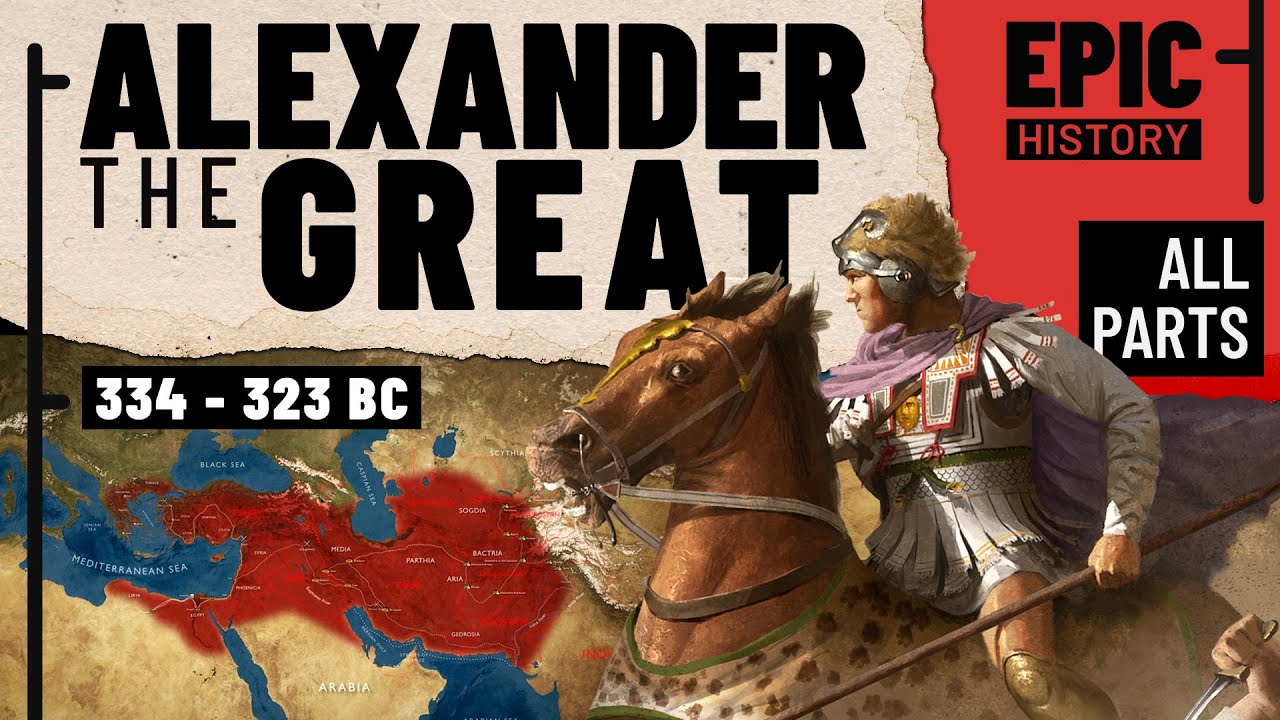
also developed an early writing system which used a combination of symbols and glyphs to represent words and ideas they Developed an advanced calendar system based on 260-day and 365-day solar Cycles in Greece during the year 356 BCE in the city of Pella in the Kingdom of Macedon the greatest commander in history was born Alexander the Great GR grew up knowing he would be a leader and was the son of King Philip II in Queen Olympia But the teacher was much more impressive since he was a kid Alexander Was tutored by Aristotle Aristotle is the man
who was known as the father of logic he created the fields of biology and taxonomy by introducing a way to think called the scientific method a method that is still taught in schools to this day he also wrote extensively about philosophy ethics and art changing the face of the world as we know it today this is the man who was in charge of teaching Alexander the Great Alexander was 20 when his father was Assassinated but his excellent education allowed him to take over the rest of the world after his father died in 336 BCE Alexander
was hellbent on keeping his family's power so when the Greek city of Thieves decided to revolt alexand sander and his army marched 240 mi in 14 days when thieves refused to surrender he raised the entire city to the ground and 6,000 were killed and the rest were sold into slavery the rest of the Greek city states recoiled in fear allowing Alexander to do as he pleased leaving for his new Target to be Persia and the new Persian king Darius III in 333 BC Alexander fa the Persian army at the Battle of isus this significant engagement
saw the Persian king Darius III defeated and forced to flee Alexander then captured several key cities including the vital Port of Ty which had resisted his initial Siege in 331 BC Alexander faced Darius III again at the Battle of gamela near The Tigress River in modern-day Iraq despite being outnumbered Alexander won a decisive vict ictory using Superior Tactics and Mobility the Persian army was shattered and Darius III fled once again Alexander then proceeded to capture the Persian capital of Babylon and took control of much of Mesopotamia he continued his campaign Eastward winning battles in what
is now modern-day Iran and Afghanistan in 330 BC he captured the Persian capital of pepolis a city of Great wealth and cultural signif significance but Alexander wasn't done he wanted to expand Eastward eventually crossing the Hindu Kush mountains into India however his troops grew tired of the Endless fighting and refused to go any further and Alexander was forced to turn back however after Alexander failed in the Indian subcontinent a Powerhouse emerged in India called the Moran Empire at its height it spanned over much of India Pakistan Bangladesh and Afghanistan however this conquering came at much
of a cost for its leader Ashoka the great in 261 BC after the death of his parents Ashoka decided that his Empire needed to expand in his sights the kingdom of Kinga the war was Bloody the war was fierce over a 100,000 people died Ashoka couldn't sleep with himself he didn't know how to deal with his actions that resulted in so Much Death so he turned to the teaching of the Buddha under ashoka's rule the Moran Empire became known for supporting Buddhist teachings and promoting nonviolence Ashoka issued a series of edicts inscribed on rocks and
pillars throughout the Empire that promoted principles such as kindness respect for all religions and the abolition of slavery certain traits were not shared in the west by Alexander in the west it was deemed honorable to die in combat and a hero's death would Be remembered forever a farmer will die in anonymity Alexander died a few years later in Babylon at the age of 32 throughout his expedition Alexander was spreading Greek ideas founded by his once wise teacher bringing the rise of Greek ideals across the land starting the seeds of the western cultures we see today
once Alexander died his Empire just could not sustain itself his generals feuded as to who should be the leader of this great Empire everyone Wanted power yet in fighting left to waste an oblivion eventually in 323 BC after senseless Wars the Greek generals divided the world into three major Empires the toames in Egypt the solids in the East and the antigonids in Greece to one of Alexander's generals LED Egypt into a period of prosperity inspiration by his former leader toames built the Library of Alexandria a hub for an intellectual scholarship intellectuals from all over will
come to The library to exchange ideas and thoughts throughout the world leaving us to have great philosophers like Plato and Aristotle to be the backbone of our culture while the general seusd was given the keys to the city of Babylon Babylon at this time was a cultural Hub melting Greek Persian Indian and Central Asian cultures cusd though preferred Greek ideas and Greek language the sald empire was at its height during the reign of King Antiochus II 223 BC to 187 BC under King Antiochus III the solids encompassed a vast territory from modern-day turkey to modern-day
Pakistan one of the largest Empires on record until the rise of the Romans while the antigonids did not have nearly as much success by the time antigonids the first took power the Greeks were just a shell of what they once were the age of the Greeks was behind us the dolmes the solids and the antigonids went astray from the Roman Empire however for Rome to rise it had to face a powerful foe Carthage both Rome and Carthage had a desire for the same city state mesina on the island of Sicily this would give either civilization
a foothold to grab power in the Mediterranean the first Punic War was upon us and after 20 years of fighting in the year 241 BCE and the defeat of Carthage the Treaty of lutus was signed the piece though was shortlived in 218 BCE the Second Punic Wars began when the carthesian general Hannibal invaded Italy with his army including elephants to conquer Rome Hannibal won several early battles including the Battle of K in 216 BCE still he was ultimately defeated by the Roman general cpio Africanus at the Battle of Zama in 202 BCE the war resulted
in the complete defeat of Carthage which was forced to seed its territories to Rome and the end of the carthaginian Empire there was no doubt In the world anymore that it was time for the Romans to take charge in the west while in the East after the end of the Waring States period chin XI hang and the Chin Dynasty were an absolute power 221 BCE to 206 BCE chin was determined to turn diverse China into a unified Chinese Empire he divided the lands into 36 command areas supervised by a governor military commander and Imperial inspector
it was expected that you followed the wheel of chin or else You would face harsh penalties the basic ideas of legalism in action strong government harsh laws and inheriting knowing that humans were necessarily selfish however their mandate from Heaven ran quite quickly after after chin XI hang's death China was in turmoil with another Dynasty on foot Lu bang leader from 206 to 195 BCE after leading a revolt against the chin was declared emperor of the new Han Dynasty instead of following the strict Legalistic mindset of the chin Lou decided to set his Empire as a
confucianist paradise the ideals of moderation virtue and peity as set through confu M were marched throughout the Empire weaving the Cocoon of a powerful Dynasty during the Han Dynasty the production of silk was ever increasing and the idea of profits was in the minds of all so in 138 BCE Emperor Han Wu sent an imperial Convoy to make contact with cultures of Central Asia and the Mediterranean then after the routes were established Chinese merchants and Traders would bring their silk across the Silk Road to the Middle East and eventually Europe where it would be sold
at high profits though in the beginning the route was relatively short because in 97 BC Ambassador KH Ying was sent to Rome with gifts of silk for their empire however Khan only got As far as Mesopotamia because he was told by the parthians the dominant Empire in Iran at the time that the journey would take years little did Khan know that he was misinformed that the journey would have been relatively shorter but the parthians wanted to keep their spot as the middlemen they did not want China and Rome to have contact with one another creating
a system of three Empires smooshed right up against each other Rome in the West parthians in the center and China in the east then in 86 BCE Greece already being Weakened by the conquest of Alexander the great was now the target of the Roman Empire General Lucius Cornelius Sola LED an army of Legions to the Forefront of Athens he besieged Athens for several months brutally torturing the citizens within eventually when Athens fell he ordered his soldiers to loot and pillage the city destroying many important cultural Treasures this take over cemented Rome as a superpower Athens
no longer had the power but Rather it was in Rome while in 63 BCE General pompe was tasked with capturing Jerusalem and the region of Galilee the Romans quickly captured the cities forcing Galilee to be placed under Roman rule including a small village called Nazareth the Romans desire to expand didn't end in Galilee though in 58 BCE Julius Caesar was appointed governor of the Roman provide of cilene Gaul Northern Italy with the express Assignment of Conquering the rest of the Gauls at the time the GS were a group of Celtic peoples who lived in that
area that is now France Belgium and parts of Switzerland Germany and Italy however it was Caesar's job to take over these Celtic tribes while the GS who were insistent on their independence all had to work together under the leadership of vers and jeder in a last ditch attempt to stop the Romans as Caesar brought his troops to Alesia in 52 BC war was upon Us Alicia was surrounded by a double wall and a ditch with additional fortifications on the town's Hills vers and jeder had gathered a large force of gallic Warriors inside the town in
contrast Caesar had assembled a sizable Roman army outside the walls Caesar realized that a direct assault on the town would be complex so he surrounded the gallic forces and starved them into submission he ordered the construction of a series of fortifications around Alicia including a circumvallation wall that encircle the town and a second wall and ditch that faced outward to defend against any attempts to break out over several weeks Caesar's forces engaged in a grueling Siege of Alia with both sides suffering heavy losses the G Warriors inside the town made several attempts to break out
but they were repelled by the Roman forces the tide of the battle turned in favor of the Romans when a second gallic Army led by verson Jed's Ally commius attempted to relieve The Siege Caesar sent a Detachment of his forces to intercept the GIC reinforcements after a fierce battle the Roman soldiers emerged Victorious with his forces surrounded and facing starvation versen Jedis was forced to surrender he emerged from Alesia and offered himself as a prisoner to Caesar effectively ending the GAC resistance to Roman rule throughout the next 2 years Caesar crossed the GAC Empire conquering
An implementing it into Rome the Galls were implemented into Rome even gaining citizenship within the Empire however the Senate was not happy with Caesar even though he had great success against the GS the Roman senate wanted him to stop they did not like the popularity Caesar was gaining nor the power he was controlling so the Roman senate called upon Caesar to resign his command and disband his army or risk being declared An Enemy of the State This led Caesar to an essential choice to make will he either follow the wheel of the Roman senate or
ignore them and start a bloody Civil War Roman law at the time prohibited any general from Crossing the Rubicon River and entering Mainland Italy with a standing army without the expressed permit mission of the Roman senate to do so would be treason and this tiny stream would reveal Caesar's intentions and mark the point of no return Civil War was Imminent as Caesar and his army marched over the Rubicon battles in corinium and faralis showed the Senate that Caesar was a worthy foe so the Roman senate appointed his son-in-law nus pompy to lead the Roman forces
against his father-in-law both parties knew the importance of Spain due to providing a link between Italy and the rest of Europe the two armies clashed near the town of L in northeastern Spain Caesar's Army was significantly outnumbered but He could use his Superior military tactics and training to gain the upper hand in the battle after several days of intense fighting Caesar emerged Victorious forcing pompy's forces to retreat declaring Caesar as the new leader of Rome when Caesar made it back to Rome the crowds were chanting hail Caesar hail Caesar the people then decided that he
would be the dictator of Rome for Life Caesar immediately set to work implementing a series of reforms And policies aimed at improving ordinary Romans lives and strengthening the central government's power he ordered the construction of new infrastructure such as roads Bridges and aqueducts which helped to connect different parts of the city and improve trade and commerce Caesar also enacted a series of of political and social reforms including granting citizenship to many people living in the Roman Empire and creating new laws and customs that were Based on Roman practices he encouraged the spread of the Latin
language and culture throughout the city and established the Julian calendar which is the basis of the calendar we use today however Caesar's Reign was shortlived because 2 years later in 44 BC he was stabbed to death by two loyal senators casassus and Brutus the assassination of Caesar led the Roman world into disarray the world was filled with factions vying for government control without a strong Leader Octavian Caesar's son who was 18 then came to Rome to claim his inheritance and assert his place in the political landscape he quickly aligned himself with Caesar's loyal Lieutenant Mark
Anthony together they defeated Caesar's assassins at the Battle of Philippi in 42 BCE however tension soon arose between Octavian and Anthony as both men vied for control of the Roman Empire in 31 BCE their forces clashed in the naval Battle of actium which resulted in Octavian emerging as the clear Victor Anthony fled to Egypt with his lover Cleopatra and the two committed suicide the following year with Antony's defeat Octavian emerged as the Undisputed ruler of Rome in 27 BCE he was appointed Augustus and became the first Roman emperor during augustus's Reign a man who had
changed the world was born in the Roman occupied city of Bethlehem Jesus Christ The Gospel of Luke says in Those days a decree went out from Caesar Augustus that all the world should be registered this was the first registration when cinius was governor of Syria and all went to be registered each to his own town Luke 2 1-3 this census was an essential factor in Roman society because it established the population counts in these various communities making it possible to tax these various citizens so the highly pregnant Mary and Her betrothed husband Joseph had to
travel 90 mil on foot from Nazareth to Bethlehem to complete this legally required Roman census when they arrived in Bethlehem many other descendants of the king of David or members of the Jewish faith were also going to Bethlehem for the census they found out that there was no room for them in the Inn so they were forced to take shelter in a stable where Mary gave birth to Jesus Jesus was later named King of the Jews after Jesus's birthday and the completion of the census Mary and Joseph returned to Nazareth with their extraordinary son as
the years of Jesus went on stories about him grew more and more followers began to worship Jesus as their Messiah they claim that he can catch an endless amount of fish they claim that he can cure the Blind and they claim that he was the son of God so these followers specifically his disciples started to write down his Entire life Journey four of his closest disciples Matthew Mark Luke and John wrote down the main chunk of the book in these parts called gospels each of these gospels covered almost all of the same events The Narrative
life of Jesus Christ this narrative testimony of a child born in a stable changed the world forever even though many loved Jesus some viewed him as a threat Emperor tiberious succeeded Augustus and reigned from 14 ad to 37 ad tiberias was Notorious for his delors a network of informants rewarded for spying and Reporting on suspected traitors and criminals criminals reported on by the deletors had to face a treason trial often resulting in executions or forced suicides his prefect of Judea at the time Pontius Pilate was no stranger to the harsh punishment of traitors as Jesus
was influencing more and more people he became more of a political threat so following the guidelines of Emperor Tiberius pilate was given no practical political Choice other than to execute Jesus on the cross Roman law was evident then one must follow the emperor's will or else they will perish as Jesus was crucified on the cross a new religion was born Christianity in the beginning Christianity was just a small sect of Judaism nevertheless its growth would be unpar paralled Paul of Taurus would take the Word of his chosen Lord across the known World from Greece to
Turkey to Syria the word of Jesus Christ spread his missionary Tales are now documented in the New Testament as the book of Acts the more Paul went to different places the more followers he gained on the same token it created more enemies The Divide between monotheism and polytheism was on the rise it was beginning to get a lot tougher for Romans to accept a religious population that didn't believe in Gods Like Mars and Jupiter so when the Great Fire of Rome occurred in July of 64 ad Emperor Nero quickly blamed it on the Christians the
great fire was an event that destroyed 2/3 of the city of Rome so in order to pay for these massive repairs Nero instituted heavy tributes across the Empire to meet at least a proportion of the cost nuro also started to print more Roman currency creating an inflationary effect for the first time in the Empire's history however the Individuals who lived under Roman rule which wasn't in Rome proper were upset by this new policy so in the holy city of Jerusalem in 66 ad a Revolt was on at first the first Jewish Revolt succeeded and the
Jewish forces quickly expelled the unprepared Roman army then the rebels gained some Traction in the neighboring villages in Galilee in response the Roman Emperor Nero sent the general Vespasian to meet the Jewish forces an Endeavor that pushed most Rebels into Jerusalem proper by the time Vespasian was proclaimed emperor in 69 CE then around Passover in 70 AD vazan and his forces sieged the city depleting it of food and water within the walls of Jerusalem the Jews started to quarrel within leaving them more vulnerable to attack by August the Romans breached the defenses killed much of
the population and destroyed many of their holy sites with the Jews decimated the strength of polytheism lived Long then in 98 to 117 ad under Emperor trian the Roman Empire was able to expand its greatest territorial extent spanning all the way from modern-day Britain to the Persian Gulf Roman rule was everywhere well except for in the Americas because the Romans didn't even know they existed in the Americas we can see the growth of various civilizations across the Andes located in modern-day Peru in Chile the Mochi civilization was Able to build Monumental structures like the wadel
soul and wadel Luna impressive pyramids that were the center of their religions they also created Advanced fertilization techniques that used bird droppings as fertilizer their highly centralized government made everyone know their place in society while a little bit more south the NASA civilization is one enthralled in mystery the people of NASA created a series of large scale geoglyph Consisting of hundreds of individual figures including geometric shap Apes animals and humanlike figures by removing the dark reddish brown iron oxide coated Pebbles covering the surface of the NASA desert these lines are now called NASA lines the
purpose of which is still unknown to this day and subject to conspiracy theory today around 100 AD the Zap Attack started establishing montealban their Capital it was one of the first examples Of urban planning in the Americas the city was laid out in a grid pattern with main roads and smaller side streets leading to plazas and public buildings the city was also divided into different districts each with specialized functions such as residential administrative and religious leaving it to be in use for a thousand years after [Music] that while back in Rome after the end of
Tran's reign in one 17 ad a new emperor With a purpose was in hand hadrien was a man tasked with a near impossible keeping the massive Roman empire under one rule he first had to deal with a crisis with the newly colonized Roman Britain like their predecessors in Judea the Roman Brits did not like being Roman so they started to cause unrest and in the eyes of hadrien a real threat of Revolution was on his mind so hadrien had ordered a massive wall aptly named Hadrian's Wall which spanned almost Coast to Coast keeping it sunk
in the conquered people's minds that the Romans were here staving off revolution in one region however in Galilee things weren't as peaceful Simon bar kba led a rebellion of the Jewish people to free themselves from Roman rule as you see Rome was developing a new city called Alia capitolina over the ruins of Jerusalem from the last revolt with temples dedicated to polytheistic Gods like Jupiter by 132 baroka took the Bottle of Nai head of state many Jews regarded him as the Messiah who would save the Jewish people and restore their independence kba's troops would storm
Ilia capitalina almost knocking out entirely the Roman Garrison controlling the city hadrien though would not have it so he sent a force of 120,000 men to the lands of Jud to conquer and force the Jewish people into submission as casassus Doo says in the history of Rome 50 of their most Important outposts and 985 of their most famous villages were raised 58,000 men were slain in the various raids and battles and the number of those that perished by famine disease and fire was past finding out thus nearly the whole of Judea was made desolate History
of Rome 6914 1:2 Rome made it clear that it was not to be taken lightly while in China the message was quite different the ideas of Buddhism Were spreading along with the Chinese philosophies of Confucianism and taism and built a dynasty these three philosophies work together to make the Han Dynasty stronger and more united in many ways in the Middle East a new Empire was emerging with roots in the past a man named ardashir claimed to have Royal Blood that traced all the way back to Cyrus the Great artier claimed that he should be the
true ruler of the Persian Empire not those frauds of the parthians ardashir was able to unite the various tribes of Persia in 224 ad ardashir the first led his forces against the Parian King arabus I in a significant battle at her ozgun the cenan forces known for their Cavalry defeated the parthians and captured artabanus I with this Victory arir I declared himself King and established the sesanian Empire arir I quickly established a centralized government and built a new capital at Tfon on the Tigris River he reestablished the Zoro asrian religion which had been suppressed by
the parthians as the Empire's official religion he also built a powerful military machine with skilled Cavalry and archers he began to expand his territory by conquering neighboring regions as the parthians were on their way out so were the Han the Han Dynasty's downfall was marked by political instability economic problems External threats internal rebellions and power struggles the weakening of central Authority allowed Reg Warlords to seize power and the government's attempts to address economic issues were unsuccessful external threats and rebellions weakened the dynasty even further a warlord named sa declared himself Emperor and established the wey
Dynasty officially ending the Han Dynasty while back in Rome Emperor dioclesian 284 to 305 faced a problem Rome was becoming too large and impossible to manage so Diocesan created the tetr and divided the region into four where each region was governed by a separate Emperor within the tetr there were two types of Emperors Augustus and Caesars Diocesan chose maximan to be his equal to Augustus in contrast galleris and constantius were appointed to be Caesars however this system cre created uncontrolled chaos and Anarchy each Emperor had desires for power and Ambition and it all came to
a head in 305 when power shifted both Diocesan and maximan retired and in 306 constantius died three out of the four original leaders were left out of the system leading to a power vacuum to come emperor Constantine the Great was appointed by his father's Army util laterally as an August jce and a Caesar at the same time to replace his father at the same time maximan son maxentius felt as though he should have been Appointed Caesar instead of Valaria seus so in 307 maxentius sent his army and forced valerus seus to surrender come 308 galleris
appointed linius to replace him so on the west side of Rome two Emperors wanted to rule Constantine ruled over G in Britain and maxentius ruled Italy and North Africa maxentius had a difficult time consolidating his power and he faced increasing resistance from the people of Rome to try and secure his hold on power maxentius Ordered the construction of a new bridge across the Tyber river near Rome known as the milvan bridge Constantine saw maxentius as a threat to his power so he decided to march on Rome to confront him as the two armies approached each
other near the milvan bridge Constantine had a vision of a cross in the sky with the words in this sign conquer some accounts suggest that this Vision may have been a dream or a hallucination While others suggest that it may have been a sign From God regardless of the nature of the vision Constantine took it as a sign that he would be victorious in battle if he fought under the sign of the Christian cross he had his soldiers paint the symbol on their Shields and Banners and he went went into battle with renewed Vigor and
confidence the battle was fierce and brutal with both sides suffering heavy losses maxentius had a larger Army but his troops were spread out and disorganized Constantine Was able to take advantage of this and he was able to push maxentius forces back towards the Tyber River in the chaos of the retreat maxentius was forced off the Milian bridge and into the water where he drowned shortly after his victory Constantine Med l cus at mediolanum modern Milan to confirm several political and dynastic arrangements to produce the Edict of Milan this edict gave power for Eastern Rome to
the cineas and Constantine's Sole power of the West more importantly though this document extended religious tolerance for Christians and restored any properties confiscated from them during the persecution however the peaceful coexistence of both rulers was shortlived though the edict allowed for the safety of Christians the cineas was still very much a paganist their differences started to grow all came near the city of copoulos in 324 ad where both armies went and fought Constantine's military might was on display he was able to force the Eastern Roman army towards the sea leaving many to be killed or
captured Constantine was declared the sole leader of Rome and linius was declared dead dead by hanging he renamed the Eastern Roman capital from banum to Constantinople to celebrate his victory then in 325 ad Constantine presided over the First Council of niia when the 300 Bishops established the now famous nyine Creed Which declared that Jesus Christ was begotten not made and of one substance with the father Constantine was finally baptized as a Christian on his deathbed in three 37 a come 370 ad a new player was on the scenes the Huns were a barbaric nomadic civilization
who were masters of warfare according to Legends they were taught horsemanship as early as the age of three also they would attack their own with a sword to teach them how to endure Pain these people weren't to be messed light with when they crossed the vulga river in 370 on their horses and lusted for blood the Allen civilization didn't stand much chance two years later they attacked the ostr Goths an Eastern tribe of Germanic Goths who harassed the Roman Empire by frequently attacking their territories by 376 the Huns had attacked the Visigoths the Western tribe
of Goths and forced them to seek Sanctuary within the Roman Empire as the Huns dominated Goth and visigoth lands they earned a new reputation as the new Barbarians in town and seemed Unstoppable by 395 ad they began invading Roman domains and some Roman Christians believed they were devils who arrived Straight From Hell the reason they started invading Rome was because of the death of theodosius the great his shining achievement as Emperor was keeping the Goths and the Huns at Bay but on death he decided to follow the ideas of Diocesan and split the Empire up
again splitting up control between his two sons arcadius in the East and honorius in the west making theodosius the last leader of a United Rome with honorius in charge the incapable general made Western Rome an easy target to be bullied the Visigoths looking for a new place to live had their eyes set on Rome so throughout the early 410s the Visigoths ransacked various Roman cities then on August 24th 410 the visigoth sacked Rome taking control of this historic City it was the first time in nearly 800 years that a foreign army occupied the city of
Rome however the Visigoths couldn't maintain control of Rome instead they continued to ransack Roman territories until they established their Kingdom in 418 in modern-day Spain while the prospects of existence weren't so much better in eastern Rome the notorious Atilla the Hun was gaining Power and his brutal tactics called him the scorge of God after a failed peace attempt in 441 Atilla and his army stormed through the Balkans and the danan frontier another peace treaty was forged in 442 but a Tilla attacked again in 443 killing ransacking and pillaging his way to the well fortified city
of Constantinople however due to constantinople's high walls Atilla couldn't conquer it instead Atilla was Able to muster another peace agreement he would leave Constantinople alone in exchange for an annual tribute of 2,100 lb of gold a staggering sum then in 451 the Huns invaded the Gauls allowing the once enemies of the Visigoths and the Romans to wise up and work together to fight the Huns according to Legend the night before the imminent battle AA consulted sacrificed bones and saw that thousands of his army would fall in the fight the next day his premonition came True
in the battle of the catalonian Plains after hours of ferocious fighting tens of thousands of soldiers lay dead giving Atilla his first and only military defeat in history however even after the loss Atilla and his army marched on and returned to Italy continuously ravaging the cities in 452 with Roman sight he met Pope Leo I who acted as an emissary between Atilla and Rome there's no record of what they discussed still according to Legend the Apparitions of St Paul and St Peter appeared to Atilla they threatened to kill him if he didn't negotiate with Pope
Leo the first Atilla decided to pull out of Italy and return to the great Hungarian plane whether because of his fear of the Pope and his saintly allies or because of his troops were stretched too thin and weakened by malaria however the struggle for Western Rome wasn't over in 476 ad the young Emperor Romulus Augustus had trouble Keeping power for himself as many Romans felt he was illegitimate so the Eastern Roman Empire sent the Germanic General oder and his mercenaries to suppress a Revolt by the Roman army in the region however instead of supporting the
Eastern Roman Empire oder saw an opportunity to seize power for himself he turned against the Roman government and deposed the last Western Roman Emperor Romulus Augustus effectively marking the end of the Western Roman Empire as the steps of his victory oder was declared the king of Italy however oas's victory was shortlived because in 493 theodoric the great of the ostrogoths with the support of Eastern Roman Emperor Zeno came in and created the ostrogothic Kingdom of Italy sending oder to meet his fate while Europe was in the Crux of a Dark Age India under the Gupta
Empire was in a mathematical golden age great mathematicians like Brahma Gupta started Using zero as a placeholder and as various solutions for mathematical equations the astronomer araba was able to calculate the circumference of the earth he proved the world was round long before it was globally accepted arabat was also able to develop methods for calculating pi and square roots however his crowning achievement was creating the concept of an asymptote which is a line that approaches the curve but never touches It the Franks under Clovis I had been engaged with the alamani another Germanic tribe and
tensions between the two groups were running high in 496 ad in the Battle of tolak Clovis I first led his forces into battle against the alamani with both sides eager to gain the upper hand in the ongoing struggle for power and territory as the lmani began to push the Franks to defeat in a moment of desperation Clovis called out to the Christian God for assistance Promising to convert to Christianity if he emerged Victorious according to Legend a sudden thunderstorm appeared and the Franks could regroup and launch a successful Counterattack against the alamani the battle ended
in a decisive victory for the Franks and Clovis kept his promise and converted to Christianity officially cementing Christianity to the Forefront and birthing the Frankish Kingdom while the Western Roman Empire Might have fallen in the East the Roman Empire was changing many historians argue that the Eastern Roman Empire based out of Constantinople should be considered a part of Rome however it is undeniable that under Justinian the would lead the eastern half into its next chapter in life the Byzantine Empire whether it's a continuation of the Roman Empire before is a debate for another under under
the leadership of Justinian I like many Roman emperors Before him he would expand the Byzantine Empire to reach places such as Italy North Africa and even Spain he also commissioned a team of legal Scholars to codify all the laws of the Roman Empire known as the Corpus jurus civilist which became the basis of the European laws we know today he also commissioned the world-renowned hegia Sophia in Constantinople where this beautiful cedral adorned with intricate mosaics and marble decorations became the head Of the Eastern Orthodox [Music] Church however Jesus wasn't the only Prophet at the time
in the small town of Mecca a nomadic tribe called the k gave birth to a man who would change the religious world yet again Muhammad Muhammad was orphaned at an early age and was raised by his grandfather and later his uncle as he grew up he worked as a merchant which earned him the nickname alamin meaning the trustworthy On one of his pilgrimages in 610 Muhammad meditated in a cave on Mount jabal no the angel Gabriel appeared and relayed the word of God recite in the name of your lord who creates creates a man from
a clot recite for your lord is most generous became the opening verses of Surah chapter 96 of the Quran at first Muhammad was reluctant not knowing how to disclose this information however soon enough Muhammad began to gather a small following which was mocked by the Pagans of Mecca however when Muhammad denounced idol worship the leader of Mecca knew that he was through so through the resistance from Mecca Muhammad and his followers were eventually forced to immigrate to Medina a city 260 Mi away there Muhammad was instrumental in ending various Civil Wars creating a prosperous Muslim
Community nevertheless this Prosperity would be challenged by the members of Muhammad's old tribe the K and their Allies who marched up to Medina with a large army to attack the Muslims Muhammad devised a plan that they could defend the city if they dug a trench around its perimeter making it near impossible for enemy forces to penetrate for several weeks The KES tried to break through the trench trying and trying yet again eventually strong wind and heavy rain caused The KES forces to abandon The Siege marking the Muslims as victorious in 6:30 the Muslim Army Marched
into Mecca taking the city with minimum casualties Muhammad gave amnesty to the enemy leaders who once opposed him converting most of the meccan population to Islam at the time of Muhammad's death the Muslims had successfully United the Arabian Peninsula under the banner of Islam after Muhammad's death a series of cffs or leaders took over the leadership of the Muslim Community beginning with Abu Bakr a close companion of the Prophet under the the leadership of the cffs the Muslim Community continued to expand its territory conquering new lands and spreading The Message of Islam at first akub
Baker had his eyes set on the Byzantine Empire's provinces of Syria taking over The crucial cities of Damascus and Jerusalem then in 636 the Arab forces invaded the assassinate Empire taking over their capital city in 637 marking the end of the assassinate Empire onward to Egypt they went where After years of fighting they successfully defeated the Byzantine to take over the city of Alexandria in 642 ad economically crippling the byzantines by 7:16 the Arab forces had conquered much of North Africa Carthage and Spain so that by 716 the Arabs had an extensive Empire from Lisbon
to China after consolidating their hold on the Iberian Peninsula the Arabs launched raids into neighboring francha Modern-day France in 732 ad they launched a significant Invasion to expand their territory northward the Arabs forces led by air Abdul Raman Al gaiki quickly conquered several cities in the region including Bordeaux and tours however Charles Martell the military leader of the Franks assembled a large army to meet the Arabs in battle the Battle of Christianity versus Islam both Empires wanted to keep their own faith the Arabs wanted to impose their Religion onto the Franks the two forces clashed
near tours on October 10th 732 ad the battle was fierce and lasted several days with both sides suffering heavy casualties in the end though Charles Martell and the Franks emerged Victorious and the Arab forces were forced to retreat back to Spain ending the massive expansion of the Arabic [Music] Empire while in the west the definition Of God was War in China during the rule of the Tang religions like Buddhism taoism and Confucianism all coexisted peacefully a citizen was able to believe what they wanted to believe leaving for many temples and pagodas to be built across
the empire also during the Tang the height of Chinese poetry was Upon Us poets like Leo and dofu created poems that later became the foundations of Chinese literature Leo wrote a poignant poem Called zenzen on the Ching thing Mountain translated by Sam Hamill the birds have vanished down the sky now the last Cloud drains away we sit together the mountain and me until only the mountain remains Charlemagne also known as Charles the great became the king of the Franks in 768 Charlemagne was a skilled military leader who expanded the Frankish Empire through successful campaigns he
conquered much of Western Europe Including modern-day France Germany Italy and Spain Charlemagne was also a devout Christian and worked to spread Christianity throughout his Empire in 785 Aon was declared caith instead of focusing on conquering like his Brethren he instead focused on the scientific growth in the new capital city of Baghdad Heron Al Rasheed wanted to create the House of Wisdom a library and Research Center that attracted Scholars from around the world these Scholars would come to the house of wisdom with a desire to learn they've translated The Works of the past as well as
developing the science of algebra chemistry sociology and the concept of infinity while the Vikings had a different idea of progress the Vikings were a group of uncivilized pagans from modern-day Scandinavia who wanted to gain material wealth so June 8th 793 ad marked the beginning of the Viking age in Europe lindes far was a small Isolated island off the Northeast Coast of England that was home to a famous monastery and considered one of Europe's Most important centers of learning on the day of the raid a group of Viking warriors likely from Norway or Denmark landed on
the island and attacked the monastery the Vikings pillaged the monastery killing many monks and taking others as slaves The Raid was a brutal and unexpected attack on a place of great religious and cultural Significance and it sent shock waves throughout Europe in 799 in Rome Pope Leo III was attacked by a faction of Rome who believed that the pope was guilty of tyranny and serious personal misconduct so Pope Leo III ran away to the Frankish Kingdom after this Charlemagne and his Frank Army provided an escort for the pope and restored him to the papal office
but yet the power of the papacy was being questioned with many people wanting it To go away which caused Charlamagne to go to Rome in late 800 to fight for his Pope for his loyalty on Christmas day in the Basilica of St Peter Pope Leo III placed a crown on Charlemagne's head declaring him the new Holy Roman Emperor creating a new Roman Empire the Holy Roman Empire or at least the first rendition of it under Charlemagne the foundations of a genuinely great empire were forming but once Charlemagne died in 814 the new Empire was bludgeoning
With problems his son Lewis the pasas 788 to 840 inherited an Empire filled with problems many of his own citizens viewed him as a strong Catholic who was well-intentioned but was incredibly weak and unable to do anything as the Vikings continued their raids along the Ry River attacking Holy Roman Empire cities such as cologne Trier and Mains raiding various Catholic monasteries and destroying religious artifacts caused Fear and hatred among his citizens why would anyone trust a leader if they can't stop barbaric pagans so various local leaders started to focus on defending their land rather than
relying on the central government for defense hence beginning the process of independently recreating the Chinese system of feudalism at this time people would willingly Farm on lands giving up their freedom to these local leaders to protect them from the Vikings creating The basis of a new system of feudalism while the Holy Roman Empire might have been fighting with the Vikings and the byzantines were fighting with the Arabs in 820 a group of Arab Raiders landed on the island of creit over the next several years Arab forces gradually gained control of the island overcoming the resistance
of the Byzantine Defender ERS the conquest was completed in 827 and CIT became part of the Arab Empire the conquest of Sicily And Sardinia followed a similar pattern in 827 a large Arab Fleet landed on Sicily and Arab forces quickly gained control of much of the island they then moved on to Sardinia which fell to the Arab Invaders In 828 in the Holy Roman Empire once Lewis the pi died in 840 ad so did the Charlemagne Empire the infighting between family members grew leading to the Holy Roman Empire being divided between three family members in
the Famous Treaty of Verdon in the west the formation of the West Frankish kingdom was given to Charlemagne's grandson Charles the bald in modern-day France in the East the East Frankish kingdom was given to another grandson Lewis the German which was obviously settled in modern-day Germany while the Middle Kingdom was given to Charlemagne's eldest son loair however being squeezed in between the West and East Frankish kingdoms gave the Middle Kingdom a short Lifespan and was practically irrelevant the Vikings weren't just a problem for Mainland Europe they were pillaging everything in Mainland England so in 871
the new king of Wessex Alfred the Great Rose to power with one thing in mind keeping everyone un safe Alfred built a network of fortifications known as Burrs designed to protect his people from Viking attacks he also developed new military tactics and strategies and fostered alliances with other Anglo-Saxon kingdoms unlike in Great Britain though the Vikings were actually invited to Russia according to Russian Legend the tribes in Russia were tired of dealing with political Strife so they invited the varangians a sect of Vikings to establish order and a government over there hence ruic came with
his two brothers to the city of nav garad and using the Vikings famous Force they were able to establish order in the city Declaring rurick as their new king creating the Kevan Rose Dynasty under the military leadership of Oleg one of The rurick Kingsmen the Keen Rose started establishing small lens and Kiev in modern-day Ukraine creating the Forefront of Russia Today while back in England expanding upon his grandfather Alfred the Great's Alliance network athlan was declared king of Essex athlan was able to get all the anglosaxon kingdoms to work together to Fend off the Vikings
of the British Isles he was declared to be the first king of England due to his ability to navigate alliances and keep everyone safe beginning one of the longest monarchies in human history while the East Frankish kingdom was facing a similar problem the Pagan magars were attacking everyone across the kingdom leaving the kingdom to live in fear however King Otto of the East Frankish Empire was able to defeat the Pesky magars at the Battle of lechfeld in 955 then in 961 he could fully conquer all of the kingdoms of Italy restoring christiandom to all the
former pagans so in 962 Otto the was coronated to Pope John the 12th in Rome to be the new Holy Roman Emperor in France though the West Frankish kingdom was struggling because in 987 King Louis V a direct descendant of Charlemagne died at age 20 without Leaving an heir to take over their Dynasty leaving the French monarchy in Peril so the French aristocracy had an election between Hugh CIT a noble with extensive lands in the region of is Def France and Charles Duke of lower Lorraine with the support of adelar the Archbishop of ROMs H
capit became the first king of France starting the capian [Music] dynasty however at this time the typical person in Europe was always living in Fear every civilization was on the verge of conquering they've all become land hungry and were were willing to fight for it so across Europe at this time every civilization started to entrench their society in the ideas of feudalism leading to another social pyramid at the bottom lay the Surfs their job was to farm the land and Ure everyone was fed then came the Knight Who provided protection for the people then came
the Nobles who ruled over a specific Territory owning the land then came the Kings as previously mentioned who gave land to the Nobles but all the way at the top was the pope because the pope could speak directly to God and had God given ownership of all the lands in the early 11th century leaf Erikson was sent on a voyage to discover lands west of Greenland if you look at a map West of Greenland is the Americas so leaf and his crew ventured to this new mystical land called Vinland in Modern-day New Finland Canada leaf
and his crew spent the winter in Vinland establishing a small settlement and trading with the local indigenous people they also explored the surrounding area which they found rich in natural resources including Timber Fish and Game leaf and his crew returned to Greenland in the spring where they were greeted as Heroes for discovering new lands little did Leaf know that he discovered a new continent for his European people [Music] though significantly less is known about the Americas some historians believe that at the time a similar type of expansion happened in the American continent like in Europe
we also know that there were various tribes across the north including the Cherokee the Navajo and the Inuits the Inuits are most likely to have interacted with Leaf's Fleet while back in Europe in the holy city of Jerusalem laid the very famous Church the Church of the Holy Sepulchre according to Christian belief this church was built on the day Jesus was crucified and resurrected however in 1009 ad Arab ciff al-hakim ordered the destruction of this sacred holy sight all of the Sacred sites were destroyed leaving them completely annihilated when the news reached Europe Christians were
horrified Pope sergius IV sent a Circular letter to all churches calling for a holy fight in the Middle East and the expulsion of Muslims from the holy land but yet the Arabs of the abised caliphate would actually be expelled by another before Jerusalem the salic Turks a Central Asian turkic people of the Muslim faith were beginning to grow their empire in 1055 they took over the abised caliphate capital city of Baghdad the suljic Turks initially respected the califf but the sjix took over over the City over time in 1076 they captured Medina followed the next
year by the capturing of Mecca the holiest city in Islam due to this the Muslim world wasn't ready for Pope Urban II at the Council of Claremont in 1095 to call upon all Christians to take up arms and Liberate the holy land from Muslim rule the pope promised spir spiritual rewards and forgiveness of sins to those who joined the Crusade and many Knights Nobles and peasants were inspired to Take up the cause many European Nobles such as Godfrey of bullan to lose boheman of Toranto and robbert of Flanders brought their armies from Europe on their
journey to Jerusalem while the Christians were United the Muslims were divided and unable to put up a strong defense against the Crusaders hence the Christians took over the county of adessa in 1098 and finally the holy city of Jerusalem in 1099 however the Crusade wasn't done in 1144 the Muslim forces led by Turkish ruler Amad ad dzeni launched a Siege against adessa the city was poorly defended and the Crusaders could not resist the Muslim forces for long after a Siege of several weeks the city was breached and the Muslim Force overran the city killing or
enslaving much of the population but the Christians weren't happy with that so in 1147 the massive armies of Europe came back with attempts to free adessa the Crusaders faced significant logistical challenges including shortages of food and supplies they were also plagued by infighting and political rivalries which called The Campaign to be in ruin after the disastrous loss of the battle of anob in 1149 which resulted in the capture of King Louis iith and the loss of much of the Crusader Army while the Christians and Muslims were fighting the Hindus in the CH Empire under King
surov Arman II built a fantastic Temple for the Hindu god Vishnu called the Anor watt Vishnu is an important God in Hinduism known as the preserver and protector of the the universe he has 10 incarnations or avatars and is often depicted as having blue skin and holding four objects as you approach Anor wat you are greeted by a massive moat and a grand entrance gate adorned with intricate carvings of mythological creatures and deities the Main Temple Rises like a towering mountain with intricate carvings and reliefs that tell the stories of Hindu mythology and the history
of the Chim Empire the temple galleries are lined with stunning bass reliefs depicting scenes of battles ceremonies and daily life in ancient Cambodia at the heart of the complex is the central Sanctuary a massive pyramid-like structure surrounded by smaller temples and Courtyards the sanctuary is considered The most sacred part of the temple adorned with intricately carved statues and images of Hindu gods and goddesses it was an incredible feat of human ingenuity but yet in 1187 the Muslim Commander from Egypt saladine became fed up with the Christian rule of Jerusalem so he declared a holy war
across the Muslim World in order to reconquer Jerusalem from the Christians the battle occurred on a scorching hot day in the Hills near The Sea of Galilee saladin's forces numbered around 20,000 the crusaders had a much smaller force of around 12,000 Knights solders and civilians under the aptly named King King guy the battle began with skirmishes between the two sides but soon escalated into a fullscale engagement saladin's forces could use their Superior Cavalry to encircle the Crusaders who could not break through the Muslim lines the Heat and thirst soon took a toll on the Crusaders
who were weakened and disoriented the Muslim forces took advantage of the situation they launched a fierce attack breaking through the Crusader lines and capturing many Knights King guy and a small group of knights were able to escape the battlefield still the majority of the Crusader Army was destroyed the loss of the battle was a severe blow to the Christian forces in the region and it paved the way for saladin's conquest of Jerusalem but the Christians weren't going to allow that so guess what happened another Crusade this time the three most powerful monarchs at the time
Emperor Frederick I of the Holy Roman Empire King Richard I of England and King Philip II of France sent their best armies to reconquer the holy city of Jerusalem however all the force in the world couldn't retake Jerusalem from the grips of saladine leaving the Third Crusade to be a Failure Gus was born to a mother kidnapped by his father and forced in the marriage Legend holds that he came into this world clutching a blood clot in his right hand before he turned 10 his father was poisoned to death by an enemy Clan genus's Clan
then deserted him his mother and his six siblings to avoid having to feed them however he soon began to make friends with the other clans throughout the Mongolian Mountain Side by 1206 he had United all The various tribes uniting one 1 million people for the time GIS was quite Progressive he made it illegal to sell and kidnap women banished the idea of enslavement of any Mongol and even allowed freedom of religion when it came to war though genus was as barbaric as the next one his first campaign was against the shisha Kingdom in 129 his
army of mostly Cavalry men on horses quickly outnumbered and destroyed the kingdom his next Target was the Jin Dynasty in China from 1211 to 1214 the outnumbered Mongols ravaged the countryside causing food shortages resulting in the Jinn Army killing tens of thousands of their own peasants just so their Elites could live in 1214 the Mongols besieged the capital of zangu now Beijing and burnt it to the ground in the early 13th century King JN was facing increasing pressure from his Barons who were demanding greater rights and protections on under the law in Response to their
demands JN agreed to meet with the Barons and negotiate a settlement the result of these negotiations was the Magna Carta a document that set out a series of rights and freedoms that the king could not violate among these rights were the right to a fair trial the right to due process of law and the right to be protected from arbitrary arrest and imprisonment the Magna Carta also established the principle of habius Corpus which required the government to produce a prisoner in court and provide a lawful reason for their detention this principle has been a Cornerstone
of modern legal systems around the world then in 1217 there was another Crusade this time led by King Andrew II of Hungary and Duke Leopold v 6 of Austria with the same goal in mind to take over Jerusalem the Crusaders successfully captured the city of damietta in 1219 But they could not Advance further into Egypt after a series of setbacks including capture and imprisonment of many Crusaders the Christian forces were forced to abandon their campaign in Egypt the Crusaders eventually agreed to a treaty with the Muslim forces allowing them to leave Egypt unharmed but without
achieving their ultimate goal Gus Khan wasn't done though in 1219 went to war against the qum empire in present day Turkmenistan usbekistan Afghanistan and Iran during his raids the Mongol horde swept through one city after another taking over the likes of burara samarin and ergin skilled workers such as carpenters and Jewelers were usually saved while Aristocrats and resisting soldiers were killed unskilled workers meanwhile were often used as human Shields during the next assault no one knows with any certainty how many people died died during gask Khan's Wars in part because the Mongols propagated Their vicious
image as a way of spreading Terror at genas Khan's death he controlled a massive territory from the Sea of Japan to the Caspian Sea however even more impressively around 8% of the men in South Asia descend from genas Khan today in 1228 Emperor Frederick II of the Holy Roman Empire tried to conquer the holy land but failed ending the sixth Crusade of course the Holy Roman Empire couldn't be the only one Crusading King Louis the 9th of France in 1248 decided to start the seventh crusade to retake Jerusalem but he was taken prisoner by the
Muslims and forced to pay a hefty Ransom as he retreated however that didn't deter King Louis the 9th because in 1270 he was at it again trying to free Jerusalem from the grips of Muslim rule but this time he died of dissenter once King Louis the 9th died his troops retreated creating the eighth and final time there was a Crusade in England though in 1295 England was making a diplomatic Headway in a letter summoning Parliament King Edward I wrote since the most righteous law of the Emperors ordains that what touches all should be approved by
all so it appears that common Danger should be met by remedies agreed upon in common as King Edward I would then request a tenth of the incomes of Nobles and an 11th of the income of knights creating one of the first parliaments we would see in The New Age while Down in Africa a leader of extravagant wealth mansam Musa was gaining power on his famous Haj a religious Muslim pilgrimage to Mecca that every Muslim should make at least once in his life mansam Musa with his Caravan of camels and an army of Scholars gave vast
amounts of gold to any poor person he saw hence crashing all of the economies in Northern Africa due to the inflation of gold when manam Musa returned to Mali he made it his life purpose to make Timbuktu the Muslim capital of knowledge so manam Musa invested heavily in building the University of Sor various Islamic faith Scholars quickly made their way to Anor to study Islamic theology law and literature with over 1 million manuscripts manam Musa was also a very religious man with a policy that he commissioned a new mosque every Friday however sadly though only
the Jinger Mosque in timbuk 2 stood the test of time in the Americas though another built-on riches was being created as as Aztec Legend has it the god weapo directed them to build where they saw an eagle perched on a cactus eating a snake when they saw this exact scene on an Island located in what was once Lake teoco they interpreted it as a sign from their God and founded Teno chidon on that island As Time passed Teno chidon started to build impressive Temples such as the Great temple the Great temple comprised of two main
structures dedicated to the god wheat silipo and tck the city itself was most fascinating it was designed with a complex system of canals and causeways to help control flooding and facilitate transport across the city while they started to farm on floating gardens known as chinampas on the shallow Waters of Lake teex Coco which were used to grow crops such as maze beans and Squash as Molly and the Aztecs were building their cities England and France were in war for 100 years the origins of the conflict lay with the status of the duchy of gyen in
basic capitalistic terms this was owned by the British crown however the land itself was in France the second reason was that the last direct descendant of Charlamagne King Charles IV died in 1328 so the next closest relative was Edward III the king of England so King Edward III claimed the rule of France in 1337 which was not liked by the French people as the petty erratic Hundred Years War raged on the people of the world had to face a pandemic like no other the Bubonic plague as the Italian poet Giovani bachio wrote at the beginning
of the malady certain swellings either on the groin or under the armpits waxed to the bigness of a common Apple others to the size of an egg some more and some less and these The vulgar named plague boils historians believe this pandemic was spread by rats traveling through ships across Europe and Merchants throughout the Silk Road no matter how this plague was produced around 75 to 200 million people died with the death of so many people especially the poor land owners and Nobles were required to allow Farmers to keep more of the product they farmed
leading to more workers rights in China though a group of rebels Known as the red turbin revolted against the Mongol rulers of China the red turbin were led by a man named zuo Yen Jong born into a poor peasant family Zu built a strong following among the rebel forces and eventually emerged as their leader in 1368 Zoo declared himself Emperor and established the Ming Dynasty marking the beginning of a new era in Chinese [Music] history in 1428 at the age of 16 Joan Left her home in the village of doy and traveled to the court
of Charles iith where she asked for permission to lead the French Army against the English at first her request was met with skepticism and disbelief still Joan persisted and eventually won the support of the French Commanders Jones's first major military Victory came in the siege of Orleans in 1429 she led the French troops in a series of Daring attacks on the English Forces and she broke the siege and liberated the city this Victory boosted French morale and helped to turn the tide of the war in their favor over the next several months Joan led the
French army to victories against the English including the Battle of Pate in June 1429 however her success also made her enemies in the English and French Court in 1430 she was captured by the English and put on trial for heresy and Witchcraft Joan was subjected to a Grueling trial she was accused of various crimes including dressing in men's clothing practicing sorcery and hearing voices despite the odds against her Joan remained steadfast in her faith and her belief that she was carrying out God's will in the end Joan was found guilty and sentenced to death by
burning at stake she was executed on May 30th 1431 at 19 then 20 years later in the Battle of castian Charles iith of France led a French army which defeated the English army effectively ending English territorial claims in France while back in the great city of Constantinople the Byzantine Empire was declining weakened by years of war political instability and economic turmoil in contrast the Ottoman Empire led by Sultan mmed II was on the rise and the sultan saw an opportunity to expand his Empire and gain control of the Strategic city of Constantinople by 1453 mamed
II LED an army of 80,000 Soldiers including Elite jiser troops and a powerful artillery Force to besiege Constantinople the Byzantine Defenders led by Emperor Constantine VI 11th were vastly outnumbered and outgun they faced a seemingly impossible task to hold off the ottoman assault the Ottomans bombarded the city with artillery for nearly 2 months causing extensive damage to the walls and fortifications the Byzantine Defenders meanwhile struggled to maintain morale And keep their troops fed and supplied then on on the fateful day May 29th 1453 the Ottomans launched a massive assault on the city climbing up covered
by Siege Towers they were able to breach the walls and gain access to the city despite putting up a valiant defense the Byzantine Defenders were overwhelmed and the Ottomans were able to storm the city and capture the capital causing the great Byzantine Empire to fall in 1453 all paths no no longer led to Rome And all traces back to the Empire of Caesar were erased it was replaced by the beginning of utter ottoman domination in the region ushering in a new era of Turkish power and influence in the Mediterranean while the byzantines might have been
falling the Russians were finally gaining their independence at the time the Mongol Empire was ruling over Russia demanding that various Russian towns pay tribute or face the Wrath of the Mongols however in 1472 Ivan the Great refused to pay such tribute over the next several years he built up his military strength and was able to drive out the Mongol garrisons from various cities and towns throughout Russia in 1480 the Mongols demanded that Ivan pay tribute or face military action but after a 10 standoff they finally retreated Ivan's victory was the beginning of a free Russia
and the decline of the Mongolian Empire then in 1492 as Christopher Columbus sailed the ocean blue the Europeans discovered the new world said initially on finding a path to India instead he landed on an island in the Bahamas which he aptly named San Salvador when he and his crew set up camp he met the lucayans skilled fishermen and farmers who welcomed him and his crew and provided them with food and supplies while back in Europe a golden Age of culture was Upon Us in 1503 Leonardo devinci painted the Mona Lisa Da Vinci's biographer Walter Isaacson
says the Mona Lisa to me is the greatest emotional painting ever done the way the smile flickers makes it a work of art and science because Leonardo understood Optics the muscles of the lips and how light strikes the eye all of it goes into making the Mona Lisa smile so mysterious and Elusive in 1504 Michelangelo sculpted David Michelangelo Would say in every block of marble I see a statue as plain as though it stood before me Shaped in perfect in attitude and action I have only to heue away the rough walls that imprison the lovely
apparition to reveal it to the other eyes as mine see it while in 1506 Michelangelo was painting The Magnificent painting of the cinee [Music] chapel while in the political world Nicolo macavelli is one of if not the Most influential pieces of literature we have today the prince is a political Manifesto that comments on the past civilizations we've heard about in this video monelli writes it is much safer to be feared than loved because love is preserved by the link of obligation which owing to the beastess of men is broken at every opportunity for their advantage
but fear preserves You by a dread of punishment which never fails think about the ordinary farmer think About the man who spends generations of their life farming giving heavy taxes to a noble Lord for doing nothing except protecting them why won't the far Rebel it's because they're afraid of what would happen without their leaders without the elites the Huns or the Mongols can come to your farm and destroy you on their own so you live in fear as to what might happen to you leaving you to give your wheat to said [Music] Leader Martin Luther
though didn't just report on the basics of human nature Martin wanted to make a difference and was sick of the Catholic church at the at the time the Catholic church was selling indulgences which were certificates that people could purchase to reduce the amount of time they would spend in purgatory after they died Luther believed this practice was corrupt and went against the Bible's teachings which emphasized the Importance of repentance and Faith over material wealth in protest he wrote a series of 95 thesis or arguments challenging the church's Authority and calling for reform on October 3th
1st 1517 Luther nailed his 95 thesis to the door of the castle Church in Wittenberg which was a common way of announcing a public debate or discussion Luther's 95 thesis sparked a debate within the church and among European scholars and theologians some people agreed with his Criticisms of the church While others saw him as a heretic and a threat to the established order the beginning of protestantism was upon us [Music] in 1519 though the Spanish conquistadors under the leadership of Hern and Cortez arrived on the Aztec Shores they were greeted by the Aztecs who gave
Gifts of gold and silver of incredible wealth to the Spanish as they believe that the Spaniards were emissaries of the god Ketzel colad however Cortez soon revealed his true intentions to conquer the Aztec Empire and claim its we wealth for Spain over several years Cortez and his forces engaged in a series of battles with the Aztecs marked by intense violence and brutality the Spanish were aided by their Superior military technology including guns and cannons and by the support of indigenous allies who were the enemies of the Aztecs despite being vastly outnumbered Cortez and his men
made significant gains against the Aztec eventually laying Siege to their capital city of Tano chidon after months of fighting the city fell to the Spanish in 1521 and the Aztec Empire was effectively destroyed then following the strategy of Cortez Francisco pizaro LED an expedition that conquered the Incan Empire in present day Peru though the violence was authoritarian the biohazards were even more demanding the Europeans due to having survived illnesses such as the bubonic plag and small poox developed immunity to many of these diseases that they've one way or another spread to the native people essentially
over time killing them off under sulan the Magnificent leadership the Ottoman Empire became one of the most powerful and influential empires in world history Suleman was a brilliant strategist and military leader and his Reign was marked by signif ific An conquests and political achievements like many other leaders he set out to conquer the world by the end of his Reign sulaman the Magnificent presided over a vast Empire that stretched from Southeastern Europe to the deserts of Arabia and from the shores of the Mediterranean to The Plains of Persia his conquests included the capture of Belgrade
and Budapest in Europe Jerusalem and Mecca in the Middle East and tabre in Baghdad in Persia the Ottomans also became the dominant Naval power in the Mediterranean with control over North African cities such as alers and Tunis creating the dominant ottoman [Music] civilization but yet All Things fall when one is in love and the murder happppy King Henry had fallen in love with Anne boin and was desperate to marry her however Catherine of Aragon was is still alive and the Catholic Church did not recognize divorce Henry's Solution was to break away from the Catholic church
and established the Church of England with himself as the head in 1534 Henry passed the act of Supremacy which declared that the king not the pope was the Supreme head of the Church of England leaving the Catholic Church to be angry and excommunicate Henry iith leaving a Schism between the Church of England and the Catholic Catholic Church even today Ivan the Terrible is now the ruler Of Russia in the early years of his Reign Ivan enjoyed significant success launching military campaigns against neighboring kingdoms and expanding Russia's borders he also oversaw the construction of magnificent Public
Works including St Basil's Cathedral in Moscow however as Ivan Grew Older he became increasingly paranoid and erratic he launched a series of brutal purges and executions targeting anyone he perceived as threatening his power he Also had a volatile temper lashing out at advisers and Nobles who dared to question his decisions in 1560 Ivan suffered a devastating personal loss when his beloved wife Anastasia died this event seems to have triggered a significant psychological breakdown and Ivan became increasingly unstable and violent he launched a series of bloody campaigns against his own people including the notorious oprit Nina
a campaign of Terror and repression that Killed thousands of Russians and destroyed countless homes and families truly deserving of the name terrible while Russia was going through that England was on the rise with the start of the English Renaissance under the leadership of Queen Elizabeth I Elizabethan playwrights dominated the scene creating written words that were poetic in language and poignant in meeting they've even written plays about people we've already talked about William shakespare wrote many plays including histories Julius Caesar which was about the assassination of Julius Caesar King John which was about the 100 Years
War and Henry viith was a play about showing human needs to gain power other notable playwrights who filled the scene were Christopher Marlo Ben Johnson and John Webster while on the other side of the world the English colony of Jamestown was forming in Virginia under the Virginia Trading Company slightly up north Samuel D Champlain was establishing the French colony of Quebec in Canada while back in the old world they were having a new era of fighting the 30 Years War this time it was between the Protestants and the Catholics it began in 1618 when the
Holy Roman Emperor attempted to impose Catholicism on the Protestant population of bohemia the Bohemians rebelled and soon the conflict Spread throughout the region over the next 30 Years armies marched and counter marched across Europe Europe leaving a trail of Destruction and Devastation the war was characterized by brutal sieges bloody battles and atrocities committed by both sides at its height the war involved most of the major powers of Europe including France Spain Sweden and the Holy Roman Empire it was fought along religious political and economic lines with each side vying for dominance And control the war
finally ended in 164 48 with the signing of the Peace of West philia the treaty recognized the Dutch Republic's Independence established the individual State sovereignty within the Holy Roman Empire and ended the religious conflicts that fueled the [Music] war while in China the Ming Court was plagued by corruption factionalism and economic decline the emperor at the time changen faced mounting pressure from is Advisors to strengthen the military and defend against the Manu threat however his efforts were hindered by infighting among officials and a lack of resources in 1644 the Manu Army led by Prince dorgon
launched a massive invasion of China the Ming Army weakened by years of neglect and Corruption was no match for the highly disciplined and skilled Manchu forces the Manus quickly conquered Beijing and installed their puppet Emperor ending the Ming Dynasty Continuing the cycle of dynasties in China while in Spain King Charles II died without having any heirs creating a real political crisis of who should be the leader King Louis the 14th of France supported his grandson Phillip as the rightful heir to the Spanish Throne hoping to secure French influence over Spain and its territories on the
other hand Emperor Leopold I of Austria supported the candidacy of arch Duke Charles a member of the Habsburg Dynasty Who was seen as a potential ally against French expansionism the conflict soon escalated into a major war with many European powers taking sides and forming alliances the principal belligerant were France in Spain against a coalition of Austria Great Britain the Dutch Republic Portugal and several other minor Powers the war ended with the Treaty of utre in 17713 which recognized Philip as king of Spain but required him to renounce any claims to the French throne and Seed
Some territories to great rain and Austria the Treaty of rastad signed the following year officially ended the [Music] war in 1707 the acts of the Union were passed by the parliaments of England and Scotland which United the two kingdoms into a single political entity known as Great Britain hence creating the legal foothold that is Great Britain however Scotland took a disliking to this there were protests and uprisings in the Years Following the union including the Jacobite risings of 1715 and 1745 which aimed to restore the Scottish monarchy and Independence [Music] then on July 4th 1776
a group of American Patriots stood in a room in Philadelphia signing a document that would say the words we hold these truths to be self-evident that all men are created equal that they are endowed by their creator with Certain unalienable rights that among these are life liberty and the pursuit of happiness war in the Americas was on but back in Europe the tone was quite different Adam Smith published the famous book The Wealth of Nations the foundations of laz's fair economics which essentially says the market would balance itself out over time in Austria mozard was
performing his magnumopus the hner serenade Mozart's hner serenade is a charming and elegant Work featuring Courtly dance music and light lyrical Melodies its graceful Melodies subtle harmonies and elegant instrumental writing characterize [Music] it as the war continued King George III sent his armies of the masses over to America though the colonists had little military training their knowledge of the terrain and Guerilla tactics made them nearly invisible at the same time the Red Army coats were easy to see for the Americans in the summer of 1781 George Washington and French General roshambo marched their forces South
to Virginia where they laid Siege to Corn Wallace and his army at Yorktown the British were trapped and could not Escape by land or Sea The Siege dragged on for weeks the American and French forces bombarded the British with artillery they dug trenches to inch their way closer to the British defenses the french navy defeated the British Navy in A crucial naval battle off the coast of Virginia cutting off corn Wallace's only Escape Route by sea on October 14th 1781 the American and French forces launched a massive assault on the British defenses the British fought
valiantly but were vastly outnumbered and outgunned and they soon began to falter on October 19th corn Wallace surrendered his army to Washington effectively ending the war the Victory at Yorktown was a decisive moment in the war and it Marked the end of British rule in America and the beginning of a new [Music] experiment with America finally being free from the totally tyrannical grips of Britain they had one issue how were they going to lead were they going to make General George Washington their Monarch therefore democracy was chosen however Plato made a good point many years
ago that the common man was incapable and not wise enough to pick a Better leader to lead them to success so the American founded Constitutional Convention came up with this idea of the Electoral College where the common man would vote for a particular person who would then have a say in who could be president so instead of the president being directly voted on by the people they would vote on Elites who would then vote for the president directly the French then noticed how well the American Revolution went at the Time the French were ruled by
King Lou V 16th and his wife Queen Marie Antoinette as Queen Marie antoinet told the peasants let them eat cake the people of France got together they decided they wanted more say in how the country was run and they formed a group called The National Assembly and started Ed making new laws to give them more rights one of the most famous events of the French Revolution was the storming of the Bas steel this was a prison that represented The king's power and the people wanted to show that they were not afraid of him they broke
into the prison and freed the prisoners which started a revolution throughout France many influential people lost their heads During the Revolution including King Lou V 16th and his wife Queen Marie Annet the people were tired of being ruled by a king and queen who didn't care about them and they wanted to create a new system where everyone would have a say and the people Of France voted in maximilan robes Pierre in 1789 Roes Pierre was elected as a delegate to the Estates General which was convened to address France's financial crisis he quickly emerged as a
leading voice in the National Assembly advocating for the Ordinary People rights and opposing the aristocracy's power as the revolution continued though robes Pierre became increasingly radical in his views advocating for the execution of King Louis V 16th and the Establishment of a republic he was elected to the powerful Committee of Public Safety in 1793 tasked with protecting the Revolution and rooting out enemies of the State under robes Pierre's leadership the committee launched a period of intense repression known as the reign of terror thousands of people were arrested tried and executed for crimes against the revolution
robes Pierre became known as a ruthless and Uncompromising figure however robes Pierre's power began to wne as the people grew tired of the violence and the instability of the revolution in 1794 he was arrested and imprisoned along with his closest allies on July 28th 179 4 robes Pierre was taken to the guillotine and executed the execution marked the end of the reign of terror and democracy for now in France instead they moved to a directory a directory is a government Led by a five- member executive Council known as the directory which was chosen by the
Council of Elders this legislative body was also part of the new government the directory was meant to serve as a moderating force balancing the interests of the various factions that had emerged During the Revolution however the directory concept wasn't successful as well so General Napoleon bonapart decided to overthrow the government and begin his conquests To take over the world so off Napoleon went to conquer much of Europe in 1805 Napoleon defeated a combined Ostro Russian army at the Battle of ostritz solidifying his position as one of Europe's most powerful leaders he then conquered much of
the continent including Spain Portugal and the Netherlands in 1812 Napoleon invaded Russia with a massive Army still the campaign proved disastrous and his forces were decimated By the harsh Russian winter the defeat marked the beginning of Napoleon's downfall in 18 14 the European powers Allied against Napoleon and invaded France forcing him to abdicate his throne and go into Exile on the island of Elba however he returned to France in 1815 and what became known as the 100 days and briefly regained power before being defeated by the British and Prussian armies at the Battle of watero
while back in the Americas bivar Was on his military campaigns to free Latin American countries from the grasp of the Spanish colonial rule belar began his military campaigns in Venezuela in 1810 where he led a successful Uprising against the Spanish Colonial authorities he then moved on to Colombia where he won a series of important victories against the Spanish including the Battle of boaka in 1819 which secured the independence of Colombia boulevar then turned his Attention to Ecuador and Peru where he won a series of decisive battles that helped secure both country's Independence he captured the
city of Lima in 1824 effectively ending Spanish control of Peru bolar's final military campaign was in Bolivia where he led the fight for independence against the Spanish in 1825 Bolivia was named in honor of bolar who played a critical role in its [Music] Liberation in 1848 two men had an idea that would spark debate worldwide Carl Marx and Frederick Engles wrote the book called The Communist Manifesto which is a book about the idea of Communism where instead of a capitalistic system where the Nobles or bgea own everything and the workers and proletariat work for slave
wages instead what if the proletar rots owned the means of production and all work together as marks and Engles would write let the ruling classes Tremble at a communistic revolution the proletarians would have nothing to lose but their chains and they have and they to win they would also write the need for a constantly expanding market for its products chases the Bourgeois over the whole surface of the globe it must Nestle everywhere settle everywhere establish connection connections [Music] everywhere right after the writing of the Communist Manifesto began a period In Europe known as the Scramble
for Africa it All Began in the 1870s when European countries began to explore the interior of Africa looking for new territories to claim and resources to exploit at first the European powers were cautious sending explorers in Miss Aries into Africa to establish trade networks and alliances with local leaders however as competition increased the European powers became more aggressive in their tactics they used Military force to establish colonies and protectorates and they engaged in diplomatic maneuvering and propaganda campaigns to gain the support of local populations one of the most ruthless tactics the European powers used was
dividing Africa into artificial borders and creating new ethnic and linguistic divisions this created tensions and conflicts between different African groups which the Europeans used to their advantage creating a European stronghold Over the continent of Africa to increase their profits the Scramble for Africa came to an end as a result of several factors including changing International politics economic realities and Rising African nationalism one of the key factors that contributed to the end of the Scramble for Africa was the changing balance of power in Europe by the early 20th century European powers were increasingly focused on competition
with each other particularly in Europe itself And were less interested in acquiring new colonies in Africa this was due in part to the growing tensions between European powers that would eventually lead to the outbreak of World War I in 1914 because on June 28th 1914 a shot was heard around the world with the assassination of arch duuk France Ferdinand France Ferdinand was the heir to the throne of Austria Hungary and his assassination by a Serbian nationalist named gilo princip sparked a diplomatic Crisis that quickly escalated into a global conflict in the aftermath of the assassination
Austria Hungary declared war on Serbia triggering a complex web of alliances and treaties that Drew other countries into the conflict Germany an ally of Austria Hungary declared war on Russia and France while Great Britain which had a treaty with Belgium declared war on Germany within weeks most of Europe was embroiled in a brutal and devastating conflict in November 1918 after 4 years of Brut brutal fighting the Allied powers and the Central Powers agreed to an Armistice effectively bringing an end to the war and the demise of the Ottoman Empire on November 11th the Armistice went
into effect and the guns fell silent across Europe World War II the peace was shortlived because a man named Adolf Hitler invaded Poland like Alexander the great Julius Caesar Tran Atilla the Hun Genas Khan Napoleon bonapart and sulaman the great Adolf Hitler wanted to establish an empire for his nation and his people Adolf had dreams of building an empire larger than anything that was ever created he wanted to make the Roman Empire look like nothing however for the sake of the world and especially those Hitler viewed as undesirable Vermin in April 19 45 Soviet forces
began a massive assault on Berlin after weeks of intense fighting the city fell on May 2nd and German forces surrendered meanwhile Allied Forces were closing in from the west and on May 7th Germany signed an unconditional surrender officially ending the war in Europe a few months later after the bombings of Nagasaki and hirosima Japan surrendered as well leaving the war to be over from World War II on the world has faced a technological Revolution with Alan turing's invention of the computer during the war the world became Global For 50 years America and the Soviet Union
were at War despite the fact that they were on two totally different continents in 1969 Neil Armstrong landed on the moon saying it's one small step for man one for man as the years on the world has become increasingly smaller computers have become more affordable cell phones change the way we communicated with one another let's go back to the story of a Man named Gilgamesh on his quest for immortality at the end of the poem Gilgamesh realizes life which you look for you will never find for when God God's created man they let death be
his share and life withheld in their own hands the history of human civilizations is an incomplete book constantly being updated some things will never change however humans will always die Empires will always rise and fall the masses will always clamor towards safety [Music] in the year 1492 Christopher Columbus discovered the Americas Millions died in pursuit of conquering this unknown land the European powers of the time took part in colonization and the centuries after witnessed remarkable Wars and a new age of influence these events led to the birth of a new nation on July 4th 1776
the United States of America since the USA has conquered the world in every Aspect possible from developing the most powerful military in modern history to countless astonishing human accomplishments the country has earned the name the modern Roman Empire but can this giant continue its dominance to understand the story of this fascinating land we must start from the very beginning [Music] long before European colonization the native peoples of North America had Developed complex and sophisticated systems of society and government hundreds of thousands war made peace and governed over specific regions and had done so for thousands
of years by the time the first European explorers began to arrive on the North American continent in the 15th century the Native Americans had already established themselves and their communities for thousands of years the North American continent vast and Rich with natural Resources would beckon all who came to know of its Shores and so when a Norse Navigator named Leaf Erikson learned that there was a land west of Greenland from fellow Explorer bne harelson he made preparations to set sail harelson who had been blown off course while sailing had accidentally discovered what would one day
be called New Finland and although he did not land his story gave Erikson the information he needed to successfully sail across the labrador Sea and make landfall in North America Erikson and the normen would establish a small settlement in Labrador called Lono Meadows or Meadows Cove this settlement and numerous small outposts built nearby it would be abandoned over the course of about 20 years afterward it would be nearly another 500 years before Europeans set foot on the shores of North [Music] America searching for a more direct and Faster route to India the great European powers
of the age sent dozens of expeditions around the globe in October 1492 the genoise Explorer Christopher Columbus employed by the king and queen of Spain discovered the West Indies and inadvertently opened a new frontier of exploration popularized as the New World by Florentine Explorer Amaro vuchi it was open season for European explorers Traders and businessmen alike European Powers began claiming sections of this new world as their own with every major exploratory mission vuchi who created and sold maps of his own discoveries in the new world gain the notable distinction of having the entire hemisphere named
for him America while much of the early exploration of the new world focused on what would become known as the Caribbean and South America it did not take long before explorers turned their attention North to the Enormous land mass above Columbus's Hispanola at the dawn of the 16th century the Spanish English Portuguese Swedish Dutch and French all entered a race to explore and map the entire east coast of North America in 1497 Italian explorer Giovani a known as John cbat by his English employers discovered the same region of New Finland that leaf Ericson and the
Vikings had settled nearly 500 years earlier Cabot's discoveries credited him as the Discoverer of the North American continent as no record of Ericson's Expedition or settlement had yet been discovered to the South Expeditions by Juan Pon Deon Alvar Nunes cabesa Daka and Hernando doto would map Florida and the American Southeast as Spain prepared to establish permanent colonies in the new world likewise to the north Jack cardier explored the St Lawrence River while Giovani De verzano mapped much of the East Coast for France all along the Coast the Europeans encountered the numerous tribes of Native Americans
early interactions ranged from welcoming to Violent as cultures from separate hemispheres met for the first time as it had in the Caribbean and South America first Contact introduced these cultures to each other with the sharing of gifts and trading of information naturally these meetings exposed Native Americans to European diseases and caused widespread illness and death the first Attempts to make permanent settlements in the new world began in the mid-6th century with varying degrees of success surviving in the new world was not an easy task and establishing a permanent settlement proved to be exceptionally challenging in
158 5 the English attempted to establish a permanent Colony on Rowan Oak Island off the coast of what is today North Carolina the journey across the Atlantic was brutal and left the colonist with few supplies When they arrived making contact with the local Aquis goak Pamela and Coten tribes the colonists many of whom were military personnel became embroiled in an argument with the Aquasco and burned their Village to the ground meetings with the sodin went considerably better outfitting the colonists with enough food to survive a miserable winter small poox and influenza epidemics ran through every
native Village who encountered the colonists communication broke down and Violence finally convinced the colonists to move on abandoning The Colony arriving in 1587 a year after the first attempt to settle Rowan Oak failed colonists largely made up of middleclass londoners with no military experience landed on croo and Island and began to establish a settlement some 40 Mi south of the first failed settlement The Colony suffered great difficulty surviving in 1588 a relief mission to the colony was looted by Spanish Naval Vessels operating off the coast leaving its new location unknown to English authorities that same
year Spanish vessels sailed near cowat toan Island and found that it appeared abandoned the next relief mission to the Colony finally arrived in 1590 and found smoke rising from both Croatan Island and Rowan o Island a landing party discovered both settlements abandoned and sacked the only Clues were the letters c o carved into a tree and the Word croat toan carved into one of the posts of a palisade allegedly built by the settlers of the colony known as The Lost Colony the settlers of Rowan Oak were never discovered the colony deemed lost by the English
government in 156 4 a group of French Hugo settlers attempted to start a colony and what would become St Augustine Florida only to have the colony sacked and all of its male citizens killed by rival Spanish forces the settlement established by the Spanish colonists at St Augustine is considered the first permanent European settlement in North America in 1607 the English attempted again to establish a permanent colony in the new world led by the London company the settlement aimed to establish a colony in Virginia and selected a marshy region on the James River which they christened
Jamestown the colony did well initially quickly constructing living and meeting space as well as a palisade Fort relations with the local patan tribes began with hostilities but gradually cooled over time as the settlers and native peoples of the region learned to cohabitate the PO offered food and friendship to the colonists who took the opportunity to search the surrounding region for gold and other precious medals instead they found that the swampy region that they had inhabited held no riches but disease the people of Jamestown suffered from Lack of coordination disease and the harshness of the environment
around them despite the aid of the patan people it was only when Captain John Smith took command of the colony and in near dictatorial Fashion reorganized their efforts to establish trade with the natives and plant crops of their own in and around the colony Smith returned home to England not long after his term as leader of the colony but he had established a path for the colonists to Follow that allowed Jamestown to endure difficult years of famine and struggle Jamestown survived and by the mid 17th century was thriving as more settlements began to grow around
her Jamestown has the distinction of being the first Engish settlement to survive in the New World in 1619 12 years after the colony's founding Jamestown became the site of yet another first when the first African slaves arrived in Virginia 20 to 30 enslaved Africans who had been Captured by English privateers from a Spanish slave ship were brought to Point Comfort Virginia from there a number were sold or traded to the settlement at Jamestown slavery had existed in the new world since the mid-16th century but this moment marked the beginning of 2 and 1 half centuries
of slavery in what would become the United States the English continued their colonial settlement in 1620 with the establishing of the Puritan colony at Plymouth Massachusetts unlike the financially motivated London company at Jamestown the Puritan colonists at Plymouth known as pilgrims had come to America in search of religious freedom they voyaged across the Atlantic in the Mayflower suffering in months of terrible weather at Sea when they arrived in the new world they first landed near what would become known as Province Town there the colonists concerned over their rights to the land and their legal right
to Establish a colony drafted and signed the Mayflower Compact establishing their right to self-govern while still holding allegiance to the English crown however without finding a reasonable place to begin building their settlement and after a brief but violent encounter with a local tribe the Puritans found Province Town unfit and sailed up the coast for better ground at last they decided on Plymouth Harbor building upon an abandoned puit settlement as a base For their new home settled between two hills on which the colonists built two forts The Colony at Plymouth initially struggled through a difficult winter
living aboard the Mayflower and building their settlement by day in March 1621 they made first contact with the Wampanoag the Wampa noag Chief Massasoit was hesitant to trust the pilgrims also uncertain of the Puritans was Santo a pic native who had been taken in by the Wampanoag Squanto or TS Quantum spoke English and had spent time in Europe after he'd been kidnapped by an English Explorer in 1614 he had returned to America with another Explorer whose party was ambushed and massacred by masao and his tribe working as an interpreter Quanto helped the Puritans and the
Wampa noag reach an agreement of non-aggression in the fall of 1621 the pilgrims celebrated what has become known as the first Thanksgiving along with Chief masao and several of his men The celebration lasted for 3 days and both parties procured and presented various dishes of local game like Jamestown Plymouth was well-run and its early success was built upon by enterprising companies and individuals in England more and more companies began crossing the Atlantic and established new settlements throughout the 17th century the English began spreading as more colonies were formed and Amalgamated with their fellow English Neighbors
the Massachusetts Bay Colony for example would absorb the Plymouth Colony and others as it grew in size as these settlements became more established trade opened with Europe and goods money and more colonists poured into the new world not to be out done other European powers attempted to create their own permanent settlements as they grabbed more and more of the coastal region for themselves what started as small settlements along Coastal Waters soon became large swaths of territory claimed in the name of kings and queens from far off European nations in 1614 the Dutch West India Company
began to establish permanent settlements in the Northeast around What Would One Day become New York and and New Jersey small settlements and fur trading outposts on Governor's Island and along the Hudson and East Rivers marked what was called New Netherlands in 1624 fearing military incursions from Other European powers they purchased the island of Manhattan from The Muny lenp tribe for $24 and constructed Fort Amsterdam at the southern tip of the island the settlement which grew within and alongside the fort was called New Amsterdam the SLE utilized its unique environment to expand trade and use Hydro
power to enance its growth New Amsterdam was a city of trade and commerce in its earliest form and always Would be it was a tempting Target for the English who wanted control of the Hudson for themselves In 1664 four English frig sailed into the harbor of New Amsterdam and ordered the Dutch to surrender the city they did so bloodlessly although the event did spark the the second Anglo Dutch war in June 1665 New Amsterdam was reincorporated under English law and renamed New York City Spain whose early discovery of the new world gave them an advantage
in Colonizing South America and the Caribbean began settling in what would become the American Southeast from their earliest settlement in St Augustine the Spanish traveled inward toward their territorial conquests in Mexico and upward toward Canada carving a path through the center of the North American continent by the end of the 17th century Spain's North American Empire would cover much of the Deep South Midwest and Western portions of the continent France England's longtime rival and chief competitor in North America set their sites for permanent settlement along the St Lawrence River still hoping for an easy path
to the Pacific the settlements toic Quebec TW Rivier and Montreal followed the winding St Lawrence further and further Inland France established firm control of the fur trade in the region then began to extend its influence further down the Mississippi River in the Gulf the French established A settlement along the bank of the Mississippi called Nel Orleans or New Orleans New Orleans was established in 1718 and was the gateway to the Mississippi a crown jewel in France's North American Empire as the 18th century began the numerous settlements continued to grow as Europe carved up great swaths
of North America for their own these Colonial territories were defined by various treaties and agreements between the colonizing Nations often ignoring the already existing native population and the complex relationships which already existed in North America many Native Americans fought back acting as opportunists tribes worked with and against European settlers often sparking conflict raids on settlements were not uncommon and the colonists could not always rely on their far-flung colonial protectors if these actions required a serious defense one of the largest and Most violent of these was King Philip's War in 1675 in the colony of New
England war broke out after a significant failure of diplomacy between the colonists and the Wampa noag tribe and their allies metacomet son of meso who had aided the pilgrims at Plymouth Colony had become the grand satum of the Wampanoag Confederacy and did not have the same tolerance for the settlers as his father had disagreements over livestock Intrusion on Wampanoag land and the presence of colonial missionaries attempting to convert natives to Christianity was the last straw for metacomet who unlike his father saw only danger in the existence of these settlers on their land an alliance of
alonquin tribes led by metacomet struck at not only New England's far-flung Countryside settlements but the larger or more established towns as well with no English soldiers stationed in the Colonies the New England militia mobilized to defend their homes the militia targeted native Villages knowing that it would enrage and damage the Indians ability to wage war metacomet was killed in 1676 just a year into the war his death spelled Doom for the Wampa noag and their narraganset allies with no one guiding the conflict things quickly turned in the fever of the New England militia who all
but destroyed the Wampanoag people and forced their allies out of the New England territory it was the bloodiest conflict in North America to date in the wake of King Philip's War tension between the English colonists and their French and Dutch neighbors grew high in the Northeast five native tribes located north of the New England colony formed the wabanaki Confederation after witnessing the demise of their southern Wampanoag Neighbors in King Philip's War increasing tensions with The English colonists in 1689 just 2 years after King Philip's War had ended the colonists were at War again this time
at the behest of their mother countries fighting broke out as the englishback iraa tribes attacked French settlements and the French backed wabanaki attacked English ones as French and English Soldiers made their way to the new world the colonists of New England and New France prepared to fight each other known as king Williams War The conflict dragged on for nearly a decade and saw French successes in the colony of New York and English successes in Acadia later known as Nova Scotia and along the St Lawrence River neither side was able to take their main goal for
the French Boston for the English Quebec and the war concluded in 1697 but King Williams war was only the beginning it was the first of four major conflicts between France and England which pitted their various native allies Against one another and peace was not kept for long in 1701 King Charles II the last Habsburg king of Spain died with no direct err and a confusing web of potential Replacements Bound by secret treaties and back room agreements English Austrian Prussian and Dutch Powers scrambled to stop the French from taking control of the Spanish Throne known as
the war of Spanish succession or queen an's war in North America the conflict originated in Europe and did Not take long for the fighting to come to the shores of North America in the South Spanish Florida and French colonists in Louisiana were engaged by English colonists from the province of Carolina the fighting decimated the native populations of the region and helped secure English control of Georgia in New England the wabanaki again sided with the French and continuous raids on new English settlements plagued the massachusett Bay Colony concerted Efforts made by the English military once again
failed to capture Quebec's City but made considerable gains in aadia the fighting in North America had little effect on the war's ultimate outcome in Europe but more than 13 years of continuous fighting wreaked havoc throughout North America permanently damaging native and Colonial communities alike in the end the French would give away vital territory to the English including the Hudson River Valley Acadia And New Finland these concessions did not include the various native tribes engaged on either side of the war and set the stage for future conflicts for nearly three decades there was relative peace between
the major European powers in North America in this time the colonies grew larger and more complex forming their own colonial governments and expanding a new and thriving North American economy of Agriculture textile production and Maritime trade as the Value of the North American colonies grew it did alongside her South American and Caribbean neighbors valuable gold and silver had been found in South America and the Caribbean produced Commodities which were by now a necessity in Europe and North America namely molasses and other sugar products the production of these Commodities of course was powered by the sweat
of slave labor by now the American colonies were all engaged in what was known as the Triangle Trade slaves from Africa were brought to the Americas where these slave ships would deposit African slaves for sale and take on cargo of sugar Bound for New England these ships would then sell the sugar and slaves and take on rum tobacco cotton and other goods and return to Africa to trade them for slaves on and on it went an Ever more valuable and grotesque sale of human lives slavery was rampant in the Caribbean and South America and grew
Rapidly in North American colonies as well from the first years of North American Colonization in the early 1600s to the mid 18th century the number of slaves imported to the Americas had increased from roughly 300,000 from 1600 to 1625 to more than 2 million from 1751 to 1775 The increased value of the Americas led directly to the third of the Indian Wars like queenan's War before it the conflict began well outside of North America distrustful of the Spanish control of the South American Market the British were displeased by the mertile stringle hold Spain had over
trade to South America and the Caribbean likewise the Spanish were displeased with British encroachment in North America what they believed was their territory north of Florida after the 1721 founding of the colony of Georgia following queenan's War the Spanish were convinced that the British had designs on removing them From Florida Spanish vessels began boarding British trading ships searching for Contraband while this action was legal due to past treaties the boardings resulted in increased tensions between the two powers in 1731 the British Brig Rebecca was stopped off the coast of Cuba and boarded for inspection of
Contraband cargo on board the Spanish officials found an illegal cargo of sugar Rebecca's Captain a man named Robert Jenkins alleged that during the Search he had been tortured by the Spanish officials and had had his ear partially cut off while the Royal Navy would admit that Jenkins was at fault for carrying a legal cargo his story told before the houses of Parliament in England struck a nerve in 1739 the British found that among other reasons the Spanish were guilty of depredations upon British subjects and commenced war against the Spanish in the Americas known as the
war of Jenkins ear the Conflict saw little action on North American Shores with the bulk of the fighting occurring in South America and the Caribbean as the British Navy attempted to capture and claim multiple Spanish forts and Port Towns fighting between the British colonists in the Carolinas in Georgia and the Spanish colonists in Florida came to little fruit for either side and again only appeared to do the worst harm to the local Indian tribes who fought on either Side in 1742 another war broke out in Europe this time between Prussia and Austria over control of
cicia once again a question of the right of succession brought all of Europe's great Powers into war the death of Emperor Charles II of Austria austa had left a power vacuum in Central Europe with Great Britain the Dutch Republic Handover and Russia supporting Charles I 6 daughter Maria Teresa as his Heir and France Spain Prussia and Sweden supporting Charles Albert of Bavaria who believed he had the right of inheritance this war known as King George's War in North America and the war of Austrian succession in Europe swallowed everything in its wake including the war of
Jenkins ear as War raged in Europe France and England once again turned their attention toward their North American territories as before the wabanaki Confederacy and the iqua Confederacy Allied themselves with The French and British hoping to affect some great change for their rapidly shrinking continent fighting focused once again over control of aadia and the St Lawrence River in 1745 the British colonists achieved the first substantial gain in the last 50 years of Colonial Warfare with the capture of Fortress Lewisburg at the mouth of the St Lawrence River Fighting stretched down into the colony of New
York as well as New England the war took an awful toll On the British colonists particularly in the final years of fighting when the war at last came to an end in 1748 the British colonists were forced to return Lewisburg to the French infuriating the colonists who had won it at an excessive cost of Life once again after after years of violence the borders were returned to their pre-war status with nothing having been gained territorial disputes went unsettled grudges continued and the situation in the North American back country was still violent as English colonists French
colonists and Native American tribes all vied for control of the Wilderness the undefined borders between British and French colonies had long been an issue between the two Nations yet despite multiple cont conflicts no formal agreement had been reached as far as definitively laying out who owned what it was only a matter of time before war broke out again in late 1753 the lieutenant governor of the Virginia colony Robert dwiti ordered a young Virginia major named George Washington to remove French Colonial troops from forts in the Ohio River Valley the colon of Virginia claimed this territory
as its own and felt that it was within their right to vacate the French from the forts which still dotted the region from the last century of fighting the Expedition resulted in a French rejection of Virginia's demands And Washington who was promoted to Lieutenant Colonel upon his return was once again sent into the Ohio River Valley to remove the French from their forts by force if necessary in April 1754 French troops learned from their native allies the Mingos that a small British Fort had been built by Colonial militia at the forks of the Ohio River
French troops marched to the fort and captured it they built in its place a much later fortification which they Named Fort Duan meanwhile further south in the valley Colonel Washington and his small force of colonial militia and natives Allied to the English Came Upon and engaged in encampment of unsuspecting French troops the French were quickly overwhelmed and later explained that they had been sent to intercept Washington peacefully and to warn him of his apparent incursion in what they believed was French territory to Washington's surprise the leader of The Native forces accompanying him Taris attacked and
killed the wounded French Commander likely due to a long-standing hatred of the French Washington feared the French would attack and constructed a small Fort which he named Fort Necessity necessity was as Washington predicted quickly surrounded by French troops from Duane and forced to surrender this small Skirmish set the world on fire lieutenant governor Den witty called for Aid from his fellow colonies and from the British government back in England fearing that the incursion would strengthen French claims to the region the British government immediately sent troops to strike at the various French forts still in and
around the St Lawrence River and the Ohio River Valley the French sent additional forces to North America America to hold off the inevitable British Invasion quite suddenly France and England were once Again at War multiple early British foray into the Ohio River Valley in Canada failed spectacularly early into the war it seemed as though the French would be able to secure their Holdings in North America and even found success in capturing a number of critical British forts in the colony of New York including Fort taond deroga and Fort William Henry in 17 58 fortunes changed
for the English as the complicated system of entangled alliances produced By the past Century of war finally ignited The 7even Years War the fighting in the Ohio River Valley known as the French and Indian War in America had launched the largest European land War to date with every major European power of the era engaged millions of soldiers and thousands of Naval vessels were activated for Duty fighting stretched not only across North American but to Europe the Caribbean India and Asia as the French were forced to direct their Attention to Europe and to other more valuable
parts of their empire the British were able to take advantage on the North American front with the British Navy actively keeping the French from not being able to resupply along the St Lawrence River British and American Colonial forces successfully captured Fort Niagara Fortress Lewisburg and the City of Quebec as the French lost more and more ground it became clear that the fight for North America Was over in 1760 British General Jeffrey Amherst managed to secure a formal surrender from the governor of New France Pierre franois [ __ ] Marquee deod dry kogal and largely ended
the hostilities in North America meanwhile the Seven Years War continued abroad and continued to carve pieces from the kingdom of France and her allies in 1763 the 7 years war officially came to an end and the French and Indian war with it casualties were astronomical for The period with some estimates reaching as high as 1.4 million of that number the French and Indian War accounted for roughly 23,000 killed wounded or captured just under 2% of the total casualties of the global conflict for nearly a century England had beaten back the French Dutch and Spanish Empires
gradually cementing its claim to the new world over the course of the 18th century the successes of the British Empire during these conflicts had Created the ideal conditions for their colonies in North America to experience an incredible population boom from roughly 250,000 in 1700 to more than 1.25 million in 1750 the raw materials produced by the American colonies including hemp copper and top car were necessary for the British Army and Navy to wage war and protect the vastly growing Empire while it was in the interest of the British Empire to defeat The French and secure
their North American Holdings it had also been in the colonists interests the English colonists had no great love for the French and anti-catholic sentiment was a regular part of colonial life especially in places like New England which had been staunchly Protestant for the first two centuries of it settlement that the American colonies were made up chiefly of individuals of the Protestant Faith was naturally no coincidence many Protestant organizations had funded the various colonization efforts through the 17th century and had maintained a lasting impact in presence into the 1700s however the strongest impact of protestantism in
the American colonies came during the colonial wars which dominated the early and mid 18th century a Global religious phenomenon occurred known as the Great Awakening gripped both Europe and North America and brought the Protestant Faith to new Heights the Great Awakening was a major Evangelical Revival which expanded the Protestant Faith throughout Europe and Colonial North America the Revival brought about new religious theories and Dogma as Concepts such as the nature of Salvation and the idea of rebirth were spread by itinerant preachers who traveled the countryside giving sermons and lectures as they saw fit these preachers
were tremendous or Raiders and captured captive audiences wherever they Went George Whitfield a major player in this Evangelical movement traveled across the colonies and preached in major cities and small towns wherever he could gather a crowd and gather them he did in October 1740 while preaching in Boston Massachusetts Whitfield edly drew a crowd of more than 30,000 people from around New England to put that in perspective Boston was the highest populated city in colonial North America in 1740 coming in at roughly 177,000 People living in and around the city nearly double the City's population was
present to hear Whitfield speak the movement revived the religious spirit of Christian peoples and reaffirmed their faith through periods of intense conflict and uncertain survival while the Revival did not change governments or raise great armies as religious revivals had done in the past in Europe the Great Awakening was formative for many individuals in colonial North America many of whom would go on to be the founding fathers and mothers of the nation the 1763 Treaty of Paris saw enormous territorial gains for Great Britain vast swaths of formerly French occupied land were now British colonies including Canada
all of the Louisiana Territory east of the Mississippi and many Caribbean islands the British colonists in North America were ecstatic as the land to the West would soon be open for settlement and development the Land however was already occupied namely by the many iaqua and other native tribes who had fought alongside the British during the war to to avoid any incidents King George III issued the Royal Proclamation of 1763 which forbade any settlement west of a line drawn along the Appalachian Mountains known as the Proclamation line effectively the British had created an Indian reserve to
the west of the Appalachians and east of the Mississippi This did not sit well with American colonists who felt that they had fought the French and Indian War to gain access to this land naturally many ignored the Proclamation and settled West increasing tension between themselves and the natives much to the dismay of British colonial authorities relations between the British government and the American colonists became increasingly strained through the 1760s as Great Britain attempted to Regain control of their economy the S Years War had grown from a territorial dispute into a full fledged global conflict with
a cost to go with it to pay off the war debt the British Parliament levied a series of Acts and taxes against the colonies in order to try and regain their lost Financial footing the colonists who viewed themselves as loyal subjects to the British crown became increasingly agitated it was not that the taxes were Exorbitantly high in fact they were quite low and often the measures taken by the British government were taken to lower the cost of British goods and raise the costs of those being sold by their French or Dutch competitors for the colonist
the heart of the issue was not the cost but rather the lack of consultation before levying the acts and taxes as British subjects the colonists believed they had all of the rights and Liberties Of any British citizen which included representation the British government argued that the colonists were represented virtually and that the parliament acted in their best interests many Americans did not agree and resentment began to grow the rallying became no taxation without representation as more and more colonists began to view King George III as a tyrant and the British Parliament as an aggressor toward
them Great Britain had always regulated the economies of its respective colonies through acts and laws passed by parliament through the last century these laws had only been Loosely enforced as the economic gains of the American colonies also benefit Great Britain as the 1760s began however Britain needed to regain control of the financial situation sparking animosity from the colonists who had long appreciated their free economic Relationship and raising questions on the constitutional rights of the American colonists in 1764 the Sugar Act was imposed to regulate the amount of French and Dutch sugar and molasses being imported
to the colonies in favor of sugar and molasses being sold by the British East India company while it lowered the cost of sugar from the East India Company colonists saw the act as a violation of their rights to trade and conduct Business colonists protested the Sugar Act by boycotting British goods affected by the ACT while this form of protest was not widely successful from an economic standpoint the East India Company had one of its best years in 1774 the protest was noted by British Parliament and many wigs within the British government warned that relation could
worsen if some sort of agreement could not be met the following year in 1765 the parliament passed the Stamp Act It was the first Act of parliament ever directed specifically at the colonies as opposed to Across The Empire the Stamp Act would require any form of official paper to need an official stamp the ACT affected newspapers almanacs and official documents such as licenses deeds and wills it even meant that playing cards required the official stamp such a direct tax had never been levied against the colonists and many saw it as an attack by the parliament
in Response to the boycotts the year before secret organizations known as the Sons of Liberty began to appear throughout the colonies and threatened violence on anyone who sold the stamps indeed violence began to break out across the region as the Sons of Liberty targeted British officials who enforced the act in one such case the home of lieutenant governor of the province of Massachusetts Bay and chief justice Thomas Hutchinson was ransacked by an Angry mob led by the Sons of Liberty while Hutchinson and his family escaped the violence their home was destroyed some colonists however did
not act out in violence but relied instead on a United political action nine colonies sent representatives to the Stamp Act Congress in New York City and compiled a declaration of of Rights and grievances for the British Parliament the Declaration stated the position of many of the American colonists stating that The British taxes levied without representation violated their rights as not only British subjects but as men again the Americans engaged in protest by boycott this time with significant results the income from Imports to the American colonies fell from 2,250,000 in 1764 to 1,944 th000 in 1765
in England American statesman Benjamin Franklin argued the case of the American colonies to Parliament and warned that continued abuse of the colonists could and would result in Rebellion fortunately for the colonies the parliament experienced a shift in government which had sympathy for Wig politics which resulted in the repeal of the Stamp Act the parliament passed the declaratory act in 1766 reversing the Stamp Act but at the same time insisting that the parliament as a legislative body had the right and Power to make laws for the colonies in all cases whatsoever both sides viewed the result
as a political Victory believing that their interpretation of the rights of the colonists had been heard and secured the parliament believed it had exerted its will as the governing body of the colonies and once and for all had established their right to Levy laws on them and the Americans believe that the British Parliament would not ever directly tax them again Without some form of representation a door had been left open and if the British government was not careful it might be able to close again in 1767 things were still not going well economically for the
British the Rockingham government which had helped repeal the Stamp Act was suffering at the hands of their Tory opponents who criticized them harshly and felt that they had been played by the American colonists Charles Townsen who served as The chancellor of the ex Checker to the ministry of William pit the Elder found himself in control of the administration when pit suddenly passed away in 1766 townin himself died a year later but before he did urged by the financial crisis and the insistence of the Tory factions within parliament passed a series of five acts which would
collectively bear his name the and acts the First Act known as the Revenue Act imposed direct taxation on lead glass Paper paint and notably tea the second created a new Customs board for the North American colonies in Boston and allowed Customs officials unprecedented control over vessels coming in and out of colonial ports the third suspended the New York assembly from conducting business until it had complied with the requirements of the Quartering Act passed in 1765 alongside the Stamp Act the fourth act known as the indemnity act colloquially known as the Tea Act Lowered the commercial
duties on tea imported by the East India Company hoping to combat the smuggling of Dutch East India tea into English ports the Final Act known as the colonial trade Act passed after Town's death in 1767 also aimed to Target smuggling and granted admiralty courts jurisdiction over all matters concerning Customs violations taking away the authority of local Colonial courts before his death Townsen feared that it would provoke a Rebellious response from the American colonists Townsen could not have been more correct a flurry of activity gripped the American colonies pamphlets and letters flew from the pens of
lawyers and Farmers alike as they published their Grievances and papers and broadsides across the colonies Committees of correspondents were formed and shared ideas and debated the political and economic situation in the colonies once again the Sons of Liberty Were active implementing the boycott of British goods and inciting riots where the opportunity was ripe particularly in Boston unrest began to forment in such a way that the Customs officials were obliged to leave town this prompted British authorities to send for British troops to occupy Boston to quell the mob on March 5th 177 the consequences became quite
clear when a young British senty guarding the Boston customs house was set upon by an angry mob of colonists Accounts of the event state that the incident began as an argument between the private and a young wig Maker's Apprentice who upon insulting the private and his officer was warned away from the post refusing to go and further insulting the officer he was struck in the head by the private's musket a crowd began to gather as the altercation grew louder and bells ring out indicating a fire drawing yet more bostonians toward the lone sentury the Sentry
sent a Runner to get help as the crowd became more violent throwing ice and oyster shells at the sentury and calling for him to fire his weapon Captain Thomas Preston and a handful of men from the Grenadier company of the 29th Regiment of foot arrived at the scene and deployed around the century with bayonets fixed the crowd now grown to 300 or 400 by some estimates pressed in around the British troops still throwing objects and shouting for them to fire Preston shouted for the crowd to disperse and ordered his men to load their muskets as
the crowd pressed in on Preston and his men they shouted fire damn you fire a young private was struck in the head by a flying object causing him to drop his musket he bent to retrieve it and stood up and unintentionally fired into the crowd without orders in a panic the rest of the soldiers fired into the crowd in a ragged volley as the crowd broke in Horror and the smoke cleared it revealed three dead colonists Samuel gray James Caldwell and Crispus addex a mixed race former slave Samuel Maverick and Patrick Carr were wounded and
would die shortly after five colonists had been killed in what would be known as the Boston Massacre the city was put on high alert and British troops mustered in full force preparing to defend against further riots the trial which followed was a media Circus as the Sons of Liberty latched onto those who had died as Patriots and martyrs Attorney John Adams defended the British soldiers despite his own personal feelings toward the British abuse of the American colonies and his relationship to his cousin Samuel Adams who was one of the founding members of the Sons of
Liberty Adams whose devout loyalty to the law led him to believe that all men were entitled to a trial no matter who they were or what they had Done successfully argued the men were not guilty of murder and had six of these soldiers acquitted and two others found guilty only of manslaughter Adam's experience in the aftermath of the trial did little to move him closer to his cousin's Patriot leanings but did affirm his belief in the legitimacy of a government of lws tensions remained high in Boston but gradually began to recede elsewhere in 1773 amidst
one of the worst banking Crisises of the 18th century the British Parliament again made an attempt to ensure the survival of the British East India Company by undercutting the illegal importation of Dutch tea to the American colonies while lowering the cost of EIC to the lowest possible amount known as the T Act of 1773 the ACT allowed the EIC to unload its Cargo in the American colonies without paying any duties on it while charging an exorbitant amount on Dutch Te the ACT Pro Ed the Sons of Liberty to organize a raid on three Merchant ships
stocked in Boston Harbor carrying loads of East India Company tea which had yet to be offloaded known as the Boston Tea Party the Sons of Liberty boarded the ships and dumped 342 crates of tea into the harbor the loss of tea amounted to approximately 9,659 lb in 1773 the equivalent of 1.7 million us today Parliament was outraged and Responded by passing a series of Acts known as the Intolerable Acts in 1774 the first three acts the Boston Port act the Massachusetts Government Act and the administration of justice act all targeted Massachusetts alone and punish the
city of Boston and the Massachusetts Bay Colony for its role in the Tea Party the Boston Port act closed the port of Boston until the colonists paid for the destroyed tea the ACT angered citizens in Boston who had not Even participated in the Tea Party and they felt they were being punished unjustly without being able to testify in their own defense the Massachusetts Government Act revoked Massachusetts Charter and brought the colony under direct British control Town meetings were limited and all appointments had to be appointed by the Royal Governor the administration of justice act allowed
the royal governor of Massachusetts to order the trial or retrial of any Royal Official to to take place in Great Britain if the accused could not get a fair trial in Massachusetts the Final Act which affected all of the colonies was the quartering act of 1774 which allowed Royal Governors to house soldiers in buildings if suitable quarters were not provided by the colonies these acts were the last straw for many colonists the perceived violation of what they viewed as their natural and constitutional rights as British subjects threatened to turn resentment of their British mother country
to hatred and send the colonists into Rebellion Parliament hoped that the Intolerable Acts would isolate the problem which seemed to be the strongest in Massachusetts meanwhile the colonists began taking steps Beyond Simple Committees of Correspondence the formation of the First Continental Congress in the fall of 1774 worked to redress the Intolerable Acts and Petition the British government for a repeal as they had in 1765 with the Stamp Act the petition to the king never received a formal reply with no reply from the British government in May 1775 the colonies convened again the Second Continental Congress
found itself again attempting to organize a general boycott of British goods and achieve some kind of formal response from the parliament when the tension which had gripped the American colonies since the End of the French and Indian war finally reached a Breaking Point in a small village outside of Boston on a mild mid April morning in 1775 on the evening of April 18th 1775 with tensions running High between the people of Boston and the British troops garrisoned in and around the city the Sons of Liberty discovered that General Thomas Gage planned to March British troops
to a cach of weapons and powder hidden in Concord just a few Miles from Boston and destroy the supply Patriots Paul River and William Daws rode through the Boston Countryside and warn the population that the regulars are turning out or as it's more popularly remembered the British are coming Colonial militia men Rose from their Slumber gathered their muskets and rushed to stop the British troops from making it to Concord on the morning of April 19th 1775 Massachusetts militia men faced off Against British regulars on the Lexington Town green when ordered to lay down their arms
and return to their homes the militia refused and stood their ground Captain John Parker commanding the group of 70 or so Massachusetts militia ordered them not to fire unless fired upon first British officers ordered their men to level their muskets but cautioned them not to fire suddenly a shot rang out no one knows where the shot came from neither Side laid claim but both blaming the other with this moment known as the shot heard around the world the resentment and anger boiled over at last and the War Began when the American Revolution began it did
not start as a revolution while certainly the ideas it generated were revolutionary the actions of the First Continental Congress were those of a legislative body hoping to attain a form of reconciliation with the mother country better characterized as a Rebellion the early stages of the war were fought by the colonists to reclaim what they saw as their natural born rights as British subjects and citizens on the home front early victories for the militias kept the spark of rebellion lit however it was not long before the British put a concerted effort into putting down the uprising
at the Battle of Bunker Hill in June 1775 British troops stormed Earthworks held by the colonial militia near Boston In a costly Victory it was become clear to many that if the colonies did not unify they would be crushed one by one while some representatives in the Continental Congress now in its second session still aired on the side of caution believing that a Reconciliation could still be made the Congress made the decision to form a single unified Army to prevent their forces from being wiped out peac meal at the head of this new continental army
would be a colonel From the colony of Virginia named George Washington Washington born from one of the most prominent families in colonial Virginia had had aspirations to be a naval officer in the English Navy when he was a young man his mother Mary Ball Washington was wary she knew that a life at Sea was a difficult one and could lead to an early death or Ming she implored her son not to enlist in the Navy and to pursue a career in the Army instead Washington obeyed and would Spend much of his young adult life attempting
to gain a commit in the British army he worked as a surveyor and endeared himself to the royal governor of Virginia hoping to obtain that commission it never came instead Washington served as a colonel in the Virginia militia and implemented his own particular style of leadership modeled after the British serving in this capacity a young George Washington found himself at the center of some of the Most important moments of the French and Indian War at Fort Necessity and the battle of manong Gila Washington served alongside British soldiers as a colonial officer and despite surviving numerous
close calls with death and leading his troops valiantly he was never made an official offer for a commission in the British army more than a decade after the end of the French and Indian War Washington was serving as a representative of Virginia at the Second Continental Congress when it came time for the Congress to decide who would lead this new United Army Washington was a Natural Choice while his track record on the battlefield was less than Stellar his experience was unquestioned and the fact that he was a Virginia pleased many of the Southern delegates of
the Congress as the war thus far had been fought by and almost entirely took place in the northern colonies in June 1775 after receiving a unanimous vote of Approval from the Congress Washington rode North for Boston and began to construct the necessary Administration for the new continental army the Continental Army struggled with many issues Supply was always a chief concern lack of food in a reliable supply chain meant that the Army needed to constantly forage for sustenance this meant a tense and sometimes violent relationship with the civilian populations near where the armies had camped command
differences Plagued the Army as well beyond disgruntled and entitled officers this Army consisted of troops from nearly every once Colony on the East Coast these soldiers were as different from each other as if they had come from another country in one early instance General Washington literally had to pull soldiers off of each other during a snowball fight outside of Boston which had turned into an outright brawl between soldiers from Massachusetts and Virginia uniting these men into a fighting force was a war unto itself through the winter of 17 1975 to 76 the Continental Army diverted
its efforts in two directions to the north the Congress ordered an invasion of Quebec under the command of generals Benedict Arnold and Richard Montgomery hoping to Rally the Canadians to form a 14th colony and rise against the British as well it did not go as planned and while successes were made in Upstate New York The Invasion ultimately ended in a dismal failure Montgomery was killed and the majority of Continental force was either captured or succumbed to small poox meanwhile Washington stayed with the Army around Boston and managed The Siege with 11,000 British troops trapped in
the city Washington hoped the winter would force them to surrender but he lacked the artillery to mount a full scale Siege he sent the young Colonel Henry Knox to acquire artillery from the Recently captured Fort taond deroga and in March 1776 Knox returned to Boston having successfully gotten the guns over the Burkshire mountains through the winter with knox's guns looking down from Dorchester Heights the British decided to evacuate the city on March 17th 1776 the Continental Army reoccupied Boston much to the joy of the civilian population in the spring of 1776 the war was beginning
to spread to Other parts of the 13 colonies fighting had broken out in the Carolinas and a British Siege of Charleston was thwarted by a daring defense of Sullivan's Island in Upstate New York the survivors of the Canada Expedition fought to hold on to the gains they had made at Fort taond deroga and other key locations on Lake Champlain Washington's forces in Boston moved South to occupy New York City the Continental Congress ordered Washington to defend the Island City despite the Lack of a meaningful Navy Washington was uncertain his army many of whom were untrained
an undisciplined militia was going to be capable of standing up to a British assault on the city in Philadelphia now the American Capital the Second Continental Congress had shifted from a government body imploring the British government for a redress of grievances to a government body responsible for the management of a war the Olive Branch Petition sent to England in July 1775 had been the last attempt of the Congress to make peace with the mother country it had been met with the naming of the Congress as traitors and the revolution as illegal after the action in
Boston it had become clear to a faction of the Congress led by John Adams Benjamin Franklin Thomas Jefferson and others that a return to the pre-war status the American colonies in Great Britain had shared was no longer a Possibility the necessity for self-rule had surpassed any possible reconciliation with England many of the representatives also realize that victory in this conflict could only be achieved with the assistance of a foreign power namely France they knew France would not intervene on behalf of Rebel colonists but they might for a Sovereign Nation consequently by early summer 1776 the
majority of the provincial Congresses were prepared for a complete Separation on June 11th the Congress formed a committee to draft a document stating the justification on their separation from Britain the Declaration of Independence was written largely by Thomas Jefferson of Virginia it laid out in plain words the reason for the former colonies now States desire for separation and affirmed the assertion that they had every right as men to make the separation after considerable Revisions to the original drafts including the removal of a section condemning the British slave trade the Declaration was adopted by Congress on
July 2 1776 and its final wording formally ratified on July 4th 1776 its most prolific line read we hold these truths to be self-evident that all men are created equal that they are endowed by their creator with certain unalienable rights that among these are Life liberty and the pursuit of happiness the Declaration changed the shape of the war from a rebellion to a full flesh alleged Revolution the new colonies began operating as separate and autonomous States bound Loosely by their unified Congress Washington had the Declaration read to his soldiers in New York City Spirit soared
at last the soldiers of the Continental Army felt they had something to band together for Independence the British struck back in August 1776 launching a series of devastating attacks in and around New York City as while Washington had feared his army was not prepared for the professional and well-disciplined British troops and without a Navy he had no hope of defending the island of Manhattan after five consecutive defeats Washington was forced to abandon New York City to the British and began a prolonged and bloody Retreat into New Jersey and across the Delaware River into Pennsylvania in
late November 1776 Lord William how the commander of the British troops in North America pursued Washington into New Jersey and established a series of garrisons which stretched from New York as far south as Mount Holly Washington knew that if he did not act quickly the war would be over he devised a plan to cross the Delaware on December 25th 1776 and attack an exposed Garrison in Trenton New Jersey occupied by a brigade of German troops hired by the British known as hessin Washington crossed the Delaware on Christmas night through a blinded in norter and marched
his tired and beleaguered Army South to Trenton the hessin were surprised by the arrival of the Continental Army as fighting and maneuvering troops through the winter was generally viewed as difficult and dangerous for 18th century armies he achieved a swift Victory fighting Through the streets of Trenton and won his first battle as commander of the Continental Army 9 days later after a tactically brilliant running engagement on January 2nd the continent Army again achieved Victory on the morning of January 3rd in Princeton New Jersey the three battles fought kept the revolution alive in its Darkest Hour
in 1777 the British were desperate to regain control of the situation and launched two separate offensives the British led by Sir William how captured the American capital of Philadelphia after defeating Washington at Brandy Wine and Germantown in the fall of 1777 while the loss of the capital was a blow to the morale of the Continental Army the Army had not Fallen apart as how had expected and Washington took his forces to winter at Valley Forge just a few miles west of Philadelphia in Upstate New York British General John bergoin pushed his Army south from Canada
capturing Fort taond deroga and hoping to sever New England from the rest of the United States in order to bring about a swift end to the war instead beroy faced off against Continental generals Benedict Arnold and Horatio Gates fighting a series of battles near Saratoga New York thanks to impressive leadership by Arnold and sound strategy by Gates bergy's Army Was Defeated and ultimately forced to surrender in October 1777 it was the largest British Army to ever surrender to an enemy Force to date nearly 7,000 men the British surrender at Saratoga paired with the twin victories
of Trenton and Princeton from the previous winter campaign convinced the French that this new country these United States did indeed have a chance of winning the war eager to get revenge after a century of losing to the British the French declared a formal military alliance with the United States Declaring war on Great Britain and legitimizing the Declaration of Independence in one Fell Swoop Great Britain was about to become embroiled in a global conflict again again meanwhile Washington spent the winter of 1777 to 78 training the Continental Army to fight the way European armies did he
was aided by the help from foreign officers like the Marquee de Lafayette of France and the Baron von stuan from Prussia stubin in particular instilled a sense Of pride in the soldiers and trained them well in 1778 when word came of the formal alliance with France the British abandoned Philadelphia and rushed back to New York their new Commander Sir Henry Clinton did not have a high opinion of the Continental Army but did have a healthy respect for the French and feared their presence would trap the English in Philadelphia Washington pounced as the British withdrew through
New Jersey his newly trained fighting Force struck Clinton at Monmouth New Jersey on June 28th 1778 and fought the British to a standstill while the Battle of Monmouth was a stalemate Washington's forces had fought well and with stod the British in an open field engagement the British withdrew back to New York and would not Venture into New Jersey in a meaningful way again in 1779 the British began to feel the pressure of a global conflict realizing That the war could not be won in the north the British turned their attention to the South hoping to
find more loyalist support British forces captured Savannah and Charleston in the fall of 1779 and L defeated General Horatio gates at the Battle of Camden in South Carolina Gates was removed from command and one of Washington's trusted lieutenants General Nathaniel Green was placed in command of the Southern Department green knew that the local Population was not nearly as loyalist as the British expected and relied on the local militias and partisans to harass and hairy the British supply lines in 1780 and 1781 green and his other field officers lured the British away from the coast and
into the Carolina back country where they were soundly defeated at the Battle of Kings Mountain and Cowpens as the British were lured further away from the Carolinas and into Virginia the Carolinas exploded into a Civil War as Patriots fought loyalists for control of the states green moved back into the Carolinas to recapture the states fighting the British in a series of engagements and forcing them back to the coastal cities where they started in the summer of 1781 Green's Army was exhausted from the near constant fighting as was the British army under the command of Charles
Cornwallis Cornwallis knew he could not stay in the South any longer and marched his army North toward Yorktown Virginia in the north the combined American and French forces marched South to intercept Cornwallis at Yorktown Cornwallis found himself surrounded with his back to the Sea and no hope for rescue after a month-long Siege he was forced to surrender the surrender at Yorktown was the last major military action of the American Revolution peace talks opened after the surrender and took nearly two full years to finalize in the end the Treaty of Paris officially recognized the United States
as a Sovereign Nation and was made independent and free from Great Britain as the American Revolution raged on the Contin Al Congress having declared independence found themselves not only with the necessity to conduct a war as a sovereign body but to unite the now independent states in a loose Confederation government on November 15th 1777 the Congress adopted the Articles of Confederation creating a weak central government which bound the states together only in times of great conflict such as the ongoing Revolution the Articles work through the war War as they granted the Congress the power to
conduct the war as a United body and deal with foreign Nations as such after the war however it became apparent that the loose system of central government was not going to work under the Articles The state governments had Direct control over their own Commerce economy and laws and while many of these overlapped not all did creating chaos and confusion the central government could not mediate the issues between states and disputes over State boundaries Taxation and international trade began to push the government to its limit the United States was less than a decade old and was
already facing an economic and political disaster one of the major Indicators that change needed to be made occurred in Fall 1786 when the economic situation began leading to mass foreclosures and bankruptcies in Massachusetts Revolutionary War veteran Daniel Shay led a rebellion of some 1,00 other veterans who had not been paid for their service nor had received a pension and occupied the Massachusetts Supreme Court in Springfield thereby denying the Massachusetts Government the ability to foreclose on any property they attacked The new federal Arsenal at Springfield but were unsuccessful in taking possession of the grounds fighting began
to occur all over the state as the Rebellion spread fortunately the Massachusetts militia defeated the rebel scattering them and putting an end to the fighting it was clear the Articles of Confederation limited the federal government's ability to handle domestic issues as well as foreign policy issues the Treaty of Paris which had ended the Revolution made stipulations that debts owed by Americans to British subjects would still need to be honored and that loyalists would still be able to bring suits to United States Courts for the return of their confiscated property as each state was liable for
ensuring these terms were met there were discrepancies across the country as some enforced these terms better than others the result was British troops still occupying Forts and territory which now Technically belong to the United States as the terms of the treaty had not been met with no authority to mediate or command the states to adhere to the treaty the federal government could do nothing with few options a convention was called by several States in order to make amendments to to the articles in May 1787 the Constitutional Convention convened in Philadelphia and began debating the Articles
of Confederation and what would be required to alter them It was immediately clear that the Articles did not work but what form of government would a fundamentally new design was proposed and hotly debated as would become the Hallmark of American politics several compromises were met to achieve the balance the states required to ratify this new form of government this new constitution would form a government of checks and balances with three distinct branches dividing the federal Authority between them the Legislative branch or the Congress would be divided into two houses the House of Representatives composed of
state representatives comparable to the population of each state and the Senate composed of two representatives from each state this branch has the power to create and vote on law laws enact taxes declare war override presidential vetos create federal courts except for the Supreme Court and sets the number of justices on the Supreme Court Independently the Senate has the power to confirm Presidential appointments to the Judiciary heads of departments and other federal Offices ratify treaties with foreign powers remove impeached officials from Office the House of Representatives has the power to impeach Federal officials including the president
the executive branch would be led by a president elected by an electoral college who would be vested with the power to execute enforce or Veto federal laws appoint federal officers Grant Pardons and act as the primary role in all matters relating to foreign policy as the commander-in-chief it was also the role of the president to lead the military forces of the United States at the direction of Congress the third branch the judicial branch would consist of a supreme court appointed by the president and approved by the Congress the Supreme Court is responsible for the interpretation
of The laws passed by Congress and acts as the final ruling on matters of legality in a later Supreme Court case marber v Madison 1803 the Supreme Court added the determination of which laws of Congress are unconstitutional while this check was not in the original Constitution it is an essential part of the function of the Court a government by the people for the people it was the first time any nation's Constitution had included the People as instrumental in the establishment and validity of the government the Constitution was drafted in September 1787 and distributed to the
Congress of the Confederation instead of the amendments to the Articles they had expected the Constitution offered an entirely new form of government a immediate debate began as the Constitution needed to be ratified not unanimously by each state as under the Articles of Confederation but rather by a 23 majority in October 1787 the first of 85 pamphlets championing the Constitution were published and widely distributed known as The Federalist Papers they were published anonymously at the time although we know now that its authors were Alexander Hamilton James Madison and John J quickly two factions began to form
on one side were the federalists who supported the Constitution and a powerful central Government on the other were the anti-federalists who saw the Constitution as too powerful and detracted from the power of state governments one by one however the states ratified the Constitution the need for a change in government had become too dire and Most states realized that this constitution would be the best Best Way Forward the Constitution was officially ratified by the states over the course of 1787 to 88 and on June 21st 1788 the 9th state New Hampshire voted in favor making the
Constitution the new law of the land George Washington hero of the American Revolution was elected in early 1789 to be the first president of the United States John Adams having received the second most votes was elected his vice president while Washington did not Ally himself with either the federalist or anti-federalist factions which had taken root he did favor Federalist Policies in order to strengthen the fledgeling government he wisely filled his cabinet with the brightest political minds of the age from both Federalist and Anti-Federalist factions including Thomas Jefferson Alexander Hamilton Henry Knox and Edmund Randolph during
his presidency Washington attempted to focus on the Myriad domestic issues facing the country he pushed the Congress to pass tariffs on imported goods in an effort to raise revenue for The federal government and worked closely with his Secretary of Treasury Alexander Hamilton to pass a series of economic programs and laws which would create a national bank and establish a national debt for the government he selected the permanent location for the future capital of the United States and would bear the name Washington District of Colombia in honor of the first president in times of Crisis Washington
took his role as commander-in-chief Literally in 1790 in response to the distilled Spirits duties act or whiskey act which taxed domestically distilled Spirits farmers in Western Pennsylvania began an armed Insurrection they attacked tax collectors and clashed with Federal forces prompting Washington to summon the Pennsylvania and Virginia militias to active duty he personally led the troops into Western Pennsylvania and with a little show of force his Commissioners were able to broker the End of what became known as the Whiskey Rebellion in foreign affairs Washington suffered from attacks on all sides in France their one-time Ally King
Louis VI 16th had lost control of his government and his people resulting in an increasingly violent revolution trouble with barbery pirates in the Mediterranean threatened to disrupt a fragile American Maritime trade England had begun the practice of impressment or the stealing of sailors and ships from Other nations forcing Washington to demand satisfaction sending his friend and political Confidant John Jay to England Washington hoped to achieve an amicable trade agreement and cessation of American impressment Jay returned with a treaty in hand and represented the American government well in Washington's eyes bringing Great Britain and the United
States closer together conversely the J treaty angered pro-french factions in his Administration and around the country Washington was elected for a second term in 1792 again with Adams as his vice president he continued to struggle with the new French Republic as in 1793 they executed King Louis the 16th and were engulfed in a series of revolutionary Wars Washington leaned hard into his desire for American isolation from Europe much to the frustration of the pro- French members of his cabinet like Thomas Jefferson in 1793 during his second term Washington was forced to remove himself and the
government from their temporary capital in Philadelphia due to an outbreak of yellow fever the government moved to Trenton New Jersey where the Continental Congress had once briefly met in 1784 Washington struggled with the growing Rift within his administration the end Anti-Federalists now the Democratic Republicans had grown further And further apart ideologically from the Federalists Washington feared the creation of two political parties and warned repeatedly that their existence could lead to a serious fracture within the government the Washington administration set many precedents for the United States government and the office of the president from pushing domestic
policies to foreign intervention or black thereof Washington set the tone for his successors his Final act as president was to step down while Congress had not yet placed any term restrictions on the Office of the President it was widely expected that Washington might just remain president or establish a kind of Dynasty not unlike a King instead after two terms served Washington stepped down and did not run for office for a third term his successor elected by a narrow margin in 1797 was was John Adams whose Foreign Affairs struggles were equal or Worse to Washington's the
situation in France devolved further into a period known as the reign of terror Adams continued Washington's policy of isolation and further pushed the United States away from France in response the new revolutionary government of France began an unofficial war against the United States or Quasi War the fighting was kept primarily at Sea and involved a number of Naval battles with America's fledgling Navy at home Adams became Increasingly unpopular with the Democratic Republicans as he passed the Alien and Sedition Acts allowing the government to arrest or silence any critics of the Adams administration's actions in regards
to France beveled by members of his own party and members of the opposition Adams took it upon himself to broker an agreement with France and end his administration in peace in his final year in office Adam and his wife Abigail were the first Presidential family to move into the White House in the new capital in Washington DC they lived and worked out of the building as it was put together around them Adams ran again hoping that his peace with France would regain favor but lost out to Thomas Jefferson early in the electoral [Music] process the
presidency of Thomas Jefferson ushered in 25 years of democratic Republican control of the Executive Branch Jefferson's administration rapidly worked to undo the damage they felt Washington and Adams administrations had done Jefferson worked to reduce the accumulated debt cutting the budget as low as he possibly could he reduced the Army and Navy and removed the whiskey tax which had plagued Washington's presidency like Washington and Adams Jefferson had to contend with piracy in the Mediterranean he employed an American naval squadron To soundly defeat the barbery Pirates and forc them to capitulate unlike his predecessors Jefferson actively worked
with the new French government now under the control of Napoleon bonapart bonapart looking to make quick cash and to offload some Old Colonial Holdings sold the Louisiana territory to Jefferson's administration in 1803 opening an entirely New Frontier for Americans the following year Jefferson employed the core of Discovery Led by Captain Merryweather Lewis and Lieutenant William Clark to mount an expedition up the Missouri River and over the Continental Divide their goals were to map the new territory to find a practical route Across the Western half of the continent and to establish an American presence in the
west before Europeans got the chance to claim territory aided by a shason woman named Saka jaia who served as an interpreter the party made contact with over 70 Indian tribes produced 140 maps and documented ented more than 200 new plant and animal species Jefferson's second term was marred by the Napoleonic Wars raging in Europe both British and French navies now actively attacked American ships and sailors resulting in violations of America's neutral shipping rights in response Jefferson employed an embargo on American shipping it was wildly unpopular and even more wildly unsuccessful damaging Jefferson's Attempts to balance
the budget but before his second term was [Music] up despite the unpopularity the Democratic Republicans faced at the end of Jefferson's administration his Protegé James Madison was elected as the fourth President of the United States Madison who had been instrumental during the Constitutional Convention inherited a complicated and messy relationship with England and France and mounting Tension within the United States Madison continued Jefferson's embargo for the first 2 years of his presidency realizing that trade was necessary for the betterment of the United States and at the behest of Congress Madison reopened American shipping to France and
England asking them once again to honor America's neutrality naturally the capturing of ships and impressment of sailors began again almost immediately a group of young congressmen namely Two Gentlemen named Henry Clay and John C Calhoun hounded the president for a stronger show of force known as warhawks clay Calhoun and their faction demanded Madison to take a more militant stance toward Britain and France increased tension on the American Interior added to the fire British agents had been suspected of arming and supplying a native Uprising on the frontier and British troops still held forts which belong to
the United States after British ships blatantly attacked American Sailors immediately off of the American Coast Madison gave into the warhawks and asked the Congress to declare war on June 1st 1812 the American people may have been ready for war with Britain but its Army and Navy were not in three separate invasions of Canada the United States was defeated and beaten back with two out of three armies forced to surrender although not without some success one of the Invasions had resulted in the burning of the city of York the provincial capital in Canada Naval battles fared
much better in one instance the USS Constitution and the HMS gorier faced off in a swift Naval engagement lasting less than an hour the British were horrified to find that their cannonballs bounced harmlessly off of the Constitution's 22in hole the USS Constitution would go on to wreak havoc among the British Navy Throughout the war many native tribes abandoned together under the leadership of the shauni chief tumsa and his brother tatawa or Laika known as the prophet takuma's Confederacy of tribes sided with the British in the last desperate gamble to establish control over the continued American
expansion West the British and takuma's Confederacy kept the American Military at Bay and Canada where Tuma was ultimately killed at the Battle of The temps in 1813 takuma's death fractured the Confederacy of tribes and ultimately drew them out of the War the British on the other hand turned on the offens Ive and attacked American positions along the Chesapeake aiming to capture the United States capital Washington DC in August 1814 the British successfully sailed up the pant River South of Washington and landed troops who marched toward the US capital city a disastrous defense of the city
at Bladensburg left Washington DC open to attack and occupation in the White House Madison was forced to evacuate and watch the disaster from a far his wife Dolly Madison realized that if the British captured the city they would wreak havoc and likely Set Fire to the various government buildings Mrs Madison had her enslaved servant Paul Jennings take down and secure the famous copy of the Landsdown portrait of George Washington which hung prominently in the White House dol's precaution proved pathetic as when the British troops occupied Washington they did indeed set numerous government buildings of Blake
place including the still under construction US capital the treasury the department of war and white house as the city burned a well-timed hurricane rushed up the coast putting out the fires and in one recorded case picked up two cannons and threw them several yards away killing both British soldiers and American civilians while the British had successfully taken and burned the US capital they were forced to abandon the city as controlling it would not be possible without additional reinforcement and the hurricane had severely damaged their Fleet on the pent River Madison returned to the ruined capital
and continued to prosecute the war the following month British Naval efforts to capture the city of Baltimore were thwarted at the siege of Fort McKenry where British vessels bombarded the fort through a vicious battle which lasted into the night in the morning at reev Ford McKenry ran up its oversized Star Spangled Banner flag as it prepared pred for another day of fighting instead the British Fleet sailed back out to sea unwilling to engage more American positions and began diverting their resources for an attack on New Orleans in Louisiana the siege of Fort McKenry and the
sight of the oversized American Flag on the morning of September 14th 1814 inspired American lawyer Francis Scott Key to pen a poem titled the defense of Fort McKenry the words of the poem set to the tune of an old British drinking song would go on to become the national anthem of the United States The Star Spangled Banner the British made one last attempt to make an offensive effort into the American Mainland near the City of New Orleans in Louisiana hoping to get control of the Mississippi River British forces landed several miles south of New Orleans
and attempted to march on the city the defense of the city was organized by a fiery Commander named Andrew Jackson whose hodgepodge assmbly of Defenders included Pirates Militia free blacks and regulars in January 1815 unaware that the United States and England had concluded negotiations for a peace treaty in December 1814 British forces marched on New Orleans and engaged in one last battle Jackson's ragtag Defenders held off several waves of British troops and won an incredible if somewhat belated victory for the United States although the war of 1812 is little known today it had many lasting
impacts across for the United States and the people of North America without question the greatest effect on the war was not any territory gained but rather the definitive end of any hope for the Native Americans to Establish any kind of sovereignty over their land as part of the treaty the British had pushed for the establishment of an Indian state in the Great Lakes region but the United States had outright rejected the plan the dam was about to burst for western expansion and there was nothing and no one left to stop the tide from sweeping away
the native tribes still standing on a global scale most of the European powers that assumed the United States would not be Able to last the great experiment would have run its course and these backwards farmers and high-h hated intellectuals would have torn the country apart instead on a very public World stage the United States had again declared war on the most powerful Empire in the world and fought them to a standstill while there was very little territory gained by the Treaty of gent the statement was clear the United States was here and they were here
to stay at least as long As it could stay [Music] together as the 19th century progressed many Americans became enamored with the concept of continentalism a belief that the United States would one day stretch from sea shining sea and cover the North American continent the Treaty of gent did very little to enhance the territory owned by the United States in the aftermath of the War of 1812 although Jefferson's Louisiana Purchase had Increased the territory owned by the United States all the way to the Rocky Mountains political treaties with Spain and Great Britain helped to expand
and clarify these borders through the 1820s and Americans became increasingly ravenous to fulfill this Continental dream dream at the same time President James Monroe's 1823 warned European powers that the Western Hemisphere was no longer Theirs to play with and that the United States would exert its Influence as the major power in the region if they attempted to colonize here again the message was clear and an idea began to take shape in the minds of the American people this land is not for the Europeans and it never was it is destined for the people of the
United States the term Manifest Destiny first appeared during the 1840s during growing conflict over control of the Oregon Territory but has come to Encompass the entire era of Westward Expansion for the United States believing that they were unquestionably destined to inhabit the entire continent and looking for a chance to redeem what some believed was ungodly and sinful West Americans look to spread their values and their economy beyond the Mississippi River and reform the into an Evangelical version of The Agrarian East in their way stood the proud remnants of Native American tribes of the East and
the tribes of the West now unwilling to give any more ground Without a fight Additionally the few European colonies still standing in North America namely Great Britain and Spain as well as by 1824 a newly independent Mexico would not simply roll over and allow the United States to expand unchecked when when he purchased the Louisiana Territory President Jefferson wanted to establish lasting diplomatic relationships with the Myriad of tribes in the west and as became the custom Through the 19th century hoped to civilize and assimilate the tribes into American society it did not take long however
for plans to assimilate the Native Americans becoming plans to remove and relocate them especially in the aftermath of the War of 1812 as early as 182 4 under the presidency of James Monroe plans were drafted for the creation of Indian territories which would force the Cherokee Indians to abandon their ancestral land east of the Mississippi River and move west in 1829 President Andrew Jackson the hero of the War of 1812 made those plans a reality convincing the Congress to pass the Indian Removal Act in 1830 the ACT forced the Five Civilized Tribes the chikasaw Chaka
Creek seol and Cherokee to abandon their lands and move west it was an act of forced displacement with more than 60,000 people removed from their homes and relocated beyond the Mississippi River the removal saw a few Minor conflicts But ultimately the tribes were coerced into leaving known as the Trail of Tears the routes taken by these tribes were difficult and resulted in the deaths of around 15,000 natives pioneers made the journey Westward to farm mine and Ranch often finding the land inhospitable and dangerous during their Journeys they faced skirmishes with Native Americans diseases such as
chalera and typhoid fever punishing Winters without food and other hardships about 70,000 members of the Church of Jesus Christ of Latter-day Saints immigrated to the Salt Lake Valley from their homes in Illinois beginning in 1847 known as the Mormon Exodus hundreds of thousands of immigrat use the Oregon Trail a 2,000m route from Independence Missouri to Oregon City Oregon land speculators would sell cheap plots with Promises of unbounded opportunity inspiring thousands to make the journey In the winter of 1846 to 47 members of the infamous Doner party were traveling by Wagon Train West on the Oregon
Trail but became snowbound in the Sierra Nevada mountains the party members were forced to resort to cannibalism to survive the Overland Journey was so risky and difficult that some Westward immigrants opted for the six-month route by sea around Cape Horn at the tip of South America instead in 1848 gold was discovered in the foothills of the Sierra Nevada mountains in California which had the same year become part of the us as a consequence of the Mexican American War once word got out about the gold men from near and far sought their Fortunes in the Sierra
Nevada Foothills in what became known as the gold rush in 1849 San Francisco's population skyrocketed from 812 to 20,000 people with those Prospectors arriving that year becoming known collectively as the 49ers the prices for land goods and Services skyrocketed people stood to make more money selling those goods and services to Prospectors than from actually mining for gold because men outnumbered women in these towns greatly traditional women's work like washing clothes and cooking became highly in demand and therefore highly profitable nevertheless actual gold was certainly found the rush produced on average 76 tons of gold per
year and by the end of the 1850s it was estimated that $550 million worth of gold had been mined worth about $87 billion in today's dollars the thousands who had moved West needed fast mail service for letters and news from the East while several mail carriers over the Rocky Mountains existed the most famous was the Pony Express founded in 1860 the service used relays of HSE mounted Riders riding at break next speed day and night to carry mail between Missouri and California which it Could do in about 10 days it only operated for 18 months
before the first transcontinental telegraph was established in 1861 but it was vital for connecting the new state of California with the rest of the US As Americans began to settle West more conflicts with the existing Native American tribes led to further violence and the United States military became nearly permanently quartered in various forts across the Midwest and along the West coast the Texas territory in the American southwest had been seated to Spain in the 1810s but following the Mexican war of independence in 1821 and the official formation of the Mexican Republic just 3 years later
the territory became part of Mexico Texas was far away from the center of the Mexican Government in saltio and had fewer than 4,000 people living across the vast territory looking to increase immigration to the state and hoping the Subsequent rise in population would deter Indian raids the Mexican Government offered cheap land and considerable Financial benefits for those who would take residence in the state many of those who immigrated came from the American South and brought with them the culture and mentality of the region including slavery in 1829 Mexico abolished slavery and after the Anglo citizens
nearly revolted the Mexican president also banned any further Immigration to Texas by citizens of the United States in Texas the Anglo citizens ignored the laws and rapidly began to outnumber the Mexican born population in the state when in 1834 Antonio Lopez de Santa Ana led a successful coup of the Mexican Government the Texans were initially pleased as Santa Ana quickly undid many of the acts and laws of his predecessors however Santa Ana went much further and disbanded the political bodies of each Of the Mexican states imposing a dictatorship over the country in 1835 with support
from both the anglos and tanos populations the Texans Bel looking to secure independence from Mexico in late February 1836 the most famous battle of the Texas Revolution began with the siege of the Alamo Mission defended by fewer than 300 Texans the walls of the mission had been turned into a makeshift Fort its Defenders included Colonel William Travis James Bowie and former US congressman and folk Legend Dave Crockett the Texans were surrounded on all sides and besieged for 13 Days by Santa Anna's Army before the final night attack on March 6th 1836 the battle was brutal
and Santa Anna ordered for there to be no prisoners taken the handful of prisoners who managed to survive the massacre were executed as well the Battle of the Alamo became a rallying cry for the Texans still fighting and fueled the Texas army In the weeks which followed a little more than a month later the Texas Revolution ended in Victory for the people of Texas after the battle of San jinto in April 1836 the Texas Revolution lasted less than a year and saw the creation of the Republic of Texas naturally the predominantly American population immediately began
petitioning the government of the United States to Annex the new Republic and add it to the Growing Union despite Fierce arguments over the admittance of what would undeniably be another slave state into the Union it took less than a decade before Texas was annexed by the United States the annexation of Texas sparked yet another conflict with Mexico in 1846 because the borders of the Republic of Texas were undefined and disputed by Mexico when the United States annexed Texas Mexico claimed that the United States was taking Mexican land President James K pulk attempted to negotiate with
the Mexican Government offering to pay for the disputed territory in addition to the California New Mexico and Arizona territories however the Mexican government refused in response pulk sent troops to occupy the disputed territory causing Mexican forces to attack the small American Force pul used the affair to convince Congress to declare war on Mexico Mexico's Army was equipped with Surplus Flint loock firearms from the Napoleonic era while the United States was armed with far more modern Weaponry disorganized undersupplied and facing internal political Strife at every level of of management the Mexican forces were little to no
match for the American Army and Navy who made quick work conquering vast sections of Mexico and its territories when the Mexican Government finally collapsed they were forced to surrender large swaths of territory to the United States including California And New Mexico in addition to suffering the indignity of having to recognize the sovereignty of the Republic of Texas and its subsequent annexation in 18 45 lasting from April 1846 to February 1848 the Mexican-American War proved to be a one-sided one and clearly displayed America's Ambitions to secure control of the North American continent there were many dissidence
to the concept of manifest destiny especially within the wig party the successors of the Federalists including by the mid 19th century a young Illinois politician named Abraham Lincoln in 184 4 Manifest Destiny took Center Stage as territorial disputes with Great Britain over Oregon and the ongoing tensions with Mexico over the Texas territory split political parties further as western territories grew in population and were being considered for admission to the union whether these areas would allow or ban slavery became a crucial question the Fragile balance of power in Congress between slave states and free states was
at risk [Music] since the first African slaves arrived in Virginia in 1619 the institution of slavery had grown more and more ingrained in the culture and economy of the United States particularly in the South while the United States government had abolished the slave trade in 1808 it had introduced a form of chatt slavery Within its borders ensuring generations of African-Americans remain working while there had been a few slave rebellions across the United States in the early 19th century including n Turner's 1831 Rebellion none had succeeded through the early 19th century some slaves attempted to escape
and fled North hoping to find sanctuary in the pro- abolition states of the Northeast or in Canada they traveled North on a series of secret routes to known Abolitionist locations and safe houses known as the underground rail Road the pathway North was dangerous and those brave enough to flee bondage were aided by fellow escaped slaves freedmen and women and anti-slavery sympathizers one such individual was Harriet Tubman Tubman had escaped slavery herself in 1849 and spent many years after aiding more than 70 slaves escaping slavery in the South as the issue of slavery pressed closer and
Closer to a breaking point so too did the tension within the federal government in 1854 South Carolina Congressman Preston Brooks caned Massachusetts senator Charles suner on the floor of the Senate pro-slavery sympathizers from around the country sent Brooks new canes congratulating him abolitionists saw the public attack as the embodiment of the control the South seemed to have over the country could they simply do whatever they wanted and Expect nothing but compromise in return the polarization of the country was made perfectly clear as a result of the incident it had taken years of agreements and compromises
to come to this stalemate in 1820 the Missouri Compromise declared that Missouri would be a new slave State and Maine is a new free state and that slavery would be prohibited north of the southern boundary of Missouri in the rest of the Louisiana Purchase The Fragile balance Was preserved Texas joined in 1844 as a slave state and Oregon was admitted in 184 46 as a free state when the US won more than 1 million square miles of territory from Mexico as a result of the Mexican American War in 1848 volatile debate occurred over whether the
new territories would allow slavery the US gained all of present day California Texas Colorado Arizona New Mexico Nevada and Utah as a result of that fight the resulting agreement said that California Would be a free state and the slave trade but not slavery would be abolished in Washington DC but a new Fugitive Slave Act would enable Southerners to reclaim runaway slaves who had escaped across borders to free states the agreement allowed the rest of the areas to determine for themselves whether to allow slavery in 1854 two new States Kansas and Nebraska were set to be
established in the Louisiana Purchase area but Southern legislators objected Because according to the terms of the Missouri Compromise both States would be free a new compromise called for popular sovereignty or once again allowing the settlers of the territories to determine the question for themselves the battle for Kansas and Nebraska came to embody the soul of the nation people flooded to the territories and tried to influence the vote many of them voting illegally soon Kansas spiraled into Civil War a conflict that killed hundreds and which Became known as leading Kansas among those who had joined in
the violence was one of the most notorious Freedom Fighters in American history John Brown Brown was a radical preacher and a staunch abolitionist he had on multiple occasions attempted to incite an armed slave rebellion and in Kansas ramped up the violence to such an extent that he and his followers hacked five Kanan slave owners to death with broadswords brown then began planning a raid on Harper's fairy in Virginia hoping to once again Inspire the enslaved peoples of the South to rise up against their oppressors he planned on capturing the Armory and Arsenal in Harper's Ferry
in addition to the rifle Factory in order to arm his Rebellion Brown's raid commenced in October 1859 and was swiftly put down by the United States Army the US forces led by a young Colonel named Robert E Lee quickly surrounded The Engine House Browns men had occupied and after Brown refused to surrender took the building by force Brown was tried and executed for treason by the state of Virginia and in so doing became a martyr for anti-slave forces around the country Brown's raid on Harper's Ferry was a defining moment for the country it seemed now
inevitable that there would be some great conflict to decide the fate of the nation the election of 1860 was the final straw for the South Republican presidential candidate Abraham Lincoln ran on a platform of liberal policies which included raising tariffs infrastructure improvements and expanding the railroads while Lincoln was an abolitionist and vehemently opposed slavery he understood that the issue would inevitably tear the country apart and had initially promised to do everything in his power to keep the south from breaking away from the union Lincoln's election to the presidency However was enough for some southern states
to make the break in December 1860 South Carolina led the charge and seceded from the United States other Southern States quickly followed and sitting President James Buchanan faced a growing disaster as southern states seceded they began to confiscate Federal Forts and arsenals which belonged to the United States Military One such location was Fort Sumpter in South Carolina President Buchanan had been unwilling to Resupply the Garrison and when Lincoln took office he faced a near impossible decision Lincoln unwilling to surrender an American fort to the rebels or recognize their Authority sent a letter to the governor
of South Carolina informing him that a ship carrying food but no ammunition would attempt to resupply the Fort this allowed Lincoln the satisfaction of knowing that if the South fired on the fort they would be the aggressor in any conflict and if They did not he would have made strides in negotiating with the rebels as well as holding the fort it was not to be on the nth of April Confederate President Jefferson Davis ordered General ptg borgard to take the fort before the supplies would arrive on April 12th 1861 the standoff finally erupted when barard
at last opened fire on Fort Sumpter the bombardment lasted 34 hours with more than 4,000 shells fired despite the Ferocity of the bombardment not a single Union soldier was killed during the action at 2:30 p.m. on April 13th 1861 they surrendered the fort under agreeable terms and marched from the fort carrying the flag which had endured the battle for Lincoln the loss of Fort Sumpter was a kind of symbolic Victory while losing the fort was not ideal the public in the north rallied behind him and the Union States like New Jersey and Delaware which had
been for a Time on The fence regarding secession through their support wholeheartedly toward the Union Lincoln used the momentum carried by the battle to call for 75,000 volunteers willing to help restore order in the South and return these secessionist states to the union the north answered the call and in days the ranks were beginning to fill in Ohio so many men volunteered that they could have met the full 75,000 volunteers on their own in the South the victory at Fort Sumpter did less to inspire a call to Arms than did Lincoln's call for volunteers the
call for 75,000 volunteers triggered the secession of four additional States Virginia Tennessee Arkansas and North Carolina to the South it was clear that Lincoln planned to use the federal government to coers them back into the Union by blood in the north it was clear that the South had violated the Constitution by seceding and it was within the power of The federal government to take back the states again the question of the power of the government created great consternation and Powerful opinions from both sides amidst it all Remain the question at the heart of the War
slavery it was clear now to the leaders of the Rebellion that if Lincoln had the power to raise an army of volunteers to return the states to the union he could use that power to end slavery in the United States for good if the Confederacy did Not achieve Victory early on there was no chance of success for them in the long run a protracted and costly War May wear down the north eventually but the South did not have the means to conduct such a conflict nor would they survive if they did General Winfield Scott the
veteran of the War of 1812 and the Mexican-American war was given command of Union forces at the onset of the war Scott was an excellent tactician although his experience on the Battlefield was outdated he implemented a fullscale naval blockade of the South known as the Anaconda Plan which he hoped would help hasten the end of the war by choking the south of the many resources it would need to run the war however goods were still making their way into the South through Texas the union had a clear view of their strategic goals from this point
forward in the East defeat the Confederate Army in the field capture major coastal Cities along the east coast and capture the new Confederate capital in Richmond Virginia in the west capture major cities and forts along the Mississippi River and cut off Texas from the rest of the south for the South the path to success was on the battlefield there was no way in which the South could match the North in terms of Industry Manpower or Naval Power Aid could come in the form of help from Europe but France and England had abolished slavery decades Prior
and would never meaningfully commit to the South during the conflict this meant that the Confederates needed Swift and decisive victories against the union possibly on Northern soil if the cost of war was too high the peace Democrats and more moderate Republicans in Congress might pull the union out of the war in the Eastern theater of the war early Confederate successes kept the Rebellion alive as a revolving door of Union High commanders continued to Plague the federal forces Confederate General Robert E Lee who had declined command of Union forces at the wars outbreak in favor of
supporting his home state of Virginia emerged as the Tactical and logistical genius behind the survival of the Confederate Army of Northern Virginia Lee kept the cause of the Confederacy alive as long as his army was in the field and responded effectively and swiftly to the often cumbersome and uncertain Union forces he Opposed in the West Union general ulyses S Grant emerged as the best chance for the North's success Grant waged a series of incredible campaigns against his opponents in the west and managed to take control of the Mississippi River putting a wedge between Texas and
the other Southern States Grant's greatest victory in the west came with The Siege of Vicksburg ending in July 1863 at the same time General Lee had invaded Pennsylvania in the East with The intention of breaking the spirit of the north and forcing Lincoln to surrender instead he was soundly defeated at the Battle of Gettysburg by Union General George me between Lee's defeat at Gettysburg and Grant's victory at Vicksburg the high tide of the Confederacy was over in 1862 after the battle of antium Lincoln issued the Emancipation Proclamation claiming that slavery was abolished within those parts
of the country which had rebelled Against the union and allowed the Union Army to take on any slaves found in the South and bring them North Lincoln and the war department authorized the raising of black troops known as colored troops during the Civil War while the war had begun for Lincoln as a means to reunite the country as it progressed he struck at the heart of the conflict and shifted the war goals Beyond simply a return to the status quo Lincoln believed slavery Could not and would no longer exist within the borders of the United
States and organized his party to begin working on amendments to the Constitution to make it so Grant was given command of the entire Union Army and was moved to command the Eastern theater of the war he left General William Tuma Sherman in command of the western theater and the two began to prosecute total war against the South Grant threw his army repeatedly at Lee forcing engagement After engagement while Lee did win several battles they were battles he could not afford to fight and even when Grant lost he moved swiftly unlike his predecessors and immediately got
back into The Fray in the west Sherman moved South cutting through the South toward Atlanta Georgia leaving a path of Devastation in his way wake Atlanta was burned as Confederate forces fled before Sherman's Army unable to stop the union Juggernaut Sherman marched his armies to Savannah by Christmas of 1864 and presented the captured City to President Lincoln as a gift in Spring 1865 Lee was finally defeated for the last time at aaao courthouse and surrendered to Grant on April 9th 1865 Sherman continued to chase the Confederate forces in the Carol in's North until they too
surrendered shortly thereafter after 4 years and 600,000 lives lost the Civil War was at last over before it had ended Lincoln had Successfully managed to convince Congress to pass the 13th Amendment to the Constitution in January 1865 officially abolishing slavery in the United States Lincoln advocated for peace and hoped that the Reconstruction period that would inevitably follow would be guided not by malice but by a sense of unity the country was optimistic that Lincoln would be the one to lead them it was not to be Abraham Lincoln the 16th president of the United States was
assassinated by John wils Booth a radical Southern supporter and died on the morning of April 15th 1865 Booth was hunted down and killed during The Manhunt while his co-conspirators were rounded up and executed for treason the country more the loss of their leader and the fate of reconstruction was left in the hands of Lincoln's Vice President Andrew Johnson reconstruction began immediately after the end of the Civil War and the South Was separated into five military districts these districts were occupied by US troops in order to help reestablish Law and Order in the region as well
as enforce the new laws of reconstruction over the course of 5 years the Congress successfully passed an additional two constitutional amendments to secure the rights of the now free black citizens of the United States the first the 14th Amendment granted the right of citizenship to all Those born within the United States and granted those citizens the right of equal protection under the law the second the 15th Amendment guaranteed citizens the right to vote regardless of race color or previous condition of servitude the resentment of many individuals in both North and South grew as the US
government expanded the rights and Liberties of black Americans to match those of white Americans especially in regions deeply affected by The Civil War in the South groups of white supremacists rose up and formed several hate organizations such as the Klux Clan or the KKK which targeted black Americans and other individuals who favored reconstruction in 1868 ulyses srant hero of the Civil War was elected the e 18th President of the United States and took office in March 1869 Grant committed much of his early years as president to Lincoln's original goals of reconstruction signing numerous Acts ensuring
naturalization and equal rights of black citizens to enforce these acts and the new Constitutional Amendments he created the justice department and wielded the US military to Stamp Out the KKK and other white supremacist organizations sadly Grant's presidency was rought with political turmoil from both within his own party and without the newly reformed governments of the southern states lashed out at the Reconstruction laws And continuously caused issues during elections Grant found his hands tied as his second term came to an end and the country began its return to stalemate and compromise as the economic and business
interests of both parties began to usurp the social crisis of reconstruction [Music] with the end of the American Civil War and the question of slavery at last resolved many people within the United States continued The Exodus out west in the footsteps of the early 19th century Pioneers with the territories along the west coast fairly well established and a growing number of cities dotting the Midwest moving away from the chaos of the east coast and the memory of the war was appealing access to the West had only grown over the course of the mid 19th century
with the introduction of the Transcontinental Railroad from 1863 to 1869 a Transcontinental Railroad was Built to connect the eastern and western coasts of the US the very first steam train had debuted in 1830 and by 1850 more than 9,000 miles of track had been laid in 1860 it was decided that the mountain pass where the Doner party had been trapped was an ideal place for a railroad to cut through the Sierra Nevada mountains when President Abraham Lincoln signed the Pacific Railroad Act into law in 1862 construction commenced though Railroad workers suffered attacks from members of
the Sue Arapaho and Cheyenne tribes as they progressed across the land wherever the railroad went ramshackle settlements of the sort immortalized in Wild West culture were soon to follow these places were hot beds for drinking gambling prostitution and violence when construction of the Transcontinental Railroad finished at Promontory Summit North of the Great Salt Lake in Utah a final Spike made of 17.6 karat gold was ceremoniously driven into the ground before a crowd of workers and dignitaries with the railroad's completion the travel time for making the 3,000 Mi journey across the United States was cut from
months to under a week this made the economic export of Western resources to Eastern markets easier and increased the speed of Westward Expansion as settlers entered newly accessible territories conflicts with Native Americans Increased during this time the exploits both real and exaggerated of notorious Outlaws gain the perpetrators infamy at the time and an enduring Legacy today Wyatt ER former Marshall of Dodge City Kansas moved to Tombstone Arizona territory in 1879 with several of his brothers in search of riches from the silver boom while there the hers ran into a gang of Outlaws called the Cowboys
led by Ike Clinton the hers all had law enforcement backgrounds with Virgil her acting as both Town marshal for Tombstone and as a deputy US Marshal they teamed up with the temporary policeman Doc Holiday the Lawman had a long-standing feud with the Clanton gang but things came to a head when Virgil made the decision to enforce a city ordinance prohibiting carrying weapons in town which meant disarming the gun toing Cowboys this intervention led to the shootout at the OK Corral a 30second gunfight that nevertheless became Symbolic of the old west a time when the frontier
was virtually Lawless as a consequence of lawmen being spread incredibly thin over vast territories [Music] the beginning of the Gilded Age a period characterized as much by wealth and abundance as by poverty and Corruption was in fact a notable ending the year 1877 marked the end of reconstruction and therefore an end to one of the greatest periods of civil rights reform In the country's history efforts by the federal government to help protect the rights given to African-Americans after the end of the Civil War were abandoned as a result of a compromise struck to settle the
contested 1876 election between Rutherford B Hayes and Samuel Tien Hayes a North Republican was granted the presidency and reconstruction was ended federal troops were withdrawn from the south no longer interfering to protect African-Americans Civil and political rights the systemic violence disenfranchisement and oppression that followed would persist for more than a century and come to be called Jim Crow as the Federal government gave up on its promise to give free black men the rights of citizens in the South sharecropping and low-wage work such as domestic servitude were some of the only options available to Freed people
in the South but depending on who you were what you Looked like and where in the country you were Economic Opportunity could abound in Gilded Age America cheap land and relatively High wages compared to other parts of the world Drew in immigrants by the millions between 1977 and 1900 approximately 7.3 million people immigrated into the United States prior to 1880 most came from Western Europe and China but closer to the turn of the century more immigrants came from Southern and Eastern Europe they settled In every area of the country in large numbers except for the
economically devastated South but their appearance triggered political and social backlash from Americans who felt their white Protestant country was being threatened movements to resist certain types of immigrants including Catholics Jews and Chinese gained momentum in the west sentiments against Chinese workers were particularly hostile and mobs were known to gather and attack Chinese people Living in areas of Wyoming and Washington driving them out Congress restricted Chinese immigration to the US beginning in 1892 continuing to uphold the policy until a permanent exclusion policy was enacted in 1902 fear of minority groups festered among white Americans after the
Reconstruction period and was only further fueled by the influx of immigration leading to anti-democratic efforts to restrict certain groups from Voting as immigrants flooded into the country many of them went West as a result of the homestead and railroad acts of 1862 the federal government had handed most of the lands owned by the Native Americans over over to Railroad corporations and white Farmers including immigrants the Homestead Act did not require American citizenship and the railroad sold land grants at low prices even going so far as to advertise in Europe advances in technology such as Improved
plow designs meant just one family could officially Farm a large area of land without need for intensive effort or hired labor but not all farmers were happy increasingly political movement like populism were drawing in hardpressed wheat farmers of the Midwest and resentful white cotton farmers in the South who were fed up with wealthy Elites monopolistic corporate interests and gold nevertheless farming became so efficient That the country was producing more food than it could consume so the excess was exported this was all made possible by the expansion of railroads that had occurred in the 1850s and
60s for they made previously in accessible land much more feasible and profitable to work between 1865 and 1898 America's output of wheat increased by 256% corn by 222% coal by 800% and the miles of Railway Track by 567 the nation's economy revolved around the railroads which trucked Commodities like wheat cattle silver and Timber from place to place the first TR Transcontinental Railroad opened in 1869 and railroads were a rapidly expanding area of the new economy by 1890 nearly 800,000 people worked for a railroad however Railway work was poorly paid and often dangerous even as wages
were rising and quality of living for skilled workers in America was outpacing That for those in England mechanization was steadily replacing those skilled workers with unskilled ones who could be paid less the distribution of wealth in the Gilded Age America was highly unequal with the top 10% owning more than 3/4 of the nation's wealth this disparity along with the poor working conditions that affected the everyday lives of wage workers inspired a number of vicious worker strikes the great Railroad Strike of 1877 lasted 52 days Before it had to be put down by federal troops and
the National Guard but only after the fighting had resulted in over 100 deaths and workers having burned several railroad cars and engines another Big Railroad Strike occurred in 1886 involving more than 200,000 labor union workers on May 4th 1886 a gathering at Hay Market Square in Chicago to protest police brutality against striking workers turned into a riot when someone threw a bomb at police Officers trying to disperse the crow in the ensuing chaos seven police officers ERS and one protester died searching for those responsible police in Chicago and elsewhere rounded up radicals labor organizers and
anti- capitalists selecting eight men who were tried and convicted for the events at Hay Market Square though some found the trial's evidence to be weak in saw the convicted men most of whom who were given the death sentence as Martyrs for many Others the takea away from this event was heightened anti-labor sentiment nevertheless efforts to improve labor rights continued in the Pullman Strike of 1894 widespread striking and boycotting severely disrupted rail traffic in the midwest the strike occurred in response to pay cuts that the Pullman Palace railroad car company made to its workers already low
wages the company did not however correspondingly reduce rents and other Costs in its company's town of Pullman Illinois near Chicago where the majority of its workers lived in company housing workers and their families were starving but the company's Pres president refused to make any changes and ordered those that complained to be fired the workers decided to strike some of the workers belonged to the American Railway Union and Union delegates found a way to support the strike aru members across the country would boycot the Pullman Company refusing to Hitch pman made cars to trains and unhitching
any Pullman cars already attached the strategy masterminded by aru President and future US presidential candidate Eugene V Debs soon had 125,000 workers on 29 railroads quitting work rather than handle Pullman cars some estimates say the number was closer to 250,000 workers across 27 States though the strike was successfully holding up trains workers were still Angry and in addition they set fire to engines and engaged in various riots president Grover Cleveland sent federal troops to Chicago to quell the violence and obtain the court injunction which said the aru could no longer communicate with any of its
members nor do anything to stop its members from working violence erupted between the Striking workers and the federal troops culminating July 6th 1874 when more than 6,000 riers Destroyed hundreds of rail cars in these South Chicago Panhandle yards the strike only finally came to an end when the railroad started hiring non-union workers to replace those had lost the train started moving again again the ordeal had cost the railroads millions of dollars in Lost revenue and destroyed property and the strikers had lost more than $1 million in wages the pman company was forced to divest its
company town which became part of Chicago after The federal government conducted an inquiry and called the company's actions in the town unamerican in the aftermath of the strike in an effort to Plate still angry workers the Cleveland Administration designated the first first Monday in September as Labor day but public sentiment had been stirred against the strikers who were largely immigrant workers the influx of immigrant workers took advantage of the growing number of industrial jobs Available in cities but these jobs tended to be exploitative and low paying as well even as the country's GDP became the
greatest in the world wealthy Gilded Age Moguls such as John D Rockefeller Andrew Carnegie Cornelius van underbuilt and JP Morgan were known for their philanthropy but their critics also labeled them robber barons for building their Empires on the backs of an exploited working class using tactics like intimidation union busting fraud And monopolies to gain an edge on their competition Muk rakers or journalists who exposed corruption among the elite helped draw public attention to these issues in 1906 Upton Sinclair published the jungle his famous account of the grizzly dangerous and unsanitary conditions in the meat packing
industry which resulted in public outcry and legislation Ida Tarbell wrote A 19p Part series for mclair magazine In 1902 about Rockefeller resulting in his Standard Oil Company being broken up for being a monopoly meanwhile as the rich got richer the cities were filling with tenaments and slums as their populations grew another Muk raker the photographer Jacob Reese became famous in 1890 when he published a book called How the Other Half Lives depicting his photographs of New York City slums which prompted City officials to try to improve the conditions there when the Great Blizzard of 1888
dropped between 40 to 50 in of Snow on the New York area more than 200 people died in New York City alone most found buried in snow drifts along city sidewalks but in contrast to the extreme poverty technological Marvel like new Bridges trolley lines Subways elevators and skyscrapers were bringing the cities into the Industrial Age Thomas Edison invented a longlasting light bulb in 1879 and the Pearl Street power station was bringing electric light to a small number of customers in New York City by The Light of the electric light bulb people read newspaper accounts of
the Kentucky meat shower a mysterious event that occurred March 6th 1876 residents of Olympia Springs Kentucky were shocked to find large chunks of meat falling from the sky which was never fully explained despite attempts to investigate it though the favored local explanation was that it was vulture vomit construction on the Brooklyn Bridge which connects the City's Burrows of Manhattan and Brooklyn over the East River began in 1869 when it opened in 1883 it was the longest suspension bridge in the world it was an architectural and Engineering accomplishment masterminded by John Augustus robling who had developed
his own method for weaving wire cables after an on-site accident killed him at the beginning of the project his son Washington robling took over management of the project at least 20 workers were Killed during construction and many more were used to construct the foundations of the bridge Towers workers toiled inside the casin underwater at nearly double the normal atmosphere ERC pressure and when they returned to the surface had symptoms of what was then called casin disease but today would be known as the bends when decompression occurs too quickly bubbles of nitrogen form in the bloodstream
and can result in sharp pains slurred speech muscular Paralysis vomiting and cramps Washington robling too suffered from the casin sickness and became bedridden though his wife Emily Warren robling stepped in to serve as a liaison between her husband and the construction team when the bridge was finished she was the first person to cross it by Carriage carrying a rooster as a symbol of Victory the Gilded Age was a time of enormous economic Swings with the United States experiencing unprecedented economic Growth but also marred by economic downturns that sent prices crashing in what became known as
the Panic of 1893 problems with International Investments including failed land speculation in South Africa and Australia and a railroad bubble caused by the railroads overbuilding in vastly outpacing demand LED people to make a run on banks withdrawing their money A Series of banks failed and many companies went bankrupt including the Northern Pacific and Union Pacific Railways this led to a huge spike in unemployment many people also lost their life savings in the bank collapses numerous Farms had to cease operations and stock prices declined people faced starvation turning to any work they could find to help
feed their families president Grover Cleveland was blamed for the crisis and his administration had taken heat for the way it put down the pman strikes so his Democratic party suffered big losses during the elections of 1894 in the next presidential election in 1896 the Democratic candidate William Jennings bran was backed by the populist people's party but he failed to beat the Republican candidate William McKinley by the end of the Gilded Age many people had become fed up with extreme wealth inequality abusive tycoons and widespread poverty and were ready to usher in a new era of
reform when after McKinley was assassinated President Theodore Roosevelt took office in 1901 by the end of the 19th century the United States seemed to have achieved its manif Fest Destiny the country now stretched from one ocean to the other it had survived a horrific and bloody Civil War and stood on the precipice of a new century now looking to expand its political social and economic resources outside of the North American continent the United States began to extend its Influence on neighboring islands and territories the first was the Hawaiian Kingdom located 2,400 Mi or roughly 3,000
900 km from the US Mainland the Hawaiian Islands had been ruled by the Kamehameha Dynasty since the late 1700s in 1846 under the presidency of John Tyler the United States had recognized the independence of the Hawaiian Kingdom and open trade with the island nation enterprising Americans also secured vast sugar plantations on the island and American Born immigrants began to flood to Hawaii the United States and the Kingdom of Hawaii had frequent disagreements over the sugar trade and while the Hawaiians appealed for relief from the US government it was frequently ignored as the presence of us
natives began to overtake the island so too did the presence of the US military on January 1887 the US began leasing Pearl Harbor from the Kingdom of Hawaii giving us-born Hawaiians the confidence to Begin plotting against the Hawaiian natives in the government in July 1887 they launched a rebellion and forced the king to agree to what has become known as the bayonet Constitution which stripped the king of many of his powers and gave more power to the foreign white plantation owners in 1891 the Hawaiian king kakawa passed away leaving the throne an unsteady government and
an economically crippled Hawaii to his sister Lily uak colani Queen Lily uak Colani immediately began work trying to undo the Damage Done by the bayonet Constitution and by by 1893 Was preparing to organize a rewriting of the Hawaiian government in direct contrast the committee of safety a political Council of white us and European born land owners began raising forces to once again overthrow the government both sides quickly mobilized troops and the committee of safety declared the queen deposed and established a provincial Republic of Hawaii led by Sanford B Dole the US Navy responded to a
request for aid from the new provincial Republic and arrived to keep the peace naturally in favor of the American Born Rebels the queen was placed under house arrest and never attempted to fight back hoping to avoid any unnecessary Bloodshed in Washington President Grover Cleveland reacted with shock and horror and condemned the provincial Republic as an illegal coup which did not have the Support of the US government despite this and several inquiries into the events which had caused the coup the Republic of Hawaii was officially declared legitimate in 1894 Queen Lily uak colani made clear her
opposition to the unlawful coup for the rest of her life but maintained that her decision not to fight the us-backed rebels would save [Music] lives in February 1895 on the island of Cuba Rebels were fighting for independence from Spain's colonial rule graphic portrayals of Spain's efforts to quell the Rebellion were shared by several us newspapers and among the American public support for the rebels grew the fighting also created economic and political instability in an area very close to the US which concerns some Americans in April 1895 Spain announced an Armistice and instituted a program to
give Cubans limited powers of Self-government however the US had long been interested in ridding the Western hemisphere of European Colonial Powers the Us Saw its opportunity when an American Battleship the USS main mysteriously sank while stationed in The Havana Harbor on February 15th 1891 killing 268 members of the crew using remember the main as a call to action pro-war propagandists drummed up public support for the conflict blaming Spain for the sinking of the main the US Quickly issued resolutions that declared Cuba's right to Independence and demanded the withdrawal of Spain's armed forces and authorized President
William McKinley to use Force to ensure the withdrawal occurred the US also stated it had no intention to Annex Cuba itself the Spanish government rejected the Americans ultimatum and immediately sever diplomatic relations with the US McKinley responded with a naval blockade of Cuba on April 22nd 1898 and issued a Call for 125,000 military volunteers first US forces attacked the Spanish naval squadron anchored in Manila Bay in the Spanish colony of the Philippines the fleet was destroyed in Just 2 hours and commodore George dwey even paused the Battle of Manila Bay to order his crew a
second breakfast fewer than 10 Americans were lost in this battle while the Spanish lost almost 400 next American forces zeroed in on the Spanish Caribbean Fleet under General William shaer an army which included future president Theodore Roosevelt and his first volunteer Cavalry the Rough Riders Advanced on land toward the city of Santiago the Rough Riders were instrumental in the Battle of San Juan Hill in which they captured the hill and used it as a strategic place from which to attack the Spanish military stronghold in Santiago the US Army drove the Spanish Navy out of Santiago's
Port By approaching the city from multiple points then the US Navy proceeded to destroy Spain's ships under July 3rd allowing for a relatively safe Siege on the city AC's fire was signed August 12th the US military's Force had so dwarfed Spain's power that future Secretary of State John Haye described the conflict as a splendid little war the Treaty of Paris officially ending the war was signed December 10th 1898 in it Spain renounced its claims to Cuba Seeded Guam and Puerto Rico to the United States and transferred the Philippines to the United States for $20 million
however Filipinos were not happier under American control and the Philippine American War began in February of 1899 and lasted until 1902 10 times more US troops died suppressing revolts in the Philippines than in defeating Spain the McKinley Administration also used the Spanish American War as a pretext to Annex the Independent state of Hawaii the US emerged from the War a world power with a new stake in international politics this would soon lead the US to play a determining role in the Affairs of Europe and the rest of the globe spurred to action by the suffering
caused by recessions in the late 1890s the turn of the 20th century was characterized by a desire for change many people were tired of the tight alliances between powerful guilded age Politicians and businessmen as well as the problems caused by rapid industrialization and urbanization like the growth of slums widespread pollution and increased exploitation of Labor with former vice president Theodore Roosevelt newly established in the head office after President William McKinley was assassinated the progressives were set to transform the American landscape into something far more modern Roosevelt who at 43 was the youngest president in the
Nation 's history came into office in 1901 with enthusiasm for the public good unlike presidents before him he wielded the Sherman Antitrust Act to break up monopolies including the railroad owned by JP Morgan the company Northern Securities controlled almost all railroad shipping across the northern us and In 1902 Roosevelt went on the offense and took the matter to the Supreme Court which sided with Roosevelt and whereas the former president Grover Cleveland had sent federal troops to quell a Railroad Strike in the 1880s when Roosevelt was faced with a large scale coal miner strike in 1902
he sent representatives to serve as neutral mediator Roosevelt easily won reelection in 1904 campaigning on his Square Deal platform of trust busting conserving natural resources and protecting the consumer like in the Gilded Age immigrants from Southern and Eastern Europe were continuing to arrive in the US in large numbers during the Progressive age between 1900 and the outbreak of war in Europe in 1914 more than 13 million immigrants arrived this meant the issues of slums and tenement that were so prevalent during the Gilded Age were only growing the progressives who were mostly middle class white social
reformers saw the urban poor as a social concern as early as 1889 reformers Jane Adams and Helen gate star opened whole house in Chicago one of the First social settlements in North America it provided social services including Early Child education and adult education to poor immigrants Progressive activists each had certain issues they felt were more important to address so reform movements were a patchwork of efforts that covered a wide swath of social ills some progressor reformers sought to expand the powers of government to reign in the negative aspects of capitalism companies could no Longer simply
operate UNR regulated with the Advent of State Factory inspectors and public health bureaus which were tasked with minimizing unsafe working conditions stopping poisoned food from being sold and tamping down on contagious diseases one event that prompted greater corporate regulation was the great Molasses Flood of 1919 which occurred in Boston when a tink containing 2.3 million gallons of molasses exploded and sent a wave of the Sticky molasses through the streets of the city the wave was said to move at up to 35 mph and be up to 25 ft tall 21 people died and more than
150 were injured and an area of several blocks was flooded up to 2 to 3 ft the tank was used by the Purity Distilling Company to store molasses before it was taken by pipeline to be fermented to produce ethanol an ingredient in alcoholic beverages and a key component in Munitions though the company claimed the Tank was blown up by an an archists a class action lawsuit was brought on behalf of the victims and a court appointed auditor found the company was responsible it was one of the first class action lawsuits in Massachusetts and provided cash
payments to the families of victims Progressive reformer sought to clean up big business and the government in a variety of ways including through the adoption of more amendments to the Constitution the 16th Amendment which made it legal to graduate the income tax based on a person's income was added in in 1909 and the 17th Amendment attempted to make elections more fair by instituting the direct election of senators rather than by state legislatures which could be controlled by political bosses in 1913 other political reforms sought to give citizens more direct control over their governments by instituting
the initiative and the referendum which let Citizens put proposed laws on a ballot without needing support from their legislators reformers also sought to streamline government via the short ballot which was intended to increase government accountability and Clarity and public utility commissions sought to stabilize the pricing of City Gas and Water Supplies street car fairs and railroad shipping while zoning boards and City Planning commissions sought to clean up slums improve polluted water Supplies and bring order to chaotic land markets other reformers focused on preventing the spread of veneral diseases stopping prostitution and taking other measures for
public health and morality among these the Woman's Christian Temperance Union the anti-s saloon league and the young men's Christian Association YMCA LED efforts to promote Temperance or abstaining from alcohol and discouraging premarital sex Temperance and prohibition were causes Taken up by a great number of progressive reformers who saw alcohol as an evil that spawned a variety of other issues like domestic violence and poverty these activists known as the dries helped set the stage for various states to pass legislation Banning the sale possession or transport of alcohol in 1907 Georgia and Alabama were the first states
to go dry followed by Oklahoma Mississippi North Carolina and Tennessee by 1917 2third of the states Had some form of prohibition laws and roughly 3/4 of the population lived in dry areas with the passage of the 18th Amendment to the constitution in 1919 which kicked off the era of alcohol prohibition in the US this Patchwork was given Federal support not all reform projects were undertaken by middleclass white people the Progressive Era also saw black communities in the segregated South take up reform projects like improving schools seeking out larger Shares of State budgets engaging in legal
action to secure equal rights and environmental efforts at the same time however the country was deep in a period known as the nater of race relations which brought some of the worst racial violence and racist policies into being during this time African-Americans lost access to many of the rights improvements they had gained During the Reconstruction period violence lynchings segregation and legalized racial Discrimination all proliferated in reaction African-Americans began increasingly to move north in a period known as The Great Migration many of those who migrated moved to Northern cities such as New York Chicago Cleveland and
Philadelphia they still faced serious hostility as well as segregation and widespread racism in the Midwest and West many places were known as Sundown towns which promised African-Americans that they would face Violence if they remained there overnight when President woodro Wilson was voted into office in 1912 he made new efforts to segregate the federal government's facilities the 1915 film Birth of a Nation celebrated the original K Klux Clan and is credited with bringing the clan back into power in the 1920s more power in fact than it had ever had before by 1924 the clan had 4
million members and significant influence over the governments of Several southern and western states mob violence against African-Americans was widespread three dozen cities across the US saw wh supremacist violence in the summer of 1919 which became known as the red summer white mobs murdered at least 403 black men that year but a report delivered to President Wilson indicated that the states were unwilling to take any action to prosecute the murders many former black soldiers who had returned from deployment in World War I were Angered and frustrated by these conditions after having fought for their country from
a progressive reform perspective many people felt that race Rel problems actually stemmed from a society that was being integrated and reformers fought for increased segregation between 1895 and 1910 progressives in Southern States helped deny black people the right to vote by popularizing the grandfather clause which restricted voting rights to men Who were allowed to vote or whose male ancestors were allowed to vote before 1867 this disenfranchised black voters because the 15th Amendment which provided them the right to vote was not passed until 1870 the Supreme Court declared the grandfather clause unconstitutional in 1915 but its
use persisted it was not until the Voting Rights Act of 1965 that the 15th amendment was enforceable as the black vote was being forced out voting power For white women was on its way in organizations like the women's Christian Temperance Union advocated for women's suffrage while they worked on other issues like Prohibition in addition to sexist attitudes of the time some opposed female suffrage because they feared the women's vote would tip the scales on issues they were against such as eliminating child labor and prohibiting alcohol and increase the share of socialists in the voting pool
In 1916 Alice Paul formed the national women's party which was focused on getting women the right to vote nationally when the US entered World War I in 1917 to replace the men who left to fight women moved into workplaces that traditionally were closed to them the 19th Amendment which prohibited discrimination in voting on the basis of sex was adopted on August 18th 1920 the US sought to be a world leader in other areas the Quest for an explorer to reach The North Pole considered the last unexplored area of the northern hemisphere inspired competition between British
Norwegian and American teams numerous Journeys were attempted in 1909 the New York Times announced that Explorer and former US Navy Commander Robert Perry had successfully reached the North Pole but his victory was marred by another American Explorer Frederick Cook who claimed he had visited the pole a year earlier the Competing claims Drew significant controversy with people unsure of who to credit with the victory newspapers pulled their readers on which explorer they thought had been victorious in January 1911 purri appeared before a subcommittee of the House of Representatives to defend his claim which narly voted for
Perry to receive recognition for the feet the bill of recognition that was signed into law by President William Howard Taft however Did not credit perryi with the North Pole's Discovery but rather more generally lauded him for his Arctic exploration the question remains today whether cook or Perry ever made it to the poll in 1904 the US took over efforts from the French to build a canal that connected the Atlantic and Pacific Oceans through a 50-m stretch of Panama the idea of a Panama Canal dated back to the earliest explorers of the Americans who realized it
would be a useful Shortcut between Europe and Eastern Asia under direction from President Roosevelt the US fought back mosquito born illnesses stubbornly excavated through the local mountain range and devised a system of locks and dams that would move boats across uneven water levels the canal officially opened on August 15th 1914 and at the time was the most expensive project in US history costing the US government around $375 million at the time added to its Cost is the human toll thousands of workers died during its construction but good records were not kept at least 5,600 workers
were listed as having been killed between 1904 and 1913 but this is thought to be a significant undercount the construction of the Panama Canal proved to be a critical boost to global trade routes for the 20th century it would later be recognized as one of the marvels of the modern world it was one of the progressive era's most notable Technological [Music] achievements as European countries took sides in the conflict between Austria Hungary and Serbia in 1914 President woodro Wilson declared the United States was going to remain neutral in what was then being called the Great
War however after a German submarine sank the British ocean liner Lucitania in 1915 killing over 1,000 people including 128 Americans public Opinion on us involvement began to change in 1917 the British intercepted a coded message from German foreign minister Arthur Zimmerman to the German minister in Mexico proposing an alliance between the countries to take back Mexican territory if the US were to enter the war on the side of the Allies public outcry against this plan as well as against the ongoing German submarine attacks on non-military vessels LED Wilson to ask Congress to declare war on
Germany Congress agreed on April 6th 1917 and soon passed the Selective Service Act instituting the first draft since the Civil War leading about 2.8 million men to be drafted alongside another 2 million who joined the military voluntarily German Americans were required to register themselves with the government and thousands were arrested and interrogated some were intered for the duration of the war in two prisoners of War camps located in Georgia and Utah at first the home front was relatively unprepared to support the war effort the entire economy and us population needed to help keep the money
soldiers Food Supplies and Munitions flowing the federal government created many new agencies to help the economy pivot to support the war effort and to produce propaganda a week after declaring war on Germany Wilson established the Committee on Public Information a bureau dedicated to Creating pro-war propaganda using photographs movies rallies scripted speeches press reports and public meetings the CPI fostered a American patriotism and stoked anti-german sentiment with the passage of the Espionage Act of 1917 and the Sedition Act of 1918 criticism of the government or the war effort was essentially outlawed a particular Focus was put
on children and youth organizations who were expected to teach patriotism and to Help encourage support for the war the US Food Administration instructed the American public to economize their food budgets and grow what were known as Victory Gardens in their backyards to feed their families a constitutional amendment applied an income tax to high earners and businesses faced other new taxes on their excess profits which all helped fund the war most new funding however came from the sale of war bonds many women began working in Traditionally male professions to assist the war effort such as on
assembly lines making Munitions others worked for the military as support Personnel or nurses States side and overseas the Army signal Corps employed female switchboard operators to help with communication along the western front these women were highly trained and bilingual in English and French but because the war department forbade women accept as nurses and hospitals they were hired Only reluctantly ultimately women were accepted in order to free up more men for the front American men who went to fight in France were enthusiastically greeted by the worn down Allied troops the first elements of the American expeditionary
forces under the command of General John J persing arrived in France in June 1917 by early 1918 US forces were arriving at a rate of 10,000 a day which had a significant impact on the Allies Ability to push back the Germans powerful spring offensive while American commanders initially were using flawed tactics that others had already abandoned resulting in attacks with high casualty rates the Fusion of US troops contributed to the Allies strategic position and improved morale during the 100 days offensive by the Allies in 1918 American forces launched the Muse argon offensive over 47 days
1.2 million American troops drove the Germans Back 40 mil more than 26,000 American soldiers died the 100 days offensive helped the Allies win the war which was officially declared won on November 11th 1918 overall in less than 6 months of fighting the US suffered 53,486 3,114 people died from accidents and disease the US promptly ended wartime contracts and brought troops home but the us at the time lacked programs to help veterans readjust to civilian life In January 1919 the US joined the other allies in Paris to negotiate peace President Wilson brought a list of 4
points some of which ended up in the final agreement including the creation of a League of Nations the first worldwide intergovernmental organization dedicated to maintaining World Peace the Treaty of Versailles was signed on June 28th 199 but the US never ratified the treaty and instead made a separate peace treaty with Germany Wilson a Democrat Had refused to bring any leading Republicans to the peace talks as he sought peace without victory Republicans controlled the Senate after the election of 1918 and were outraged that Wilson refused to discuss the war as they wanted Germany's unconditional surrender because
the senators were divided Democrats supporting Wilson against the Aron sybles or the Republicans and some Democrats who were against the treaty it proved impossible To obtain the 2third majority needed to pass the Democrats who opposed the treaty represented those among the American public mostly Irish Catholics and German Americans who were intensely opposed to the treaty because they thought it favored the British on November 19th 1919 for the first time in its history the Senate rejected a peace treaty under Wilson's successor Warren G Harding the US German peace treaty was signed August 25th 1921 the treaty
allowed for American German cooperation not under the purview of the League of Nations after the first world war the US entered a time of post-war recovery the economy boomed construction took off and consumer goods like Automobiles and electricity became far more accessible the decade was a time of bold Innovation and experimentation as well as significant backlash to these things from people who Didn't like the direction the country's culture seemed to be taking this tumultuous time became known as the Roaring 20s for the first time ever in the 1920s more Americans 51% lived in cities than
in villages or on farms new Norms which were the product of trends that had been building for decades transformed City life particularly for women at the start of the decade between one4 and 13d of unmarried urban women workers lived alone in private Apartments or boarding houses rather than at home with their parents according to old Victorian culture these new women visited public amusements like dance halls amusement parks and movie theaters which Drew in young people going on dates a structure that was replacing the old courting culture people now had time for such things as factories
and shops mechanized the urban blue collar worker was spending less time working the average work week fell From 55.9 hours in 1900 to 44.2 in 1929 While Blue C their wages Rose by 25% many Americans had extra money to spend in the 1920s due to Rising incomes and easily available credit and it was becoming increasingly socially acceptable to spend money on consumer goods and accumulate debt on those goods even if they were not absolute Necessities the nation's total wealth more than doubled between 1920 in 1929 people bought tickets to the movies to See stars like
Charlie Chaplain and Rudolph Valentino by the mid 1920s movie theaters were selling 50 million tickets each week a sum equal to roughly half the US population they bought ready to wear fashion which was being mass-produced and therefore becoming more affordable they bought radios in the first ever live radio transmission to the public radio station KDKA in Pittsburgh Pennsylvania broadcast the presidential election results on November 2nd 1920 by the end of the 1920 there were radios in more than 12 million households in 1912 an estimated 16% of American households had electricity by the mid 1920s more
than 60% did appliances that required electricity like the washing machine the freezer and the vacuum cleaner were popular purchases and people bought automobiles which were an affordable luxury the Ford Model T cost $260 in 1924 which translates to just about $44,000 today but even as some people were experiencing wealth and prosperity others were struggling to get by extreme wealth inequality which had troubled the progressives and defined the guilded age persisted the income of the top 1% of families equaled the income of the bottom 42% during the 20s and over 40% of Americans Got by on
less than $1,500 each year or the poverty line at the time most people living outside of cities did not experience the prosperity Of the Roaring 20s Farm prices hit rock bottom in the aftermath of World War I the proliferation of cars meant people were more able to travel wherever they wanted and many of the young people of the day wanted to go out and dance at jazz clubs jazz music was brought North by black artists who had come from New Orleans where the form originated Chicago became the art form's new center with the city boasting
more than 100 jazz clubs why whites and blacks began Mixing socially for the first time in the black and tan clubs of Chicago poet linkston Hughes wrote that midnight was like day referring to the city's music field nightlife musicians such as Louis Armstrong jelly R Morton and ethal Waters Drew crowds to dance halls and people danced in new African-American inspired Styles the Charleston the Cakewalk the Turkey Trot and the fle Hop were all popular dances of the time some major dance clubs of the time were the Cotton Club in Harlem New York where Duke Ellington's
band played and the Grand Terrace Cafe in Chicago where Earl Hines band played later the center of jazz music moved to New York City where the Harlem Renaissance was in full swing but because jazz music was pioneered by African-Americans and represented a departure from traditionally white forms of Music significant backlash built in response to Jazz's Rising popularity people decreed for the supposed moral Disasters it created its roots in Black Culture and some termed it the devil's music by the end of the 1920s at least 60 communities Across the Nation had banned Jazz from being played
in public dance halls radio stations carry jazz tunes to listeners Across the Nation and 100 million Jazz photograph records were sold in 1927 alone but because of discrimination and racism these were mainly recordings of white bands that that sounded similar to the black Musicians who pioneered the genre Thomas Edison the inventor of the photograph ridiculed jazz music saying it sounded better played backwards and Shaw Falkner president of the general Federation of women's clubs a powerful Alliance of women social and reform groups that launched a crusade against jazz in 1921 one said that jazz was originally
the accompaniment of the voodoo dance stimulating half crazed barbarians to the viest of Deeds the increasing Visibility of Black Culture in jazz and blues music as well as the appearance of millions of African-Americans who Moved North during the Great Migration inspired significant racist backlash millions of people joined the Klux clan in the 1920s raising its membership to 5 million by 1925 by mid decade the group was in control of the governments of Indiana Texas Oklahoma and Colorado and was enormously powerful in several other States including California and Georgia The fundamentalist conservative paramilitary group initiated white
supremacist violence and also targeted Jews Catholics Asians and the so-called new women one of the worst instances of violence was the Tulsa Race massacre in 1921 when a mob burned the black neighborhood of Greenwood in Tulsa Oklahoma to the ground killing dozens the the KKK only grew in power in Oklahoma after the incident in general the 20s were a Time characterized by Nativism and anti-immigrant feelings a Red Scare in which people attempted to hunt Expose and prosecute Communists occurred from 1919 to 1920 and the clan backed National Origins Act of 1924 severely restricted immigration from
Eastern Europe and Asia while favoring immigrants from northern Europe and Great Britain the federal prohibition of alcohol in 1920 which banned the production and sale of alcoholic beverages Nationwide was as Much inspired by reformers wishing to cure the country's ills of poverty and violence as by those who were against the growing population of urban dwelling immigrants in the US anti-german sentiment after World War I inspired the nickname Kaiser Brew for the beer made in German breweries beer as well as wine whiskey and gin were all banned under the statute but enforcement proved nearly impossible for
the federal government smuggling and bootlegging Were widespread and speak easys or secret clubs that served illegal alcohol popped up in cities in 1927 there were an estimated 30,000 illegal speak EES twice the number of legal bars before prohibition federal agents conducted raids on these establishments looking for law Breakers but Prosecuting the cases proved tricky in New York 7,000 arrests for liquor law violations resulted in 17 convictions organized crimes such as Mafia groups and gangs Worked a profitable and violent black market for alcohol which flourished as consumer demand when unmet via legitimate means these organizations operated
in part by bribing police officers and federal investigators Al Capone Chicago organization reportedly took in $60 million in 1927 and had half the city's police on its payroll John D Rockefeller who did not drink observed in 1932 that because of prohibition drinking has generally Increased the Speak Easy has replaced the saloon and a vast Army of law Breakers has been recruited and financed on a colossal scale while that may have been true anecdotally other reports suggest that Nationwide drinking actually decreased during prohibition according to statistics drinking related deaths from therosis of the liver in men
fell between 1911 and 1929 further it has been found that alcohol consumption levels did not rebound to their Pre-prohibition levels until the 1960s all good times must come to an end decreased consumer demand you can only buy so many cars and radios and mounting Consumer Debt coupled with over confidence in buying stocks men's stock was highly overvalued on what would become known as black Thursday October 24th 1929 the stock market crashed triggering the worst economic downturn in American history the Great Depression which Marked the end of the overc consumptive freewheeling Roaring 20s millions of stock
shares ended up being worthless and consumer confidence vanished the resulting increase in consumer spending caused factories to slow production laying off workers by 1930 4 million Americans looking for work could not find it and by 1931 that number was 6 million many Americans with debt were unable to pay it off and had their homes foreclosed upon homelessness became more Common the construction of the Empire State Building which would be the first building in the world to have more than 100 Floors had Broken Ground only a few weeks before the stock market crash many tall buildings
were being planned and constructed during the late 1920s a facet of the optimism inherent to the period this race into the sky included five other proposed buildings but only the Empire State Building would make it due to the crash of 1929 the project was completed in just 1 year and 45 days a record setting speed but because of the Great Depression there was virtually no demand for Office Space and the building sat mostly empty until the 1940s in addition to the economic woes in 1930 severe drought swept from Texas to Nebraska bringing with it high
winds and dust that killed people livestock and crops this became known as the dust ball and it inspired many more people to migrate from the Plains to the cities in search of work from 1930 to 1933 the economic crisis only continued to get worse as thousands of banks were forced to close president Herbert Hoover tried supporting the failing Banks but Hoover was a republican who believed the government should not directly intervene in the economy or provide economic relief in 1932 with close to 15 million people unemployed Nationwide voters overwhelmingly elected Democrat Franklin D Roosevelt who
took immediate action during his first 100 days in office the Roosevelt administration passed legislation to reform and reopen Banks stabilize industrial and agricultural production and create jobs the unemployment rate in 1935 was at a staggering 20% so via executive order Roosevelt created a permanent jobs program called the works progress administration from 1935 to 1943 the WPA employed 8.5 Million people building schools hospitals roads and other public works as well as in arts projects employing tens of thousands of actors musicians writers and other artists at its height in late 1938 more than 3.3 million Americans worked
for the WPA they built more than 4,000 new school buildings erected 130 new hospitals laid roughly 9,000 M of storm drains and Sewer lines built 29,000 new Bridges constructed 15 new airfields Paved a repaired 280,000 Mi of Road and planted 24 million trees to alleviate loss of top soil during the Dust Bowl among the most famous projects built by the WPA are the Hoover Dam on the Colorado River New York City's Lincoln Tunnel the LaGuardia Airport in Queens and the iconic red San Francisco Oakland Bay Bridge New Deal funds were also used for the construction
of Mount Rushmore in South Dakota US presidents George Washington Thomas Jefferson Theodore Roosevelt and Abraham Lincoln into the side of the mountain were carved by a total of about 400 artists tools were forged by blacksmiths and Tramway operators shuttled people and equipment to and from the base of the remote Mountain the project cost nearly $1 million about 85% of which was from federal funds the WPA was criticized for the Project's slowness and inefficiency but it was celebrated for the employment it offered Millions of people suffering during the Depression other notable New Deal programs included the
creation of the Social Security Administration to protect older Americans financially the agricultural adjustment act to help farmers get out of debt and the US housing authority was created to address homelessness the National Labor Relations Act was passed to protect labor organizing in 1935 and the fair labor standards Act of 193 38 said Maximum hours and minimum wages for most workers but not everyone was a fan of Roosevelt's reforms with conservative opponents calling them government overreach after the elections of 1938 new deal policies became more difficult to enact because the new Congress was less liberal and
less supportive of spending the election of these new conservative members of the Congress was largely due to a dip in public opinion towards the Roosevelt administration During the econom recession of 1937 to 1938 with Roosevelt claiming responsibility for the previous economic improvements people blamed him for the backslide nevertheless the New Deal's popularity helped the Democratic party Remain the majority party in National politics into the 1960s when the second world war kicked off in Europe in Fall 1939 the vast majority of of Americans were still in favor of isolation President Roosevelt however realized the importance of
ensuring that Britain and France had every chance of success in the conflict when France fell completely in June 1940 Roosevelt began implementing a lend lease program with the British sending War material and humanitarian supplies on American ships on December 7th 1941 the Japanese Fleet at last appeared and struck at the American Naval Base in Pearl Harbor Hawaii the attack did Serious damage to the fleet destroying three battleships and damaging several other vessels however the Japanese were unsuccessful in destroying the American aircraft carriers the attack shocked and appalled Americans Japan had hoped the attack would [
__ ] the American Pacific Fleet and allow them to swiftly take control of the Pacific Theater instead the Americans recovered with nearly inhuman speed and in less than 6 months struck a devastating blow against The Japanese Navy at the Battle of Midway the American victory at Midway opened the Pacific to the US Fleet and allowed for us ground troops to be safely shuttled to Japanese held Islands in Europe following the general declaration of war on Japan after Pearl Harbor Adolf Hitler the leader of Nazi Germany declared war on the United States joining his axis Ally
the United States now a part of the Allied Powers was eager to help Britain regain control Of the European theater the war department began planning a series of military operations to retake North Africa and Europe from fascist control whilst simultaneously planned for a prolonged invasion of the dozens of islands in the Pacific to Aid Australia and the Philippines from Japan the United States was again at War and this time facing enemies on two separate fronts on a global scale the entire country mod mobilized with millions of Men enlisting to serve and the millions left on
the home front adapting to produce War material and other Goods to support the war effort sadly the fear and xenophobia towards asian-americans caused by the Japanese attack on Pearl Harbor LED Roosevelt to issue Executive Order 9066 ordering the interment of any and all citizens who posed a national security threat to the country with much of the west coast of the United States Divided into military districts for the prosecution of an overseas War over 120,000 Japanese Americans more than 2third of them born in the United States were removed from their homes and settled into camps further
Inland and away from US military operations along the west coast Roosevelt's Administration as well as the Army High command immediately realized the importance of liberating Europe as soon as possible the early Victory against The the Japanese Navy at Midway gave the US Armed Forces a chance to reassess their strategy in the Pacific while planning for operations in Europe after some debate North Africa was chosen as the first landing site for US troops to begin the liberation of the Allies in Europe in Fall 1942 the Allies launched Operation Torch to strike a quick and decisive blow
against the axis controlled North African Coast the assault was a massive multinational Operation involving the UN United States the United Kingdom India Canada the Netherlands free France and Australian forces over the course of a week the Allied Powers fought for control of major ports along the African coast and were successful in occupying much of Morocco and alers Operation Torch was the first step in an Allied Advance which would gradually take control over all of North Africa and move on to Italy by the fall of 1943 in the Pacific US Forces embarked on what was known
as an island hopping or Lea frogging campaign utilizing the strength and speed of the US Navy the Americans were able to quickly deploy US Marines and army forces on the hundreds of islands under Japanese control across the South Pacific the strategy worked well keeping the Japanese forces under constant threat of attack and slowly choking their ability to reinforce and Supply important Islands the Japanese were Often forced to take shelter and fight for every square inch of ground without help of reprieve or Escape over the course of 2 years beginning in the fall of 1942 the
US Armed Forces fought brutal campaigns at guadal Canal saan pelalu iima and okanawa and many others in Europe with the fall of Italy the US and the Allies turned their attention to liberating France from Nazi control on the other side of the European continent The Soviet Union had at long last repulsed the German invasion of their Homeland and were steadily pushing the Nazis back toward Germany seizing on the opportunity American and British strategists planned for an audacious amphibious assault on the Normandy beaches in the north of France under the direction of General Dwight D Eisenhower
the Allied Forces launched Operation Neptune more popularly known as D-Day on June 6th 1944 like Operation Torch in North Africa D-Day was a multinational assault and included most of the Allied Powers with significant contributions from American British Canadian Australian and French forces undoubtedly one of the most well-known moments of the second world war D-Day represented the Pinnacle of Allied cooperation and marked the beginning of the end for Hitler's Germany and the Axis powers it did not take long for the German occupation of France to collapse under the weight of the Allied Liberation following dday but
by the winter of 1944 Allied Forces had pushed the Nazi troops to the border of France and Germany and prepared for winter engagements through the ardens forest as the Soviets continued their Relentless assault in the East Hitler diverted critical military assets West hoping to take the Allies by surprise in December 1944 German forces launched what would be their final offensive of The war through the ardens the assault was initially successful pushing out Allied Forces back fortunately Allied air superiority slowed the Nazi advance and grounded to a halt when the offensive finally ended the Germans had
successfully nearly encircled a large pocket of US troops and dug in for the winter in what would become known as the Battle of the Bulge American forces endured Relentless artillery bombardments surprise attacks and Unforgiving weather conditions but never gave up when German forces demand Ed the American troops to surrender their commanding officer allegedly replied with a single phrase nuts when spring came so too did the Allied air support and Germans were quickly pushed away and the pocket was relieved with their resources exhausted their troops surrendering in droves and Allied Forces pushing in from both East
and West Germany was at last close to surrender It would take a few more months of fierce fighting until the Soviet troops reached Berlin Hitler committed suicide and the pre-nazi German government was restored as the war in Europe at last came to an end in the Pacific island after Island fell to the US Advance by the spring of 1945 the US Was preparing for an invasion of the Japanese home Islands a prospect that was not relished by the military or government alike in April 1945 President Franklin D Roosevelt died suddenly leaving the office to his
vice president Harry Truman Truman was immediately informed of a top secret program which had been experimenting with the creation of an atomic weapon called The Manhattan Project led by physicist Robert Oppenheimer the project had brought together leading scientific Minds from across the United States and Beyond to develop an atomic weapon capable of ending the war when Truman inherited the Presidency he inherited the decision to use the bomb faced with a Japanese government unwilling to surrender and what would likely be an incredibly costly series of ground invasions Truman green lit the use of the bombs as
a way to avoid massive casualties at 8:15 a.m. on August 6th 1945 the United States dropped little boy an enriched uranium bomb on the Japanese city of hirosima it exploded roughly a mile above the city with the Force of 15 kilotons of TNT the initial blast destroyed everything within a mile of the bomb's detonation with the exception of a few earthquake resistant concrete structures the 1200t or 370 M Fireball produced by the explosion gave off a blinding flash of light and reached temperatures of 6,000 C or 10,830 de F the same as the surface of
the Sun individuals near the center of the blast were instant vaporized leaving behind only their Shadows on the Bleached White Stone the fireball reached roughly 2 mi or 3.2 km in diameter consuming everything in its path the devastation caused by the bombing caused roughly 60% of the casualties with the remaining losses attributed to injury sustained and to the radiation which spread from the explosion site roughly 880,000 to 140,000 civilians and military personnel were killed as a result of the bombing as word of the full extent of the damage Began to spread the US government again
inre the Japanese to surrender threatening to drop yet another Atomic weapon if they did not again the Japanese government refused and a second atomic bomb was dropped on the city of Nagasaki on August 9th fat man a plutonium bomb was dropped at 11:01 a.m. over Nagasaki industrial Valley and detonated 40 7 seconds later at 11:02 fat man exploded with a force of 21 kilotons of TNT 40% more than little boy Had however due to weather conditions the bombard deers had dropped the bomb further away from their intended target causing much of the explosion to be
contained by the mountains surrounding the industrial district like the bombing of Hiroshima the blast and subsequent Fireball consumed everything within the blast zone and caused the majority of casualties between 60,000 and 880,000 people were killed as a result of the bombing with hundreds of thousands Wounded in total the bombings of Hiroshima and Nagasaki took the lives of an estimated 129,000 to 226,000 individuals the vast majority of whom were civilians on August 10th the Japanese government signaled their willingness to surrender if their government could remain intact the United States answered that the terms would be discussed
after the Japanese formally surrendered a brief military Coup was attempted on the evening of August 14th by factions within the government who wished to fight to The Bitter End however it was quickly put down by the Japanese government the following morning the emperor of Japan issued a formal statement of surrender the second world war had finally come to an end more than 16 million men and women served in the US Armed Forces over the course of the war and some 420,000 Americans had given their lives To help Liberate the Free World in doing so the
United States had left its position on isolation behind and entered a new age of globalism the United States was now a world power and held much of the responsibility of what would come next in its hands while their alliance with the Soviet Union during the war had been one of necessity relations had deteriorated even before the war had come to an end worse with the unleashing of atomic Weaponry the United States had Unwittingly brought on a new age of warfare and Technology one that would define the decades to [Music] follow despite fighting together against Nazi
Germany in World War II the US and the Soviet Union were never truly friendly the US was wary of the soviet's Communist system of government and the atrocities committed by Leader Joseph Stalin while the Soviets were angry that the US wanted to keep them from being a Leader in the International Community while these grievances were fiercely held the conflict that became the Cold War never developed into violence because of the threat of atomic weapons the US adopted a policy known as containment which referred to stopping Russia's attempts to expand their reach and influence throughout the
world this strategy provided the rationale for never foreseen arms build up in the US the end of World War II had been Hastened by atomic bombs dropped on Japanese cities hirosima and Nagasaki in 1945 demonstrating the US's power with a new class of weapons by 1949 the Soviet Union had tested its first nuclear weapon heating up the Rivalry they were racing to develop even more powerful weapons the hydrogen bomb in late 1952 the US detonated a hydrogen bomb in the Marshall Islands as a test resulting in an explosion hundreds of times more powerful than the
bombs dropped in Japan The Soviet Union followed suit with its own test in Kazakhstan in 1955 these tests resulted in devastating health effects for nearby residents in both locations nevertheless testing only ramped up in 1958 during which the US the Soviets and the United Kingdom detonated more than 100 bombs worldwide following this the three countries voluntarily paused testing the Cold War affected American life in a variety of ways fears of Nuclear warfare inspired drills in schools and people to build bomb shelters in their backyards perhaps most destructively fears of communist sympathy within the US inspired
the government to form the house unamerican Activities Committee in 1947 which was tasked with carrying out investigations of suspected Communists thousands of federal employees were investigated many were fired and some were even prosecuted liberal College Professors lost their jobs were forced to testify against colleagues and others forced to take loyalty Oaths in Hollywood hundreds of people were investigated and more than 500 movie industry professionals lost their jobs for having liberal beliefs many of these blacklisted writers directors actors and others were unable to work again for more than a decade this period became known as the
Red Scare and is also referred to as McCarthyism after Senator Joseph mcarthy A vehemently anti-communist politician who led the efforts another key symbol of the Cold War was the Berlin Wall built in 1961 between the Communist East German and capitalist West German parts of the city though the communist government claimed its purpose was to keep the so-called Western fascists out of East Germany the wall really functioned to stop Mass defections from east to west it was also a solution to the Berlin crisis of 1958 When kushev demanded the Allies give up West Berlin which they
had taken after World War II ended in 1945 tensions were high between the westerners and soviet-backed easterners even after the wall was constructed West Berlin grew prosperous in great contrast to the poverty of the surrounding East German territory the wall between them soon became an iconic image of the cold war in Europe the impact of the Cold War on daily life was particularly felt During the nearly twoe conflict that came to be known as the Cuban Missile Crisis when many Americans thought the world was on the brink of an allout nuclear war the country's standoff
nearly tipped into conflict in October 1962 when us spy planes discovered secret Soviet missile bases being constructed in Cuba just 90 mi from us Shores just a year earlier in 1961 the US had mounted the disastrous Bay of Pigs invasion to try to depose Cuba's Soviet sympathetic leader Fidel Castro during the 13-day standoff US President John F Kennedy ordered a naval blockade of Cuba and publicly announced the US was ready to use military force to neutralize the threat but the crisis was resolved when Soviet leader Nikita kushev offered to remove the missiles in exchange for
the us vowing not to invade Cuba and removing missiles that had secretly placed in Turkey to Target Russia the event sobered both the USSR And the US and the following year a direct hotline was installed between Washington and and Moscow to help diffuse similar situations the two countries along with the United Kingdom signed a treaty in 1963 agreeing to ban several types of nuclear testing the cold War's anti-communist agenda led the US to various other conflicts abroad in its attempts to support democratic governments and oppose communist ones in June 1950 the soviet-backed North Korean People's
Army invaded pro-western South Korea many American officials feared that this was the first step in a communist campaign to take over the world and that intervening was their Duty in a fight of good versus evil US president Harry Truman sent troops to Korea but fighting stalled and casualties melted in a stalemate of skirmishes across the border nearly 5 million people died more than half of Them civilians which is a civilian casualty rate worse than those of World War II or the later Vietnam War about 40,000 Americans died in action and 100,000 were wounded after more
than 2 years of negotiations the adversary signed an Armistice on July 27th 1953 then when the French Colonial regime in Vietnam fell to Communists in 1954 president Dwight D Eisenhower called for American intervention under the Domino Theory which held that Allowing a communist government to keep power in one nation would lead to communist takeovers in neighboring nations with each falling to Communism like a row of dominoes however what was intended as a brief military Venture spiraled into a bloody unpopular and unsuccessful 10-year conflict in Vietnam while remaining staunchly anti-communist upon taking office in 1969 US
president Richard Nixon immediately tried to soften us relations With the Soviets and dial back the Cold War via diplomacy in 1972 the US and the Soviet Union agreed to limit the number of nuclear missiles in their arsenals but the conflict revved up again under President Ronald Reagan who wanted to provide financial and military aid to those fighting communism around the world particularly in Central America the Cold War only came to an end with the Soviet Union's unraveling under the leadership of Mel gorbachov whose Government reforms caused power to shift in the Communist BL communist regimes
began to collapse in Eastern Europe under the waning Soviet influence and democratic governments Rose in East Germany Poland Hungary and Czechoslovakia then West and East Germany were reunified in 1989 the Soviet Union itself collapsed in 1991 bringing the Cold War to a [Music] close while the declar ation of Independence may have declared that all men are created equal the institution of slavery and Persistence of bigotry throughout American history meant African-Americans faced an uphill battle to make that Declaration of equality feel true despite slavery being abolished in 1865 and the addition of the 14th and 15th
amendments to the Constitution in 1868 and 1870 which strengthened the legal rights of slaves the fact that Slavery had been the law of the land for nearly 100 Years cast a long Shadow legalized segregation policies as well as everyday racism and bigotry meant that in many places black people and white people were not allowed to occupy the same public spaces such as buses restrooms hospitals prisons and schools at the turn of the century conservative Democrats in the South passed policies that disenfranchised African-Americans further through various social economic And political means such as being prevented from
voting sometimes through violent means these practices were further entrenched in 1896 by the Supreme Court in the case of Pie versus Ferguson in which the Court ruled against a black man Homer pie who was protesting his arrest for refusing to give up his seat to a white man on a train in New Orleans which was required by Louisiana state law law if One race be inferior to the other socially the Constitution of the United States cannot put them upon the same plane the court wrote in its decision the court continued to apply this logic to
its decisions on matters of segregation in the years that followed upholding laws that established different rules for blacks and whites laws which were known as Jim Crow a derisive term for a black man not all of segregation was attributable to laws however discriminatory Customs such as barring Black people from certain jobs housing developments or stores were also Common Place throughout these years groups fought to desegregate the South and end disenfranchising practices in 1950 fed up with overcrowded poorly funded inferior schools the National Association for the advancement of colored people which had put in decades of
work fighting racial segregation in education put together together its most compelling legal case against racial Segregation in public schools Brown versus Board of Education Brown V board was actually a grouping of five cases that all challenged the claim that it was constitutional for public schools to be racially segregated by law the effort was led by lawyer thurg Good Marshall who argued that separate educational facilities were inherently unequal in 1954 the Supreme Court ruled unanimously in agreement with Marshall legally ending racial segregation in schools and Overruling the Doctrine established by pie while this was a big
victory for civil rights advocates in reality it did little to End School segregation right away due to resistance from racist whites who didn't want their children to go to school with black children meanwhile resistance was also mounting against segregated seating on public transportation a fight brought to prominence by the actions of Rosa Parks an African-American seamstress and civil Rights activist in 1955 when she refused to give up her seat in the colored section of a Montgomery Alabama bus to a white man Parks was arrested and fined but her actions inspired local black leaders to organize
the Montgomery Bus Boycott led by a young Reverend Martin Luther King Jr during the boycott 40,000 African-Americans who made up the majority of the city buses Riders refused to ride the buses in protest of how they were treated initially their Demands were simply for Courtesy the hiring of black drivers and a first come first seated policy with whites entering from the bus's front doors and blacks from the rear doors as was custom however over the course of the protest which lasted over a year the goals changed to having the segregated seating policy totally abolished on
June 5th 1956 a Montgomery Federal Court ruled that any law requiring racially segregated seating on buses violated The Constitution's 14th Amendment and the Supreme Court upheld the lower Court's decision after the city appealed the city's buses were integrated December 21st 1956 and the boycott ended it had lasted more than a year and is regarded as the first large-scale demonstration against racial segregation in the US Civil rights Advocates were obtaining victories but the road towards equality was a difficult one the buses may have Been integrated but the bus stops remained segregated and the new laws were
met with significant resistance and violence in one instance sniper shot into a bus and shattered both legs of a pregnant African-American Rider in January 1957 four black churches as well as the homes of several prominent black leaders in the Montgomery area were bombed in 1956 a group of Southern senators and congressmen signed the southern Manifesto which declared they would resist racial integration by all lawful means after the decision in Brown V board state and local officials in a number of Southern States resisted School integration and members of the public fought back as well when nine
African-American students attempted to attend Central High School in Little Rock Arkansas in September 1957 Arkansas governor Orville Faus ordered the state's national guard to block their Path on the first day of school September 2nd 2 Days Later a belligerent mob appeared in addition to the National Guard again preventing the nine students from attending class by the end of the month September 23rd the nine were being escorted by Little Rock Police and attempting to enter the school through a side door when another angry mob appeared and tried to rush into the school after them fearing for
the students lives officials sent them home In response president Dwight Eisenhower federalized the National Guard and sent US Army troops to the scene to personally guard the students who were finally able to start attending regular classes though they still had to endure threats and harassment non-violent protests against segregation such as sit-ins at Whit's only lunch counters and the 1961 freedom rides were signature methods used by civil rights activists protesting segregation in Public spaces throughout the South these demonstrations only increased during the presidency of John F Kennedy when hundreds of demonstrations erupted Across the Nation drawing
National and international news coverage as well as backlash and violence the Freedom Writers who were interracial members of the student activist group Congress for racial equality core met significant opposition when they they challenged segregation on Interstate buses and bus Terminals by riding from Washington DC to Jackson Mississippi though a federal ruling in 1946 had already declared that segregation and Interstate transport was illegal they faced resistance and arrests in Virginia and violent beatings in South Carolina and were met by a violent mob of over 100 people including hostile members of the local police and members of
the K Klux Clan when they reached Aniston Alabama the violence that occurred there prompted organizers To end the ride though efforts continued on a smaller scale the media attention garnered by these efforts as well as Dr King serving as spokesman for the rides as they Rose to National prominence prompted the Kennedy administration to take action directing the Interstate Commerce Commission to ban segregation in all buses and Facilities it oversaw the ruling took effect November 1st 19 61 though King did not take part in the riots himself the rides are credited With showing him and others
involved in the campaign that nonviolent peaceful protest against the violence of white Southerners could Garner significant National media attention attract Sympathy for the cause and Force Federal action in the spring of 1963 the southern Christian leadership conference led by Dr King launched a large-scale campaign of siins meetings boycotts of segregated stores and marches in Birmingham Alabama to protest Segregation there in partnership with the local activist group the Alabama Christian Movement for human rights acmhr activists registered people to vote listen to speeches by King about the philosophy of nonviolence and staged stins the boycotts of local
businesses were particularly effective as they were taking place right before Easter the second busiest shopping time of the year hundreds were arrested filling the local jails after about a week the city Government obtained a state court order that said the protests must stop but the activists decided to defy it the efforts continued on May 2nd when more than 1,000 African-American students marched in downtown Birmingham in what became known as the Children's Crusade hundreds more were arrested overcrowding the jails the city's Commissioner of Public Safety Eugene bolo Connor authorized the use of high pressure hoses against
children protesters and when adults Watching reacted by throwing rocks and bottles at those wielding the hoses Connor ordered the use of police dogs against them images of the violence triggered outrage nationally and internationally Under Pressure the White House sent a facilitator to help speed negotiations between protest leaders and members of birmingham's business Community who were weakening under the stained boycott on May 8th the group struck a compromise Street protests Would end immediately and signs proclaiming whites only and blacks only on restrooms and drinking fountains would be removed the Birmingham truce also called for the release
of jailed protesters on bond a plan to desegregate lunch counters and the hiring of more African-Americans for jobs around the city it was not everything the protesters had hoped to achieve but rather a partial success that proved divisive among activists who thought the Protesters should have held out until all their goals were met the city was slowly desegregated in the months that followed the truce but the campaign was not a huge local success rather its significance was in the amount of national and international attention it drew to the Civil Rights cause it also LED King's
reputation as a leader to grow exponentially on August 28th King delivered his I Have a Dream speech at the March on Washington for jobs and Freedom which was organized in the nation's capital to advocate for African-American civil and economic rights it is estimated that 250,000 people attended making the assembly which was planned in cooperation with DC police a logistical feat the March sought to address the fact that many jobs were entirely closed to Black applicants and those that were open to them often paid poorly or offered little upward Mobility the year 1963 was the Centennial
anniversary of the Emancipation Proclamation the Declaration of the end of slavery and organizers of the March wished to emphasize the change was long overdue the March brought together many different activists and organizers but it was King's speech at the Lincoln Memorial that was memorialized as a masterpiece of rhetoric as it called for an end to racism the March and the speech are credited with inspiring the Federal government to act on civil rights through the Civil Rights Act of 1964 which outlawed discrimination based on race color religion sex or national origin in public accommodations public education
and employment and the Voting Rights Act of 1965 which prohibited racial discrimination and voting these were the two most important pieces of civil rights legislation to be passed since the Reconstruction period and brought Many of the Jim Crow policies to an end no conflict was more representative of the US's Cold War commitment to getting involved in elective fights with Communist governments even under unfavorable circumstances than the Vietnam war led by the strongly anti-communist politician go dendam who was nevertheless a repressive dictator who called for the arrest and torture of suspected communist sympathizers the the South
Vietnamese fought the Communist North Vietnamese for control of the country in 1964 under President Lyndon Johnson the US began regular Air Raids of North Vietnamese targets dropping bombs in a program known as Operation Rolling Thunder between 1964 to 1973 the US also secretly dropped more than 2 million tons of bombs on North Vietnamese supply lines in neighboring La despite the country being neutral in the conflict in 1965 Johnson called for a significant increase in American Troops deployed to Vietnam by June 1965 82,000 combat troops were stationed in Vietnam at the end of July 100,000 troops
were sent and another 100,000 were sent in 1966 South Korea Thailand Australia and New Zealand also sent troops but in much smaller numbers North Vietnam was aided by China and the Soviet Union by November 1967 the number of American troops in Vietnam was approaching 500,000 but support for the unsuccessful War was waning a strong anti-war movement in the US spawned protests against the draft the large number of Civilian casualties the war was generating and against the US's support for the corrupt Southern Vietnamese dictatorship many troops stationed in Vietnam were also low on morale with many
turning to drugs initiating mutinies and developing post-traumatic stress disorder between 1966 and 1973 more than 53,000 US military personnel deserted and another 500,000 dodged the draft nevertheless when President Nixon took office he announced that he believed a silent majority of Americans supported the war over the next few years the death toll grew including the more than 400 unarmed civilian US troops killed in the Village of myi in 1968 peace talks were unsuccessful anti-war sentiment in the US only increased over 250,000 people gathered to demonstrate against the war in Washington DC on November 15th 1969 Nixon
ended the draft in 1972 moving to an all volunteer army but in 1971 the leaked Pentagon Papers had revealed results of a secret DOD study that showed ni administration had escalated conflict in Vietnam further eroding public support for the war in January 1973 the United States in North Vietnam ended open hostilities though Conflict between North and South Vietnam continued until 1975 when the north took over the southern city of Saigon the US's effort had failed and the 20year war took an enormous toll an estimated 2 million Vietnamese were killed while 3 million were wounded and
another 12 million became refugees about 58,000 Americans were killed many anti-war Americans lost trust in their government While others who may have been pro-war no longer felt Invincible the conflict bitterly divided the US and its impacts would be felt for many years following the end of World War II in 1946 tensions Rose between the capitalistic United States and the Communist Soviet Union each country wished to prove its economic system to be better than the other and to show the world they had the key to political superiority both countries sought to Demonstrate their technological superiority by
being the first nation to put a human being into space which at the time was an as yet undone feat that each knew was only a few years away both countries had developed inter Continental missiles which provided critical electronic technology and rocketry that could boost small payloads into orbit the competition began on August 2nd 1955 when first the us then the USSR Announced they intended to launch artificial satellites 2 years later on October 4th 1957 the USSR was the first to launch it satellite the Sputnik 1 which was the first Earth orbiting satellite in history
they followed up with the Sputnik 2 the next month and this time the satellite carried a dog named Leica who became the first living organism to enter orbit it was not until the following January 31st 1958 that the US entered the race by launching and Reaching orbit with the satellite Explorer 1 later that year the US created NASA the National Aeronautics and Space Administration an independent agency within the federal government that is respons responsible for the Civil Space Program Aeronautics programs and space research on December 18th 1958 the US launched the world's first communication satellite
known as score it earned International attention when it broadcasted a pre-recorded Christmas Message from US president Dwight D Eisenhower it was the first instance of a human voice being broadcast from space in August 1959 the US launched Explorer 6 the world's first weather satellite it took the first picture of the Earth from space in September the USSR launched Luna 2 which became the first spacecraft to reach the surface of the Moon but these unmanned missions were just the beginning in August 1960 the USSR Sputnik 5 was the first spacecraft to Return its contents two dogs
Bela and strala and some plants alive after being in Space the US matches this achievement the following year returning ham a chimpanzee alive from space while the first 5 years of the Space Race demonstrated mostly matched capability the USSR took a marked lead on April 12th 1961 when Cosmonaut Yuri Gagarin traveling aboard the V talk 1 became the first human being to reach space Gagarin made a single orbit around the Earth Which took just under 2 hours to complete this Milestone sent the competition into a new decade with increased Vigor in September 1962 US President
John F Kennedy announced that the US would land people on the moon and return them safely to Earth before the end of the decade this speech is largely remembered for his declaration we choose to go to the Moon more and more people both members of the government and members of Private Industry became involved in the US Space Race reflecting the intensity of the competition with numbers growing from 36,000 people involved in 1960 to 377,000 by 1965 in May 1961 the US launched Alan Shepard aboard the Mercury Redstone 3 and while Shephard became the first American
to visit space he was not able to enter orbit the flight lasted only about 15 minutes in the following years the Soviet Union replicated its Victories sending the first woman to space in 196 3 Valentina terova orbited the Earth for 3 Days aboard vosto 6 and pioneering the first spacewalk when Cosmonaut Alexi leonov left his spacecraft for 12 minutes in 1965 while the USSR took a clear lead in manned missions the US secured another achievement with its satellite program on July 14th 1965 the American satellite Mariner 4 was the first to Voyage to Mars and
take close-up images of the Planet at surface the US did not give up on manned missions despite tragedy in January 1967 three American astronauts died when a fire broke out inside their capsule while it was still on the Launchpad at the end of the following year however the US spacecraft Apollo 8 became the first Mann craft to reach the moon orbit it and then return to the Earth this Victory showed the US it was time to move Full Speed Ahead on missions to the Moon the next year in July 1969 Neil Armstrong and Buzz Aldren
became the first men to walk on the moon the televised Landing by Apollo 11 was broadcast around the world securing for the US what people saw as victory in the Space Race the Soviet Union transferred its focus to building a space station which it completed in 1971 in 1972 the US and the Soviet Union negotiated a warming of relations which p paved the way for cooperation in the Realm of space travel in 1975 the first joint space mission between the two countries occurred separately the Apollo and soyu spacecrafts traveled into orbit and docked in space
where their two commanders shook hands this was a symbolic end to the space race after it occurred the two countries engaged in future missions together like the shuttle mirr program in 1993 the Space Race had broader implications for the world Beyond just the development of Spaceflight Technology the race to send humans to space resulted in the development of other widely used technology including communication and weather satellites which are used today for things like broadband and GPS the imaging technology used in CAT scans was initially developed during the Space Race for deep space photography NASA also
made Innovations in shock absorbent material which became useful for developing artificial limbs and wireless Headsets were first developed for astronauts to use in [Music] space in response to the catastrophes brought on by totalitarian ideologies in the 20th century a new school of thought began in the 1970s known as postmodernism postmodernism was deeply skeptical of the claim that there was any kind of universal truth instead focusing on relative truths and morals the postmodernist period coincided with A cultural shift that occurred as the Baby Boomers came of age during the 1970s these young people continued movements that
had begun in the 1960s demonstrating against the policies and schools of thought of the previous age thousands of students marched against the Vietnam War and the draft as well as against the manufacturer of naal Dao chemical not all campus anti-war protests were peaceful some turned violent including the May 1970 incident At Ken State University in Ohio in which 13 students were shot by members of the National Guard during this time people also protested against discrimination against women racial segregation and other issues the very first Earth day was observed on April 22nd 1970 television and radio
were ubiquitous with such shows as All in the Family Saturday Night Live and Wheel of Fortune premiering this decade also saw the launch of the first successful home Video game system the Atari 2600 and the founding of tech companies apple and Microsoft at the same time the US was in a recession and gas prices were skyrocketing due to the Arab Oil Embargo which was inflicted on the countries who had supported Israel in the 1973 Arab Israeli War the US also faced political turmoil as illegal activities committed in the name of reelecting President Richard Nixon came
to light in the Watergate scandal and caused the Downfall of Nixon's presidency the legacy of Watergate deeply damaged the Republican party's reputation so Democrat Jimmy Carter was able to win the presidency in 1976 Carter prioritized calming conflicts around the world signing a nuclear arms reduction treaty with the Soviet Union and giving ownership of the Panama Canal back to Panama most notably he helped broker peace in the Middle East where conflict had been ongoing Since the 1948 Arab Israeli War but Carter's support for the shaw of Iran who wanted to modernize and westernize Iran soon became
a point of contention By 1979 the shaw had lost popularity and was overthrown at which time anti-American sentiment increased in the country a group overthrew the US Embassy in tran and 52 American diplomats and citizens were held hostage for the next 444 days in the aftermath of this Iran hostage crisis a second energy crisis Developed sending gasoline prices soaring again in the presidential election of 1980 Ronald Reagan defeated Carter in a landslide in the 1980s social issues took a back seat and person personal financial success became many people's primary goal the populist conservative movement known
as the new right had begun growing in the late' 7s into the early 80s Reagan advocated for deregulating business reducing government spending and giving tax cuts To both individuals and corporations the tax cut plan was part of a system known as supply side economics or the belief that the resulting gains for businesses would eventually trickled down to everyone altogether these economic policies were known as Reaganomics in 1982 the United States experienced its worst economic downturn since the Great Depression 9 million people were unemployed in November of that year nevertheless Reaganomics remained Popular as it made
the rich richer over the 1980s the average income of families in the wealthiest 1% increased significantly and at a much greater rate than the income of middleclass families which edged up mildly while income for the bottom 40% of families de clined television had entered nearly every household and was becoming more varied with shows like cheers The Simpsons and The Cosby Show premiering also popular was TV news which brought new levels of Attention to crimes like child abduction via shows like 60 Minutes people also learned about tragedies around the world such as the famine in Ethiopia
the live a benefit concert on July 13th 1985 was watched by about 1.5 billion people and raised millions of dollars for famine relief in 1986 viewers could watch the local Cleveland Ohio chapter of the United Way attempt to break the world record for most balloons released at one time but the event intended as a Harmless publicity stunt quickly went off the rails a colorful cloud of 1.5 million helium filed balloons was released but blown by wind and pushed down by rain they caused an airport to shut down and impeded the Coast Guard's efforts to find
two fishermen who needed help nearby the balloons clogged waterways and caused traffic accidents and came to be seen as a major environmental disaster the US returned to space in 1981 with the space shuttle Colombia the very first reusable space exploration vehicle the US flew numerous shuttle missions in the80s though one was marked by tragedy Millions watched live in 1986 when the space shuttle Challenger exploded seconds after takeoff killing all seven aboard this grounded the space program for 2 and 1/2 years until the discovery was launched in 1988 Reagan's foreign policy was hawkish and that he
was eager to get the US involved in situations abroad where Communism threatened to take over under this Reagan Doctrine the US provided financial and Military assistance to the governments of Granada El Salvador and Nicaragua however in 1986 it was revealed that the US had sold weapons to Iran despite the country being under an arms embargo which was a sanction imposed in retribution for the storming of the US Embassy in 1979 members of the Reagan Administration sold Iran the arms and a Bid to illegally divert money from the sales to a rebel group known as the
contra who were fighting the Socialist Sandinista government in Nicaragua it was a scandal for the administration an investigations into the issue were impeded because of the large number of documents that were shredded or withheld several Administration officials were convicted of crimes related to the Iran Contra Scandal but all were vacated or pardoned another Reagan administration Scandal emerged later after review of its response to the 1980s AIDS crisis though Health officials in the US had become aware of the AIDS virus in 1981 US leaders remained silent over the early days of the epidemic not until 1985
when AIDS had already affected more than 7,700 people and killed 3500 did the government allocate funding for AIDS research and it was not until 1987 that the federal government began raising AIDS awareness but by then about 47,000 thousand Americans already were infected with HIV the virus that causes AIDS the issue had largely been dismissed because it was believed to only be affecting sexually active gay men but during the 1980s AIDS emerged as a leading cause of death among all young adults by 1990 more than 100,000 people in the US had died from AIDS getting much
more Federal attention was an epidemic of a different kind drugs smokable solid chunks of Crack cocaine were cheap and highly available in major US cities in 1985 crack particularly affected lowincome communities living in cities which included large numbers of African-Americans drug dealers contributed to a significant increase in violence in these communities between 1984 and 1989 the homicide rate for young black men more than doubled and black communities also saw in increases in fetal death rates low birth weight Babies weapons arrests and the number of children in foster care in 1986 the US Congress passed laws
that made penalties for the possession or trafficking of crack cocaine 100 times more severe than for powdered cocaine which was widely believed to be targeting lowincome African-Americans who were more likely to be using cheap crack rather than the more expensive powder or other drugs like crystal methamphetamine this resulted in harsh social consequences Including increased police brutality against African-Americans and large numbers of young black men imprisoned on drug convictions for long sentences which then caused them to lose access to voting housing and employment opportunities which in turn led to increased violent crime in poor black communities
though President Nixon began the so-called War on Drugs in the 1970s the federal effort to stop drug use and to prosecute users was widely Expanded under President Reagan whereas Nixon's programs had repealed minimum sentences for marijuana possession and set up federal drug treatment programs Reagan's approach was to increase criminalization in 1984 Reagan signed the comprehensive Crime Control Act which expanded the federal penalties for possession cultivation or transfer of marijuana established minimum sentences and a abolished parole for federal prisoners from 1980 to 1984 the federal Annual budget of the FBI's drug enforcement units went from $8
million to 95 million when George HW Bush took over the presidency in 1989 he continued Reagan's efforts in his very first televised address as President Bush held up a plastic baggie filled with white chalky chunks identifying it as crack cocaine it's as innocent look looking as candy but it's turning our cities into battle zones he said drug use was actually in decline by 1989 but Bush Went on to spend $45 billion mostly on drug rated law enforcement which was more than the previous four administrations combined later it was revealed that the baggie from Bush's speech
supposedly confiscated from a drug bus just days prior just steps from the White House in Lafayette Park had been a setup an under cover federal agent had lured a teenager drug dealer to the park before busting him to make it seem like the drug trade was on the President's doorstep another major event of Bush's presidency was the Gulf War under the rule of Saddam Hussein Iraq wanted to nationalize Kuwait and take control of its oil fields thereby controlling a significant amount of the world's oil supply because the Us and other countries wanted to maintain access
to these fields they formed a coalition to Stop The Invasion starting January 16th 1991 an air and ground war was fought with soldiers from the US the UK France Saudi Arabia Egypt and Kuwait the Iraqi Army Was Defeated handily retreating from Kuwait just a month later on February 28th the conflict's impacts were felt into the 21st [Applause] century between 1990 and 1997 the percentage of households in the United States owning computers increased from 15% to 35% this widespread adoption of personal computers and the worldwide web Catapulted the information technology industry into the stratosphere and investors
and entrepreneurs everywhere were looking for ways to get a piece of the pie by 1998 lured by the potential profitability of online businesses low interest rates and the availability of venture capital investors were eager to back nearly any company with a doom in its name while ignoring traditional predictors of success that is the ability to turn a profit or even a Business plan of any kind at the height of the boom even companies that had never made any Revenue were able to go public by issuing an initial public offering or IPO and raise money on
paper some people became millionaires practically overnight the NASDAQ composite index one of the most watched stock market metrics Rose by 5 182% from January 1995 to March 2000 the situation was risky however because these companies were highly overvalued due to Their lack of a plan to turn a profit analysts were instead focused on their ability to attract internet traffic speculation or the purchase of risky stocks at a low price with the expectation that the price price will rise enough to make a later profit the dot speculation bubble was just a house of cards when investment
Capital began to dry up many of the companies that had caused so much excitement went bankrupt and the bubble burst Market Panic Resulted in massive sell-offs and by 2002 investor losses from the dot boom were estimated at around $ trillion the dot bubbles bursting is credited with helping to trigger an8 mon economic recession starting in March 2001 however the recession is considered one of the milder ones in the country's history and not all of the companies of the dotcom era succumb to bankruptcy some of those that survived became the jugrnaut were familiar with today such
As Microsoft Amazon eBay Qualcomm and Cisco [Music] after a record-breaking turnout Barack Obama was the first ever African-American to be voted to the office of US president winning the popular vote by more than 10 million votes and securing a vast majority of electoral votes Obama's message was hope and it resonated with the American people as the war of Terror raged on Economic difficulties on the home front compounded the feeling ings of insecurity in 2008 losses on a rapidly declining housing market within the US caused a chain reaction of losses across the Global Financial Market causing
a massive and sustained economic contraction known as the Great Recession the recession marked the most significant economic downturn in the US since the Great Depression of 1929 thousands of Americans could not Make their loan payments and lost their homes businesses went bankrupt corupt and the US government scrambled to help alleviate the damage in 2009 under the direction of newly elected President Barack Obama the Congress passed a series of Acts to alleviate the issues caused by the recession and to install reforms to ensure it could never happen again in 2013 the Afghan military officially took over
control of operations in their country and the US Announced a timetable for a complete us withdrawal by 2016 during the election of 2016 Republican nominee Donald Trump and Democrat Hillary Clinton faced off in one of the ugliest elections the country had ever experienced while Clinton ran on her vast experience within the federal government Trump's campaign was unlike any that had been run before Trump appealed to a group of Americans who had never felt they'd been marginalized in recent years and to People who had distrust in the government Clinton was defeated by Trump who secured the
majority of electoral votes almost immediately suspicion of Russian and Chinese involvement in tampering with the election arised in 2017 president Donald Trump took office and reversed the planned withdrawal as an emerging terrorist organization known as the Islamic state began operating within Afghanistan Trump authorized the use of the US's largest non-nuclear bomb In an act which coincided with his decision to continue the US military presence on the ground after another 2 years of conflict the US and Taliban once again opened peace negotiations and after a series of back and forth cancellations an agreement was at last
reached in 2020 in early 20120 a new type of virus emerged from Wuhan China by mid-march 2020 all 50 US states had reported at least one positive case of covid-19 and nearly all of the new Infections were caused by Community spread and not by Contracting the disease abroad the covid-19 pandemic took a heavy toll on Americans economically politically and psychologically and revealed deep divisions between Americans views of the role of government in a crisis particularly with regard to vaccine mandates in 2020 the nation again faced a challenging and incendiary election incumbent Donald Trump running for
Reelection faced off against former Vice President Joe Biden at the height of the pandemic again domestic issues of racial Injustice gun control and appointments to the Supreme Court were the chief concerns of the race as the ongoing Health crisis further divided the parties the psychological and physical toll of the pandemic became a centerpiece for both candidates after a contentious election during which the counting lasted longer than normal due To early election and mail and ballots prompted by the covid-19 pandemic Biden won the presidency winning the majority of electoral votes as well as the popular vote
the outcome of the election was immediately contested by Trump and the Republicans who made claims of fraud Trump would claim repeatedly that the election was stolen and increased distrust in the American electoral process on January 6th 2021 as the US congress met to certify the election Large crowds of trump supporters led by the proud boys and oathkeepers both far-right anti-government extremist organizations with ties to white supremacist organizations the groups conspired to take the US capital building and force the Congress to certify the election as fraudulent and inate Trump as the rightful president on January 6th
the mob outside of the capital building breach through security and enter the capital forcing the Congress to flee and capital police to to engage with force in some cases when the police had at last cleared the building counting of the electoral votes resumed and vice president Pence proclaimed Biden the winner in 2021 Joe Biden assumed the office of the presidency alongside vice president Kamala Harris the first African-American and first woman to hold the office under President Joe Biden the US military at last began its final withdrawal from Afghanistan as it did the Taliban quickly rushed
to fill the Gap and toppled the fragile Afghan government undoing the work that was done for the last 20 years the following year 2022 the Russian Federation invaded the Republic of Ukraine and the United States began funneling Aid to the country to combat Russia's expansion into the region today Biden's Administration continues to push for Progressive policies both at home and Abroad and still combats the intense political division within the country as the 2024 election looms the future of the United States seems to hang in the balance since the signing of the Declaration of Independence in
1776 the nation has endured substantial and often violent changes politically socially and economically but this is in and of itself the defining attribute of the United States that despite the trials and tribulations she always Emerges intact and stronger than before the beauty of the United States and its people is their resilience and its ability to adapt and change today the United States remains a world leader to be respected and admired its population of more than 334 million people is one of the most diverse countries in the world its landscape is painted with with some of
the most magnificent natural features on the planet with hundreds of recognized National and historical Parks Preserves monuments and sites preserved by the federal government from the humblest beginnings the people of the United States of America have fought for what they believed was right and continued to do so to this day the indomitable American Spirit which characterizes the best of Americans has helped bring the country to new heights in the realm of politics science business and culture and while they're far from perfect the American people Continue to strive for greatness never ceasing to prove themselves worthy
of the great experiment started by their Revolution nearly 250 years ago a single Empire in Europe would take over a quarter of the planet's land and population the foundations be began on the lands of England with a powerful British Monarchy igniting an extraordinary story of exploration and world domination the British Empire saw the greatest stories of human Achievement and Triumph but also saw the worst sides of humanity after the discovery of America around 500 years ago they ventured out into the oceans the British would encounter unknown civilizations creating historic Partnerships in rivalries within four centuries
the Empire would be worth over $600 billion but how did an Empire that owned parts of the Americas Asia Africa and even Australia eventually come to an end We must start from the beginning [Music] long before the knowledge of far-flung places a man by the name of King Alfred the Great had to defend his small Anglo-Saxon Kingdom from the invading Danish Vikings in 878 ad the Vikings under Guam launched a massive Invasion and Alfred was forced to retreat to the marshlands of Somerset where he sought refuge on the aisle of athy Alfred used this time
to regroup and gather loyal Followers he formed a strong Army and in a decisive battle at Edington he defeated the Viking leader guthrum the victory forced Guam to sign the Treaty of wedmore which established the Dane law a region of England where Viking rule was officially recognized but also secured peace between the Vikings and the Anglo-Saxons he then began the process of unifying all of the Anglo-Saxon Kingdom which his grandson athlan would finish in 924 when athlan Ascended to the throne of Wessex his rule faced opposition and challenges from rival claimants particularly from the Viking
controlled areas of North Umbria and meria despite these obstacles athlan proved to be a capable and determined leader in 927 ad athlan managed to conquer North Umbria and effectively unite England under his rule which led athlan to be the first king of England 200 years later that Battleground would be set when English King Henry II wanted to expand his kingdom to Ireland in the spring of 1171 King Henry II accompanied by a retinue of knights and solders sailed from England to Waterford Ireland upon his arrival he quickly set about asserting his authority demanding the submission
of various Irish Kings and Chieftains to his rule Henry was determined to establish English control over Ireland and firmly believe that the Irish Kings should acknowledge his sovereignty as News of King Henry's arrival spread across the island reactions among the Irish leaders were mixed however when various Irish Bishops and clergymen met at the Senate of Cashel in 1171 these religious leaders recognized Henry II as The Sovereign ruler of Ireland acknowledging his authority to rule the island making Ireland the first colony of England long before anyone knew they would be a global [Music] Empire another 100
years later in 1277 King Edward I of England wanted to bring Wales under his control and incorporate it into his kingdom his desire to conquer Wales was driven by strategic political and territorial motivations the journey towards the conquest of Wales began with the first Welsh war in 1277 Edward the launched a determined Invasion into gwynned the heartland of Welsh resistance in North Wales his forces clashed with the Welsh defense Enders though Fierce and Relentless the Welsh were eventually defeated and their ruler Prince lellan was compelled to submit to Edward's Authority having established his dominance in
gwynned Edward I set out to solidify his control over Wales he understood that military might alone not be enough to subdue the Welsh Spirit of resistance so he devised a multi-prong strategy one of the critical components of his plan was to construct a network of imposing Fortresses across Wales to maintain English dominance and keep the Welsh in check despite the initial show of force Welsh resistance persisted and in 1282 a second conflict erupted known as the second Welsh War the war was fierce and hardfought but fate was not on the side of the Welsh with
the Welsh resistance largely quelled Edward I swiftly solidified his Conquest making Wales part of the English Kingdom England's War struggle aren't Done yet from 1337 to 1453 The 100-year War Began with England and France the Everlasting conflict weakened both Empires and kept England tied to their tiny Island right after the Hundred Years War England was amid Another War this time it was between the House of Lancaster and the house of York in the infamous War of the Roses from 1455 to 1487 the lancastrians won and King Henry V 6 was declared King the rest of
the world was starting to open up Christopher Columbus sailed the ocean blue in 1492 and landed in the Bahamas after his initial Landing Columbus explored several other islands in the Caribbean including Cuba and Hispanola now shared between the Dominican Republic and Haiti he also explored the coasts of present day Central and South America including Venezuela and Panama this discovery of a mass massive land mass led the British government to desire land on this new continent when Italian Giovani kaboto sought support from King Henry iith to explore this new continent and find a direct route to
Asia King Henry was intrigued and granted kaboto a patent which authorized him to explore and claim any lands he might discover for the English crown Giovani changed his name to John kabat and he was ready to go in May 1497 cat set sail from Bristol England and hopes to find a passageway to Asia he led a crew of about 18 men aboard a small ship Called the Matthew their journey across the Atlantic was challenging as they faced treacherous weather conditions and unknown dangers after several weeks at Sea on June 24th 1497 kin and his crew
finally spotted land they had arrived somewhere along the eastern coast of North America in an area later named New Finland as it was new found land cat and his crew were greeted by an unfamiliar landscape and encountered indigenous peoples likely the Bic or Mkma who had lived in the region for thousands of years cabat claimed the land for England planting the English flag on the shore and taking possession of the newly discovered territory the exact duration of cabat stay in the new world is uncertain but it is believed that he explored the coastline briefly before
returning to England arriving back in Bristol in August 14th 1997 where he was celebrated as a hero for his achievements cat's Discovery spread Quickly throughout Europe generating great excitement and interest his successful Voyage provided the English with hope of finding a western route to Asia and competing with other European powers in the lucrative trade markets of the East encouraged by his success cabat made a second voyage in 1498 possibly intending to explore further and solidify England's claim to the new found lands however the details of this Expedition are lost to history some Reports suggest that
the voyage was successful While others claim it ended in disaster with cat and his crew lost at sea while back in England King Henry VII was married to his first wife Katherine of Aragon during their beginning years of marriage everything was going fine like any King at the time he was was forced to be loyal to the Catholic church and yearned for a strong and legitimate heir to secure his dynasty However Henry's heart grew heavy with a troubling dilemma as the years passed his marriage to Katherine of Aragon had only yielded a single surviving child
Princess Mary the king's desperate desire for a male Heir began to consume him and he became increasingly convinced that his marriage was invalid in the eyes of God turning to the pope for a solution Henry beseeched the holy SE to Grant him an annulment of his marriage to Catherine he argued that the marriage Was unlawful for Karen had previously been married to his older brother Arthur who had passed away according to the Old Testament marrying one's brother's widow was strictly forbidden and Henry believed this was why he lacked a male Heir however fate had other
plans the pope influenced by Catherine's powerful nephew Emperor Charles I of Spain refused to Grant the annulment frustration and Desperation gripped the king's heart and he made a momentous Decision in a bold and unprecedented move Henry VII decided to break away from the Roman Catholic church and establish his own church within England so in 1534 the English parliament passed the act of Supremacy formally severing England's ties to the papacy and officially creating the Church of England with King Henry VII to be its spiritual leader and anglicism was born after King Henry divorced and beheaded his
other wives his daughter From Catherine Mary the first became Queen and was nicknamed Bloody Mary through her Killing Spree to reestablish Catholicism but her Reign was shortlived as her half-sister Elizabeth I would soon take over and redeclare England to be a Protestant state Elizabeth passed the act of Supremacy in 1559 which made Elizabeth Supreme governor of the Church of England she also passed the act of uniformity establishing the book of common prayer as the official liturgy However outside of England the race for colonization has already begun under King philli the Spanish established colonies across the
South American continent the Spanish were expanding their wealth from the former capital of the Aztec to nolon to Machu Picchu in Peru and the Andes Mountains in Chile along the Brazilian Coast the Portuguese had several settlements like salvi sente pambuko and Rio de Janeiro the French established northern colonies in Quebec And some small territories in Florida called Fort Caroline the race for overseas land was on so Queen Elizabeth commissioned an army of seafarers to discover this planet the group colloquially known as the Sea Dogs was given legal access to pillage loot all Spanish ships they
saw with the hopes of creating British dominance on the global stage one of her first appointees was John Hawkins a pardoned killer who saved his life by joining the Royal Navy in 1561 Hawkins made a voyage down to the Canary Islands a Spanish Island colony off the coast of Africa Hawkins saw a process that would make him wealthy and hurt human beings he learned about how to capture and sell people into slavery with his new knowledge in 1562 Hawkins set sail traveling along the African Coast to Sierra Leon where he captured 300 Africans and trapped
them in their ship from there he sailed to the Caribbean he did not have permission From either Spain or Portugal to trade with their colonies so he sold his enslaved people in Isabella Porto de plada and Monte Christi places where the local authorities did not enforce government trade embargos the enslaved people were traded for pearls hides and sugar the trade was so prosperous that when he returned to England he was United and to be called Sir in October 1564 Hawkins went on another Voyage back to Sierra Leon he took over 400 enslaved People from Africa
some he bought from the Portuguese others he kidnapped directly by raiding the coast he left Africa on January 29th 1565 on April 3rd 1565 Hawkins arrived at borbera in Venezuela as trade was prohibited he carried out a fake threat of force with the local Governor's collusion he then traveled to Rio de laasha where he used power to ensure the deals he thought were Fair he sold 300 enslaved people he was paid in Gold Silver and other precious items and took further orders to trade enslaved people on a future Voyage his third third slave Voyage wasn't
as easy as the first two when he arrived on the African Coast he could not gather any enslaved people because of a Portuguese embargo he attempted to capture and kidnap the inhabitants of a village near Cape verd but he was wounded and had to retreat Hawkins recruited a local King in Sierra Leon to help him forcibly kidnap people Capturing over 500 people on February 7th 1568 he set sail across the Atlantic ocean to sell these people he sold some of his captives in Margarita Province and others in borbera at Rio de laasha the governor refused
him permission to trade so Hawkins and his assistant Francis Drake Shot at his house and they took over the town before selling the enslaved people on his Retreat though the voyage ran into the Spanish Port of San Juan du alua because of a storm the Spanish cannons roared to life in the middle of peace talks sending cannonballs Hur Ling through the air towards the English ships though outnumbered Hawkins Fleet maneuvered skillfully evading the deadly projectiles and returning fire with cannons the battle raged on and the English Sailors fought with Fierce determination however amid the chaos
Hawkins and his men had a choice Retreat or spend the rest of their lives in a Spanish Galley 114 men became prisoners while Hawkins and 15 others returned to England and made a handsome profit regardless of the morals slavery was a lucrative business and the English would do anything to protect it that's when in 1577 she sent Francis Drake to find a new trade passage to Asia unlike previous explorers Drake knew of the existence of America and wanted to find a way around the massive land mass so they could reach the lands Of Asia Drake's
first destination was around Cape Horn the southern tip of South America the fierce winds roared and the waves towered like mountains testing the crews resolve and camaraderie but Drake's steady leadership and unwavering determination carried them through and they emerged from the street of mellin into the boundless Pacific Ocean the world was their oyster as they sailed northward along the western coast of South America The Landscapes were a tapestry of Untamed Beauty and the wildlife fascinated and intrigued them as they journeyed onward they reached a land of Wonder the present-day coast of California here they made
a landfall in a place of beauty and Bounty naming it Nova albian in honor of England their beloved Homeland their Voyage then stretched through the Pacific and took them to Indonesia which was aptly called The Spice Islands at the time a treasure Trove of fragrant Delights here they traded with the welcoming locals exchanging goods and St stories from distant lands the journey Homeward was challenging the vastness of the Indian Ocean and the unpredictable Seas tested them but Drake's Ingenuity and determination guided them safely around the Cape of Good Hope the southern tip of Africa finally
after nearly 3 years of Adventure and Discovery the Golden Hind returned to England in September 1580 and was United as Sir Francis Drake looking upon on this new world the English realized that if they wanted to grow as an Empire they would need to establish a colony in the New World in 1584 Queen Elizabeth the granted Sir Walter Raleigh a charter to explore and colonize the lands of the new world Raleigh dispatched an expedition led by Sir Richard Grenville to Rowan Oak Island off the coast of present day North Carolina the group consisted of About
a 100 men including soldiers scientists and Artisans they arrived arrived in 1585 and began building a fort and interacting with the local Native American tribes the relationship between the English colonists and the Native Americans was initially positive as they traded goods and exchanged knowledge however tensions Rose over time and the Region's harsh conditions including disease and food shortages strained the colonists morale amid the Challenges Sir Francis Drake on his way back to England after another success ful privateering Expedition offered to take the colonists back with him disheartened by the hardships many of the settlers accepted
the offer and returned to England in 1586 leaving the Rowan o colony to fail Raleigh tried again A year later in 1587 with 118 settlers but yet it was found abandoned just 3 years later in 1588 Spanish King Philip II Felt he had a moral duty to take over England in the name of Catholicism so he sent the Spanish Armada which wasn't just an ordinary Naval force it was arguably one of the scariest ones in history the Armada consisted of around 130 ships among these ships were galliens which were the principal warships of the Armada
gallions were large heavily armed vessels that were the backbone of the Spanish Fleet during that period accompanying the fleet were More than 30,000 soldiers Sailors and Marines who were part of the Expedition the soldiers were seasoned veterans while the sailors were experienced Navigators and crew members many of whom had participated in previous Naval campaigns the Spanish Armada was intended to be a formidable Force capable of overpowering any opposition and making England a colony of the Spanish Empire on the other side of the English Channel Queen Elizabeth and her Advisers were well aware of the impending
threat she called upon her Naval Commander Sir Francis Drake and her vice admiral Charles Howard to prepare the English Fleet for the upcoming battle despite being outnumbered and having fewer and smaller ships the English Navy had a significant advantage in maneuverability and Firepower in the late spring of 1588 the Spanish Armada sailed towards England confident of its superiority however the English had a cunning plan using smaller more agile ships they sacked the Armada as it made its way along the coast of England the English ships would attack from the rear firing salvos at the larger
slower Spanish vessels and then quickly Retreat making it difficult for the Armada to respond effectively as the Spanish Fleet approached the English Channel the English sent eight fire ships vessels loaded with flammable materials and set Ablaze towards the arm The sight of the fiery Inferno heading their way une erved the Spanish Sailors who broke for to avoid the risk of being consumed by the Flames this disruption further weakened the Spanish Fleet and allowed the English to gain a tactical Advantage the decisive battle of gravelines came on July 29th 1588 off the coast of gravelines France
the English Fleet engaged the Spanish Armada in a Fierce and prolonged battle the English employed Innovative Naval Tactics including Ship boarding techniques involving grappling hooks and Small Arms fire to engage engag the Enemy At Close Quarters after a full day of intense fighting the Spanish Armada battered and disoriented attempted to regroup however the English were Relentless in their Pursuit with dwindling supplies and morale the Armada began to retreat trying to navigate back to Spain the journey back to Spain was a harrowing one for the Spanish Armada Harsh storms and strong currents took their toll on
the already weakened Fleet by the time the remnants of the Armada reached Spain it was but a shadow of its former self while closer to home England wanted to expand their power over Ireland at the time Ireland was divided into two main regions the pale and the Gaelic Irish regions the pale which is located under the greater Dublin region was under English control and Authority While the Gaelic Irish regions were largely autonomous and operated under traditional Brian law in the gaylik Irish regions the English to assert more control over the island and imposed policies that
threatened the Irish way of life leading to Rising tensions and discontent among the Gaelic Lords U O'Neal the Earl of Tyrone was in the middle of this Brewing storm he was a man of noble birth and strong convictions torn between his loyalty to The English crown and his love for the land and its people as the Earl of Tyrone he held significant sway over the province of olster located in the north of the country he though was tired of all the power hungry demands of the English Empire and could not bear to see his beloved
Ireland suffer under the Yoke of foreign rule it was time for a rebellion H O'Neal raised his Banner calling upon other Gaelic Lords to join him in a resistance among those who Rallied to his cause was Hugh odonnell the Earl of Turon a Fierce and Noble warrior in his own right United in purpose the two Lords formed a formidable Alliance determined to face the storm that awaited them the English crown responded swiftly sending forth armies led by seasoned commanders like Sir Henry bagenal battle after battle ensued each Skirmish leaving the countryside scarred with the remnants
of the struggle as the days turned into Months and then into years the Rebellion earned the name of the 9 years war the Irish people and the English suffered for the conflict brought Untold hardships to both sides as the Irish were near defeat in 1601 a glimmer of hope appeared on the horizon when a small Spanish expeditionary Force arrived to Aid the Irish Rebels it was a welcome respit and the tide seemed to turn in their favor for a moment but fate had other plans the Turning Point Came at the Battle of Kinzel where the
Irish and Spanish forces suffered a crushing defeat the dream of Independence disappeared and the rebellion's Fate hung in the balance in 1603 the rebell ion came to an end the Irish forces tired and depleted surrendered to the English crown the terms of the Treaty of melant granted pardons to the rebels allowing them to retain some of their lands and religious freedoms however the treaty also LED for The language of Gaelic to be systematically destroyed Catholicism was to be strongly discouraged only anglicanism Ireland was to be transformed into England to no longer be a Gaelic country
but one of the Anglo-Saxons however England didn't just want to be the master of its neighbors it wanted control over the new world so in 1606 the Virginia Company of London was founded to find wealth and a passage to the Pacific with the blessing of King James on December 20th 16006 104 settlers left the river temps in London and throughout the cold blister winter went off to the new world after a grueling winter on Sea on the fateful day of May 13th 1607 the settlers arrived on a marshy peninsula in a town they've named Jamestown
after their King upon reaching the shores of the new world the colonists marveled at the breathtaking beauty of the untamed land the lush Green forests crystal clear waters and abundant Wildlife promised a paradise but Paradise quickly turned into a harsh reality the unfamiliar environment presented numerous challenges with its Relentless heat and humidity the Virginia climate proved unbearable for many disease spread among the settlers taking its toll on their health and strength malaria and dissenter ran rampant claiming many lives and making each day a struggle for survival the Colonists faced another formidable adversary hunger they hit
a arrived when crops were not yet ready for Harvest with dwindling supplies and no fertile soil to plant the settlers found themselves on the brink of starvation their situation was Dire but the settler Spirits were not quickly broken they toiled day and night determined to find a way to survive and thrive in this new land they explored the surroundings hoping to find sustenance and establish Relations with the native inhabitants the palh hatan Confederacy however the initial inter actions with the poh hattans were fraught with misunderstandings and mistrust the settlers struggled to communicate and negotiate leading
to clashes and heightened tensions the poh hattans understandably cautious of these strangers did not readily embrace the newcomers leadership within the colony also faced challenges with shifting Power dynamics and a lack of solid Direction the settlers grappled with maintaining unity and order the departure of their bold leader John Smith further exacerbated the situation leaving them a drift in the harsh winter of 1609 known as The Starving time the colonists faced their darkest hour Food Supplies ran out and Desperation set in they ate whatever they could find even horses pets and leather but it was never
enough the colony's population dwindled As hunger disease and conflicts with the poh hattans took their toll Despite All Odds a glimmer of hope emerged a young and Innovative settler John Ral introduced tobacco cultivation to Jamestown the crop thrived in the Virginia soil and climate bringing financial prosperity to the struggling Colony tobacco quickly became a valuable commodity attracting more settlers and rejuvenating jamestown's fortunes with their determination renewed the settlers Worked tirelessly to build a better future they established better relations with some of the poh hattans learning from each other's ways and Building Bridges of understanding an
English colony was finally able to be established on American soil while Jamestown was burgeoning as a colony Merchant William Hawkins was sent to establish trade in India in 1607 he sailed from the port of Plymouth England aboard the hector accompanied by a fleet Of three ships the crew was a mix of experienced Sailors Traders and diplomats carrying various Goods to trade with distant lands after a perilous Voyage fraught with storms and rough Seas the fleet arrived at the Cape of Good Hope in South Africa marking a significant milestone in their Journey they entered the vast
Indian Ocean and made their way towards the western coast of India Hawkins arrived in the port of suret in 16008 one of the most important Trading centers on the Indian West Coast the Mughal Emperor jongar who ruled over a vast Empire showed a Keen interest in foreign trade and welcomed the English visitors Hawkins first meeting with Emperor Jan gear occurred in augra near the famous Taj Mahal through skilled interpreters they engaged in discussions about trade politics and culture the emperor was intrigued by the English goods and desired further interaction and trade with England the negotiations
Between Hawkins and the Mughal Emperor resulted in a favorable agreement granting the English East India Company the privilege to establish a Trading Post in suret this marked the official beginning of England's trade relations with India by 1612 The suret Trading Post was an entire operation where the English would begin trading for various Indian Goods such as textiles spices and indigo in exchange for English weapons and Metalware in 1615 an English Diplomat of the name Sir Thomas row arrived at the Grand Court of emperor jangir of the Mughal Emperor as Sir Thomas Rose stepped into the
opulent Halls of the Mughal Court he was greeted with a display of cultural Grandeur unmatched in the west the colorful Fabrics the exquisite jewelry and the sweet Aroma of incense filled the air the English Envoy was mesmerized by the Splendor of the Mughal Empire amidst the Regal Surroundings Sir Thomas row presented King James I First's letter to Emperor Janar a token of goodwi and friendship in return He gave a collection of rare English Goods marveling at the Mughal appreciation for luxurious Commodities over the three years Rose spent in Jong Gear's Court England increased trade and
influence in the lands of India while back in England King James made his religious expectations very clear everyone must be Anglican if you Do not comply leave that's when the idea of America came to spar in their minds a place where they can openly practice whatever they choose without any say by the government if one wanted to practice a religion they could of course most people wouldn't leave their homes for an unknown place if they weren't genuinely convicted of their beliefs only the most faithful and those who genuinely desire religious freedom would dare go on
this Voyage the people who did were called Pilgrims so in mid July 1620 the English Mayflower ship and the Dutch Speedwell ship were set to depart from Southampton but yet shortly after the crews were about to depart the Speedwell sprung up a leak forcing it to return to Dartmouth for repairs they made a new start after the repairs but more than 200 M Beyond Land's End at the southwestern tip of England Speedwell spring another leak it was now early September and they had no choice but to abandon speed well and Decide on which passengers how
however this decision was not easy because while the speed well was making repairs the other pilgrims on the Mayflower were eating all of the rations that were supposed to last until they made it to the new world during the time of repair the passengers never left the ship after 3 months of delay the Mayflower sailed from Plymouth England alone on September 16th 1620 the chances of the Mayflower making it to the new world was low Because it was built to transport wine between England and Bordeaux not across the Atlantic Ocean yet they were driven by
a purpose the purpose of creating a new civilization for God their beliefs gave the passengers strength to crouch in semi Darkness below deck with waves tossing the boat in different directions men held on to their wives who themselves had on to their children water was soaking everyone and everything above and below The deck in mid ocean the ship came close to being totally disabled and may have had to return to England or risk sinking a storm badly damaged its main beam that even the sailors despaired by A Stroke of Luck one of the colonists had
a metal Jack screw he had purchased in Holland to help construct the new settler homes they used it to secure the beam which kept it from cracking further thus maintaining the vessel's seaworthiness despite the crowding Unsanitary conditions and seasickness they somehow made it to Cape Cod on November 21st with only one fatality establishing the colony of Plymouth however their luck will soon fade because by December most of the passengers had become ill coughing violently and suffering from the effects of scurvy by March only 47 colonists had survived but yet the pilgrims were resilient people who
could build houses and didn't die off Completely shortly after the establishment of Plymouth Explorer Thomas Warner wanted to grow the Empire down to the tropical Caribbean islands on January 28th 1624 they landed on the island and established the colony of St Christopher which is now called St kits today in 1625 French Captain Pierre Balan Des Sanuk joined the English and established a joint Colony between the two countries the reason Warner accepted the newcomers Was nothing but benevolent he was beginning to fear the native Kingo Trump tribe of the kib people Kingo leader ubo tegron held
a secret meeting in 1626 with the other heads and decided to attack the Europeans on the night of the next full moon the plan was revealed to the Europeans by an igner woman named Barb She was recently brought to St kits as a slave wife after the Kingo raided in Arawak Island the English and French joined forces and attacked the kalinago At night the colonist killed between 100 and 120 car Arabs in their beds that night with only the most beautiful kalinago women spared to serve as slaves the following day the French and British settlers
rounded up the roughly 4,000 kalinago Natives and killed them while attempting to surrender after the massacre piles and piles of dead rotting bodies lingered throughout the point the bloody point the river was red with blood the bloody River the remaining Kalinago people fled the neighboring Islands with all of the kalinago people dead a nasty problem has arrived who was supposed to do the labor intensive tobacco farming it wasn't going to be the Europeans instead they looked to Africa and thus the slave trade was in high demand while the English weren't done colonizing in the Caribbean
in 1625 they settled in Barbados in 1627 they had neice in 1632 they settled in monserat and in igua the British were Not going anyway and they were determined to make a profit in the Caribbean while back in England the religious atmosphere for extreme religious groups looked Bleak for the Puritans when King Charles the first had ascended the throne in 1625 he doubled down on his hatred for non- anglicans his atmosphere of intolerance LED Puritan religious and Business Leaders to consider immigration to the new world as a viable means to escape persecution In March 1629
King Charles dissolved Parliament beginning 11 years of rule without it the Puritans were livid they wanted Freedom yet Charles was a dictator that's why under the leadership of Minister John Winthrop they've decided to leave on April 8th 1630 11 ships left the aisle of white carrying winthrip and 700 other settlers when the settlers landed in Salem Massachusetts later that Year John winrep gave a sermon a model of Christian charity that Would change American history the Massachusetts Bay Colony wasn't just another money-making Expedition like Jamestown or St kits they viewed themselves as the people who would
change the world their strict moral code would impress upon God and shine them to the center of History throughout the next 10 years about 20,000 Puritans immigrated from England to Massachusetts and the neighboring colonies during the Great Migration however due to the Sudden influx of Puritan settlers and slight religious differences they migrated all across New England Thomas Hooker established the Connecticut colony while Thomas Williams established the colony of Rhode Island allowing for the growth of the Puritan religion and creating more cities on a hill the Puritans weren't the only ones struggling with anglicanism Cecil Calvert
the second Lord Baltimore pursued an audacious plan as the holder Of the title he was granted a charter by King Charles I in 1632 for lands in the new world this Charter recognized his right to establish a colony north of Virginia which he named Maryland in honor of the Catholic Queen Henrietta Maria Cecil Calbert never set foot in Maryland but his influence was deeply felt under his guidance in 1634 two ships the ark and the dove carried the first settlers across the Atlantic these Pioneers a mix of Catholics seeking Religious freedom and Protestants hoping for
economic opportunities established the colony's first settlement St Mary City while the Americans weren't the ones struggling with anglicanism even though Scotland was a neighbors with the English they had their own religious Traditions called the Presbyterian Church of Scotland while King Charles I was focused on converting Scotland to anglicanism the Scot Scottish Covenant or Army was ready to defend as Charles Sent 20,000 soldiers to Edinburgh he could not penetrate the Scottish Army of 16,500 men in the Border Town of Berwick Charles joined his troops at Berwick on May 30th 1639 announcing he would not invade Scotland
as long as the Scottish Covenant or Army remained 10 mies north of the border for now there will be peace in Scotland while across the world in India the British East India Company was growing in influence trade between the Sects of the world was eclipsing what the rest of Europe intended this created the desire for a tiny parcel of land within the Indian subcontinent so in 1639 the British East India Company dispatched two of its agents Francis day and Andrew kogan to the shores of the coramandel coast day and kogan arrived in the bustling Port
of muli poam a central trading Hub of the VJ yanara Empire they came with ambitions to establish a foothold in the region to Secure their trade interests and compete with other European powers Ving for control over these lucrative Waters negotiations with the local niyak rulers were complex after months of discussions and an exchange of gifts a deal was struck the British East India Company secured attractive land a mere stretch of coastal dunes and palm trees which they intended to develop into a trading post the company could have spent more time with a modest parcel of
land under Their control they began constructing a humble Trading Post consisting of a few warehouses and shelters for Traders the initial goal was to facilitate the exchange of goods primarily textiles spices and precious metals between the Indian subcontinent and England the site was named Fort St George as a nod to England's patron saint St George the name held religious significance and underscored the company's intent to establish a lasting presence as trade Flourished so did the security concerns the shifting alliances and rivalries among European powers in the region such as the Portuguese and Dutch prompted the
company to rethink the nature of its Trading Post the simple structures began to transform into more substantial buildings and defensive walls started to encircle the settlement this transformation was more than just a matter of protection it was a tangible manifestation of the company growing Ambitions Fort St George was becoming more than just a trading post it was a strategic center of influence while back in the aisle of Ireland the Irish Catholics were forced to give up their lands to British and Scottish settlers these lands were redistributed to English-speaking Protestants with the remainder going to deserving
native Irish Lords and clans so naturally this led to an Irish Irish rebellion in 1641 a faction of the Irish Gentry led by figures like Rory omore and Sir phal O'Neal attempted a coup in Dublin the plan was to seize Dublin Castle a symbol of English power but the plot was discovered forcing the conspirators to act prematurely leading to Ultimate failure however O'Neal and the Catholics were not done in November 1641 the rebels tried to attack the town of lisnagarvey but failed upset and angry they lashed out in portadown a town that was once home
to the McAn clan That was now resettled with new settlers the Irish forces managed to overpower the British defenses and in the aftermath anger got the best of the British on that chilling day the Irish forced the Protestant prisoners to a wooden bridge that was intentionally broken in the middle the Protestant prisoners were stripped and forced off the bridge into the cold River below those who tried to swim to safety were shot with muskets it's estimated that Around 100 settlers met this Grim fate at the bridge their cries echoing long after the waters had silenced
them in retaliation in Island McGee two dozen Catholics were murdered in retaliation the arrival of a Scottish covenantor Army in olster in April 1642 led to further such atrocities on rathlin island Scottish soldiers from Clan Campbell were encouraged by their commanding officer sir Duncan Campbell to kill the local Catholic McDonald's Who were related to the Campbell's enemies in Scotland Clan McDonald they threw hundreds of McDonald women over Cliffs to their deaths the killings were brought under some degree of control by Owen row O'Neal Who in July 1642 was given command of Irish forces in olster
and hanged several Rebels for attacking civilians there was no Unity among the Catholic leaders they all acted upon their will in order to win a war you need to work together so that's when all The Catholic leaders met in Kil Kelly where the Confederate Catholics of Ireland were born their goal was clear to create an Irish Catholic State loyal to the English King Charles I but autonomous in its functioning because they knew it was their best chance for peace the Confederation crafted its own governmental structure an assembly to debate and make decisions a council to
oversee administrative functions and a military arm to protect their interests One of the confederation's defining moments was the creation of an oath this oath symbolized their dual loyalty to the Catholic church and King Charles I members swore to uphold the rights of the church in Ireland ensuring its prominence and protection within a few months of the rebellion's outbreak almost all Catholic Gentry joined it local Lords and land owners raised armed units of their dependence to control control the violence that engulfed the Country fearing that after the settlers were gone the Irish peasantry would also turn
on them secondly the long parliament the Irish Administration and King Charles made it clear that Irish Catholics who did not demonstrate their loyalty would be held responsible for the rebellion and killings of settlers and would confiscate their lands as stated in the adventures Act of 1642 this apparent Act of appeasement would not last though as the the British Isles were now at War on the fateful day of January 4th 1642 King Charles attempted to arrest five members of parliament these five members John Pim John Hampton Denzel Hollis Arthur Hassel rig and William Strode were known
for opposing the king's policies and support for parliamentary rights Charles I accused them of treason and other offenses which led to a stand off between the King and Parliament on June 4th 1642 Parliament Members sent a demand letter to King Charles called the 19 propositions which would reform how Parliament and the monarchy would work Parliament would grow in power if passed while the monarchy would be weakened within the propositions Parliament is demanding various line items such as number two matters that concern the public must be debated in Parliament not decided based based upon the advice
of private advisers six laws against Jesuits Catholic priests and Catholic recusants must be strictly enforced seven the vote of Catholic Lords shall be taken away and the children of Catholics must receive a Protestant education 18 Charles must clear the five members of the House of Commons along with Lord kimbolton of any wrongdoing though the Catholics in the Irish Confederation may be loyal to Charles Parliament was angered by Charles's blatant disregard for the Anglican church so they demanded He change his stance in response Charles would write for all these reasons to all these demands our answer
is no lumus le Anglia Matari we are unwilling to change the laws of England with tensions escalating both sides began to gather support and muster their forces by Autumn the rolling Countryside near Ed Hill became the stage for a pivotal clash between the royalist forces loyal to King Charles I and the parliamentarian troops supporting the Cause of parliamentary Supremacy as the sun rose on October 23rd the two sides arrayed against each other in a tense and charged atmosphere the royalist Cavalry led by Prince rert of the Ry was known for their daring and fearless charges
on the opposite Robert deu the Earl of Essex a seasoned general commanded the parliamentarians Rupert's Cavaliers launched a ferocious charge that shattered the parliamentarian Left Flank as the battle commenced the Royalists gained the upper hand however the royalist Infantry was unable to capitalize on the Cavalry success the parliamentarian forces while in disarray managed to regroup and Counterattack the battle raged with Fierce hand-to-hand combat pitting brother against brother and friend against friend but yet at after 2 days of fighting there was no decisive winner the war was set in motion with neither side willing to relent
the following year the royalists Booed by early optimism tasted victory in the south at bradic down they swiftly defeated the parliamentarians further success followed at Stratton consolidating their hold over Cornwall riding this wave Prince Rupert showcased his military prowess at chal grve field even though the event was marred by the death of the parliamentarian icon John Hampton the royalist cause seemed Unstoppable and this was further confirmed with their Victories at adal and Moore and roundway down by the end of the year even the key City of Bristol had fallen into their hands however 1644 marked
a shift the parliamentarians learning from their defeats mounted a challenge their efforts culminated at Marston Moore a vast expanse that bore witness to a dramatic tour turn around here under the watchful eyes of generals like Oliver Cromwell the royalist forces faced a crushing defeat relinquishing their grip Over the north later that year the two sides met again at the first battle of Newbury much like Ed Hill neither could claim an outright win however a turning point was on the horizon the Battle of nasby as Dawn broke on June 14th 1645 a palpable tension filled the
air both armies faced each other a mere few miles apart the royalists confident and seasoned from earlier victories anticipated another win the parliamentarians however had been Reorganizing and were now more formidable than ever especially with Oliver cromwell's New Model Army a force known for its discipline and strategic prowess the battle commenced with the customary Roar of cannons sending plumes of smoke into the morning Sky initially the royalists seem to have the upper hand with their Horsemen charging effectively against the parliamentarian flanks but Cromwell with his strategic auman had a card up his sleeve his iron
Sides a Cavalry Regiment known for its staunch discipline and unwavering courage as the royalist Cavalry believed they were gaining ground they were met with a fierce countercharge by the iron sides the parliamentarians with resounding shouts and unparalleled coordination began began to turn the tide cromwell's forces pushed back cutting through the royalist ranks capturing King Charles himself and making him a prisoner Charles was later Put on trial for high treason in Westminster Hall Charles I defended his actions but the trial ended with a guilty verdict on a winter morning the Fallen Monarch faced The Executioner's blade
marking the shift from absolutism to a new era of governance the era of Oliver Cromwell Oliver Cromwell was a Puritan and like his brethren in Massachusetts believed that the Anglican Church was corrupted by Charles and the way of the Royalists so in the new Parliament known as the rump Parliament Cromwell was able to be a general to attack the Irish Confederacy in his mind the Catholic belief was denying the privacy of the Bible and needed to be quelled after he landed in Dublin on August 15th 1649 Cromwell took the Fortified Port Towns of draa and
Wexford to secure logistical supplies from England at the siege of draa in September 1649 his troops killed nearly 3,500 people after the town's capture around 2,700 royalist soldiers including some civilians prisoners and Roman Catholic priests in October another Massacre took place in Wexford and killed 2,000 Irish troops and 1500 Irish civilians Wexford was burned to ashes Cromwell left Ireland in May 1650 after Scotland proclaimed Charles II the son of Charles I to be king with this act of so-called treason Cromwell felt the only action was war on September 3rd 1650 Unexpectedly Cromwell smashed the main
Scottish Army at the Battle of Dunbar killing 4,000 Scottish soldiers taking another 10,000 prisoners and then capturing the Scottish capital of Edinburgh the following year Charles II and his Scottish allies attempted to invade England and capture London while Cromwell was engaged in Scotland Cromwell followed them South and caught them at Worcester on September 3rd 1651 and his forces destroyed the last major Scottish royalist Army at the Battle of Worcester under the generals Henry iron and Edmund Ludo back in Ireland the Irish were sieged into Oblivion the last Catholic Helltown gway surrendered in April 1652 and
the latest Irish Catholic troops capitulated in April 1653 in County Cavin in the wake of the Commonwealth's conquest of the island of Ireland the public practice of Roman Catholicism was banned and Catholic priests were killed when captured all Catholic owned land was was confiscated under the act for the settlement of Ireland of 1652 and given to Scottish and English settlers parliament's Financial creditors and parliamentary soldiers presbyterianism was deemed illegal in Scotland and they were forced to be a part of the Anglican Church Oliver Cromwell was decorated as Lord protectorate in 1653 with his position he
tried to make The rest of the British Isles more like England he hated the Scottish Clan system up in the partial Jungle of the Highlands so he destroyed it before Cromwell there was no idea of land ownership in the highlands a clan would live on the land and together they would survive off the resources communally together they would have a chief however that would often change however Cromwell gave the titles of land to these Chiefs saying that they individually owned the Land rather than the whole group this in turn created a Scottish Noble Club of
those who arbitrarily got the deed to the land and built a castle of impoverished non-land owning scotsmen this changed the entire function of Scottish Society the landowners wanted to make a profit rather than survive as a community following English ideals the land owners wanted to make as much profit as humanly possible so they started cutting down giant swaths of Scottish trees this once prospering rainforest turned into a hilly grass field seemingly overnight then came the Sheep over time with these Bare Grass mountainous Fields the land owners realized they could make more profit by raising sheep
than by farming so sheep were given endless land to graze while the old clan members were forced to work parts of the land and were impoverished Cromwell thought that making Scotland more English would be more civilized and Enlightened that English society is just so perfect that it must be spread all across the world to truly help those people who live in a world filled with cultural differences that the English way is the only way Cromwell thought he was doing Scotland a favor but some see it as he ruined their entire Society instead he wouldn't be
the last Brit to do just that while most of Cromwell focused on the British Isles he still wanted to have control against the Spanish in South America so he launched the Western design Armada in the Caribbean in April 1655 General Robert venol led the English Armada in an attack on Spain's Fort at Santo Domingo Hispanola however the Spanish quickly defended against this poorly executed Siege of Santa Domingo and the English troops were soon decimated by disease venables not wanting to be a failure went to the only Spanish colony in the area that did not have
defensive Capabilities the sparsely popul ated island of Jamaica in May 1655 around 7,000 English soldiers landed near Jamaica's Spanish Town Capital the English Invasion Force soon overwhelmed the 2,500 residents and it became an English colony of course the Spanish wanted to regain the island but were ultimately never able to gain a foothold in the island Cromwell used the island to send prisoners of war and anyone who disobeyed his rule by making Them in indentured servants forced to help grow the Island's sugar cane production however tropical disease and harsh conditions made it hard for the colony
to grow in the year 1660 the reign of Cromwell was over and the colonization race was on under new leadership King Charles II was given power and the British Monarchy was restored Charles II was dead set on bringing England to the rest of the world World in Africa he established the Company of royal adventures trading into Africa Charles II granted the company a complete Monopoly of the gold trade and in 1663 access to the ever lucrative slave trade while in the Americas Charles established the province of Carolina which he named after himself the charter gave
eight English Nobles land access to lands that were part of modern-day Alabama Florida Georgia Mississippi North Carolina South Carolina and Tennessee it was set up to Be a buffer between the growing Spanish land grab in the swamps of Florida back in Africa the English weren't the only ones trying to pillage Africa for their resources the Dutch had established many settlements across the lucrative coast and the English did not like it Captain Robert Holmes was given authority to take over any Dutch Fort he could so on January 22nd 1664 he took the fort of goray on
March 28th he took over vran on April 10th he Captured the principal Dutch base Cape Coast Castle in West Africa slightly after in America the English were looking to overtake the Dutch colony of New Amsterdam situated on the southern tip of Manhattan on May 25th 1664 Colonel Richard Nichols set out from Portsmouth with four warships and 300 soldiers when they arrived on August 27th he sent Dutch director Governor Peter stus a letter of lenient terms of surrender the Dutch colonists would Still be guaranteed possession of their property rights enjoyment of religious freedom and that all
pubs would remain open they would not have to follow the puritanical rules of Massachusetts rather they would be their own colony the people of New Amsterdam accepted and the colony was renamed to New York the Dutch in Europe were unhappy with this English conquering so they sent out experienced Naval Lieutenant Admiral Michael deer to defeat the English first He started in Africa where he quickly reconquered all former Dutch forts the English conquered except Kate Coast after that he sailed over to the Americas in April 1665 he arrived off the coast of Barbados destroying various English
ships on the way however his army was weakened and even though he was ordered to retake New York he knew that his Fleet could not handle it fighting that battle would result in imminent death so in 1665 he went back to the Netherlands in 1667 the Treaty of braa was signed where the English would have an absolute claim of the former New Netherlands while the Dutch would regain control of the colony Surinam which is in South America with the Netherlands out of the picture the path to further colonization in the Americas was at its Forefront
but it wasn't without its controversies because up in the No Man's Land of Canada laid the unambitious French colony of Montreal the French Were more hesitant to expand outside their predefined areas they had their places where they would hunt Furs and they were to stay on that path the French sustained all their colonial efforts from fur trading which was in high demand in Europe however two French fur Traders Pierre rrii Rison and met de grossier learned from the Native cre peoples that the ultimate place for premium fur pellets was in the north and west of
Lake Superior the duo knew their Opportunity and if they wanted to be rich they would have to go against the will of the French as they set off into this mysterious land most thought they wouldn't make it but when they returned a year later to Montreal with premium fur evidence of the potential of the Hudson Bay Region they were arrested by French authorities for trading without a license and fined and their Furs were confiscated by the government determined to establish trade in the son Bay Area Rison and grer approached a group of English Colonial merchants
in Boston Massachusetts to help Finance their Explorations eventually the two met and gained the sponsorship of Prince rert the cousin of King Charles II in 1668 the English Expedition acquired two ships the nonsuch and the eaglet to explore possible trade into Hudson Bay grossier sailed on the nonsuch commanded by Captain Zachariah Gillum while the eaglet was commanded by Captain William Stannard and accompanied by Rison on June 5th 1668 both ships left port at depford England but the eaglet was forced to turn back off the coast of Ireland the nonsuch continued to James Bay the southern
portion of Hudson Bay where its explorers founded in 1668 the first fort on Hudson Bay Charles Fort at the mouth of the rert river after a successful trading Expedition over the winter of 1669 9 nonsuch returned to England on October 9th 1669 with the First cargo of fur resulting from trade in Hudson Bay the bulk of this Hall was sold to London's most prominent Furrier Thomas Glover for 1,233 calculating for inflation the value of the Furs would be worth 188,000 in today's pound after establishing viability and profitability in the company King Charles II granted a
opoly over the region drained by all rivers and streams flowing into Hudson Bay to the Hudson Bay Company a company That still exists today while back in New England the English colony started to grow at an increasingly accelerated rate in 1624 the Massachusetts Bay Colony only was home to 180 people now in 1675 it was the home of 64,000 with more people the demand for more space resources and food increased so the colonists began expanding outside their tiny settlements to produce what they needed their deao Capital Plymouth Was right in the center of the ancestral
lands of the Wampanoag Confederacy a Native American tribe at first the Wampanoag were friendly towards pilgrims but their relationship began to sour over time they tried to negotiate territorial boundaries however their fundamental differences in how land and property already worked made it nearly impossible the English viewed land as something an individual with the right deed could own while the natives Believed land was a communal resource to be shared for all so when the English tried to buy land from the natives it was met with confusion and a lack of understanding for all the wampo knew
their new neighbors stole their land unjustly in 1675 a single event ignited the Powder Keg three Wampanoag men were EX executed by English authorities accused of the murder of a christianized Native American named John sassamon this series Of executions caused outrage among the wampanoags led by metacom with the English name of King Phillip metacom LED his Warriors and attacked the Plymouth Colony starting at swans SE and going to Taunton Brookfield and Deerfield the winter months did little to quell the conflict both sides endured harsh conditions facing disease starvation and exposure battles raged with Native American
tribes joining metacom's alliance against the colonists the English launched counterattacks leading to the infamous Battle of Great Swamp where a Naran set Fort was captured with heavy casualties on both sides as the conflict escalated alliances shifted like sand in the wind English authorities negotiated a treaty with the Mohawk Tribe hoping to gain a strategic advantage against metacom's forces Native American villages were raised lives lost and families torn apart metacom's leadership kept the alliance Together but his death in 1676 marked a turning point he was assassinated by one of his best friends John Alderman who was
known as the praying Indian because of his Christian beliefs with metacom's death the Native American Alliance faltered resistance dwindled and the War Began to wind down in August 1676 the War officially ended leaving both Native American communities and English settlements devastated lives were lost property destroyed and cultures forever Altered the war ended with the Treaty of Casco which allowed the English to remain on all Native lands however they were required to pay a light tribute of one peck of corn per English family settled on native land a PEC is equivalent to two dry gallons or
16 dry pints a relatively insignificant amount for the farmers of Massachusetts Bay while back in England another religious group was challenging the tenants of anglicanism the Quakers one Of their most controversial ideas was the concept of Inner Light which states that there is a Divine spark within each individual that allows for direct communication with god without needing a state-appointed bishop or a king they also rejected all formal titles spanning from your highness to mother every Quaker was to be referred to by their first name regardless of status King Charles would be referred to as Charles
Quaker kids would call their mother by Their first name this mere concept of rejecting hierarchical titles put them on the outskirts of British Society so William Penn made it his mission to find a place for his church to go it also helped that King Charles II was indebted to William Penn's father for £16,000 or £ 2.8 million today instead of receiving cash William Penn asked for land in the new world to house his fellow Quakers on March 4th 1681 Charles signed the order creating the colony of Pennsylvania when William Penn arrived at his Colony on
the ship welcome in October 1682 he went to a tiny settlement and named it in Greek fileo adelos which would translate into English the city of brotherly love a city where all people regardless of race Creed religion or gender could Prosper a place where no one would be unfairly prosecuted a place in theory where a white man and a black man could shake hands as equals as pen would refer to it This was a holy experiment because he believed in a famous Quaker tenant that all people are equal under the eyes of God however the
English English Empire was in turmoil once again after King Charles II died in 1685 his successor James II was a staunch Roman Catholic who took the throne he thought it was important to Grant rights of religious freedom across the land however the Anglican majority were livid when James appointed Catholics to powerful Positions violating the test act which made that very act illegal to do so but the birth of an heir truly set the Kingdom on edge James's second wife Mary of M bore him a son a Catholic Heir who threatened to establish a line of
monarchs devoted to the Catholic faith fears of a Catholic Dynasty ran rampant shaking the Protestant establishment's core in the shadows a group of Nobles and political leaders known as The Immortal seven whispered their concerns They felt the kingdom was hurling towards absolutism with the monarchy overshadowing the power of Parliament and the rule of law they knew something had to be done to protect their beliefs their hopes turned to Prince William of Orange James's Protestant son-in-law to quell his father-in-law's desire for religious Acceptance in 1688 Williams Fleet sailed to the shores of England his arrival was
met with a surprising lack of resistance As many of james' supporters defected to his side James the second's grasp on power weakened as his supporters dwindled fearing for his safety he fled to France in the dead of night leaving a kingdom in turmoil in an uncertain future with a throne vacant William and Mary protestantism's chosen protectors accepted the leadership mantle Parliament seized the moment to enact lasting change in 1689 they passed the Bill of Rights a Cornerstone of Constitutional principles that establish the supremacy of parliament over the monarchy curbed the Monarch's power and protected individual
rights however once the news spread to America the Protestants were ready to revolt in April 1689 news of the Glorious Revolution in England reached the American colonies Protestant settlers in New York revolted against the Catholic Governor Jacob ller seizing control of Fort James they established a Provisional government in the name of William and Mary around the same time in Massachusetts the English in Boston overthrew the Catholic Governor Sir Edmund Andross who had imposed unpopular policies they arrested and Ross and restored their previous political structure declaring loyalty to William and Mary the French Catholics seeing this
as an attack on their faith in the will of the papacy decided to fight back however Much to France's surprise most of Europe was pinned against them England the Dutch Republic the Holy Roman Empire and Spain were all aligned to stop the French in what was referred to as the grand Grand Alliance on a bloody day in 1690 the Battle of furus saw the French secure Victory against the Grand Alliance forces in the Spanish Netherlands this battle solidified France's hold on key territories in the region across the seas in Ireland the Battle of the bo
marked a clash between the forces of the deposed Catholic King James II and those of his Protestant successor King William III William emerged Victorious securing his hold on the the English and Irish Thrones however the war was not just a European battle it spanned the entire world in 1690 a series of clashes erupted including the Battle of Port Royal English forces attempted to capture the French stronghold in aadia present day Nova Scotia but their efforts were thwarted French and abanaki forces launched raids against English settlements in the province of Maine sowing fear and uncertainty among
the settlers battle like the siege of pemaquid showcase the complexities of alliances as indigenous tribes aligned with European powers to further their interests in the Battle of Quebec saw an English Expedition attempt to capture the critical French stronghold in Canada Despite their efforts the English forces were unsuccessful in their Endeavor creating a firm boundary between the two Nations colonies on September 20th 1697 the Treaty of risewick was signed marking the end of the 9 years war in this treaty it was officially declared that William of Orange was the leader of England it also stopped the
French offensive while the nine-year was underway in Europe and the Americas the English were in their first war in India Because at the time the English East India Company had a trade Monopoly in the area the company wanted to obtain ownership of Chittagong establish a fortified Enclave throughout the region and attain Independence of the surrounding soba from the mugal territory by bringing the local Governors and the hogly river to their control however Mughal Emperor ordin Zeb refused these desired English terms so the East India Company Navy blockaded Several Mughal ports on the western coast of
India and engaged the Mughal Army in battle the blockade started to affect cities like Chittagong madas and Bombay which resulted in the intervention of Emperor Arden zip who SE seed all the factories of the company and arrested members of the East India Company Army in 1690 the Mughal Fleet from hhir commanded by City yakob blockaded the East India Company Fort in Bombay after a year of resistance and Famine in the fort the company surrendered and the company sent envoys to ardan zeb's court to plead for a pardon and to renew the trade the company's envoys
had to prostrate themselves before the emperor paid a hefty Imperial fine of 150 ,000 rupees the equivalent of 4.4 million today Emperor Ordon ZB then ordered City yakob to lift the siege of Bombay and the company subsequently reestablished itself in Bombay and set up a new base In Kolkata while back over in England when Queen Anne took over for William in 1702 the structure of the government within the British Isles was quite unique there were four kingdoms three parliaments and one Monarch Scotland had their own Parliament and set of laws while they were still under
the power of the British monarch Ireland also had their own Parliament with statutes and still abiding the British monarch England and Wales shared a parliament as Wales was more assimilated into English culture that of course still followed the British monarch in 1707 though Scotland was dealing with the economic turmoil of corruption resource depletion and an increasingly powerful Elite the wealthy knew that they could increase their power if they combined Parliament many Scottish officials were brimmed such as Earl of Glasgow David Bole and second Duke of Queensbury James Douglas who Received around 20,000 for million pounds
today to end the Scottish Parliament the poor hated this but they were ignored so on May 1 1707 the Scottish and English Parliament combined to form the parliament of Great Britain based in the Palace of Westminster which housed the old English Parliament as any semblance of Scottish independence was gone anger spread throughout Scotland but nothing was done about it however for England this Uniting of parliament created the term Great Britain was the beginning of the Empire though the Treaty of risewick was designed to keep the peace between England and France it was shortlived in 17
7 they were again fighting over the colonies in America due to a succession issue in Spain the Spanish King Charles II was dying of ill health without any children two rival claims emerged to seize the Spanish Crown Arch Duke Charles of Austria a Habsburg Canan and Philip aanu a bourbon Prince and possible successor to France's King Louis the 14th the English feared a United French and Spanish Throne because it would increase Catholicism power worldwide so the English staunchly declared war even though this war started about who should be king of Spain it ended by restructuring
European colonization the first battle on American soil was in Fort almany where French Commander Claude de ramse and his Men wanted to knock out the English Trading Post Fort albany's wooden walls and Palisades stood as barriers separating The Defenders from the impending storm inside the fort English Traders and soldiers braced for the confrontation that was about to unfold but the fort was no match to heavy French cannon fire and was later surrendered to the French however the English weren't done because English and French settlers wrestled over Territorial boundaries in the rugged Wilderness of Acadia upon
leaving England commanders Francis Nicholson and Samuel vetch came to Acadia to gain the territory for the crown upon the rocky shores of Port Royal the battle for dominance unfolded England warships loomed on the horizon their cannons primed and ready the colonial troops Resolute in purpose embarked Upon A Siege of the French stronghold within the fortifications governor Daniel doer To subber case led a valiant French Garrison days turned to Knights as The Siege pressed on the thud of cannonballs and the Roar of muskets reverberating through the air amid the chaos negotiations began on a crisp October
day White flags of truce fluttered above the amp Parts Governor subber case recognizing the inevitable surrendered on October 5th 1710 the gates of Port Royal swung open and the English entered Victorious the French colors lowered Replaced by the Union Jack aadia once French was now under English control Annapolis Royal it was named a tribute to the queen whose Reign witnessed this turning point in history as the war was ending the Treaty of otra was signed in the nether NE lands declaring King Philip V the rightful King of the Spanish Throne however the other provision the
asento de Negros gave the English immense economic power for context the Spanish were never really The people who went through the process of transferring enslaved people from Africa instead they exported the labor of it in a Monopoly called asiento D Negros before the treaty the French had the contract but part of the peace deal that contract went to the English so they could be a leader in the lucrative and dehumanizing practice of the transatlantic slave trade the treaty caused the French to seed the territories of Nova Scotia New Finland And territories in Rupert's land in
North America the Spanish seeded the colonies of jalter and Minorca in the Caribbean while global politics were being discussed in the Netherlands the Carolinas reshaped their society instead of being one United Carolina the split up into a North and South Carolina South Carolina was fertile great for sugar cane production and had access to more raw materials North Carolina on the other hand was slightly less fertile and Economically less valuable so South Carolina became a jewel for the British Empire which led to the need for more and more production of raw Goods to produce these Goods
they needed to increase their power over slaves so in 1712 South Carolina passed pass the notorious slave codes of 1712 though it is quite hard to hear this nasty document outlined the viewpoints of slave awning colonists and what they felt they had the right to do The code States Negroes and other slaves brought unto the people of this province for that purpose are of barbarous wild Savage natures and such as renders them wholly unqualified to be governed by the laws customs and practices of the Province this code created a quite harsh set of rules that
included practices such as slaves were forbidden to leave the owner's property unless they were accompanied by a white person or had permission if a slave leaves the owner's Property without permission every white person is required to chastise whip such slaves any slave attempting to run away and leave the colony receives the death penalty any slave who evades capture for 20 days or more is to be publicly whipped for the first offense branded with the letter R on the right cheek for the second offense and lose one ear if absent for 30 days for the third
offense and cash traded for the fourth offense this code became the Forefront of slave Treatment within the American colonies and the rest of the world to the people of Carolina's slaves were nothing more than tools for Farmland to make a profit for their owners at the time though there were a approximately 40,000 slaves in North America however down south in the Caribbean islands of Barbados Jamaica and the leward islands the need for slaves in British colonies grew exponentially because of the profitable Yet labor intensive crop of sugar cane to cultivate a simple stock of sugar
cane first slaves would have to clear the space of all other vegetation in 100 plus Dee heat 38° C to create a clear f fing surface then you had to put little sugar cane stocks into the soil repeatedly once planted slaves would have to weed hoe and maintain the crops on a massive Plantation that Spann hundreds of Acres slaves would also have to build canals to ensure the sugar cane Was adequately hydrated while they barely had enough to drink then after 12 to 18 months slaves used machetes to cut off the stocks and farm an
adult sugar cane this process was so physical grueling as they were often malnourished overheated and forced to work 18h hour plus days that slaves would die left and right that's why the English would enslave and transport around 200,000 Africans from 1710 to 1720 to the Americans so they could always have Fresh labor sugar doesn't always taste that sweet while back in England James oglethorp wanted to create a colony home to the worthy poor individuals who struggled financially in England so that they could have a fresh start overseas English citizens convicted of owing debt had a
choice go to prison or go to the swamps of Georgia in November 1732 144 colonists including oglethorp boarded the Anne and Gravesend English And sailed to Savannah on February 12th 1733 unlike their neighbors in the Carolinas Georgia banned all slave in the colony instead of having these massive plantations Georgians would Farm their own small farms where they could make enough food for their families ogal Thorp wanted the colonists to create a comfortable living but not be incredibly wealthy the other main fear of introducing slavery would be that the Spanish colony of Florida offered Freedom to
any African slave who went to their border and joined their army if slavery was permitted there would be very little to stop the slaves from feeding the Spanish Army and expanding their American interests however that wouldn't stop the two nations from going to war because before Georgia was even a colony in 1731 British Merchant Robert Jenkins was Notorious for raiding Spanish ships and stealing their resources one day a Spanish Privateer captured Jenkins and as punishment severed his ear Jenkins then proceeded to present the ear to Parliament and the outraged English demanded Ed retribution for 8
years the two Nations tried to solve this conflict peacefully but in January 1740 ogal Thorp and his men invaded and seize two Spanish forts Fort Picola and Fort San Francisco too the Georgian General wanted to go further in Florida and capture Fort St Augustine but quickly Realized he didn't have enough forces and retreated back to Georgia all logal Thorp could do was fortify and prepare for the incoming Invasion that assault came in the summer of 1742 after landing on the southern tip of St Simon's Island the Spanish assembled to attack the English Fort of Frederica
English Rangers encountered a scouting party and ogal Thorp led the charge against the Spanish soldiers who hastily fled the scene while ogal Thorp Returned to frto Rica his men fortified the road to the Fort to prevent further incursions a second Skirmish ensued an event later known as the Battle of Bloody Marsh when the Spanish Advanced another regiment English forces sent the Spanish fleeing to the coastline and from there retreating to St Augustine the war of Jenkins ear wasn't just an American Affair it also spanned over to the carnatic region of Southern India the English with
their Indian Allies led by enor Udin supported the claim to the carnatic throne on the other side under the leadership of the ambitious governor general duplex the French had forged an alliance with chandes he a contender for the throne of the carnatic the tensions escalated in 1744 when a spark ignited the powder cig of colonial rivalry the Battle of Ajar was a pivotal moment where the French defeated the English forces with their Superior military tactics it was a Resounding victory for the French and their influence in the carnatic seemed Unstoppable boobied by their success the
French laid Siege to the English controlled city of madis in 1946 the English outnumbered and outmaneuvered had no choice but to surrender the city to the triumphant French but all of this was about to change because of the primary battle in the disputed territory of Austria the prussians Dutch Spanish French and Independence movements claimed this territory the English not wanting to be left out of it decided to Ally with the Dutch and try to put them in power in the summer of 1747 the Battle of laf Feld occurred where the British Dutch and Austrian forces
led by Duke Cumberland tried to infiltrate the French defense however they could not go through the French security led by Maurice thex allowing the battle to end in stalemate but Nevertheless diplomacy is sometimes where the real battles are fought by the time all parties were done fighting in 1748 a favorable peace deal for the British emerged with the Treaty of Ila Chappelle they agreed to restore almost all territorial shifts to their pre-war status quo this means madis was back in English hands even though they lost it in battle the peace treaty also officially created an
English and French border between Georgia and Florida and The St John's river in the Americas also Austria succeeded and became its own country under the leadership of Maria Teresa after the war in Georgia the question of slavery was returned to the table Thorp remained adamant that slavery not be allowed but with the unenforcable nature of the illegal importation of slaves from South Carolina it quickly became a lost cause the worthy poor didn't want to be poor they wanted to be rich like their Neighbors so on January 1st 1751 slavery was permitted with a code almost
identical to South Carolina's and ped this change though ultimately hurt the worthy poor ogal Thorp designed Georgia to help because the South Carolinian migrants enjoyed a significant wealth advantage over the original settlers of Georgia they quickly established socioeconomic structures and relationships nearly identical to those they had known in their colony within 20 Years some 60 Planters who owned roughly half the colony's rapidly increasing enslaved population dominated the Apex of low country Georgia's rice economy however not all of America was a slave colony in the forests of North America laid the Ohio Valley a swath of
300,000 Acres home to forests fur pelts and the opportunity to expand hence the Ohio Company of Virginia was founded by Augustine Washington George Washington's father to find a way to make a profit From the natural landscape a young George Washington was tasked with surveying and mapping the company's land Holdings in the region what he found though was concerning from a British perspective the land was already home to the shauni and Delaware tribes both of which were unhappy about the British expansion into the colony the French were also present in the region with their lucrative fur
trading business the land was littered with French forts such As the fort Duane constructed at the intersection of the alagan and manonga hila rivers in modern-day Pittsburgh by April 1754 when tensions between the Engish and French were boiling 22-year-old George Washington was sent out with a small Detachment of troops determined to secure the valley deep in the heart of the Wilderness Washington's party stumbled Upon A secluded Glenn known as jville Glenn in this Hidden Grove Washington's men stumbled upon a Small French Force led by a man named Joseph kulon D jenville a French enlisted man
tensions were high and the forest was thick with suspense no one knew what lay ahead on the Fateful morning of May 28th 1754 in a way clouded by the mysteries of War Joseph was killed the English would say his death occurred amid battle but the French would say it was a calculated assassination attempt the French seeking revenge for the death of Jenville were incensed they surrounded Washington and his men who had retreated to a makeshift Fort called Fort Necessity trapped and outnumbered Washington was forced to surrender on July 3rd 1754 among the terms of surrender
was Washington's acknowledgement that he had ass assassinated jenville the ball of war was rolling in Saxony Europe Prussian King Frederick II invaded Saxony which put the world on notice as This bloody worldwide conflict began the Seven Years War was our planet's first world war it expanded over three continents the Americas Europe and India the European powers were trying to gain control for their civilization to have worldwide influence while the local nations were fighting for survival the tides were shifting and the world was now completely Global the war did not start off great for the British
when the governor of Bengal saraj ullah captured Fort William in Kolkata the home of the British East India Company when the bengalese soldiers entered the fort they imprisoned 100 146 Englishmen into a tiny dungeon where they were supposed to be transferred in the morning however these conditions were so appalling and dismal that according to John Howell one of the prisoners 123 of the 146 people died in that dungeon the smell of death red throughout the fort as they opened The door to the black hole of Kolkata when the news got around the English were determined
to restore the fort and gain revenge on the victims of the black hole however their traction was quickly fleeting and they needed to do anything to keep their foot on the wheel in India that's when British officer Robert Clive rounded up his British soldiers to take down SJ in the village of placi in Bengal as the two armies faced each other on that fateful day in June saraj Udala held the advantage his forces outnumbered cves and the Heat of the Indian Sun bore down upon the battlefield but appearances can be deceiving Clive had a secret
weapon in his Arsenal betrayal he had forged alliances with local officials discontented with saraju dala's rule among them was Mir Jafar a man with ambitions of his own the battle began and it quickly became apparent that saraj ullah's forces were poorly Coordinated meanwhile Mir Jafar and his supporters were ready to make their move as the battle raged Mir jafar's forces defected turning the tide in favor of the British the British forces secured third victory that day saraj ullah was captured and promptly executed Mir Jafar was installed as the new governor a puppet ruler under British
influence while a few short months later in September a naval and Land Battle would occur at neap podum within the marata Territory as the French made their way to negapatam under the leadership of kti deali the Allied English and marata forces were ready for action the battle commenced with Naval clashes off the coast of neap podum as the British and French fleets locked horns in a fierce contest of cannon fire and Naval maneuvering on land the British and moradas advanced against the well fortified French positions determined to rest control of the Strategic stronghold The combined
might of the British and maradas bolstered by their meticulous planning and coordinated attacks proved overwhelming the superior British Naval power military prowess and the Mara's formidable presence bore fruit the French were decimated and left with a weakened Army in the Indian theater while in America though the French were ready to defend however they did not expect the British under General Jeffrey Amherst to attack lisberg on the Eastern shores of Canada the naval bombardment began cannonballs tearing through the air with thunderous Roars as British ships Unleashed their fury on the Fortress day after day the Relentless
barrage continued breaching wall balls and weakening the Defenders within on June 23rd 1758 the assault reached its climax British troops stormed the breached walls muskets firing bayonets fixed the Defenders fought bravely but the Relentless British Advance proved Unstoppable Street by Street Bastion by Bastion The Fortress was rested from French hands 2 weeks later on July 8th British general James abber cromy devised an audacious plan to capture the Fortress of corillian in modern-day New York with their large amount of troops and Military planning they felt they were ready to take over however French Commander Louie Joseph
de monom had fortified Caroline well the Fortress Stood amidst a Labyrinth of dense woods and rugged terrain it was not just a fortress it was a natural stronghold the battle began with a determined British assault cannons roared muskets cracked and The Clash of Steel filled the air the British and American Colonial troops pressed forward but the French defenses were formidable General monal's troops fighting with resolve held their ground the British and Colonial forces could not breach the French defenses despite Repeated attempts The Fortress of Caroline remained impregnable as casualties mounted Major General laber cromby made
a difficult decision to order a retreat next year in 1759 the British were back at Fort carolon determined to take it over this time under General Amherst and through meticulous planning and luck the English could take over the fort easily and renamed it Fort taond deroga this created a new Target for the British Quebec at first Major General James wolf and Admiral Charles Saunders tried to besiege the city of Quebec however they were unprepared and retreated within Quebec montc colum's French Defenders prepared for the inevitable Showdown the fateful day came on September 13th 1759 wolf
hatched a daring plan under the cover of night British troops scaled these seemingly insurmountable Cliffs and descended upon the plains of Abraham like ghosts the battle of the Plains of Abraham began in the dim light of dawn in a brief but Furious Clash the fate of Quebec hung in the balance both leaders wolf and Montcalm fell wounded In the Heat of the battle wolf mortally injured gazed upon the victory he had secured with his last breath as the dust settled news reached wolf that the British had emerged triumphant The Plains of Abraham were theirs but
it came at a heavy cost wolf had given his life for victory with their City Surrounded and supplies dwindling the French forces had no choice but to surrender on September 18th 1759 Quebec the Bastion of New France fell into British hands India while all the way across the world in madis the French under General Thomas lindal's leadership sought to eliminate England from the continent the French forces bolstered by Indian allies from the myor kingdom descended upon the city with a fervor matched only by the sweltering Heat cannons roared muskets crackled and the battlefield was enveloped
in a tumultuous cloud of smoke and dust the fate of madis hung in the balance under the command of Colonel ER cot the British Defenders put up a tenacious resistance wave after wave of French assaults crashed against their determined ranks the battle raged on for hours and the outcome remained uncertain as the sun began its descent a momentous Turning Point occurred a British Counterattack led by Colonel cot struck at the heart of the French lines the British soldiers resolve their disciplined musket fire volleys and the Cannons Thunder broke the French Advance the French forces battered
and weary were forced to withdraw as the year turned the Battleground shifted to Wanda wasat a region in southern India now a seasoned Commander General erut faced off against the French under com deali tandal yet again Despite their determination the French were weakened by attrition disease and dwindling resources from the prolonged Siege of wyw General cot seizing the moment orchestrated a well-coordinated assault the British forces pressed forward with unwavering resolve as the day Drew to a close the outcome became clear the French defenses crumbled before the Relentless British Advance K deali tandal was captured the
only remaining French city In North America was the stronghold of Montreal which was the target of attack a year later British General Jeffrey Amhurst planned a multi-pronged campaign to encircle Montreal Columns of British troops moved precisely one advancing along the St Lawrence River another another ascending Lake Champlain and a third pushing northward from Lake Ontario however the French were easily outnumbered the news tightened around Montreal as days turned into weeks weary And without hope of relief the French Garrison finally capitulated on September 8th 1760 marking the end of French colonial rule in Canada while a
similar fate was in store for the French and the Indian subcontinent as in the heart of the coramandel coast the British forces laid Siege to the mighty city of pondicherry the city was fortified its defenses formidable but as months and The Siege continued Relentlessly British cannons bombarded the city over and over again until January 15th 1761 when pondicherry was capitulated later the Army would continue capturing the nearby French enclaves of kerol and yanam the British army would continue through the Malibar Coast near the Arabian Sea capturing the French town of Mah while in the myor
region British forces in the Kingdom of Hyderabad clashed with the French and myuran Troops near seringapatam the outcome was clear the British and their allies emerged triumphant eliminating French power in the subcontinent however the British were not done in the Caribbean the British were able to capture the islands of guadaloop Dominica Martinique St Lucia and Granada from the French and Havana from the Spanish it was clear to the world that the English were the ones to be in control from the Caribbean to North America to India the world was British flying under the Union Jack
due to their military success the British was quite triumphant when it came to peace talks in Paris France agreed to seed Canada to the British Empire as long as the rights of French Roman Catholics in Canada were protected the Spanish still wanting to control Havana made a trade England couldn't refuse Havana would return to Spanish control in exchange for the swamplands Of Florida in the American South for India the treaty reaffirmed British control of Bengal madas and Bombay the British were on top of the world the English reeling in debt and collectively weak wanted to
maintain peace in North America with the natives so they passed the Proclamation of 1763 which created a boundary line across the Appalachian Mountains from Nova scosa to Florida Westward Expansion by American colonists Beyond this line Was strictly prohibited the British hoped to avoid costly conflicts with Native American tribes by creating a buffer zone however the Ohio company under George Washington bedly ignored such regulations because they were already there nevertheless the English Parliament was right because the Warchief of the Odawa tribe Pontiac and his allies were gearing up to attack in May 1763 the Native Americans
laid Siege to Fort Detroit which would be followed by the sieging of Fort michilla maeno and Fort sanduski the British were stunned by the coordination and ferocity of these attacks as the conflict escalated the British under Colonel Henry Boke devised a plan to break The Siege at Fort pit former Fort Duan the Battle of Bushy Run in 1763 was fierce but it showcased British resilience and signal that they could effectively counter Native American assaults Pontiac however Was not just a warrior he was a diplomat as well he crisscrossed the Wilderness forging alliances and building a
loose Coalition among the tribes his leadership was instrumental in keeping the Rebellion Alive by 1764 the Rebellion began to to lose momentum many tribal leaders recognized that continued fighting might not achieve their desired outcomes negotiations commenced and eventually there was Peace after over 100 years of dealing with the British East India Company the Mughal Empire was in a state of Decline and near collapse while the English were able to get rights to India through the Treaty of Paris hence in 1765 England signed the Treaty of alah habid with the Mughal Empire which changed British relations
in the subcontinent this treaty granted the English East India company dewani rights or the right to collect taxes this means the company Was given the right to collect Revenue land Revenue Administration on behalf of the Mughal Emperor sha Alam II in the provinces of benal Bahar and orisa essentially the company gained control over these territories econom iic and financial Administration in return for the dwani rights the British East India Company agreed to pay an annual tribute of 2.6 million rupees to the Mughal Emperor this was seen as a symbolic gesture to maintain the appearance of
Mughal sovereignty in principle though they were now colonies of the British even with the Treaty of alahabad the British were in financial debt after the Seven Years War so in America they passed the Stamp Act of 17 65 which required American colonists to place an embossed Revenue stamp on virtually all printed documents the way to receive this stamp is by paying money directly to the British government as Direct Tax the purpose of this act was for the British military to pay their troops after the 7-year War however the colonists detested this new policy so they
came up with the slogan no taxation without representation since they were not included in the English par due to this immediate backlash from the tax it was repealed and replaced by the declaratory act which says Parliament had ha and of right ought to have full power and authority to make laws and statutes of sufficient force and Validity to bind the colonies and people of America in all cases whatsoever the British felt they had the right to do whatever they wanted with their colonies the question remained what would the American colonies do about it while the
Americans were upset about taxation the English were not done expanding when James Cook in 1768 embarked on the HMS Endeavor he was sent on a mission to explore the mysterious and vast South Pacific with sales Billowing in the wind cook and his crew departed from Plymouth England in August their destination was the farthest reaches of the known world where the boundaries of Science and Discovery blurred into the infinite Blue Horizon after years of arduous sea travel they made it to the southern hemisphere where in April 1770 they discovered an unexpected landmass before this part explorers
thought they had the entire world figured out but yet James Cook Just stumbled upon the continent of Australia cook and his crew made their first landfall at a place now known as botney Bay in what would become New South Wales Australia stepping ashore they encountered a landscape unlike any they had seen before exotic flora and fauna greeted them as did the indigenous people who had called This Land home for Millennia Cook's mission was not just to claim the land for Britain but also to record the area cook and his crew spent Months meticulously charting the
Eastern Coastline of this vast continent they sailed northward their Maps growing more detailed with each passing day cook was a skilled Navigator whose precise measurements in cartography were on Rival as they ventured farther north they encountered a range of environments from dense rainforests to pristine beaches and coral reefs to Kangaroos and koalas to venomous snakes and crocodiles the World's newest and most dangerous Frontier was discovered with the East Coast of Australia thoroughly mapped and explored cook formerly claimed possession of the Eastern Shore for Great Britain naming it New South Wales with hopes of one day
making it a formal Colony his de declaration would set in motion a new chapter in the history of this land the Empire that spans the world this new found Discovery has made the British Empire a pinnacle for the World as an Irishman and the governor of Granada George McCartney would write this vast Empire on which the Sun never sets and whose bounds Nature has not yet ascertained from the french-speaking colony of Quebec to the Quaker City of Philadelphia to the slave plantations of Georgia to the islands of Granada and Jamaica to the neighbor of Ireland
to the homeland of England to Cape Coast in Africa to the province of Bengal to the newly discovered land of New South Wales Wherever you go the sun will always shine on the British Empire but sometimes the sun can shine too bright because a Revolution was on the horizon in the 13 colonies of America on July 4th 1776 a famous letter was signed in Independence Hall in Philadelphia titled the Declaration of Independence with the words that Echo throughout America today we hold these truths to be self-evident that all men are created equal that they Are
endowed by their creator with certain unalienable rights that among these are life liberty and the pursuit of happiness however this document wasn't just a battlecry for the American colonists rather it was a scathing letter directed towards King George III with 27 reasons why they were revolting as the American founding fathers would put it the colonies of the Americas were founded on the principles of Freedom the original colonists moved to America Because they objected to the current religious or economic situation within the British Mainland they were the ones who rejected their rules they were the ones
who wanted to create their own way and so when John Hancock signed his name in giant letters followed by 55 of his compatriots a war for Freedom was on General George Washington and his men were in Long Island New York desperate to defend the American Home Front his continental army composed mainly of Civilians turned soldiers now bore the weight of America's Newfound Freedom they held a fervent belief in Liberty but lacked the seasoned experience of their adversaries across the water British General William how prepared for a swift Victory a professional soldier with a record of
Battlefield successes how was determined to put this colonial Rebellion to rest with his disciplined British soldiers hired hessen mercenaries and Loyalists supporting him The stage was set for a grand military display as Dawn broke on August 27th 1776 the Serene Landscapes of Brooklyn were ruptured by the sounds of warfare utilizing their Superior training the British soldiers executed an ingenious flanking maneuver the American Defenders were taken by surprise and forced to retreat allowing the British to retake New York however by December George Washington wasn't ready to give up his new Target was the hessen camp in
Trenton New Jersey with 2400 men in tow Washington began the dangerous Crossing navigating treacherous ice flows and fighting exhaustion they reached New Jersey Shores with the darkness as their cloak they March towards treton muskets at the ready spurred on by the promise of Dawn and the element of surprise as the first light of December 26th broke the Continental Army descended on the Sleepy town of Trenton the hessin caught entirely off guard scrambled to their Positions their muskets dampened by the cold failed to fire while the booming voices of American sergeants echoed orders in the early
morning air the hessin or overwhelmed and outmaneuvered surrendered to the resurgent Americans however the British were not done by September 1777 General John beroy hatched a plan to sever New England from the rest of the colonies but the Americans under the leadership of General Horatio Gates and Benedict Arnold stood in defiance Saratoga became the stage where the fate of Two Worlds would be decided at Freeman's Farm the first encounter saw the Americans pushed back but it wasn't a clear victory for bergoin his forces were heavily bruised a few weeks later at beus Heights the British
would taste the full Wrath of the American Spirit against the odds the Continentals held firm repelling the British assault by October 17th a shocked and humiliated Bergoin surrendered his entire Army the Americans won news traveled to the corners of the world including the versa's place in Paris King Louis the 16th who was bitter at the French humiliation during the Seven Years War saw his chance to defeat and weaken the British the victory of Saratoga was undeniable proof that America could win this war which allowed Diplomat Benjamin Franklin to convince King Louis the 16th to join
the war against their Mutual Enemy their Franco American Alliance was the united front of the Americans in the siege of Yorktown in 1781 W the esteemed British general Lord Charles Cornwallis had led his troops into Yorktown the peninsula he believed was a stronghold its access to the York River meant the British Navy could quickly reinforce or evacuate them but as he said about fortifying his position little did he know that the web of Fate was unweaving against him they knew what to do once General George Washington and French General Jee Baptist Rambo heard of corn
Wallace's location to lay Siege to Yorktown as September wore on corn Wallace began to sense the encroaching danger Washington and Rambo's forces had begun their Relentless March and soon the outskirts of Yorktown echoed with the march of thousands of boots but the true shock for corn Wallace came from the water the French had bested the mighty British Fleet his Lifeline the York River and the Chesapeake Bay were no longer his Escape Routes they were traps The Siege began with an intensity That Shook the very foundations of Yorktown day after day the American and French cannons
fired weakening the British defenses the morale of corn Wallace's men plummeted as Provisions ran low and hope grew dimmer by mid- October the situation for corn Wallace grew desperate his defenses crumbled his men were demoralized and Escape Routes were sealed on the morning of October 17th a white flag Rose over York toown corn Wallace saw a seize fire and surrendered 2 years later the Treaty of Paris 1783 was signed in Paris and America was officially independent creating a physical border between the free Americans and the British colonies of Quebec the once enemies are now neighbors
the English might have lost America but their power in India was only growing with many Indian Providences including Bengal going through a famine the need for financial wealth grew so in 1784 English Prime Minister William pit could redefine the anglo-indian relationship Again by passing the East India Company Act of 1784 the English East India Company was still able to retain Financial control over benal madis and Bombay however critical political decisions would be left for a secret six-person Council selected by the king to rule over the Indian colonies without any form of representation from the Indian
people this committee was aptly named the board of control learning from their failures in America they kept it top secret with minimal oversight and Records the board of control was able to do anything they pleased in a continent they barely knew with the americaas officially not a British colony anymore the British needed to find a new place to send their Prisoners the choice was obvious the Unhospitable desert land of Australia was discovered just a mere two decades ago Captain Arthur philli guided 1,400 people half of whom were convicts to the newly discovered New South Wales
so on May 13th 1787 Captain Arthur philli guiding 700 convicts and 700 free settlers left Portsmith England and took a journey of over 24 4,000 km and 8 months to botney Bay New South Wales once they landed Arthur philli quickly realized that botney bay would be a Horrible place to set up a settlement the bay was open and unprotected the water was too shallow to allow the ships to Anchor close to the shore fresh water was scarce and the soil was poor first Contact was made with the local eora people who seemed suspicious of the
newcomers the area was studded with enormously strong trees when the convicts tried to cut them down their tools broke and the tree trunks had to be blasted out of the ground with Gunpowder Philip decided to explore further he discovered a more promising spot just a few kilometers North Port Jackson at Sydney Cove with its deep Waters sheltered CES and more favorable conditions for a budding settlement Philip would write it is the finest Harbor in the world in which a thousand sail of the line May ride in the most perfect security on January 26th 1788 the
fleet weighed anchor and sailed to Port Jackson the site selected for the Anchorage had deep water close to the shore was sheltered and had a small stream flowing into it Philip named it Sydney Cove after Lord Sydney the British Home Secretary this date is celebrated as Australia day however this too was not enough to stop the incoming famine these Europeans were not used to Australia's harsh unpredictable climate nor knew how to feed themselves The Colony struggled to survive but that did not stop the English from sending more And more prison hulks to the shores of
Australia as the colony could not support themselves they continued to grow and struggle the English may have lost America but their strangle hold over the continent was not done as the Americans were creating the Constitution and testing out this idea of democracy many of the British Loyalists and former slaves who disagreed with American ideals fled the British colonies of Canada however Quebec was still home to many French people who had their own culture and wanted to ensure it was protected nevertheless as more and more British loyalists were about to move in the French Canadians were
ready to fight however instead of starting a new law the British Parliament created the Constitution Act of 1791 which divided can Ada into two colonies Upper and Lower Canada Upper Canada in modern day Southern Ontario Was quickly anglicized they would adopt British common law anglicanism and were home to many escaping loyalists Lower Canada on the otherand maintained French civil law French Catholicism and the French language even though they may be under the rule of the English they were able to keep their culture entirely separate the ACT also allowed upper and and Lower Canada to have
a legislative assembly for both colonies however they still did not have any parliamentary Representatives for the former slaves who fought for Britain in exchange for freedom in the American Revolution found life in Canada to be quite hard they may have been freed they were not equal they were still discriminated against and were quite poor they had expected a better life better prospects and true Freedom that that's why in the crisp winter of 1791 abolitionist and British naval officer John Clarkson proposed a new African town called Freetown a place where the slaves would not have to
deal with the cold harsh Canadian Winters and even harsher discrimination so on February 26th 1792 more than 1,00 former slaves got on a ship that sailed out of Nova Scotia back to their ancestral Homeland on March 9th they landed on the Coast where they created the small town of Freetown as part of the Sierra Leon company while Sierra Leon was being Founded the Dutch rule of the cape colony was ending the cape a seemingly remote Outpost at the southern tip of Africa was more than just a refreshment station for weary Sailors it was the gateway
to the east a strategic Jewel that every European power coveted for the Dutch it was home where they had laid Roots mingled with indigenous cultures and built a life for over a century but as the winds from the north grew more robust they brought British Ships on the horizon Admiral Elfin Stone leading the British Fleet knew the staks control the cape and you control the Seas to the East Indies so the British troops moved in and took over the colony from the Dutch back in Isles Ireland was tired of being under the thumb of British
rule yet again the decimation of their ancient language of Gaelic and their religious beliefs of Catholicism were being stripped in other colonies the British were becoming more tolerant however they refused such Acceptance in Ireland so in May 1798 the flame of rebellion was lit from the Lush fields of Wexford to the rocky shores of antrum Ireland Rose a young farmer named sha O'Brien led a band of rebels fighting pitched battles against well-trained British forces they faced victories and defeats moments of camaraderie and heart-wrenching losses in one poignant moment a top Vinegar Hill after a fierce
Battle Shawn looked over the land his land despite the British victory that day he saw not the end but the beginning of a long struggle for Freedom the Rebellion reached its climax when French forces allies in the Irish cause landed on the shores of County Mayo it felt as if Liberation was Within Reach but the seasoned British forces proved too formidable the French along with their Irish allies suffered defeat another failed Irish Rebellion while in the sultanate of myor in India the British were gaining influence and power TPU Sultan the leader of the myor people
contacted the French asking to be allies to destroy the English like how they did in America but yet France did not help this time forcing the myuran people to defend for themselves the news of tipu's secret correspondence with the an French engulfed the world in Flames due to the British vast spying Network the governor General Richard Welsley saw the potential danger of a Franco myuran front determined to nip this threat in the bud the British sought allies in the nisam of Hyderabad and the formidable maradas as the British and their allies began their March closing
in on fortresses and territories the atmosphere in myor grew tense the roads leading to seringa podum my's proud C Capital echoed with the march of British boots and the rumbles of their cannons Tepo cloud in his Royal attire frequently consulted with his generals the map of his empire spread out before him marked with strategies and plans the weight of a Kingdom's hope rested on his shoulders the climax approached as the British forces led by General Harris and a young yet notable officer Arthur Welsley surrounded seringa podum with its stone walls and swirling River the Mighty
Fortress City had stood tall for years now it was the last Bastion of Resistance against the British advance for days cannons gunfire and battlecries filled the air the people of myor prayed for their Sultan their Tiger but on May 4th 1799 tragedy struck as British forces stormed the Fortress TPU Sultan fighting fiercely in defense of his beloved city fell with his death the resistance crumbled myor was divided with large swaths of its territory taken by the victors the ward Dynasty once rulers of The region before Tep's rise were restored to the throne but only as
puppet monarchs to the British with the failure of the Irish Rebellion the English wanted to find a way to ensure the Irish would never Revolt again so the United Kingdom Parliament which already involved Wales England and Scotland would include Ireland for the first time on the eve of January 1st 1801 the Irish Parliament was dissolved and merged with The rest of Great Britain Wales England Scotland Ireland four kingdoms One Union One Great Britain Major General Richard Welsley wasn't done expanding the English influence in India on September 23rd 1803 Welsley and his 7,000 troops crossed the
kit tuna River and Fa the fragmented marata Confederacy with an army of over 40,000 soldiers and an Untold amount of battle elephants the British aimed to Flink the maradas but Soon realized they were up against the entire marada force leading to direct engagement the maradas were known for their Cavalry and Guerilla Warfare tactics these Swift charges of the Morata Cavalry posed a severe challenge to the British infantry squares meanwhile the mara artillery relentlessly pounded the advancing British troops however the British had two advantages Superior training and discipline of their troops and a more Coordinated use
of artillery as the battle intensified the British artillery began to find its Mark wreaking havoc on the marada formations as the days went on both sides had considerable losses but the maratas had to withdraw and sign the Treaty of diogon this saw marada Chieftain rag Goji II give the territories situated north of the Warda gilar and narnala to the British along with the District of kak however back in Europe the British Would be put on the defensive by Napoleon bonapart the ambitious French Emperor who had his eyes on conquering Europe Napoleon needed control over the
waves to secure his dominion over Europe which meant breaking the British Naval blockade the French and their Allied Spanish Fleet had harbard and cadis together they would clear the English Channel allowing Napoleon's armies to invade Britain however Admiral Lord Horatio Nelson was aware of their Planned attacks so as the sun climbed the Horizon Nelson aboard the HMS Victory made a daring Choice es sking traditional Naval tactics he ordered his Fleet to split into two columns and charge directly at the Franco Spanish line it was a bold move one that risked every thing the Thunder of
cannons broke the morning silence amidst the D and smoke the two navies clashed the British ships notably the victory in the ire bore down upon the enemy with Nelson's Tactic aiming to slice through their line creating chaos as the hours wore on the superior training and tactics of the British began to tell one by one Franco Spanish ships were either captured or rendered combat ineffective by Sunset the British had established their dominance of Europe when you can't win by fighting you tend to take the battle to the realm of trade in 1806 Napoleon passed the
Berlin Decree which declared that the British Isles were to be in a Constant state of blockade and barred all trade with Great Britain in response Great Britain passed the orders in Council any English controlled colony was barred from trade with France also if you complied with the Berlin Decree or tried to evade the British military your ship would be seized as well any ports that follow the Napoleonic decree were blockaded and not allowed to have vessels enter and leave the battle of the blockades was On as the English and French fought about trade Great Britain
changed the game once again in 1807 the British Parliament passed the abolition of the slave trade act which made it illegal to engage in the slave trade within the British colonies however slavery was still legal you could still own a slave you couldn't trade them internationally most English fighting during the Napoleonic Wars occurred on the Spanish peninsula in the water such As the battle of relisa the battle of Amero and the Battle of coron Napoleon who was spreading out his resources across the continent didn't have enough to fight the British he just allowed his Navy
to get decimated by the British while the British were more successful in battle they still needed more recruits for the Royal Navy under the order in council the British seized 400 American Merchant ships in their cargos between 1807 and 1812 and drafted them To the Royal Navy also France and England creating sanctions for one another made it impossible for Americans to receive any trade from the rest of Europe so on June 18th 1812 the Young Nation of America declared war against its former colonizer they wanted their merchant ships to be free and to have fair
trade across Europe so American General William Hull went into the inlands of Upper Canada trying to capture it however he was unsuccessful And retreated back to Fort Detroit this led British Major General Isaac Brock and their Shaunie allies under Duma to Target Detroit Tuma had his Warriors parade in and out of the woods multiple times creating the illusion of a much larger Force this along with the intimidating war cries and other deceptive tactics made Hull believe he was vastly outnumbered meanwhile Brock sent a demand for surrender hinting that if a battle began he might be
unable to Control the native Warriors from attacking American civilians and soldiers alike this psychological Ploy preed on whole fears without a shot being fired from the British cannons and with minimal direct engage Eng agement po surrendered Fort Detroit to the British on August 16th 1812 the war wouldn't get any easier for the Americans because on January 18th 1813 a small American Army wanted to reclaim Detroit initially they did but on January 22nd British Colonel Henry Proctor leading a combined force of British Canadians and Native Americans Unleashed a fury of gunfire shouts and war cries shattering
the winter silence the Americans were caught off guard especially on their Left Flank which quickly crumbled under the pressure on January 23rd the Americans surrendered however their surrender wasn't accepted and they were killed on the spot by Native American soldiers the Americans Enraged attacked the capital city of York modern-day Toronto on April 27th the American Force was quickly able to outnumber and defeat the British upon capturing York the discipline of the American troops broke down despite the orders of their officers they looted and set fire to several buildings including the parliament of Upper Canada a
year later the British and Canadian armies would get their Revenge when the British and American forces clashed at the Battle of Bladensburg Maryland despite the Americans having a numerical advantage and defensive position they were swiftly defeated and the British marched into Washington DC and entering the capital the British were initially cautious expecting some trap or a significant American defense but they found Washington largely abandoned important buildings including the White House the capital and other government buildings were set Al light the fires Could be seen Miles Away the destruction was systematic and targeted primarily at public
and governmental structures the British occupation of Washington was brief and they left just a day later as Napoleon was falling apart in Europe due to their constant losses against Russia and the rest of Europe he signed the Treaty of Paris 1814 which restored the French monarchy to King Louis VI 18th England thought about sending more forces to the American Theater however They knew that the Americans were too rebellious to follow their will again so the day before Christmas on December 24th 1814 the Treaty of gent was signed which stated that all territories captured in the
war would be returned to their pre-war owners which means no borders were to be changed it was also reaffirmed that America was its own nation and Canada would always be separate from that instead they focused on the Himalayas and the kingdom of Nepal governed by the girka soldiers the giras renowned for their courage and Military prowess had expanded their territories but to their South another Giant was growing the British East India Company which had begun to see Nepal as a strategic buffer against potential Chinese incursions the initial spark for conflict was the shared interest in
the terai region a fertile belt between the Himalayas and the plains of India border Disputes and territorial Ambitions from both sides culminated in the British East India Company declaring war on Nepal in 1814 the battle began at nalapani near dadun the The Fortress there defended by the brilliant girka Commander Amar sing tapa resisted British advances for over a month giving the giras their first taste of the formidable might they were up against however the British unaccustomed to Mountain Warfare and Underestimating the giras found themselves repelled repeatedly the giras employed Guerilla tactics in various encounters leveraging
their knowledge of the local terrains however the British had Superior numbers Advanced we R and strategic depth over the months critical areas like the catmandu valley were threatened and the giras felt the strain of the war despite their bravery and dedication by early 1815 it was evident that the giras though Fierce and Admirable in their resistance couldn't stem the tide peace talks commenced leading to the Treaty of shali in 185 Nepal was forced to seed a significant portion of its Western and Eastern territ ritories to the British redrawing the borders of the two Powers as
the marata Confederacy was struggling to survive the British saw the chance to knock the final blow to this Empire the Morata PESA which translates roughly into foremost leader Baji R II knew that his power was relatively minimal after the Treaty of deagon and he was just upon Pawn the marata Chiefs the hul cars of indor the bone Souls of ngur the cind of guer and the gay quads of Baroda had their own Ambitions and differences internal squabbles often overshadowed their Collective power on the other hand the British under governor general Lord Hastings saw an opportunity
amidst this Discord baji R II hoping to restore some Of the Lost marada Prestige began secretly building up his military might and tales of his preparations soon reached British ears their intelligence was impeccable seeing the peshwas actions as a treaty violation which had assured the British of his non-aggression Lord Hastings believed in Striking first the Battle of khadki near Puna saw British forces led by General Smith Clash fiercely with the moradas after intense fighting the British Emerged Victorious capturing Puna and neutralizing pesa's power but the war was far from over to the Northeast in nagpur
raghoji II bonsul LED his forces against the British the Battle of cudy was brutal with both sides taking heavy casualties the maradas fought valiantly but the disciplined and welle equipped British troops under the command of Colonel Scott prevailed simultaneously the hul cars were gearing up to face the British in central India the Confrontation resulted in several skirmishes with neither side gaining a decisive Advantage however the sheer Persistence of the British forces gradually Ward down the marata resistance then there were the CNAs of guer understanding the overwhelming odds against him daad ra syia decided to remain
neutral this was a significant blow to the marada and caused the eventual surrender as they signed the Treaty of madisar in 1818 the Mora Confederacy was dismantled and its territories were annexed by the British the peshwa title was abolished and baji R II was exiled to B her ending a once great Confederacy as the English were expanding they needed another Fort to help navigate the Waters of Asia so Sir Thomas Stamford Raffles was tasked with finding a new place to create a Trading Fort eventually Raffles settled on the island of Singapore because of its Position
at the southern tip of the Malay Peninsula near The Straits of Mala and its excellent natural Harbor fresh waterer supplies and Timber for repairing ships raffle's Expedition arrived in Singapore on January 29th 1819 putting this strategic Island under British control while in India the British weren't done expanding they saw the con bang dynasty of Burma as a threat to British expansion it began with the Burmese occupation of the island of shuri in 1824 for the British this was a sign of looming Burmese encroachments of Bengal responding the British struck decisively with a two-pronged Invasion quickly
capturing the port of rangon they had expected the fall of this significant City to bring the burmes to the negotiating table but the kbang dynasty was resilient rather than engaging an open battle they adopted Guerilla Warfare relying on the monsoon Rains and the dense forests to wear down the foreign invaders for nearly 2 years the jungles of Burma witnessed a strategic game of cat and mouse with neither side willing to yield though Superior in equipment and Naval power the British were tested by the unfamiliar terrain and the Relentless burmes resistance finally in 1826 with both
Powers exhausted and drained diplomats met to draft the Treaty of yandabo Burma recognized British claims Over Assam manapur kachar and jinsha while seeding arck in and tasarim coastal regions a heavy silver Indemnity would be paid to the British further straining the Burmese treasury while back in Parliament Great Britain was going through culturally its own troubles in 1829 they passed the Roman Catholic Relief act of 1829 which allowed Catholics legally serving in Parliament for the first time within days Irish Catholic Daniel oconnell was Able to take his seat in the House of Commons the countless Wars
resettlements and prejudice against anglicanism and Catholicism were starting to be resolved religious acceptance was growing in the aisles however acceptance of the Aboriginal people of Australia was not part of the plan the island of Van Demon's land now known as Tasmania had been inhabited by the indigenous palawa people for thousands of years however the British arrival and the ever Increasing number of settlers made it hard for the palawa people to survive this resulted in the palawa and their bid for survival occasionally raiding settler farms for food the settlers feeling threatened often retaliated with violence as
time went on confrontations became more frequent reports of violent skirmishes kidnappings and killings became Common Place the settlers turned these confrontations the black War as tensions escalated the colonial Administration under Lieutenant Governor George Arthur declared martial law allowing settlers to kill palawa on site in a large scale attempt to resolve the issue 1830 saw the formation of the black line it was a human chain comprising settlers convicts and troops meant to Traverse the island and drive the remaining palawa into the tasmin peninsula where they would be isolated this line was largely ineffective and costly by
1831 under the guise of Christianity all of the remaining palawa were moved to flender Island where where most died due to disease malnutrition and despair history is never black or white because on August 28th 1833 the slavery abolition Act was passed the ACT gradually emancipated all slaves throughout the British Empire within 6 Years also the ACT gave 20 million approximately 2 billion pounds today to compensate slave owners for losing their Property the former slaves did not receive any of this money for themselves instead they were forced to fend for themselves with no assets in 1835
in Australia a man named John Batman found a place unknown to his fellow colonies that he aptly named batmania under a questionable Batman's treaty with the local Aboriginal people the culin nation Batman claimed to purchase 600,000 Acres the dubious agreement involved simple trinkets in Exchange for vast lands in 1836 the colony of South Australia was officially proclaimed and with grand Fanfare Adelaide was born meanwhile to the east in New South Wales the Relentless Explorer major Thomas Mitchell ventured further into the southeast painting Tales of fertile lands coaxing more settlers to dream of new beginnings 1837
the colony of Victoria named after Queen Victoria was officially recognized the name of the city bad Mania was changed To Melbourne while in China the British were facing an issue they loved the taste of Chinese tea all across the Empire people wanted to drink the luxurious tea the only problem was that the British didn't have anything worth that the Chinese desired except for Indian opium the highly addictive drug ruined lives and the Ching Dynasty did not want it in their empire so the Ching Dynasty appointed ly juu to eradicate All opium trading within China his
approach was unwavering confiscate and destroy the beaches of guano soon bore witness to an immense p with tons of confiscated opium set Ablaze sending dark plumes of smoke skywards the message was clear China would no longer be a silent spectator this act was not taken lightly by the British the far-reaching British Empire saw it as a violation of trade rights their Navy bolstered by Ironclad steam powered Gunboats was sent with an order to protect British interests the Waters of China especially near its treasured ports became a theater of Naval skirmishes and confrontations soon the British
forces proved too formidable for the Ching Dynasty using their Superior Naval power they made strategic advancements along the coast the Chinese defenses steeped in traditional Warfare were IL equipped against the Firepower of the British gunboats the two Nations Found themselves at a negotiating table in Nan King as the dust settled the resulting treaty of Nan King was heavily skewed in favor of the British a bitter pill for the Chinese the treaty saw them seeding the island of Hong Kong paying a hefty Indemnity and opening up their ports to the British so that they could legally
sell their opium [Music] off the coast of Australia lies the attractive island of New Zealand many British settlers moved from Australia to the neighboring Island to establish their homes however the islands were not empty they were inhabited by the Maui people an Aboriginal tribe that has been there for thousands of years Lieutenant Governor William Hobson had the task of securing British sovereignty over New Zealand so he wrote the Treaty of wangi in a matter of days in English and then shortly after it was translated into Maui on February 6th when 500 Maui Citizens debated the
treaty they thought they discussed the same document however the translation was inaccurate which caused future tension in the English version Mai seed the sovereignty of New Zealand to Britain Mai give the crown an exclusive right to buy lands they wish to sell and in return are guaranteed full rights of ownership of their lands forests fisheries and other possessions Mai are given the rights and privileges of British subjects however in the Maui Version the word sovereignty was translated as katonga which means governance the Maui people thought they were giving up their right to government they did
not realize they were giving supreme power to the crown to do whatever they pleased another translation error was that the English version guaranteed undisturbed possession of all their properties at the same time the Maui version says Tino ranga tianga Tonga which translates into Full authority over Treasures that may be intangible this slight difference meant the British believe they had exclusive rights to purchase land from the Maui and sell it to settlers however the mauy thought they would have full authority over their land and treasures and were not required to do such things 40 Maui Chiefs
including hon Hoke signed the treaty and the English enforced their version of the treaty As Time passed the English bought the land Without the mai understanding since the English bought it based on the European system and the Maui didn't have the idea of land ownership in their society that's when hon hokei realized sunning was a mistake the mauy were no longer independent so in a bold Act of defiance hecki with the help of his allies faed the Union Jack on Mikey Hill not once but four times the kidi settlement of koraa modern day Russell soon
became the Battleground in March 1845 honi and the Formidable Chief toqi kwiti devised a plan as hecki engaged the British forces and their Maui allies drawing their gaze and might they were prepared to strike the British directly the battle that ensued saw the streets of Kara turned from bustling Lanes of trade to Avenues of conflict The Echoes of musket fire reverberated mixing with the thunderous Roars of cannons from the British naval ship HMS Hazard when the ship's Captain met his end at the hands of a Maui Sniper the tide began to turn gorica under the
weight of the onslaught began to crumble the British realizing the town's precarious position initiated a retreat evacuating its resident as they withdrew Flames consumed parts of the city painting the sky of fiery orange after a series of battles the English started to send more troops because they knew the fighting with the Maui wasn't done while in the Indian subcontinent The siik empire in Punjab was going through a succession crisis after the death of Maharaja Ranjit Singh the seik Army called the CSA gained all the power and turned it into a military State the CSA moved
towards the subtle Edge River the border between the seek Empire and British India the British interpreting this as provocative were quick to respond the first military engagement at mka in December 1845 pitted the British troops led by Sir Hugo and Governor General Sir Henry Harding against the siks with their artillery Advantage the British managed to secure a victory but not without considerable losses a few days later at fer roasa the British once again faced the seik forces this confrontation was intense spanning two days of fierce combat the British faced a grim scenario on the first
day with their troops exhausted and ammunition low yet with reinforcements and a Resolute Counterattack on the second day they claimed another hard-fought victory in the aftermath the Treaty of lore was drafted the siks were made to seed the valuable region between the bees and Sage Rivers pay reparations and recognize a British resident in lore however the piece was shortlived because under sik's leaders Maharaja dulip Singh and danan Mage wanted their land back after many battles were fought the Battle of gurat was underway the British Forces Unleashed a concentrated artillery bombardment against the seek positions the
Relentless Firepower coupled with a coordinated infantry and Cavalry assault broke the SE lines leading to a decisive British Victory this led to the second Treaty of lore in March 1849 Maharaja duip Singh the young ruler of the seek Empire was formally deposed and the empire was annexed into the British East India companies territories Punjab was officially under British control the British weren't satisfied with their dominant control of India they wanted it all that's when the governor general of India Lord James dhy created the doctrine of laps policy this policy declared that if any ruler of
a dependent State died without a direct Heir or the ruler was incompetent the British would be given full control of the territory he and his Queen Ronnie lakshmibai did not have surviving Biological children however before his death the Maharaja adopted a child named damodar ra Ronnie lmai presented the young dador ra to the British officers as the heir to the throne of johnce however governor general Lord dalh Housey invoking the doctrine of laps refused to recognize the adopted child as the legitimate Heir instead they were annexed by the British and lost all autonomy regions in
princely states such as satara jpur sabalpur nagpur and aad Were all annexed this way at the time the British East India Company Army was mostly made of Indian soldiers called SEO these seys were paid less and treated poorly and they had enough of being under British rule so in March 1857 a SEO named mongal pondi mutinied against his British officers at barakpur for which he was subsequently hanged however the spark had been swed and on May 10th 1857 in mirit 85 SE rebelled they broke rink stormed the jail and Released their 85 imprisoned comrad RS
but their rage didn't stop there the Mutiny rapidly expanded killing several British officers Europeans and Christian Indians in the Cantonment buildings were set on fire and mirit was in chaos by Nightfall many of the mutineers decided not to stay in Mett knowing they couldn't hold the Garrison town they began an overnight march to Delhi which they reached the following day their sudden and unexpected arrival surprised The small British Garrison in the city the the local infantry unit stationed in Delhi and a large section of the city's civilian population joined the mutineers they targeted British officers
civilians and anyone associated with the East India company's Administration the Strategic Red Fort the residence of the Mughal Emperor bahador sha Zafar was soon in their control however the British weren't ready to surrender by early June British forces a mix of Europeans and loyal Indian regiment assembled outside Delhi General Archdale Wilson a seasoned military man looked at the formidable City walls respectfully and determinedly Delhi had to be retaken for the rebels within the defense of Deli was more than just a military strategy the city was a symbol it was about honor a shared Legacy and
a dream of Freedom under their control the streets resonated with both hope and Zeal but this Hope was soon to be tested As days progressed British cannons from the ridge a strategic High Ground north of Delhi began their Relentless bombardment the city responded in kind with its own guns roaring painting the sky with Trails of smoke then in early September the British had their break General John Nicholson LED troops to storm the cashmir gate using explosives to breach this formidable entry point as the dust settled British forces began pouring in Delhi these narrow alleys Turned
into Mazes of combat Rebel sniper shots from hidden rooftops British bayonet charges and Street to- Street combat characterized the following days every corner of chadney chow every gate of the fort became a testament to The Bravery and the brutality of War by September 20th the British had a firm grip on Delhi the Red Fort was once again under their control bajador sha Zafar II the leader of the Rebellion was captured shortly after marking a Poignant end to the SEO rebellion and the rule of the Mughal Dynasty in the aftermath British retribution was Swift and unforgiving
many Rebels met their end at The Gallows and parts of the city were left scarred and desolate the Indian Rebellion wasn't just isolated to Delhi but covered the entire subcontinent however just like Deli the British quickly obliterated their opponents and forced them to surrender as the gunshots ended Britain passed the Government of India act 1858 which ended the British East India Company and replaced it with the British Raj which meant the Indian people were under the direct control of the Monarch Queen Victoria there was no illusion of self-governance or financial companies they were a colony
of Britain under the queen a council of India was created the council which consisted of 15 people who did not speak any of the Native Indian languages were given tyrannical controls Of all political Powers within the colony British individuals were declared governors of different regions English schools were set up so that the whites in India could still get educated and rule over the Indians the English did everything they could to be politically economically and socially in control in their minds just by being British they were Superior and had the right to rule over all all
of India now with the implementation of the Raj their power Has only grown in New Zealand the Maui faced a similar fate when in 1863 the British Empire passed the New Zealand settlements act which allowed the government to confiscate Land from the Maui tribes deemed to have rebelled against the crown the Maui tried to unite and fend off the Brits in battles throughout the wao war both the tanaki wars and the tudis war however nothing could fend off the British across the world in Jamaica with the abolition of slavery decades ago the island was populated
mainly by poor former slaves due to the right to vote being tied to landowners during the election of 1864 fewer than 2,000 black men could vote out of a black population of 420,000 while 10,000 men were given the privilege this happened while Jamaica was in a drought dealing with chera and smallpox tensions were high when on October 11th 1865 a minor altercation outside a courthouse in Morant Bay escalated into a major confrontation a black man was imprisoned for trespassing on a long abandoned Plantation when a bystander protested the arrest police tried to apprehend him leading
to skirmishes Paul Bogle a Baptist Deacon and activist led a March of of hundreds from the village of Stony gut to Mor Bay the protest quickly turned violent with the Courthouse being burned down and several officials and militia members killed Governor Edward John a declared martial law in response to the Rebellion over a few weeks as many as 1,000 black Jamaicans were killed by British forces and many more were fogged or punished Paul Bogle and George William Gordon a mixed race legislator and critic of the governor accused of conspiring in the Rebellion were hastily tried
and executed after the Rebellion the British Government dissolved the Jamaican House of Assembly and replaced it with a British appointed Governor this allowed Great Britain complete control of all Jamaican policies while in Canada the British restructured the six separate colonies of Upper Canada Lower Canada New Brunswick Nova Scotia Prince Edward Island and British Colombia into a singular ter territory the Dominion of Canada however the Ashanti peoples in The Gold Coast modern day Ghana felt they could take Land from the British the fany region was between the Ashanti and the British a buffer that kept the
two empires at Bay the Ashanti saw the fanty territories as part of their sphere while the British viewed them under their protection this tenuous balance was about to be disrupted under King Kofi kiari the ashant people lowed a campaign into the fanty lands they laid Siege to the coastal Fort of elmina And soon the British colonial Capital Cape Coast felt the weight of a Shanti ambition pressing upon it it wasn't long before sir Garnet wolsley a battle hardened British officer armed with modern rifles and cannons landed on the Gold Coast soon they met at the
Village of AOA which the Ashanti had turned into a fortress that seemed impenetrable when woles these men reached the village the Ashanti Warriors used the dense underbrush for stealthy gorilla attacks Their ambushes were deadly their knowledge of the terrain unparalleled but wolsley had a plan he dispatched his forces in multiple columns to surround and squeeze the Ashanti out of their defenses as dusk approached the village of amoa came under British control after witnessing Fierce combat the Ashanti Warriors had to retreat the following year Kofi Ki Kari signed the Treaty of fomina which renounced the Ashanti
claims to the fany territories and that Kofi would abdicate the Ashanti became a British protectorate though they retained some internal autonomy the word of England might have spread like the plague and some Kings knew they should voluntarily surrender to the English for their people Chief gabal the king of the Fiji islands knew his Islands were targets of the British facing internal pressure pressures mounting debts and the looming threat of involuntary annexation kobau saw a Potential solution in seeding sovereignty voluntarily he believed becoming a British protectorate could ensure internal stability and guard against other Colonial Powers
after negotiations on October 10th 1874 gabal formally joined the British Empire some areas could just be bought with money the Suez Canal was completed in a French Egyptian joint project in 1869 the Suez Canal was revolutionary because the Waterway offered direct Maritime passage between the Mediterranean and the Red Sea slashing the duration of The Voyage to the British Raj in India however building such a canal put Ismael Pasha the cive ruler of Egypt in extraordinary debt so British prime minister Benjamin Disraeli raised 4 million pound to buy 44% of the canal shares the value of
this would be 378 million today with the transaction finalized in 1875 the balance of power over the Suez Canal tilted decisively in Britain's favor sometimes other countries would be asked to join in December of 1878 Sir Henry Bartle fraer sent an ultimatum to the Zulu King setuo FR felt that Zulu's was getting too strong and and needed to be stopped so he told the Zulu to surrender or go to war setuo chose to fight so on January 22nd 1879 on The Plains of isana the two forces first clashed with Unforgettable Fury using traditional tactics and
Shields the disciplined imp overran the British camp in an unprecedented Victory leaving over, 1300 British soldiers lifeless on the battlefield however Spears and Shields made out of cowhide can't beat muskets and helmets in the long run on March 29th the Zulu warriors faced a setback at comala and by April 2nd at jingen lovu it was evident that British technological superiority was beginning to tell July 4th marked the Final Act of this drama at the Royal Crawl of ulandi British and Zulu forces clashed for the last time the British under Lord Chelmsford dealt a decisive blow
capturing the zoo blue Capital allowing Britain even more control in South Africa however the British weren't done in South Africa because in December 1880 the bors declared the gold Rich region of transval independent challenging the might of the British a series of confrontations ensued using their Intimate knowledge of the terrain the bores ambushed British troops at Brun hars sprit delivering a stinging blow the British faced a Monumental defeat at Top majuba Hill in February 1881 losing their Commander Major General Sir George pomoy coli the intensity of boer's resistance forced the British into reconciliation by March
1881 the Treaty of ptor was signed returning the transval to the bores but under British susen Egypt the once great country Filled with pyramids and Pharaohs is now in debt to foreign Bank ERS with little future Prosperity Ahmed Arabi a young and charismatic officer in the Egyptian Army was ready for a change born into a peasant family he had risen through the military ranks not because of any privileged Birthright but due to sheer determination and skill he saw the disparity daily the Ottoman and Egyptian Elite reveling in luxuries at the same time ordinary Egyptians toiled
hard Sweat and blood feeding the elites and foreign bankers dreams Arabi met with fellow officers on a fateful day in a discreet Tea House their passionate and heated conversations revolved around the pervasive European influence the Suz Canal's control and the need to restore dignity to the Egyptian people that evening casual musings evolved into an emotional vow to spark change as word of his objective spread his cause quickly Found resonance with the broader population the Grievances of the military mirrored that of the ordinary Egyptian resentment against the ruling Elite and the intrusive European powers this broad-based
support transformed Ur robi's movement from a military Mutiny into a nationalist Revolt the message was clear Egypt for Egyptians free from foreign dominance however Britain deeply vested in Egypt due to the Suez Canal strategic importance viewed the Arabi Leed movement as a threat in 1882 alarmed by the Nationalist fervor British forces launched an intervention the climax came at the Battle of Tel Kabir where British troops defeated rabi's Army decisively the aftermath was predictable Amed urabi was exiled to India and while Egypt remained ostensively an ottoman Province it became a de facto British protectorate the geopolitical
realities of the Suz canal and Britain's Imperial designs Meant that Egypt would remain under British influence for decades to come on November 15th 1884 chancellor of Germany Otto von bismar invited 14 representatives to Berlin to discuss the looming issue colonization of Africa at the time it was politically necessary to spread the influence of your country over to the lands of another because your regime would seem more powerful the more ground you could control since Europe had access to better military Technology they readily took over giant swaths of land the issue at least in the European
Minds was that they didn't want to go to war with one another Peace within Europe was the best way for them to reach Prosperity so as the 14 Nations met at the Berlin Conference they decided to set the ground rules for how to colonize during the conference Germany had this idea that no colonial power should have any legal right to a territory unless the state exercised Solid and effective political control and if so only for a limited period essentially an occupational Force however since England has been on the continent since the days of the slave
ships of John Hawkins in 1562 they had a different idea like their colonies in India they wanted to gain as much land on the continent as possible with minimal responsibility to make as much money as possible Britain represented by Edward Baldwin Mallet got The conference to agree that any European nation could claim whatever land it liked with no repercussions of course at this conference there was no representation of Africa no one at the meeting knew of their unique cultures how the different tribes operated and how they weren't all the same at the conference of Berlin
Africa was just a map that needed more European flags trades were made Germany acknowledged Britain's claim over Zanzibar and Britain acknowledged Germany's claim over Tanzania this helped the the British gain massive control within the African continent the protectorate of bushan land was formed in modern-day Botswana the British East African company oversaw an area of 246,000 square miles from modern-day Somalia to Kenya while in the South the British South Africa company wanted to expand the company from Cape to Cairo however this was never truly realized instead They were relegated to the lands of modern day Zimbabwe
and Zambia more handshakes and Deals were to be made in the heligoland Zanzibar treaty Germany seated control of the sultanate of Zanzibar territories that would make up Kenya and the kingdom of Uganda in exchange for heligoland an island off the coast of Germany the caprivi strip and large parts of togoland and Cameroon and West Africa soon enough the British found themselves in control of the British nizal land present day Malawi through the British central Africa protectorate the formal colonization status of Uganda and the British East Africa company to include most of the Kenyan regions as
the British Drew these lines conflicts with the native Africans were bound to happen however when the British forces were holding Maxim guns the predecessor of the machine gun and the endell people who were famous for their Warfare consisted of traditional Spears and Tall Shields the battle would be quickly decided the British under Cecil roads surrounded the indell capital of buo and renamed the city to rodesia the endell people revolted again 3 years later in 1896 despite their known technological disadvantage the revolts caught the settlers off guard and they took refuge in Forts like rodesia however
as the months passed the company bolstered by Reinforcements from the British Empire began to turn the tide the rebellion was brutally suppressed leaders were captured and a new era of dominance in Britain the indell people weren't the only ones to face the wrath of physical force in 1897 acting Consul General James Phillips believed he could reform the kingdom of Benin modern-day Nigeria ending practices like human sacrifice without formal authorization he ventured towards benine city with a small party Even though he was warned of the risks during the Kingdom's sacred season his audacity met a tragic
end at ugine Village where an ambush led by the Benin Warriors claimed his life and those of most of his party Britain's response was Swift and brutal Admiral Sir Harry rosson armed with the maxim guns Marshal dis forces the goal was clear retribution for Phillips and the annexation of the Kingdom with their assag guys and age-old strategies the Benine Warriors stood little chance against the British Onslaught Within within weeks the once Majestic benine city was a flame its sacred bronzes pillaged and carried off to far away lands as trophies of Conquest banin was annexed into
the British Empire however this line drawing sometimes led to conflict with other European powers the remote settlement of fota and sedan was clearly claimed by the British however that didn't stop French Captain Jen Baptist marshand from placing the French flag at fota when they arrived when British General Sir Herbert Kitchener saw the flag he knew something had to be done because of this transgression a 10 standoff ensued both marshand and Kitchener representing the interests of their Nations realized that a single gunshot on this remote Riverbank could ignite a war between two of the world's great
Powers yet neither wished for conflict in the sticky heat The two commanders met Marshon spoke of Fran's claim and arduous Journey while Kitchener underlined Britain's strategic interests in the Nile despite the gravity of the situation both exhibited a certain respect for each other understanding the stakes at hand back in Europe news of the Vota incident sent ripples through the corridors of power neither country wanted War especially over a distant Outpost diplomats scrambled negotiations began and after Some time an agreement was reached France would withdraw from fota marking the end of their Eastward Ambitions in Africa
meanwhile in the grasslands of South Africa the gold was found in the territories of the bores by October 1899 these tensions erupted into open conflict the bores leveraging their deep understanding of the local terrain adopted Guerilla tactics they secured early victories besieging key British held towns like lady Smith Kimberly and Maiking the British initially underestimating the bores found themselves on the defensive as the war raged on the bors primarily Farmers by trade but Fierce Fighters by necessity were deaf in Guerilla Warfare striking quickly and melting back into the vast South African landscape traditional military strategies
failed against such tactics leading British commanders to believe that the key to defeating the bores was to Target their logistical and Moral support in pursuit of Victory Field Marsh Lord Roberts and later General Lord kiter sanctioned a policy called scorched Earth the strategy involved the widespread burning of bore farms and the destruction of their crops the policy didn't stop at Burning Farms to ensure that the bore population couldn't Aid their Fighters the British began relocating bore civilians predominantly women children and the elderly to concentration camps these Camps were not designed for large-scale habitation and soon
became notorious for their deplorable conditions malnutrition poor sanitation and diseases like typhoid fever decimated the camp populations leading to the deaths of tens of thousands despite its high humanitarian cost the scorched Earth policy wore down the bore resistance in May of 1902 after long hardfought years and amidst the landscape scarred by War the two sides came together The Treaty of verah hang was signed and the bore republics became a part of the British Empire as the years turned the clock to the 20th century the British Empire spanned all across the globe from the Dominion of
Canada to Jamaica and St kits in the Americas to Cape Colony the Gold Coast and Sierra Leon in Africa to British India to Singapore to Hong Kong and Asia to Australia New Zealand and Fiji in Australia Britain embodied the Phrase the sun will never set in 1907 the British tried to change their relationship with their subjects with some of their colonies during the Imperial conference the colonies of Canada Australia New Zealand South Africa and New Finland were given unprecedented rights to rule themselves while still being under the prowess of the crown while in Persia the
anglo-russian convention of 1907 divided Persia into sphere fears of influence The north under Russian influence and the southeast under British influence with the central region remaining neutral while those in the Middle East were just now starting to be of interest to the British Empire in 1908 the Persian city of mosid I sulaman 1180 ft below the desert was a large oil Reserve able to make any Empire a fortune in 1909 the Anglo Persian oil company was formed and within 30 minutes all of their initial public offering stocks Were sold out the British needed to increase
their control in the region their neighbors of Persia were the Ottomans a fledgling Empire trying to retain its former glory but the British knew they could take their lands and continue growing their empire that's why they needed a World War most people will claim that on June 28th 1914 Arch Duke fron Ferdinand of Austria Hungary and his wife were assassinated in Saro by gilo princip a Bosnian Serb nationalist started the war however the war was a battle of worldwide colonization the triple onun which featured France Russia and Britain faced off against the Triple Alliance which
featured Germany Austria Hungary and the Ottomans Germany wanted to expand their empire the British wanted to expand their empire France wanted to expand span their empire the Ottomans tried to keep it as the War Began the British expeditionary Force bef was Dispatched to the continent where they confronted the Germans at the Battle of mons this initial conflict was marked by a robust British defense stalling the German advance and commencing trench warfare's enduring Grim nature the Western Front was a tangle of trenches but the Allies sought to make strategic gains elsewhere this led to the initiation
of the galipoli campaign British Australian and New Zealand forces aimed to secure the dardanel Straight hoping to knock the Ottoman Empire out of the war however instead of the anticipated Swift Victory the campaign became a drawn out ordeal with rugged terrains stiff enemy resistance and immense casualties as the war was in a stalemate the British and French had a secret agreement of what to do in the Middle East after the war in this syes picket agreement France would gain the territories of modern-day Syria and Lebanon while the British would get the Lands of Jordan Southern
Iraq and much of modern day Israel the Western Front saw another significant Endeavor to break the stalemate the battle of the S initiated in July this battle became one of the war's most significant engagements machine guns and fortified defenses thwarted hopes of a breakthrough while some ground was gained it came at a high cost rendering the psalm a symbol of the war's futility and Devastation the war's deadlock led To repeative offensives including the Battle of Aras while initial gains were promising it eventually became another battle of attrition later in the year the Battle of passionale
became notorious for its muddy Wasteland making any advance almost impossible and leading to immense casualties the war reached a turning point when Germany launched its spring offensive A desperate attempt to breakthrough on un taunt lines initially the Germans made Significant gains pushing the unta back however by summer resilience fresh American troops and logistical strains on the Germans set the stage for the 100 days offensive this series of Allied attacks gradually pushed the Germans back eventually leading to the Armistice in November silencing the guns and marking the war's conclusion when the Treaty of Versailles was signed
in 1919 Germany was forced to to surrender all their colonial territories losing Tanganika modern-day Tanzania to the British Cameroon and togoland to a joint French British Coalition in the Pacific Naru and the German colonies in New Guinea were placed under the joint Mandate of Britain and Australia while in the Middle East the Ottoman Empire was fully dissolved the syes picket agreement was fully realized and the British Empire stood at its peak but yet little did they know the sun was was finally setting the day always turns Into night and the end of the British Empire
was upon us the end of colonization was imminent when one faces resistance one must fight back in the aftermath of World War I India grew tired of being ignored by their colonial rulers they wanted to speak out and fight but in 1919 the Imperial legislative Council in Delhi passed the rolet ACT which allowed the police to arrest anyone without reason there would be no trials there Would be no rights and the accused wouldn't even know the evidence brought against them the implementation was quick two non-violence leaders saudin KLU and Dr Satia paal Singh were arrested
shortly after that but instead of fighting with their swords they fought with their actions under the guidance of madma Gandhi a new philosophy in resisting oppression was created called saaga a Sanskrit word that means polite insistence on truth Instead of getting angry and causing a war politely resisting is the best way to fight when the arrest of KLU and Singh was made public thousands of Indians flocked to julan Vala bog in Punjab to protest peacefully against the ret Act and the release of the activists wrongly in jail instead Brigadier General Reginald Edward Harry Dyer surrounded
the people with 50 Riflemen his men blocked the exit and then ordered them to shoot as the protesters Tried to flee Dyer and his Riflemen continued to fire until they ran out of ammunition and 15500 people lay dead this led to the question is nonviolence really the answer Ireland would test out their theory in their way in the 1918 election Irish voters had a choice do they want to follow the radical nationalist party called the shin fine or do they still want to be in the British Empire the unequivocal Demand by Shin Fine's leader Ean
deera was for a United and independent Ireland they won 73 of the 105 Irish seats in the British Parliament in the election by January 1919 they declared themselves independent and recreated their Parliament with their Parliament they created the Irish Republican Army Ira to resist British rule in Ireland under the rule of Michael Collins in response the British sent soldiers nicknamed the black and tans to fight and quell the Irish resistance the first battle struck solo headbig tiporary on a crisp January two unsuspecting black and tans fell to an IRA Ambush this marked the first Blood
of a war that would rage on for 2 years in November 1920 the event was dubbed Bloody Sunday it would change the face of the war in the early hours the IRA acting on Michael Collins's intelligence targeted British agents across Dublin leaving 14 British officers dead in retaliation later that Day the black and tan stormed into Dublin's croak Park during a football match killing 14 civilians in Revenge angry Tom Barry and his 36 men from the IRA took positions along the mro dunman way Road near kilmichael they anticipated the movement of the black and tans
Barry's strategy was simple but daring allow the first Lori of auxiliaries to pass by targeting the second to create a buffer preventing any immediate Retreat or forward charge Camouflaged by the roadside the men waited in tension as the first Lorry passed it all happened in a Flash the men launched a ferocious up close attack on the second vehicle catching the auxiliaries off guard fighting was intense and hand-to-hand combat ensued the first Lori soon realized the situation and returned only to be met by a relentless barrage when smoke cleared 17 auxiliaries lay dead the IRA had
three casualties but British forces Humiliated and angered by The Audacity Of The Ambush and the scale of the loss were quick to retaliate barely 2 weeks after kill Michael they attacked the city of cork they began by looting businesses and then escalating to arson residents awoke to an apocalyptic sight the once thriving heart of cork smoldered in Ruins the river Lee reflecting the Embers of Destruction the sky was an eerie Hue of orange with dark plumes of smoke blotting the dawn However in 1921 Iman de Valera negotiated a treaty with the British like the Confederation
Catholics of Ireland in 1642 they created a parliament that swore an oath of allegiance to the British monarch however they would govern themselves as independent not all of Ireland agreed with the treaty these six Northern Anglican counties decided to remain part of the British Empire so they formed their own country and were Still represented in the British Parliament Ireland was now separated while back in India the British Raj was struggling to hold power to make money the Raj imposed a salt tax making it illegal for Indians to produce or sell salt without a colonial license
this simple oppressive Act was a stark reminder of a colonial rule that had its grasp over the most fundamental aspects of Indian life on the morning of March 12th 1930 Mahatma Gandhi and 78 ashram Residents went on a protest March 240 m to the coastal town of Dandy on the March they practice Satia graha showing respect and refusal to be violent against their oppressors Gandhi and his group journeyed through Dusty roads and met with swelling crowds in every village in town people gathered to catch a glimpse hear him speak and join in this act of
Defiance the group grew their footsteps echoing a rhythm of change their path lined with flowers and Accompanied by songs of Freedom with his walking stick in hand Gandhi spoke fervently about nonviolence and the Injustice of the salt tax he painted a vision of an India free from the shackles of colonial rule urging his followers to embrace Civil Disobedience but always to remain peaceful after 24 days the sea came into view the salty Breeze hinted at their Journey's End on April 6th as the first Ray of dawn touched Dandy's Shores Gandhi bent down Scooped up a
handful of mud and salt and declared with this I am shaking the foundations of the British Empire Mass Civil Disobedience spread throughout India as Millions broke the salt laws by making or burying illegal salt salt was sold illegally all over the coast of India not ready to give up the British government arrested over 60,000 people by the end of the month what had begun as a salt sadag graha quickly grew into a mass saaga British clothes and goods Were boycotted unpopular Forest laws were defied in the Bombay myor and Central provinces Gujarati peasants refused to
pay tax fearing losing their crops and land in midnapore balies took part by refusing to pay the chokidar tax the British responded with more laws including censorship of Correspondence and declaring the Congress and its associate organizations illegal none of those measures slowed the Civil Disobedience movement the people were Willing to fight for their actions and 5 years later in 1935 their efforts were starting to pay off the government of India act allowed India to rule itself partially for the first time since the establishment of the Raj an Indian representative was allowed to have power in
1937 they had their first election however India would be placed on the back burner as Germany under Adolf Hitler was invading Poland Britain upholding its guarantee To the Polish state declared war The Echoes of those War declarations paired with prime minister Neville Chamberlain's Grim voice over the radio permeated British households but for most this war was initially distant with no significant ground conflicts leading many to call it the phony War however the illusion of a remote war was shattered in 1940 as the German war machine blitzed through Europe British forces were quickly pushed back to
the Beaches of dunker the situation seemed dire yet across the English Channel an armada of vessels ranging from Navy ships to fishing boats sailed to rescue stranded soldiers and what became became known as operation Dynamo families across Britain rejoiced as 338,000 troops returned but the Triumph was short-lived the Battle of Britain saw the skies above London and other cities transformed into war zones night after night families huddled in underground Stations as the lofw dropped their deadly payloads the spirit of defiance was captured in Churchill's voice declaring that Britain would never surrender 1941 brought hope though
not yet in the war America began supporting Britain with vital supplies under the leas Lend agreement by December following the attack on Pearl Harbor the US joined the Allies bolstering British morale the war's Tides began turning in 1942 General Montgomery's troops faced Rl's forces in the vast deserts of North Africa the pivotal Battle of L alamain led to a sweeping Allied Victory but the joy was bittersweet as news from the East arrived Singapore had fallen to the Japanese in the subsequent years Britain participated in a series of crucial operations from the hot Sands of Sicily
to the snowy Landscapes of the Netherlands the pivotal moment came in 1944 with the D-Day Landings British forces alongside their American and Canadian allies stormed the beaches of Normandy initiating the beginning of the end for Hitler's Europe yet even as vict victory in Europe was celebrated in May 1945 with jubilant crowds flooding London streets the war raged on in the East it wasn't until August after the devastating atomic bombs were dropped on Hiroshima and Nagasaki that the war ended with the fall of Hitler the interest in large colonial empires was done even though Great Britain
may have Won the war it was the final bullet in the Empire their former Colony America who revolted in 7 1976 would become the next great Empire on a colonial stage as the British Empire was winding down in the heart of Delhi sir Lewis Mount baton the last British Viceroy of India gazed at the vast subcontinent on the cusp of monumental change soon the tricolor flag of India and the green Crescent of Pakistan would fly high signaling the end of British rule in India years passed and as the 19 50s dawned optimism and determination washed
over the African continent in the Gold Coast quam and kruma passionately spoke of self-rule and Destiny by 1957 jubilant Gans danced in the streets of Acra celebrating the birth of an independent Ghana over in Malaya amidst the densed rainforests tungul Abdul Raman a prince and Statesman rallied his people they sang songs that dreamt of unity and in 1957 Lea stood independent later forming a larger Union known as Malaysia but Freedom's Journey wasn't without its trials in Cyprus tension brewed between the Greeks and Turks often pulling British soldiers into the fry the Island's Beauty was Often
overshadowed by the sporadic bursts of violence that threatened its peace as the sun set in the 1960s the African continent transformed Flags bearing new symbols and colors Rose in Nigeria Uganda Kenya And Beyond African leaders educated at home and in the very heart of the Empire LED their nations with a blend of traditional wisdom and modern insights the Caribbeans wasn't Left Behind the rhythmic beats of Reggae and Jamaica echoed the nation's new found Freedom while in Trinidad and Tobago the fusion of cultures heralded The Birth of a Nation by the 1980s far from the African
savanas and Caribbean beaches the British grappled with a different Challenge in Zimbabwe then Southern rodesia Robert mugabi and his gorillas waged a war against British rule the result was a free Zimbabwe albeit with scars that would take time to heal but perhaps the most poignant moment came in 1997 in the bustling city of Hong Kong the Union Jack was lowered and the red star of China took its place watching alongside the city's leaders Prince Charles represented an Empire bidding farewell to its last significant Outpost as the Sun finally sets on the British Empire the world
has forever changed from the land stolen from the natives the lines drawn in Africa to the stolen artifacts held in the British museums the effects of colonization could be still felt around the world as the darkness of the night covers the London Sky who knows what'll be in store for the United Kingdom their history is still being written for Millennia the grand pyramids Of Egypt have towered over the Desert Sands everything about the great ancient civilization that once sees the lands remained a mystery that is until July 19th 1799 a French soldier discovers a large
Stone about 35 miles east of Alexandria during Napoleon bonapart Egyptian Expedition unearthing a written language that had been dead for thousands of years the translations would prove to be the key to unlocking the secrets of an Entire civilization [Music] Egypt is the gift of the Nile that's what Herodotus the father of History said since the Nile is the lifeline as it provided Egypt with water for the cultivation of crops which led to the burgeoning of civilization all along the length of the Nile Valley the river strip that divided the Egyptian territory into two parts provided
a favorable environment for the rise of Civil ization when the Nile Valley began in the myosin times cutting it into its current shape the various geographical resources effectively contributed to the state's Foundation as a result of the annual floods that spread the fertile soil to the east and west over the centuries mud deposits built up when the water recedes and flows along its banks the agricultural year begins making Egypt one of the first agricultural communities that ever existed in human History at the end of the Paleolithic Era there was a widespread production of arrows harpoons
corns sewed skins bone works and pottery carbon 14 tests on the otherand were used by researchers to demonstrate that corn was harvested in a Neolithic Silo on the edge of fi between 4600 and 4250 BC later people built shacks and huts out of reeds and solid mud and Seed corn on the muddy soil of the Nile marshes ancient Egypt was divided into two territories Upper Egypt And Lower Egypt Lower Egypt lay to the north where the Nile extended out with its several branches to form the N Delta Upper Egypt which stretched to azwan was to
the South the two kingdoms were United around 3,000 BC by King Nur but each retained its regalia the HED jet or white crown for Upper Egypt and the dash red or Red Crown for Lower Egypt as a result the Pharaohs were known as the rulers of the two lands and they wore the shint a double crown with each half Denoting sovereignty of a different land [Music] [Music] the pre-dynastic period in ancient Egypt is the period preceding documented history encompassing around 6,000 to 3150 BCE from the Paleolithic to the Neolithic age and on to the founding
of the first dynasty while there are no written records from this period archaeological digs in Egypt have une items that convey their tale of the Nile River Valley's cultural history the predynastic period is called by the regions or ancient city sites where these artifacts were discovered rather than the cultures that lived there the Halen culture thrived Circa 30,000 BCE in the area between Egypt and Nubia giving birth to the cadan and cilian cultures around 10,000 BCE and the Heron culture all of these cultures are hunter gatherer societies that gradually grew more sedentary and settled into
more Permanent settlements based on agriculture the FI Oasis is a natural Basin located southeast of the Giza Plateau that gave home to the FI a civilization during 9,000 to 6,000 BCE these people lived in the vicinity of a vast Lake and made their living through agriculture hunting and fishing the people of fi constructed Reed homes with Subterranean basements for food storage cattle sheep and goats were domesticated and basketry and pottery production Flourished during this period tribal Chieftains assumed positions of power which may have been passed down to the Next Generation in a family or tribal
unit communities went from Tiny tribes traveling together to large groupings of diverse tribes living in the same region all the time the FI a culture gave rise to the the morim day during 5,000 to 4,000 BCE which was named from artifacts discovered at the location of that name on the western side of the Nile Delta The majority of Egyptians were farmers and agriculture was the basis of the dynastic Egypt economy and Farmers relied on the annual summer floods to grow their crops we know that the first Egyptian farmers were hunter gatherers they planted crops such
as wheat lentils barley flax and peas in addition to hurting animals according to what was found on a location in the western side of the Nile Delta the oldest levels of MDI Benny Salama that evolved between 8,000 and 4,000 BC in addition to the fiin both dating back to the Neolithic era the Nile Valley's convex terrain encourage the development of several basins which in ancient times were flooded with flood waters every year that brought silt and mud that fertilize the soil these basins of which 130 have been found served as the irrigation systems reservoirs in
ancient Egypt granaries were made of clay jars Or baskets that were buried up to their necks in the Earth the elari culture about 4,000 BCE developed on these achievements by building circular homes of higher complexity with plastered mud walls all of these cultures evolved and flourished in Lower Egypt Northern Egypt closest to the Mediterranean Sea whereas Upper Egypt civilization formed later the inhabitants of the bederian culture lived in movable tents like their ancient forefathers but preferred Fixed homes following the badarian period came the amian period also known as nikata the first which constructed more complex
homes with Windows and hears waddling do walls and windbreaks around the main entryway the practice of mummification began around 3500 BCE where burial items were still left with a deceased these developments were aided by the Garian culture also known as nikot II 3500 to 3200 BCE which launched trading with other regions inspiring Changes in culture and art the houses were built of sunbaked brick and the more opulent ones included Courtyards in addition that would become common place in Egyptian homes later the city of abidos located north of nikot became an important burial location and huge
tombs were built forming a necropolis a city of the Dead these tombs were originally made of mud bricks but subsequently of huge needly heun Limestone eventually the site would become the burial place For Egypt's rulers despite this evidence reveals that individuals from all across the nation had their deceased buried at abidos and gave burial gifts to commemorate their memory by this time the cities of zoy and hmis were considered ancient while theis Nakata and nein were rapidly developing the hieroglyphic alphabet which was invented around 3400 to 3200 BCE was used for maintaining records although no
entire sentences from this period have been Discovered at this time the earliest Egyptian writing discover so far originates from abidos and was discovered on pottery clay seal imprints and Bone and ivory items complete sentences are not found in Egypt until the time of King Parson in the second Dynasty 500 years later this period led to the nikot III period from 3200 to 3150 BCE following nikot thei the early dynastic period and Egypt's recorded history began with Commerce communities Expanded and flourished and the populations of both lower and upper Egypt increased small villages of brick dwellings
and buildings evolved into bigger Urban centers that soon clashed most likely for trade products and Water Resources thus nikada and nean were the three principal city states of Upper Egypt during the period thus appears to have defeated nikata before absorbing neckin these battles were fought between these scorpion Kings whose identity is Unknown and others most likely C and Nur According to some researchers scorpion the first scorpion II and CA were the final three rulers of the protodynastic period before King Nur invaded and unified lower and upper Egypt and created the first dynasty [Music] the early
dynastic period in Egypt began in the Years 3150 to 2613 BCE this marks the beginning of the country Historical era in which Upper Egypt the South and Lower Egypt to the north were unified as one country under centralized Authority during this time the Divine rule of the Monarch started and a distinct Egyptian culture emerged including the development of writing Arts and Sciences meis the first king of Egypt was a ruler of Upper Egypt presumably from phenis or hiran compis who defeated the other city states around him before conquering Lower Egypt Around 3150 BCE Nur married
the princess neot of NADA in an arrangement to enhance the links between the two towns he undertook military operations and Lower Egypt to quell revolts and expand his territory into Canan and Nubia he sponsored massive construction projects and urbanization developed throughout his Reign haaha nur's son is is assumed to have succeeded him in 3100 BCE continuing his father's military expansion and increasing trade he was Notably interested in religion and the concept of the afterlife and it was under his Reign that the Musta tomb was built oraha was replaced by his son jur in 3050 BCE
who followed in his Father's Footsteps his son jet about 3,000 BCE married Princess m and is considered to have taken leadership of the nation after his death it is uncertain whether she governed as Regent for her infant son Den or as Queen but her Reign is notable For being the first time a woman is recorded governing in ancient Egypt Den about 2990 BCE is regarded as the greatest Monarch of the first dynasty and reigned for 50 years his reputation as an efficient Monarch stemmed from his economic advances military conquests and the stability of his rule
as proven by expensive construction projects and elaborate works of art Den is the first Monarch to be represented wearing the crowns of Upper and Lower Egypt showing That he ruled over a unified Nation then was succeeded by two additional monarchs anib and later samarat both of whom had tough Reigns marked by Insurgency the dynasty ended with the cause Reign during which his heirs struggled for the throne and were defeated by hotep seui who established the second Dynasty internal strife and a lack of or misunderstanding over records ruined the second Dynasty 2890 to 2670 BCE none
of the second Dynasty monarchs have Reliable dates and several of the king names appear to be repeats of earlier rulers hotep seu which means two powerful ones at peace is a prime illustration of this issue because of his name it would seem that he came to power after subduing the princes who fought for the throne after qua but his name is inscribed on the entrance to cua's tomb implying that he was the ruler responsible for burying qua and he already had that name before the Succession war broke out h seu is credited with bringing peace
to Egypt upon his Ascension to the throne although a brief one instability and Rebellion marked his Reign ranb also known as nebra was the first to link his name to that of the Gods and so create a bond between the Monarch and the Divine there is no reasonable explanation for peron's decision early academics claimed he was the first monotheist who declared set to be the sole de But evidence of his Reign's Devotion to various Gods disproved this because his name is only found in Upper Egypt it's possible that he opted to Ally with set for
political reasons to distinguish himself from the Horus religion of Lower Egypt for whatever reason he is regarded as a good Monarch because Commerce the economy religious practice and the Arts all Thrive during his Reign forson was replaced by kasimu probably his son who continued his predecessor's construction Projects and is believed to have brought Egypt's two regions back under central control or at least reinforced unification his most famous Works include the statues at Honis and abidos as well as his role as the father of pharaoh joser [Music] the Egyptian third Dynasty starts with King joser best
known for his step pyramid at Sakara mono's timeline is hazy on who Sak was when he governed in The third Dynasty and even his name Sak's name is only known from the abidos Monarch list the Turan Papyrus and two reliefs discovered in the mava Tomb number K2 at beach kalaf joser erected so so many monuments that historians have long assumed his tenure extended at least 20 years he started military campaigns to saai and kept Egyptian Unity resulting in the stability required for his construction projects and the growth of the Arts jer's step Pyramid at Sakura
is Egypt's first recognized pyramid which was designed by his architect and Vier Otep Otep was a vizer sage architect a oler and chief minister under joser the second pharaoh of Egypt's thirdd Dynasty who was later deified and worshiped as the god of medicine in Egypt and Greece where he was associated with the Greek deity of medicine esclipus he is thought to have designed the step pyramid in memphis's Sakara necropolis this pyramid which has Six steps is the world's oldest surviving stone monument an inscription carrying his name on a statue of Joseph uncovered near the Sakara
pyramid site attests to otep's high status in jer's court the inscription includes titles such as the leader of the sculptures and the chief of the seers historical documents depicting Egyptian society and Medicine throughout the Old Kingdom demonstrate that the main Magician of the pharaoh's Court frequently Functioned as the nation's Chief physician the step pyramid started as a basic maaba Monument with a flat top and sloping sides similar to many previous Dynasty's tombs the architect Otep on the other hand had bigger plans for his King's Eternal dwelling the step pyramid is a succession of mavas piled
on top of each other each step slightly smaller than the one beneath to create a pyramid shape earlier mavas were made of clay bricks but the Step pyramid was made of Stone slabs with carved motifs of trees and reads on them when finished the step pyramid stood 62 m tall making it the tallest building of its period to deter robbers and secure the king's corpse and burial Goods the real chambers of the tomb were dug beneath the foundation as a maze of passageways with rooms off the hallways however this strategy did not work because the
tomb was robbed of all of its valuables including the king's corpse in Antiquity only his foot was Discovered in the tomb nonetheless the step pyramid's design and building epitomized the genius and vision of the third Dynasty Builders who would later raise the buried pyramid and the layer pyramid among many other structures and sanctuaries these early Visionaries established the foundations for the later true pyramids of the fourth Dynasty which have mesmerized and captivated people for millennia [Music] The Old Kingdom of Egypt is also known as the age of the pyramids or the age of the pyramid
Builders because it contains the great fourth Dynasty during which king snu mastered the craft of pyramid construction and the Pyramids of Giza were built under the Reigns of kufu cafrey and Manar the historical documents of this time the fourth to sixth dynasties of Egypt are sparse and historians consider the history of the era as literally written in stone and Mainly architectural in that academics have been able to build a history through the statues and their inscriptions the pyramids themselves provide little information about their Architects but adjacent ferary shrines and stay provide the king names and
other significant information in addition carvings in stone discovered elsewhere During the period document different events and the dates on which they happened lastly the melum of the Fifth Dynasty's last Monarch Unos contained the first pyramid texts detailed drawings and writings inside the tomb that cast light on the religious views of the period during the Old Kingdom of Egypt the elite standardized art and Figures were produced uniformly to reflect the tastes of Memphis the capital although other art forms such as painting and literature exhibit more skill in the Old Kingdom statues from the late early Dynastic
and early Old Kingdom periods are very comparable the old Kingdom's most famous works of art are the pyramids of Giza and the Great Sphinx of Giza both of which remain today although smaller structures were crafted with the same precision and Beauty in reality Egyptians placed great importance on Old Kingdom art and architecture in later ages although all levels of society may have shared the same religious systems social inequality persisted even after Death the only significant impediment to reaching an afterlife was being buried outside of Egypt Egyptians thought that to be reborn they needed to be
buried in Egypt if they died abroad their relatives went to tremendous pains to bring their body IES back for burial so those correct ferary rituals could be performed and they could be buried in their native land allowing them to enter the afterlife to coordinate the labor force that constructed the pyramids at Giza and elsewhere during this time unprecedented bureaucratic efficiency was needed and this bureaucracy could only function under a powerful Central Authority at the top of the pyramid that represented Egyptian Society the Monarch stood he was granted ownership of all of Egypt by the gods
at least in theory the literate and illiterate classes were divided in the Egyptian social structure the literate class was the ruling class they were a small fraction of the Population but they were the main criteria for determining the character of ancient Egyptian society and everything we knew about the civilization individuals were frequently more important than the positions they held as a result while the king of established the scope of bureaucratic power effective Administration was ultimately dependent on the same pool of literal Aristocrats without whom the king could not govern and we'll State Some of them
as follows because an Egyptian king could not personally control every area of society the role of the vizer was established as early as the early dynastic period the vizir who can be assimilated into a form of prime minister assigned responsibility ility to other members of the Court sent Communications through scribes and manag the military Regional Governor's activities Public Works projects and tax collections among other things huni the Last king of the third dynasty was long thought to have initiated the massive building projects of the Old Kingdom by constructing the midam pyramid but credit for the
midm pyramid goes to sneferu the first king of the fourth Dynasty who may have been Hon's Son by one of his minor Queens snaro began the old Kingdom's Golden Era with his most noteworthy achievements being the two pyramids constructed for him at dashore snafu started his work with the pyramid At midam known as the false pyramid due to its shape it resembles a tower more than a pyramid and its exterior casing is surrounded by a massive mound of gravel the Pyramid of midam was Egypt's first real pyramid but it did not last this is because
changes were made to otep's initial pyramid design causing the exterior casing to sit on Sand rather than Rock causing it to fall The Crooked period And The Red Pyramid are snaro structures at dasor or North Pyramid the bent pyramid gets its name from the fact that it rises at a 55° angle and then changes to a 43° angle of smaller Stones giving the impression of bending in towards the summit the workers had finished the Bas and sides before recognizing that a 55° angle was too Steep and changing their plan to conclude the job as best
they could snu appears to have grasped the issue and went on to construct his third pyramid snu appears to have been a ruler Unafraid of loss or sorrow when the bent pyramid failed to satisfy his standards he simply began Over The Red Pyramid named after the use of reddish Limestone and its building was constructed on a firm foundation for better stability and Rose at a 43° inclination The Red Pyramid 105 M tall was Egypt's first effective real pyramid it was originally encased in white Limestone as were the other later pyramids which crumbled away over time
and were collected by locals For other construction projects following in the footsteps of jer's complex at Sakura snaro had Mortuary temples and the other structures built around as pure pyramids with priests overseeing day-to-day activities once the Red Pyramid was finished all of this points to the stability of his rule which he bequeathed to his son kufu when he died the ancient Greek authors referred to kufu as chops and he's best known for his great pyramid at Giza in Their works the Greeks portrayed him as a tyrant who oppressed the people and compelled them to labor
for him against their will this perception may have been created by the the tales contained in the Westar Papyrus a compilation of four stories written about the kings of the fourth Dynasty and found by Henry Westar in around 1824 CE the Papyrus contains four Tales recounted by kufu sons including one in which king kufu summons a sorcerer who claims to be able to Reconnect a decapitated head to a body and some academics read his actions in requesting a demonstration as militia are careless during the reign of kufu Egypt became even wealthier as a result of
his military battles against Nubia and Libya as well as his lucrative trade deals with cities such as biblos he also invested in agricultural Innovations to improve the livelihoods of his people during his Reign the world's first documented dam was constructed in w Geroi a mountain range west of modern helin this Dam improved water availability for farms and others in the town the Great Pyramid of Giza is the final of the ancient seven wonders of the world and a distinguishing emblem of Egypt it is situated on the Giza Plateau near the modern city of Cairo and
was constructed over 20 years during the rule of kufu although many hypotheses exist regarding the pyramid's purpose the most generally acknowledged idea is That it was built as a tomb for the the king however how it was constructed remains a mystery to this day historians continued to dispute the idea of ramps going around the outside of the building to move the blocks into position these theories persist despite a growing body of evidence proving that the pyramid was constructed by the ancient Egyptians using technical means that were most likely so common to them that they felt
no need to document them nonetheless the Complexity of the Interior passages shafts and Chambers as well as the nearby Osiris shaft encourages the Persistence of these Fringe theories as does the mystery of how the pyramid was built at all and its orientation to cardinal points a prominent figure during that time called hunu was the vizer during the reign of kufu in the fourth Dynasty and one of the king's relatives he was in charge of building his Great Pyramid and keeping an eye Over its construction works and he was buried near kuf Fu's pyramid the construction
work of the pyramid was done by expert and unskilled laborers employed by the state for the job these employees either offer to pay off a debt performed community service or were paid for their time the annual inundation of the Nile River was important for Egyptian survival because it distributed rich soil from the riverbank all across the shores farmlands however it also Made farming those lands impossible during the flood during these times the government supplied work for Farms by constructing large monuments these were the individuals who performed the real physical labor of moving Stones elevating obelisks
constructing temples and constructing the pyramids that continue to amaze and motivate people today kufu was replaced by a family member outside the legal line called jadea after his death jadea was kuf Fu's Son but he did not appear to be his designated Heir some scholars believe jadea built the Great Sphinx of Giza While others believe coffre his sibling and successor built it the Sphinx is the world's biggest monolithic Monument showing a recumbent Lion's torso with a king's head and Visage historically this king's Visage has been identified as cfr's but doev and others believe it's kufu
it appears to have been constructed by coffay because it is exactly in line With this pyramid complex and the Sphinx's face resembles coffay more than kufu Coff's pyramid is the second largest in Giza and his complex is almost as big as his father's little is known about his rule according to Egyptian texts he continued his father's policies and Government Model by concentrating power in the hands of his closest family members and exerting strict control over policies and laws following Coff's demise succession was Temporarily disrupted again when bah jre's son took the throne he did not
even rule for a year before menuri C's son took over his Monarch both the Greeks and the Egyption writings praise menery menur like his father and Grandpa before him started Construction known as Giza Pyramid and Shrine complex menu's pyramid and complex are smaller than the other two which represent a significant development in the history of the Old Kingdom and one of the causes of its Collapse the resources required to construct the Great Pyramid were no longer accessible during menu's period but he did his best to establish an everlasting residence on par with his fathers and
grandfathers qura menu's son and designated successor perished while this pyramid was being constructed upsetting the dynastic succession and menuri died before the pyramid complex was finished despite reigning for 30 years he was unable to finish the work Of his predecessors which many historians attribute to the dwindling resources at his disposal Shep cesco menu's successor finished menu structure at Giza but was buried in a relatively modest maaba at Sak AKA as previously stated the monarchs diverted immense resources to their ferary structures and buildings but these temples and sanctuaries were increasingly under the authority of the priests
who managed them rather than the king although the Giza Plateau is now an old sandswept location on the outskirts of Cairo it was a city of the deceased and habited by the living who tended to it during menu's time Giza had priests houses shrines worker accommodations stores factories breweries and all the amenities of a small Metropolis the civilian life in ancient Egypt was very active the lowest social class consisted of peasant farmers who did not own the land on which they worked on or the Houses in which they resided the Monarch members of the Court
Nars and Priests owned the land to begin the day peasants would say let us work for the nobility peasants were vir ually always Farmers regardless of what other trade they practiced they cultivated and harvested their crops giving the majority to the landowner while keeping part for themselves most had private Gardens which the ladies maintained while the men worked in the fields the lowest Stratum of society created the items utilized in Commerce allowing the civilization as a whole to survive these peasants were also part of the workforce that erected Egypt's pyramids and other monuments when the
Nile River's Banks overflowed farming became difficult and the men and women went to work on the king's projects this labor was always rewarded and no literary or physical evidence supports the assertion that any of Egypt's major monuments were erected By slave labor work building monuments like the pyramid and Associated burial complexes temples and obelisks provided the peasantry with the sole possibility of upward Mobility skilled painters and engravers in particular were in high demand in Egypt and were paid more than unskilled laborers who merely hauled the stones for the construction from one location to another peasant
Farmers might also raise their status by learning a craft and producing the vases Bowls plates and other ceramics that people need skilled Carpenters could make a fortune by making tables desks chairs beds and storage chests while painters were needed to decorate upper class dwellings Castle tombs and monuments Brewers were likewise held in high regard and breweries were occasionally controlled by women they appear to have been operated on by females in early Egyptian history beer was the most popular beverage in ancient Egypt and it was commonly utilized as a kind of recompense three times a day
workers on the Giza Plateau were given a beer ration the deity of Osiris was said to have provided the drink to the people and breweries were overseen by the goddess tenan marriages were more secular than religious in ancient Egypt the parents planned the majority of weddings in any of the classes girls were often married at the age of 12 and boys at the age of 15 Royal Offspring Were frequently promised to foreign monarchs as babies to seal treaties the ancient Egyptians lives were not all labor they found plenty of time to have fun by participating
in sports board games and other activities hockey handball archery swimming tug-of warar gymnastics rowing and a sport known as water jousting which was a sea Battle played in small boats on the Nile River in which a jouster tried to knock the other out of his boat while the second Team member maneuvered the craft were all ancient Egyptian Sports the festivals of ancient Egypt were individually distinct in their own right depending on the nature of the occasion but they all had one thing in common drinking and feasting the Egyptian diet consisted mostly of grains wheat and
vegetables the meat was incredibly expensive and only royalty could afford it the fourth Dynasty ended with sheepo's brief Reign and the fifth Started with much less hope the fifth Dynasty is known as the Sun Kings Dynasty because so many of their titles contain the name of the deity raw usually given as re the first three of these rulers used usof sahur and kakai would later be memorialized as divinely chosen in the west car Papyrus Tale the birth of the Kings the dynasty starts with King yero But A lady called kenos most likely a daughter of
Menor appears prominently in the Egyptian texts as Mother of two kings of Upper and Lower Egypt though it's unclear who those monarchs were her Monument is the fourth pyramid at Giza and she was a significant person not much is known about her usof is best renowned for his work on the Temple of the Sun and abuser this structure represents a significant Divergence from the position of the Monarch at the beginning of the fourth Dynasty and the beginning of the end of Giza as the king's necropolis the sun Deity raw was now venerated directly by the
people through the priesthood and the King's position as the God's primary representative was reduced uskov's son sahir replaced him and constructed his ferary complex at abuser near the Temple of the sun sahir was a capable Monarch who led the first Egyptian expedition to punt and arranged significant trade treaties with other countries punt on the other hand was one of his biggest accomplishments as it became an Important source of many of Egypt's most valuable resources and in time was regarding Ed as a legendary country of the Gods soir constructed his own Temple to the sun in
abuser and was the first to use Palma form columns in the building which would later become the norm for columns throughout Egypt so here's War exploits and cautious Resource Management enriched the nation as demonstrated by the intricate work done on his Mortuary complex and the Inscriptions discovered his son nefer care kakai succeeded him inscriptions suggest he was a good King and well regarded but little is known of his tenure except that the priesthood got even more dominant during his control his son neph Fray succeeded him but perished young possibly around the age of 20 he
was followed by King sheepscar newer inii succeeds him and the priests of raw acquire even more Authority during his rule the bureaucracy of the Temples and Mortuary buildings grew as well putting a burden on Royal coffers which paid for Sanctuary care and maintenance men korou replaced him but little is known about his rule other than the fact that he was the last Monarch to construct a temple to the sun Jed karisi replaced him in the late 25th to Mid 24th century BC the roots of Jed karisi are unclear he's not regarded as Menor cayou's son
but he may be connected to keep the economy stable he Reforms the administration and the clergy extensively during his rule Jed Kari refused the customary practice of erecting a shrine to the sun deity and decreased the number of clerics required to maintain ferary structures he also arranged the second punt Expedition which enriched Egypt and reinforced relations with punt the most important element of Jed karis's Reign however was the decentralization of the government in Memphis which gave local authorities More Authority jari was replaced by his son unus the reign of whom is little documented unas was
the first Egyptian king to have the interior of his tomb decorated and inscribed with what became known as the pyramid texts these inscriptions depict the king in communion with raw and Osiris the position of the King was already considerably reduced when the sixth Dynasty started local officials and bureaucrats built more elaborate tombs Than Nobles during the rule of the first Monarch Teddy Teddy was killed by his bodyguards according to the 3dr century BCE historian Mano an act that would have been inconceivable earlier he was replaced by user K who may have been involved in the
assassination plan his Reign was brief and he was followed by marer Pepe the during whom the narks gained Authority by the end of the Old Kingdom the political power had fragmented and the System was decentralized the restoration of central power was a lengthy process that lasted well into the 12th Dynasty because of the breakdown of central power political Authority passed into the hands of the Nars who took complete control this pattern persisted during the Reigns of Marin rimtim off the first and nefer pepe II who ascended to the kingdom as a child and perished as
an old man signifying an incredible rule of nearly a century during Pepe II's Lengthy rule the Old Kingdom gradually crumbled the increasing influence of provincial Nars and the clergy eroded the central government's and King's Authority Pepe II was followed by Morra ntima II with a very short Reign and the dynasty ended with nerko who was identified by some Scholars and egyptologists as the queen nris from Herodotus account of an Egyptian queen who avenges her brother's Murder by Drowning his killers at a banquet Pepe II had outlived any heirs to the throne and appears to have
been a pretty ineffective Monarch in his final years when drought caused famine in the country there was no effective Central authority to react to it the Old Kingdom terminated with the sixth Dynasty because no powerful ruler ascended to the throne to guide the people local authorities focused on their areas and lacked the means and motivation to assist the rest of the nation as the Sixth Dynasty died out Egypt gradually descended into the first intermediate period [Music] [Applause] [Music] the first intermediate period is marked primarily by a rise in the authority of provincial administrators of distinct
areas and a decline in the power of the central government at Memphis the great structures of the Old Kingdom on the Scale of giza's pyramids were no longer con constructed within the first intermediate period because there was no strong central Sovereign to order and pay for them and no Administration to coordinate the large Workforce the cultural image that comes from a study of historical data does not support a chaotic dark era but rather a different social and political model than what had come before there is some historical evidence for the claim of unrest and Claimed
disorder which stems from the absence of a single powerful central government the country's different regions were essentially self-governing the Darth of information about the kings of the seventh and eth dynasties attest to their ineffectiveness their identities and dates will be forgotten in Egyptian animals the ancient city of Memphis was abandoned at some time by rulers who saw themselves as The Heirs of the Old Kingdom Kings the rulers of The 9th and 10th dynasties then seized heracleopolis as their Center and de CED themselves Egypt's real Kings inth Athan nomark Who Bore the customary epithets of great
Overlord of The Gnome and overseer of priests came to prominence in thieves around 2125 BC and opposed the authority of herac aolian Kings intf I established Egypt's 11th Dynasty and provided the push for the country's Unity during the Middle Kingdom he was known as the Mighty and a monument in his honor was erected in the temple of Carnac and this was the way leading to the beginning of a new era which was the Middle [Music] [Music] Kingdom although motep II was known as the second Menace who United Egypt and ushered in the Middle Kingdom Period
the road to that Unity was laid out by intf I and his successors motep the approximately 2115 BCE followed intf The's path and conquered the neighboring gnomes for thieves considerably increasing the city's stature and strength his initiatives were carried on by his predecessors motep II used these early victories to ultimately beat heracleopolis and then punish those gnomes who had stayed faithful to the Old Kings while rewarding those who had honored thieves motep II devoted his time after the process of unity to the ruling military accomplishments and Construction projects menu hotep's successor motep III reigned during
2010 to 1998 BCE maintained and expanded his programs he dispatched an army to punt and strengthened the northern Delta's borders motep IV replaced him his entire 7-year rule is silent but he most likely continued his predecessor's policies effectively because the nation is thriving when a minimat replaces him as Monarch when aamad was meant to hotep the fourth's Vier and was sent with his Mission to quy stones for the king's project he had an inscription made of the extraordinary events he witnessed first a gazelle gave birth on the stone selected for the king sarcophagus top indicating
that the stone had been chosen correctly because it was endowed with facundity and life second an unanticipated rainfall descended on the celebration revealing a well big enough to water the entire gathering this inscription was later interpreted to Mean that a minat was chosen by the gods to become king as the gods had allowed him to experience miracle aminat the first abandoned Thieves for unknown reasons and established his seat in court in etwi south of Memphis aumad the first successor CIT the 1st 1971 to 1926 BCE improved the country's infrastructure and initiated the kinds of grand
building projects that had characterized the Old Kingdom and represented the king's power including a Temple to a moon at Carnac which sparked the construction of the Great temple complex there aminat the first had followed in the footsteps of intf II and motep II by restricting the authority of local nomarchs and Priests and giving power only to those most trusted in the family CIT the first continued the same strategy the administration of the 12th dynasty was so effective that unlike the Old Kingdom it kept wealth centralized with the monarch while allowing for the Development and prosperity
of individual regions without allowing them to become too strong the king governed all of Egypt but specific officers were rewarded for their devotion the Egyptians developed various Advanced ways of irrigation systems and to keep track of the water levels they built nylam meters to gauge the height of the flood and to determine the taxes levels supposed to be paid canals were dug to provide water to different areas when Center at thei decided to turn the fiam area into an Agricultural Center he developed a specific irrigation system with a dyke that transported water from Lake Morris
which resulted in crop prosperity in the area he was also behind the construction of the White Chapel a building important to historians and academics because it contains a record of all the Gnomes of the period CIT the first was followed by Amat II 1929 to 1895 BCE who may have Governed alongside him the practice of co- Regency was unique to the Middle Kingdom in which a younger man the Monarch's selected Heir usually a son would govern alongside the king to learn the position and guarantee a seamless transfer of power Scholars disagree on whether this practice
was truly followed though there is no question that it was followed by am minimat II and his successor Sen at thei 1897 to 1878 BCE double dates for two rulers un official Coues indicate co- Regency aumont II's Reign is little known but senet II is noted for his excellent ties with the regional narks and improved prosperity of the nation it's worth noting that during CET II's rule local officials thrived just as they had at the end of the Old Kingdom but this did not cause the kingdom the difficulties that it had previously CET II was
followed by CET III 1878 to 1860 BCE the most potent Monarch of the period whose Reign was so Prosperous that he was deified during his lifetime his rule is characterized by military advancement in Nubia as well as a rise in Egypt's riches and influence CET III exemplified the Egyptian cultural value of military ability and quick action was the Pinnacle of the warrior king he was thought to be unbeatable at the helm of his troops his Expeditions into Nubia widened Egypt's borders and the fortifications he erected along the Boundary facilitated Commerce he also conducted an expedition
into Palestine and as a result trade ties with that area improved and to control flood and direct irrigation Waters the ancient Egyptians built Earth and stone barrages and dams such as elahan dam which was erected during the reign of King Amat III who ruled in the 12th Dynasty following the reign of CET III as he wanted to make good use of the flood waters for the irrigation system and to Protect the state from destructive high levels of inundation water early November before the water had entirely left the basins was the time when preparations for planting
season began before Fields were prepared for planting irrigation facilities were repaired or cleared and property lines were re-evaluated and since ancient Egyptians were known to document every detail of their daily life we have seen the process of growing and harvesting the Grain depicted in great detail in various tombs paintings various crops were planted widely which made food types plentiful in Egypt such as Emer wheat which was used to make bread and beer grapes for wine Palm dates Doom Palms figs Sycamore and Papyrus whose stems were used to make paperlike scrolls for writing and also was
a great material to make sails cords and even mats various tools were used by the farmers during the planting process such As a very interesting one called Shad it's a hand operated device used to lift water from the river which consists of a long pole with a bucket hung on a rope from one end and the other end has a weight attached to it it was either used to fill jugs with water to transport them or even to run water in small canals along ditches however it's normal when people wonder how such a civilization in
ancient times managed to erect huge buildings and move colossal Statues without having the technology we have in the current modern world some scenes from tombs of high officials have proof of how the whole process of moving huge statues was done Judi NE was a noark of the 12th Dynasty he used to govern the 15th gnome of Upper Egypt he has a very interesting scene in his tomb of the transportation of a roughly 6.8 M High Monument of hymn by 172 people using ropes in a slide in an Endeavor aided by The Dumping of water in
front Of the slide unfortunately no evidence of this Colossus has ever been discovered am minimat III boasted of no major military triumphs but constructed almost as many monuments as his father and was responsible for the vast Mortuary Sanctuary at haara known as The Labyrinth am minimat ivth 1815 to 1807 BCE replaced him and maintained his policies he completed his father's construction tasks and began many of his own during his Reign Military and Commercial Expeditions were undertaken on numerous occasions and trade thrived with towns in the Levant particularly biblos and elsewhere the co- Regency policy if
it was implemented had guaranteed a seamless transfer of power from ruler to ruler but it failed in the case of a minimat the forth who had no male successor to prepare for Success after his demise the throne passed to his sister or probably wife soan nephu 1807 to 1802 BC e whose rule is little Known unless the queen nitrat nitocris of the sixth dynasty of the Old Kingdom is accepted is real sohu was the first woman to govern Egypt since the early dynastic period the 12th Dynasty concluded when she perished without an heir and the
13th started with the reign of soc goep I 1 1802 to 1800 BCE the Middle Kingdom's 12th period was the most powerful and Wealthy the 13th Dynasty would receive the riches and the policies but would be unable to put them To good use the 13th Dynasty appears to have maintained the policies of the 12th Dynasty monarchs and kept the nation United but none of them had the personal power of the previous Kings according to incomplete documents lower egyp Egypt started to develop its political [Music] groups this era starts when the Egyptian rulers of the 13th
Dynasty relocate the capital from etai to thieves the former capital of the late 11th Dynasty in Upper Egypt thereby weakening their grip on the North am minimat the 1 1991 to 1962 BCE established the tiny settlement of HUD in the far north at the start of the 12th Dynasty which developed into a commercial hub with easy access to the Sea and Road paths to saai and the area of Palestine during the 13th Dynasty effective trade and immigration brought an increase of citic people to avarus who ultimately GRE GRE wealthy and powerful enough to wield governmental
Power in the nation these individuals were known to the Egyptians as heaset or hios the name of the hios remains unclear many hypotheses have been proposed including the possibility that they were refugees Escaping The Aryan invasion of Asia the Nordic Invasion hypothesis has been debunked as has this assertion the Egyptians refer to them as Asians but this was a the word used for anyone beyond the country's eastern boundary from the Levant to Mesopotamia During the late 13th Dynasty the Egyptian Monarch ceased supplying the Border fortifications located in Nubia and no additional soldiers were stationed there
the troops who were already stationed at the forts were never returned to Egypt and the former garrisons became their permanent residents these troops served as commerce intermediaries between the Egyptian city of thief and the kingdom of kush as the 13th Dynasty neglected Matters to the South just as they were doing to the north the kingdom of kush developed into a centralized power with its capital at kerma some of the ancient Egyptian fortifications along the border were destroyed at some time presumably during an assault though this is unclear what is evident is that as Egyptian government
and thieves disregarded kush's influence in the South kush's power increased and the boundary became more flexible the troops who had been Left behind no longer saw it as their duty to protect against invasions and had grown more acclimated to the role of traitors than military men by this point the monarchs documented for the latter portion of the 13th and 16th dynasties are non- Egyptians or at the very least do not have Egyptian names and are considered hix's rulers their timeline is muddled and some names are only known from ceremony items while others are only known
from pieces of King's lists Making dating problematic the hix achieved economic dominance of the Eastern Delta and then pushed North negotiating treaties and forging contracts with various Nars governors of other districts in Lower Egypt until they had conquered a sizable amount of territory and could exert political Authority once established in avaris the hicko elevated egyp to positions of power adopted Egyptian customs and attire and absorbed Egyptian deity Worship into their own beliefs and ceremonies the hicko monarchs established Egypt's 15th Dynasty but once they were evicted the invading thebans destroyed all traces of the hicko in
Egypt only a few hio rulers are known by name thinks to the ruins of inscriptions and other texts discovered at avaris and elsewhere in including the best known aepe aepe was also known as apus and had an Egyptian name related to the giant snake apus or a pep the sun God raw's Nemesis at the same time the hios rose to prominence in Northern Egypt the Nubians Rose to power in the South the Middle Kingdom's 13th Dynasty like lower Egypts had forgotten to pay attention to its Southern frontier thieves remained upper Egypt's capital but instead of
dominating the entire nation it was wedged between the hicko in the North and the Nubians in the South according to mano aepe of the hios wrote To The fean King sakin and rant 1580 BCE do away with the hippopotamus pool to the east of the city for it prevents me from sleeping day and night the message was most likely about the fean practice of hippopotamus hunting which would have been insulting to the hios who worshiped set and included the hippo in their religious observances ta rather than complying with the request saw it as a challenge
to his autonomy and marched on avarus his mummy indicates that he was slain in battle And this together with the events that follow reveals that the thians were vanquished in this fight to's son camos took up the cause lamenting bitterly in an inscription about having to pay the asiatics taxes and dealing with Outsiders to the north and south of him and his kingdom he launched a huge attack on the Hixon destroying avarus according to the narrative camos reports that his attack was so fast and scary that it rendered the hicko women Barren And that he
destroyed the city to the ground following the Carnage this tale appears to be exaggerated as the hios retained control of Lower Egypt 3 years after C's Invasion and avarus remained the hicko stronghold camos was succeeded by his brother Amos who according to the inscriptions drove the hicko out of Egypt and destroyed their Metropolis of avarus these events are described in the Tomb inscriptions of another man Amos son of abana a soldier who fought under King Amos who describes the devastation of avarus and the retreat of the remaining hios to showin in the Palestine region Amos
then besieged this city for 6 years until the hios fled again this time to Syria although what happened to them after that is unknown OS the first not only established the 18th Dynasty but also began the New Kingdom of Egypt the age of the Egyptian Empire the hios were responsible for the formation of a professional Egyptian Army of Conquest since OS the first and those who followed him sought to ensure that no foreign Nation ever gained such dominance in their land again the Triumph that would become the New Kingdom a period of unprecedented prosperity and
success in Egypt is the legacy of the second intermediate period the 18th dynasty of Egypt established by Almos the first would build some of the most renowned and memorable monuments since the old Kingdom's pyramids and Expand Egypt's borders into a kingdom [Music] [Music] almost the first realized that the hios had been able to establish themselves so securely because previous Egyptian monarchs had permitted them to as a result he chose to establish protected areas around Egypt's boundaries and fortify neglected settlements and strategic locations to protect the nation the Battle of Amos the first Against the hios
brought him and his troops into touch with the areas of Palestine and Syria where he continued his operations while also conducting military excursions South against the kingdom of kush and Nubia when he died he had protected the nation and Consolidated his authority leaving a steady political and economic situation for his replacement amen hotep the first 1541 to 1520 BCE inscriptions show that amenhotep the followed his father's Policies and modeled himself after him as a warrior Monarch but he most likely only commanded battles in dubia there are no accounts of him conducting Expeditions into Palestine or
Syria but he may have done so because those areas stayed secure during his and his successor Reigns dudosa The 1 1520 to 1492 BCE replaced him and immediately started Wars to expand Egypt's reach thosa the first put down a Revolt in Nubia that erupted soon after assuming The throne personally murdering the Nubian Monarch and suspending his corpse from the prow of his ship as a caution to other Rebels he then extended Egypt's control over Nubia further south before shifting his Focus to Palestine and Syria he expanded thieves famous temple of Carnac and built numerous other
temples and structures throughout Egypt through mosa II 1492 to 1479 BCE succeeded him but little is known about his rule because he was quickly eclipsed By his more potent half sister hat shepsut hat shepsut 1479 to 1458 BCE was one of the most potent and effective New Kingdom rulers thosa II had one child with her and he had another with a minor woman dudosa III whom he named as his successor 1458 to 1425 BCE following fudos of II's death hotsuit was appointed Regent of Egypt and officially co-ruled with Osa III but she had been the
force behind her husband's tenure and continued to do so as she saw fit After his death hotep suit is in charge of numerous construction initiatives she conducted the most successful expedition to punt added her Works to the temple at Carnac and governed in harmony with Nubia to the South her construction undertakings were so beautiful and numerous that subsequent pharaohs claimed ownership of them they were able to do so because hot CHP it name was taken from all of her structures including her magnificent complex at Dier albari around 1458 BCE concerning the obelisks that were erected
in the different temples they were symbols of the Sun God and many of them can be found everywhere in the whole world whether they were real Egyptian ones or modern ones imitating the ancient Egyptian obelisks the process of carving one is not a paradox as there is an unfinished one located in the quaries of granite and azwan ppit commissioned its construction probably To accompany what became known as the leran Obelisk which was originally at Carnac but was later brought to the leran Palace in Rome thosa III inherited a wealthy and secure country in 1458 BCE
and wasted no time in improving it dudosa III establishes the Egyptian Empire which is descendants would sustain he defeated the neighboring countries and expanded Egypt's Dominion further than it had ever been before using the war Chariot acquired from the Hios Ron's weaponry and better strategies over 20 years he led at least 17 separate military campaigns subduing kingdoms from Libya to Syria and extending Egypt's Authority in the south from the region around buan down to Kirk when hapsu died dudosa III ascended to power believing him to be weak and inexperienced the king of the Syrian city
of cadesh instigated a Revolt in the Egyptian province of Canan which swiftly gathered support from other Places aiming to Dethrone Egypt this Coalition met in the city of megiddo thosa III marched his army from thieves to megiddo and Northern Canan prudently choosing a narrow pass from the town of Aruna instead of the wider and easier routes to the city and surprised his enemies by entering the Kina Valley behind their defensive positions and driving them from the field dudosa III had to lay Siege to the city to seize it Jan who was dunos of the third's
Commander and Military scribe naturally accompanied his Monarch in war to put down the rebellion and wrote a record describing the fight thosa III was so taken by jany's tail that he had sections of it written on the walls of the Great temple of Amun at Carnac and to a lesser extent elsewhere janni Begins by describing why the writing on the Temple's walls exist he then goes on to explain the campaign and its motivations The Wretched adversary Referenced on several occasions is the king of cadesh who started the revolt and gathered the armies against Egypt but
it is also used to refer to everyone who joined the Rebellion at times following the Battle of megiddo thosa III would subdue and punish those who took part capturing not just cadesh but also all of Syria and the matani territories in Mesopotamia he was succeeded by his son aotp II 1425 to 1400 BCE who inherited and built on his Father's powerful and safe Kingdom he was not a warrior king but he did order many construction projects and signed peace treaties and commerce deals with other countries such as matani thud mosa IV 1400 to 1390 BCE
his replacement carried on his programs based on readings of his renowned dream stelle which recounts the tale of how he came to the kingdom thud mosa IV is regarded as a usurper although he is the legal son of amote II he's best known as the King who rebuilt giza's Great Pyramid he is is followed by Otep iiii 1386 to 1353 BCE who is regarded as one of Egypt's most effective and Powerful rulers amenhotep III ruled Egypt at a time when it was at its artistic political and fiscal Apex his Reign was one of the most
opulent in Egyptian history and he frequently used his riches to persuade other nations to do what he desired he kept the Nations stable enlarged its boundaries and devoted himself to the Arts and construction initiatives many of Egypt's most impressive structures date from his rule during his Reign however the priests of Amen started to acquire increasing Fortune they possessed more property than the monarch and used it to enrich themselves further amenhotep III attempted to contain their increasing influence by allying himself with a 10 a minor deity symbolized by a sundisk he appears to have believed that
the authority of the Pharaoh behind the Worship of a ten would Elevate the status of those priests over those of Amun his scheme failed but it did Elevate the deity at 10 who would play an important role in the rule of otep's son and successor Otep IV also known as ainadin was an Egyptian pharaoh renowned for establishing monotheism and banishing the ancient god Gods his rule became known as the armana period because the Egyptian Capital was relocated from thieves to modern day Armana he ascended to the kingdom as om menot IV but changed his name
to ainadin in the fourth or fifth year of his rule dissolved the old religion particularly the worship of Amun and raised the deity attend to the position of the one true God Only The Cult of a 10 was recognized as a valid religious organ ization all other sanctuaries were shuttered and their veneration was prohibited he built a shrine to attend at carnac's Great temple of Amun which he also shuttered His wife was the famous Nefertiti best known for the Magnificent bust created by the sculptor Thutmose upon aaden's death he was succeeded by his young son
toon 1336 to 1327 BCE who quickly changed his name to Tuton common who took to the throne at just 9 years old the young leader relocated the capital to Memphis restored thieves as a religious Center which also held political significance reopened the temples and restored Egypt's ancient Religion although he instituted significant changes that helped secure the nation he's best known for his magnificent tomb which Howard Carter found in 1922 suen k was married to anaman his half sister until his demise at the age of about 18 anaman May then have married the vizer a possibly
1324 to 1320 BCE who some experts believe replace Tuton common or she may have attempted to Reign on her own whatever part A played In the succession anaman vanished soon after Tuton Common's death and the general horb took control devoting to return Egypt to its former Grandeur hmb 1320 to 1295 BCE went to Great measures to erase the armana period rulers from Egyptian history by burning all of Aenon statues and writings including completely demolishing his Sanctuary at Carnac horab defended traditional Egyptian religion and Customs relationships with other countries and Egypt's infrastructure were ignored during aaden's
rule horb returned Egypt to its previous Glory though he was unable to bring it back to the heights of amenhotep III he perished without an heir and his vizer parames seiz the kingdom as ramse the first establishing the 19th Dynasty Ramsey I first was an elderly man when he ascended to the kingdom and he swiftly named his son seti the first as his successor Ramsey the first resumed Horn's task of re Building Egypt's sanctuaries and shrines as well as adding to the vast Temple of Amen at Carnac he gave SEI the first the authority to
lead military missions to reclaim areas lost during aaden's rule when he passed Saidi the first ascended to the throne and continued Egypt's reform and Revival adding his own touches to the big project at Carnac and grooming his successor for dominance his son Ramsey II 1279 to 1213 BCE he is the most well-known pharaoh of Egypt today Ramsay is the second governed Egypt for 67 years and the Magnificent temples and monuments he constructed in celebration of his conquests and accomplishments still stand as a testament to the wealth of his Reign there is hardly any ancient Egyptian
site that does not mention Ramsey II and the story of his Triumph in the battle of kadashian in 1274 BC is legendary however one of his greatest acts as Pharaoh was not one of battle but one of Peace the forging of the First peace treaty in history anatolia's Hittites had been gaining prominence since the second millennium BC and by 1530 BC they had surpassed Babylonia as a notable nation and they were putting Egypt to the test letters of intent had been addressed to the 18th dast D's King ainadin but he had never responded or taken
note of Hite activities along his boundaries horb had waged unsuccessfully against the hites who had grown even more Strong by the time of Tuten common Aadan successor and were daring enough to Garrison districts on or near Egypt's borders when horb became Pharaoh in 1320 BCE he initiated a more forceful campaign against the hites and secured Egypt's Frontiers although the problem of The Hite invasions was never fully overcome SEI the had gained Palestine and cadesh for Egypt but happy with the victory had made no plans for the city's defense now Ramsey thei of the 19th Dynasty
had to cope with the problem of The Hite Invasion and gathered his forces at per Ramsey in 1274 BC to remove the hites from cadesh and weaken their army Army riding in his Chariot at the head of four divisions 20,000 soldiers Ramsey II marched his first division so quickly that he soon out distanced the other three near cadesh two bins were apprehended and asked about the whereabouts of muali II and his army to which they replied that the Army was nowhere near cadesh and that Muali II feared Egypt and the young king the betterin however
were HIIT spies and muali II had already fortified cadesh with his chariots 3,500 of them and troops 37,000 men waiting just over the next Hill According to some combat accounts rames II caught several more spies who told the awful reality about his condition but the information arrived too late Ramsey II had separated himself from the rest of his army in his haste To seize cadesh and vanquished the hid ruler just as the hid chariots slammed into his Camp he dispatched messages to the other three divisions the T division arrived in time to prevent an Egyptian
Army defeat and Ramsey II personally led the remaining Aman division into action many times pushing The Hite soldiers back onto the oras river where many perished muali II just only marched from cadesh is wall s to trap Ramsey's II's forces between his army by the river and His advance but for unexplained reasons he chose to stay in the city and never committed his reserve men to fight Ramsey II declared a great Triumph at cadesh and had a scribe record his Narrative of the wonderful fight muali II's version differed significantly most notably in claiming cadesh as
a hide Victory while Ramsey II did not capture this City he did break The Hite Army on the field and while muali II kept possession of cadesh he did not destroy The Egyptians as he had intended marenta was Ramsay's II's 12th son and not his designated successor he only became Pharaoh because all of his siblings had perished during their father's lengthy rule marenta soon adopted his father's image of a warrior Monarch defeating the libyans in combat and repelling an attack on the sea peoples his description of his exploits include the well-known marent toelle which contains
the first reference to the Israelites as A tribe going forth to the 20th Dynasty ramsy III was the new Kingdom's last powerful King after horm had restored the ancient Faith the priests of ammon's authority grew steadily drawing income and influence away from the monarchy throughout the ramid era of the 20th Dynasty the condition deteriorated the concept of having a war was existing as the threat of the people was remarkably increasing which forced Ramsey III to declare war over them the nationality of The sea peoples is unknown because the only records of their activities are from
Egyptian sources that only describe them in the terms of battle such as the record from the tanelle which reads in part they came from the sea in their warships and none could stand against them this this is characteristic of Egyptian Illusions to these enigmatic Invaders Ramsey's II his son and successor Mora and Ramsey III are the three great pharaohs who Chronicle their Struggles and triumphs against the sea peoples all claimed huge victories over their opponents and their inscriptions include the most extensive documentation of the sea peoples during the time of pharaoh Ramsey III the sea
peoples invaded and destroy destroyed the Egyptian Commerce Hub at cadesh and then attempted to invade Egypt again they began their operations with swift attacks along the coast before pushing toward the delta in 1180 BC ramsy III Subdued them but they returned in force Ramsey III would have been aware of his predecessor's fights with these people and how violent they were he decided against the field engagement and instead employed Guerilla tactics as a plan he set up ambushes around the coast and along the Nile Delta and his archers were especially efficient putting them camouflaged along the
beach to shower down arrows on the ship at his signal the ships were set on fire with burning Arrows once the crew was dead or drowning after crushing the naval Invasion Ramsey III turned his Focus to what remained of the invading troops on land he used the same tactics as previously and in 1178 BC the sea peoples were defeated off the coast of zoy Egyptian anals once again depict a spectacular victory in which many SE peoples were slaughtered and others were captured and coerced into the Egyptian Army and Fleet or sold as slaves Although Ramsey
III spared Egypt from Invasion the battle was so costly that the Royal treasury was depleted and the tombu builders at di al- Medina could not be paid this resulted in the first documented labor strike in history in which workers walked off the job and refused to return until they were properly reimbursed and then the momentum of the Egyptian Empire started to fade Ramsey III retained a powerful Central Authority secured the borders And kept Egypt prosperous but the kingdom was crumbling around him the office of the pharo of Egypt no longer held the same level of
reverence it once did because the priests of Ammon served as an intermediary between the gods Ramsey III was injured in an assassination attempt staged by one of his lesser spouses and perished as a result of his injuries Ramsey ivth 1155 to 1149 BCE ascended to the throne only after his Elder siblings perished he Attempted to imitate the great pharaohs of the past and did complete several construction projects while battling to keep the empire Empire's declining territory but he perished after a brief rule he was succeeded by his son Ramsey I who fought to retain control
against amen's priests and keep the kingdom together his successor Ramsey I 6 carried on the fight with little success Ramsey I 7th replaced him followed by Ramsey I eth about whom little is known Ramsey the 9th Ramsey the 10th and ramsy the 11th all of these pharaohs [ __ ] to keep the kingdom together in the face of outside incursions and internal conflicts with amen's priests an incident related to these struggles though obscure involves a man called am menot high priest of Amen who was deposed by the vizer pine hazy and forced to escape South
to Nubia what we are sure about is that the priests of Amen retained huge power and reached the Throne of Egypt and ruled the country [Music] [Music] SMS 1077 to 105 51 BCE a ruler of Lower Egypt who governed from Tannis entred Ramsey VI 11th following the Egyptian custom a monarch was buried by a successor and smens asserted his legal right to govern by relocating the capital from per Ramsey to Tannis however by this time the priests of Thieves had grown strong enough to Assert their authority to rule and the nation was divided between tannis's
control over Lower Egypt and th rule over Upper Egypt contrary to popular belief this split did not end in civil conflict or internal strife SMS was strong enough to be noticed but he only controlled Lower Egypt and not much of it he governed around the same period of theves high priest heror who reigned from around 1080 to 1074 BCE heror was a general of the troops as were all amen's High priests but he had little impact outside of Thieves this would be the dominant model for the majority of the third intermediate era individual narks were
strengthened at the cost of either part of the central government as in the first intermediate period and both Tannis and thieves failed to exercise any major influence over the nation as a whole the 22nd Dynasty which governed publicly under Libyan titles was also Libyan shosen the 943 to 922 B BCE Established it after unifying Egypt and embarking on war operations reminiscent of Egypt's Empire days shosen the first reformed tennis's Administration and thieves' clergy the clergy would no longer be a hereditary post but rather one of nomination by the Monarch as would be the choice of
God's wife of Amon his military operations revitalized Egypt's economy and the nation started to approach the Egypt of the new Kingdom during his Reign ozerin II descended to The throne in 872 BCE and kept the nation together but after his rule Egypt split into distinct kingdoms governing from heracleopolis Tannis SII Memphis and hermopolis in Lower Egypt and thieves in Upper Egypt to the South the kushite ruler kta 750 BCE saw Egypt's vulnerability and moved to exploit it kashta adored Egyptian culture and had egyptianizing trade connections with thieves and was well-versed in the procedure of appointing
priests and Other high officials Pi 747 to 721 BCE his son strengthened Nubian dominance of Upper Egypt and when the kings of Lower Egypt protested he commanded a large Army against them Pi conquered Lower Egypt capturing and subjugating all of the main towns before marching back to nepata Egypt was now legally under his rule but he allowed the lower Egyptian kings to regroup and reestablish their power these buffer zones diminished during the third intermediate period and Egypt lost its prior strength but there were still countries on its boundary such as Judah and Israel that served
the same purpose the subjugation of those areas by Sho shank the first pushed Egypt's boundary up against the Assyrians with no buffer in between moving forth to the 26th Dynasty cedus I was a powerful ruler who instilled in his people the Grandeur of Egypt's past by restoring it through massive projects Renovations Restorations and Military Feats his son Neo II 610 to 595 BCE continued his father's Legacy by conducting military battles ordering construction projects and expanding the military the Egyptians were never great seafarers and Neo II recognized this by establishing a fleet of Greek mercenaries which
proved quite successful neeto II is regularly portrayed as a great warrior and military commander who strengthened the nation he had inherited during the reign Of amasus II he was successful in reforming government spending while also still stimulating the economy and directing War operations Egypt came together behind his leadership and thrived once more with a thriving economy secure boundaries and prosperous Commerce building projects temples and other works of art were finished and Egypt's reputation regained some of its lost lusters he was replaced by his son cedus III 526 BCE who was a young and Inexperienced King
who was Ill prepared for the difficulties he faced cisus II the Persian Monarch had sent to amasus asking for one of his daughters as a bride but osus not wanting to obey but also trying to prevent confrontation sent A's daughter instead who was his predecessor this former Egyptian princess was profoundly offended by osus his choice particularly since it had long been Egyptian policy not to transfer Noble women to foreign monarchs As one wives when she arrived at cusis II's Palace she disclosed her true identity and cuses II vowed to Revenge aasa's slander by sending him
a fake rde [Music] [Applause] [Music] unlike cisus Darius wanted to govern Egypt in his absence he ascended to the throne of the aeid empire in 522 BCE and toured Egypt at least twice though he favored Egypt from afar nonetheless he Adored the culture and directed funds towards the Reconstruction of destroyed temples and the dedication of new ones in keeping with the Persian practice of religious tolerance Darius praised the Egyptian gods with presence and statues he is widely viewed as having a gentler hand with Egypt than cuses for the second Persian conquest of Greece in 480
BCE his son Xerxes I 486 to 465 BCE relied on all the resources of the acced Empire including Egypt when the Persians Were defeated salamis in 480 BCE and Pla in 479 BCE Xerxes abandoned Foreign Affairs and favor of construction projects and different relationships with court ladies Art EX Xerxes the first 465 to 424 BCE succeeded him and battled for 6 years to put down the first significant Egyptian rebellion led by anaros II the Libyan royal son of samk v and encouraged and assisted by Athens in 460 to 454 BCE while it is true that
the Persians ruled Egypt During the 27th and 31st dynasties Egyptian culture was kept alive and the 30th dynasty of Egyptian rulers gave Egypt back a brief time of its former glory before the Persians invaded their land again this era comprises the 27th to 31st dynasties of Egypt Egyptian resistance to Persian control on the other hand is visible throughout the area and Egypt thrived under Persian rule because the Persian Shaws respected the culture amerus of the 28th Dynasty Nect tanabo the and nect tanabo II all governed the nation commanded troops and participated in construction projects in
the manner of the great pharaohs of the past whoever was behind the revolts against Persian Authority Egypt's second Conquest did not last long Philip II of Macedon 359 to 336 BCE defeated the Greek city states and Incorporated them into Macedonian Authority when he was murdered in 336 BCE he was preparing a grand expedition to subjugate Persia he Already had all of the means he would require for the conquest which he entrusted to his son Alexander the Pharaohs of the 30th Dynasty upheld Egyptians kingships honor and left their impressive structures in the footsteps of those who
came before them so while the late period may be considered the end of Egyptian sovereignty it should not be considered the end of Egyptian civilization even today Egypt's cultural accomplishments Inspire respect if not Fear and remain among the most popular and intriguing of the old world although times changed current modern Egypt in the 21st century might look like a coming forward version of ancient Egypt the Nile River is still sacred to the Egyptian people and they still celebrate the same festivals of the ancient times such as the spring festivals the food is quite inspired by
the authentic ancient food the Traditions are still there and even the last development form of the Ancient language called the Coptic is still spoken in Egypt in Church's prayers and the middle of their Arabic dialect the modern people are proud of the Legacy it was seen in the parades that were done in Cairo for the transportation of the mummies to the civilization's mum and the reopening of the alley of the sphinxes and Luxor they're building new cities digging their way to improve Commerce with the highways dug in the middle of the Mountains passing through the
deserts they're almost opening the biggest Museum in the whole world excavations une Earth every day new discoveries which might lead soon to a a discovery similar to that of the tomb of Tuton common in 1922 and this land will always remain an attractive mystery dazzling and enchanting people from all over the world with its magic and [Music] History the British royal family we know today are just one generation amongst a remarkable monarchy spanning over a thousand years but how did An ancestry that once ruled the lands eventually forfeit power with over a millennium of bloody
succession Wars Global conquests betrayals and grandstone buildings Still Standing Tall all Royal history has been documented and preserved with countless kings and queens each with their own stories this is the entire history of The British Monarchy [Music] our story doesn't begin with the Scots or with the English for that matter but with a Saxon Prince named Egbert III at the time of Egbert III's birth in 771 ad England did not exist instead the British Isles looked like this a patchwork of Waring kingdoms made up of angal Saxons Judes and Britain all fighting one another for
control and influence over the Dominion born the Elman king of Kent and Grandson of Eve king of Wessex the Young Prince Egbert had strong claims to both territories his father died when Eggbert was 10 and a bloody Scramble for the crown ensued it eventually came to rest on the head of Bei of merca a young Eggbert challenged Boi's Rule and lost forced to take refuge in the nearby Court of meria and eventually sent into Exile in Francia Eggbert was forced to bite his time learning from the French Courts of Charlamagne and gaining experience as a
military leader on the continent Eggbert grew into a king who was about to change the course of English History in 800 ad after the death of Boi Egbert crossed the channel returning to the land of his father and made his claim to the throne of Wessex despite overwhelming support in both Europe and within the Wessex nobility Eggbert's Ascension was by no means easy threats from nearby kingdoms were Constant and after losing his brother-in-law on the day of his Ascension to an invading Army of mercians Eggbert was finally crowned king of Wessex in 802 ad immediately
he set about consolidating his power he took control of the kingdoms of Kent Essex Sussex and Cornwall as well as large swaths of Wales even the kingdom of northumbria eventually submitted to the crown of wessix placing all Anglo-Saxon Kingdoms in Britain under The direct and indirect rule of Eggbert of Wessex well almost all his old enemy the kingdom of Mera was a different story the two sides had been locked in a constant state of warfare for Centuries with each kingdom trading territory in blood as the years wore on King Eggbert of westex would see brief
success driving the king of Mera weof out of his lands but he was unable to hold them and weof returned only a year later despite this though the Anglo-Saxon Chronicles Remember Eggbert favorably for his role in uniting the Anglo-Saxon kingdoms of Britain they bestowed onto him the title of Brett Walda or wide ruler of Britain and while he was never able to fully conquer the mercian crown his rule changed the landscape of Britain forever Eggbert of Wessex set in motion a policy of consolidation and expansion that his offspring would continue to enforce for the next
200 years years eventually leading to the unification of Britain And the birth of England but there's still a lot of mess before we get [Music] there King Eggbert of westex died in 839 ad and was succeeded by his eldest son ethelwolf who soon faced a new threat the Danes adorned in animal skins and brandishing axes stained with blood the Danish Invasion officially began in 842 ad while Etha wolf was Victorious at the Battle of Acca in 851 ad driving the Danes back into the Seas he knew that This was just the beginning the new threat
worried the kingdoms of Britain so much that it forced merca and Wessex into an uneasy alliance with one another putting an end to an almost 300-year conflict Ethel wolf was succeeded by his son Ethel ball whose Reign was short and unpopular especially amongst the clergy this was mainly because of the new King's decision to marry his father's Widow something that even at this time was considered weird after Just 4 years Of rule Ethel bald died passing the crown of Wessex onto his younger brother aelbert [Music] like his father before him aalbert too was threatened by
Foreign Invaders from the north Viking raids along the coast led by Ragnar L Brock and his son Ivar the Boneless had been growing in violence and frequency with Viking forces even sacking the Wessex capital of Winchester in 865 ad aelbert rallied His troops and drove the Vikings back but died of unknown causes that Autumn leaving the throne to his younger brother Adel red I who was about to inherit an island on the verge of a major [Music] upheaval the same year of aled's Ascension 867 ad the Vikings captured and settled the town of York establishing
the first major Danish foothold on English soil alel red had no Choice but to meet the great Heathen Army in battle together with his younger brother Alfred they gathered an army and marched out to defeat their Invaders the cautious King alal Was Defeated at the Battle of reading in 871 ad but was saved by his younger brother at the Battle of ashtown the same year impatient as Only the Young are Alfred took his army while King alal red prayed and met the Danes in open battle he pushed the Viking horde back and bought His brother's
Kingdom some time but the Danes rallied and struck the armies of westex again securing victories at the battles of basing and meron AEL red died from his wound leaving the throne to his younger brother Alfred who now inherited a kingdom on the brink of [Music] collapse in 874 ad the great Heathen Army marched on the kingdom of Mera defeating BurGR of meria and forcing the king into Exile with Mera defeated all That stood between the northern Invaders and total control of England was Alfred and the Kingdom of Wessex as Danish forces closed in all around
him Alfred was pushed back and forced into a remote Marsh in Somerset he'd been betrayed by his allies who now chose to negotiate with the Invaders rather than fight total Danish control of Britain looked imminent but the young king had not given up hope he emerged from the marsh and surprised the Danish Army in Edington chasing the Danish King Guam back to his base in Chippenham and forcing the Danes into a Siege Guam help hel out for 2 weeks before he surrendered to Alfred's forces and Alfred was Victorious the terms were simple Gotham was to
leave Wessex and receive a Christian baptism the Danish King obliged and after his baptism with solemnized at wedmore he retreated to East Anglia leaving Alfred to consolidate his gains Victorious Alfred Took on a new name Alfred the Great with the Viking threat tamed Alfred set about transforming Anglo-Saxon Society for the better he established fortified towns throughout his Kingdom built schools and encouraged the acquisition of knowledge there's even an unsubstantiated myth that he founded Oxford University but perhaps his most important policy was the establishment of D law England was to be divided the south and east
belonged to the Saxons and Saxon law Applied while the north and west belonged to the Danes and thus were subject to Dane law this this divide is still seen culturally politically and financially in Britain today Alfred brought Anglo-Saxon England into a golden age he tamed the Danish threat and kickstarted a new age of Saxon rule that permanently changed the landscape of Britain [Music] forever olford the great was succeeded By his son Edward the Elder in 899 ad Edward was in many ways like his father learned Pious and a keen military tactician his Reign focused on
two things improving the administration of his lands and increased expansion both North and South he was able to capture the Viking capital of York but only held it for a year before he was forced to abandon it he also successfully defeated the Viking presence in Southern England and now either directly or indirectly Ruled over all the old kingdoms barring North Umbria which was still under Viking control Edward the Elder died in 924 ad from wounds he received while quashing a mercy and rebellion in Chester and passed his crown onto his son [Music] athlan after consolidating
his power at home athlan set his sights North and did what his father could not he conquered the kingdom of North Umbria and took Control of the Viking capital of York Conquering the last Viking territory on the island and pushing the Danes into Scotland he continued his campaign into the Scottish territories and after heavy losses on both sides he emerged Victorious at the Battle of brunenberg forcing the Scottish King to pledge overlordship to him this made him the first true ruler over all the Anglo-Saxon Kingdoms in Britain with his control extending from the shores of
Cornwall up to the highlands of Scotland by United the Anglo-Saxons aaland formed the kingdom of England and is thus remembered as the first real English king with the realm now firmly under his control King aalan continued the policies and reforms of his grandfather Alfred the Great he centralized government brought about massive legal reform in the realm and concerned himself with European politics in a way his predecessors seldom had he died in 939 ad passing the throne onto his half brother Edmund the [Music] Magnificent Edmund's Reign would be almost entirely focused on keeping his half brother's
Kingdom together he faced continuous threats from the Danish who had now settled north of the Border shortly after edan's Ascension they revolted against the new king retaking York and mounting destructive raids on the Midlands but like his predecessor Edmund the Magnificent wasn't to be messed with leading his army North he briefly stopped to quash a Welsh Rebellion that had been brewing since before aon's death he then defeated the Danes at the siege of Lester and sent his armies into Scotland seeking revenge against the king of Strath cide for his decision to side with a Danish
during the recapturing of York he deposed the king of strathclyde and installed Malcolm I of Scotland on the condition That Edmund would have overlordship of the territory this gave Edmund control control directly and indirectly of the entire island of Great Britain but for all his successes edman the Magnificent could not escape a violent death in 946 ad while attending a St Augustine's mass in glou sure Edmund was attacked and killed by a thief named leofa who the king had previously banished for his crimes Edmund the Magnificent was buried at glastenbury Abbey and the realm Scrambled
to find his successor [Music] since Edmund's two sons were too young to rule the burden of the crown fell to edon's brother edred who reigned for 9 years before succumbing to an unknown intestinal illness in 955 ad edon's eldest son edwig was now 15 and took the crown as his own he decided to split the realm between himself and his younger brother Edgar ruling everything south of the river Tims while Edgar ruled the North King edwig Reign was short with the young king dying Just 4 years after his coronation he passed the kingdom of England
in its entirety to his younger brother Edgar the peaceful in 959 ad his Reign was as the name might suggest considered a peaceful golden age where England was free from external attacks and internal disorder he introduced a standardized coinage and was at the Helm of the English Benedictine religious reform that swept across the realm but This peace did not last his death in 975 ad thrust England back into a period of conflict and uncertainty the throne was disrupted by Edgar's two remaining Sons Edward the Martyr and eved the unready Edward successfully took the throne in
975 ad but was murdered Just 4 years later in circumstances not totally clear to us today his younger brother Evel red soon took charge at just 12 years old before the young king had even a hair on his Chin an old enemy reared from far in the north the Danes had returned and set about raing English territories again with every year the threat grew more serious and soon the English king could not afford to ignore them any longer he gathered his armies and marched North but was eventually defeated at the Battle of Malden seeking a
compromise King evelred II was forced to pay off the Danish King and leave them to settle in the Kingdom of North Umbria but as it Turns out the King was not content to just let the Invaders be a decade after his defeat he ordered the infamous St Bryce's Day Massacre a brutal slaughtering of a Danish settlement which had dire consequences to not only his rule but his entire family's place in history hearing of the attack on his people King Spain forkbeard of Denmark sailed to England forcing Eed to flee to Normandy in 1013 ad Sven
forkbeard ruled over England for Just 4 weeks before his Sudden and mysterious death seizing the opportunity Evel red returned and quickly retook control of the crown despite the brief Danish Interruption Evel Red's 37-year Reign was the longest of any Anglo-Saxon King and it would become the last period of Royal stability until the 12th century almost 100 years [Music] later King eeled the unready died in 1016 ad and the crown was passed onto His son Edmund Ironside who like so many of those before him was now forced to clean up the mess his father had made
you see unbeknownst to Edmund the Danish King Spain had a son can the great who had been amassing an Army in Denmark and preparing it to sail to England just weeks after the death of his father and with a coronation wine barely out of his system Edmund was forced to meet can and the Danes in battle he was unsuccessful with Edmund wounded the two reached an Agreement Edmund Ironside was to rule Wessex while Cano could have the rest of the country this was October 30th by November 18th Edmund was dead and Cano assumed kingship over
the entire realm after 214 years of hegemony the house of Wessex had officially lost its control over England ruling uninterrupted since Eggbert III in 802 ad 1016 would prove to be the dawn of a new age on the British Isles the age of [Music] Danes after centuries of Danish activity on the island a Danish King now sat on the English Throne canut the great was crowned in 1016 ad and wasted no time proving he was an astute leader and capable King he understood that to rule the English he would need their help he appointed English
counselors and clergymen choosing to uphold the traditional customs and values of the land he'd inherited rather than to suppress them he married the Widow of Eel the unready and Allied himself closely to the church all of of which helped Cano cement his legitimacy in 1017 ad in 1018 he was crowned king of Denmark and later conquered Sweden uniting the Three Kingdoms to create the North Sea Alliance medieval historians look back on Cano's Reign favorably his presence brought stability to England and allowed the realm to flourish now that the threat of Viking Raiders had been eliminated
he died in 1035 ad and The crown was to be given to his son Harold her foot Harold had not been the first choice for succession but with his older brother hardock knu stuck in Norway dealing with a Swedish Rebellion therefore it was decided that Harold would be appointed King instead this was not a popular decision and many in the realm opposed it most notably Godwin the Earl of wessix and Emma of Normandy Harold's stepmother and the Widow of eel Red the unready she'd had two their sons while with eeled both of whom had been
exiled to Normandy after the Danish Conquest but now with hardig nut absent and Herold struggling to consolidate his power she called on them to return to England and take back their father's Throne Alfred the noble and Edward the Confessor sailed across the Channel with a large army and sought support from the house of Wessex but Godwin who' initially opposed herold's claim to the Throne betrayed the young princes and SE seized Alfred the noble with the aim of delivering him to Harold harfoot fearing he would be next Edward the Confessor fled back to Normandy this time
taking his mother with him to safety during his captivity Alfred the noble was blinded and eventually succumbed to his wounds in 1036 ad Harold would rule for just four more years before dying in 1040 hearing of his half brothers p Passing hardk nut returned from Scandinavia and crowned himself King of England that same year but like his brother his Reign to would be short and he died in 1042 ad from an unknown illness he had no sons and during the last years of his life perhaps encouraged by his mother Emma of Normandy he called his
half brother Edward the Confessor back from Exile and named him as his Heir King hardig nut's passing would Mark the last time a Dane Sat on the English throne with Edward now on the throne England was once again ruled by an Anglo-Saxon King except Edward was only really Anglo-Saxon by Blood he'd spent 25 years of his life in Exile in Normandy and as a result had an extremely Norman outlook on things he appointed Norman counselors and Norman church leaders and opted to speak French as opposed to Old English he is is best remembered as the
founder of Westminster Abbey still a major landmark in use in London today as his life Drew to an end and with no Sons to succeed him Edward was expected to choose an heir he was left with two options Harold godwinson a prominent Earl of Wessex and William Duke of Normandy choosing Herold made more political sense he was Anglo-Saxon and came from a prominent family with ties to both the court of king Edward the Confessor and the former Danish King can the great Meanwhile William had been an aid to Edward during his Exile in Normandy and
was related to the Anglo-Saxon King through Emma of Normandy who was his aunt the issues that arose from Edward the confessor's succession was that it wasn't clear what the king had wanted there are rumors that he'd promised the throne to William but those claims are unsupported in 1065 ad Edward the Confessor slipped suddenly into a coma never clarifying who was to take over The English crown Edward died on the 5th of January 1066 a day later Harold was crowned King of England at the newly built Westminster Abbey upon hearing the news of Harold's Ascension William
of Normandy was outraged and began preparing to invade the island What followed was a brief period of warfare that was about to shape England forever [Music] King Herold found himself in an Unfavorable position he knew of William's Invasion force and gathered his armies along the coast expecting the Norman Duke to set sail soon after he had been crowned but William didn't bad weather made the channel too rough to sail across and William was forced to postpone his invasion by several months back in England and with Provisions starting to run out Harold was forced to disband
his army and return to London that same day on the 8th of September 1066 a new threat appeared only this time far up north Herold hardrada king of Norway had arrived in North Umbria and defeated the English Earls in charge of protecting the northern kingdoms Harold had no choice but to react he hastily regrouped his army and began a forced March north of nearly 400 km to meet the Viking Invaders it took 4 days for King Herold and his men to reach modern-day Yorkshire but on the 25th of September they faced off against the Norwegian
Army at the Battle of Stamford Bridge just outside the city of York the English army clashed with the Norse Invaders hardrada was killed and Herold emerged Victorious stopping the invasion dead in its tracks but Harold had little time to rest just 2 days after his victory at Stamford Bridge word reached the king that the Norman Invasion Fleet had finally set sail for England he gathered what men he had left and began the 400 km March back to the English Capital meanwhile William of Normandy and around 7,000 men landed at pavy Bay in East Sussex and
quickly took control of the old Roman fortifications nearby it took King Herold and his army a week to reach the southern English coast and Harold hoped his speech would catch William and his men by surprise but Norman Scouts had spotted herold's Army moving down and warned William of the king arrival on October 14th 1066 a date forever etched in the annals of British History the two armies clashed the battle began at 9:00 a.m. and lasted the entire day the English Shield walls initially stood strong surprising the Norman Duke in forcing him back but William had
come prepared while Harold had only foot soldiers the Norman Duke had brought with him Cavalry and archers to supplement his main Force the Norman Army fed to Retreat which prompted the English troops to rush forward this allowed the Norman cavalrymen to Route The disorganized English foot soldiers and slaughter them where they stood Harold the last anglosaxon king of England was killed by an arrow which struck him in the eye Harold's mother reportedly begged William for her son's body back offering to pay his weight in gold for custody of her son's corpse but William refused Legend
has it he threw the body into the ocean allowing the waves of the English Channel to swallow the Saxon King never to be seen again William of Normandy was Victorious he marched on London burning his way through Southern England and forcing Lords to swear filty to him as he went he was crowned on Christmas Day 1066 marking the beginning of the Norman age of England his Ascension to the English Throne earned the Norman Duke a new name William the Conqueror [Music] as King by Conquest William now faced the unenviable challenge of Consolidating his power he
brutally punished those who had stood against him by confiscating their lands removing their Royal titles and executing anyone he deemed a threat to his rule families that had remained neutral during The Invasion or were quick to pledge their support to William after it were rewarded and allowed to continue operating as they had before some were even allowed to marry into the new royal family but a change in leadership was Not all William brought with him one of his most enduring policies was the construction of M and Bailey castles throughout his kingdom initially made from wood
and later rebuilt with stone these fortifications became the landmark feature of Williams rule in England from pavy where he first landed to as far north as modern-day Newcastle these buildings were a sign of William's strength and influence over the land historians estimate that around 500 of These castles were built within the first 20 years of Norman rule alone and they gave William and those loyal to him a position from which to defend themselves against revolts and usurpers of which there were many William's first test came when his former Ally Eustace the count of bullin rebelled
at Dover unhappy with his Spoils of the conquest he rallied local troops against the king and attempted to take do Castle but he failed and was forced to return the land He had won next the King was faced with a number of English rebellions further Inland there was edric the Wild and Wessex as well as githa mother of Harold godwinson organizing revolts as South as exiter William dealt with those rebellions swiftly and with relatively little Bloodshed but in 1069 ad the North Rose up in Revolt and William responded in what would be known as the
harrying of the north it was a put down so brutal that it left the areas of York And Durham underpopulated for centuries after but his show of force had done its job England was now firmly in his control with this stability the king felt confident enough to travel between England and the continent with increasing frequency after 1072 he gave up making the journey and spent the majority of his time in Normandy leaving England to be ruled by his half brother Odo of Baya and his wife Matilda of Flanders it was during this time that The
first ever National census was conducted in England the dramatically named Doomsday Book was in effect a royal survey of all the lands in England simply for administrative and tax purposes its name derives from the Christian day of judgment and the aim of the project was to streamline and regulate tax collection in the realm its historical relevance cannot be understated as it gave historians an incredibly detailed look into what life Was like at the time of the Norman Invasion and it currently lives in the National Archives at Q in London a year after the book was
completed on the 9th of September 1087 ad William the Conqueror died of denter while on expedition in France as was the custom of the time he divided his properties between his three living Sons Robert got Normandy William got England and Henry Henry got money while the new King William may Have inherited his father's lands and name he had unfortunately inherited little else crowned King a month after his father's death he quickly established himself as an unpopular greedy and self-centered ruler he was a poor administrator who frequently angered the church and provoked his nobility with an
unpredictable temperament and unyielding attitude it's perhaps no surprise then that after 13 years of Rule King William II met his End during a hunting accident the details of which aren't totally clear but it is reported that William stepped in front of a stray Arrow dying of his wounds on the spot the man who shot the arrow William tyell fled after giving his account of the ordeal with King William II dead the throne was to passed on to his older brother Robert Duke of Normandy but Henry the youngest of the three had other ideas with Robert
busy on the Continent ruling as duke of Normandy Henry took control of the royal treasury in London and proclaimed himself King of England in 1100 ad Robert did eventually challenge his younger brother for the English throne but King Henry was Victorious at the Battle of tin in 1106 defeated Robert was stripped of his duked him and would spend the rest of his life in prison thankfully for England Henry the turned out to be a much better ruler than his brother Before him he successfully expanded Royal Administration throughout the realm and further solidified the rule of
law he set up the court of the ex cheer to directly handle all financial matters something which greatly improved the processes of collecting taxes and granting Charters he ruled for 35 long peaceful and prosperous erous years during a time of great social and political change on the island many of the administrators King Henry had Appointed were new men obscure Untitled subjects who had risen through the ranks through sheer Brilliance and ability and not simply because of their names but tragedy struck Henry during his Twilight years his son and eventual heir to the English Throne William
adelin died in the wreck of the white ship while returning from France the w Henry was forced to remarry in the hopes of having another son when it became clear Henry would not bear another son he decided to Name his daughter Matilda as his successor to the throne this was an unprecedented move and while many Barons publicly swore fty to the Future Empress privately they had other ideas King Henry I died in 1135 ad believing that he had solved the issue of succession immediately however the bear of England abandoned the dead King's wishes in favor
of a different claimant Henry's nephew Steven of blw you see the English nobility weren't keen on the idea of a Woman ruling the country English society believed a woman simply couldn't rule as effectively as a man patriarchal biases aside Steven of blah was a well-known and well-liked figure within the anglosaxon upper class he was respected well-mannered decisive and best of of all wealthy traits that made him an attractive Prospect to put on the English Throne Matilda meanwhile was stubborn arrogant and because she had been married off at a young age to the Holy Roman Emperor
and therefore spent her life away from England she was considered by many a forer What followed was a period of English History that later came to be known as the Anarchy the news of King Henry's death Steven of BL first and he crossed the channel and crowned himself King in 1135 ad arguing that the stability of the land took precedence over any earlier commitments to support Matilda as Henry's Heir Matilda who now was married To the count of anju was still in Europe and news of her father's passing was slow to reach her as a
result King Steven enjoyed an early period of ruling that was free of turmoil and challenge when news reached Matilda of Steven us cation she was Furious in 11:39 she crossed the channel and traveled to the court of her half brother Robert the Earl of Gloucester seeking his support against the usurper King Robert obliged trouble began in 1141 when the king's Forces met Robert's Army at the Battle of Lincoln King Steven is said to have fought bravely but was overwhelmed by Robert's men the captured King was then taken to speak with Matilda she immediately imprisoned Steven
at Bristol castle and set out for London with one aim in mind her coronation but her attempts at becoming Queen were soon halted she faced bitter opposition from the crowds that had gathered in the capital these were not soldiers but Ordinary citizens forced to retreat her half brother Robert was captured during the route of Winchester and only by releasing King Steven did Empress Matilda secure her half brother's safety with Steven free once again the fighting continued Empress Matilda was herself captured at the town of devises but managed to slip away from the King's Men by
pretending to be a corpse on a cart she was again captured and this time held at Oxford Castle but Matilda Mounted another daring Escape lowering herself from the castle walls on a rope during a snowstorm wearing white so as to camouflage herself the empress traversed the bitter cold and made her way to the town of wall ingf for By Night making sure to avoid detection from hastily formed search parties that hoped to find her the war soon turned into a stalemate as neither side could claim they controlled much of anything in 1153 Matilda's son Henry
landed in England and began building his own alliances with power Barons to support his mother's claim to the throne but Empress Matilda had grown tired of the fighting and by now had retreated to Normandy passing her claim solely on to her son King Steven was in a similar position with his rule undermined by the constant fighting so he agreed to the Treaty of Westminster it stated that King Steven would remain King for life and then Henry the lawful air would Succeed him as king of England upon his death as it turns out Steven only lived
for another year and died in 1154 ad passing the English Throne to Henry From the Ashes of the Civil War England was Reborn born under a new family one that would eventually rule over the island for almost half a millennia introducing the plantagenet Henry II was crowned King of England on the 19th of December 1154 ad and immediately set about fixing his Kingdom 18 years of Civil War had taken its toll and the realm his grandfather had ruled over less than a life time ago was now unrecognizable the treasury was virtually empty Royal Administration was
almost non-existent and local Lords had slowly wrestled power away from the crown weakening its influence in the realm Henry began by restoring the power of Royal administrations as well as reestablishing English hegemony over Wales he raised unlicensed castles that had sprung up during the Anarchy and reclaimed many of the rights and Powers the crown had lost during the reign of King Steven next Henry focused on restoring the Crown's finances the war had disrupted almost all the king's traditional sources of income and as a result Henry inherited a kingdom that had lost an estimated 46% of
its funding faced with an administrative nightmare the king needed Help he was soon introduced to a cleric from London who had earned a reputation as an astute and capable administrator his name was Thomas Beckett ruthlessly efficient and Brilliant at this post Beckett was appointed Lord Chancellor in 1155 giving him direct control over the king's sources of revenue Becket was successful at his new post and King Henry had a lot of admiration for the chancellor as a new man Becket championed the idea set forward by Henry's grandfather that of promotion through ability and not title and
even Beyond this the two men quickly became friends the king even sent his son Henry to live in the Becket household as a young boy highlighting just how close the two families really were so when the Archbishop of Canterbury died Henry saw a golden opportunity wanting to reassert his rights over the church in England which had been growing increasingly powerful in recent years King Henry II Encouraged a reluctant Thomas Becket to take up the position of Archbishop it was a win-win for for Henry Becket was a powerful Chancellor and his new position as Archbishop would
weaken him politically meaning Becket would have to rely more on King Henry for support moreover Henry assumed his old friend would act in the Crown's best interest weakening the church's growing influence over the kingdom of England but he was wrong almost immediately after his Ordination in 1162 ad Thomas Becket changed he abandoned his links to the royal family and fashion self as a new protector of religious rights Henry's plan had backfired enormously their friendship did little to stop them from clashing on a number of issues mainly the question of the supremacy of ecclesiastical courts put
simply during Henry's Reign clergy members could only be tried for their crimes in church courts the king didn't like this as it Made the crown appear weak and subservient implying that the church and its clergy were above Royal ordinance add to this the fact that a huge portion of England's administrative body was made up of clergymen and Henry was anxious to wrestle power back from the church he argued that criminis clerks should be tried in Royal courts instead Becket disagreed this enraged King Henry II who was known for having a wild and unpredictable temperament fearing
for His life Archbishop Beckett fled to France where the pope was forced to intervene mediating a frag agile peace between the old friends upon his return Beckett immediately angered Henry by excommunicating the Bishops who had supported the king during the archbishop's Exile Henry flew into another rage and Four Knights perhaps hoping to Curry favor from the King rode to Canterbury and killed Becket on the steps of his altar where he stood it was A shocking move and one that Henry came to deeply regret filled with remorse King Henry walked to Canterbury cathedral in sackcloth and
Ashes allowing himself to be whipped by the monks there Becket was martyred and the power of the church grew as a consequence Henry's own demise would eventually come at the hands of his three sons in 1173 the heir to the English Throne young Henry rebelled against his father joined by his two Brothers Richard and Jeffrey as well as several European States the great Revolt began and kinging Henry II was forced to meet the rebels in battle the Revolt was only stopped thanks to Henry's talented local commanders many of whom were new men appointed for their
loyalty and administrative skill young Henry and Jeffrey LED another Revolt a decade later in 1183 but they were again unsuccessful and died a few years after Philip II King of France swayed a Neutral Richard to his side and together they LED one last revolt against King Henry II of England with his army defeated the king retreated to his castle in ANW where he died from a bleeding ulcer shortly after in 1189 having forced his father off the throne Richard prepped himself to take over Richard I was crowned King at Westminster Abbey on the 3rd of
September 1198 fondly Remembered in English History as Richard the lionart For his bravery and skill in battle Richard's rule is unique as he spent the majority of it abroad fighting in what would later be known as the third Crusades in fact King Richard spent just 10 months in England before leaving to join Philip II of France on his crusade to liberate Jerusalem from Muslim Invaders Richard proved himself to be a brilliant military strategist and he fought cruy and decisively as he led his army deep into the Levant his rivalry With Muslim Commander Saladin became the
stuff of Legend and the Crusaders were able to recapture a sizable portion of their territory back but as a result England quickly became an afterthought to King Richard he used the realm mainly to finance his wars in the Middle East after failing to retake Jerusalem King Richard was captured by Leopold of Austria a personal enemy of the English king and held for ransom John the youngest of Henry II children and Brother of Richard had been left in administrative charge of the realm when news reached him of his brother's capture he was hesitant to pay the
60,000 Ransom with help from the Archbishop of Canterbury and his mother Eleanor of aquatan King Richard's Ransom was paid and he was free once more but Richard the lion har died as he lived fighting struck by a crossbow bolt in France the wound quickly turned gangrenous and it was apparent to all That the king wouldn't make it Richard reportedly asked to have the crossbow man brought before him and was surprised when a boy was thrown at his feet the child said King Richard had killed his father and brother and that he had intended to kill
Richard in Revenge he expected to be executed but in one final Act of Mercy Richard The Lion Heart forgave him saying live on and by my bounty behold the light of day Richard died in his mother's arms on the sixth Of April 1199 chroniclers of this time said this of the King's death the lion by the ant was slain with his brother now dead John was crowned King of England in 1199 ad like his older brother before him John 2 was given a nickname although one far less romantic he was called John Lackland or lack
of land as he was not expected to inherit any significant lands upon his father's death but as fate would have it as the youngest of Henry II's four Sons Jon had not been involved in any of the wars against his father and had therefore been given lands in Ireland and France as a thank you for his loyalty unfortunately though this was about as good as it got for King John while Richard the lionard was an absent but popular King John was the complete opposite he was a poor administrator a greedy state man and a terrible
fighter whose over involvement in ruling led to a sharp decline in the power of the English crown in 124 he lost all his family's lands on the continent severing the aristocracy of Normandy from England for the first time since William the conqueror's assession in 1066 he was briefly excommunicated in 1209 by Pope Innocent III after an argument with his clergy and was becoming increasingly unpopular with the baron of England for his poor leadership and decisionmaking after failing to recapture his territories of Normandy King John was forced to return to England and face a powerful Rebellion
from his Barons unhappy with the King's new fiscal policies and demanding that their rights as nobility be respected they forced the king into signing the great document or the Magna Carta in 1215 ad the English crown changed forever that day as the king agreed to be Bound by common law and tradition especially where it affected the rights and privileges of the nobility it Essentially put the crown directly under the rule of law as opposed to the other way around as it had been since England was founded its impact was astronomical although not immediate while it
was nothing more than a power grab by the Barons of England it eventually went on to form the basis of the English Constitution and included several Clauses that were later interpreted as as definitions of democratic freedom and the rights of an individual under common Law King JN had hoped that by signing the Magna Carta he could appease his nobility and stop a war from breaking out in the Kingdom but once again he was wrong still unhappy with King John's rule the first Barons war ignited in England in 1215 but despite backing from the King of
France the English Barons were unable to score any decisive victories over King JN and his men and the war quickly became a stalemate while on campaign King Jon died of dissenter He' contracted while overindulging on peaches A fitting death perhaps as a result the throne was passed on to his son Henry who now had the unpleasant task of finishing what his father had started at just 9 years of age Henry III was crowned King of England on October 28th 12 16 inheriting a kingdom on fire the new King Henry was faced with a challenge of
ending the first Baron's War the king's Army was led by William Marshall first Earl of PMR Shire and Servant to five English rulers before him he was a brilliant commander and successfully defeated the baron Army at the Battle of Lincoln and the Battle of sandwich that same year with the Barons defeated they now had to answer to their new King Henry showed great diplomacy and and maturity by promising to abide by the Magna Carta agreeing to limit his royal power and protect the rights of the nobility with the Rebellion quashed Henry now turned his attention
to Repairing his kingdom with the help of able Statesmen and administrators the next few years of King Henry's Reign focused on regaining Royal control that had been lost during the war in 1230 ad he had secured his power and now well into adulthood he set his sights on his father's greatest shame their provinces in France the English crown had never fully recovered from losing its grip on the an ofan Empire and King Henry the third sought to fix that he prepared an Invasion Fleet planning to take the territories by force and reestablish English control over
land he deemed his Birthright but the invasion was a disaster perhaps on the advice of the first Earl of Kent who had been ruling the realm on behalf of the young king while he was still coming of age Henry avoided meeting the French in open battle and instead marched his troops across the countryside forcing local Barons and Lords to pay homage to him Some did some didn't and it was a pointless Venture that didn't really mean much for English control in the region eventually Henry was forced to return to England having achieved nothing as soon
as Henry and his troops left France those Barons who had pledged themselves to him went right back to supporting the French King The Invasion had been a costly Fiasco that made Henry extremely unpopular amongst his nobility Hubert first Earl of Kent had now fallen Out of favor with the King and upon their return to England Henry dismissed him eventually imprisoning Hubert in the Tower of London and the man chosen to replace him was no better Peter de Roos took over as the King's justicier and a immediately set about reversing the policies of his predecessor he
stripped his enemies of land and wealth circumventing the Royal courts and angering the nobility who believed that their rights were being infringed upon Once again Richard Marshall the son of William Marshall who had led the Royal Army in the first Baron's War began to amass troops only this time in support of the English Barons they argued that the king had again failed to protect their rights as outlined in the Magna Carta and thus a new civil war broke out unable to gain a clear military advantage against against the rebels and with tension in France growing
King Henry had no choice he agreed to the Dismissal of Peter de ro and submitted fully to the rebels demands King Henry had learned his lesson never again was England ruled through senior Minister and the King now chose to administer the realm personally the only problem was that Henry was not a good administrator he filled the church with absentee Italian appointees and much of the Civil offices with French bureaucrats actions which unsurprisingly angered the nobility of England once more this led To the Barons to once again take action against the king he was forced into
signing the provisions of Oxford a document which gave Barons the legal right to veto the king's decisions although initially supportive King Henry tried to back out of the deal which led to the third Civil War of his Reign led by Simon De monford Henry's brother-in-law the the rebel Army successfully captured King Henry at the Battle of Lewis in 1265 with the King Now at his Mercy Simon called the first English Parliament into action from the French word for talk or parl he summoned two knights from each Shire and two Burgesses from each burrow for a
discussion the men talked and created a new system of government on the island that is still in use in England today King Henry's eldest son Edward Long Shanks so named for his linky build had been captured alongside his father at the Battle of Lewis shortly after the first parliamentary discussion Edward escaped and within a few short months he had defeated Simon at the Battle of IAM in 1265 the second Baron's war ended shortly after and Edward Long shins left England with his father King Henry once again on the English throne in 1275 King Henry III
announced his intention to embark on the Crusade alongside his son but died just a few months later Edward was recalled from the continent and Slowly made his way back to the English Shores landing on the island in 1274 Edward Long shins was crowned at Westminster Abbey shortly after becoming King of England inheriting an island that had suffered through three major insurrections in the last 56 years King Edward I had his work cut out for him he immediately set about reforming Royal Administration and reinforcing common law writing a series of statutes that regulated criminal and property
law in The realm Edward had also learned from his father's mistakes and was more supportive of the demands of his nobility he regularly convened with knights and towns people alike on matters that affected them and quickly proved to be an able and just ruler but despite his focus on repairing England domestic ically King Edward could not help but be drawn into foreign conflicts the first was a Revolt in Wales led by a Welsh Chief named Luellen in 1282 here The Royal Army came face to face with the brutal efficiency of the Welsh long bowman and
despite taking heavy losses they subdued the rebel threat in an attempt to exert more control over the region King Edward constructed a series of castles in the Welsh territory and increased Royal presence in the region his son Edward was born in Wales in 1284 and was soon after named Prince of Wales a title that the heir to the English Throne still wears to this day in 1291 Another foreign conflict called his attention this time at the northern border asked to arbitrate between three rival claimants to the Scottish Throne Edward chose to Crown John balol the
only problem was that John balol had previously paid homage to the English king thus ruining any impartiality Edward was supposed to have this angered the Lords of Scotland who in turn Allied themselves with France leaving England threatened on all sides King Edward then Retaliated claiming feudal sueny over Scotland he marched his army North and invaded defeating balol in 1296 and taking the Scottish crown for himself he also took the stone of scone an important relic of Scottish nobility where all Scottish kings were crowned upon the stone is still used to Crown British monarchs today and
currently resides at Westminster Abbey in London for his actions in Scotland King Edward earned himself a new nickname Edward Long Shanks had become Edward the hammer of Scots back in England Edward was overseeing a rapidly transforming English government he encouraged petitions to Parliament with councils sitting much more frequently than they had previously and he continued to clarify the responsibilities of the different courts criminal and Crown cases were handled by the court of King's bench the court of the ex Checker dealt with royal finance and the Court Of Common Plea handled more of the day-to-day cases
between subjects from these roots a new profession sprouted lawyers needing to keep his new courts running smoothly he took the profession of law away from the clergy and formed a new social class of educated young men whose job was to learn the law away from the influence of the church this led to the establishment of the ins of Court great Mansions where students and barters live together the barters taught The students English common law along with necessary social skills such as music and dancing these ins of Court also set the precedent for other Collegiate systems
around the country it was during King Edward's Reign that the academic system we know today as Oxford University was founded building on the earlier schools established by Alfred the Great over 200 years before King Edward I died of dysentery in 1307 while fighting the Scottish up north there is A rumor that on his deathbed Edward wished for his bones to be taken with the Army while they continued their fight into Scotland another rumor claims that Edward wished for his heart to accompany the next Crusaders as they marched into the Holy Land once more regardless what
these stories show is that Edward very much considered himself a warrior king while he was a successful military commander it was his administrative actions that had the Biggest impact on England as a whole the introduction of lawyers mingled with the burgeoning merchant class to form a Proto middle class where before there had been none Parliament was strengthened and legitimized during his Reign and despite his warlike tendencies King Edward's Reign was peaceful and prosperous for the average Englishman King Edward I was succeeded by his son Edward II who was crowned in 1307 at Westminster Abbey while
his Father had immediately launched into fixing the realm he had inherited Edward II had no need to his father's kingdom was flourishing bolstered by great social changes and the newly inherited Scottish Crown it was a stable territory that was emerging as one of the most powerful Kingdoms in all of Europe but despite its power and Prestige the new King Edward appeared to almost resent the English crown that now rested on his head he grew bored of his Royal Responsibilities and quickly turned his attention towards other Pursuits young men the first of these deep infatuations the
king would come to have was with Pierce gaveston gaveston was ER AR an and well aware of his position as the King's favorite abusing his power and coming to blows with many of the other Barons of England he was a close companion to the king accompanying him everywhere but this wasn't well received by everyone soon gaveston's Behavior Angered the French royal family to whom Edward II had married into through his wife Isabella of France with pressure mounting from both his nobility and the French Crown King Edward II was forced to Exile Pierce gaveston but this
didn't last long by 1307 gaveston was back in England and once again at the king's side Parliament met in 1308 with the King eager to discuss potential government reform but the Barons were unwilling to proceed until the issue of Gaveston had been dealt with the King was initially dismissive and a violent outcome seemed inevitable but after the Archbishop of Canterbury threatened to have gaveston excommunicate at Edward miraculously yielded gaveston was to be sent to aquatan away from England for good unsurprisingly though this did not last the king once again recalled gaveston angering the Barons and
sparking an Insurrection after a period of cat and mouse between the king and The armies of his nobility gaveston was eventually captured at Scarboro castle and taken to Warick where he was tried as a traitor gaveston was beheaded on the authority of the Earl of Lancaster the King was reportedly inconsolable still reeling from the death of his friend Edward was decisively defeated at the Battle of banic bur by Robert the Bruce and after just 18 years of English rule Scotland gained its independence once more in 1314 however the king tempered his foreign losses with a
new favorite Hugh La dispenser like with gaveston before dispencer and his family grew increasingly powerful as King Edward's favorites but the Barons of England had had enough a fresh civil war broke out which saw an army led by the Earl of Lancaster gaveston's killer face off against the crown and her royal forces after 5 years of Bloodshed King Edward II emerged Victorious the Earl of Lancaster got a taste of his own medicine and was beheaded at pontefract Castle in 1326 the dispenser Clan whose power had been growing even before the war now saw their influence
Skyrocket across England with the Barons defeated Isabella was once again forced to step in with backing from the French Crown Queen Isabella raised an army and marched against her husband aided by her longtime lover Roger Mortimer the king Defeated King Edward and his army captured Hugh the dispenser and tried the young Chamberlain with treat the Spencer was unsurprisingly found guilty and hung drawn and quartered for his crimes fearing that her husband would once again undermine her Queen Isabella forced King Edward II to abdicate his throne it was decided that their son Edward III would take
over in his place he was only 15 when the English Crown came to rest on his head but the young king already had a big mess ahead of him to clean up his father's unorthodox style of governance had left England in a financially precarious position and the Crown's influence had been steadily undermined by the Barons who administered the lands but before he could set about fixing his kingdom he would have to wait to come of age in the meantime his mother Isabella and Roger Mortimer ruled as Regents in his place However King Edward hated this
Mortimer held all the power and Edward grew resentful of his mother who always sided with her lover on courtly matters in 1330 on the eve of his 18th birthday King Edward iiii rebelled against his Regents having his mother's lover hanged and taking full control over the English crown with power now firmly his Edward did what most medieval kings do he waged War turning his attention to the newly independent Kingdom of Scotland he Mounted a successful campaign against them crushing their army and retaking land his father had lost but these gains were hard to hold on
to and soon a new conflict would demand all of King Edward's attention in 1337 King Philip I 6 of France confiscated the English King's duy of aquatan a move that greatly angered Edward instead of seeking a peaceful resolution like his father had King Edward responded by laying claim to the French throne he didn't know it but this would be the start of a long and bloody conflict that would come to claim the lives of millions outliving him and his grandsons as the grandson of Philip IV of France Edward did technically have a claim to the
French throne but because of the newly set precedent of agnatic succession which only gave the male heirs a claim to succession Edward's link through his mother was rejected by the French courts regardless King Edward III was ready to fight after some initial setbacks the first phase of the war went well for England their success at cresy and puer led to the highly favorable Treaty of bretony which saw England make territorial gains on the continent but forced Edward to renounce his claim to the French Throne this was by no means a peace treaty and fighting quickly
resumed between the two kingdoms but by this point either side had other greater problems to deal with all of Europe in fact was reeling as a result of the single most deadly event in human history in 1348 the Black Death had arrived in England pus-filled tumors bile and blood the Streets of London were littered with the rotting corpses of the Dead believed by many to be a curse from God himself the Bubonic plague claimed anywhere between 1/3 to half of the population of Europe in just 5 years King Edward was fortunate enough to avoid contact
with the disease which Spread in the cramped and overcrowded living conditions of England's major cities and decimated the normal population the plague did more to accelerate social change than any single event in English History before it the unimaginably high death toll led to a labor shortage that severely impacted the English economy with fewer hands to work the fields many land owners were forced to enclose their lands switching from traditional labor intensive crop Farming to the comparatively less labor intensive sheep herting raising sheep required 1 F of the Manpower and feudal Lords allowed peasants who had
previously been tied to their land in a style of serfdom to purchase their freedom and leave a new class emerged free laborers people who had been previously bound to an area for Generations were now free to move about and many settled in the large cities that had been devastated by the plague This switch to Sheep hering and Wool farming would also transform the English economy in the coming years but more on that later as a result by the end of his Reign King Edward III's Kingdom looked almost unrecognizable ible he had transformed England into one
of the most formidable military powers in Europe further developed legislation in the role of government and completely revamped the economy ushering in a golden age as England recovered from the Black Death his 50 years on the English Throne made him the longest ruling King the English Throne had ever seen but those final years were dominated by sickness and ill health he died on the 21st of June 1377 having outlived his own son the black prince the crown was instead passed on to Edward's grandson Richard II Richard was a young king first wearing the crown at
just 10 years of age which meant like his grandfather Before him he was forced to rely on the Regency of others while he came of age John of gun was the first virtual ruler to take over he had stepped in during King Edward's final years when sickness and age kept theing King bound to bed and continue to rule after King Richard's coronation in 1337 there was just one problem Edward's Long rain had by no means been easy and by now the cracks that had started to form previously were on the verge of entirely Breaking apart
you see the English treasury had been stretched to its limits as it struggled to keep financing the ongoing Hundred Years War France was larger and wealthier than England and so had no problem pouring vast amounts of money behind their armies specifically during this time there was a very real fear of a French invasion on the island and the English army was in no position to challenge it so John of gun introduced a new pole tax that required Every person over the age of 15 to pay one shilling towards the war effort on the continent this
was not an insignificant amount of money for people at the time and the peasantry strongly opposed the new tax with the post-plague economic boom now firmly over peasants had returned to low paying work in an effort to keep food on the table alongside this land owners in England had been trying to reintroduce cility and surf them back to the land and all These factors combined to form one major event that threatened King Richard's rule immensely led by the priest John Ball a mob of 100,000 people marched on London demanding the new pole tax be abolished
a major Uprising known as The Peasants Revolt the crowd was unruly and within hours of their arrival in the capital a destructive Rampage broke out the protesters burnt down the seavoy palace home of John of Gant and even murdered The Archbishop of canterburry faced with a little Choice King Richard II and the Lord mayor of London met with the demonstrators in a field just outside the city to discuss their terms the conversation began amicably enough but one of the other leaders watt Tyler grew abusive and demanded more than the king and mayor would conce offended
the Lord mayor of London drew his sword and killed Tyler on the spot fearing that the crowd would turn violent again the Young king made an extraordinarily Brave move standing before the crowd he shouted to The Peasants to follow him leading them away from their Leader's dead body he promised that he would would enact the reforms they had insisted on and successfully disperse the crowd these were however Hollow promises immediately after the protesters had returned home the king's Council of advisers revoked any concessions made by their ruler and Swiftly set about crushing the Rebels the
leaders of the peasants Revolt were tried and hanged as traitors for their crimes the king never forgot the actions of his Council and this episode ignited a deep sense of mistrust between himself and his advisers as a result his inner circle shrank until it only included three men who in turn became extremely powerful due to their closeness to the king the other Nobles became resentful of this favoritism and feared that their Power would soon diminish as a result bending together a group of powerful Lords United to form a group called The Lords appellant They seized
control of the English government in 1387 and demanded the being expel his inner circle from Court a period of instability followed and culminated in the king being forced to banish or execute those closest to him for the next decade the fragile peace held and King Richard was slowly able to Reestablish Royal Authority and bring it away from the merciless parliament of the Lord's appellant in 1397 the king had admass enough support to get his revenge in a period that historians would would come to call Richard's tyranny the king captured tried and executed a number of
the appellant Lords in 1398 Richard's tyranny went a step further as he declared all acts of the merciless Parliament to be null in void he then delegated all parliamentary Power to a committee of 12 Lords and six commoners each chosen by the king himself effectively making Richard an absolute ruler who no longer needed Parliament support but there still existed a threat to Richard's rule House Lancaster at its head sat John of gun who represented the most powerful non-royal household on the island King Richard had exiled John's son Henry Boilingbrook during his initial takeover a year
before but House Lancaster still Stood in his way not only did they possess an enormous wealth but they were Royal descendants John being King Edward III's youngest surviving son as a result it was the wish of many in the land that house Lancaster would succeed a childless Richard to the English Throne lucky for Richard though John of gun died in 1399 giving the king time to secure his power he had John's son Henry Boilingbrook who he'd exiled to France Disowned confiscating his lands and effectively stripping boiling broke of his claim to the throne feeling as
though he'd effectively dealt with the lancastrian threat Richard turned his attention to the growing Irish problem in the west he amassed an army of 8,000 men and left England in May 1399 Landing in Dublin within the week but just a month later trouble on the continent spilled over into England Charles I 6 King of France had been Deposed by Louis the and the new French King saw a chance to gain the upper hand against his English foe in a continuation of the hundred years War Louie allowed Henry Boilingbrook to return to England with a small
Force where Henry soon gathered more support and made a claim to the throne with Richard off fighting in Ireland Henry's arrival was entirely unchallenged he gathered an army and soon defeated King Richard II in battle the King was then Imprisoned and later died of starvation while in the Tower of London while Henry's claim to the throne was weak it was unopposed by both the people and Parliament and Henry Boilingbrook was crowned Henry ivth on the 30th of September 1399 the reign of Henry IV was marked by a series of Firsts he is believed to be
the first king since the Normans had invaded in 1066 to address his people in English as opposed to Norman French he Also hosted a visit from manwell II poos shortly after his coronation in 1400 making this the only time a Byzantine emperor ever visited England in 1406 English pirates captured the future James I of Scotland then aged 11 off the coast of Yorkshire the Young Prince would remain Henry's prisoner for the rest of his Reign aside from that though the reign of King Henry IV was largely uneventful he was mainly forced to deal with plots
and rebellions from abroad as Well as a number of domestic assassination attempts on his life he put down a rebellion in Wales against o glendor in 1400 and was forced to deal with a series of rebellions led by Henry Percy first Earl of Northumberland in the north the Percy Rebellion as it came to be known ended at the Battle of Shrewsbury in 1403 where Henry Zelda's son Henry of Monmouth showed great military prowess leading his troops in a decisive victory against Percy's forces During the battle though Henry of Monmouth was struck by an arrow to
the face but luckily survived during the last years of his rule the rebellions had become more frequent a rumor soon took hold in London that Richard II who had died of starvation in the Tower of London was actually still alive this was all in spite of Henry's best efforts to prove Richard had died while in captivity King Henry had the body of Richard on display at St Paul Cathedral Shortly after his death in an effort to prove to his supporters that the Old King had in fact died and that his death had not been violent
however this didn't stop Scottish emissaries from traveling throughout the Villages of England declaring that Richard was alive and residing at the Scottish Court sir Elias liet and his associate Thomas Clark searched for an appropriate lookalike and promised him Scottish Aid to carry out the Insurrection un surprisingly the Rebellion came to nothing liet was released and Clark was thrown into the Tower of London towards the end of his life Henry was taken by recurring bouts of serious ill health Henry died in London at the Abbott's House of Westminster Abbey in the Jerusalem chamber during a convocation
of parliament he was buried at Canterbury Cathedral adjacent to the shrine of Thomas Becket the English throne in its entirety would go on to his son Henry of Monmouth [Music] on April 9th 1413 Henry of Monmouth was crowned Henry V at Westminster Abbey on the day of his coronation a terrible snowstorm blew over the crowds but the king addressed his people despite it described as very tall with a slim build and a ruddy complexion the young king had developed a taste for battle during his father's Reign before him he'd helped quash the Welsh rebellion and
personally commanded the Royal Army to victory at the Battle of Shrewsbury at just 16 years of age but Henry V had inherited many of the same problems his father had dealt with the lancastrian claim had its fair share of doubters and the young king immediately set about securing his position on the throne he wanted to rule a unified England and not deal with the constant threat of Pretenders and usurpers like his father had he allowed His past indifferences to be forgotten honorably reentering the late Richard II giving Richard's son Edmund Mortimer a place on the
council and gradually restoring titles in Estates of those who had suffered under his father's Reign when he did face a serious threat he proved a decisive decision maker he ruthlessly put down the Lawler discontent in 1414 and the Southampton plot of 1415 which involved a number of Earls and barrons who supported Edmund Mortimer's claim to the throne which was easily dealt with as it failed to gain much popular support Mortimer himself remained loyal to the king throughout the plot he promoted the use of the English language in government keeping records in English and using English
in his personal correspondence for the first time since the Norman Conquest 350 years earlier with his domestic situation now under control Henry could turn his attention abroad The hundreds year war was still ongoing despite a brief period of inactivity from both sides in 1415 King Henry V took an army and landed at harlor in Normandy intent on regaining territory on the continent after a brief Siege Henry and his men take the city of harlor but it's a costly Victory it had taken Henry longer than he would have liked and his men had suffered having arrived
in Normandy with 12,000 men Henry's troops now numbered only 6,000 Due to desertion starvation and disease against the advice of his councel he ordered his men to march across the French Countryside towards the english- held Port City of Cay where they could rearm and return to England unable to cross the river s Henry V was forced to make a detour Inland where he was intercepted by French forces near the village of aen Court Henry's men were exhausted the French army outnumbered them 5 to1 and many of the rank in file Were suffering from denter regarding
Henry had little choice but to meet the French in battle Heavy Rain the night before had made the ground around them a marshy bog and as the astute tactician that he was he intended to use that to his Advantage at 11:00 a.m. the French army attacked mounting a cavalry charge straight at the main English line Henry brought his archers forward and ordered them to unleash hell with a 250 M killing range the English long bowman Slaughtered the French caval y who had been slowed down in the mud many were forced to Dismount and some drowned
in the thick mud where they stood by the time the Cavalry reached the English line Henry had ordered his archers to drive large pointed Stakes into the ground a new tactic never before employed by the English against the French the charge was rendered useless and a melee broke out eventually the English archers abandoned their bows and Took to fighting hand to hand the tide of the battle quickly turned in favor of the English who hacked the French soldiers to death many of whom who were stuck in the mud due to their heavy armor before long
Henry was Victorious his army marched in Cay unopposed when he returned to England just a few months later he received a hero's welcome crowds lined the streets pageants took place and choirs sang in all the churches it was a great moment of Pride For England and proved to be the greatest English victory of the Hundred Years War from a practical standpoint it greatly bolstered Henry V's claim to the French throne it directly led to infighting within the French court and by 1420 the Treaty of Troys was signed acknowledging Henry as Regent and heir to the
French throne by now Henry had regained control of Normandy was allied with the duchy of burgundy and had received support from King cisman of Hungary who signed the Treaty of canterburry acknowledging the English claim to the throne unification of the kingdoms of England and France seemed inevitable it was Henry's intention that after unifying the two crowns he would embark on a crusade however he died just a few years later in 1422 passing the throne onto his son Henry V 6 while Henry V's Reign was short it transformed England into a Powerful player in European politics
and forged in her a new new national identity England once again had a land on the continent and under King Henry England reached its territorial peak in Mainland [Music] Europe Henry V 6th was crowned at Westminster ABY on the 1st of September 1422 young kings were nothing new in the realm but Henry V 6 broke every English record ascending to the throne at just 9 Months old and Bec the youngest ever King of England still breastfeeding the burden of administration quickly fell to Regents who ruled England together just a few months after his coronation in
England the baby King Henry traveled to France and was crowned King of France at notra Dame cathedral in accordance with the Treaty of Troys his father had signed just a few years earlier this made King Henry V 6 the only English king to also be crowned King of France In French territory while he waited to come of age Henry's mother Catherine remarried to Owen tutor and had two sons Edmond and Jasper Henry gave his half Brothers earldoms in Normandy and their influence would later have a huge impact on English History by the time he reached
16 Henry had resumed full authoritative control over England however it came at a bad time it was the beginning of the great slump a period of economic decline that would last for the Next 50 years and weakened the Crown's power in the realm things were only further Complicated by the king's problematic personality described as shy passive and utterly opposed to conflict and violence Henry V 6 was nothing like his father and these traits were undesirable of a king during the medieval times and made him appear weak in court had he been an able administrator he
might have salvaged some respect but Henry would soon prove To be unreliable in a totally different way the King was prone to debilitating bouts of Madness that forced administrative decision making back into the hands of Regents this made England unstable and weakened Royal Authority it wasn't long before England declined into Anarchy and lawlessness disaffected Noble sense that the crown was weak and capitalized on this quarreling with one another and amassing private armies to fight for local Supremacy the king would Intermittently resume control but with each bout of Madness that Afflicted him his grip on the
realm weakened to make matters worse the 100 Years War that had now been raging for five generations would sputter to its end under Henry's watch England had seen many successes and victories during its time but by its conclusion Henry had lost all of his father's lands in France retaining only the port city of Cay further adding to his image of a weak King with his Kingdom fracturing around him it wasn't long before England broke out into Civil War again one of the more powerful Noble houses had been slowly amassing support while Henry struggled to keep
a grip on a sanity house York who claimed descendency from Edward III the plantagenet king who ruled before Henry Bowling Brook took the throne by force less than 100 years ago was preparing to make its move on the English throne and 1460 tensions finally erupted and the War of the Roses had begun so named for the red rose of Lancaster and the white rose of York the yorkist rebels scoured a quick and early victory at the Battle of Northampton on the 10th of July 1460 capturing King Henry and making him a yorkist prisoner the queen
however was able to escape traveling through Wales and into Scotland where she sought refuge in the court of the Scottish queen regent Mary of gelders after amassing an army of her own she marched Back into England seeking to rescue her imprisoned husband after defeating the yorkist Army at the Battle of Wakefield she marched her Army South to St Albans where the King was being held there she engaged with the Earl of Warwick defeating him and freeing the king from captivity Henry's mental state at this time was so fractured that reports state that the king laughed
and sing as the battle raged around him the lancastrian victories were short-lived however as Edward of York rallied his troops and met the Royal Army at the Battle of touton in 1461 under a thick blanket of snow the Battle of ton became the bloodiest battle that ever took place on English soil and resulted in a decisive yorkist Victory Edward deposed Henry V 6 from the throne and hastily crowned himself King of England despite this though the war would continue as Henry fled the battle and became a fugitive in his own Kingdom Henry V 6th was
eventually betrayed by the black monk of Addington and captured by yorkist forces the new King Edward decided to spare the Mad King's life instead putting him in the Tower of London Edward of York was crowned Edward the 4th on the 28th of June 1461 following his victories against the lancastrian army Army as a usurper the new king desperately needed parliamentary support to back his claim But many of the Lords in England still supported the Old King Henry and chose to stay neutral during the conflict this forced Edward to rely heavily on a small group of
nobleman mainly Richard Neville Earl of Warwick this overreliance would directly lead to King Edward IV losing his grip on the English crown Warwick had advised the king to marry either an of France or Bona of sooy to strengthen England's ties with France and effectively outmaneuver the duche of Burgundy which had been growing in power and influence in Europe over the last decade Edward however had other ideas he married Elizabeth woodwell a woman of considerably lower social class than the king and a widow but someone who historians claim was enchanting nonetheless this enraged Warwick who began
to seek allies elsewhere and in 1467 King Edward dealt Warwick another humiliating blow dismissing his brother from his position as Lord Chancellor by Now though Warwick had amassed enough support to challenge the unpopular King he traveled to London with an army and intended to remove the evil counselors that had taken hold of the English government with the King preoccupied in the north Neville's Army was easily able to defeat the Royal troops at Edge coat Moore in 1469 the king's father-in-law Richard Woodville alongside his youngest son Richard were captured and executed at Kennelworth however it quickly
became apparent that Warwick had little support in the capital and Edward who had been captured and imprisoned at middleham Castle was released and allowed to resume the throne What followed was a period of tense stability Warwick was ousted from Edward's courts and decided on traveling to France where he sought support from the continent and vowed to restore Henry V 6 who was currently still alive in the Tower of London to The English Throne yorkist rule had become increasingly unpopular and wari was able to gather an army of 30,000 men in support of his cause Landing
back in England on the 9th of September 1470 King nedward was a no match for Warwick's Army and he fled to Brugge to avoid capture Warwick restored King Henry V 6 to the throne but with this the same problems that had plagued the Mad King's Reign simply returned mental instability meant a lack of central Leadership and caused the nobility to fight amongst itself for power like it had previously Edward meanwhile returned to England aided by powerful Flemish merchants and immediately sought support in York marching through the realm he slowly gathered an army and turned his
attention to the capital he entered London unopposed and imprisoned Henry V 6th once again Warick was killed at the Battle of Barnett in 1471 while a second lancastrian Army Was Defeated at the Battle of tuxbury only a month later Henry's only son Edward of Westminster died on the battlefield while Henry himself passed away less than a year later with the old King and his Heir dead King Edward had hoped his throne would now be secure but the realm was in disarray plagued by instabil and infighting after years of Civil War King Edward was able to
maintain his grip on power but toward the end of his Reign he became increasingly ill and died on the 9th of April 1483 his son Edward V was to take over as king of England but as Edward was only little the king named his brother Richard Duke of Gloucester as Lord protector and Regent while Edward came of age but Edward would never be crowned and England would soon discover that the new Lord protector had little intention of vacating his position on the throne Richard took over as Lord protector of the realm immediately after The death
of his brother King Edward IV Royal records do show that plans were made for Edward V's coronation but there is great debate among Scholars as to how much of this was genuine or merely a show put on by the new Lord protector to appease the old King's supporters Richard's reputation as a ruthless power Grabber initially stems from the speed with which he took control of the English crown shortly after his appointment as Lord protector he Brutally put down a supposed plot against his life that involved the new King's uncles Anthony Woodville upon the Queen's request
Richard and Anthony Woodville were to meet at Northampton and accompany the young Edward down to the capital providing him safety and legitimacy as he ascended the throne but while the young king waited for the arrival of his uncles Richard got to work he had Anthony Woodville and his associates arrested and sent to pontif Frat castle where the men were tried and executed for an alleged plot against the new Lord protector's life Richard quickly notified his nephew of the treasonous actions of his uncle and reassured the boy that they had been dealt with accordingly he alone
LED Edward into London and transferred the bo Bo to the Royal Apartments in the Tower of London as was customary for any King awaiting his coronation but Richard's plan was only just beginning Upon hearing the news of her brother's demise The Dowager Queen fled to the capital and sought support from those who had been loyal to her husband but Richard had beaten her to it he accused those close to the queen of being complicit in the plot against his life and had them executed within days of the trial with the woodville's power base and tatters
Richard had only one obstacle in between himself and the English Throne the princes in the tower As luck would have it the Lord protector was informed by the bishop of bath and Wells that King Edward IV's marriage to Elizabeth Woodville was in fact invalid due to King Edward's still having been married to Eleanor Butler at the time of his Union with Woodville this meant that Edward and Richard the princes in the tower were illegitimate and could not rule a sermon was preached on the steps of St Paul's Cathedral on the day of the new King's
coronation declaring Edward V To be a bastard and asserting that Richard III was the rightful heir to the English Throne shortly after this the citizens of London and its nobility converged and Drew up a petition asking Richard to assume Direct Control of the throne on the 6th of July 1483 Lord protector Richard was crowned Richard III King of England power was his that same summer the princes who had been quietly living in the tower silently disappeared there are many theories as To what happened from being murdered by Richard himself to fleeing to Europe under the
cover of Darkness but the mystery of the princes in the tower Still Remains one of the greatest unsolved questions in English history but despite the ease with which Richard had assumed the throne his power base was still fragile and it wasn't long before he was faced with his first major threat the Buckingham rebellion led by the Earl of Buckingham and a number of Disaffected nobility who had been fiercely loyal to the Old King Edward IV they quietly planned to overthrow the new King Richard they saw the new regime for what it was a power grab
and they sought to give the crown back to the Young Prince Edward currently in the Tower of London but when rumors of Prince Edward's Death began to circulate throughout the realm Buckingham had to change his plan luckily for him there was another candidate ready and willing Just to cross the channel Henry tutor as the son of Lady Margaret bour herself a descendant of king Edward III Henry had a legal claim to the English Throne regardless of how weak it actually was Buckingham gathered his troops in Wales while Henry tutor who had been exiled to France
gathered an Army on the continent however just like it had in 1066 back weather once again played an important part in the fate of England as Henry and his ships were delayed crossing the English Channel by a fierce storm most of his fleet was forced to turn back to their ports in Normandy and Cay while Henry himself anchored at Plymouth to wait out the Gale Buckingham's Army was troubled by the same storm on land and when Richard's troops arrived to face the rebel Army many of Buckingham's men deserted leaving the Earl to be captured tried
and beheaded in Sal Albury when Henry heard of Buckingham's fate he fled to Paris where the French Regent Supplied him with a fresh army with which to invade a year later in 1485 on the 22nd of August the armies of Henry tutor and King Richard III met at Bosworth field near the city of Lester accounts of the battle claimed that the king's forces heavily outnumbered that of the tutor Rebel but as Richard was about to discover who he had with him was about to become far more important than how many he had with him King
Richard divided his army into three main Units one section would be led by the Duke of norfol the other by the Earl of Northumberland while Richard himself would take control of the bulk of the army the battle began with King Richard attacking Henry tutor's forces headon the melee was brutal and fierce hand-to-hand combat broke out but Henry's Army was well drilled and led by the Earl of Oxford an incredibly competent military strateg IST despite a numerical disadvantage the Earl was able To inflict serious casualties on the Royal Army causing some of the Duke of norfolk's
troops to flee the battle it was at this moment that Richard turned to Northumberland and signaled for the Earl to reinforce his lines but North umberland refused meanwhile on a hill overlooking the battle Sir William Stanley son of the Earl of Stanley had arrived with his army he had been loyal to Richard in the yorkist regime since the the start of the War of Roses 30 Years ago Stanley had been present at the Battle of tuxbury when Edward IV took the throne and Richard had even rewarded him after his Ascension to power with land in
North Wales but this meant little to Stanley who held off on joining either side until a clear winner had emerged with North umberland refusing to come to his Aid Richard feared that he might lose control of his army soon so he mounted a risky attack intending to charge right into Henry's Forces and kill the young Pretender himself ending the battle and securing a victory but seeing the king separated from his main Army Stanley made a decision that changed the course of English History he joined on the side of Henry tutor surrounding King Richard and his
men and removing the king from his horse my horse my horse a kingdom for my horse the king shouted as he fought bravely surrounded by swarms of his enemies King Richard reportedly came Within a sword's length of Henry tutor before finally being overwhelmed by Stanley and his men he was killed where he stood the Battle of Bosworth field was over and the reign of Richard III had ended he would be the last English king to die in battle myth has it that the English crown was found propped up against a bush nearby it was taken
and placed on Henry tutor's head right there on the battlefield Richard's body was buried with without ceremony in a nearby Abbey in Lester his death marked the official end of the war of roses and Richard III became the last plantagenet king to rule over the [Music] island after over three decades of Civil War England had a new King Henry tutor was crowned Henry iith at Westminster Abbey on the 30th of October 1485 his Ascension marks the beginning of the early modern period of English History as a king by right of Conquest Henry faced the difficult
challenge of consolidating his power and securing his position on the throne he did this by marrying Elizabeth of York daughter of Edward IV and uniting the Waring houses of Lancaster and York together to form the new house tutor he punished those loyal to the Old King and rewarded any man who swore falty to him promising not to confiscate their lands or remove their Royal titles many welcomed the change in leadership and pledged their Support to the tutor King once his position as ruler was more secure he turned his attention to repairing the kingdom he had
won and England was in serious need of repair Decades of Civil War and twoe cations in the last 3 years had left the realm in serious administrative and financial disarray but thankfully King Henry proved to be the right man for the job the the new king believed in something called royal absolutism essentially the divine right Of kings to rule as they saw fit without having the answer to nobility church or Parliament this led Henry to take a much more Hands-On approach to the everyday running of his kingdom he was a stickler for details and quickly
proved himself to be a highly capable administrator and Diplomat of first was the Crown's finances Civil Wars are never great for the treasury and after 30 years of fighting on top of the great slump that had only ended 5 years before his Ascension England's financial situation was in tatters he revitalized the ex Checker and improved tax collection in The Realm by keeping the same financial advisors throughout his entire Reign this gave the office of the ex- Checker a strong sense of stability and allowed the men to refine their processes he was also far less extravagant
than his predecessors choosing to be fiscally responsible instead of spending lavishly on feasts and events he introduced the Acts of resumption in 1486 which gave him access to all the lands given away during the War of the Roses and placed them directly under the Crown's control greatly improving his financial situation but perhaps his greatest economic achievement was the Magnus inter cursus or the great agreement as you might remember a few Generations ago England had switched from majority crop farming to sheep tending now centuries later the English wool trade had Exploded and become the Island's main
economic export into Europe but that export was directly threatened when Margaret of burgundy supported Perkin warbeck a pretender to the throne and one of the first major rebellions Henry was forced to deal with during his Reign the king enacted a trade embargo with burgundy cutting off their supply of wool and severely limiting the amount of English trade that was going into the continent but wool was an important Material an English wool was prized from Paris to Rome so it wasn't long before the two Nations began talks of negotiation what emerged was the Magnus inter curses
a treaty which reopened trade between the two countries but heavily favored England as it removed the taxation of English Goods going into Europe making the island rich in the process and speaking of Pretenders Henry had two major uprisings during his Reign the First was Lambert simnel a young boy who had been somewhat forced into pretending to be one of the young princes in the tower after his army Was Defeated King Henry showed great Mercy in sparing the boy's life giving him a job in his kitchens for the remainder of his existence the next was Perkin
warbeck a more serious threat as he gained support from Margaret of burgundy and gathered an invasion Force to invade the Island warbeck 2 was defeated but unlike Lambert simol he did not Escape a gruesome death he was hung alongside his supporters in all King Henry VII's Reign was a remarkably peaceful and prosperous time he was a fantastic and able administrator and ruled for a long 24 years where the Crown's influence and control grew alongside her treasury the realm welcomed the stability King Henry brought and his legitimacy was never seriously questioned or challenged but the later
years of his Reign were marked By personal tragedy he lost his eldest son Arthur to the English sweating sickness and was reportedly stricken with grief the normally stoic and reserved King could apparently be heard sobbing at the loss of his son a year later he lost his wife Queen Elizabeth and reportedly locked himself away for weeks speaking to No One many of his couriers note that King Henry never truly recovered after the death of his wife he died on the 21st of April 1509 And was succeeded by his son Henry Duke of [Music] York there
is a strong argument to be made that there is no English king more famous than Henry VII an ironic sentiment when you consider he was never actually meant to be king King Henry II's eldest son was Arthur Prince of Wales born in 1486 he spent his life training in the Royal courts and being groomed to take over from his father Before him his younger brother Henry meanwhile was raised as a prince with little responsibility hunting drinking and competing these were the Pursuits Henry occupied himself with during his childhood and he was more than happy to
watch his brother take the throne at just 15 years old Arthur was married to Catherine of Aragon daughter of the powerful Catholic monarchy in Spain uniting the two kingdoms as one however just 6 months after his marriage to Catherine the Newly Weds came down with a bad cas piece of sweating sickness Catherine survived while Arthur unfortunately perished leaving the throne to fall to his younger brother Henry history has not been kind to Henry VII and the tutor King is often remembered for two main things his Six Wives and his break from the Catholic church he
is often portrayed as large bordering on obese rude mad and wholly uncultured a stark contrast to how Henry Was actually perceived during his life life he was a natural athlete a talented musician religious and well-learned traits which made the young King Henry extremely popular in court and to the other rulers of Europe but while Henry may have impressed in court he was not an able Statesman by any means he had zero interest in administration and was considerably less Frugal than his father which unsurprisingly resulted in the vastly filled treasuries being depleted Of gold by the
end of his Reign Henry had a council who listened to him due to his willingness to kill the council fulfilled their duties Sir Thomas Moore a member of the council served Henry though the two became very close friends seeking to unload the burden of administration King Henry put Cardinal waly in charge of England the son of a suffk wool Merchant waly was a shrewd Diplomat and was able to keep England afloat despite the king's best efforts To bankrupt her wo's rise through the ranks of the clergy was unparalleled from Bishop of London to Archbishop of
York and then Cardinal and Lord Chancellor of England to finally papal legot himself waly was one of the most successful new men of his generation there were even serious considerations to make walie Pope scholars believe that part of the reason waly was eventually passed on for Pope was because of the role England was Playing during the Reformation Europe as a whole was undergoing major religious upheaval where Many religious Scholars and academic thinkers were challenging the established ideas of the church it was called the reformation and many of these reformers called England their home they believed
the church had become corrupt but it's important to note King Henry's break from the Catholic church had nothing to do with his support for the Reformation Henry was in fact a Religious conservative and his break from the Catholic church was wholly selfish and for personal gain Only You See after the death of his brother Henry had received special dispensation from the pope to marry his brother's widow thanks to the fact that their marriage had never been consummated for a long time the pair were happily married but as the years wore on a problem soon became
evident Henry desperately wanted a male Heir and after 24 years of Marriage to Katherine of Aragon they had produced only one child Mary this led the king's eyes to wander and they quickly landed on Anne boand one of the Queen's ladies in Waiting Anne boand refused Henry's advances and insisted that if he wanted her he would need to marry her Henry turned to his expert Chancellor Cardinal waly waly had the unenviable task of asking the pope if he would anull the king's marriage to Catherine the pope denied it Henry was Furious and looking for someone
to blame he fired woli from his post and accused him of treason waly was saved from a long and humiliating trial as he died shortly after his deposition Henry soon found himself in a Race Against Time an had fallen pregnant and the King was certain she was carrying a boy as he was still married to Catherine any child born from another woman would be illegitimate and unable to succeed him as Heir knowing the pope was Unsympathetic to his cause he turned to Parliament forcing them to declare his first marriage void he married Anne in secret
and their child was born soon after to Henry's dismay however it was a girl the future Elizabeth I Henry's actions greatly angered not just the clergy but the Spanish Kingdom of Aragon sparking a conflict that would come to have serious consequences on England in the coming decades as his relationship with the Pope had soured Henry decided To take matters into his own hands in 1534 the act of Supremacy was passed making Henry not the Pope head of the Church of England but how was Henry able to pull this off Rome had been the head of
the English church since the time of the great anglosaxon kingdoms put simply the Reformation the church had incurred a tremendous amount of bad feeling from everyone in England with church officials being seen as wealthy corrupt and removed from the ordinary man with Henry now at the head of the Church of England he was free to do as he pleased those who disagreed would be killed Henry asserted the greatest power when he had Thomas Moore beheaded for refusing to take the oath of succession it didn't matter who you were Henry would punish Henry VII deeply regretted
the killing it was his one life regret after Anne boolin failed to provide Henry with the male Heir he wanted Henry believed she was having an affair with Her brother he had both of them charged with treason and beheaded he married Jane Seymour next a woman of considerably lower education than his previous two marriages but someone he was deeply fond of she was successful in giving Henry a male Heir Edward but the boy was sickly and there were serious doubts about his ability to make it into adulthood so Henry kept trying Jane Seymour died of
post-natal complications a few weeks after the birth of Edward And the heartbroken King mourned her loss heavily in 1540 however he was persuaded to marry Anne of cleaves but Anne wasn't exactly what you call a looker and their bond lasted only a year before Henry had that marriage and old too that same year he married the 19-year-old Catherine Howard cousin of the late Anne boan she too was beheaded his final wife Katherine Parr had the luxury of being widowed by the 55-year-old Henry who died in 1547 he was buried at St George's Chapel at Windsor
Castle beside the remains of his third wife Jane Seymour his reign had been described as one of the most important in English History Henry VII died believing he had achieved what he'd wanted all along a male Heir on the English throne but as we'll soon find out his actions were about to plunge England into a period of instability and destruction that would lead to the death of all but one of his Children crowned on the 20th of February 1547 Edward was just nine when he came to the throne and thus saw his kingdom ruled by
a Regency Council led by his Uncle Edward Seymour the youngest of Henry's three children Edward was the first English king raised completely Protestant and his Reign was marked by Major economic and religious upheaval the former was very much a gift from his father Henry VII who spent and Squandered the vast wealth of the crown through excessive flamboyance and mismanagement things were not helped by a costly and ineffective War Edward II waged against Scotland which ended in peace in exchange for the withdrawal of troops from Scottish territory and northern France but perhaps most impactful was the
immense religious change England soon found itself under while Henry had broken away from the Catholic church he still remained Fervently Catholic in Doctrine upholding its traditions and practices throughout the realm but King Edward meanwhile was raised a total Protestant and under the Regency of the Lord protector Seymour vast and sweeping religious reforms were passed in England Staples of the Catholic Church like mass and clerical celibacy were abolished and Seymour passed the acts of uniformity which forced all people in the realm to attend worship on Sunday while a little Tyrannical it did introduce the concept of
Sunday as a mandatory day off for the English peasantry but while Regents ruled in his place King Edward v 6 struggled with his health he was feeble ghostly pale and constantly sickly in 1553 Edward fell ill and died he was only 15 years old before his death he alongside his Council devised a plan for succession childless Edward wanted to ensure that his kingdom remained Protestant and so passed his crown onto His first cousin and granddaughter of Henry iith Lady Jane gray this action however removed his older sisters Mary and Elizabeth from the line of succession
Mary was a devout Catholic and would no doubt have reversed many of Edward's reformist policies as is the case often with royal succession Edward's passing on the 6th of July brought chaos to England Lady Jane gray never had a coronation she struggled to gain support Outside the Royal courts and after just 9 days on the throne she was moved by Mary the first Henry's eldest daughter from his first marriage to Catherine of Aragon amassing an Army in East Anglia Mary marched on London and deposed Jane beheading her for treason and taking the English Throne as
her own excluding the contested Reigns of Lady Jane gray and Empress Matilda Queen Mary was the first queen regent of England but while Mary was able to wrestle control of the crown Back from her Protestant cousin England's foothold on Cay would finally be lost ending centuries of English presence on the continent of Europe for now England was once again just an island Edward's fear that his half-sister would try to undo most if not all of his religious reforms was confirmed shortly after she came to power as a devout Catholic Mary disliked protestantism seeing it as
one of the vehicles that led to her mother's Humiliation and her own disownment during her Reign prod were severely repressed and many were burnt at the stake as Heretics earning the queen a new name Bloody Mary but conflict with the Protestants wasn't enough for Mary as she soon became diametrically opposed with her own Parliament it was Parliament who stopped many of Mary's counter reforms against protestantism from becoming law something she was greatly angered by she entered into an Extremely unpopular marriage with Philip of Spain himself a devout Catholic but was blocked by Parliament from making
him co-ruler of England essentially barring him from taking over the throne should Mary die before him the pair never had any children and in 1558 Queen Mary the fell Gravely ill it was obvious that she would soon die as Parliament blocked Philip from inheriting the English Throne the crown was to be passed onto Mary's younger sister and The last person on Earth who thought she would inherit the English crown Elizabeth [Music] the pendulum swing of religious Reformation that had gripped England since the reign of Henry VII once again shifted towards the side of protestantism with
the Ascension of Elizabeth as ruler she was crowned Queen Elizabeth the on the 17th of November 1558 unlike her siblings before her Elizabeth possessed a Keen Eye for diplomacy and a shrewd political mind she knew that to remain in power she would need both the support of Parliament and the religious bodies of England under Queen Elizabeth the Church of England as we know it today was officially established in 1563 it based its Dogma on the Protestant belief system but the Liturgy rights and organization were very much still Catholic in form appeasing both Sides and somewhat
calming the volatile Reformation for now however religion still posed a great threat to the new Queen as she soon faced a Catholic Uprising from the north led by her cousin Mary Queen of Scots as the granddaughter of Henry viith Mary made a claim to the English Throne actions which many of the Catholics in England wholeheartedly supported Queen Elizabeth felt threatened by Mary and her Growing Power Base but was initially reluctant to take direct action against her she settled for imprisoning Mary in the Tower of London but during her imprisonment it was discovered that she was
in regular correspondence with many of the Queen's enemies Elizabeth had no choice Mary Queen of Scots was executed for treason in 1587 soon however her attention would be turned away from domestic matters and onto more International threats England's relationship with Spain had slowly been souring since the reign of her father angered by the treatment of Catherine of Aragon and further angered by the treatment of Mary's husband Philip of Spain relations between the two European superpowers was at an alltime low Spain was still firmly Catholic meanwhile England spearheaded the new Protestant Reformation that was sweeping over
Europe but the Catalyst which finally Ignited war between the two Nations was the new world discovered by Christopher Columbus in 1492 the Spanish Crown had been made Rich thanks to the influx of new materials and minerals from its territories in the new world as England's own empirical Ambitions had yet to fully begin they resorted to piracy English Sailors would raid Spanish frig traveling across the Atlantic stealing their wealth and Bringing it back to England publicly Elizabeth denounced those pirates but in private she supported and even praised them for their actions nighting prominent private teers as
they were called like Sir Francis Drake and Sir John Hawkins by 1588 Spain had had enough they amassed a large Fleet of ships with the intention of invading England dubbed the Spanish Armada it left Lisbon with over 150 ships and 18,000 men at their control at the time It was the largest Fleet ever seen in Europe and was widely considered to be Invincible it easily outnumbered and outgunned the English Fleet and with news of its departure fear set in at Westminster the Armada was sighted off the coast of Plymouth where English Commander Sir Francis Drake
was enjoying a calm game of balls Legend has it that Drake insisted on finishing his game before meeting his enemy in battle the English ships sailed out to meet the Armada and light skirmishes began off the Cornish Coast English used its smaller and faster ships to outmaneuver the large and bulky Spanish Fleet inflicting some early damage on the invading Navy following the Armada up into the channel the Spanish commander in charge of the fleet was advised to stop and occupy the aisle of white but refused and instead continued on with his planned rendevu with the
Duke of parma's forces and Flanders they reached Kay largely intact but that night things were about to change knowing he could not beat the Spanish in an open battle Drake devised a plan they set entire ships Al light and sailed them into the Spanish Fleet anchored at Cay causing the fleet to scatter and take heavy losses the Spaniards suffered another defeat at the the hands of the smaller English ships at the Battle of grav lines and as the Armada fled up into the North Sea English ships gave Chase Around the island now firmly in the
North Sea Drake and his Navy gave up chasing the Spanish Fleet and returned home the ships that remained of the Armada now had the long journey back to Lisbon a huge and violent storm erupted while the Spanish sailed around Scotland and many ships were Shipwrecked by the time they returned to Spain the mighty arm ma was in pieces Drake was a hero and England was safe the reign of Elizabeth was an incredibly Transformative time in English History it marked the emergence of England as a global power and not just a European one the investment into
a royal Navy led directly to England's Colonial Ambitions in the years that followed a cultural Renaissance also took hold of the island great playwrights like Shakespeare and Christopher Maro packed theaters in the capital while while adventurers like Drake and Walter Raleigh explored a new world beyond the borders of Europe her 44 years on the throne was welcomed by all and Queen Elizabeth enjoyed great popularity amongst her subjects one of her most defining features was her Chastity Elizabeth died a virgin in 16003 she never married never publicly took suitors and as a result had no heirs
she was the last tutor monarch of England the issue of succession loomed large in Elizabeth's later years but before she died an agreement had been reached that the throne would pass on to Her cousin James I 6 of Scotland son of Mary Queen of Scots this unified England and Scotland peacefully under one Banner for the first time in its history and laid the foundation for the Kingdom of Great Britain that was about to take its place as a superpower on the world stage on the 24th of march3 James I 6 of Scotland was crowned James
I King of England it's worth noting that while James was ruler of both England and Scotland the two Kingdoms were not a unified entity they still had separate parliaments their own laws and individual judiciaries King James was just a shared head of state but it was the first step towards the unification of the island of Great Britain and King James spent most of his rule fighting to unify the two administrative bodies despite this however the reign of the first steart king would mostly be remembered for its conflict and division religion still Dominated English domestic policy
and the King continued to support the Protestants in their Reformation that firmly took hold in England during the early years of his rule the king had a new version of the Bible commissioned named the King James Bible it was an English language Bible that soared in popularity thanks to its poetic pros and vivid imagery many historians credited for helping to spread the English language across the globe as it quickly Became the most printed book ever and Still Remains a popular version of the Bible today in 16004 he expelled all Catholic priests from the island a
move that would spark an explosive reaction from the increasingly radical Catholic minority which still called England their home one wet and dark evening in Northampton Shore 11 men quietly murmured to one another at a nearby Inn bathed in Candlelight and gripped by religious fervor they devised a plan to Put an end to the Protestant Reformation and its supporters they would take 36 barrels of gunpowder into the cellers of the newly constructed Houses of Parliament and ignite them on the day the building was to open killing the King and his Council in a bang of smoke
and Fire it was to be known as the Gunpowder Plot over the course of a few weeks they rolled their barrels down avoiding deduction and capture night after night With the grand opening set for the 5th of November and the gunpowder ready to blow all the plotters had to do was wait but their plans failed an anonymous letter betrayed the plotters and on the morning of the grand opening Royal Guards flooded into the cellars to discover a lone man standing amidst the barrels of gunpowder guy Fox was caught and arrested he was brutally tortured for
several days finally giving away the identities of the other conspirators After 3 days on the rack the gunpowder plotters were rounded up captured and executed all around London people lit bonfires in celebration of the foiled attack on Parliament and the King this tradition still exists in England today the plotters had hoped their attack would stop the Reformation in its tracks but in fact it had the opposite effect King James had once promised not to persecute Catholics as long as they be quiet and give but an outward Obedience to the law after the failed Gunpowder Plot
however he passed a wave of anti-catholic legislation and many in Parliament who had remained decidedly neutral on the Reformation now firmly supported the Protestant cause but for all the religious Strife in the realm King James's biggest threat actually came from within Parliament had been growing increasingly powerful and at the start of the 1600s their influence in the Kingdom was at an all-time high in 1614 he commented that he was surprised his ancestors should have permitted such an institution to come into existence it is sedation in subjects to dispute what a king may do in the
height of his power like many before him King James believed in the absolute power of the monarchy and as a result resented parliament's ability to challenge and contest his rule but while they may have had their differences both ruling bodies were able To compromise and maintain the peace as a result the reign of King James I was widely considered to be a peaceful and prosperous time in England the English crown established its first colony in the new world Jamestown in Virginia so named after King James and the Virgin Queen Elizabeth before him meanwhile the great
literary tradition of English writers continued to flourish as England became a center for culture and art in Europe by the end of his life King James Suffered from ill health brought on by a lifestyle of excesses he would eventually die during a strong bout of denter on the 27th of March 1625 at his funeral it was remarked that the king died as he lived in peace but cra in the Kingdom had started to show too long had England labored under the strains of parliamentary conflict and religious upheaval the heir to the English Throne Charles I
was about to inherit a realm that was on the verge of Tearing itself apart crowned on the 27th of March 1625 Charles I became king of England Scotland and Ireland in front of a large crowd at Westminster Abbey he shared in his father's ideas of a Monarch's Divine Right To Rule and as such was determined to limit the power of Parliament and govern over England unchecked and unquestioned their first Showdown came in 1627 when King Charles attempted to Levy taxes without parliamentary backing Parliament responded with the petition of Rights a year later its basic premise
was that no taxes of any kind could be allowed without the permission of Parliament for Charles this was the final straw he dissolved Parliament and ruled without it for the next 11 years levying a number of dubious taxes and passing new laws without parliamentary backing actions which made the English king extremely unpopular during this time England saw an unprecedented level Of immigration from the island it is estimated that up to 60,000 people left England with half of them going to the new American colonies across the Atlantic it wasn't only because of the unjust and steep
taxation levied by King Charles but because they sought religious freedom in the new world the calvinist movement had become increasingly popular in the Kingdom especially amongst the middle and lower Classes and given rise to puritanism Puritans believed that the new church of England wasn't Protestant enough in its practices and thought it needed to further separate itself from Catholic Doctrine which still permeated some aspects of its worship because of the increasing amount of protestant offshoots that were springing up Archbishop loud attempted to impose uniformity on the English church opposing the Puritan ideal of a stripped Back
ceremony in favor of a traditional ceremonial Splendor similar to that of the Roman Catholics as a result a vast majority of the people who left for the colonies were Puritans who wished to practice religion the way they saw fit but the impact of King Charles's taxes should not be understated he attempted to Levy ship money a form of Taxation that previously only applied to port cities but now applied to the entire country leading to a sharp decline in His popularity and firm opposition to the Royal regime angry at the lack of support and desperate for
money King Charles had no choice but to call Parliament the short Parliament as it came to be known sat for just 3 weeks it came to an abrupt end after Parliament refused to vote on any new taxes until the king had listened to their long list of grievances after a rebellion broke out in Scotland just months later Charles was once again forced to call Parliament this time Parliament would sit for 20 years earning itself the nickname the long parliament it was apparent to all that King Charles's power was growing weaker by the day and Parliament
seized on the opportunity to make increasingly larger demands all of which the king refused the fractured intense relationship between the king and his Parliament that had been festering since the reign of King James I finally caved in fighting broke out in 1642 marking the beginning of the English Civil War it was a conflict that was largely split up along class lines parliamentary troops or Roundheads as they were known were largely made up of the Protestant middle class meanwhile the king's army or the Cavaliers were mainly supported by the nobility clergy and peasantry the War began
as a series of indecisive skirmishes across the region it was during this time that a parliamentary General from East Anglia Began to make a name for himself in the roundhead Army Oliver Cromwell Rose the prominence by organizing The Irregular parliamentary troops and transforming them into a disciplined New Model Army capable of taking on the king but while conflict raged for the fate of the Kingdom Life for most during the Civil War went on as usual few were involved and even fewer knew about the fighting in 1644 a farmer at marsten Moore was told to leave
because the armies of Parliament and the armies of the king were preparing to fight on his land he responded by saying what has them two fallen out then the farmer was probably equally unaware that the Farmland he tilled at marsten Moore was to be a turning point in the war King Charles's Army was decisively beaten by Cromwell and his men earning Parliament the first major victory of the conflict and gave them direct control over the north of England a year later the king and his Army was once again defeated at the Battle of nasby losing
control of the south of England as well the English Civil War was over Parliament had won marching back into London they sought peace with the king during the conflict however the Parliamentary cause became increasingly radicalized an extreme their Protestant beliefs Archbishop LOD who had pushed back many of the calvinist reforms was executed in 1645 and many within Parliament called For the execution of the king as the only way to prevent the nation falling into Anarchy again in 1649 King Charles was brought to trial in Westminster the King was unyielding and stubbornly stuck to his absolutist
beliefs refusing every one of parliament's calls for reform the radical War had had enough charged with treason by a parliament whose authority he refused to acknowledge King Charles I was executed in whiteall on the 30th of January 1649 for the first time since the Roman Republic England was ruled in its entirety by a council of Representative officials and not a Divine ruler England had become a commonwealth the king's execution was actually delayed by several hours so that the House of Commons could pass an emergency bill that declared itself the source of all just power in
the realm the reality of the situation was very different almost all power was in the hands of one Man Oliver Cromwell he'd proven himself a highly capable military leader and retained control of the Parliamentary Army even after the war had ended King Charles's son char Char II landed in Scotland shortly after his father's death and attempted to invade England through the north Cromwell defeated his army at Worcester in 1650 and Charles was forced to flee to France back in London Parliament was struggling to agree on how the realm should be Governed Cromwell growing tired of
the unending debates dissolved the rump Parliament with the use of his armed forces in 1653 he established the protectorate an executive Council that would directly rule over England just like the king had before you can probably guess who he installed as its leader a king in all but name Cromwell ruthlessly enforced a set of rigid and strict laws that followed the Puritan ideal unwaveringly Church attendance was Compulsory horse racing and [ __ ] fighting were banned gambling dens and bravel closed down and Cromwell even cancelled Christmas it wasn't long before the Lord protector had become
as autocratic as the king he'd overthrown he called Parliament when he wanted to raise taxes and dismissed it when they argued in all it was a time of great repression and Prudence Pursuits of pleasure were banned and many in the realm longed for the days when kings Ruled England Cromwell eventually died on the 3rd of September 1658 and was buried at Westminster Abbey a luxury previously only afforded to kings and queens of England there were attempts to have his son Richard Cromwell take over the post of Lord protector but Richard was a less impactful character
than his father and as such he was ousted shortly after taking the post the Commonwealth had become so unpopular during cromwell's rule that after his death the People called for the king to be reinstated Charles II came back from Exile and was recrown King of England on the 29th of May 1661 the body of Oliver Cromwell was exuded from its grave at Westminster and hung at tyburn for all to see when he began to rot his head was cut off and put on public display outside Westminster hall for the next 20 years a statue of
Cromwell still stands at the foot of the houses of Parliament today The common wealth and its protectorate had a profound impact on English society puritanism became inexorably linked with military rule and from this point onwards the more Puritan aspects of the Reformation were staunchly opposed Ed by Parliament as the fervor of religion began to take a back seat in domestic rule it also strengthened the bond between the kingdom and its king in the next centuries while Europe burned in The Crucible of Revolution England Remained a staunch supporter of dynastic rule but more on that later
considerably less hard-headed than his father King Charles II oversaw the restoration of the crown and the reintroduction of the royal family in England the new king agreed to many of the proposals his predecessor had fought so hard against and the relationship between King and Parliament improved considerably King Charles II then set about reverting many of the strict Puritan laws that Cromwell had passed during his protectorship ale houses were reopened theaters were allowed to put on shows again and sports and dance were revived throughout the region but for all the Splendor and Ary that King Charles
II oversaw fresh challenges awaited as the kingdom settled back into its familiar rhythms the English Navy was at an all-time low having just lost the second angl Dutch war that saw the Netherlands retain their position as the Dominant European traitor on the high seas back at home the Great Plague had struck London killing an estimated 70,000 people and decimating the already dwindling English population the following year the Great Fire of London burned through the capital leaving as much as 450 acres of London real estate and ash and soot while the fire killed many and destroyed
the livelihoods of thousands of londoners it did bring about the end of the Great Plague as all The infected rats burned in The Inferno moreover it gave the king a chance to rebuild parts of the old rundown and ancient city houses were rebuilt with highquality material civil planning was introduced widening streets and making the capital feel less cramped the old St Paul's Cathedral also needed to be rebuilt giving us the stunning architectural Masterpiece we still have today huge changes in government were also beginning to take Shape during the reign of King Charles II there was
a move to the cabinet style of government England still uses today political parties were formed that became the forerunners to the Tories and wigs England was modernizing at a rapid rate spurred on by the new King in the restoration of the monarchy it was considered to be a model nation and despite its flaws it truly was leading the way in Europe in terms of freedom and quality of life but for all Modernization religion still plagued domestic policy in the Kingdom there was an apparent plot to kill the king and establish Catholicism in England once again
known as the popish plot of 1678 it highlighted how Catholics in the realm still severely opposed the Reformation its ideals and the King's perceived role in all this as a result of the plot anti-catholic sentiment soared and Catholics were banned from Parliament for the first time in the Nation's history despite this though King Charles was considerably more popular than his father before him and was considered something of a modern man he was affable friendly and reportedly very easygoing his court quickly developed a reputation for being morally LAX and the King was often criticized for being
overly reserved especially in political matters his marriage to Katherine of briganza saw the pair produced no surviving heirs but the king Did recognize 12 illegitimate children to various Mistresses as a result when King Charles II died on the 6th of February 1684 the throne had be passed on to his brother James James was Crown James II of England on the same day of his brother's passing in 1684 he was a staunch Catholic and despite the growing anti-catholic sentiment that defined England during this time he was accepted as king but while Parliament may have Been accepting
of his personal Catholic persuasion they were far less tolerant of any supporting legislation King James tried unsuccessfully to enact a number of pro-catholic policies in the realm this quickly turned the two political parties that had formed the wigs and tories against him and the King grew increasingly more isolated by the day in 1685 one of Charles's illegitimate Sons the Duke of Monmouth landed in Somerset and launched a Rebellion against his uncle supported by local farmers and laborers in the region the Pitchfork rebellion was a short-lived Affair that ended with the battle of sedore the last
battle on English soil and culminated in the bloody ass sizes a series of brutal trials that punished all those who had supported the rebellion led by the infamous judge jeffes hundreds of men were condemned to their death and the King's popularity in the realm plummeted To make matters worse King James had recently had a son and short up his line of succession with a Catholic Heir Parliament feed a new Catholic line of succession in England and acted quickly to stop this they invited the firmly Protestant William and Mary of orange from modern-day Holland to take
over the English Throne from King James II amassing an army William led the Glorious Revolution in 1688 landing brium and deposing King James II on opposed the Old King fled to France where he was welcomed by Louis the 14th and given a small quarter of his own where he could live out the rest of his days in quiet and comfort now it's important to note that William of Orange and his wife Mary of England were by no means usurpers of the English Throne Mary was actually King James's eldest daughter while William was a descendant of
Charles I this legally meant William and Mary had as Much claim to the throne as say James himself but Bloodlines aside what really made the pair such an attractive Prospect was their firm belief in protestantism William of Orange was widely considered a champion of the faith having LED multiple Wars against the powerful Catholic King Louis the 14th on the continent together with his wife Mary they ruled over England together as co- regions but in reality King William spent a majority of his Time in Europe fighting the 9 years war this left Queen Mary II to
rule over the realm of alone in his absence she quickly proved to be an exemplary Regent ruling with a firmness and speed all of which made her popular with her Parliament and people for the first time since the reign of Queen Elizabeth the two governing bodies that ruled over England enjoyed a period of considerable peace and cooperation Parliament was able to pass new bills and Levy taxes With little Royal push back and in 1689 they passed the Bill of Rights a landmark moment in English History that forever altered the power of the crown it essentially
banned all Catholics from being crowned king or queen of England again and also barred the region from interfering with political matters neither ruler opposed the new bill and the power of the English Monarch was diminished forever Queen Mary died of small poox in 1694 leaving King William alone to rule the English Kingdom shortly after she passed the King was no ified of a jackaby Uprising in Scotland and he led an army North to confront the Rebels the jacobites were a group loyal to the deposed James II and wanted to assassinate King William and restore James
to the English Throne you see after the Glorious Revolution Parliament argued that King James had forfeited the English Throne by fleeing leaving room For William to take it not by force but by invitation this set a precedent of contract between the king and the people where any breach in this case Kings Jam II fleeing the capital could result in the legal deposition of the king at the hands of the people jacobites staunchly opposed this believing that the King was chosen by God as a Divine ruler and could not be removed therefore making the post 1668
regime of King William illegitimate the king swiftly crushed The Jacobite Rebels but their cause had not been defeated and they would continue to threaten the crown for decades to come but for now King William and the house of Stewarts were secure having had no children and with the death of his nephew Prince William Duke of Gloucester in 1700 the issue of succession soon took over as the main threat to steuart rule not wanting to give the jacobites any room to maneuver he decided to name Anne Queen Mary's Sister and daughter of James II as the
successor to the English Throne on the 8th of March 7 1902 King William joined his wife in death after Contracting pneumonia while he recovered from a broken collarbone he'd sustained falling off his horse his Reign had been incredibly stable and he was a popular figure in the realm both with Parliament and the people the stability he ushered was a welcome change as the iron grip of religious tensions appeared to have Relaxed somewhat and was crowned shortly after his death and inherited a peaceful prosper ous Kingdom Queen Anne was no stranger to the island and had
already been a notable figure during the reign of her sister and brother-in-law before her when she came to power herself in 1702 she had long established herself within the English upper class and enjoyed popular support from powerful Nobles and politicians alike for the first part of Her Reign Queen Anne was under the influence of Sarah Duchess of of Marboro and her husband John Churchill eventually though Queen Anne and The Duchess fell out with one another but not before the Churchill's Rose to prominence and Power in the Kingdom John Churchill established himself as a premier Naval
Captain who earned a claim for his role in the Spanish war of succession the Churchills would continue to play a large role in English history For the coming Generations all culminating in their ancestor Sir Winston Churchill leading England through the second world war when we look back at the reign of Queen Anne the most enduring and notable part of it is without a doubt the formation of the United Kingdom of Great Britain while Ireland was subordinate to England and Wales had long been made a part of the kingdom of England Scotland was still its own
sovereign state Queen Anne Sought to change that expressing her desires to unite the two kingdoms as early as her coronation speech at Westminster Abbey in 7 1907 she got her wish with the act of the Union the kingdom of Scotland and the kingdom of England unified to form one sovereign state Great Britain a new flag was adopted to symbolize the unity of the two Realms giving birth to the Union Jack now unlike her Catholic Father James II an had been raised Anglican and As such supported policies and policy makers who shared in her religious views
she famously favored the Anglican majority Tory party in government but faced increasing opposition from the wigs who had grown in power since the war of the Spanish succession things came to a head in 1710 when she dismissed many wig politicians from Parliament for their hawkish behavior and continued insistence on an English presence in a European War but the Conflict had its upsides the English Navy had been revitalized and rebuilt since the early Stewart days earning itself a fierce reput a on the high seas as one of the most formidable navies in the world a powerful
navy also helped bolster Colonial expansion as territories in the Americas were quickly developing into profitable and important territories thanks to the tobacco farms and growing slave trade but while the kingdom flourished Queen Anne privately Suffered she lost her husband Prince George of Denmark only a decade into her Reign and towards the end of her life she suffered from severe ill health she gained a lot of weight and had a stroke that left her without the ability to speak towards the latter half of her life not long after that Queen Anne died on the morning of
the 1st of August 1714 her doctors thought that her death was a release from a life of ill health and tragedy despite 17 pregnancies none Survived and as such Queen Anne had no one to succeed her on the throne because of the ban on Catholic monarchs and needed to find a suitable Protestant successor it was decided that her cousin George I of the House of Hanover would take over the British crown queen anne was the last Steward ruler of England for the first time since William the Conqueror almost 700 years ago England would again have
a truly foreign King sitting on its throne but while the Realm welcomed their new Protestant ruler who had served with distinction during the Spanish war of succession there was just one glaring issue King George I was outrageously unsuited to rule over the Kingdom of Great Britain he didn't speak a word of English he was pedantic decidedly slow when it came to decisionmaking and showed a great disinterest in ruling over the kingdom as a result he passed over the control and authority of the realm to a small Group of trusted politicians this was a role that
would later be known as the Prime Minister and officially gave birth to the cabinet system still used in England today he was crowned on the 20th of October 1714 and before he'd even had time to learn his counselor's names he was quickly forced to deal with an old threat up north jacobites had once again landed in Scotland seeking to overthrow the king and installed James Stewart son of James II as the King of Great Britain Like King William before him the new King George easily quashed the rebel Army and James Stewart later called the old
Pretender fled to France just like his father had meanwhile back in Westminster Churchill the Duke of Marboro had now returned from Spain and came to the king to cash in his checks the war of Spanish succession had been fought on credit with the idea that once it was over the English crown would repay Marboro for his men and material But there was just one issue the crown was in serious debt and in theory couldn't pay Churchill what he was owed King George was himself a big spender and famously had a number of mistresses who abused
the Court's finances racking up huge bills on luxury goods and fine dining so King George I and his financial advisers came up with a plan they created the south sea company a shell company little more than paper on some Clerk's desk that would assume the 30 1 million pound national debt and turn it into Company stock to be sold off to investors this would in theory allow the crown to recoup their money and repay Churchill without bankrupting itself but the stock was grossly overinflated and inevitably it crashed bankrupting investors and the government all at once
Westminster was in disarray Lord stanh hope who was personally innocent of any wrongdoing apparently collapsed in died after a stressful Debate on the matter in the House of Lords it was during this time that Robert Walpole Rose to prominence his expert management of the crisis and rescheduling of the debts allowed the kingdom to return to some Financial stability and saved King George from disgrace for his actions he was promoted and became England's first de facto prime minister in the aftermath of the crisis the bank of England took over in managing the crown and government funds
A Move which eventually led to England's economy becoming the best managed in the world over the next Century however King George who was already an unpopular figure had become borderline despised as a result of the south sea Fiasco and with the establishment of the Office of Prime Minister royal power was once again undermined forever King George I died from a stroke while visiting his native Handover in June 1727 he is the most recent English king to be Buried outside of Great Britain his son George II was to take over the throne George followed in his
Father's Footsteps as a firmly German English king he is the most recent King born outside of England and chose to spend the majority of his time as ruler abroad in Hanover where he exercised considerably more control over the running of the realm you see almost all of the domestic running of Great Britain now fell into the hands of Parliament And the new prime minister and King George II grew frustrated at the lack of influence he had as a royal he was able to exercise some control over matters of international policy and warfare but those decisions
were few and far between one of these moments was the third jackaby Uprising led by the young Pretender Bonnie Prince Charles another son of the former James the second the jackaby rebels amassed support in Scotland and marched South in English Territory hoping to depose the Hanoverian monarchy Charles Stewart had hoped that upon his arrival in England he would be flooded with popular support and easily overpower the unpopular hovan King but he was wrong while his army was able to get as far south as Derby they were plagued by indecisive leadership and failed to gather any
support in the realm fearing a retali ation from the King Charles Stewart retreated back to Scotland where he prepared to face King George's troops at the Battle of Kadin in 1745 the final jackaby stand would be slaughtered by William Duke of Cumberland on behalf of the British crown the fighting was brutal and William gave his men orders to spare no one not even the wounded Charles escaped the slaughter making his way back to France where he lived out the last of his days a drunkard the Scottish Nobles who had supported the jacobites were mercilessly rounded
up and executed it Was so brutal that Cumberland earned himself the nickname butcher Cumberland for his actions north of the Border but the Revolt had been quashed and finally the jackaby threat had been silenced forever the uprisings give us a unique look into how life during King George's Reign was perceived life was good Placid and peaceful and it was clear that there was no G genuine animosity for the king as exhibited by the lack of popular support the uprisings garnered while the King was by no means popular there was little incentive to depose him the
everyday running of the realm was firmly in the hands of Parliament and a new King was not likely to change that and this domestic Comfort was very much a side effect of Britain's growing International successes the East India Trading Company that had been set up almost 100 years before defeated a combined Army of French and Indian troops on the Indian subcontinent Earning themselves a total Monopoly in the region elsewhere the Seven Years War was raging with fighting taking place as far away as the new world and the first truly global conflict Britain was ultimately Victorious
against the French gaining new territories in Canada Florida Granada senagal and east of the Mississippi Great Britain was beginning to emerge as the most dominant Force not just in Europe but on the entire planet King George II lived to be 77 years old Then the oldest ruler in the nation's history but by the end of his life he was completely deaf and blind in one eye and as a result spent much of his time bedbound and unwell he died on the 25th of October 1760 after collapsing near his closed stool a precursor to the modern
toilet because his eldest son Frederick Prince of Wales had died suddenly in 1751 succession was passed under Frederick's son George III despite England enjoying a period of remarkable growth and expansion abroad opening new museums and extinguishing long-standing threats King George was remembered by his contemporaries as a buffoon ruled by wives and ministers he was considered an inept ruler and subsequent Memoirs all painted an image of a king and gorged on Pleasure and drink but had they known who was to come next the buffoon and his wife might not have been treated so harshly after [Music]
all there was no way to know that the reign of King George III was to be one of the most tumultuous and eventful in English History domestically internationally and personally George III faced pressure and conflict at every turn crowned on the 22nd of September 1761 King George III differed from his grandfather and great-grandfather in the sense that he was more English than they ever were he was born on the island Spoke the language and spent his formative Years Learning in the British Kingdom those who hoped this would make him a more capable Regent were quickly
brought back to reality King George III would frequently become Afflicted with bouts of debilitating Madness rendering him incapable of ruling and sending Westminster into disarray this earned the king the nickname Mad King George and there were many attempts by Parliament to install his son the Prince Of Wales to the throne but every time they tried King George would regain his senses and resume his rule before any permanent decisions had been made his early rule was defined mainly by conflict both at home and abroad the American War of Independence was won by the colonists in 1783
severing the Americas from the British control forever and giving birth to the United States of America as an independent nation closer to home King George was Forced to deal with the Gordon Riots of 1780 where a mob of protesters rioted against the Spectre of Catholic emancipation and left the city looted and burnt after 3 days of violence before that in 1799 the United Irishmen rebelled on behalf of the Irish people and demanded Irish autonomy from Great Britain they were easily defeated at Vinegar Hill and 2 years later Ireland was offici officially unified into the Kingdom
of Great Britain forming the United Kingdom that still stands today but framing all this was the Napoleonic Wars a corsac general with a skill for Warfare and lofty Ambitions had quickly come to dominate Europe plunging the continent into a state of Perpetual Warfare fighting was sporadic and a number of coalitions were formed to try and defeat the pin siiz General British Naval victories in the Nile and at traler earned the United Kingdom a reputation as the fiercest Navy in the World while the land war in Spain decisively pushed Napoleon out of the Iberian Peninsula Britain
was eventually Victorious at waterl marking the end of the Napoleonic Wars in 1815 historians often cite this as the moment Britain became the most dominant power in the world under George III the early Industrial Revolution also began as steam engines were introduced to the British Workforce protests against these new machines were common and culminated In the Lite protest where Farm Workers broke into factories and smashed up the machinery for taking their jobs away from them the rapid changes in the workforce alongside the economic disaster that was the Napoleonic Wars meant that social unrest in Britain
was at an all-time high mass unemployment depression and civil unrest ran rampant and the King's response was to ruthlessly quash descent usually by force and keep in mind during all this King George would often descend into crippling bouts of Madness leaving the realm without its Figure Head for months at a time in 1810 Parliament had had enough it was clear that George could no longer Rule and it was decided that his son George IV would take over his Regent in his place King George lived for another 10 years while his son ruled in his place
when he died age 81 in 1820 he was the longest reigning and longest living British monarch in history to This day he's still the oldest reigning male king of England George Prince of Wales or priny as he was known to those closest to him had already been ruling over Britain as Regent since 1810 but after the death of his father in 1820 he ascended to the throne as King George IV following in his father's foot step King George IV was known as an impulsive extravagant and morally dubious man who enjoyed the Finer Things in life
and behaved in a Way that was allog together unkingly he had the Brighton Pavilion built as an homage to East Asia right here on the English Coast its Gody and lavish design was polarizing at the time but it has since become a national treasure he remodeled Buckingham Palace and rebuilt Windsor Castle to reflect the Splendor and power of the English crown on a personal level King George was known for being something of a ladies man now while having multiple Mistresses wasn't Uncommon it was his behavior with them that earned him the scorn of his cabinet
one a lady Mrs Fitz Herbert was said to have married the king in secret and a tunnel from brighten Pavilion leads directly into her home nearby as a prince King George earned himself a reputation as an extremely charming and cultured man he is often remembered as the first gentleman of England but faced an increasingly hostile public after his Ascension to the throne ground on the 19th of July 1821 there was drama on the day of his coronation as the new king attempted to have his wife Carolyn of Brunswick barred from the ceremony he then petitioned
Parliament for help in getting a divorce under British law a divorce could only be granted on the grounds of adultery since neither King George or Caroline would admit to that the king got creative he tried to pass the Bill of pains and penalties essentially a public trial that accused His wife of adultery and plann to use Parliament as his judge and jury to get a divorce and deny Carolyn her right as Queen of England the debate was heavily reported in the press and public opposition to the bill was high it eventually passed but only just
and as public unrest towards the bill grew the government decided to withdraw the bill in an effort to save the reputation of the Royal Crown but the damage had been done the court of King George IV Developed a reputation for extravagance and Scandal George was himself an impulsive and unreliable Statesman who frequently behaved selfishly and Drew the eye of many in his cabinet the king's power continued to diminish and George was forced to accept Catholic emancipation a reversal of many of the anti-catholic legislation that had been passed since the reign of Henry VII to despite
being staunchly opposed to it Catholics were once again given the Right to vote hold public office and sit in Parliament it was also during the reign of King George IV that the first regular police force in London was established by Robert Peele but a life of overindulgence and Grandeur had its toll on the King by the time he ascended to the throne he had gained so much weight that he was the subject of much ridicule during public appearances he reached a whopping 17 Stone or 108 kg and after a decade on the throne his Lifestyle
had caught up to him King George IV died on the 26th of June 1830 surrounded by servants and cabinet members a senior Aid to the king privately confided in his diary a more contemptible cowardly selfish unfeeling dog does not exist there have been good and wise Kings but not many of them and this I believe to be one of the worst as his only legitimate child had died a few years prior the throne was to be given to his younger brother William [Music] Henry nicknamed the Sailor King William had spent the majority of his life
at Sea as part of the royal Navy he had been made Lord High Admiral in 1827 and inherited his brother's Throne at the spritely age of 64 crowned on the 8th of September 1831 King William comparatively short Reign was nonetheless highly transformative to British Society the poor laws were updated and streamlined centralizing Their administrative function and establishing workhouses across the country many of these reforms set as a precedent for the modern welfare system still used in Britain today meanwhile child labor which had been allowed to run rampant and unchecked since the start of the Industrial
Revolution was officially banned thanks to the factory Act of 18 33 King William also oversaw the passing of the slave abolition act that same year Banning slavery and all Its forms across the British Empire it's worth noting however that the King was staunch anti- abolition and campaigned against the passing of the bill despite this the new King was far less involved in politics than his brother and father before him the Crown's political influence had diminished past the point of no return and after his failure to remove the Melbourne Ministry he resigned himself to matters away
from politics for the remainder of his Reign He would be the last king to select a prime minister against the wishes of parliament but away from the chatter and dealings of Westminster King Williams's personal life was much more under his control he was in a 20 year-long partnership with Irish actress dorotha Bland with whom he had 10 children five boys and five girls the pair appeared to have enjoyed each other's company as evident by their extended courtship and drama-free years together William's Father King George III was supportive of his son's relationship and bestowed onto William
the title of Ranger of Bushy Park a role which included a large residence known as bushy house on the outskirts of London but dorothia bland would never be queen as the pair split in 1811 Bland was given custody of the five girls and paid a monthly sum for their upkeep under the condition that she never returned to the stage she however did return to acting hoping to Earn some extra money to pay off a debt one of her daughter's husbands had incurred when news reached William he stopped paying her monthly allowance and she eventually fled
to France to avoid the debtors who she'd failed to pay off she died impoverished in 1816 just a few years later William search for a proper wife concluded with his marriage to Adelaide of sax mingan she was of Royal stock in her prime childbearing years and it's reported That CH and William became extremely fond of one another this luck continued well into kingship as William proved himself to be an expert Diplomat especially on the international stage he oversaw the initial phases of the construction of the Suez Canal and stress the importance of its ability to
Garner good relations between the British crown and Egypt he also helped repair Britain's relationship with America which had suffered immensely Under King George thei at a dinner party with the American ambassador King William loudly proclaimed his regret for not being born a free independent American so much did he respect that nation which had given birth to George Washington the greatest man that ever lived anglo-american relations steadily improved under his Rule and the two nations are still close to this day but for all his charm and diplomatic tact he and Adelaide had no surviving children And
as such King William was presented with a succession crisis towards the end of his life the King was extremely fond of his niece Princess alexandrina Victoria of Kent and named her as his Heir during his final birthday banquet by this time the King was Gravely ill but wanted to survive to see his niece turn 18 ensuring that the crown was passed directly to her and not placed under a Regency Council as was custom for under 18s his last year alive was a Torturous one princess Adelaide reportedly stayed by his side refusing to go to bed
for 10 days as his health worsened King William IV died in the early hours of the 20th of June 1837 he was the last Hanoverian King to rule over England at just 18 years old Victoria found herself at the head of the greatest Empire the world had ever seen as it was against Hanoverian law for a woman to rule over the province the new Queen was stripped of her role as ruler of the kingdom of Hanover however by now Britain had emerged as the most dominant superpower on the planet under her rule the Empire would
reach its territorial Peak controlling 35.5 million square kilm it was and still stands as the largest empire ever seen in human history on the 28th of June 18 38 400,000 people traveled to the capital to see Victoria Ascend to the British throne she became the first Monarch to take up permanent residence at Buckingham Palace which has since become the administrative and residential headquarters for the royal family and England but the cheer and pomp soon faded and the start of her Reign was fraught with social tension and conflict in The Realm there had been widespread demand
for electoral reform and calls for Universal male suffrage rang across the kingdom as ordinary men demanded the right to vote there were Also calls to abolish the Corn Law which heavily taxed imported grains and barley that came into the island in 1846 the Corn Laws were repealed and free trade won out greatly improving the standard of living and contributing to a Victorian era boom in population unlike her Uncle William Queen Victoria sought to involve herself in politics far more than she really should have because of the laws that prohibited the English Monarch from meddling in
political Matters she had to get creative the queen attempted to influence government outcome and ministerial policy through private meetings and backro dealings something she quickly developed a talent for as an astute Diplomat she knew how to conduct herself in the murky political world of Victorian England and as such was far more successful in influencing the decision-making processes of Parliament and her Lords how ever she publicly maintained Her Image as a busy and charitable Monarch who directly involved herself in a number of Public Works projects under her husband's patronage the first world fair was held in
London in 1851 Prince Albert directly oversaw the construction of the Crystal Palace which stood in Sydenham until it burned down and welcomed exhibits from all over the empire in a show of unity and strength but while the world fair may have bolstered these ideas of togetherness at Home the reality of things was very different in 1857 the kemian war broke out as a result of growing tensions on the continent between emerging superpowers and old empires in the East Britain chose to fight for the Ottomans against Russia wanting to maintain the balance of power in Europe
and limit Russian expansion despite the war's unpopularity at home Britain and her allies were eventually Victorious and Europe was once again stable but before Any celebrations could be had the Indian Mutiny called the Army's attention once more and resulted in the British taking complete administrative control over the subcontinent of India as a result Queen Victoria officially became Victoria Empress of India previously the Indian government had worked alongside the British East India Company in the day-to-day ruling of the region however after the mutineers were put down and the Rebellion quashed the British Government ousted both the
Indians and the East India Company from their administrative positions and took control for themselves during a proclamation to the Indian people the queen promised her new subjects rights and freedoms equal to that of the British public these rights were not always maintained and her Proclamation was referred to many times during the long fight for Indian independence back in London Queen Victoria and Prince Albert had been steadily reproducing in giving birth to a total of nine children all of whom married into European royal families this earned the Queen the nickname the grandmother of Europe the death
of Albert in 1860 devastated Victoria who fell into a prolonged period of morning the previously active Monarch was seldom seen by your cabinet and for a Time disappeared completely from the public stage in her absence British republicanism grew and there Were real murmurs in the capital of a potential Revolution against the Royal institutions but these amounted to nothing she would eventually compose herself and resume a life in the public eye but continued to mourn wearing black until the day she died the queen ruled for 40 more years without her prince and in that time her
kingdom erupted as a center of Industry Art and Science in the world factories dominated the landscape from London to Glasgow as new Cities tripled in size places like birming and Manchester which had before only been minor Villages and settlements were now the second and third largest cities in the country great writers produced some of their finest Works Bram Stoker wrote Dracula Sir Arthur Conan Doyle wrote Sherlock Holmes and Charles dickin published some of the greatest works of literary fiction in the English language since Shakespeare advancements in science and medicine also progressed Massively under her rule
Darwin published his theories on the evolution of man Alexander Graham Bell invented the telephone and germ Theory became the leading idea that pushes medicine and the prevention of disease forwards after King George III Queen Victoria stands as the second longest reigning monarch in British history her golden and diamond jubilees were a time of great celebration and her 63-year Reign remains an iconic chapter in British History referred to as the Victorian era in 1901 while on a trip to Osborne house in the aisle of White Queen Victoria died from a stroke at 81 years of age
her death marked the end of the House of Hanover and its rule on the British Isles with the throne now passed on to her son Edward Britain had to leave its ancient Queen behind as it ran head first into the Modern Age perhaps if it knew what that meant it might not have done so as willingly [Music] as the first of the modern monarchs of Britain King Edward iith exemplified many of the tropes and ideas we associate with the royal family today throughout his time as the Prince of Wales and later as king he traveled
extensively throughout the country and the world performing traditional ceremonies to the public and acting as a figurehead to institutions and Charities King Edward oversaw the crown shift to Being a vehicle for public philanthropy as he opened new Bridges schools and hospitals in an effort to modernize the role of the royal family since monarchical influence in politics was now legally prohibited King Edward took a leaf out of his mother's book and took to the Shadows to impose his will he reinvented Royal diplomacy fostering good relations with many of the powerful Elite in Europe most notably the
French for whom he was called Peacemaker but he Was not always successful in these Endeavors he married Alexandra of Denmark in 18 1863 and together they had six children like in the reign of his mother King Edward ruled over an island that was rapidly changing scientific and technological advancements doubled year on year as man took flight Wireless signals were sent across the Atlantic and the South Pole was reached by humans for the first time in human history but for all its developments in science and Culture the Edwardian era is best remembered for the rise of
socialism all across the world the working classes had benefited from increased education and literacy and as such at the start of the century a huge number of poor British subjects had become educated and increasingly vocal about their rights as humans murmurs of Independence rang throughout Britain's colonies and strong attempts were made to erode the long-standing class divides that had Kept hold in England since the reign of King Eggbert all those years before at the time of his death in 1910 King Edward II faced a constitutional crisis spurred on by socialism and its ideals a year
prior the Liberal Party had enacted the people's budget an unprecedented set of new taxes against the richest in the realm that was intended to help fund social housing projects across Britain the House of Commons passed it but when it came to the House of Lords an Unelected Council who sit for life it was vetoed technically speaking the house of Lords had every right to do this but there had been a long-standing honor code between the two branches of government that essentially said the House of Lords was not supposed to amend money bills as only the
House of Commons had the power to decide on the Monarch's resources their block of the bill while not illegal was in bad spirit and further emphasized the growing social Divide in the Kingdom many in Parliament believed their system of government needed to be reformed it was under the unrest that King Edward iith died on the 6th of May 1910 he left the throne to his son George who was to inherit not just a fractured Kingdom but a planet on the verge of tearing itself apart but before he was accosted by arms races and constitutional crises
George was a young man who was not always meant To be king the second son of King Edward he spent his youth serving abroad in the Royal Navy enjoying his freedom and reveling in the life of a prince however fate had other plans for him and after his brother and the heir to the British throne Prince Albert died unexpectedly in 1892 George was hurriedly recalled to Britain to begin a life of preparation and education to eventually Ascend to the British throne he married his Brother's fiance Princess Victoria Mary of tech and together the pair had
six children in 1910 with the passing of his father George was crowned King emperor of the United Kingdom on the 22nd of June to joyous celebrations in the capital the Constitutional crisis that had defined the end of his father's Reign was quickly dealt with thanks to the parliament Act of 1911 which saw the House of Commons establish legal Supremacy over the House of Lords England itself was experiencing a period of civil unrest and social upheaval theal socialist ideals that had been gaining popularity now had Europe in a vice grip Irish politicians began calling for home
rule and separation from the British Kingdom while socialist politicians grew in numbers power and ambition within the House of Commons but all this turmoil was about to take a backseat as Europe erupted into Warfare the first world war had begun on the 4th Of August 1914 4 years after his coronation King George the fifth declared war on Germany on the day of the Declaration the king wrote in his diary I held a council at 1045 to declare war with Germany it is a terrible catastrophe but it is not our fault please to God it may
soon be over it was not and the war raged for 4 years as England and her allies battled against the Central Powers it was a conflict that would claim the lives of Around 40 million people with fighting happening all over the world the new machines which had taken Society into the Modern Age Now brought death on an industrial scale and the war had a profound impact on the British psyche inflicting scars that to this day have yet to heal even the king could not escape this to him the war was personal the Russians Zar and
the German Kaiser were his cousins as they shared ancestry to Queen Victoria and Prince Albert the Men had grown up together spending summers at Buckingham Palace playing makeb believe and fighting in homemade trenches in the palace Gardens now their countries played out these childhood fantasies with unforgiving brutality consequently the English King George still carried a German surname sax koberg and gotha as anti-german sentiment skyrocketed the king drew a for his perceived connections to their new enemy famous English writer HG Wells Wrote about Britain alien and uninspiring Court in reference to the King George responded to
the author I may be uninspiring but I'll be damned if I'm alien to appease British nationalists King George V changed his surname from the house of sax koberg and gotha to the house of Windsor on the 17th of July 1917 that same year the Russians who had allied with Britain during the conflict had capitulated and Russia was overcome With the fervor of a revolution the downtrodden Russian people overthrew the Zar and his family imprisoning him in establishing the Soviet Union Not only was the Zar King George's cousin but the two were dear friends and George
made plans to rescue his cousin from the revolutionaries that had arrested him and his family but that same fervor that had led to Revolution in Russia was beginning to bubble in Britain compounding social issues had decreased The quality of life in the country so much much that there was a genuine fear of Revolution similar to that of the Russian Communists King George worried that bringing the romanovs who represented all the Gody excesses and societal disconnect between a king and his people would look bad on the British crown Zar Nicholas and his family were gunned down
by the revolutionaries and Russia would never have a king Again by 1918 the war was over the Armistice was Signed and Germany sent their Kaiser into exile Exile of the great European monarchies only a few now stood King George was alone the later half of George's Reign was dominated by the growing threat of socialism and its offshoots fascism republicanism communism these political ideologies grew in popularity and promised the working classes of the world a chance at retribution and equality the world had seen What communists were capable of During the Russian Revolution and anti- communist sentiment
perforated throughout the British upper class the Socialist labor movement had gained massive popularity in Parliament but instead of an allout Revolt like in Russia they sought to work alongside the king to introduce more democratic measures to the island the king submitted to their demands and together they revamped the role of the British Monarchy bringing it closer to the Public and the working class in 1926 King George became a central figure in the push for self-governance in the British dominions in 1931 the statute of Westminster gave territories like Australia and Canada greater autonomy and self-governance while
still keeping them firmly under the British crown the king also oversaw Britain's financial recovery after the 1929 stock market crash he encouraged the formation of a national government and agreed to reduce The Civil list essentially lowering the number of people on the government's payroll all the all of this helped in stabilizing the economy and as a result Britain was able to maintain peace and a basic standard of living during a time when the entire world was reeling from economic hardship he was deeply suspicious of the Nazi party which had been rising in power in Germany
following the first world war in 1934 he told the German ambassador Leopold Von Hush that should Germany continue on its current trajectory there would be a war in Europe once again in the next 10 years years he was wrong but only just in 1935 a year before his death George celebrated his silver jubilee to cheering crowds in the capital he was a popular and well-loved King the people respected him for his hard work and commitment to the Empire as well as his charity and care to the British public As crowds waved him on he reportedly
said I cannot understand it after all I'm only a very ordinary sort of fellow his relationship with his eldest son Edward deteriorated towards the end of his life as he grew increasingly disappointed at Edward's inability to settle down and his continued affairs with married women in contrast he was deeply close to his second son Albert and became a doting grandfather to Albert's daughter Prince Elizabeth who Referred to him as Grandpa England in 1935 he said this of his eldest son Edward after I am dead the boy will ruin himself within 12 months I pray to
God he does not marry and have children and that nothing stands in the way of Birdie and libet and the throne on the evening of the 15th of January 1936 King George took to his bedroom complaining of a cold he never reemerged 5 days later when it was clear the King was going to die his physician Administered a mild sedative intending to peacefully end the King's life he argued that he wanted to preserve the monarch dignity and spare him and his family any more suffering it was decided that he would be killed by 11:55 p.m.
to ensure that the news broke in time for the morning papers and not the less inappropriate evening journals against the king's personal Wishes the British crown was passed on to his eldest son Edward Prince of Wales as the second Monarch of the House of Windsor there were many in the Kingdom who hoped that the crown would prove a stabilizing influence on The Eccentric Prince Edward it did not the new king showed great impatience at following Royal protocol and caused major concern amongst the political factions of Westminster for his complete disregard for established constitutional conventions he
caused a serious constitutional crisis only a month into His rule after he proposed to marry Wallace Simpson an American woman who had divorced twice already the British prime minister himself opposed the marriage arguing that a twice divorced woman with two living husbands was not a politically or socially acceptable person to have as Queen consort furthermore his proposed marriage would jeopardize his position as the head of the Church of England which forbade marrying a divorce if their ex- partner Was still alive it became clear that if King went through with the marriage to Wallace the Prime
Minister and his cabinet would retire fire and protest this was serious as it would ruin his status as a politically neutral Monarch and could potentially draw opposition calling for the total removal of the Royal Institution as a whole King Edward would have to choose between love or Duty he chose love after only 326 days on the throne King Edward VII abdicated Unknowingly he had given his late father the very thing he had wished for Prince Albert now would be king of Britain and her [Music] Empire upon his assession to the throne Prince Albert chose to
adopt a regnal name and was thereafter known as King George V 6 he was crowned on the 12th of May 1937 to much popularity but behind the scenes The Smiling King rejected his new position he wrote in his diary that After hearing the news of his brother's decision to abdicate he broke down and wept like a child rumors spread across the country that the new King George was physically and mentally unfit to rule this is in some ways true King George had a speech impediment and a stutter not the kind of trade you want when
you need to portray yourself as a strong figurehead he frequently saw a speech therapist who was able to coach the king through his public engagements and in All surviving recordings of the king There is almost no noticeable stammer to be heard the queen and I are very happy to be in Scotland once more during the first years of his Reign King George toured in North America in an effort to bring the isolated Americans closer to the issues in Europe you see King George along with the rest of Europe knew that war was imminent he was
forced to publicly support British prime minister Neville Chamberlain's policy of Appeasement even bringing the Prime Minister onto the balcony of Buckingham Palace in an extraordinary show of Unity but it was increasingly clear that peace in our time wasn't going to last very long the King was well received in the US and he was successful in Shoring up American support in any upcoming conflicts war broke out in Europe in 1939 after Hitler invaded Poland and prompted Britain to respond in the defense of her Ally throughout the Conflict the king and queen decided to stay at the
Royal residence of Buckingham Palace as a sign of unity and solid ity with the English people a decision that made them wildly popular as London suffered through the Blitz the king and queen hunkered down narrowly escaping death themselves as two German bombs landed in the palace Gardens one night they were subject to British rationing restrictions just like everyone else and were looked at around The world as model rulers who shared in their subject suffering his daughter princess Elizabeth even enlisted in the Army mending Jeeps is part of the auxiliary territorial service unsurprisingly Neville Chamberlain lost
the ensuing election and Winston Churchill took over as prime minister while King George was initially hesitant of Churchill the two quickly developed the closest personal relationship in modern British history between a monarch And a prime minister every Tuesday for 4 and 1 half years the two men met to privately eat dinner and discussed the war with unparalleled frankness in the meantime the king and queen would regularly make visits to bombed out houses and factories around the country boosting morale as they went King George even visited the Army in France Italy North Africa and Holland and
the British king became a symbol of national resistance across the globe in 1945 the war was over guns ceased to Fire and bombs stopped being dropped Britain and her allies had won during celebrations crowds gathered outside buck inham Palace chanting we want the King King George gave them what they wanted and echoing his actions almost 6 years ago he brought prime minister Churchill onto the balcony to join him this time however peace would last King George even spoke at the First Assembly of the United Nations which was held in London a year later but while
the war had strengthened his popularity at home it had come at a Monumental cost Britain and her Empire was in ruin financially the fighting had destroyed large portions of England in her factories while the lend lease program had put the country in unimaginable amounts of debt with the US abroad the many arms of the Empire that had fought for the British crown now demanded Independence there had already been a Move into recognizing some of Britain's overseas territories as independent dominions like Canada and Australia but after the war there was a clear shift towards recognizing all
her territories as independent states as Colonial sentiment diminished the British Empire was renamed and reorganized into the Commonwealth of Nations some stayed while many chose to fully separate from the British Crown King George was named as head of the new Commonwealth and as Such Nations like Canada Biz Jamaica Australia and New Zealand still recognized the king as their head of state but others sought full Independence India became a republic while the nations of Bangladesh and Pakistan were formed during the British split from the subcontinent Britain and her territory shrink and the Empire where the Sun
never set was no more but while the world celebrated peace the king battled with the personal toll of The war he was a heavy smoker and subsequently developed lung cancer alongside a laundry list of other ailments and the stress of the conflict pushed his ill health over the edge his later years saw his daughter Elizabeth take over in many of the royal duties he could no longer attend on the 31st of January 1953 King George made the trip to London Airport despite the advice of those closest to him to see off princess Elizabeth and her
husband Philip Mount Patton as they embarked on a royal tour to Australia it was his last public appearance 6 days later King George V 6 was found dead in bed at Sandringham castle at 56 years old he was buried at St George's Chapel at Windsor Castle upon hearing the news of her father's death princess Elizabeth returned to England and took her place in history at 25 years of age princess Elizabeth ascended to the British throne Becoming Queen Elizabeth II it was the first televised coronation ceremony in British history and over 100 million people tuned in
worldwide to watch it prior to this though drama had already been brewing close to the new Queen there was the issue of the royal house which needed to be sorted prior to her Ascension it was custom for the Royal House to take after the husband's name which in this case was house montbatten after her husband Phillip the queen However had other ideas she issued a declaration a month before the coronation stating that the Royal house would go on as is maintaining the name House Windsor Philip complained telling people I am the only man in the
country not allowed to give his name to his own children resentment against his role as Royal consort would dominate the early years of their marriage but Philip soon grew to be a loyal comforting and dutiful partner to the queen immediately After her coronation Elizabeth and her husband embarked on a 7-month tour of the newly established Commonwealth of Nations she was the first reigning monarch of Australia and New Zealand to visit those Nations and it's estimated that half of the Australian population came out to see the queen on her State visit throughout her life she traveled
extensively around the world and by the end she was the most widely traveled Head of State in history she was the First British monarch to visit a communist country visiting Yugoslavia in the 70s and her visit to the People's Republic of China in the80s was the first state visit by a British monarch to China in the two Count's Millennia la long history but once she had returned from her tour and was once again back in Westminster the queen saw the political power of the monarchy diminish once again you see the ruling conservative party had no
formal system for choosing A leader so after the resignation of Anthony Eden as prime minister the burden fell to Queen Elizabeth to decide who would form the next government she met with a small number of council members and politicians and appointed their recommended candidate Harald McMillan this alongside the failure of the Suez Crisis would earn the queen her first bit of major personal criticism Lord altringham accused Elizabeth of being out of touch in a magazine which He owned and edited this led to altringham being denounced by public figures and slapped by a member of the
public for his comments against the queen 6 years later McMillan himself retired and the queen was once again tasked with choosing a replacement she elected Alec Douglas Hol as prime minister but again Drew criticism for making her decision based on a small number of close advisers in 1965 the conservative party established A formal mechanism for choosing their leader and the Queen's direct involvement in politics was gone but a further loss of political power was just the beginning the process of decolonization that had begun in Earnest during her father's Reign had sped up in recent years
Africa rapidly shed the colonial shackles that Britain had imposed on her as 20 African nations gained full Independence throughout the 1960s and70s as her power overseas Weakened Britain sought to join the European Community a precursor to the European Union a goal it achieved in 1973 there was great concern during this time about the power and influence of the crown especially amongst her dominions Australian republicanism was on the rise and Canada's prime minister Pierre Trudeau seemed to wholly disregard the reagent in her importance sliding down the banisters at Buckingham Palace and pero eding behind the Queen's
Back during a state visit to London a few years later when Canadian politicians were sent to London to discuss the patriation of the Canadian Constitution they found Queen Elizabeth to be better informed than any of the British politicians and bureaucrats Canada would get its independence and 1982 but the queen maintained her role as their head of state she suffered great embarrassment when the surveyor of the Queen's pictures Anthony blunt was Unmasked as a communist spy and during the80s numerous attempts at her life were made none proving successful but each growing in danger and intensity during
a trooping of the color in 1981 six shots were fired at the queen in close range as she rode her horse down the mall in London that October during a state visit to New Zealand a 17-year-old Christopher John Lewis fired a shot from a 22 rifle at the queen as she stepped out of her vehicle a year later an Intruder broke into Buckingham Palace and sat watching the Queen's sleep when she awoke the two calmly chatted while Elizabeth waited for Palace police to arrive in all instances the queen escaped harm throughout all this she had
managed to endear herself to the public showing immense Poise and Grace during each and every attempt on her life Royal popularity was relatively high but the 1990s would prove to be a difficult decade for not just the queen but the Monarchical institution as a whole during a speech to marker Ruby Jubilee the queen commented on her Anis horribilis or horrible year in 1992 many of her children had suffered highly public breakdowns in their marriages prince Andrew had separated from his wife Sarah while princess and had officially divorced Captain Mark Phillips but the biggest blow to
Royal popularity came with her eldest son Prince Charles and his now estranged Wife Diana on the 7th of June Diana published her tell all Memoir Diana the true story revealing all the problems in her marriage and the stifling atmosphere of the royal family it went into sorted detail about Charles's affair with Camila Parker balls and made Diana incredibly popular with the public all while Bringing Down the reputation of the crown and besing the heir to the British throne a fire broke out in Buckingham Palace in November of that Year and it was under all these
events and more that the queen remarked 1992 is not a year on which I shall look back with undiluted pleasure in the words of one of my more sympathetic correspondents it has turned out to be an anest horribilis the 9s saw the crown combat the rise of tabloid journalism Sensational headlines and growing personal dramas made the royal family a frequent front page presence in 1997 Diana who by now had officially Separated from Charles died in a high-speed car crash in France after being followed by Paparazzi the queen took her young grandchildren to Balmoral Castle so
that the young boys could grieve in private away from the intense media coverage but the crown silence and seclusion led to a wave of public outrage later rumors would arise that the queen had ordered Diana's death but these claims are unsubstantiated and a toxicology report on the driver showed He was drunk at the time of the accident before the end of the century the queen would play an integral part in the Devolution of the UK Parliament formally opening the new legislatures in Wales and Scotland in 2002 she celebrated her golden jubilee to enormous crowds that
surprised even the queen herself a decade later she would see see the same crowds celebrating her Diamond Jubilee that summer the queen opened the 2012 Olympic Games becoming the first Head of State to open two Olympic ceremonies after her role in the 1972 Montreal Olympics but as she crept steadily into old age the well-traveled and beloved Queen began to slow down she had a number of surgeries in minor Health scares and officially gave up driving on public roads after an accident involving her husb husband in 2019 in September 2015 Queen Elizabeth II became the longest
reigning monarch in British history overtaking Queen Victoria who Had ruled over 150 years ago a few years later she became the first British monarch to celebrate a sapphire Jubilee as well as a platinum wedding anniversary to Phillip she was present at the marriage of her grandson an eventual heir to the throne Prince William and Kate Middleton as well as the marriage of Prince Harry and actress Megan Markle in 2022 she celebrated her Platinum Jubilee marking 70 years on the British throne that year she became the Second longest living Monarch in history behind King Louie the
14th of France who had ruled for 72 years by this time though the queen was visibly much frailer and soon passed public appearances and engagements over to her son Charles on the 8th of September remember the queen fell ill and her family rushed from all over the globe to be by her side she died peacefully at 1510 British standard time at balm moral Castle in 2022 age 96 her Reign spanned An immensely transformative period of not just Royal history but world history the crown had undoubtedly fallen in power but the queen and her conduct ensured
that it held on to its Prestige she was a well-respected stateswoman and during her rign her popularity remains steadily positive despite moments of tension and drama she made the transition into the technological age with all its trappings seamlessly and with Grace modernized the role of the Monarch for the 21st century and earned the respect of people all over the globe her death was widely mourned and attended by 500 heads of state in her wake the British throne was left to her son Charles crowned on the 6th of May 2023 King Charles III is the latest
in a long line to sit on the British throne he has been an active member of the royal family since his youth speaking out in support of climate change Royal reforms and Sustainable farming since the 1960s his high-profile and bitter divorce from Diana Spencer made the prince a polarizing and at times unpopular figure in the Kingdom his son subsequent marriage to Camila Parker bus a year after the death of Diana Drew widespread public scrutiny but his reputation held on and he has since become an outspoken advocate for environmentalism historical conservation and a reduction in size
of the British Monarchy while with Diana he had two sons Prince William heir to the British throne and Prince Harry he has maintained a close relationship to both boys however after the marriage of Harry and Megan in 2018 and the subsequent Fallout between Harry and the Royal Institution the pair have been increasingly estranged ascending to the throne at 73 years of age King Charles III became the oldest person to be crowned king of Britain and his Coronation took place at Westminster Abbey as Customs still dictates only time will tell how the reign of Charles III
will pan out despite his age the kingdom is undergoing immense change both politically and socially and if his predecessors long lives are anything to go by Charles should sit for a good while still Britain has now officially separated from the European Union migration to the island remains higher than ever before and the country is Suffering through some of the worst recessions in its history putting Untold strain on the National Health Service and Welfare systems the conservative party have enjoyed over a decade of uninterrupted Rule and social tension calling for government reform grows Lou every year
this is the kingdom Charles has inherited by comparison he is a very modern King he understands that the role of the monarchy must continue to change or else risk being left behind it Remains to be seen will he rise to the challenge or could King Charles III be the last king of Great Britain

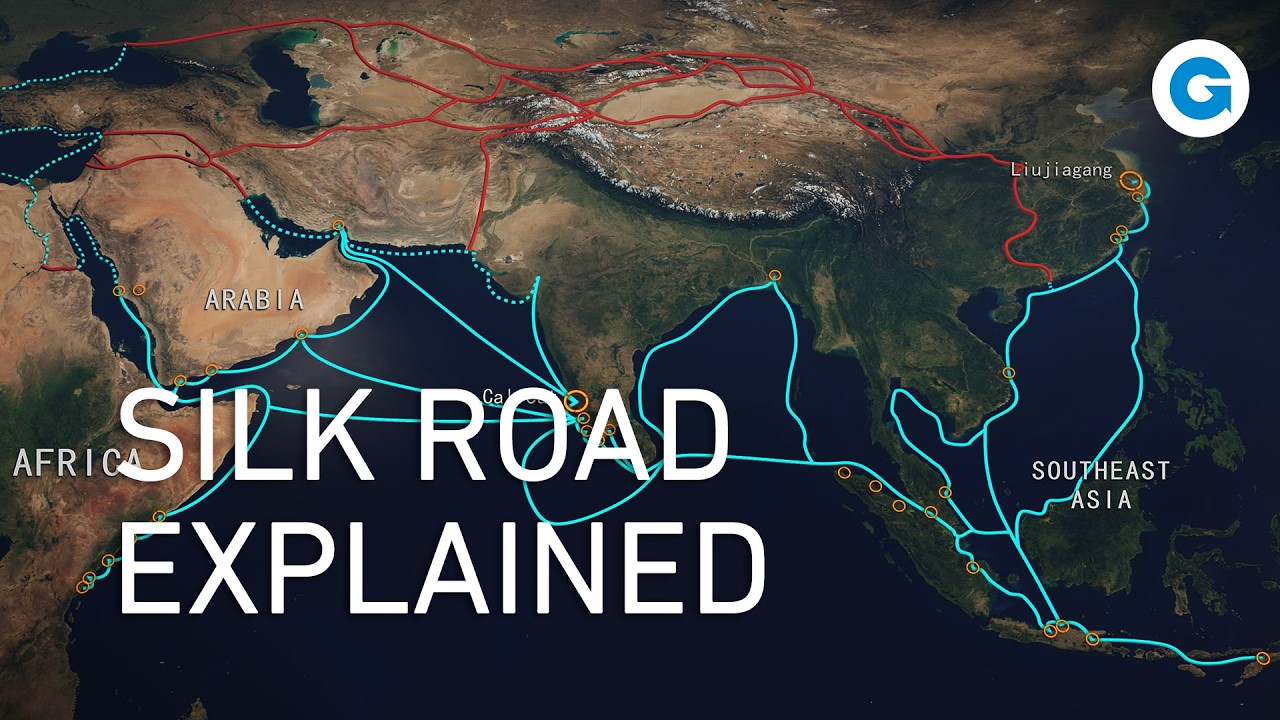
![The ENTIRE History of Europe (4K Documentary) [Ancient, Middle Ages, Modern Civilization]](https://img.youtube.com/vi/NHfi2yfZ3qs/maxresdefault.jpg)