hey there if you are a new nursing mom or even if you've been down the nursing road before breastfeeding can bring up a lot of questions especially when it comes to what you should or shouldn't be eating so in today's video we're going to chat about some of the most common concerns regarding diet during breastfeeding but before we get into the video Welcome to Diane in the pink my name is Diana I'm a physician assistant specializing in women's health and Gynecology I'm also a mama 2-4 I breastfed all four of my children on this channel
I like to talk about breastfeeding pregnancy baby Women's Health and then just being a mama so if that sounds like we are your people make sure to hit subscribe and also comment down below let me know if you are breastfeeding or bottle feeding if you are pregnant now or if you are just watching this video for the fun of it this is actually the third time that I have filmed this exact video for some reason there was something really weird with my audio for the first two times that I recorded it that made it sound
like this and also this so hopefully this recording sounds good I got my wireless mic on how am I talking about this let's talk about the video [Music] so now let's jump into the video starting with how breastfeeding affects your body and make sure to stick to the end because I'm going to tell you the foods that you should avoid and also the foods that you were supposed to avoid when you were pregnant that you now get to enjoy so to get started I want to talk about how breastfeeding affects your body starting off with
weight changes because many of us are super excited to get back into our pre-pregnancy genes just as soon as we can and if you ask your friends and family some people will say that the pregnancy weight just melted off of them while they were nursing and then other people will say that they didn't lose any weight or maybe even gain weight while they were breastfeeding and it's times like these that we're really grateful that we can rely on science and what the statistics and data say to help you to know what the facts are and
when you look up this particular topic it has a definitively resounding conclusion that some studies show that you will lose weight when you're nursing and other studies will show that you will not lose anyway and may even gain weight so not a lot of help there for me personally it really depended on the pregnancy and my physical activity while I was nursing but something cool about those that do lose weight during breastfeeding they're essential muscle mass stays pretty much the same for the first six months of feeding their little ones and the reason is is
because our bodies are pretty clever and when there's not enough protein in our diet our body adjusts to prioritize muscle preservation over breaking it down next I want to talk about vitamin depletion both fat and water soluble vitamins are secreted in breast milk which means that the baby is getting the vitamins they need but if you aren't replacing them you can run into problems with vitamin deficiency now most women who are eating a balanced diet are most likely going to get the vitamins that they need for both them and the baby but all the same
it's still recommended that you continue taking your prenatal vitamins while you are breastfeeding another effect breastfeeding has on the body and this one is fascinating to me is that you will probably experience a slight dip in your bone density don't stress about it because it's like Nature's loaning system once you're done breastfeeding and your periods return your bones recover and they get back to their original state and when you hear this if it makes you become worried about having a higher chance of breaking your bones don't be worried studies and we're talking like really large
studies with over a hundred thousand women have shown that while breastfeeding does temporarily lower your bone density it doesn't actually put you at higher risk for bone fracture next let's move on to milk volume which really can vary greatly and believe it or not milk volume doesn't correlate with the size of breasts in other words someone who is a double D doesn't necessarily make more milk than someone who is an A but universally most women when their milk comes in are going to notice an increase in size because their breasts are full of milk we
need to talk but the average breastfeeding Mama produces about 750 to 800 milliliters of milk a day while some women can produce up to 2 000 milliliters a day as for me I produce just enough milk to keep my baby growing and not a single truck more and if you want to know more about how to increase your breast milk production I talked about all that in this video right here go check that out when you are done watching this video but ultimately the more the baby feeds or the more milk is expressed the more
milk is produced however things like not emptying the breast completely lighting up a cigarette or feeling super stressed or worn out and even certain birth control methods might slow down or stop milk flow now what about if you just want to have a healthy diet and exercise program this is generally not going to affect your milk supply but keep in mind that a super strict diet with very low caloric intake or over exercising might decrease your milk supply so just remember that balance is the key now while a poor diet might not affect the quantity
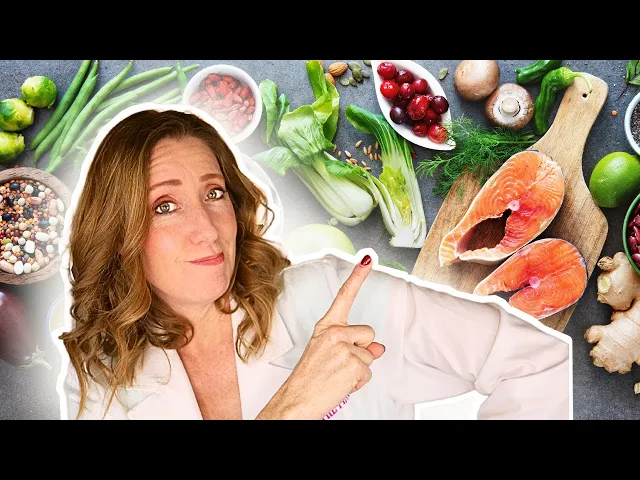
of milk being it could actually affect the quality so in other words if you're not eating a healthy diet you'll still make plenty of milk but it might not be quite as high of quality so let's talk more about what you need to be eating now while how much protein you eat won't affect the protein content in your milk the kind of fats you eat can change the fat makeup of your milk so make sure that you're getting plenty of omega-3 fatty acids like those that you find in fish which is also good for the
baby's brain the caveat here though is the potential Mercury content in some fish types so consuming High Mercury fish can cause problems with the babies developing nervous system so when you're picking out your fish make sure to shoot for 8 to 12 ounces of low mercury fish so in other words don't eat large fish that eat other fish now earlier we talked about vitamins so like I said be sure to take your prenatal vitamins but minerals and breast milk aren't really affected by the mommy's diet except in minerals like iodine iodide deficiencies in newborns can
cause serious problems for your baby by the way most salt that you buy is is fortified with iodine so if you're eating salt without an iodine then iodine deficiency isn't really a concern so how many calories should you be eating for the first six months postpartum it's recommended that you add about 330 calories a day and then from 7 to 12 months after delivering your baby and if you're still breastfeeding you're going to want to actually increase that to about 400 calories a day more than what you would normally consume and of course that's going
to vary a little bit based on your age and then your activity level now a lot of people ask me about alcohol and caffeine when they're nursing so with alcohol we know that a small amount can get in the milk supply and the safe amount of alcohol for breastfeeding moms is debated so to play it safe wait two hours after one serving of alcohol before nursing now if you drink more you need to wait an extra two hours for each serving before breastfeeding so you don't need to pump and dump the milk unless you're uncomfortable
or unsure about how much alcohol you've consumed and how much time there has been between your alcohol consumption and breastfeeding also keep in mind to too much alcohol can affect your ability to care for your baby so it's really best to limit your intake or not drink at all ask for caffeine most nursing moms can have a moderate amount of caffeine like two or three cups per day without it bothering your baby however some babies can get a little fussy or have trouble sleeping if their moms consume a lot of caffeine so you'll need to
pay attention to that now as promised earlier in the video I mentioned foods that you couldn't eat when you were pregnant that you now can enjoy even though you're breastfeeding and that is unpasteurized milk unpasteurized cheese as well as undercooked Meat and Fish so that also means that if you're a sushi lover like I am you are good to go just make sure to pick a restaurant that you are confident in but also while you're ordering keep in mind that the thing that you still need to avoid while you're nursing and that is like I
mentioned earlier fish high in mercury content now like I said earlier I have a video where I talk more about breastfeeding itself how to increase your milk supply which I am going to link to the end of this video but before you click on that one more thing that I want to tell you really important I know you're busy I know you're giving all you have to your little baby because that's what we do as moms sometimes we feel overwhelmed sometimes we feel underappreciated but I want you to know if you have not heard this
today you are doing amazing your baby is lucky to have you and any struggles that you are dealing with regarding breastfeeding baby not sleeping all of that will get better hang in there you're doing a wonderful job okay so make sure to subscribe today in the pink to the notification Bell click on this video right here to learn more about breastfeeding and I will see you over there