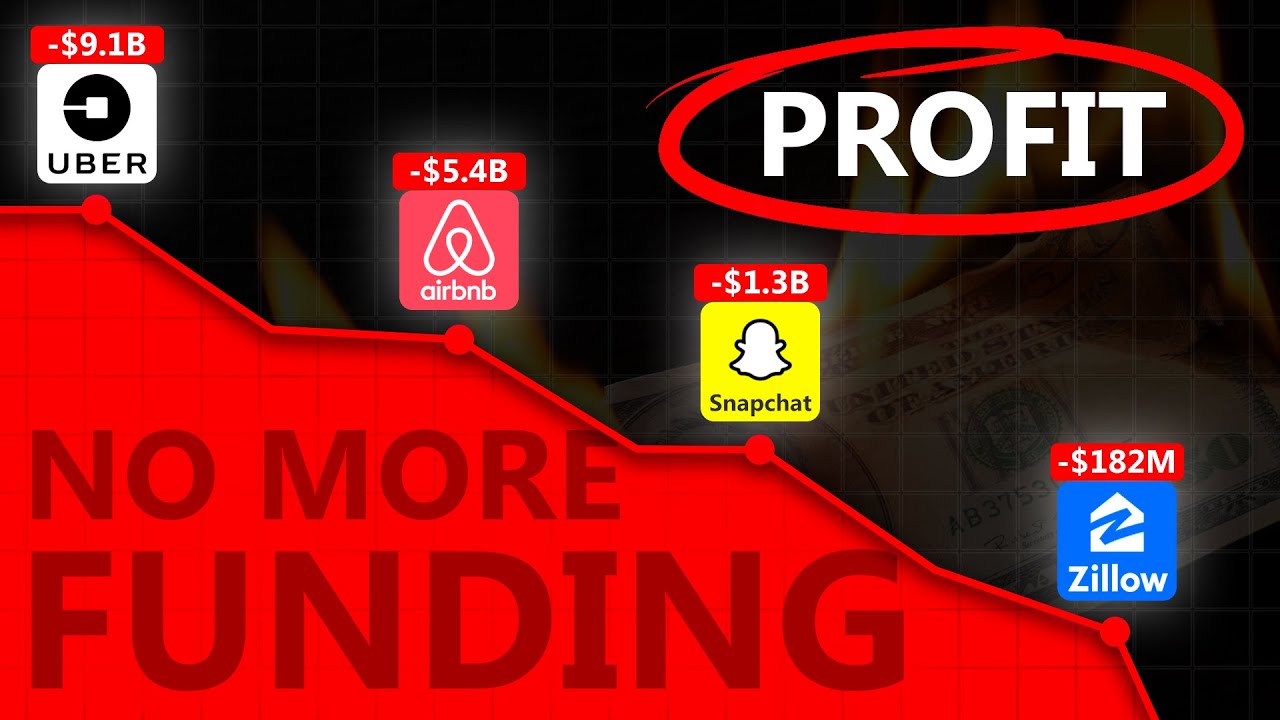
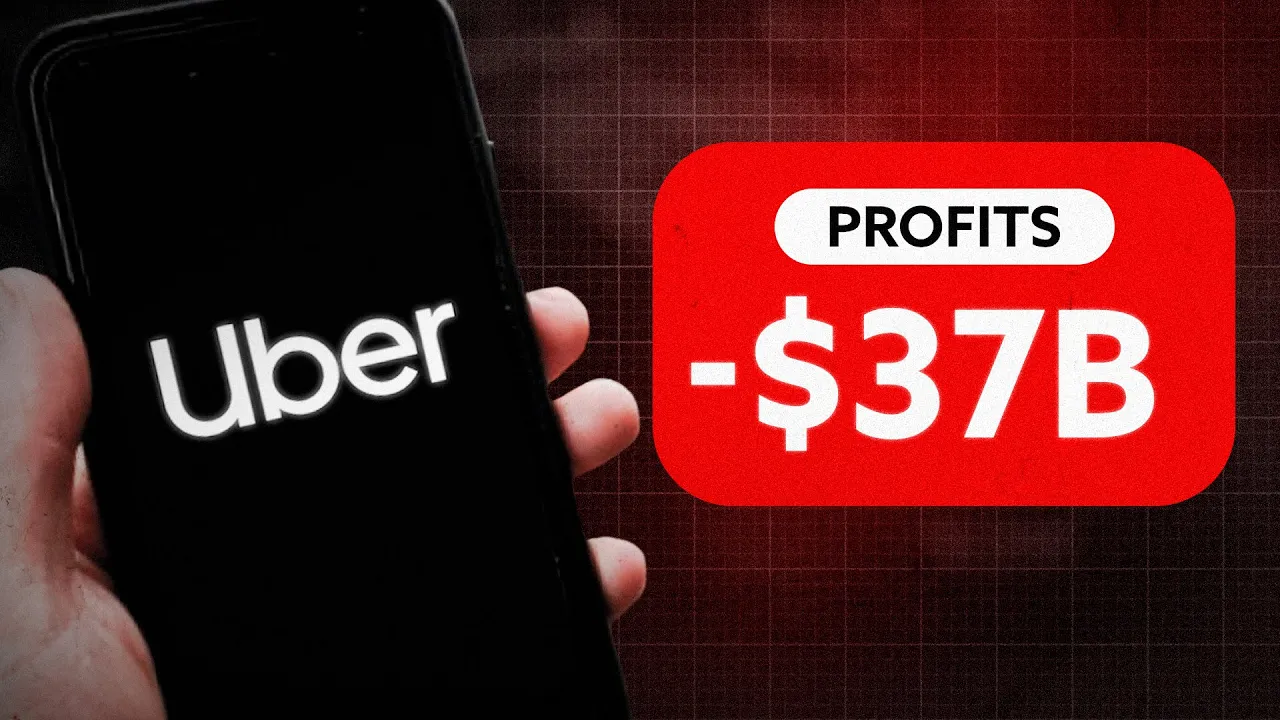
THE STATE OF UBER: Uber has always struggled to become profitable from day one. Originally, the idea was that Uber just needed to achieve large enough scale and that the company would finally become economical. But, in reality, the larger Uber grew, the more money they burned.
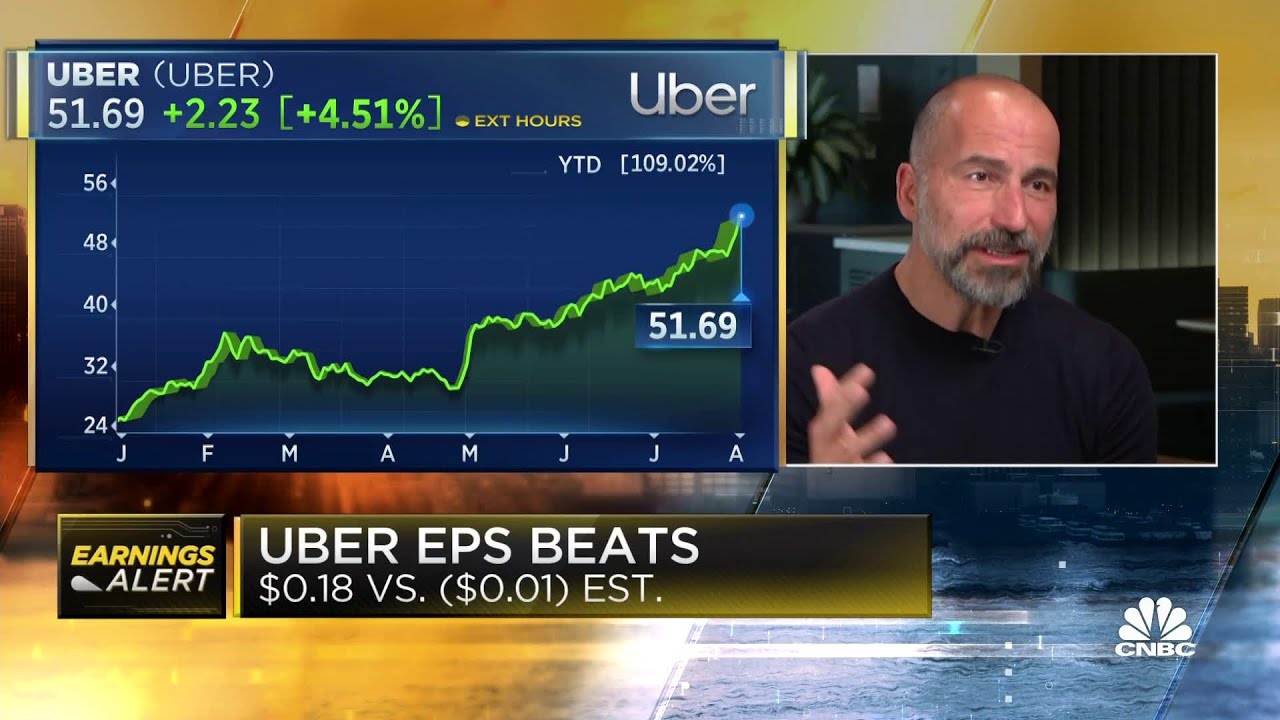
In fact, during 2019, 2020, and 2022, Uber was burning as much as $10 billion per year. It seemed that things were finally turning around in 2023 as Uber started putting in a few profitable quarters. That’s why Wall Street analysts were expecting that Uber would profit a solid $474 million in the first quarter of 2024.
But, Uber didn’t just come in with a lower amount of profit. They actually came in with a bigger loss than analysts were expecting that they would profit coming it at $654 million. Now granted, much of this loss was due to poor-performing investments and legal settlements, but it just goes to show you how fragile Uber’s business really is.
One downturn in the market or a few legal settlements is all it takes to make the company wildly unprofitable and that makes sense when you consider how thin their margins are. Uber’s gross margins themselves only come in at 40%. For perspective, most of their tech peers have net margins of 40%.
Meanwhile, Uber’s net margin barely comes in at 2-4%. So, all it takes is a few percentage swing in ridership, cost per mile, surge pricing, or incentives and Uber is back in the red. If you ever pointed out these concerns to Uber’s ex-CEO, Travis Kalanick, he would be quick to point you to how good revenue growth is, but if you take a look at revenue today, you’ll see that it’s very much starting to level out as Uber reaches market saturation.
It’s a similar story with valuation as well. Between 2009 and 2019, Uber rocketed from a seed valuation of $3. 86 million to an IPO of $82 billion - aka a 21,000X.
But over the past 5 years, Uber has barely grown 50%. Clearly, Uber is maturing from a size and revenue perspective, but their bottom line and stability are just as volatile as ever. So, here’s how Uber became the most fragile business in the world.
DOOMED FROM THE BEGINNING: If you're interested in deeper dives, interviews with insiders, and exclusive tech analysis, consider subscribing to our free weekly newsletter. But anyway, before Uber entered the scene, the taxi business was one of the most profitable businesses in the world, not for drivers but for taxi medallion owners. If you’re not familiar with taxi medallions, they’re basically the license you need to drive a taxi.
This might sound a bit weird in the modern world of rideshare where anyone can just open an account on Uber and become a driver. But, back in the day, becoming a taxi driver was a long and arduous process, not to mention, extremely expensive. This was very much on purpose.
More than ensuring safety standards and proper licensing, taxi medallions were used to limit the supply of taxis. This way, taxis didn’t just become a race to the bottom. I mean, they kind of still did, but taxi medallions slowed the process.
Year after year, taxi medallions became more and more expensive. In fact, taxi medallions are one of the best-performing asset classes of all time. Between 1951 and 2011, NYC taxi medallions generated an average annual return of 16%, and cost over $1 million by the end of it.
And this is precisely when Uber entered the scene. On one hand, Uber was democratizing the market by blatantly ignoring traditional taxi regulations and creating their own market driven purely by supply and demand. This naturally won them a lot of pushback from local governments and the traditional taxi industry.
In fact, in 2010, San Francisco issued UberCab, which is what they were originally called, a cease and desist which included penalties of up to $5,000 per instance of Ubercab’s operation and up to 90 days in jail for every day Ubercab continued to operate. Eventually, Uber would make it past this pushback with the help of public support but they kind of just doomed themselves. You see, initially, economics weren’t an issue for Uber because they weren’t directly competing with taxis.
They actually offered a premium service with black Lincolns that cost 50% more than taxis. This is why the original service didn’t even have a tipping feature. Uber was already a premium service with premium pricing, so there was really no need for tipping, but all of this changed with Lyft.
Unlike Uber who focused on procuring private drivers, Lyft focused on ridesharing and carpooling. In other words, they let anyone with any car become a Lyft driver. Uber would of course match this move by offering their own version of this called UberX which was 35% cheaper, and this officially set off the race to the bottom.
As a low-margin business to begin with, it didn’t take long for Uber and Lyft to reach the bottom, and let’s just say, they didn’t stop there. In their quest for maximum market share, Uber and Lyft would go beyond the bottom, aka, they would begin subsidizing rides heavily. The idea was that once people got hooked and they won the market, they could just increase prices.
Fast forward 12 years and ride-sharing has become a lot more expensive, but neither Lyft nor Uber has become any more profitable which brings us to the fundamental problem with all of these ride-hailing businesses. WHEN TECH DOESN’T SCALE: One of the primary reasons that tech has been so profitable over the past decade is thanks to how well it scales. Back in the 80s and 90s, most tech companies had some physical product whether it was chips, computers, TVs, telephones, servers, modems, etc.
But, moving into the 2000s, we saw the rise of pure software companies like Google, Facebook, Salesforce, Adobe, and so on. These companies were able to serve an unprecedented number of people. In fact, WhatsApp only needed 50 engineers to scale to 900 million users.
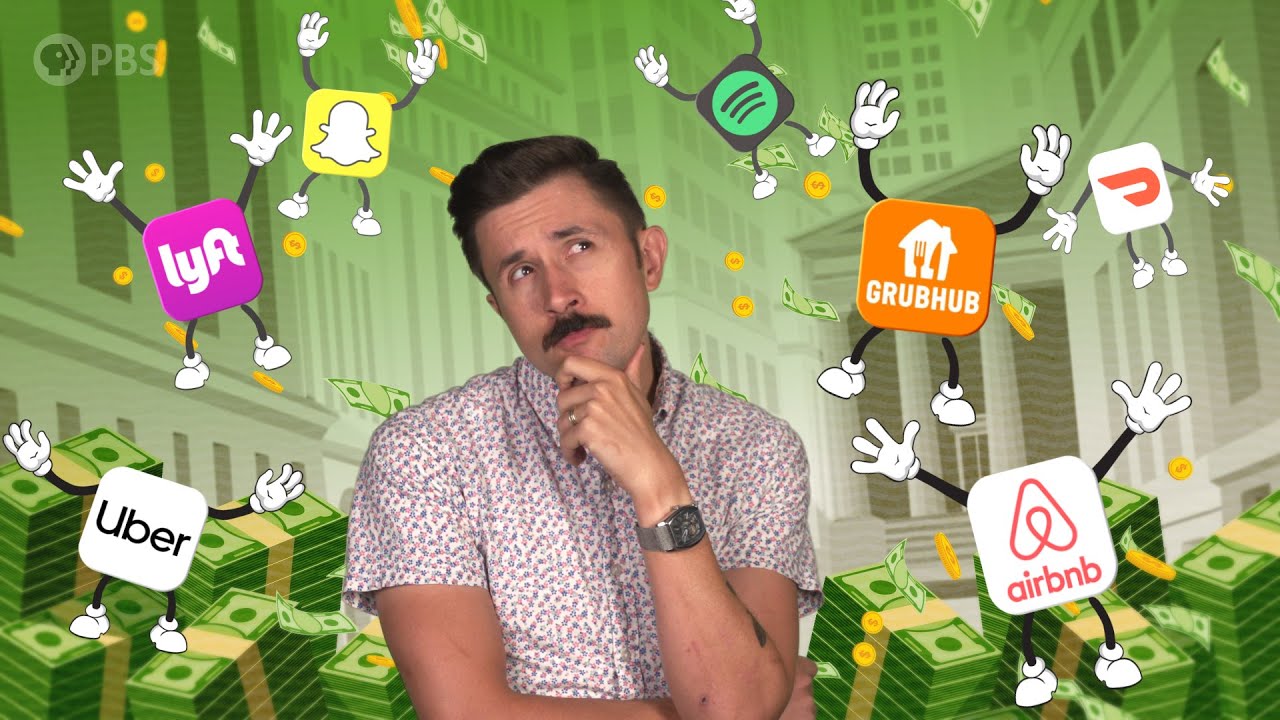
That basically means that each engineer was able to serve 18 million customers. This unprecedented leverage is what allows software companies to scale so fast and be so profitable. But, when it comes to companies like Uber, Lyft, Doordash, Grubhub, and Instacart, there’s not much engineering efficiency.
For every ride, you still need a driver. It’s not like 1 driver is suddenly able to serve 18 million customers with the help of Uber. The fundamental mechanics of the service were still the same.
All Uber was really solving was the hassle of getting a taxi and paying for one. And to solve this issue, they employ over 30,000 people. I should also note that most of these guys are Bay Area engineers earning multi-six figures or even 7 figures.
So, how do you pay all of these engineers when you’re losing money on every ride? Well, the answer is dilution, some more dilution, and then even more dilution. I’m not even exaggerating, every employee's compensation is purely thanks to dilution.
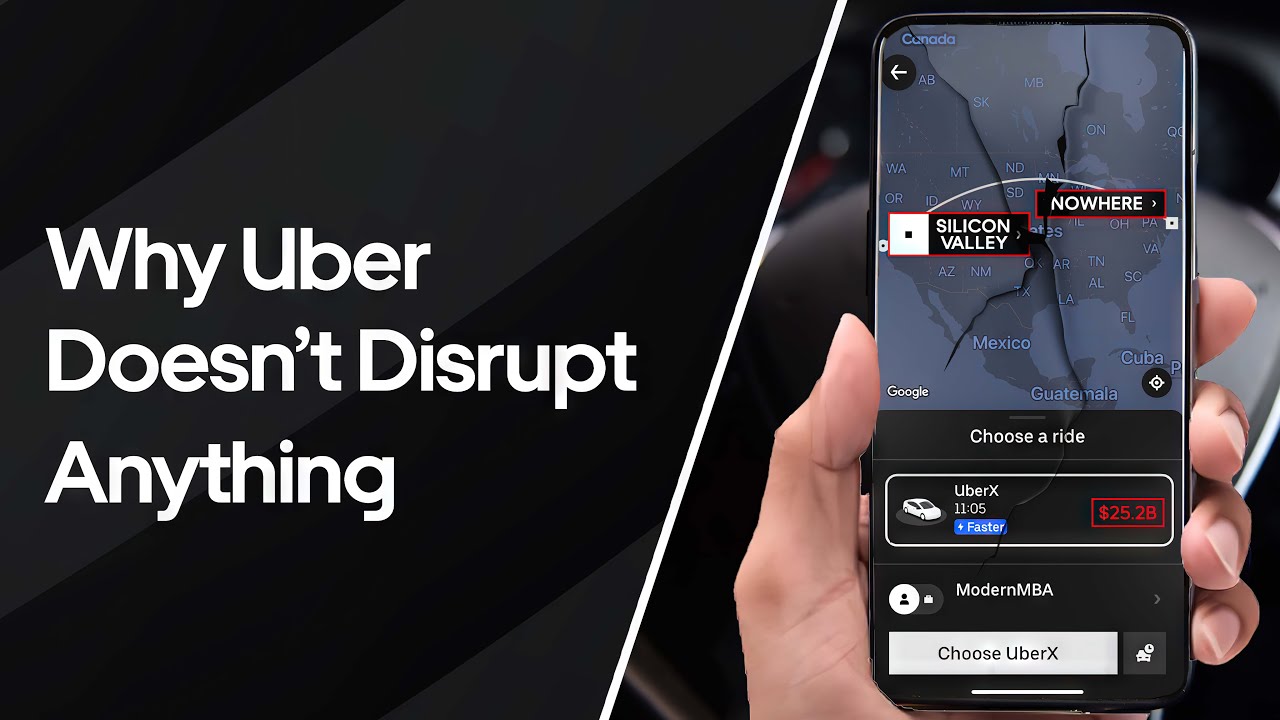
Base salary and bonus are paid for using investor capital which dilutes the company. In fact, can you guess how much money Uber has raised over the years? Maybe $1 billion, $2 billion, or $5 billion?
Well, the answer is $25. 2 billion. And that’s just the cash that was raised.
Uber was able to avoid raising even more cash by paying out billions in stock-based compensation. Last year alone, Uber paid out nearly $2 billion in stock comp, and over the years, they’ve paid out more than $10 billion in stock comp. In other words, Uber has experienced well over $35 billion worth of dilution over the years.
Today, Uber is worth $137 billion, but compared to what was put in, that’s not even a 4x as opposed to some sort of 10,000 or 20,000X return - a true testament to just how poorly Uber has scaled. And that makes perfect sense when you consider that Uber was expanding supply by letting anyone be a driver and subsidizing rides to maximize market share. They were essentially burning the candle from both ends and then came Uber Eats which just accelerated the burn.
From a theoretical standpoint, food delivery platforms like Uber Eats and DoorDash seem like a cool concept. You can turn any restaurant into a delivery restaurant. But, there’s a reason that not every restaurant is a delivery restaurant.
It takes shrewd economics and perfect logistics to make delivery-based restaurants work. When you connect random customers with random drivers with random restaurants, you introduce an extraordinary amount of friction and overhead. Customers end up paying more than ever, restaurants end up earning less than ever, platforms like Uber and Doordash end up burning all their money on expansion and engineers, and drivers get paid next to nothing.
In other words, even though customers are paying a crap ton, no one ends up winning because all the money is just burned on convenience. The reality is that not all app-based businesses scale the same way, and there’s no better example than Uber. AN UNCERTAIN FUTURE: None of Uber’s current struggles are a surprise.
In fact, many investors foresaw these problems from day 1 like Mark Cuban. Fun fact, Mark was actually an investor in one of Travis’ previous businesses called Red Swoosh. So, when Travis started working on Uber, Mark was one of the first people that he brought the idea to.
He offered Mark the opportunity to invest at a $10 million valuation and Mark passed due to 3 reasons. 1, he was concerned about taxi regulations and pushback from local cities and governments. 2, he was concerned about the economics of the business and profitability.
And 3, he felt like he’d be diluted into oblivion trying to make this business work. And guess what happened? All three of them.
And those are just the fundamental issues with Uber. It’s not even touching on Travis’ antics or Uber’s shady history of spying, parties, or harassment. Still, Mark does regret not investing given that he would’ve made a killing despite all of that.
Looking forward though, the direction of Uber is a lot less clear. Sooner or later, Uber is gonna have to put up solid earnings to justify their sky-high valuation of $137 billion. At a PE ratio of 20, Uber would need $6.
85 billion worth of net income to justify their valuation, and unsurprisingly, they’re nowhere close to this figure. At their current net margin of 3. 6%, Uber would need to grow their revenues to $190 billion to take home $6.
85 billion. For perspective, their current annual revenue stands at just under $40 billion, so we’re talking about a 5X from here. Alternatively, Uber can work on growing their net margin from 3.
6% to 17%. The most realistic path though would be to grow both revenue and margins to something like a 10% margin at revenue of $60 to $70 billion, but this is naturally far easier said than done. The problem is that Uber is an extremely complicated platform especially compared to their tech peers because there are so many moving parts.
They’re not just a messaging platform or a photo or video sharing platform. Uber has to deal with the global map, the live GPS location of over 6 million drivers and 150 million users, surge pricing, routing, customer, driver, and restaurant onboarding, and who knows what else 24 hours a day 365 days a year. In fact, Uber consists of 4,500 stateless microservices that are updated more than 100,000 times by 4,000 engineers every single week.
For context, something like Netflix only requires a fourth of the microservices because there’s a lot less moving parts. And that’s just the engineering side of things. Uber also has to worry about driver safety and driver liability protection and not accidentally starting a movement against Uber.
The bottom line is that Uber is an engineering and capital-heavy operation in an extremely low-margin business, and that’s why it’s such an uphill battle to even justify their current valuation from a financial perspective despite their insane scale. And keep in mind, to keep growing, Uber would need to post numbers even better than that. Also, just because they post bigger numbers doesn’t mean that they’re any more stable.
Uber’s bottom line will still be at the mercy of even the smallest of fluctuations within the ride-sharing and food-delivery markets. And that is why Uber is one of the most fragile tech companies in the entire world. If you're interested in having companies pay you, check out our bond investing platform Silo in the description below.