Hi I want to talk to you today about my friends a bitwise and why they're the best crypto asset manager out there so many investors I know are working with bitwise today they've got more than 20 products to help investors get whatever access they need or want they've got a team of more than 100 across the US and Europe they have more than $1 billion in client assets it's not just the products that show they all in they've even Supported the ecosystem by donating 10% of their Bitcoin and ethereum ETF profits to open source developers
and they were the first company to publish their Bitcoin ETF wallet address like I said these guys are true ogs so please go and check out bitwise they really are excellent go to bitwise investments.com and see all they've got to offer that's bitwise investments.com or just email them at James bitwise investments.com and let them know that Ral sent you Anyway there are a million ways to access crypto explore how you can access it best with bitwise and remember carefully consider the extreme risks associated with crypto before investing anyway thanks very much this episode is sponsored
by token 2049 join 15,000 attendees and over 200 exhibitors on April 30th to May 1st at token 2049 Dubai the premier crypto event of the Year Ral pal and over 200 leading voices in crypto will take the stage as token 2049 Takes Over The Majestic Medina Jamira in Dubai be part of two days of unparalleled networking groundbreaking insights and truly immersive experiences you won't want to miss with over 500 side events Dubai will be the industry's focal point and the place to be for everyone in crypto this April grab your tickets at dubai. token2049 with
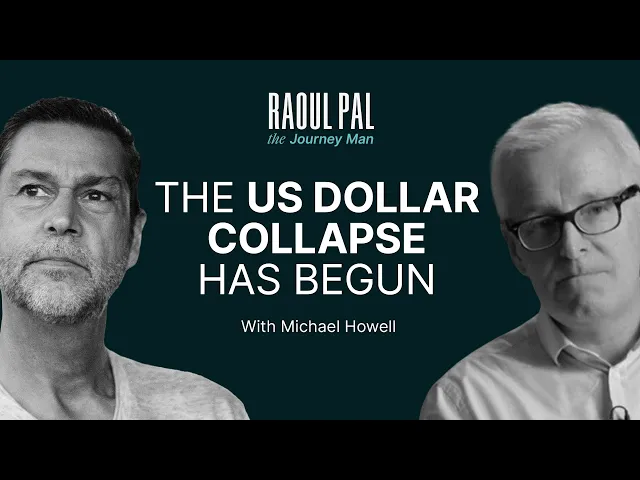
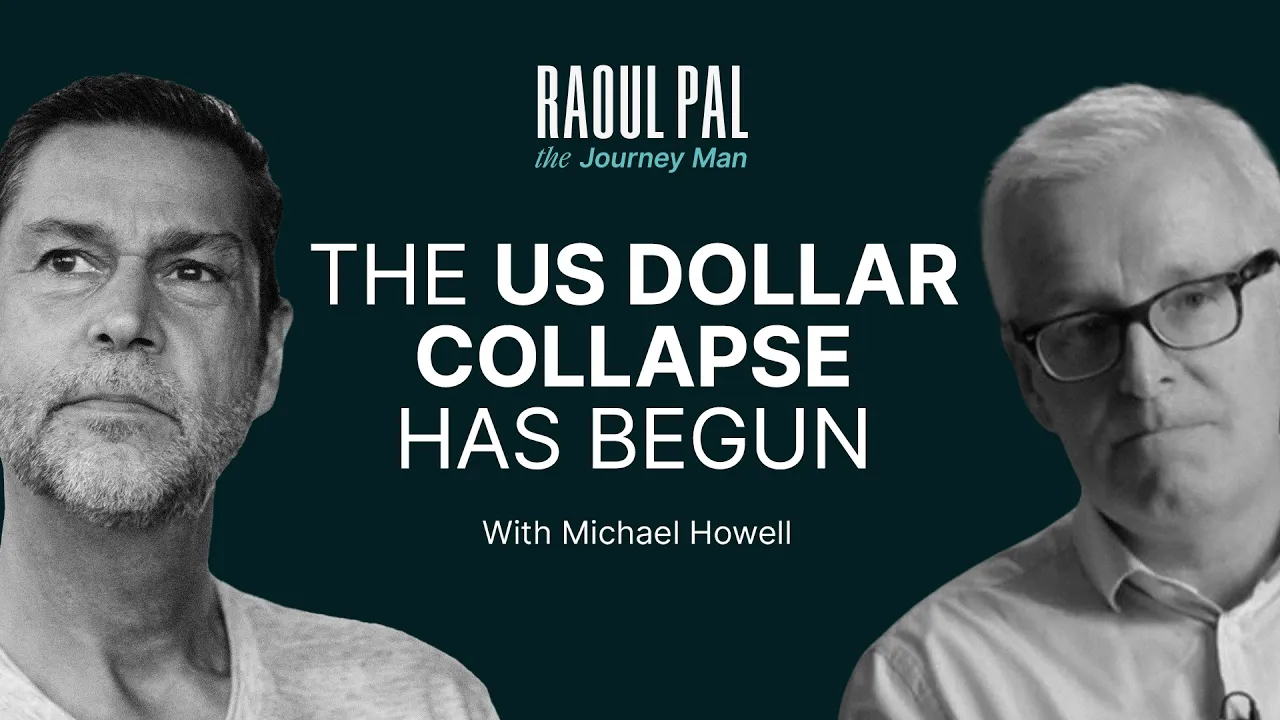
promo code realvision for an exclusive 10% off only while tickets last hey everyone I'm Ral pal and Welcome to my show the journeyman where we go on that fabulous journey of exploration at the Nexus of macro crypto in the exponential age of Technology now I think you know by now that I look at everything for a macro lens it's the macro that drives the economies it's things like demographics that actually drives everything we understand about the world around us and one of the key parts of my thesis the everything code which is that Cyclicality that
is driving economies through the debasement of currency is one of the core understandings that you must have if you want to understand how to navigate these times and why crypto and Technology are such amazing investment opportunities now I developed a thesis around this based around Global liquidity or debasement uh several years ago the other person who has built a incredibly robust framework is obviously Mike how and Mike and I love to checking with each other compare notes where are we in the liquidity cycle who's seeing what differently how do we think this might play out
and so it's really important for me to get together with Mike for you guys so we can explore the differences our understandings and see if we can map out where liquidity is going and therefore where crypto prices equities and other assets are going too so I know you're going to love this as Ever fantastic conversation with Mike Howell join me Ral pal as I go on a journey of Discovery through the macro crypto and exponential age lands capes in the journey man I talk to the smartest people in the world so we can all become
smarter together Mike Hal welcome back to real Vision well pleasure to be here lots to talk about interesting yeah lots to talk about so I don't even know where to start let's I Guess let's talk about where you think we are in the liquidity cycle we can explore any differences we've got you know what you're looking at going forwards from here let's start I guess with the us at the top level okay well I think we're U as far as I can see the liquidity cycle is still expanding I think the issue that we've really
got is how much further can it keep going up uh because there are there are certain clear challenges and I think the two Challenges that really uh sort of concern me I suppose number one is the us and that really comes back to I think two two particular Dimensions I mean one is what the Federal Reserve has been doing which is this sort of what I've term sort of secretive or not qeqe stimulus and that's kind of fading and they're going to have to go more explicitly to uh a sort of a formal QE although
I note that Canada also has done that but it refused to call it QE So they said they're restarting balance sheet expansion but it's of course not QE of course they would say that wouldn't they uh and the other issue then for the US is the treasury where Janet's been doing this sort of very clever uh funding uh trick by funding at the short end where you know you kind of look at the math of that and it's basically meant that um the treasur has managed to stick in the equivalent in liquidity terms of about6
trillion uh Dollars of additional stimulus by changing that that funding Dynamic now that's a huge amount and that's clearly running off fast uh particularly if Scott bessent uh is intent upon uh uh on moving back to coupon issuance so I think you've got those two questions which are really pertinent ones and they really hinge on what the new Administration sort of thinks and says the other issue which is maybe you know maybe gives us near-term concern but Long-term salvation is China where you China is currently seeing you know extreme debt deflation where the pboc has
taken a whopping amount of liquidity out of the markets in the last four to six weeks uh trying to get the hold the Yuan up uh against the Rising dollar and they badly need to monetize big time where I would put the figure of sort of 30% monetization um so China's got to print money big time uh America needs to do That not to the same extent so we're in a long-term monetary inflation there's no question but I'm just pausing because I think there may be a a little bit of an air pocket now consensus
Hong Kong 2025 is where the global crypto Community converges to shape the next era of web 3 from February 18th through the 20th Hong Kong becomes the meeting point for leaders across Finance technology and digital assets this isn't just a conference it's Where deals are made Partnerships are forged and New Opportunities emerge consensus features exclusive networking lounges expert Le sessions and invaluable insights from Top industry voices whether you're expanding your network building your brand or closing your next big deal this is the event that moves markets visit coind des.com consensus dhk to secure your spot
and use real Vision 15 for 15% off don't miss your chance to be part of the Industry's defining moment okay lots to pick up up from there so the first thing I'm thinking is obviously we've you know breaking down liquidity the reverse repo is almost drained now and that'll be drained soonish which probably suggests an end of QT because you can see bond market liquidity is not great and you can see that around the world there's just not enough liquidity in the system you know the guilts Market's been a mess stuff Like that so it
feels that they're going to have to end QT as soon as the reverse repo drops yellen's made it pretty clear that in that's Scott's job now um she's going to have to draw down the TJ until they agree something on the debt ceiling um so that I guess is a net liquidity injection uh that's coming from that how do you measure this shorter term funding Dynamic and what does that show up as stimulus because that's not something that most people are capturing I I read your stuff and I know you've been talking about it a
lot and it makes sense but that does it get captured elsewhere or do you have to just look at Billow shins and its own right and add that to liquidity measures you mean you're talking about the funding the how she's changed funding that's right the very shortterm debt well what I've done I mean actually a slide in a pack I sent you which is actually slide 25 which you can slide into the um into the into the Toll but basically what that shows is my estimates of what I call not um qqe which is what
um J palal does and which is the TGA and things like uh the the rundown of the of the reverse reers um and you've also got on top of that the other bit that I've called not yield curve control yield curve control which is unconventional funding and that is something like about six you know together they're adding something like about 6 trillion to uh stimulus now the Way that I've done that is to look at a concept called dollar duration and to look at how dollar duration has changed uh and put that in liquidity equivalent
terms so that's how I estimated it and that's really against a normal funding Benchmark the skew is being quite noticeable because as you you know as you understand I mean treasury bull Finance has gone up hugely uh you know bills have been a large proportion of of what's funded the Deficit in the last 12 months and on top of that Janet skewed the issuance calendar away from long dated coupons towards shorter dated ones and she's taken about about a year and a quarter on average out of the average uh you know treasury or does that
does that change the refi de reefi cycle or does this just get mopped up in this kind of final year of the debt refi cycle the fouryear cycle or have they rru it where we're going to end up with as opposed to A fouryear average cycle we end up with a two and a half year cycle well that that could be the case couldn't it it could be short Cycles are shortened and they're going to have to uh you know they're going to have to start pushing a lot more liquidity back more you know more
immediately I mean that that may be the issue I mean we know that Scott besson's got defund 30% of the deficit this sorry 30% of the outstanding debt this year yeah and So even even if he moves out further duration the market won't take it without liquidity whether it's you know some form of QE I think you you're rightly suggesting nobody wants to use the word QE anymore because it's a dirty word so they just find any other way of hiding it yeah exactly and I think this is this is the reality because if he
doesn't if they don't add liquidity who's going to buy this dead this coupon dead and we know the structure of the Treasury market is itself quite fragile because you know foreigners are not really buying ameran American debt anymore in the size they were a lot of it's coming down to hedge funds uh those hedge funds and as you will remember uh you know they're they're fairly fickle or certainly short term uh they want to earn a profit and as the yield curve is steepening the cost of hedging is going up the whole time so often
as you will recall you see breaks in markets where Suddenly just people just bail out and that's the problem the treasury market could face uh a spike up in yields I mean we know we're doing pretty well at the moment aren't we I mean yields moved up quite smartly anyway and it's term Premier this is the thing hi R here listen I think we've got until 2030 before the economic Singularity arrives now it might not be the exact date but it's around then so we have about six years to figure out how to unfuck our
Future I've put together a report to help you called prepare for 2030 it's going to help you take the first steps in that journey to make sure you're secure past 2030 so just click on the link below and start your journey now yeah it feels like you know there's a lot of moving parts for Scott bessing to Now navigate um I guess drawing down the TJ helps in the interim but then they have to figure out something more structural for them to do this but that Sort of times with Basel 4 coming in as well
do you think this new Administration will will follow the bosel 4 thing because I know it's I think it's in place in Europe now at least starting and yeah there's talk about delaying it but I mean generally they're they're moving faster than the us and that to me just seems another way of just forcing Banks to hold more of the bonds yeah I me that's all it is yeah exactly that I Mean this this is the this is financial repression sort of in practice I mean that this is what's going on they need more and
more people to hold the debt but I think the fact is they're running out of Safe hands so ultimately the central banks are going to have to do it themselves um or well actually particularly if they're moving away from Bill Finance I mean the one luxury that bill Finance offered was that the banks tend to buy that stuff with aity uh but If they're not issuing bills they're going to have to get people to buy coupons and that demand is not really there um and you know I mean you may have read but there's been
a lot of disire uh among pensioners uh against their pension fund managers to say why on Earth are you putting you know 20 30 40% of my Fund in bonds and bonds remember have lost what 25 % on average of their value since 2020 so you know there's there's push back there so the Pension funds don't really want to hold too many bonds so the only safe Pair of Hands you can think of are the central banks yeah or the banking system as long as they don't have Mark to Market yeah exactly and you can
stick it on Jamie di Diamond's balance sheet for quite a period of time yeah yeah so there there were Roots out I I I I accept but it's getting to the stage where you need that Central Bank impetus and how do you think that plays out in The US have you said Canada started doing something but do you think what is your hunch that the US just continues in the debt monetization path and that even though we can't see it clearly yet there's relatively obvious paths well I think it does because that's already in the
data if you look at the CBO estimates and you look at what you know the fed's own projections of what their balance sheet will do it already incorporates increasing purchases the Question is what do they call that now they can't call it QE so the acronym Department of the Federal Reserve is going to have to work overtime to think of a new name is that quantitive support I don't know what it is do they go back to the old one which is open market operations I don't know it beats me but some got they they
clearly got to do something and I'm you I'm sort of surprised there's been no no word from people like Lori Logan who was quite Vocally year ago I mean she used to run uh the Sumer accounts as you recall uh about what they need to do but we're getting close to that threshold where she said when the reverse repo was run down that'd have to restart um QE again and we're more or less there so it's got to come uh I don't know how the markets react in the recent one of the recent fed minutes
there was reference to the draw down of the TGA and then saying they have to be Careful not to allow the Rebuilder of the TGA to tighten liquidity yeah so maybe that's the pocket of time you know you draw it down into March and then at that point something has to structurally change because if not you rebuild the TGA with it and you tighten liquidity by $800 billion yeah that's right I mean the um the word that comes out of the treasury is they want to maintain longer term something like 500 billion in the TGA
Which is well above normal levels but uh I mean that's what they seem to be indicating um so you know we're 650 now so it could come down a tad um and then be rebuilt again but I mean why I say a tad it could come down ultimately to 500 but it could shift in the very near term to maybe a 100 or so during this debt sealing negotiation and then rebound so there's a window there I mean the thing that I must say I scratched my head about which I can't quite understand is Why
the TGA has been so elevated for so long at these levels of nearly 800 whether that is a deliberate policy to keep keep the dollar up because typically I don't know if you recall but if you look at periods where they wanted to get the dollar down running down the TGA and the short-term has often been a strategy but they haven't done it this time so that tells me they want the dollar strong as a policy and I think that I mean that's always been my Reading of what Scott bessent wants to do he wants
a strong dollar because it run it feeds into the lower inflation uh better funding environment that um he needs yeah I don't know so before we on to the dollar because that's another bigger topic um do you think the duration of this liquidity cycle has changed or you're still of the opinion that it probably lasts into the back end of the year well I think that my view is that it it's as It is now it lasts into the back end of the year I think uh unless something changes uh you know what could change
is um you know the Federal Reserve decides not to do uh a QE although that would be clearly suicidal but it might be case and the other is really uncertainty over China now you know we can talk about China later B I think it's a big big topic but the way that I see it I mean China is in a more powerless situation than many people understand they need to Get a devaluation of the Yuan badly but it's not necessarily against the US dollar where there's a pressing need to devalue they need to devalue the
the paper uan against Real assets because that's where the debt problem really matters which means they've got to get the Yuan gold price up significantly now I think think that the Shanghai gold Market's playing a big big role here so I'm in in that camp but that clearly means that the US has got to play ball As well so they've got to allow the gold price to go up um and that may be part of a deal that is struck I don't know yes my view on this like to test the hypothesis is I think
everybody actually wants a week a dollar Scott besson's talked about it the Chinese desperately need it so they don't have to devalue the the you weren't against the dollar as you've said they don't want to do that the Japanese would probably quite like it the Europeans would like it the Canadians the Aussies I mean everybody wants a weak of dollar and the US wants one but it's fantastic negotiating policy because it's the most powerful throat grip you can possibly have and so it feels that you get China to play ball in whatever mechanism you've got
and in exchange you add dollar liquidity into the global system and allow dollar to weaken whether it's I think the TJ's part of it but my guess is whether it's swap lines elsewhere whatever just to Get it into the euro dollar banking system and then China is free to stimulate as you said it needs to do a gigantic debasement of its own currency um of its you know monetization of its debt uh as stimulus it needs to do that but it can't do it without losing control of thean for the time being so if the
US will give them cover kind of what happened last time Trump came in in 2017 so I feel like there's a game to be played here and the outcome is the Chinese can stimulate which was 2017 cycle was no us liquidity it was all China yeah I think that's exactly right and that was also in a different gu what happened in the plaza uh Accord in 1995 and that was a that was a very similar deal uh where the US eased initially got the dollar down and then everybody else JN and started pumping liquidity and
that that sort of led up to the 87 crash ultimately or the Lou calling the 87 crash but that was the that was the path So I think that I I've got a lot of sympathy with that I think that's right I think the dollar is key I mean I agree with you I think that they need a strong dollar now because it's a great negotiating tool a longer term I I don't know but I would suspect they would prefer a firmer dollar than a very weak dollar but the rest of the world desperately needs
a weaker dollar because they're being strangled at the moment the dollar wrecking ball is Definitely swinging make no mistake for the problems in Europe right now yeah I mean the dollar is cyclical so on a secular basis because 50% of the world's debts are in dollars it's going higher because there's always a shortage of dollars so we get there every time the quity comes out of the system the dollar goes up yeah um but at this point in the business cycle with the ism survey still low you know China in recession Europe in recession essentially
they all have To stimulate because in the end if China picks up they buy more treasuries yeah yeah you know there's there's the whole financing game the state of Nations that goes on here as well yeah I think that's right I mean that you know I think that there needs to be a deal generally and that's a us China deal and what that what shape that takes whether it's focused exclusively on trade or whether it involves some buying of treasuries I don't know what but they they definitely Need to square those circles and I think
you know an easy win for Scott Besson would be to say you know get the Europeans the Japanese and the Saudis to buy more American treasuries as defense bonds I mean I think that's a that's a pretty straightforward thing to do but how China deals with that I don't know oh that's interesting so so Trump's idea of you should be paying for your defense becomes more direct purchase of treasuries Yeah why not makes sense that's a very interesting idea and it's very simple it's very clean yeah but I guess a lot of them need to
say well we need World Trade to pick up because we're not earning enough dollars to buy the Treasure IES which again is down to this the dollar needs to weaken argument so World Trade can pick up yeah absolutely I mean you know and the other thing is you know there's going to be talk right now the Japanese Are tightening but in reality they can't tighten very much I mean this is ludicrous I mean they got their debt problems are so big and their economy is pretty weak as well so okay they may make a token
gesture but they can't they they need a bail out as well so the only solution as you rightly say is some sort of us easing um and that may well involve or likely involve some uh peing of the dollar and you know just so people watching this understand why We're talking about all of these is because the dollar is the dominant driver of global liquidity because Global liquidity is priced in dollars essentially right well I think it's it's a key it's certainly a key factor yeah for the reason that a lot of lending as you
rightly say is dollar base so that's that's key and then if you look at how central banks run their policies a lot of them are actually focused on the exchange rates anyway so if you start to See a very strong dollar you may well get tightening uh in offshore economies um to try and protect their currencies whereas if the dollar is very weak they can there's a degree of Freedom where people can go along and print money at the same time um so you're going to generalize eating so there's a very asymmetric response in the
dollar that a weaker dollar is unambiguously good whereas a strong dollar is probably not so good so what is the probability of a Us China liquidity deal and when would that be I mean we saw Elon was over there what yesterday day before yesterday and there's clearly a lot of negotiations going on anyway I think Taiwan is on the table as well which is a much bigger deal um what is what what are your thoughts on the probability of this happening because this really then changes the global liquidity game significantly and would more play out
in the kind of cycle that you and I have Been expecting well I think instinctively I mean my view is it's sort of 880 90% because I think it's so desperate for both sides they both need a deal okay um of some form the two economies uh are so big and so integrated they can't just stand off and you know sort of wave wave fist of each other there's got to be some sort of deal and at the end of the day China is a dollarized economy like it or not where they use the dollar
and the dollar Is intergral I mean the great Paradox that you know we've noted in the past is that whenever the Chinese Trade Surplus goes up the tends to go up as well and that's because you most stuff is priced in dollars in China uh and it's a little bit like thinking of the Californian economy uh again so you know this is the Paradox and so whenever China's trade serus goes up there's great pressure on the Y Yan uh US dollar cross ironically and so the Chinese have got a Titan so They need something the
dollar is so critical to them but they need some sort of deal done here so I think it has to it just has to happen and as we know the thing every e economy with high debts and aging populations fear is a debt deflation because the real cost of your debt keeps going up and the answer is and has been led by Japan and is always monetization there's no other way around it what what are the Chinese going to do just let the economy burn to the ground Which is what a lot of commentators suggest
and I'm like actually it's the opposite because the probability is of more more stimulus to stop that happening yeah I I mean absolutely right I mean one of the metrics that we look at is is actually not deck to GDP because I think I think that's a slightly sort of I say bogus statistic but it's sort of meaningless in the sense that we got academics as you recall you know maybe 10 years ago saying 90% was the critical level where everyone everyone's likes went out we passed that and we're sort of going you know going
towards a lot lot higher maybe 200% or whatever the number is and we're still living that's not an issue what you're going to look at is to liquidity because debt has to be refinanced and it's that ratio which is really the critical one now if you start to look at that ratio what you find is that a lot of economies are Actually below that threshold apart from China and China is significantly above that debt liquidity threshold and to get it back down again uh you either get rid of your debt which they can't do or
you create a lot of liquidity and the answer is they need at least 30% increase in their liquidity base and that's really why you need this Big D valuation uh now the rest of the world ultimately uh will have to create liquidity too in the longer term and one of the things that I Focused on before which is yet another bogey to to D to jump is this issue that you've got a debt maturity War coming back into the markets from all this debt that was turned out during the covid crisis so at the end
of the day what we know is that liquidity has to keep rising to mat debt and that that's inevitable so you've got monetary inflation long term which is all these assets that we know and love like gold and Bitcoin and crypto are bound to be Going up in long term because their their life bu is global liquidity and monetary expansion yeah the other thing that I've looked at is um you know we we use forward-looking liquidity indicators Financial conditions but in the end the business cycle in the US is still below 50 in the ism
we haven't even started the Up Cycle so it just feels that I know a lot of people fear a short cycle but last time around in 2021 um liquidity was drawing in March and it Stopped because the business cycle peaked we Haven me got you know we've had the bottom of the business ble we not seeing the expansion so I think there is a probabilistic risk that it actually extends into q1 2026 as well MH yeah well that's you know let's not rule that out I mean I I don't know but I think you know
the issue will be is if China does create this big stimulus or if this is something like a Plaza uh 1995 then you've got have got an Extension leg in that liquidity cycle there's no question uh you know we're talking about the cycle and the cycle is clearly important but the trend behind it is equally important and that's the thing that's going to keep running in the longer term and that trend is a powerful Trend and it once more it's probably exponential as I think you've very accurately described uh and that's why a lot of
these assets have just got to keep going up and people have got too Few of them let's talk about Japan a little bit but because I don't really understand what's going on there now um is just the game to just keep weakening the Yen what what is their end game right now well I give you my take on it I mean I think Japan is um I mean I think there's a whole lot of Dynamics in Japan that we need to sort of think about as examples if you as you've sort of correctly identified that
Japan got here First debt you went through the debt deflation lot of the remedies that Japan is following everybody else is being Force to follow now but I think you got to you know let's put Japan in the context of was it a tool uh for US policy to try and um put pressure on China my view was and I've probably said this before but I think that the whole weak yen is very much a deliberate policy to basically hold China's feet to the fire and the timing of that and the Scale of the move
is is you know is interesting but I've never seen a major currency uh particularly Yen dollar fall with the speed it fell in such a short time uh before markets don't do that to currencies only governments do and you know that devaluation of the Yen and the Persistence of the weak Yen uh it can only sort of underscore that you know so many analysts have said look on a PPP basis the yen is sort of radically uh undervalued well okay so what maybe it Is but the fact is it's being held below you know below
the surface by policy by policy moves and what they want is a weak Yen a weak Yen because it puts pressure on China and if you look at this uh this policy I mean I maybe this is the wrong analogy but it's a little bit like sort of the arms race in a lot of ways that we saw the Cold War during the 1960s where the Soviet Union couldn't keep Pace with America and now what we've got is a sort of currency War Where China can't keep Pace with the US dollar and I think the
US dollar has been well I mean whether it's been deliberately strengthen or not is a mood point but it's clearly been strong the whole policy post uh 2008 of actually uh you know forcing Banks to hold more and more collateral and dollar-based collateral has certainly underpinned the dollar uh that's without question and then you get China who after the Shanghai Accord in uh 2016 wanted to Keep the dollar uh stable against the Yuan and all their policies have been focused on that and pretty much since 2016 what you've seen is tight or unusually tight Chinese
Mar policies and that's why the economy is really sort of not just stuttered but virtually skidded to a hold and that's the problem now what went on on top of that was that the Yen was then deliberately weakened to put even more pressure in China from a competitive standpoint and the weak Yen I think is part of that sort of Trojan horse or whatever which is forcing the Chinese to act so I think yes it's true will they do anything to correct the the the uh week end I just don't think they can because their
scope for raising interest rates is so limited given the interest bill that they've got they're in the same boat but actually worse than most other countries uh their debt burden is just so big they cannot raise interest rates no I I completely agree With this View and I also think it was purposeful policy because you know the the China Japan compostition in terms of exports is is is real you know there's maybe South Korea Taiwan there's a few countries involved in that and it has been a purposeful stick to beat the Chinese with and the
answer I think we'll see is via Japan we will see because the Japanese banks are the euro dollar market really they're the biggest players some of the European Banks as Well and some of the South Koreans I guess but really it's Japan so it leaks back into China if China wants dollars without the us having to give direct dollars via swap lines to China which has never been wanting to do yeah so you know I think Doan is very important from that thing because I think you're right I think it's a much bigger picture it's
not actually about the Japanese economy at all it's about what the US wants to do uh versus China yeah so that that's My take so I think ultimately there's very little tightening Japan can do but if Japan needs to be bailed out it to needs uh us easing um uh but that's already a deal that will have to be stuck with the Chinese but I just think the Chinese are on the ropes right now and what about the Europeans Europe feels really messy because it's so fragmented at the moment um it's it's a disaster but
they can't live with a strong dollar either I mean You're looking at um sort of myriad funding problems um everywhere I mean they've got no energy they've got no real sources of funding their economies are drying up fast they've got big demographic problems uh they've got a defense bill which is only going to go up uh so I think it's it's not a happy place to be and you can see the struggles that Britain is having already um uh you with with the socialist government trying to trying to fund Themselves I mean it's just an
absolute disaster and I think if you sort of you know you think the US has got funding problems well just start looking at Britain and Britain's got a big current account deficit it's got a public sector deficit it's got an economy that is slowing down and I would imagine within two years Sterling is going to be par with the US dollar if not sooner as he any way can resquare the circle get sterning down fast do you think the UK And Europe have a higher propensity of just doing straight out QE because it's less politicized
QE there than it is versus let's say the United States is that is that a way for them because it feels like Europe's going to have to do something yes we need the weaker dollar because the Germans need to export for Europe to work but if not still a huge mess and the UK I mean I don't know what the answer is here but they somebody needs some help somewhere yeah Absolutely but I think the only I mean the only solution is ultimately monetization because that because they they're losing their funding sources I think in
the case of Europe It's You Know It's Tricky but then the ECB has has allowed a sort of degree of Freedom so they can probably start to expand liquidity but you know again it's um uh it's a tough call I mean a lot of these guys have sort of painted themselves into a corner with sort of bold Statements in the past and they're going to have to retract those but I think ultimately we're in a world where you know QE has got to go up I mean um you know that that I think is is
a given we we have to restart and it's really a question of not if but when I think the the difficulty you've got is really what the leverage of that liquidity is within the system when you've got Bond markets that may be fragile and I think that's the other issue to take because the Collateral base is so important and if you you can be easing through your central bank but if your bond market is running away and out of control then you've got a serious problem and we've seen that in small measure with France uh
we've seen it definitely in the case of the UK where know yields are higher than under the Liz trust disaster um you know Germany we've yet to you know look I mean we've yet to see what happens after the election but you know who Knows but I mean none of these countries are in a great position uh as we know what do the bank of England say about this I've not kept up with what they're talking about they're usually quite thoughtful what are they saying about this well they are the short on so they're not
really saying very much I mean they've been um but we know that when push comes to sha they act with alacrity and that was very clear after the list trust Deb barkle and me they Switched from QT to QE overnight so every government wants to support its Sovereign bond market and these are the issues with Bond vigilantes flying around these are the issues that are already going to come to the four and that's why I think you know we need to watch uh Bond volatility and that's why I think I've said in the past that
looking at the move index which is a measure of bond volatility is actually way more important than looking at the Vix because not only does it affect you know the equity Bond cross but it really it really affects the whole generation of global liquidity because everything is collateral based these days yeah there's a lot that has to happen and there is no way around it because we've got this debt roll over everybody's got to do it whether it's China the UK the US Europe there's not enough liquidity in the system but the question I want
to ask is why are they still doing QT what what is the purpose are they just trying to get the excess liquidity above and beyond the standardized debasement of let's say 8% a year is that what they're doing just bringing it back in line with the ongoing debasement or I mean I don't get it well I think the the answer is that the the public face is that they are doing QT but what we know is as that chart I I highlighted is suggesting they're doing in the US at least they're doing a secretive uh
QE Anyway and there's a chart which I can point you to which is slide 13 seen in the pack I sent which is looking at our measures of what central banks are doing now you can look at that quantitatively or youle it by count but from what we see something like 85% of world central banks we monitor are adding liquidity to their systems okay right now so by definition they're doing some form of QE whether you call it explicit QE or not is a moot point but de facto it is uh Now in terms of
size weighted is not quite as impressive as that because what you've got is recently China and Japan have been tightening a bit but generally speaking that world Central Bank liquidity index is actually bottomed uh you know around what late 2022 and it's shot higher dramatically in the last two years which is explaining this sort of everything bubble now there's a heat map behind that which basically illustrates what's going on and that heat map is Very clearly going from Red danger traffic light central banks lightning uh to green orange central banks easing to date so over
a two threee span there's been a dramatic change in what the central banks are doing so their public faces is very different from what they're actually doing in practice but what we're saying is they need to be even more explicit about this and they've got to get you know their balance sheets definitely a lot higher Than they are so even though they're they're adding liquidity they're not adding uh in quantitive terms quite that much yet but they but they're not far off as far as I can see so who's going to be the liquidity driving
leader in all of this is it China is it still the us or is it just net net everybody in the same kind of percentage terms how do you see it play out because every Cycle's always a bit different who is the big provider of liquidity what are Your thoughts well I think that the the country that starts it is probably got to be the US and I think the US has got to move back to some sort of QT pretty quickly as as we've been saying sorry QE Big B move back to QE um
pretty quickly I think we're agreed on that I think the uh the scale uh will be China because China just needs so much more liquidity uh in a short space of time so as I said if you look at the I mean one of the things if you Investigate what's going on within the announced programs that China has made one of the things they've done is they've allowed Banks they've increase Bank Capital by about um a trillion Yuan now that's going to give them a lot of scope to actually monetize the debt uh they're not
monetizing debt as we speak in actual fact what you see is the pboc tightening liquidity and if I refer to a chart which is slide 15 which looks at latest pboc liquidity operations they're Taking a huge amount of liquidity out of the markets right now but that is all about the strong dollar but what that's telling us is it's showing how bad the situation is right now because they're having to react to this strong dollar and as a result of this the Chinese bond market is uh is skidding in terms of yields so yields are
collapsing and it's not about rate expectations dropping it's about term Premier falling which is everybody's demanding safety and safe Assets in China uh and that's really the issue so the situation is getting bad and you know as you rightly say no government wants to O oversee a collapsing Banking and Financial system which is what debt deflation brings and so China is definitely in I mean this is 1930s America looming to me it feels like 2025 is potentially a perfect storm for liquidity right all all of the chickens come home to roost something has to happen
here and we're in that Poor Zone yes the TJ may help for the time being and then really that Trump Administration once it maybe it will clear the debt ceiling forever I get rid of it um and that frees things up and that changes the structure a bit but I can't help but think Within that construct you and I have talked about where everybody has to provide liquidity to monetize this debt you've also got the Trump Administration which is all about growth and markets MH and it will Not pass their attention that the easiest way
to fake the growth of markets is just to continue adding liquidity yeah I I go along with that that that that may be that may be a solution I mean it's a Feelgood factor for sure but then you're an environment where you've got monetary inflation um you've got um you've got um you know underlying High Street inflation in the US already I think over 3% near a three and a half and that's pretty much what The Michigan survey is already indicating the expectations of about a week or so ago that's that's more or less saying
that so I so underlying inflation is higher that may well limit the fed's room in interest rates which means there's a lot more emphasis which has got to go back on the balance sheet which strikes me that the inevitable course has got to be back to QE at some stage and rather sooner than later so I think all these boxes are ticked I think That's absolutely right um but you know all I'm saying is that I think that's a that's a great way out I think that the FED has got to lead on this and
I think China will follow through you know very very quickly because because it has to the question is who who far has the starters G and when and it might be that this is three months away it may be that it's sooner I can't really see it happening sooner but it could be you know we're talking about maybe Summertime for this um but you know what that would mean is maybe there's an opportunity to buy these markets cheaper before they go up again but you know I'm you know all I'm suggesting is there's dangers near
term from an air pocket because the dollar is strong that's a wrecking ball the bond markets look fragile that's a problem and we haven't really got Clarity yet on what the FED wants to do with its QE policy no although I think we'll be rescued by the TGA one thing I've used is and I think you and I have talked about this before I've used the framework of the 1950s post World War II as this and we had that same everything code cycle of every four years of rolling the debts and um and the outcome
there was yield curve control which is it's all the same thing um and so you run inflation slightly hot and then you just have Financial repression for 20 years and it gets rid of most of the sins do you think yield Curve control is an easier way to to do it well I mean my I mean my view is that I think if you to come back to the financial repression point I mean I'm I I I sort of get the financial repression I kind of agree with that I think the the issue is that
there's a lot there's a lot in there in terms of assumption about what the government can really control and or does the fed and the territory really have the ability to Control all these things can they really control inflation can they really control the bond market Etc and I think that you know in 1945 it was a lot easier than it is in 2025 in many cases because things are a lot more International there are fewer there's obviously uh there are no Capital controls or limited Capital controls so I think it's kind of more difficult
and what I would say is but I think the solution to this is not necessarily well I mean Financial reversion will play a role in it but I think the big issue is this thing about monetary inflation and the differen is between monetary inflation and Heist stre inflation the two are not necessarily the same thing and inflation always used to be in Economist par in the 19th century devaluing paper money and that's what we're really talking about they're devaluing paper money it's not actually that gold is going up it's actually Everything else is going down
devaluing against gold gold is the pole star in the sky which holds its value right um and that's what we got to think about and you know I sort of take this point that if you've got a backdrop where uh Global liquidity is compounding at a rate of8 to 10% per anim or whatever the figure is you've got to choose Assets in your portfolio that at least have got to deliver that sort of return and if you're getting a bond of 5% it ain't Doing that right you've got to think about things like gold gold
if you look at the longer term and I'm sure you've done the same analyses but look back to the 1970s one of the very few assets that's actually kept pace with global liquidity over that period is the gold price uh okay you know gold has gone up 25% in the last last year great okay that that's good it does what it says on the tin but Bitcoin went up 150 wasn't it yeah exactly I mean gold people have Got to stop of thinking of gold price going up and just think about gold as a steady
value against all things um and therefore yeah there's a bit of demand Supply but really it's the devaluation of the paper currency so it does its job as you say it's never going to make you rich in in in purchasing terms yeah because it'll be the same as real estate or even the S&P 500 it kind of just it's a hedge it's a hedge but yeah bitcoin's been vastly different because it's a Technology so it's got a an adoption effect as well so you've got it's kind of gold squared which is fantastic because it it
really helped young people who've got no savings because buying gold is not going to help them buy a house because it doesn't go up versus houses because they're both seeing the denominator go down which is which is the fit money so bitcoin's been you know a kind of Savior for people to avoid the debasement Effect and actually make some returns and tech stocks have been the same yeah and I think the analogy I mean maybe I've used it before you know one can extend it dangerously but if you go back to the 1920s in Germany
where you saw hyperinflation the question was how did people react to that now what you saw in 1920s Germany well the older Generations um basically buying what they' always bought which were bonds because that was always a safe asset That's what they've been told but their wealth got wiped out their younger Generations were buying equities they were told by their peers you're idiots okay don't buy equities they had fragile uh okay but equiries went up dramatically in in price because they were inflation Hedges so there was this whopping great wealth transfer in Germany in the
1920s for the old generations to the young Generations uh now obviously there were political Consequences let's not go into that but the wealth transfer was very very significant now if you look at what's happening now I think you're getting a parallel because you're getting a monetary inflation okay we're not having a hyperinflation we're getting a monetary inflation the older Generations are saying well look what you're going to do you just buy value stocks okay this is what we've always done that's what's going to make you money okay uh And the younger Generations are saying well
they don't understand that we're going to buy crypto or whatever it may be or Tech because we understand that uh the older Generations say you're mad you know and then you know one's children turns around and say well okay well I bought Bitcoin at $100 uh you know good luck there this is where you get the wealth transfer I think that's dead right I mean that feels like the wealth transfer Is the opportunity and that was probably the downfall of the US government as well to go out and have a war against young people was
stupid it was really narrow sighted when like here's the opportunity for people as I say to unfuck their future they get this opportunity and the the Democrats in the US were like well you're not going to have it we're not going to give it to you I'm like how do you win an election telling people we're going to actively Stop you making money yeah I think that I think that's absolutely right but you look at I mean you will be familiar with these these figures as well but you know when the average baby boomer turned
25 uh the wealth that the baby boom generation controlled was 20% of household wealth in the US when Generation Z turned 25 the average wealth that they controlled was 4% of total wealth and the size of these Generations are pretty similar about 70 Million people each so you know there's a radical difference in terms of the opportunity and that's why I think this wealth transfer through technology is probably the root the route forward so I mean I get that for the us but the UK and Europe are so lagging behind I mean you you live
in the UK it's frustrating right you see the opportunity and you know the banks don't let people bank that you know the exchanges are not easy they can't is it Purposeful just to stop Capital flight out of currency or why why such reluctance to allow people to have the opportunity but even you know if I speak to my friends in the UK they're still cynical of crypto for example I'm like it's going to outform me yeah I think the lot of that is uh is you media failure to understand uh failure to understand technology Etc
I think that's that's a sort of a general a general Fault um but I think the other thing is that what you're seeing is not a flight of capital um out of the UK you're seeing a or maybe Europe a flight of talent so I think increasingly one hears stories um about you know I mean friends of mine have got children increasingly are in Australia or the Middle East uh working full-time because it's much better environment and that was unusual um you know even five years ago but it's actually common place now so it's Happening
more and more and more you hear stories of people that leave London uh traders that lead London and go to the Middle East and they basically are working I don't know in in London with sort of a a group of a collective group of of different foreigners they go to uh the Middle East and actually they're working among uh you know UK and Europeans European persons of their own age peers uh because that's where everyone's moved to so you're getting This sort of if you like offshore Center of talent uh which is in low tax
jurisdictions and so all the talent is leaving and basically hollowing out Europe and the UK which are high tax regimes and so what you're getting more and more uh in these countries is wealth taxes because it's really difficult to take your wealth with you they can control that um and that's you know that's the reality I mean look at what the socialist government in the UK is Doing uh and they're struggling to raise money and they're going to have to start taxing pensions more explicitly what a bloody mess right this I mean this is the
problem of an aging population it is very hard to deal with because you can only use debt so much and then debt becomes goes from the answer to the problem we've seen this endlessly and then and that's where we are today yeah and you you have to devalue your currency because you can't Fund the deficits so ultimately you know uh gold goes up or all these other hard assets go up so in a regime where you've got too much debt and you've got too much ultimately paper money uh you've got to get ultimately into real
assets uh in some form shape or form and it's better to have real assets in productive areas of the world or holding things like gold or Bitcoin uh or technology in some form uh to hold your preserve your wealth a lot of this is actually Maintaining wealth levels that's the critical thing now in real purchasing parity terms and it's interesting to see how few people really still get this a lot of people still saying it can't last there's going to be a collapse I'm like there can't be a collapse they've taken the left tail out
of the risk out of the entire economy because if every time you look to see collateral values falling too much they just pump in liquidity to stop it happening so what you've created Is this I call it the greatest macro risk-taking opportunity of all time because if they've taken out the downside risk they're using liquidity to manage it and debase the currency it makes it a very easy game which is you know you and I would have made more money being on the short side you know 20 years ago and now it's like it's all
on the long side it's you're either long or you're flat that's it yeah I think that's absolutely right absolutely right I mean we're in a we're in a monetary inflation absolutely clearly and I think you know if you if you start to think about you know where we've come from and what the last few years have shown I mean if you go back to these sort of uh debt liquidity relationships and you know there's a couple of slides that you know you can you can put up uh within the interview but there's one which is
slide 32 which is basically looking at debt GDP ratios of different countries Uh us China Japan Eurozone but also on the same chart what you've got is debt liquidity ratios now what it shows on that is the paror situation that actually China is in uh where it's got to devalue as we've said in hugely uh whereas uh all the other countries are actually you know nearer equilibrium but then on the following slide 33 what I show is look at the advanced economy debts relative collectively against liquidity now the interesting point is That what there is
in that chart and it shows an equilibrium level at about sort of 200% or thereabout anything above that you get debt refinancing crisis and there's been a lot in the last two or three decades uh you know whether it's uh you know 2008 whether it's the Asian crisis or whatever it's all about debt refinancing and that's because there's too much debt around relative to liquidity But ultimately the central banks come in and Bail the system out now when you're below this threshold what you get is too much liquidity relative to debt and so you get
asset Market booms now the interesting point about the last 10 15 years is we've had an abundance of liquidity and not very much debt to be refinanced because a lot of the debt was turned out during the period of covid or whatever and zero interest rates so investors termed their debt out to 2026 27 28 and there was lots of liquidity Simply because of the response to covid and the GFC was central banks B bumping in liquidity so what you've had is this big suppression of the debt liquidity ratio meaning you've had this whopping great
asset bubble going on but that's really a taser of the future because they simply cannot let now that debt liquidity ratio rise very much uh without there being a financial crisis and they cannot afford to have a financial crisis because the financial System is a debt refinancing system and so ultimately you've just got to keep pumping liquidity into the system and that's the reality that people have got to get used to now this is the you know politicians will be kicking the can down the road there's no ultimate solution for this unless you destroy the
welfare systems of the West and that's not going to happen and Trump has definitely said that's not happening on his watch and I've to takeen it very simply I've come To terms with it and peace with it by saying okay let's say the the basement rate is 8% 10% whatever it is globalized that's the cost of an annual put option on the system not going bust it's as simple as that yeah that's a good way looking at it and would you pay that is it rich probably not it's probably I would take that if I
can therefore take a Max risk position because they've taken that away and I'm paying 10% for That privilege that's okay it's much better than a down 80% in one go sure it sure is yeah and that I think is the deliberate decision that a lot of these governments policy makers are taking that it's far easier to Kick the Can down the road in this respect and create this monetary inflation and you can control expectations you can live in a hope that that doesn't spill over into the High Street uh um and the system holds together
but you you can you know trimmer the edges and you can try and bring in tax revenues and sort of squeeze their middle classes more and more and more through wealth taxes which is what Europe's doing but ultimately it's all about de debasing paper money and um that's why we got to hold to gold and Bitcoin and cryptocurrencies in the longer term this is what makes sense but the question is you know as I say it's Coming we know it's coming um but the big The Big Driver this year will be China because China definitely
needs this whopping great bailout yeah so the sooner the US concludes some form of negotiations with China the better we've already seen some noise I mean the Dollar's down as we're speaking a percent or so just because the US rhetoric is changing somewhat about how they're going to implement tariffs because you know it's all a negotiation But Mike thank you as ever a fantastic conversation let's see how 2025 plays out but like you I can't see any reason that the liquidity cycle over the balance of the year will not play out as normal well I
think that's absolutely right I mean that that's that's what I'm I'm certainly projecting and I think you too and you you've had some fantastic calls in the last few years all in on the whole idea that you know we're moving exponentially I think we we Definitely are there's no question here fantastic mate anyway good to see you my friend thank you well enjoyed it you know always a great conversation with Mike and I know understand for many of you it's very difficult because you don't know how to construct many of these Global liquidity indices you
don't have the data for them all sorts of stuff but you know we've got your back covered at real vision for sure so just as part of the macro investing tool real Vision Plus all of our liquidity analysis is there obviously in real Vision Pro you get all of the deeper insights uh all of the trade ideas other stuff um but really for everybody if if you want to understand what drives markets how the business cycle works just go to the macro investing tool or real Vision Plus it will literally change your life see you
there this episode is sponsored by token 2049 join 15,000 attendees and over 200 exhibitors On April 30th to May 1st at token 2049 Dubai the premier crypto event of the Year Ral pal and over 200 leading voices in crypto will take the stage as token 2049 Takes Over The Majestic Medina Jamira in Dubai be part of 2 days of unparalleled networking groundbreaking insights and truly immersive experiences you won't want to miss with over 500 side events Dubai will be the industry's focal point and the place to be for everyone in crypto this April grab your
Tickets at dubai. token2049 with promo code realvision for an exclusive 10% off only while tickets last consensus Hong Kong 2025 is where the global crypto Community converges to shape the next era ER of web 3 from February 18th through the 20th Hong Kong becomes the meeting point for leaders across Finance technology and digital assets this isn't just a conference it's where deals are made Partnerships are forged and New Opportunities emerge Consensus features exclusive networking lounges expert-led sessions and invaluable insights from Top industry voices whether you're expanding your network building your brand or closing your next
big deal this is the event that moves markets visit coind des.com consensus dhk to secure your spot and use realvision 15 for 15% off don't miss your chance to be part of the industry's defining moment hey thanks for sticking around to The end uh look if you enjoyed it hit the Subscribe button and check out the video here on the right hand side I'm sure you'll enjoy that one as well and if you're ready for more go to real.com jooin I'll see there