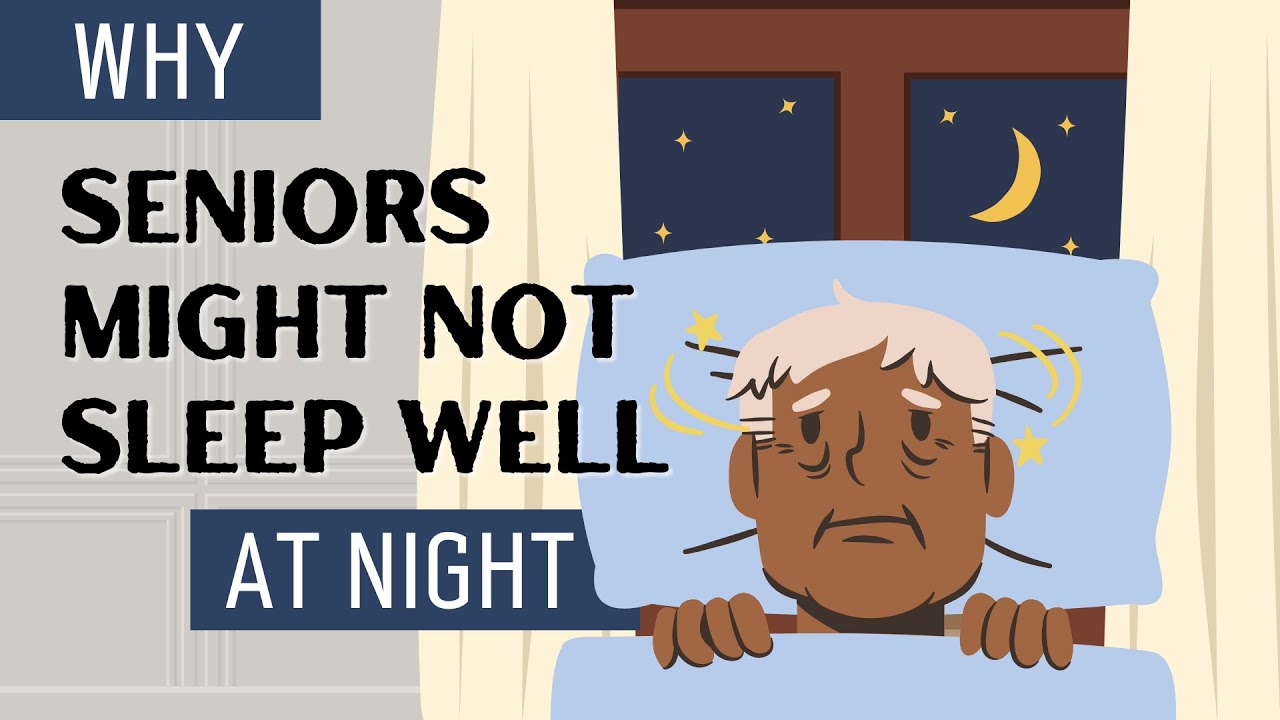
have you ever wondered if there's a perfect bedtime for seniors to improve their health as we age our sleep patterns change and getting the right amount of sleep becomes more important than ever but what time should we go to bed after the age of 70 is going to bed early the key to Better Health or is it a mistake in this video we'll dive deep into the science behind sleep for seniors exploring why Sleep Quality becomes even more crucial as we age and how the right bedtime can boost everything from cognitive function to emotional well-being
make sure to watch until the end because we'll reveal expert advice on how you can optimize your sleep for a healthier more energetic life before we begin I would appreciate it if you like this video you can help me continue to spread the old age lesson if you haven't subscribed yet I recommend you subscribe and turn on the Bell so you don't miss any videos If you like this video please comment number one if you don't like it comment number zero to let me know so I can make a better video for you now let's
get started started the importance of sleep for seniors as individuals grow older their sleep patterns and needs undergo significant changes while younger adults typically require between 7 to 9 hours of restful sleep each night seniors often find that they need slightly less usually around 6 to 7 hours however what becomes more important than the total duration of sleep is its quality as people age the stages of deep restorative sleep tend to decrease and they may experience lighter more fragmented sleep cycles this means seniors often wake up more frequently throughout the night whether due to discomfort
the need to use the bathroom or simply because their bodies no longer sustain prolonged deep sleep as a result seniors May wake up feeling less refreshed and energized in the morning even after a full night of sleep the fragmented nature of their rest can leave them feeling groggy mentally foggy or emotionally unsettled this shift in Sleep Quality can have significant impacts on their overall health cognitive function and emotional well-being without proper sleep seniors may experience difficulties in concentration memory and decision-making additionally poor sleep has been linked to mood disturbances such as irritability anxiety and depression
which can further affect their quality of life maintaining good sleep hygiene becomes particularly crucial for the elderly in promoting not only better sleep but also Optimal Health this includes establishing a consistent bedtime routine creating a sleep conducive environment cool dark and quiet and managing any underlying conditions that may disrupt sleep such as pain or anxiety regular physical activity and mindful eating habits also play key roles in ensuring better sleep prioritizing sleep for seniors is not just about the number of hours they spend in bed but about ensuring that those hours are restful undisturbed and conducive
to mental Clarity emotional stability and overall well-being by focusing on Sleep Quality and creating habits that Foster restful nights seniors can support their long-term Health enhance their cognitive function and enjoy a more balanced peaceful life optimal bedtime for seniors determining the ideal bedtime for seniors especially those over the age of 70 can be a bit more complex than simply following a set rule while no universally perfect bedtime applies to everyone health professionals generally agree on the importance of maintaining a consistent sleep schedule that aligns with the body's natural circadian rhythm this rhythm is the internal
clock that governs sleep awake Cycles and it often shifts as we age influencing the times we feel most naturally inclined to sleep for many older adults this circadian rhythm tends to shift toward an earlier bedtime as a result seniors may find themselves naturally becoming tired around 9 or 10: p.m. this is often because as people age they may need more rest and less stimulation during the evening hours the body sleep needs change with age and older adults may require additional sleep to feel well rested and to support their physical andal mental health one important consideration
when determining the best bedtime is the time of day when a senior naturally wakes up if an individual tends to rise early typically in the early morning hours going to bed earlier ensures that they can get a full and restorative night's sleep a consistent bedtime allows the body to follow a routine which helps regulate the internal clock leading to improved Sleep Quality over time additionally going to bed earlier can promote deeper more restorative sleep the later the hour the harder harder it can be to fall into deep stages of sleep as seniors age they may
find it more difficult to enter the Deep restorative sleep phases that are essential for physical recovery cognitive function and emotional well-being by aiming for an earlier bedtime seniors can potentially experience more uninterrupted deep sleep which is often harder to achieve in the later hours of the night if you are still watching this video and finding these lessons useful please comment number one below to let me know that you are still watching this video with me thank you for your valuable time is going to bed early wrong there is a common misconception that going to bed
early is somehow detrimental especially for seniors however this belief is not only misleading but also fails to recognize the many positive effects that an early bedtime can have on older adults establishing a routine that includes going to bed earlier in the evening can offer numerous benefits both for physical health and overall well-being for seniors early bed times can lead to improved Sleep Quality with which is essential for maintaining good health as people age sleep patterns often change with many seniors experiencing difficulty staying asleep through the night or getting restful sleep by going to bed early
seniors can allow themselves to enjoy a longer and more restorative sleep cycle this can help Boost energy levels improve memory and promote mental Clarity throughout the day furthermore an early bedtime allows for a more consistent and predictable sleep schedule which is important for maintaining a healthy circadian rhythm a well-regulated sleep cycle has been linked to better cardiovascular health a stronger immune system and a reduced risk of developing chronic conditions such as diabetes or high blood pressure by prioritizing rest seniors can also improve their emotional health experiencing reduced stress and enhanced mood which can contribute to
a higher quality of life overall in addition to the physical and emotional benefits an earlier bedtime can provide more time for morning activities allowing seniors to engage in healthy routines such as light exercise reading or spending quality time with loved ones these activities can be essential for staying mentally and physically active further supporting longevity and vitality one better sleep quality as individuals age their sleep patterns naturally change with many seniors experiencing more fragmented sleep however Studies have shown that seniors tend to experience more deep sleep which is essential for both physical and mental restoration during
the early stages of their sleep cycle deep sleep also known as slow wave sleep is the time when the body undergos critical processes like tissue repair immune system strengthening and hormone regulation moreover during the stage the brain consolidates memories and processes emotions ensuring better cognitive function and emotional well-being one way seniors can improve their Sleep Quality is by going to bed earlier by adjusting their bedtime to earlier in the evening they maximize the opportunity to enter the deeper stages of sleep at the beginning of the night when it is more like to be uninterrupted in
addition earlier bed times align better with natural circadian rhythms which are often influenced by sunlight and time of day this adjustment can help the body's internal clock reset leading to improved sleep consistency and a higher likelihood of reaching those vital deep sleep stages furthermore getting to bed earlier can allow for a longer more restful sleep period before the natural sleep disturbances associated with aging occur such as waking up multiple times during the night this can help seniors experience more continuous rest enhancing both physical recovery and cognitive function improved Sleep Quality can also have positive effects
on overall health including better mood regulation increased energy levels during the day and a reduction in the risks of chronic conditions like heart disease hypertension and diabetes two improved mental and emotional health consistent quality sleep plays a crucial role in maintaining and improving both cognitive function and emotional well-being for seniors a establishing a routine that includes going to bed early and ensuring an adequate amount of restful sleep can have profound effects on their Mental Health Sleep helps in the consolidation of memories allowing the brain to process information and experiences from the day this can lead
to sharper mental Clarity better focus and improved decision-making abilities during the day additionally early bed times provide an opportunity for deeper stages of sleep which are essential for the restoration and repair of the brain as a result seniors often wake up feeling more refreshed energetic and mentally alert which can positively impact their mood and general outlook on life a good night sleep can help regulate stress hormones and reduce feelings of anxiety frustration or irritability which are often heightened in older age due to various health concerns or Life Changes furthermore getting adequate sleep supports emotional stability
by allowing the brain to process and regulate emotions more effectively seniors who sleep well tend to experience fewer mood swings and are less likely to feel overwhelmed by the emotional stresses of daily life consistent sleep can even promote a greater sense of well-being and contentment fostering more positive interactions with others and a more optimistic view of Life by improving both mental sharpness and emotional resilience restful sleep becomes a Cornerstone of senior health enhancing overall quality of life and enabling a more fulfilling balanced lifestyle three physical health benefits good sleep is not just a luxury it's
a vital component of overall health especially for older adults the connection between sleep and physical health is well documented showing that quality sleep directly impacts several key bodily functions that become increasingly important as we age one of the most significant benefits is its positive effect on cardiovascular health during deep sleep the body can repair and restore blood vessels reduce blood pressure and balance hormone levels that help regulate heart function this contributes to A reduced risk of heart disease and stroke which are common concern turns in older age in addition to heart health sleep plays a
crucial role in Muscle Recovery while we sleep The Body Works to repair and rebuild muscle tissue that may have been worn down during the day for older adults this Muscle Recovery is essential for maintaining strength mobility and balance which in turn helps prevent Falls and injuries adequate sleep also promotes the release of growth hormones which support tissue repair and regeneration further aiding in muscle health and the prevention of muscle wasting moreover sleep is a Cornerstone of a well-functioning immune system as we rest our body's immune cells are better able to identify and combat infections reducing
the likelihood of illness a strong immune system is especially critical for older adults who may experience a natural decline in immune function with age poor sleep can lead to a weakened immune response making the body more vulnerable to illnesses like the flu or pneumonia incorporating consistent quality sleep into one's routine such as is going to bed early ensures that these essential bodily functions are supported establishing healthy sleep habits not only promotes physical health but also contributes to mental well-being by fostering cognitive function and emotional balance for older adults this holistic approach to sleep can significantly
enhance their quality of life providing the energy and resilience needed to navigate the challenges of Aging if you are still watching this video and finding these lessons useful please comment number two below to let me know that you are still watching this video with me thank you for your valuable time four social engagement and routine establishing early bed times can have a profound impact on seniors by creating a more structured and balanced daily routine one that encourages both physical and mental well-being when seniors prioritize going to bed earlier they set the stage for a night
of restful and rejuvenating sleep which is vital for overall health a good night's sleep helps ensure that seniors wake up feeling rested with a sense of renewal that energizes them for the day ahead this surge of energy is essential for Helping Seniors engage in a variety of activities that contribute to their physical health such as light exercise stretching or walking regular physical activity is not only important for maintaining muscle strength flexibility and cardiovascular health but it also improves mood and cognitive function allowing seniors to feel more mentally alert and capable throughout the day additionally the
benefits of early bed times extend beyond just physical health they also significantly enhance senior's ability to engage socially and emotionally seniors who maintain a consistent sleep routine are more likely to feel motivated and energized enough to participate in Social engagements whether that involves connecting with friends attending Community Gatherings joining group activities or even spending quality time with family members these social interactions play an essential role in reducing feelings of loneliness and isolation which are common in older age they also promote mental stimulation which can help seniors stay sharp boost their self self esteem and create
a strong sense of belonging within their communities a well-structured day that includes early bed times also helps seniors maintain a sense of predictability and control over their lives this consistency can bring peace of mind and a greater sense of security which is often more challenging as individuals age by sticking to a routine that prioritizes sufficient rest seniors can ensure they have the mental Clarity and emotional stability needed to fully enjoy their lives take part in fulfilling experiences and nurture important relationships in turn this holistic approach to maintaining physical activity and social engagement supports a lifestyle
that is not only active but also deeply enriching and meaningful such a routine contributes significantly to enhancing overall quality of life well-being and Longevity as seniors continue to navigate the challenges and joys of their later years the doctor's perspective on sleep for seniors doctors generally recommend that seniors establish a consistent and sustainable bedtime routine which might lean towards earlier bed times but they also stress that it should be based on individual needs and preferences Dr Sarah Lee a geriatric sleep expert explains the goal is not to rigidly adhere to a specific bedtime but to align
with your natural sleep patterns and ensure that the environment promotes restful sleep if going to bed early helps achieve that then it is certainly not wrong while seniors are encouraged to prioritize sleep it's essential to consider factors like overall health medication side effects and lifestyle choices for some individuals falling asleep earlier may be more challenging due to various health conditions such as insomnia or sleep apnea in which case it's important to consult with a healthcare provider to find tailored Solutions factors that impact sleep timing several factors play a significant role in determining the best time
for seniors to go to bed understanding these factors can help create a routine that promotes better sleep quality and overall health one of the most influential factors is physical activity which can greatly impact the timing and quality of sleep one physical activity engaging in regular physical activity during the day is one of the most effective ways to promote restful sleep for seniors exercise helps to reduce anxiety and stress two common contributors to insomnia and it encourages the body to release endorphins that can enhance mood and relaxation for many seniors physical activity during the day makes
it easier to fall asleep at night as it naturally promotes physical fatigue and helps to regulate the body's internal clock known as the Circadian Rhythm a well-timed workout can make it easier to fall asleep and experience deeper more restorative sleep cycles however the timing of exercise is crucial while moderate activity earlier in the day can help promote better sleep engaging in vigorous physical activity too close to bedtime can have the opposite effect keeping seniors awake this is because intense exercise stimulates the body and increases adrenaline and heart rate making it harder to relax and wind
down ideally senior should aim to finish any strenuous physical activity at least 3 hours before their intended bedtime allowing the body time to cool down and return to a more restful State light activities such as stretching yoga or a gentle walk however can be beneficial if done closer to bedtime as they promote relaxation without overstimulation in addition to the timing the type of physical activity matters as well aerobic exercises strength training and activities that involve coordination or balance are especially helpful in improving Sleep Quality quity regular engagement in these types of exercises can lead to
longer periods of deep sleep better mood and improved cognitive function by finding the right balance in the timing and intensity of physical activity seniors can ensure they fall asleep more easily and enjoy deeper more uninterrupted sleep contributing to better overall health and well-being two light exposure for seniors proper light exposure throughout the day is essential for regulating the body's natural circadian rhythm which plays a key role in determining sleep patterns and overall well-being natural sunlight is one of the most effective ways to synchronize the body's internal clock seniors should aim to spend time Outdoors during
daylight hours even if it's just for a short walk or sitting by a window that lets in natural light this exposure helps the body understand when it's time to be awake and alert and when it's time to rest sunlight especially in the morning triggers the release of hormones like cortisol which promotes alertness and mental Clarity Helping Seniors feel energized and focused during the day in addition to daytime light exposure managing light in the evening is just as crucial for promoting healthy sleep seniors should be mindful of the types of light they are exposed to as
bedtime approaches bright artificial lights especially the blue light emitted from smartphones tablets and televisions can interfere with the production of melatonin a hormone that signals to the body that it's time to sleep to prepare for a restful night seniors should aim to dim the lights in the evening and avoid using bright screens at least Le an hour before bed this subtle shift in light exposure helps the body transition smoothly into a state of relaxation signaling that it's time to wind down and prepare for sleep by creating an environment with ample natural light during the day
and softer Lighting in the evening seniors can support their circadian rhythm which not only improves Sleep Quality but also boosts overall mood energy levels and cognitive function consistent exposure to light at the right times can help maintain a healthy if you are still watching this video and finding these lessons useful please comment number three below to let me know that you are still watching this video with me thank you for your valuable time three Sleep Disorders as we age Sleep Disorders become more prevalent and conditions such as insomnia restless leg syndrome and sleep apnea can
significantly disrupt the quality and consistency of sleep in seniors these disorders not only interfere with a restful night sleep but can also contribute to a wide range of physical and emotional health issues making it even more important to address them promptly with the help of a health care professional insomnia one of the most common Sleep Disorders affects a large number of older adults it's characterized by difficulty falling asleep staying asleep or waking up too early and not being able to fall back asleep chronic insomnia can lead to fatigue irritability impaired cognitive function and even depression
factors such as stress anxiety medications or changes in circadian rhythms due to aging can all contribute to insomnia seeking treatment whether through cognitive behavioral therapy for insomnia cbti medication or lifestyle changes can help seniors regain control of their sleep and improve their overall well-being restless leg syndrome RLS is another condition that commonly affects older adults and can severely disrupt sleep people with RLS experience an uncontrollable urge to move their legs usually due to uncomfortable Sensations particularly in the evening or at night this can lead to difficulty falling sleep and frequent Awakenings throughout the night the
exact cause of RLS is often unclear but it has been linked to factors such as iron deficiency nerve damage and certain medications effective treatments may include iron supplements medications to relieve symptoms or Lifestyle Changes like stretching exercises and warm baths before bed sleep apnea a serious sleep disorder characterized by interrupted breathing during sleep is particularly concerning for older adults people with sleep apnea may stop stop breathing for several seconds or even minutes while they sleep causing frequent Awakenings throughout the night this leads to fragmented sleep daytime sleepiness and an increased risk of cardiovascular problems high
blood pressure and diabetes treatment options such as continuous positive airway pressure CPAP therapy or Lifestyle Changes like weight management and avoiding alcohol can significantly improve sleep quality and overall health addressing Sleep Disorders with the help of a doctor is crucial for ensuring that seniors get the restorative rest they need whether through medical interventions behavioral therapies or changes in sleep habits managing these conditions can lead to more consistent and adequate sleep in turn better sleep contributes to improved physical health cognitive function emotional stability and quality of life Helping Seniors feel more energized and resilient throughout the
day four diet and caffeine intake the relationship between Diet caffeine consumption and Sleep Quality is especially important for seniors as these factors can have a direct impact on their ability to rest and recharge eating large or heavy Meals late in the evening can be particularly disruptive as it may lead to indigestion acid reflux or discomfort making it harder to fall asleep or stay asleep throughout the night when the digestive system is still working over time to process a large meal it can prevent the body from entering the Deep restorative stages of sleep this can result
in waking up feeling unrefreshed and fatigued which undermines overall health and well-being similarly consuming caffeine close to bedtime can have a significant negative effect on Sleep Quality caffeine being a stimulant can remain in the body for several hours keeping seniors alert and active at a time when their bodies are supposed to be winding down for rest even if caffeine is consumed in the afternoon or early evening it can still interfere with the body's ability to relax and fall into a natural sleep cycle this makes it essential for seniors to be mindful of their caffeine intake
especially in the later part of the day to avoid these sleep disruptions seniors should aim to establish healthier eating habits in the evening instead of indulging in heavy or Rich meals it's better to opt for light nutritious dishes that are easy to digest foods such as lean proteins vegetables or whole grains are excellent choices that provide the body with the essential nutrients it needs without overloading the digestive system additionally seniors can benefit from incorporating foods that promote better sleep such as those rich in magnesium or tryptophan which help relax the muscles and support the production
of sleep inducing hormones like melatonin by being mindful of their evening diet and caffeine intake seniors can significantly improve their sleep patterns leading to more restful rejuvenating nights this in turn enhances their ability to wake up feeling energized and ready to engage in the day's activities exercise and social interactions establishing a balanced and thoughtful evening routine not only supports better sleep but also contributes to improved physical health mental CL Clarity and emotional well-being if you are still watching this video and finding these lessons useful please comment number four below to let me know that you
are still watching this video with me thank you for your valuable time five medication side effects as individuals age they often face a variety of health challenges leading to the need for multiple medications while these medications are prescribed to manage chronic conditions such as hypertension diabetes arthritis heart disease and depression they can have unintended side effects many of which can interfere with sleep certain classes of medications are particularly known for their potential to disrupt sleep patterns in older adults for instance medications like beta blockers used to control high blood pressure may cause vivid dreams insomnia
or disrupted sleep cycles likewise corticosteroids often prescribed for inflammation or autoimmune conditions can cause insomnia or difficulty falling asleep especially when taken late in the day anti-depressants such as selective serotonin reuptake Inhibitors ssris may lead to side effects like restlessness frequent Awakenings or difficulty staying asleep similarly pain medications especially opioids are known to have stive effects that can initially make it easier to fall asleep but may lead to disrupted or fragmented sleep later in the night even medications for common conditions like acid reflux asthma or allergies can affect sleep Often by causing discomfort or increasing
the need to wake up during the night to use the bathroom the relationship between medication and sleep disturbances is complex as many of these drugs not only disrupt sleep but also interact with the body's natural circadian rhythm which regulates the sleep wake cycle for seniors whose circadian rhythm may already be naturally shifting to earlier sleep and wake times medication side effects can further complicate their ability to enjoy restorative uninterrupted sleep to mitigate these sleep disruptions elderly individuals need to maintain open communication with their Healthcare Providers reviewing all medications including over-the-counter drugs and supplements is crucial
to identify potential culprits of sleep disturbances a healthc care provider May adjust the timing of medications recommend dosage changes or even switch to Alternative treatments that are less likely to impact sleep in some cases doctors may also suggest incorporating other forms of therapy such as cognitive behavioral therapy for insomnia cbti or recommend relaxation techniques to help manage the stress that can come from chronic sleep issues additionally medication side effects on sleep may not always be immediately apparent some individuals may not connect their sleep disturbances to their medications attributing them instead to Natural aging or other
unrelated factors that's why regular reviews of medication regimens are essential especially as seniors often take a combination of medications that could be affecting their sleep in ways that are not immediately obvious if a senior finds that they are struggling with sleep despite going to bed early it it's important to consult with a healthc care professional to identify any underlying issues such as Sleep Disorders or side effects of medications that might be contributing to the problem ultimately the right bedtime works with the individual's lifestyle and health needs to promote optimal sleep and wellness so what have
you learned about the importance of bedtime for seniors today how can adjusting your sleep habits improve your health and well-being as you age I'd love to hear from you please leave a comment below and share one thing you've learned that plan to bring into your own life if you like this video please leave your comment below and don't forget to like share and subscribe to our YouTube channel for more helpful content like this thank you for watching and take care of your health one good night's sleep at a time