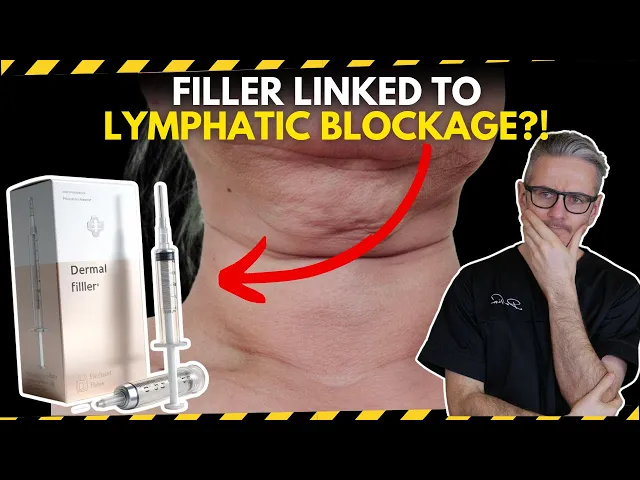
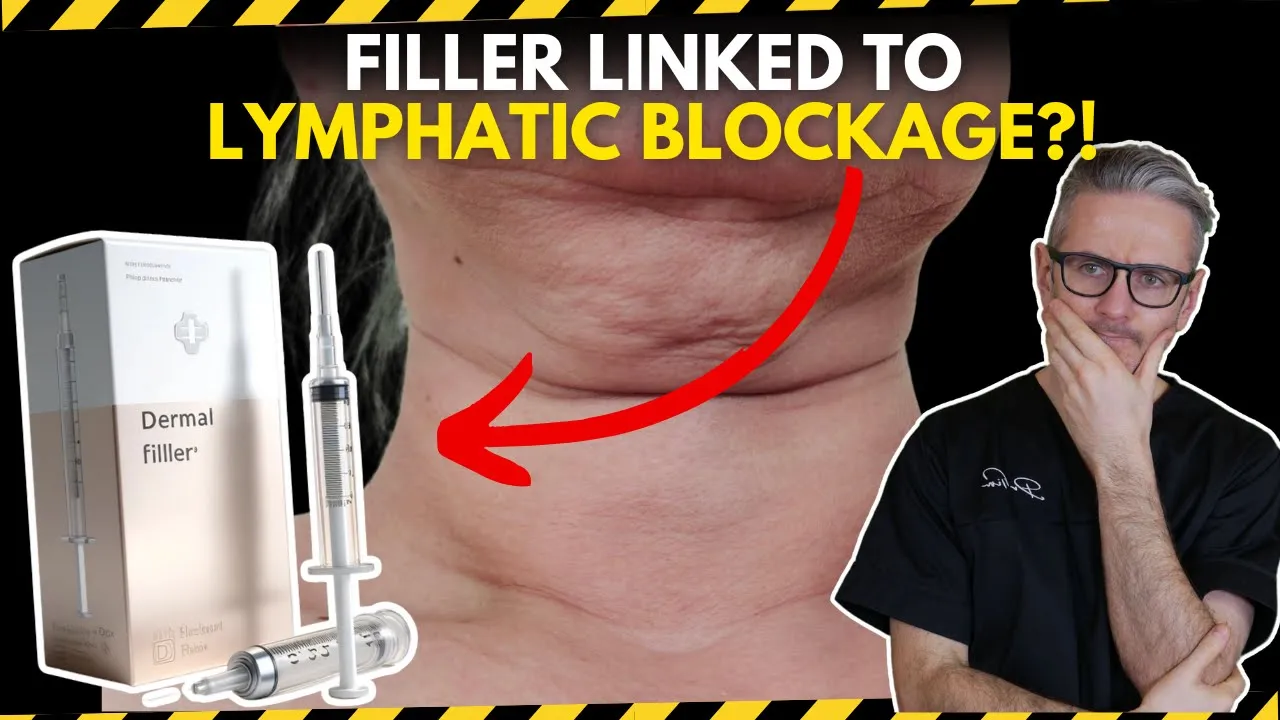
Villa patients may suffer lymphatic blockage and possibly worse that's the headline that has come out of the Irish examiner that then went viral amongst our community so this week we need to discuss a little bit about what's actually going on with this research what you need to know so that your patients feel reassured if you are going to be asked about this topic and also to reassure yourself that you really are doing something that you believe to be right because things could change at any moment and it is important to be consistent with your values
no matter what's happening uh in the world of Aesthetics there's a plastic surgeon who's done this study um his name is Spiro theodoru I believe so yeah and he um has done a study involving injecting some dye and seeing how much the lymphatic drainage was affected at least that's his hypothesis I'm still not sure how that really plays out uh because you don't well we'll talk more about it as we go in but I'm not convinced that that experiment is going to answer the question are the lymphatic drainage channels blocked it just tells you the
did not leave the filler which is not quite the same thing so um but he's then inferred from that that there may be some more Global Effect on the immune system which is a big leap and then in the same article they Chuck in some reference to delayed onset nodules which are also not actually connected with either of these things directly so there is there's a lot of kind of to the untrained Eye Scary statements that are leading to people worrying and freaking out which means you get lots of clicks and people share the article
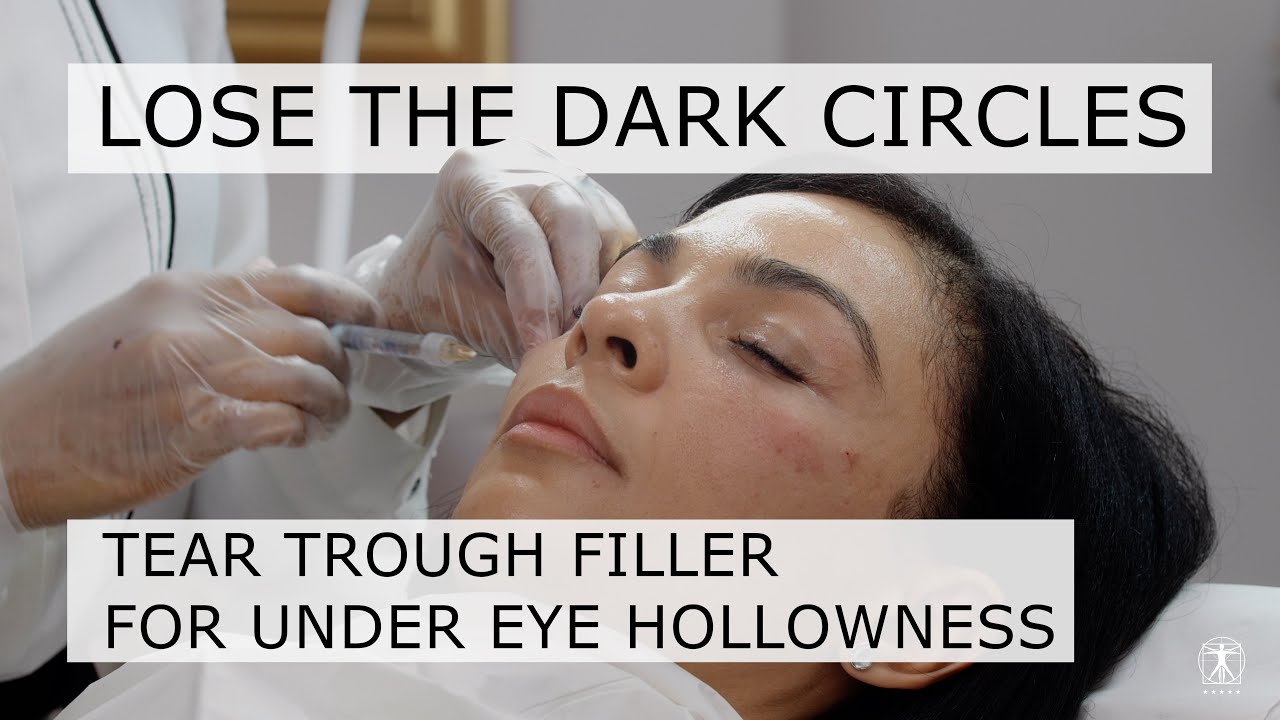
and everyone comes to your website and then you get paid more by advertisers and it's always just worth remembering that that's why these things are in our faces the more you develop in your career the more you'll realize the stuff you read about has some sort of commercial driver behind it and that's fine we all have to make a living but just interpret it that way can we go on to the statement then where he's put um under eye filler is one of the biggest problems you see women everywhere with swollen eyes we have young
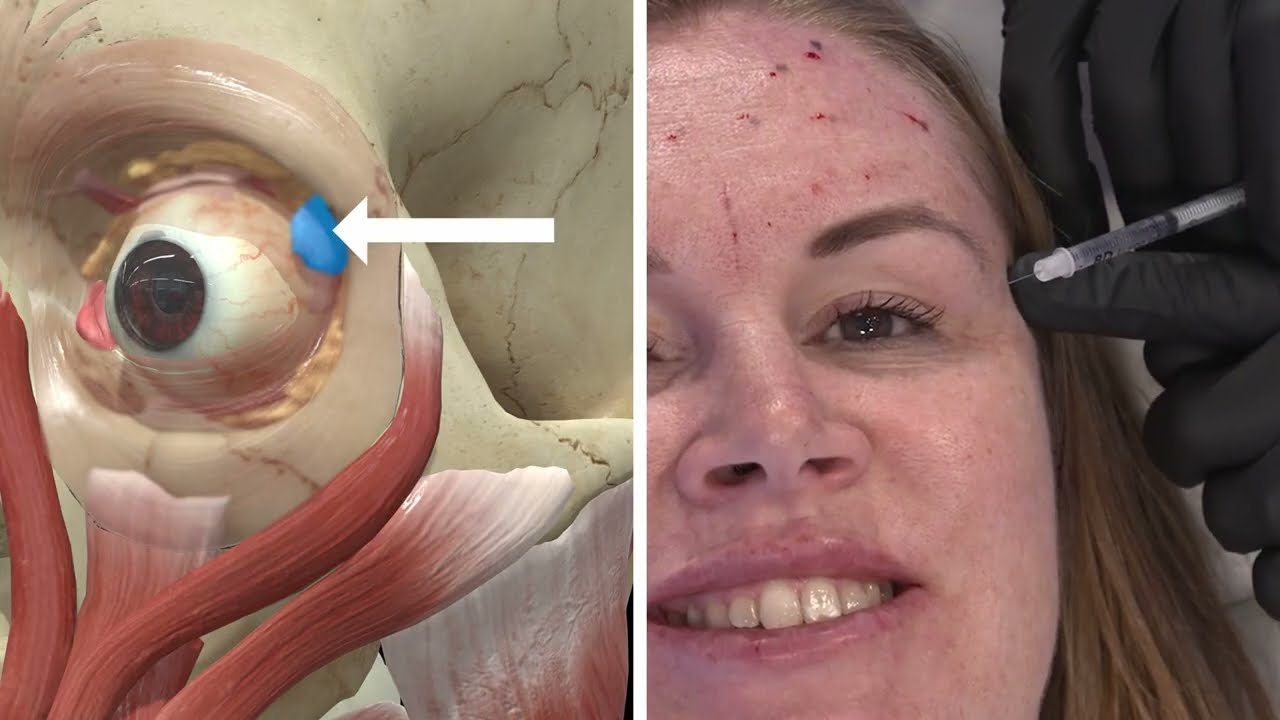
women having fillers in their faces it's never going to go way it's very hard to remove and it blocks lymphatics in your face this is a very important system not all patients will have swelling but evidence suggests all will have some degree of lymphatic blockage can we just dive into that a little bit and and why is he saying that this is he's just relating this to under eye filler so under eye filler is the most easy to see if you have excess because basically the skin is only2 mim thick so if you inject a
little bit or a little bit too much or maybe the filler breaks down slowly and it attracts more moist to the area or maybe if there is a blockage to lymphatics which I'm still not absolutely sure that that's what's happening um then you're going to see a protrudent which is very easy to see so it's not hard to get rid of it goes away very quickly with Hy so you can dissolve it he has said yes so he's made a a a kind of argument there that you can get rid of it with hondes but
a complete removal poses a significant challenge so as a patient my question would be all right what's the big deal and if it just hangs around in my face a little bit longer the main thing is is this a collection of molecules like collagen is in your skin so collagen's in your skin it doesn't get drained out through your lymphatics it stays put and it holds on to a bit of moisture not much mainly that's hyaluronic acid um and it's not actually going anywhere but it's it's helping your skin have some some structure to it
now if hyaluronic acid is similar as in it's sitting as an extra an extracellular part of The extracellular Matrix it's holding on to moisture and it lives there it's not going to cause a problem the question is are fragments of this getting into the lymphatic system and blocking it now this is actually I know this this is a possibility because if you destroy the gene that makes hyaluronic hyaluronidase in a mouse they basically get puffy because they can't their lymphatic system doesn't work across their whole body the question is that's the whole body though of
course so what what's actually happening with the filler that we inject and how how hard is it to get rid of now if a small fragment of hyaluronic acid breaks off it will float off and it will like a natural piece of hyaluronic acid in your body it will go down into your lymphatics and get digested and distributed are we dealing with intermediate fragments that are actually blocking lymphatics or is this nothing to do with the blockage of the lymphatics and simply that it's holding onto moisture within the tissue which we know honic acid does
anyway so if you inject a Dy into a tissue that has got a molecule that holds on on to moisture in that tissue and is we don't even know how this die interacts with hyaluronic acid you literally could just be looking at a Dye that's in hyaluronic acid it's not actually testing lymphatic drainage there's still lymphatic drainage happening but the dye is not draining because it's interacting with hyaluronic acid that's different to block lymphatic channels um and the second thing is if it blocks them locally does that really make any difference because blocking them locally
I tell you what it would make a potential I don't even know makes a big difference that but basically if you had an infection locally in your skin are you going to be able to clean that out you know but mostly what happens with your lymphatics is they they they drain stuff but they fil they form these big filters your lymph nodes that stop it going into your system so they're not designed to like pass it through anyway so you just end up in a situation where you have white blood cells are able to get
there and attack the infection because that come through the bloodstream anyway and then some of that debris won't be cleared away as quickly but is that a systemic risk I think probably not I don't think it would be I think if they were 100% blocked you'd know very well because your face would become very puffy and those patients need treatment anyway I don't think they're super common like you know certainly maybe it's the fillers that I use I don't know but I don't see my patients coming back with more filler like more volume over time
uh routinely you you get a small cohort who do do that and I think it's filler specific I think some fillers are worse than others um but I don't think it's uh normal I don't think everyone is like that yeah okay so that's that's your point of view this guy this doctor sorry has gone to the extreme of saying he's not going to do fillers anymore because of the results of this study that he's he's undertaken yeah so a lot of people draw a line with um with risk in this kind of way that makes
it sound like they've reached some first principle absolute truth of the Universe um but really everything is a is a pro pros and cons what's he going to do instead offill cuz I want to know exactly what the outcome is for that because if it's surgery a high number of your patients are miserable after surgery it's much higher than Dill so is he really doing anyone a favor obviously he's also a surgeon which means it's great for him to to kind of own the hardest most high-risk area and to disregard the thing that everyone talks
about all day that solves their problems for much less money so there's definitely an element of like well you would say that I mean surgeons always do this it's like the it's one of the most common tropes in aesthetic medicine is the surgeon hating on surgical techniques it's so old and so predictable that it's like it's not that interesting on its own I I'd like to know more about it you know the exact reasoning and what's he going to do instead and whether that's actually safer because I don't think he's said what he's going to
do instead because obviously the safest thing is to do nothing but then no one gets the benefit either yeah well didn't there's a comment here from Dr Patrick trcy in which he said uh while dermal fillers May Block lymphatics in localized areas they do not pose systemic threats to the overall IM immune system sorry um is that kind of what the vibe your thinking as well yeah I think it's super local even if they were blocked it would be local and it's not really your immune system I mean it's part of your immune system but
you're still going to have white blood cells able to get there and attack and and solve the problem of an infection it just may be less effective so it maybe goes on a bit longer but it's not like you've destroyed your immune system because you got not ideal though is it none none of this is ideal I mean it's a choice every there is no intervention that doesn't have risk so do you think that's likely to happen do you think that does happen I think some people get puffy faces after treatments that's for me that's
the risk I think it ends at that I don't think I don't think there's a higher rate I mean this what they've done in this article is they randomly throw in breast cancer with a type of breast implant that caused inflammation and caused breast tissue to become cancerous slightly more commonly we're not having a a Spate of cheek cancers you know it's not it's a conf they've just thrown it in as a oh let's put the word cancer into the same article that's really about puffy faces and puffy faces are not routine in a good
Clinic with the right product I mean that's been my experience I don't you do sometime you do have a cohort who need to be reversed every five years or so but they're not the you know they're not the standard outcome yeah so let's break it down you like you said there there's different I guess words that we mentioned so cancer immune response lymphatic dra uh blockage and drainage um can we break down the the differences in this article and this study and why it's referencing each of those so let's start with the immune response um
that caught my eye as a patient because when I actually was Ill with a virus the next day I woke up and my filler in where I'd had filler so temples cheeks chin hurt was swollen and wasn't puffy but it was red so this article then that made me think oh God that happened to me something happened in my lymphatic drainage I had some sort of blockage and it triggered an immune response to attack the filler so but you're saying that's different that's a different aspect in this article yeah so delayed on S nodules if
your immune system is has increased activity then it might basically it reacts in other things that's true with your joints as well so when you get flu you get an achy back your your joint some people's they they swell up like they actually you can see the inflammation on them so inflammation is a thing and it is revealed by filler filler also becomes inflamed it's more so with fillers that have short chain hyaluronic acid than long chain long chain is actually anti-inflammatory short chain is inflammatory so the product that you have has a mixture of
long and short chain and it makes it great in lots of ways it's good at aspirating it's better at not causing the puffiness I and that's been not just a statement from the drug company that's my experience as well a big difference compared with other fillers um but if you have a lot of inflammation in your system it could cause some of the inflammation to happen around the filler and like what happen to you if you do nothing normally it goes away that's not the that's got nothing to do with immune okay guess that's the
point I was trying to get to yeah okay so that they're making one point because that is presumably about the uh killer tea cells trying to combat foreign objects when the immune systems overt triggered right yeah yeah okay so that's the one claim but then there's the other Claim about the lymphatic drainage so you're saying these are two different things they are two different things okay and similarly with the the way they thrown cancer in because of the breast implants there a third thing they've thrown in I don't there they're not linked at all in
the article maybe there is some new way they'll find a way of linking it but current it's basically like let's all let's talk about all the scary stuff together infection cancer immune damage you know blocked lymphatics whereas the reality from what I can see is the the real risk to patients is Puff it's over treatment syndrome it's that that midface that's that looks too puffy because they've had treatment that's expanded over time um which is a thing for for a minority but I don't think it's a standard experience so for clinicians watching this what what
would be you a key a key thing for them to take away what's the key learning from this so I think it's you we really should pay attention to these types of things I've always had a I do have a fear in me that we'll find out that something you've been in ejecting for many years turns out to be really bad but you've got to interpret the stuff that happens through you know the what actually happens a lot in the world which is stuff that gets attention gets disproportionately Amplified stuff that's scary is disproportionately Amplified
and and then make a decision in the context of what is the benefit to patients you know there are countless patients I know who've had a treatment and it's been a turning point in their life and they're much happier and you know they get all that benefit and then yes maybe a coort of those every 10 is get a look a bit overtreated and you have to talk about reversal or not treating them again um and but there isn't an alternative it's not like you can just do surgery and have a happy world where no
one gets hurt or not do anything and end up with people just accepting getting old gracefully like it unfortunately it's messy there is no clear path and a good clinician helps the patients make good decisions in the context of their life and balances those risks and talks about them openly so I think it's great to have a conversation about it and and to weigh it up and to be informed on it but not to be like oh right there's a Doctor Who's never doing filler again that means I should never do filler again and same
for everything else because I can tell you the same thing true of vitamin E also causes breast you know lung cancer in certain patients so we're all going to scrap vitamins uh probably not you know there's other supplements that cause different things exercise can end up in injuries like going to work can be dangerous you know basically all the normal stuff you do in your life has a potential downside and and it's better to interpret it as a a weighing up of risks than a black and white like this guy is trying to make a
black and white case for using F yeah what role do you think clinicians play when stuff like this comes out in in educating patients about this sort of stuff because if I was a patient and I came across this this would be something where I thought it probably would make me think twice this article did get me it got me yeah so I think the best thing to do is to try and explain it rather than take a strong position on it that's what I would do more often or not is instead of being like
a lot of people like oh my God we just discovered filler last for 12 years this is a everyone instead of that which is great you'll get a lot of clicks and people pay attention is is try and explain it from both sides because the truth is it doesn't it doesn't matter what the cons are because you still have the problem which is a con in itself so like as in I'm miserable I'm getting older I'm single again I'm 48 and I want to go dating and I don't want to have surgery what are you
going to do for me like that problem is just as real as puffiness being an outcome of some procedures so be the one who's like right yes there are risks let's admit to them but there are benefits to and I I will help patients make the best balance of risk that doesn't mean you should never have filler maybe there are different types of filler maybe there are products you can use that don't have the same problems for patients who are who've had a bad experience in the past but it just becomes one of the the
many things that you help decisions make you help patients make decisions over rather than like throw the baby out with a bath water basically is there any thing differentiation between like hyaluronic fillers versus non-reversible fillers in the lymphatic drainage issue uh yeah there will be differences um so calcium hydroxy appetite almost certainly will not drain in the same way as hyaluronic acid and some of them also trigger collagen production so what you're actually doing is triggering collagen so an example would be sculpture so you're you're causing a foreign body reaction that means it's involved the
immune system is involved with this so you're triggering there's a different different mechanism so you're triggering fiber blasts to respond as if there's you know an injury going on so that they produce collagen and that collagen is not going to block your lymphatics so it's better in some ways but you can also get lumps and bumps and nodules that arise years the scary thing for me is they can happen years afterwards and so You' forgotten you even had sculpture and the next thing you got all this these lumps on your temple and your cheek which
I've seen a patient with and there's ways to avoid that and every clinician who who loves sculpture will immediately be saying well that doesn't happen if you do x y and Zed but it's on the list and so one day there'll be an article of the filler that causes nodules to pop up decades afterwards and everyone will be terrified and they'll be stop but the Nuance is it's a minority of people it's temp most people it gets better or even if it doesn't get better it's mild and it's also helping thousands of other people in
the meantime so that's the complexity of medical decision- making it's never if it was black and white e like perfectly safe or not perfectly safe you wouldn't need a clinician at all it would it would just be like let's all just do it there's no risk so in summary when you get new information like this I think it's worth trying to find the source article and get to the heart of what the science is now this paper isn't even published yet which is another big downside so we don't actually know for sure what this test
was whether it's a good test of lymphatic drainage or simply how well hyaluronic acid holds on to the moisture that's in your skin anyway so we don't actually have the answers of what's going on so find the source material and then remember to interpret it within the context of both the pros and the cons because there's always something good about what we do and something bad and we're trying to balance the risks against the risk of doing nothing which is a relatively sad and painful thing for many people if they cannot maintain their appearance so
I hope that helps you with your patience and don't be afraid of talking about it the best clinicians will talk about any topic they never fob a patient off they just know more than the patient even if it's just a little bit hope that helps you see you next time