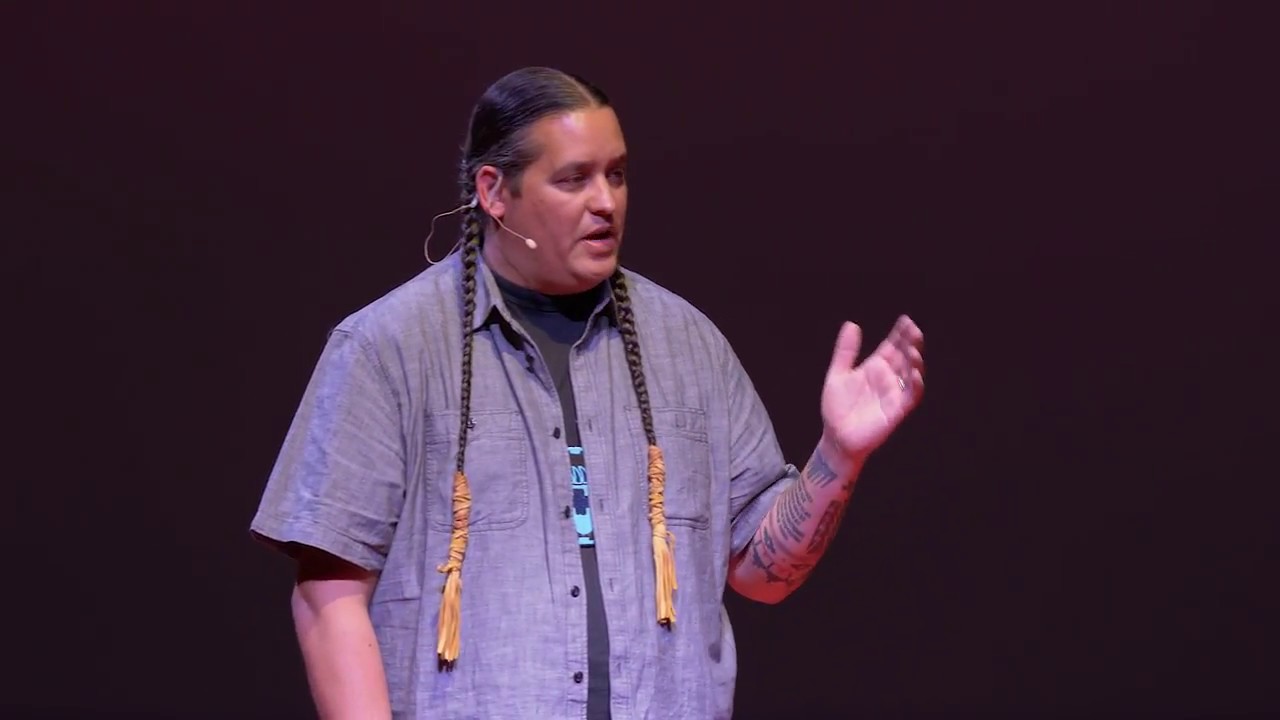
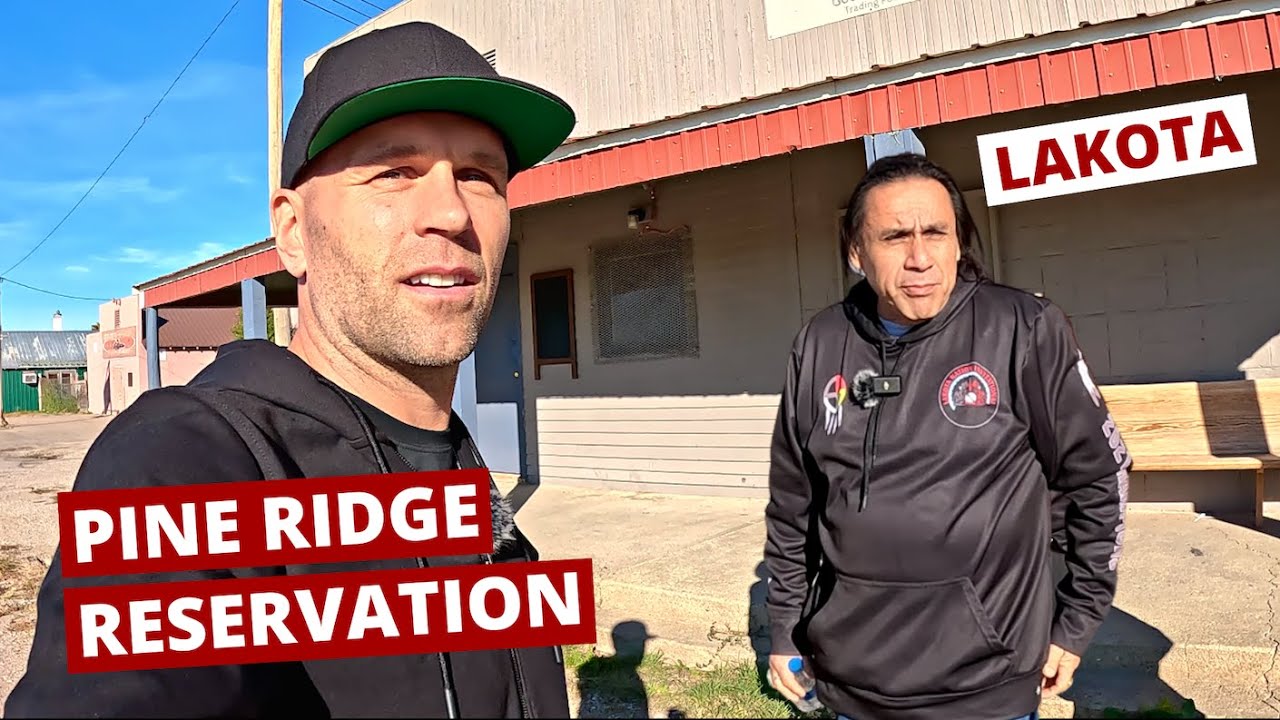
I have worked in Indian country probably for 25 years. It just became increasingly apparent that our people and our issues were still so invisible, and that we were still so misunderstood with toxic stereotypes. Yes, they fought savagely, while they were a primitive people.
False narratives that are being created and perpetuated by non-native people. There isn't much Native American culture in American culture. We birthed a nation.
So we understood that we had to change the narrative. Back in 2015, we began talking about it and saying something needs to shift in terms of the way the American public and key institutions think about us. So we concocted this idea about a huge research project.
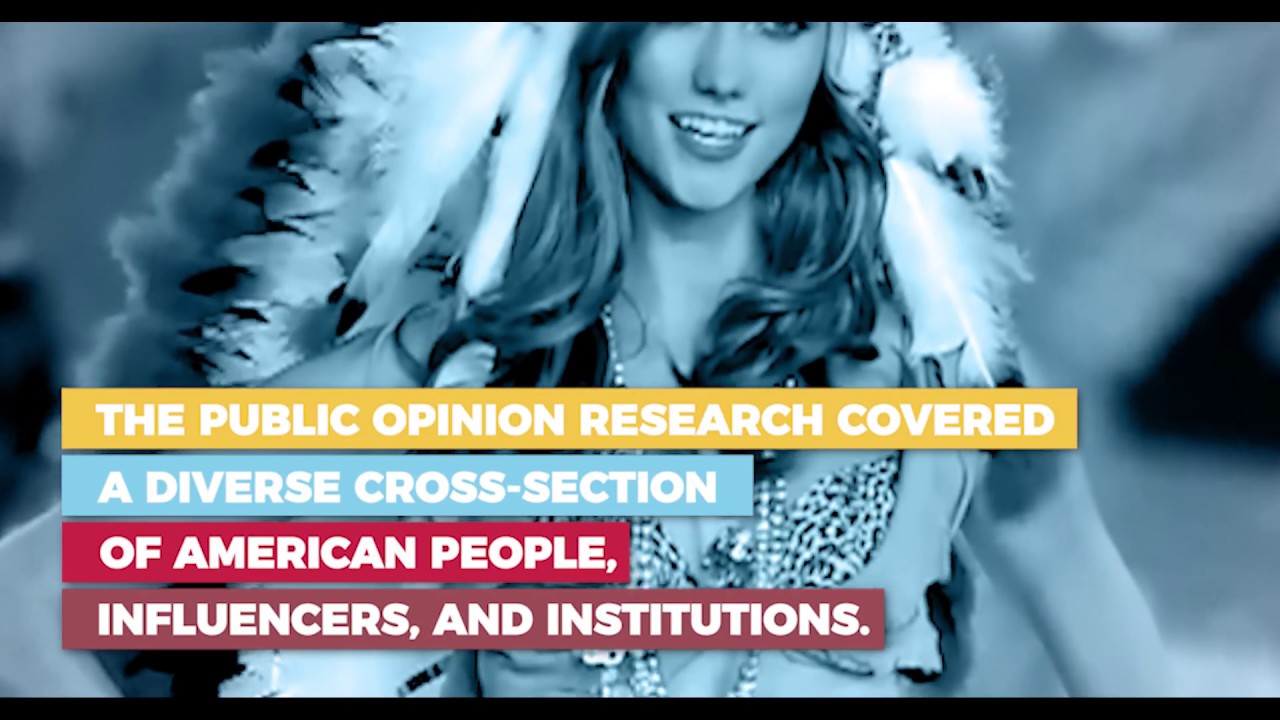
We examined what are the dominant narratives and stories and perceptions that the American public and key institutions and sectors have about Native Americans? Why do they have those, and how do they actually impact native peoples in different ways? And what we found is nearly 78% of Americans know little to nothing about Native Americans.
87% of schools in the United States don't teach about Native Americans past 1900. I think the research really helped frame for us that it wasn't an anecdotal experience for us individually, but was part of a systemic invisibilization of our people, the past, and the truth of America. And just to check in, because really, we're starting to kick it into high gear, fleshing out the business plan more, and what the strategy is.
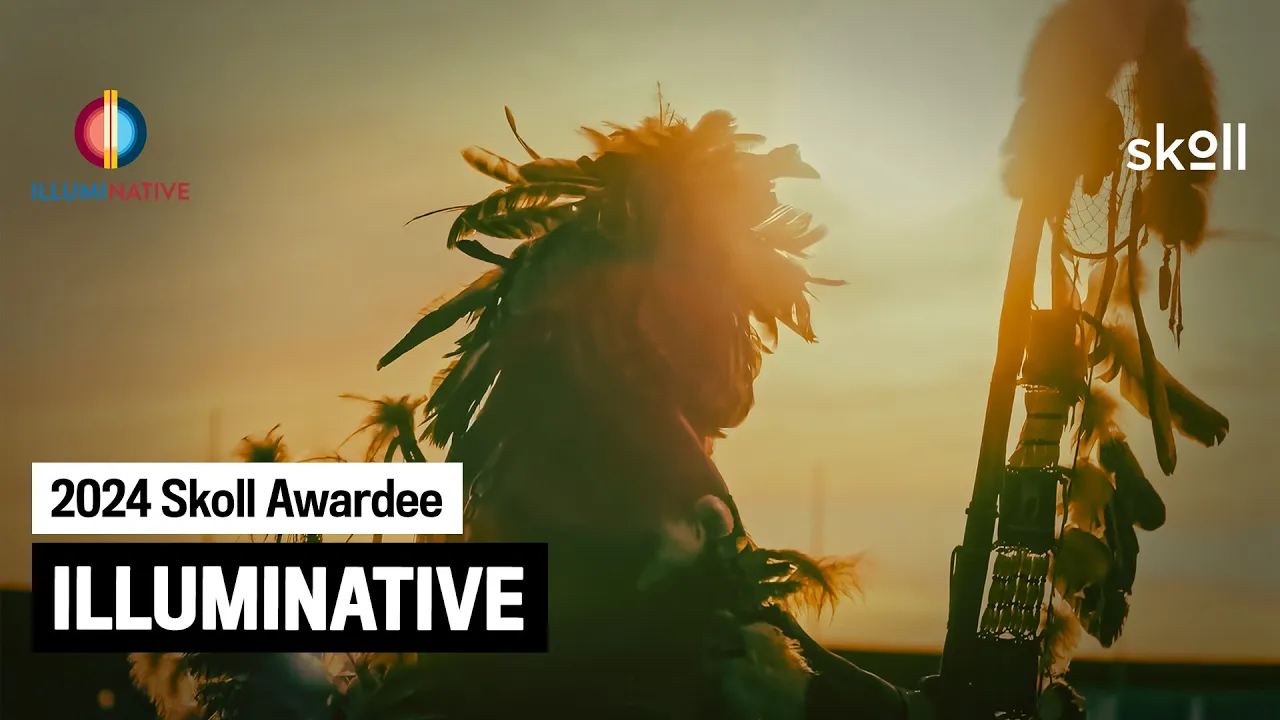
Illuminative is a community zeitgeist and mandate to address the lack of infrastructure and access that American Indians and indigenous people have to the storytelling mechanisms of mainstream culture. Getting people excited about the research. And so Illuminative works at the intersection of research, community organizing, to address the tropes and stereotypes that have damaged our communities, while bringing forward authentic indigenous representation.
Action! Our main departments have been our pop culture media program that works really on the front lines of Hollywood, and Hollywood is is really important to us because it produces 80% of the world's content. Our representation in media and entertainment is 0.
4%. We understand if we're thinking about moving hearts and minds and shifting big narratives, that that has got to be a really important place. We've also just over the last five years really developed relationships with almost every major studio and streamer in Hollywood, and educated them on our research, but also really done everything we can to support the rise of native creatives.
We're all basically playing themselves, like they wanted risk kids, they got risk kids. Exactly right. Storytellers aren't gonna have to go sell their stories to non-native audiences, but we can create audiences and market shares for true indigenous storytelling without sacrificing anything of the creatives, or anything of these stories.
And really helping Hollywood to understand, you don't get to tell a story about us without us anymore. This fall, we're launching our Indigenous Futures Survey, which is our largest survey that goes out in polls only Native Americans to understand this is how we've taken the pulse of Indian country. This is what our own people are telling us.
It's important. Rapid response is about all. .
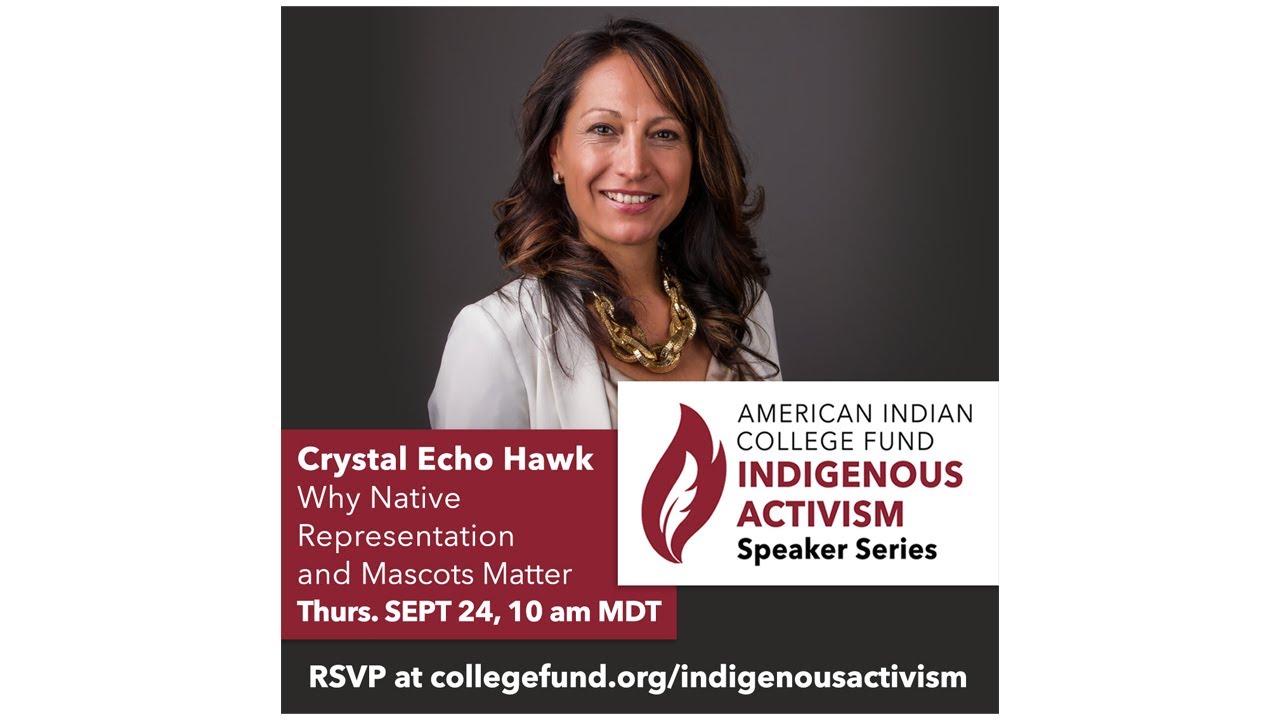
. We can look at some of the tough issues that Illuminative has brought to the forefront over the last couple years, whether it was helping the Washington football team recognize the need to change their overtly derogatory and dictionary-defined racist term towards indigenous people. What do we want?
Justice! When do we want it? Now!
I saw a real change in the education level on Capitol Hill. The data that Illuminative brought to the table in terms of the name change issue. Prior to that, it was you had an opinion, I had an opinion, and you know what?
Maybe we have to agree to disagree is how people really thought about it. But when we could walk into a room and say, no, here's the impact on our kids. Here's the impact on our communities.
Here's, you know, what happens when our children have to see racist mascots. We will be calling on the NFL to end its racist exploitation of a Native Americans and do one thing, change the mascot. That is what I really think got us over the finish line in raising the noise level on this issue.
Now it's time to get out there and vote for the things that matter most, doing a ton of get out the vote messaging and community organizing. We build a website where people can actually go to register to vote, and ensure that people feel really empowered with a lot of different resources so that there's just no reason for them not to show up and vote. We turn now to look at how Native American voters could sway next week's election.
Seeing that the native vote has made such a significant difference. In 2020, it was the razor thin margin by the native vote that won Arizona. I, Deborah Haaland.
I, Deborah Haaland. Do solemnly swear. Do solemnly swear.
Representation has started to pick up. We have the first ever Native American cabinet secretary in Secretary Haaland. We have the first Native American women elected to Congress in 2018.
I think we've hit a critical mass of ideas, and doers, and friends, and access that's allowing us to build infrastructure and systems for our people that haven't existed before. Illuminative is part of what I would consider an indigenous renaissance that's happening in America right now. It's gonna take decades to unwind the decades of harm that have happened, but using narrative as a way to inspire and vision a better future for tomorrow is a battle worth fighting for.
We have to very intentionally set out to disrupt and interrupt that erasure every single day, and constantly remind the American public, key institutions not only are we still here, but we are thriving.