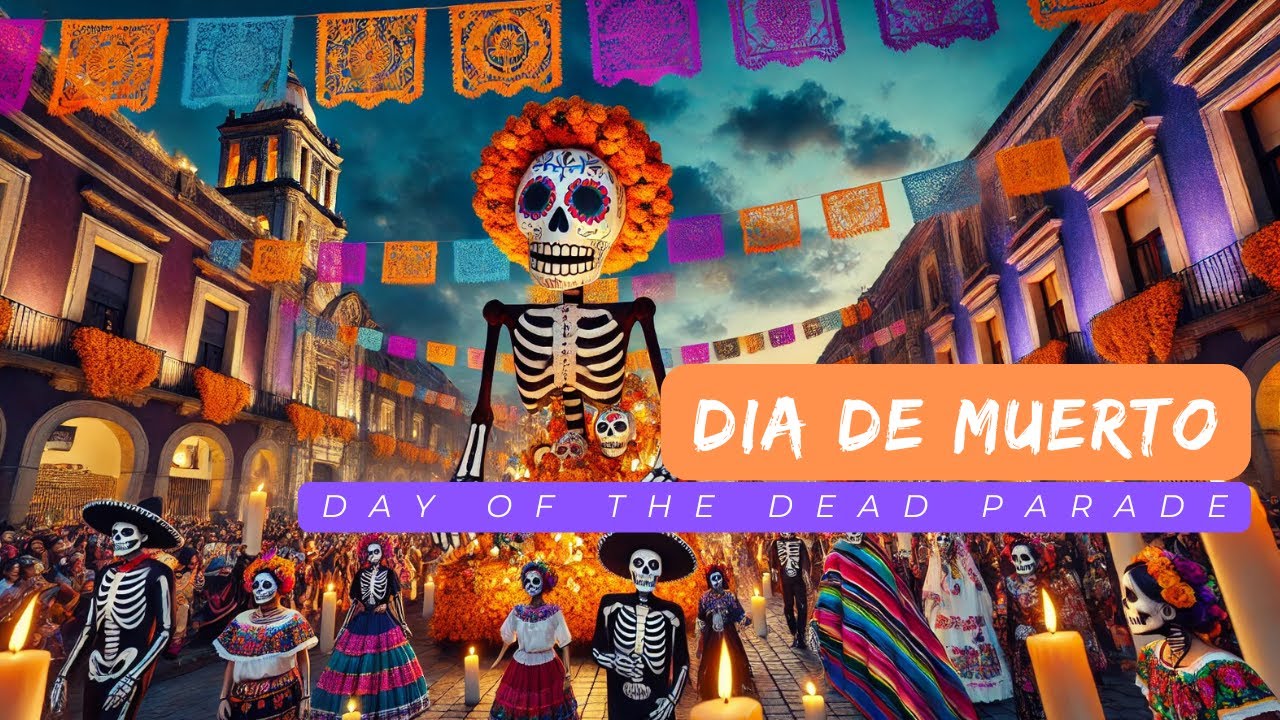
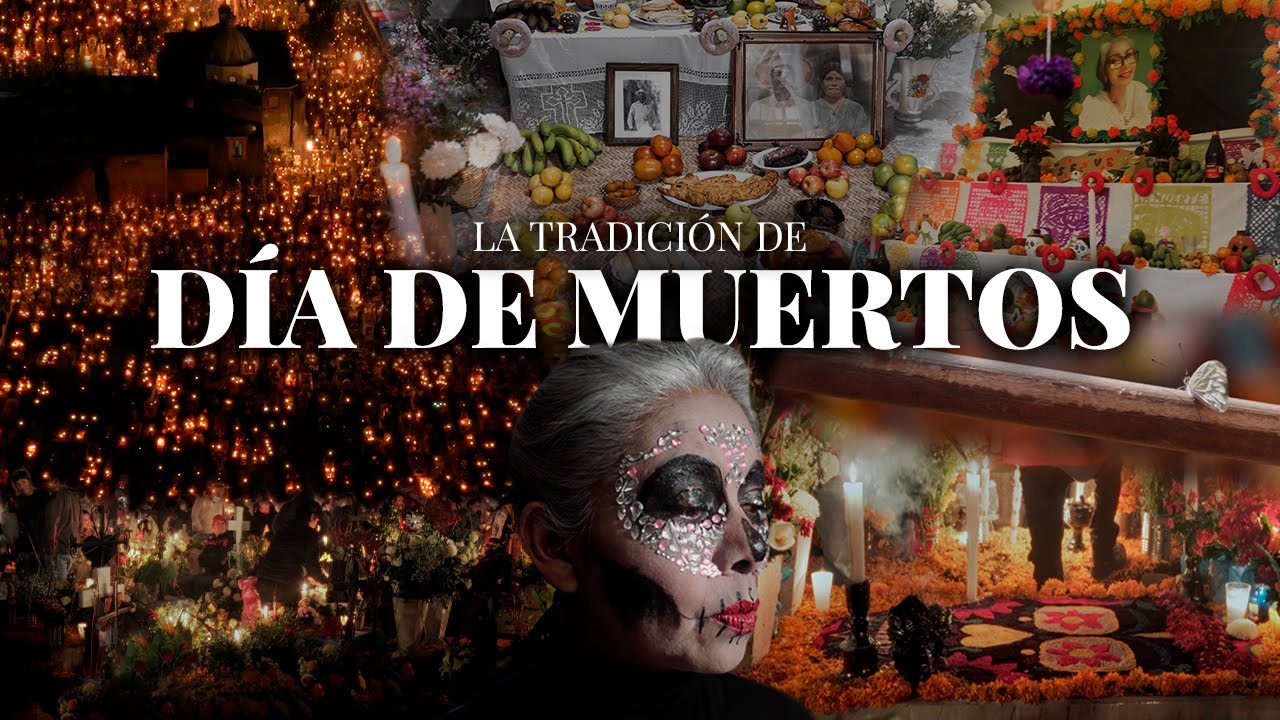
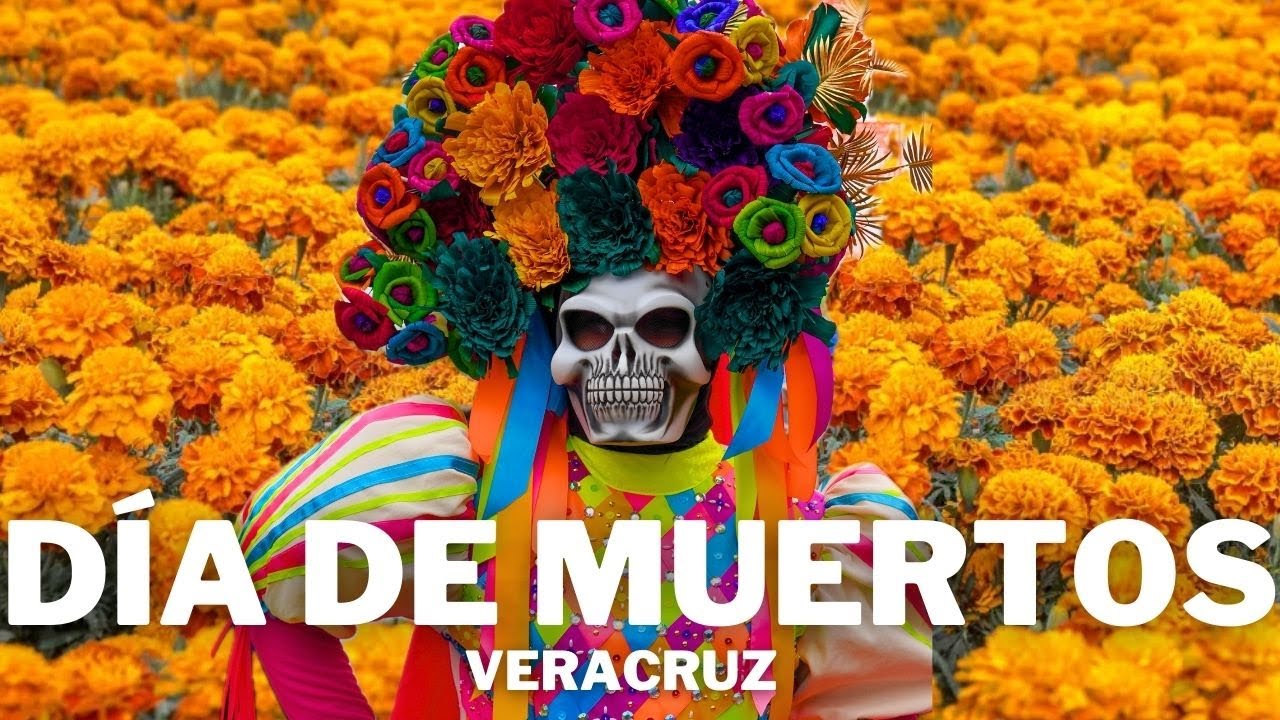
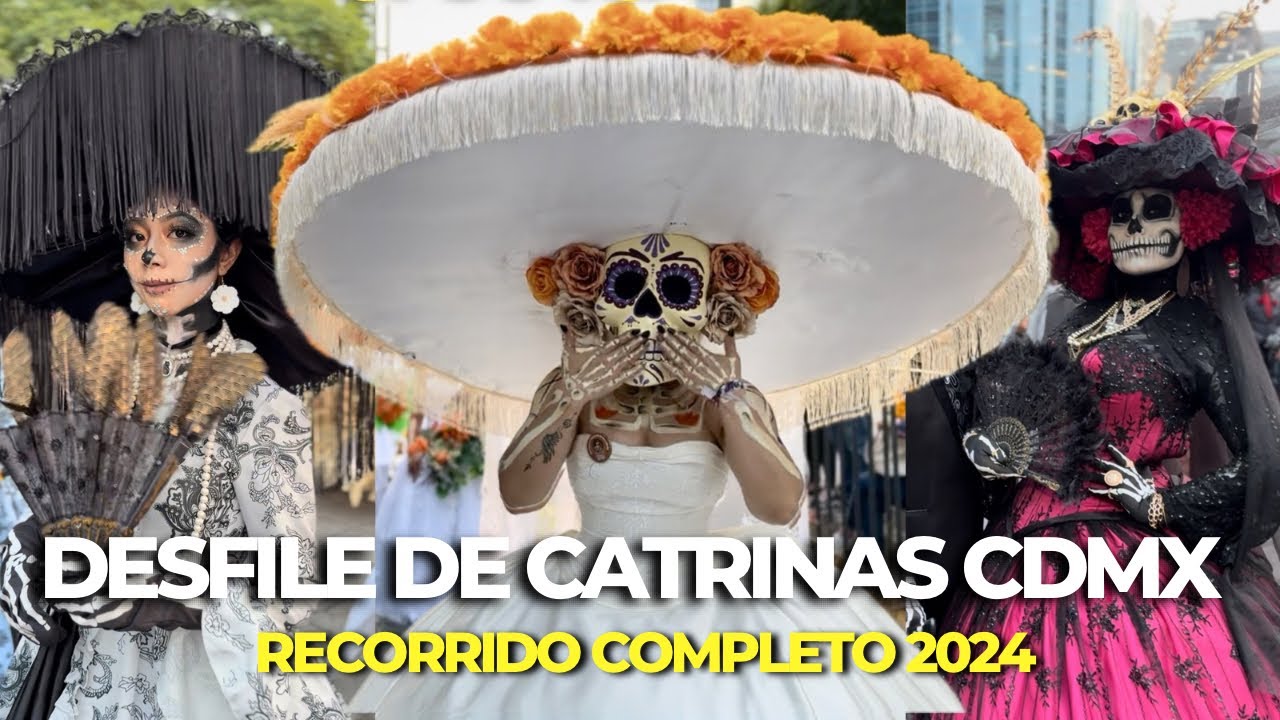
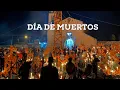
The Day of the Dead in Mexico has its origin in the belief of our Native American about life after death: the Mayans, Aztecs, Huastecs and Purépechas, all without exception had their own worldview in which death occupied an essential place. Death has a different meaning for each culture and country in the world because of the heritage of our ancestors. In Mexico there is a party, lots of food and dancing.
November 1st and 2nd are the official days of the Day of the Dead, celebrating the lives of those who are no longer with us. That is why we went to the heart of the Purépecha culture in Michoacán to enjoy the offerings, the music and the nostalgia with which our deceased are remembered every year. Since you arrive in Morelia, the capital of Michoacán you can feel the Day of the Dead festivity in the atmosphere, the decoration and the hustle and bustle of the streets indicate that the feast is near.
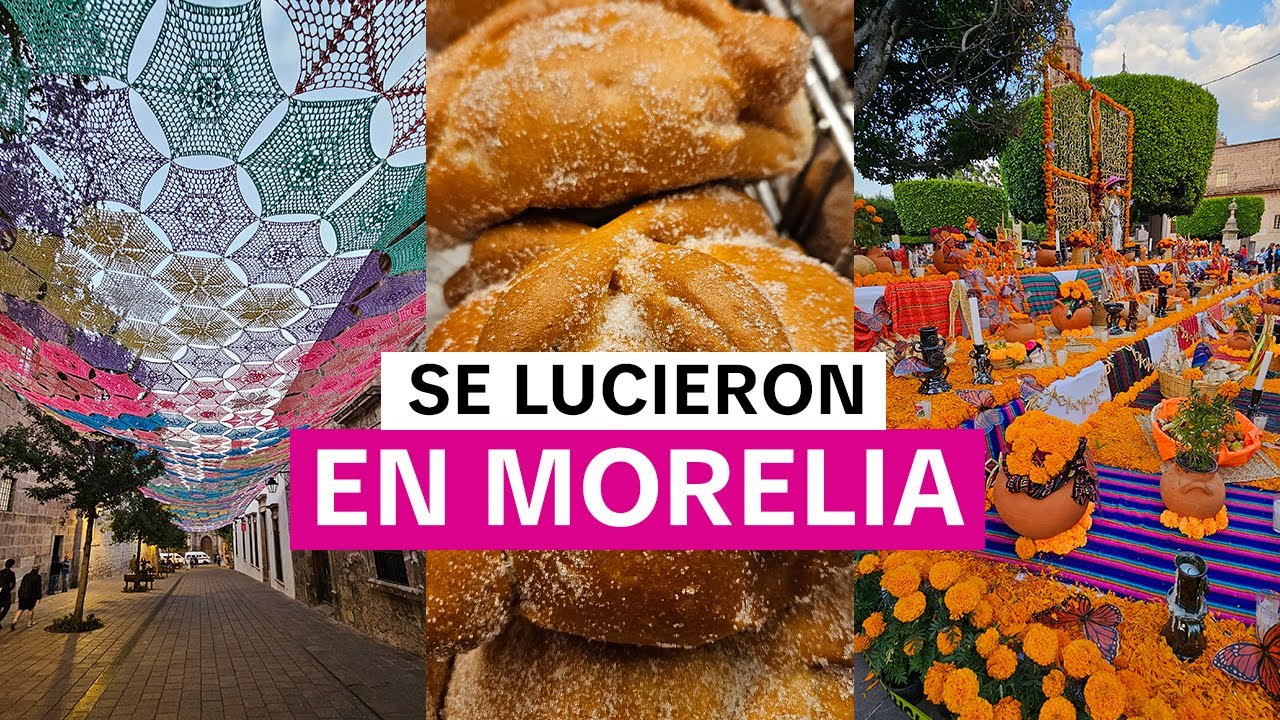
Our starting point on our Day of the Dead tour is Morelia, which is a very nice city with some very nice alleys and streets. The squares of Morelia are full of altars that remember the deceased where they pray to their souls, photographs and the favorite food of the dead are placed. It's amazing, it's a pleasure for the eyes, just walking down this road and seeing all those handmade altars is beautiful.
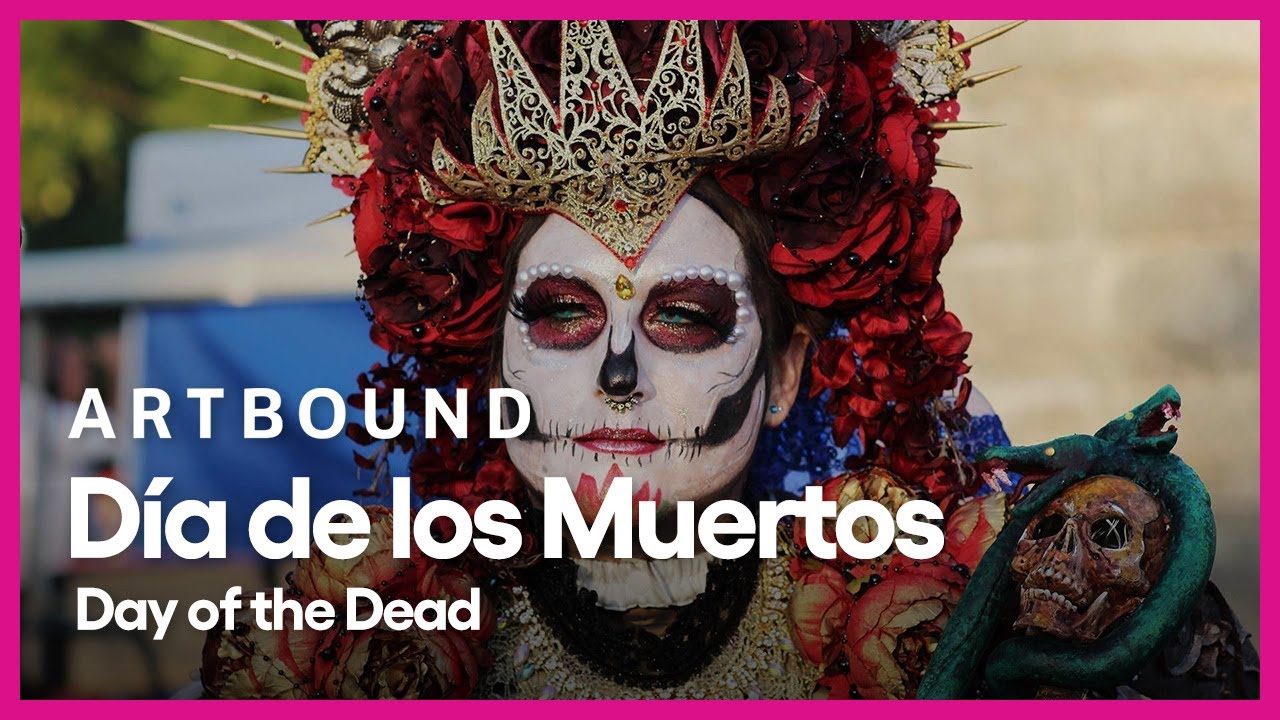
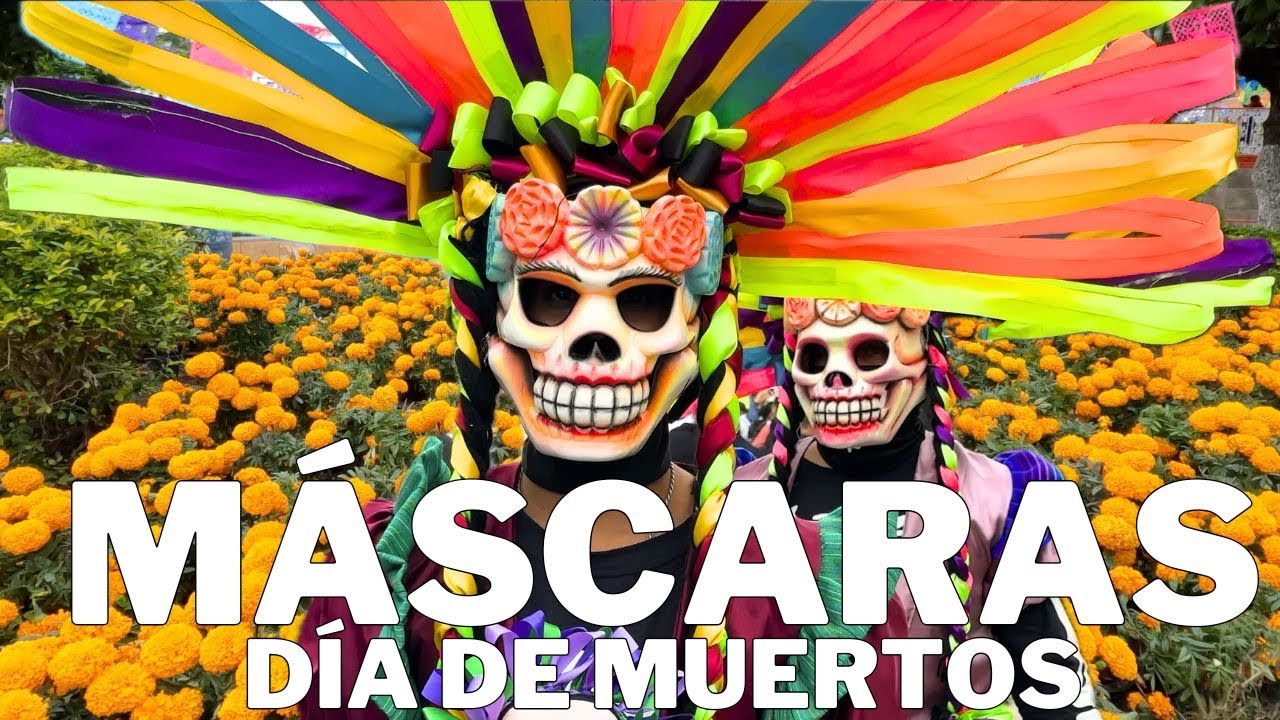
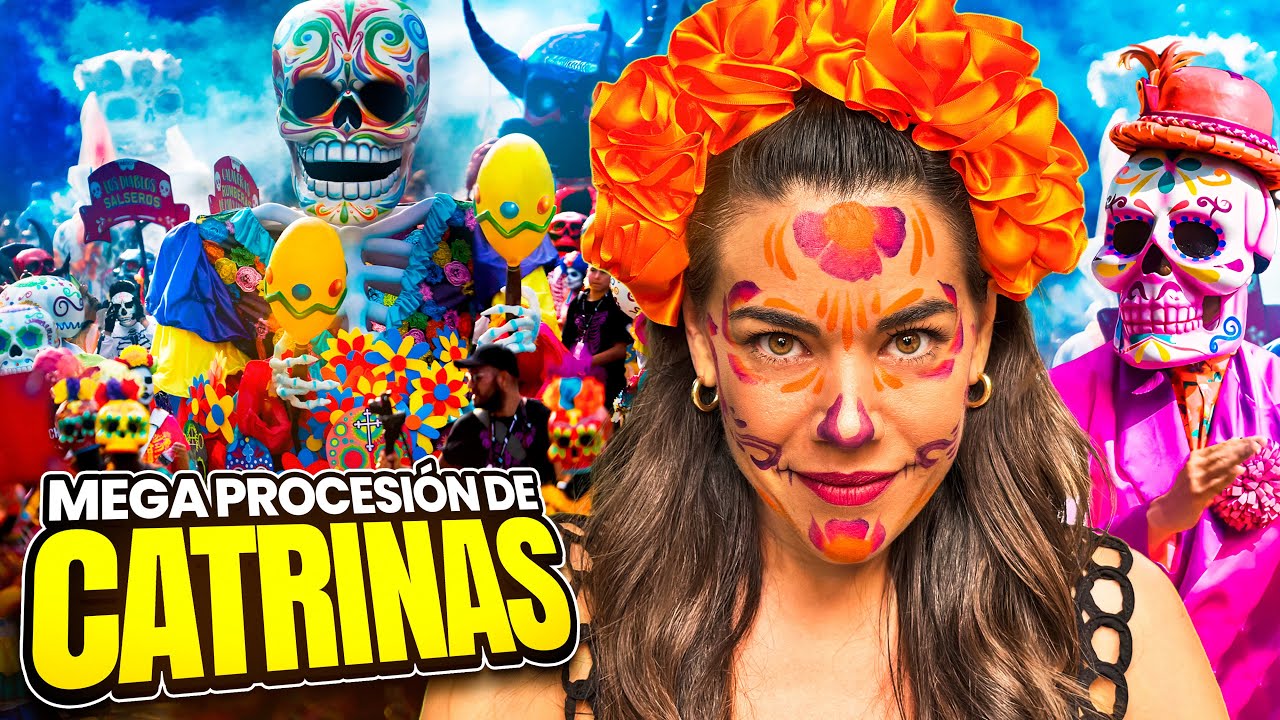
To feel the purest essence of the celebration of the Day of the Dead, we leave the city to go to the towns, on the shores of Lake Pátzcuaro where the Purépecha culture has settled for hundreds of years. The first Purépecha town we visited is Capula, famous for the work of its artisans, who stand out for creating beautiful catrinas. Now we come to the first magical town of this Day of the Dead, which is the town of Capula, famous for its Catrinas, there are many of all kinds, of many sizes too, and there are even with little animals.
The catrinas are inspired by the figure made by the Mexican illustrator José Guadalupe Posada, who is from Aguascalientes. So, let's see if we find Antoine a beautiful Catrina. Yes, let's see.
. . we see.
In this town they make catrinas with clay. What are you doing ma'am? painting.
How long does it take to make one? In the painting of these little ones, well, I finish all of these in one day, and of the big ones, one all day until night. I'm going to buy a catrina she has macaws, monkeys and she has colors in her hair.
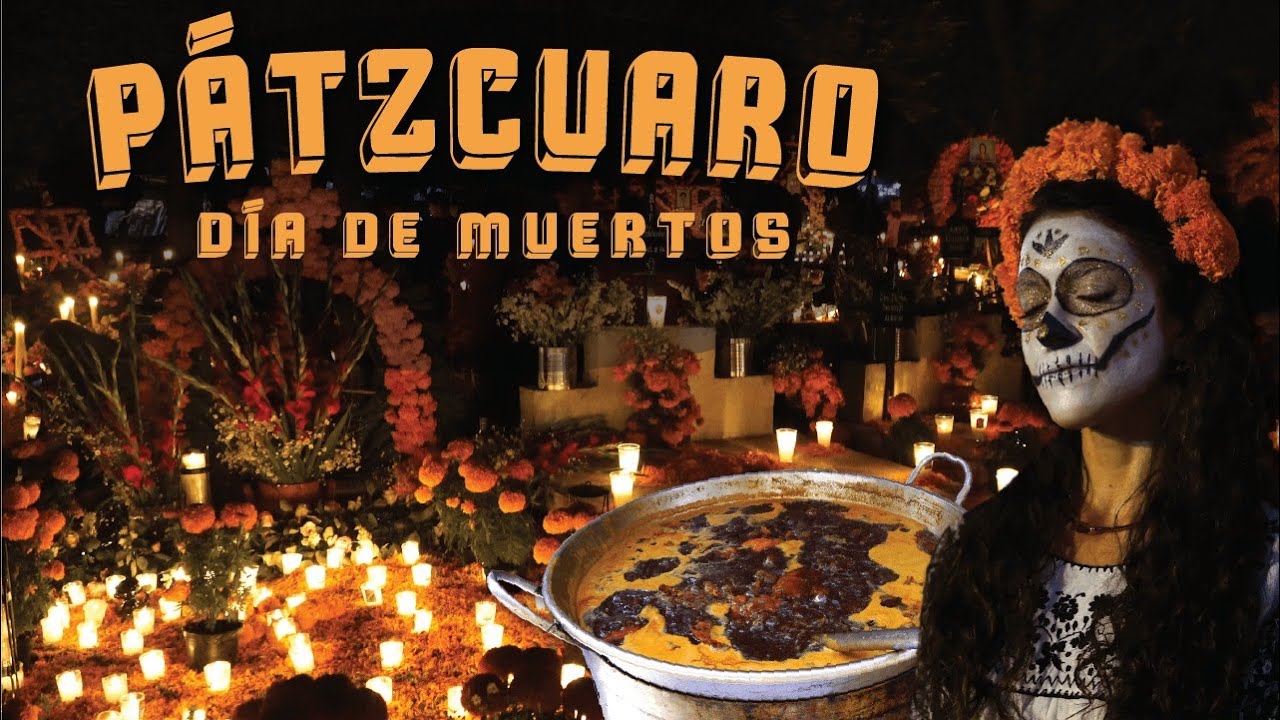
The best advice I can give you on the Day of the Dead is don't eat too much before going because what you will find the most on that evening is the traditional food of Michoacán. What are you going to eat Jim? It is a gazpacho, it consists of pineapple, jicama, cheese and black chili.
The gazpacho is from Morelia. and it has orange juice, cheese, black chili, chamoy, salt and lemon. In some places they prepare it with onion and green chili.
They are exquisite, I recommend them mango, pineapple, jicama, cucumber, with a lot of lemon and salt. Interesting. And sometimes they put black chili powder and Cotijo cheese on it.
It is very exotic. From Morelia to the world. The guides were our friends from Cima Expediciones who organize mountain tours through the most beautiful trails that surround Lake Pátzcuaro and also the main mountains of Mexico.
We continue with the crafts. This is a wool Poncho. Of sheep?
of sheep It's a gift for my mom. It is very hot. My mom is going to love this gift.
Amy, what are you going to eat? Corn. They look delicious.
It's with mayonnaise and cheese and a little chili. Its very good. The Esquite is super rich.
It is a yellow corn and the grains are gigantic. I feel how the Michoacan corn melts in my mouth, very rich. The native peoples celebrated their dead after the harvest season between the months of September to November.
In addition, the indigenous people assumed that death is not sudden but a gradual transformation so they used to keep the bodies of the deceased close in the patio of their houses until they become bones a sign that they have reached their destination and rest in peace. Around the same time in autumn, the Spanish conquerors celebrated All Saints' Day. When conquering Mexico the Catholic Church made the Day of the Dead celebrations on November 1 and 2, with the fusion of both traditions, that facilitated the conversion.
Currently, the Catholic Church assumes the Day of the Dead and gives it a meaning within Christian theology, which is why it is possible to find altars of this celebration in churches around the world. It is crazy that we are in a cementery and there is so much life, there are many people here. I love that they put a lot of flowers on the graves because it gives more joy to death , it gives a different image than what we are used to in North America.
We follow some young people from Capula who proudly show us their suits among streets with adobe buildings. Hey, the houses here, what are they like? They have mud, the mud has to be crushed a little, and after crushing it, it has to be soaked.
Manure, animal excrement, is added to it to make the mixture, to make the adobes, the advantage of adobe is that it is stronger, more resistant and in cold weather it is hot, and in hot weather it is cool. We met Sergio Arroyo the creator of these costumes alluding to the Day of the Dead in Michoacán. We are all from here, from the town we all join to work and live together and suddenly they come and look for us because of the monarch's dress.
And do you design them? Yes, I design them. We create them and it takes around six months for the monarch butterfly, it also took six, six to seven months to prepare what do we put on it, if the butterflies, the Tarascas.
Capula! The evening was just beginning the mission is to spend the night of Ánimas with the residents who live around Lake Pátzcuaro. Our next town was Santa Fe de la Laguna.
We have already arrived in Santa Fe de la Laguna. This is a Purépecha town here people still speak Purépecha. Bye!
In Santa Fe de la Laguna they have the tradition of decorating the door frames, they only do it in those homes where there was a dead that year. How nice. The streets of Santa Fe de la Laguna already show the spirit of celebration children and families happily dance the favorite songs of loved ones who are no longer with us.
That's beautiful, it's Coco come true. Hello. Bye.
How are you doing on this day? Well, do you come from far away? From far away, they come from Canada look.
Seriously? From Canada? From England.
Seriously? It's okay, you're welcome here. What does it mean?
You came a long way. What's your name? Jorge, nice to meet you.
My name is Selene. Nice to meet you. You are welcome here.
How do you say thank you? Thanks. Thank you very much.
Now we are going to buy fruit because tradition says that anyone who enters another's house has to bring something to the offering. I bought two pieces of cane for the deceased. We are going inside and learn and talk with those Purépecha families.
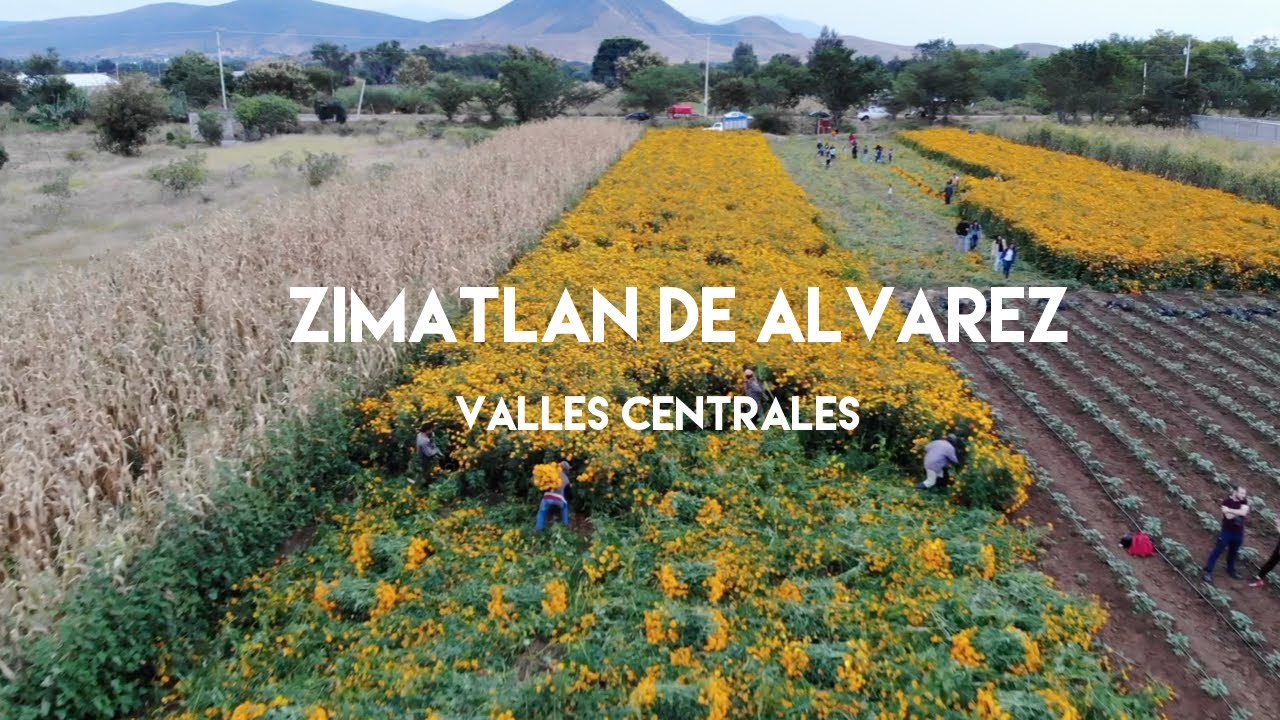
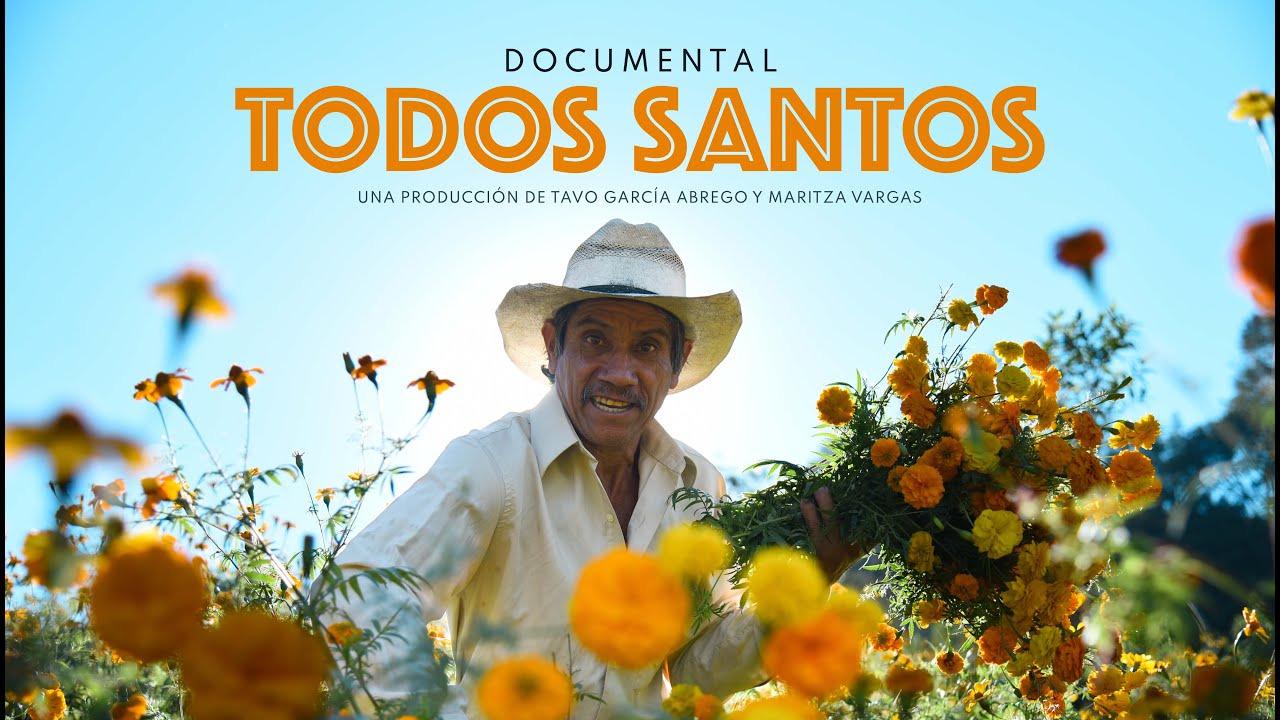
Well, we have come across a very beautiful altar and the whole place is full of cempasúchiles, how beautiful. The altars are made to relatives who died this year. And in this family, who are we remembering?
We are remembering one of my aunts, she was very kind. She is a sister of my mother because people come to bring offerings to all those who bring offerings, we give them pozole, atole with bread, I invite all the people to come and wait for my aunt and we are already waiting for them. People will come during the night to leave offerings to Mr.
Celia and to thanks them will give them food. I went in and they offered me a very tasty atole and this bread. It is incredible to see how the facade of the houses and the door where they remember the people who died because they have an arch of Cempasúchil flowers is the characteristic of this town.
Very nice, also because of the decoration and the fact that they share with everyone even with people they don't know, I find it very nice. Atole and bread. On the floor we found Cempasúchil flower paths that led us to other altars in the Purépecha houses.
This path helps the deceased find the altar it is a path made of Cempasúchil petals. Excellent. And there is the portal of flowers in honor of Tata Alberto.
Good afternoon, we bring an offering here. We come to leave an offering. Where do we leave it?
over here Good evening. Excuse me ma'am, who do we remember here? It is to my dad that we put this altar.
He was from here, from Santa Fe. My dad lived here, right, and he passed away in April, here is a tradition to have an altar, and we prepare it to wait for him. and when he arrives?
Well, maybe at night he arrives here, my mom and dad are in altar. His name was Alberto, but for the next year we won't have an altar anymore we just make an offering that we can put on the table Ah an offering, so this altar is for a person who has just died? Yes.
It is believed that the aroma of the Cempasúchil flower on the altar helps the souls to reach their offering and the light of the candles gives peace and hope for them, they are guided them to get home. Let's leave the offering. The altar has flowers, candles and fruits.
Look, there is the cross that the godmothers bring, they adorn the cross. It is very pretty. Yes, it is pretty.
All this is an expense, we spent about $3,500 pesos. Very nice, a palace. A palace, thank you.
The parade of offerings does not stop for Tata Alberto and his wife. People come and leave their offering and the landlords prepare some food and give them. The door stays open until they finish what they have prepared when the door closes it is because there is no more food and people stop coming, that is the tradition.
Well, congratulations. There is chocolate, there is pozole if you like. You are so nice, thank you so much.
Only chocolate, that's fine. Only chocolate? Yes.
Good. The landlord prepares Pozole or tamales with atole, but you only invest in making an altar once. It's only one year.
But, the following year, you just make an offering, people no longer gather. Are you losing this tradition? No, it is not being lost we are doing it every year, year after year, when someone dies one year you have to make the feast.
We continue to keep the tradition we continue to maintain everything that our grandparents taught us and so we continue. We do not leave the tradition, nor the dialect, we have to continue. We just entered the second house they offered us chocolate with bread, it is delicious and many testimonies from these Purépecha people who are lovely.
They explain to us how the tradition lives they go from door to door leaving offerings, remembering the deceased. The whole community gets together and go to those houses that have an altar they bring something and they receive food in return. It is a way of remembering the people who were with us.
Then we went to the altar of Tata Tomás whether by tradition, celebration or conviction the feeling that we all share on the Day of the Dead is the same: love for family. Greeting to those from abroad those who visit us, cheer up guys. These little children showed us an unforgettable dance.
Strong applause. They surprised us with a local dance. I wanted to cry a little, because it was so pretty.
Oh yes, of course. You guys danced really well. How old are you?
Ten, eight. I almost cried Jorge, I almost cried it was very nice to see the ladies arrive with the offerings and all of them put the offerings on the altar and then the children danced, I almost cried. We would love to be able to pay tribute to all the deceased of Santa Fe de la Laguna.
but that year there were many houses with an altar. I am buying fruit because we are going to visit a family and the way to enter and visit an altar with respect is to leave something in return. We are entering the house of a family that gave us permission to give an offering to the people who died, there are canes, there are several things that can be offered to the family so let's see.
We are placing the offering because they invited us to their house and it is a way of showing respect. Rosario Gabriel Díaz was the name of the deceased and was the head of the family for many decades We asked someone of his descendants to tell us more about him and his altar so we met his granddaughter Heidi. Tell us who are we remembering today?
He is my grandfather, his name is Rosario Gabriel Díaz he is from Santa Fe, he is like a legend I mean, everyone know him really well. I will always remember you, grandfather even if you are not present here, alive in body and soul. I will always remember you and I will carry you in my heart and I will never forget your words.
I will never forget it, ever and neither does the language. Neither, ever. Just don't cry, just remember.
Tears like happiness, it's like nostalgia like feeling close to your dead relatives. This is being lost in the city so I think it is important to remember our ancestors and all the people who are no longer with us. We only do it when our relatives have just passed away.
We prepare everything like this, we make atole, pozole or tamales. And do you share it with the townspeople? With the people who remember him and bring him offerings and then we give them atole and the other year, the Day of the Dead, we don't celebrate it, we do it, but not as big as before we just put a small altar but not as big as before only the family gets together and prepare a small meal, and only that.
This tamale that my cousin brings is a tamale from here in Michoacán. Heidi, thank you very much for opening the doors of your house, of your family and well, here we are remembering your grandfather with a tamale. Delicious.
Thanks. Thank you very much. Many thanks.
It's good? Much. don't lie.
. . Thank you very much for the tamale.
It is delicious. It is nice to feel this family love towards your grandpa and I wish we could replicate that. It is a very beautiful tradition and I feel that it is necessary to continue the tradition so it never ends.
And I'm going to be honest, it's the first time I've celebrated the Day of the Dead and I'm Mexican. . .
and from Morelia. This tradition should be spread because it is very beautiful. What is your advice to keep the Purépecha language?
I would like for people never to stop speaking Purépecha is something special and very beautiful. I feel very happy when people tell me that I speak very nicely because there are other places where they no longer teach the language, there are even parents who only teach Spanish to their children and there are only a few who speak Purépecha and that is not good. We have to feel very proud because they are our roots and we must not lose them for me, this is beautiful we must continue speaking Purépecha.
How do you say I love you? Love you. My aunt says that to him.
You are very handsome. Look, they visit from the United States, England, Canada, Quebec and Tamaulipas. Thank you all very much for the delicious bread, it is a great present for the deceased it is a very nice tradition and thank you very much for having us.
Thank you all for the hospitality. I am happy to share this moment with you in memory of your relative who has passed away. Rest in peace Rosario Gabriel.
Thank you for the food, it was delicious, this tradition is one of the most beautiful I have seen in the world and very honored to be here with you. The devil got into him. You must be very proud of Heidi because she proudly shares the Purépecha roots and I love that you continue to speak your language, and let's promote this that is also Mexico and long live the Purépecha Nation.
Viva! Bravo. We listen to Pirekuas songs at home but we don't speak Purépecha we just listen and we really like the music of their region.
Heidi sings a Pirueka (song in Purépecha). Oh yeah. .
. Bravo! Bravo!
Rosario Gabriel Díaz will always be remembered with a smile and will be present in the hearts of his family. Goodbye, say bye to the camera. Goodbye, have a good day.
We take the opportunity to dance in the streets of Santa Fe de la Laguna. Sweet! But not everything is joy in Santa Fe de la Laguna the grandmother who inspired the character of Disney's mother Coco has just died.
Mr. María Salud Ramírez Caballero was 109 years old and was a potter. The next town to visit is Eronguarícuaro here we saw a beautiful demonstration of folkloric dance the most famous dance in Michoacán, the dance of the old men.
There was a lady who stole our attention at her 80 years old, she danced with happiness enjoying her Purépecha culture. The legend that gives rise to the Day of the Dead in the history of Mictlán, the Underworld of pre-Hispanic cultures, Mictlán is the place of eternal rest for the souls of those who have gone before us and was created by the gods. After a journey of nine stages crossing obstacles that measure the strength of the spirit, the exhausted souls arrive at the gates of Mictlán and there they are received by the death gods.
Food abounds outside the cemeteries. A lady invites us to try a delicious pozole that she sells at her house. Pozole is made with corn grains and pork accompanied with radishes, lettuce, onion, chili and oregano.
According to ancient documents such as the Florentine Codex, the origin of pozole comes from human sacrifices. The Nahuatl elite ate shredded human meat cooked in water with corn in a broth similar to Pozole. Delicious.
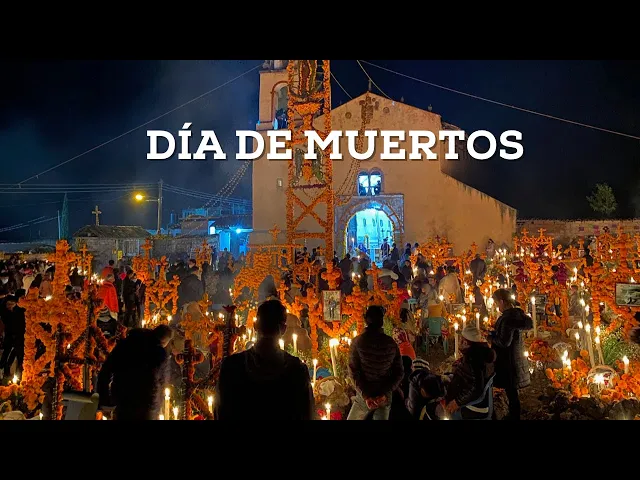
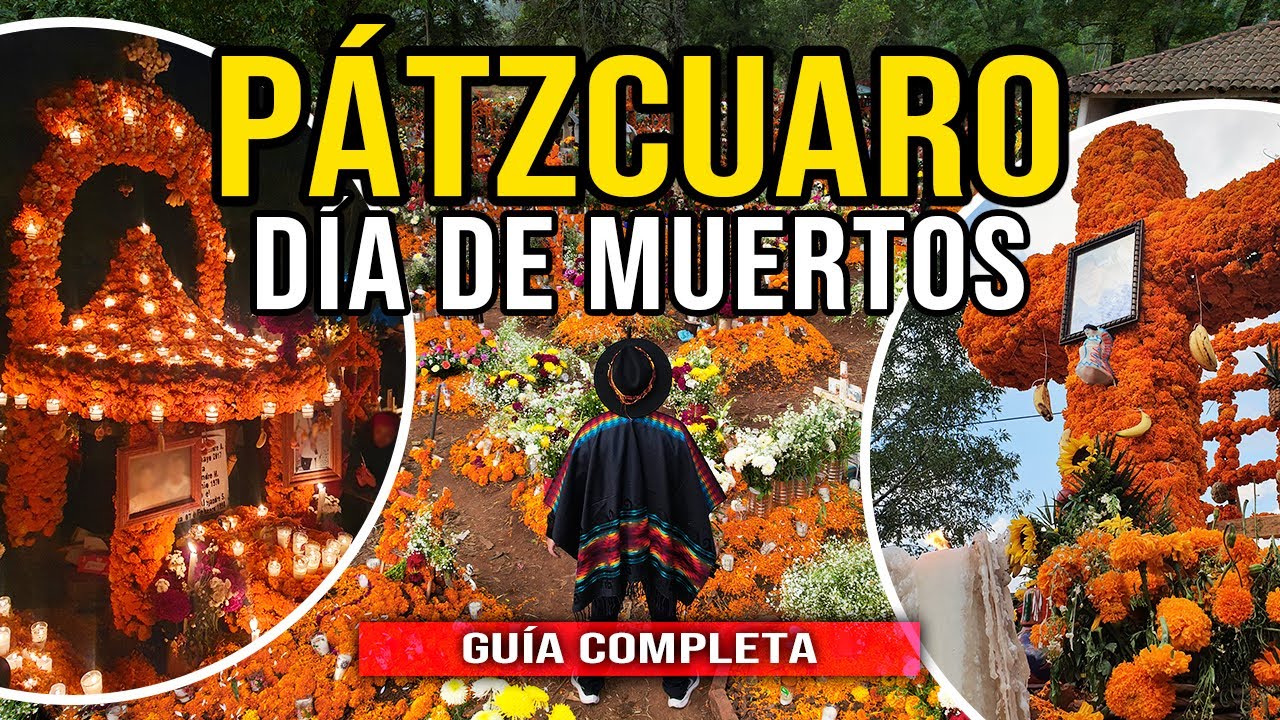
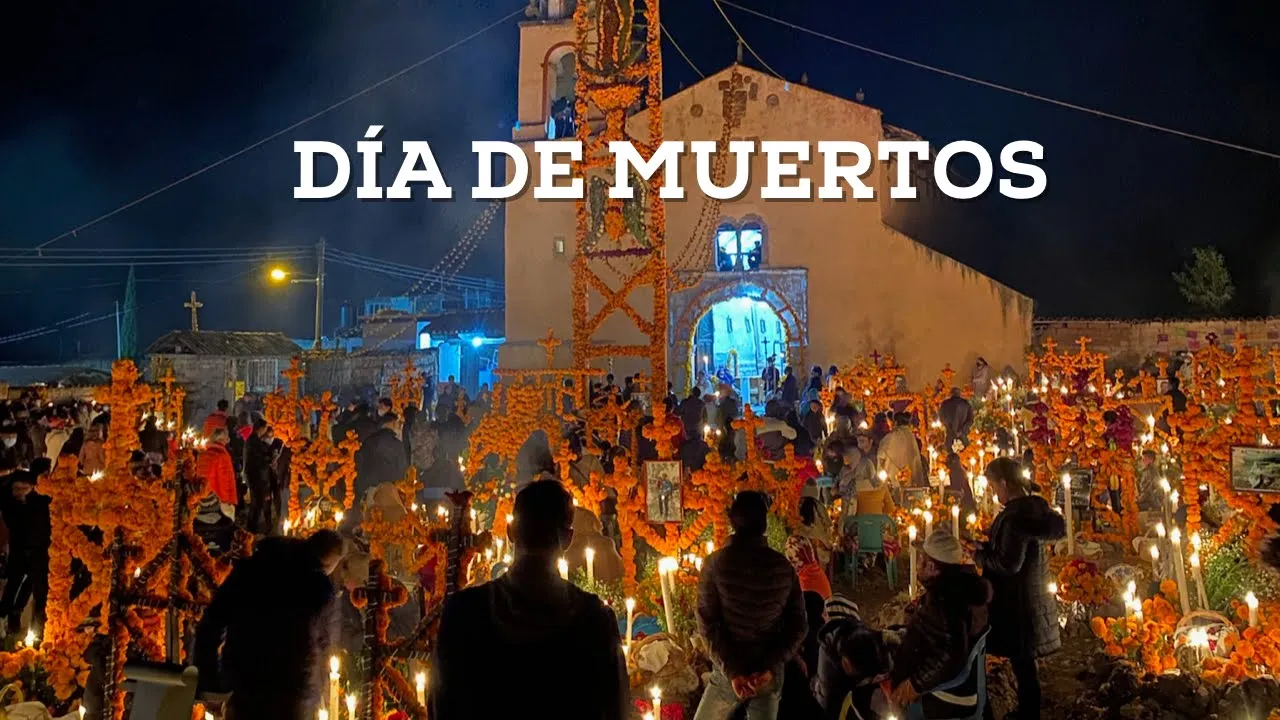
He also gave us to try the traditional Ponche with tequila it has Jamaican water and fruits such as apple, guava and tejocote. We continue around Lake Pátzcuaro to visit the most scenic cemetery in all of Michoacán as it is located in the atrium of the church in the Purépecha town of Arocutín. This is the Arocutín cemetery and I think it is the most beautiful I have seen in my life It is incredible how it is only lit with candles and you feel a warmth with the combination of candlelight and the Cempasúchil flower.
This is the real Michoacán, the real Day of the Dead. Very charming, it looks very magical too, the colors, the candles. It is very beautiful with all the flowers and candles there are many Cempasúchil flowers and there is an orange aura with all the flowers and candles together.
They allowed us to climb the bell tower of the Arocutín temple to see the cemetery from above on a night as special as the Day of the Dead. We were missing the most famous cemetery in Michoacán that is in Tzintzuntzan, the old capital of the Purépecha Empire the cemetery is known for its party, people gather to drink the dead man's favorite drink next to his grave and dance until dawn, There we realized that we would not sleep that night. Well, here in the tombs we can find the favorite food of the deceased that is left for him.
What I like about the Tzintzuntzan cemetery is that there is music, we listen to the band as they play for the deceased and there is a party, people are drinking on the graves. It's a cementery party, it's amazing. The most emblematic cemetery for the day of the dead in Michoacán because it is one of the largest.
The Day of the Dead in Michoacán has been one of the greatest experiences of my life and I believe that every Mexican should experience it, so come to this state to experience the Day of the Dead in the Lake of Pátzcuaro.