Salvete, omnes. I'm author DL Wainright and welcome to another episode of Mythic Monday. Today we're going to be talking about the strix, because I promised in a previous episode that I would and someone in the comments sort of reminded me that I said that, so.
Yep. So, like I said in that episode, which was the Strigoi one, both strigoi and strix have the same root word, which is in Latin it's strido or stridere. Which means like to screech or to scream.
And that also kind of derives from the ancient Greek strínx. Probably not pronouncing that right. Uh, which similarly is like it's something that is screeching.
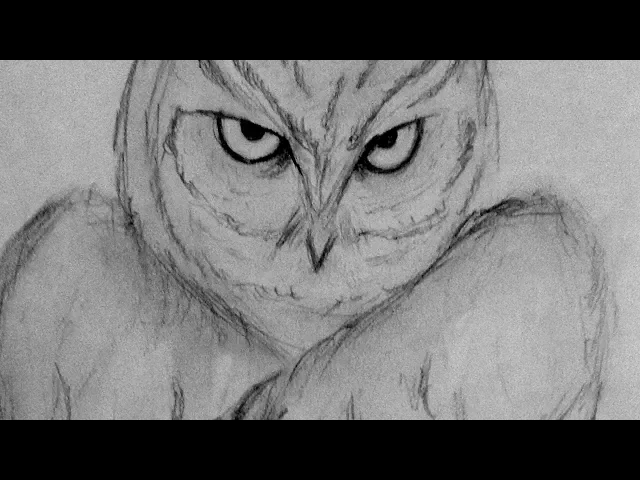
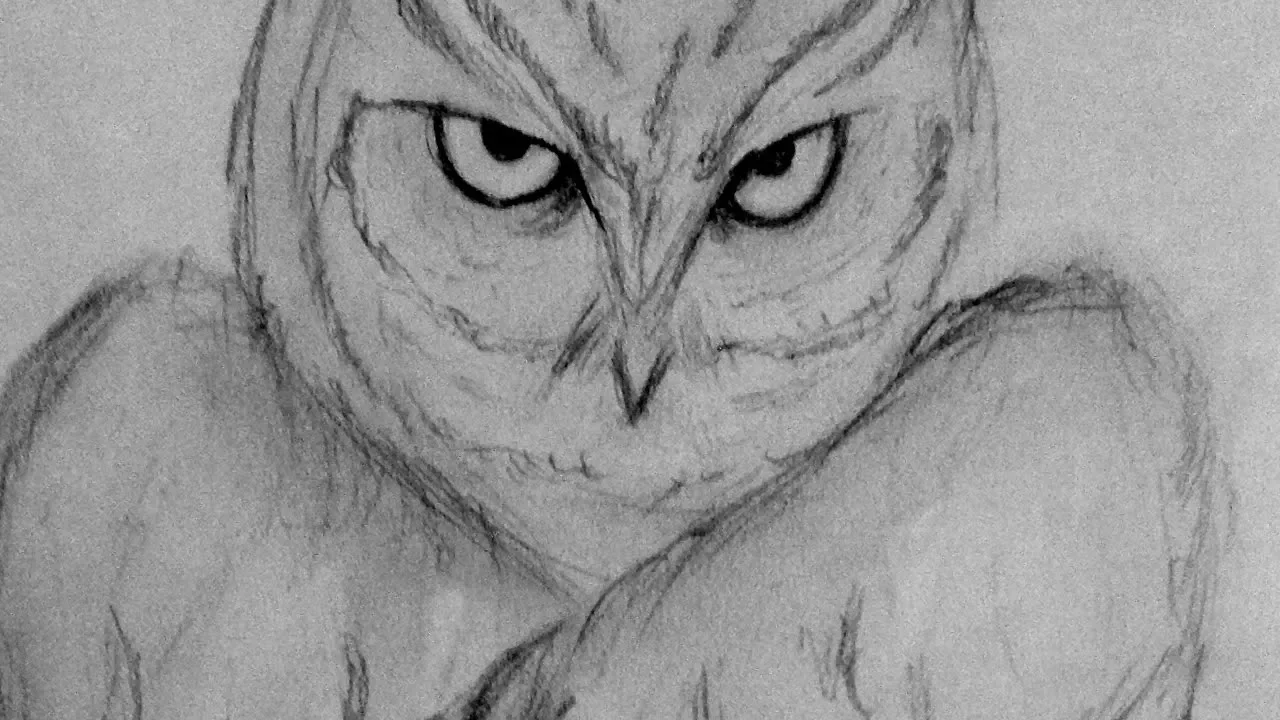
Strix today is often used in the genus of most owls, and there's a reason for that. Partly because owls screech, but also because strix in it's mythological concept was an owl or referred to an owl like-thing. The earliest recording of the use of strix in Greek mythology or reference to what became known as the strix was in 4th century BCE.
There was a story of a woman named Polyphonte, and Polyphonte rejected Aphrodite and went off to live with Artemis in the woods. And this ticked Aphrodite off, so she cursed Polyfonte to fall in love with a bear. Artemis kind of happened to see this amorous connection and was understandably repulsed by it.
So then turned the bear and other animals against Polyfonte. Polyfonte fled to her parents' place, where she then gave birth to her monstrous bear hybrid children. Two sons that were giant, and they were horrible horrible people.
and they just were not respectful to the gods, they were jerks to humans--and in fact tended to eat people. So eventually the gods, Zeus in particular, decided enough was enough and was going to punish Polyfonte and her two monstrous boys. Initially he was going to have their heads cut off and their limbs removed, but Ares who was an ancestor of Polyphonte, stepped in and ask for mercy.
Mercy in this context ended up being instead of being killed, Polyfonte and her two sons were turned into different birds. Polyphonte particularly was turned into a screech owl, or a strix. However, many stories both in ancient Greece and then later in Roman times tended to refer to this creature as a type of thing, almost kind of like a harpy or something, as opposed to it being Polyphonte herself in monstrous bird form.
The Romans sort of had this concept of it being different old ladies who were turned into these horrible bird things, but then there's also alternate stories where they just always were bird things that's just what they were born as. For the most part, this creature is called a strix, but throughout the areas that Rome touched it has sort of variant names, and even over time in Rome and central Italy it. .
. its name changed or it became changed itself into something similar but different. So it might be called a strix, but it might be called a strige or a strege or a striga or stria, or pretty much if you see anything that has sort of a strig kind of, or strix-y kind of root to it, chances are it was a strix and it kind of evolved into this other entity concept.
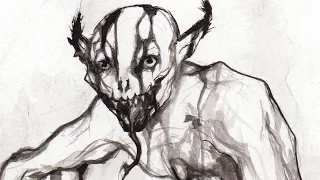
So what is a strix-slash-strega or strege? It's a oftentimes witch kind of thing, but also a horrific bird thing that would feed on babies in particular. Though strixes were also known to eat the intestines of just grown-up people.
For the most part though their primary food source were infants. They would sneak into the infant's room and then they would suck out all of its blood or its marrow and sometimes also its intestines. And sometimes also its heart.
And then sometimes it would, like, stick other things in the place of its heart and intestines. But, it would leave them a husk that was once a baby. Later on during like all of the witch trials and the Middle Ages and things like that they started to take more human-like aspect.
And so then they would disguise themselves as wet nurses and they would feed the infants. They would suckle the infant's themselves, however what they gave them wasn't nourishing milk but was a poison, and so it would either put the infant or sometimes small boy under a spell and they would steal them away or it would just kill them and then they would take 'em and they would eat them. But either way they still continued to prey on infants and small children pretty consistently, until again you get toward sort of more of like the Middle Ages.
But, like, for centuries beforehand they would be associated with different types of owls, be it screech owls or horned owls or sometimes something called a "night raven. " . .
. It's honestly probably just a type of owl. And the only person who tried to associate them with bats was a professor named Oliphant during the early 1900s.
And he tried to argue that they were bats instead of owls, despite all of these centuries worth of things talking about them having feathers and beaks and owl-like attributes, because his argument was they expressed mammalian traits, such as being able to suckle. And you know birds don't have teets. And so he evidently was just completely oblivious to the fact that hybrid beings were very common in belief systems in the Mediterranean especially.
There were many things that were crosses between birds and people or people and other creatures, that would normally not express mammalian traits but now since they're spliced with people they do. So I would not really consider Oliphant's argument entirely valid. Another reason why I really wouldn't give much credit to it is because it makes more sense--again, in that region of the world--for them to be associated with owls than it does for them to be associated with bats.
Because bats that drink blood only exist on the American continent. Over in Europe there's. .
. bats aren't very threatening. They're tiny, they're cute, they-they don't do anything but eat bugs.
Owls however can get massive, and owls can be terrifying, because they can eat your cat or your small dog or indeed your baby. So it makes more sense that these terrifying night monsters that would feed on infants were related to owl incidents, than anything to do with bats. Bats would have nothing to do with babies, they would be no threat to babies, and there would be thus no resulting folkloric beliefs in bat monsters hurting babies.
Now during the Middle Ages, there were some changes to the concept of the strix--then commonly more called things like the strege or the striga-- because they were being influenced by a lot of the other aforementioned, like, witch hunts and trials of the time. So there started to be accounts of them, instead of being owls they would be wolves or they would be cats, but again no bats. Bats are-bats are small and not harmful.
They're very cute, if you've ever met a bat. However it should be noted that the strege of central Italy, though, that would be put on trial for witches-- for being specifically strege witches-- were noticeably different from the witches that were put on trial elsewhere in Europe. Because the other witches, they would be witches who were in a sense sort of desecrating Catholicism.
They were desecrating the the holy rituals of Catholicism. The Eucharist and things like that. They were in particular just very anti-God and would make pacts with the devil and things like that.
The strege still had its roots in the strix, and so it didn't make pacts with the devil. It just didn't care about that. It could fly on its own instead of having to fly on the backs of some other animals by making, like, pacts with them because again it doesn't need to do that.
Unlike other witches who would have covens and things like that, at most you would maybe see strixes in pairs. They were kind of loners, they did their own thing. And while stories of other witches would eat infants whole--you know, kind of think Hansel and Gretel and how she wanted to cook him up--these left most of the infant.
They just drank all the blood out of it. So they were kind of a separate thing that were not quite the same as the other witches and they also weren't necessarily defiling Christianity as they were defiling the home and motherhood in a sense. Because remember these ones were also the ones who would take the form of, like, wet nurses, and who would suckle the babies.
They would perform a motherly duty but it was twisted and wrong kind of aspect. It wasn't what it was supposed to be. Instead of giving nourishing fluid, it drained the life's blood and fluid out of an infant.
So they are completely different things, while still being "witches. " So that's all really that we're going to talk about with strixes. If there is a particular thing from any type of folklore that you want me to talk more in depth about, go ahead and say so in the comments.
And finally, as with every Mythic Monday, a plug for my book. So if you want to read something that has strixes, my book series does! In the first book they're kind of more in the shadows; in the second book you actually have the characters interacting and talking to one.
However there is a striga--which, again is a being that is influenced by the tales of the strix--that is a pretty prominent character starting in book one. Her name is Branka. She's pretty coo.
l Until next time. Valete.