imagine you're flying feeling the cold air on your skin flooded by light you look down and see a Sandy Beach peppered with palm trees and you decide to go there suddenly you're on the beach drinking a pina colada but you're alone wouldn't it be nice if somebody was there with you and then suddenly your best friend appears it's comforting and warm a feeling you know you've been craving because you've been struggling at work recently you're grateful for their encouragement and for the panut colada it's your favorite drink after all you take a deep breath and
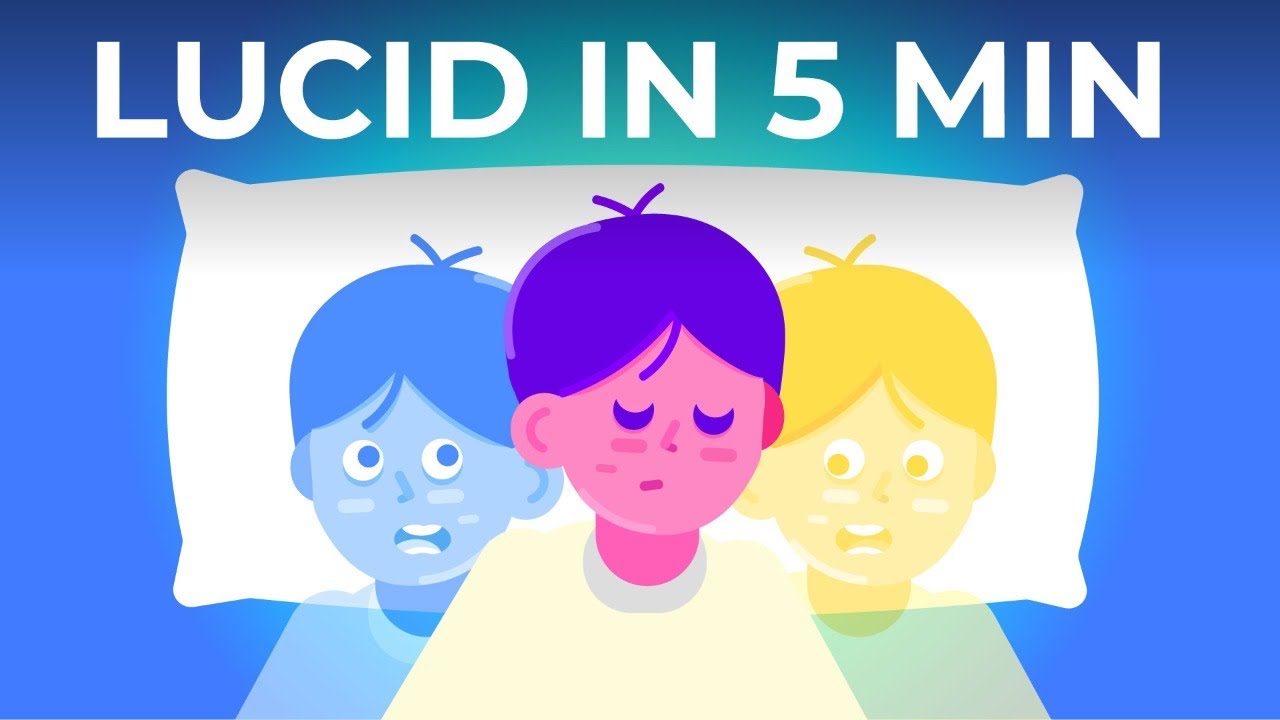
enjoy the beauty of the moment but it isn't a vacation it isn't a game or a VR headset it's a dream a dream that you know you're in a dream that you can control the beach the drink the friend you made it all happen because you're lucid dreaming lucid dreaming occurs when a sleeper is aware they're in a dream and can exercise some control over the environment of the dream in a regular dream we're aware of objects and events Within in the dream itself but we're not aware that We're Dreaming we can't distinguish between being
asleep and being awake lucid dreaming isn't anything new it's a phenomenon that's been reported throughout history but only scientifically documented since 1975 and a lot is still unknown about it why it happens how to induce it and what effects it might have on us individually and as a species some scientists believe that lucid dreaming comes from increased activity in the prefrontal cortex and unlike non-lucid dreams that can take place anytime while we're sleeping lucid dreaming happens during our rapid eye movement or REM sleep cycle our fourth and final deepest stage of normal sleep but the
biggest thing that those of us who haven't had the pleasure of lucid dreaming are wondering is what's it like lucid dreamers have described feeling like they're playing a virtual reality game where they have some control over aspects of their scene and setting these dreams can also leave Lasting Impressions that might be stronger than those we experience when we're awake most of us have had the experience of waking up from a dream even one we can't fully remember and feeling somehow changed from it with lucid dreaming that change or impact we might feel as much more
visceral some lucid dreamers have talked about their dreams in religious terms like an outof Body Experience some even say it feels like being temporarily abducted by aliens and transported to a different planet like you're in your own personal video game but one of the most interesting aspects of lucid dreaming is the emotional Revelations that can happen in them in a lucid dream you might be introduced to elements of yourself you might not see otherwise you might see yourself more sympathetically Kinder braver or more sensitive than you'd like to admit or take credit for in reality
in this sense lucid dreams might offer some introspection that many of us hesitate to ponder in our waking lives something else that a lot of people ignore in their waking lives is learning because unfortunately learning can be difficult and timec consuming and more often than not we're faced with complex subjects that we can't relate to in the real World taught using outdated teaching methods but that doesn't have to be the case anymore thanks to brilliant.org the sponsor of today's episode whether you're interested in science math programming or AI brilliant is the best place to learn
about it I've been using brilliant for years because of the way that they structure their lessons every lesson is designed by a team of award-winning teachers researchers and professionals with Hands-On problem solving sections that allow you to play with the subject matter you're learning this interactive style has proven to be around six times more effective than just watching lecture videos this makes brilliant the best way to transfer the knowledge you get from watching my videos into Real World skills it also helps you become a better thinker in general and for those of us who don't
have the attention span to listen to a 2-hour lecture brilliant offers bite-sized lessons that you can complete within minutes whether you're waiting for the train or standing in line for coffee you can take a lesson that will improve your life instead of Doom scrolling I recently took Brilliance how L's work and it helped me to understand how large language models like chat gbt and Google's Gemini work to try this course and all the other thousands of lessons brilliant offers for free for 30 days go to brilliant.org aure or click the link in the description which
also gives you a 20% discount on an annual premium subscription back to our story now it all might sound pretty amazing and you might be envious if you've never experienced a lucid dream because I know I am and we're not alone in that Envy there's a subreddit with more than 400,000 members dedicated to the subject of lucid dreaming however only 23% of the population experience lucid dreams on a monthly basis and less than 1% of people are what scientists call proficient lucid dreamers people who can easily sink into and manipulate their lucid dreams but the
good news is that a majority of adults 55% claim to have experienced at least one lucid dream in their lifetime so if you haven't had one yet the odds are in your favor and if you want to up the odds here are some things you can do to pave the way to your lucid dream Journey first is to optimize your bedroom for sleeping good sleep hygiene is key to lucid dreams 65° F or 18° C is considered the ideal sleep temperature and it's important to keep your room relatively quiet and dark invest in some blackout
curtains sleep masks or other accessories to reduce light and consider using earplugs or a sound machine to block out disruptive noise another critical element to lucid dreaming is what researchers call reality testing this consists of checking in with your environment and confirming whether you're asleep or awake we all know that our Dream environments can look familiar to our a waking reality but there's always some minor inconsistencies compared to reality performing These reality checks while we're awake can give us the skills to determine when we're in a dream reality testing is specifically helpful when something odd
happens in your Waking Life if you see a strange animal cross the street in front of your car take a moment think about the fact that you're awake and that the animal is real and that this odd moment is happening in your life developing that critical frame of mind when you're awake will ideally carry over into your dream state reality checks can also be quite simple like pressing your fingers against your palm and feeling the resistance of your hand in a dream you might notice that your fingers go through your hand and at that point
you'll know you're not in reality where scientific laws apply or take note of being in your waking reality when you're reading because in dreams written words often appear jumbled it can also be helpful to wake yourself up after 5 hours of sleeping and simply tell yourself to remember your dreaming when you go back to sleep research has found that this technique is most effective if you can stay awake for 30 to 120 minutes before sleeping again another tactic you may already be doing is keeping a dream journal recording our dreams helps us recognize dreams more
easily since many of our dreams or elements of them repeat you might want to write down what you remember the moment you wake up or even record a voice note on your phone to Rattle off bits and pieces that come to mind as interest in lucid dreaming has grown and these kinds of tips have proliferated on the internet a whole industry has grown around the goal of lucid dreaming there are now sleep masks and headbands you can buy that produce noises flash lights or vibrate to inject stimulation into your dreams these are methods used by
researchers on lucid dreaming subjects there are online tutorials some helpful and some from people simply looking to capitalize on The Craze around lucid dreaming and there are even supplements that have been shown to induce lucid dreaming the drug alkaloid gamine has been used in research and home settings to encourage lucid dreams one study showed that participants who took the drug after being woken up and practicing visualization were more likely to loose a dream than participants who received a placebo gamine is already available over the counter as a supplement and many lucid dreamers say that it
helps them stay in the dream longer and have more control over elements of their dreams of course some View using drugs as cheating just as you would with any performance-enhancing substance in sports but proficient lucid dreamers rightly stress that whether you use a supplement or not you need to practice lucid dreaming using other methods simply popping pills won't get you there but if you do manage to get there into a lucid dream what do you do once we're lucid dreaming we want to use that moment to control where the dream goes and try to assert
influence over what happens this works better if instead of willing something to happen we simply expected to imagine you're back on the beach with your friend and you want a beautiful sea turtle to come climbing out of the water instead of insisting that the turtle will show up expect it to be there once you do a sea turtle or something close to it will probably appear that expectancy effect can help things appear in our dreams if we say I'll find the dog behind the couch when we look behind the couch the dog will be there
experienced lucid dreamers can also open doors in their dreams and envision what they want to be on the other side of the door perhaps you can open a door and transport yourself from the sunny Beach into the middle of outer space most of what we know about lucid dreams comes from the early stages of research into the topic and from those who can have the dreams we still don't have a great understanding of the neural underpinnings of lucid dreams or the brain processes that make them happen and at this point we don't have a reliable
way to induce them but even with so much unknown we do know that there are benefits to lucid dreaming at the very least a lucid dream can act as a sort of wish fulfillment taking us to places or putting us in situations we've always wished we could experience lucid dreaming can also help us shed the stress of daily life it's been clinically shown to be a potential treatment for pervasive nightmares and data shows that lucid dreaming can foster creativity even athletes will employ lucid dreams to work on and refin motor skills most of all lucid
dreams allow us to interact and explore parts of our unconscious that we can't when we're in our regular dreams or even while we're awake of course this level of awareness in our unconscious State can present its own problems Skeptics worry that lucid dreaming can have negative impact on Mental Health not only because it can disturb sleep but also because it can blur the lines between reality and fantasy remember the reality testing tactic to induce lucid dreams while it might help some distinguish between waking and dreaming it might also make others question whether they're awake or
asleep this would be disorienting it could lead to a feeling of dissociation where they feel disconnected from their thoughts feelings and sense of identity still the Curiosity around lucid dreaming is impossible to resist and not just for you or me but for researchers in an effort to answer the question of what exactly is happening when we have lucid dreams and how to better understand how to trigger them researchers have invited proficient lucid dreamers into their Labs once the participants are asleep researchers measure activity levels in the prefrontal cortex and other areas the participants are told
to use left and right eye movement once they're in a lucid dream and aware that they're dreaming this way researchers can see what brain activity is happening in the brain at that very moment studies also tell us that the events we experience in our dreams produce effects on our brains that are similar to what would happen if we experienced them during our waking hours and if that's true then it would mean that dreaming of doing something is the equivalent of actually doing it there might be a stretch if we're talking about like going to Mars
or breathing underwater but if it's a meaningful conversation with someone or tasting a new delicious food maybe we could take the feeling and carry it with us into our reality because lucid dreaming might not just be about experiencing our dreams differently it might be the key to understanding our own Consciousness English aristocrat and writer Mary Arnold Foster wrote one of the earliest and most detailed descriptions of lucid dreaming in her book studies and dreams she described her attempts to fly and she proposed that humans have dual Consciousness one is our primary self which analyzes our
circumstances and applies logic to our experiences for most of us this Consciousness is typically enacted during sleep but according to Foster this primary self wakes up in lucid dreams and brings memories knowledge and reasoning from our Waking Life along with the awareness that we're asleep this idea of dual Consciousness may not be scientific enough today but researchers would agree that lucid dreams involve increased self-awareness and reflection they give us the ability to think more deeply about our lives because we get to actively live outside of them when we sleep we still are who we are
our brains are the same but they're unconscious so lucid dreams can provide a point of comparison to isolate the regions of the brain that are involved in the state of heightened self-awareness and agency as much as many of us simply want to have Cool Dreams lucid dreams aren't just about experiencing the feeling of flying or traveling to mystical places they can have real scientific implications if we're able to understand what's happening in the brain when it appears to be unconscious but is really aware we can better treat brain injury patients who are unconscious doctors could
establish these patients levels of consciousness and treat them accordingly if scientists can establish a neural signature of self awareness by studying lucid dreamers they can make more accurate diagnosis and prognosis and what these ideas tell us is that lucid dreams are really about self-awareness so even if you can't manage to get yourself into a lucid dream you can still learn from them try to be more connected to your unconscious self maybe not through a lucid dream but through something more accessible like meditation or other therapies in your Waking Life like all things lucid dreaming takes
practice we have to approach the desire to lucid dream with a sense of calm when we try to force it into existence we lose the potential to find it altogether so maybe we should start with a sense of curiosity not just about what it would feel like to fly but about what might be lurking in our own brain that we just haven't found yet