[Music] watch this full series at the links in the description below and subscribe to our YouTube channel to watch new mental health videos every week I'm here with dr. Judy med circle doctor you're so good we just filmed so I'm like coming off the high of filming with dr. Judy all day it's so well we got so much fun together yes alright and this one was all about the different types of patient care from psychiatric hospitalizations to outpatient and patient care you go through all of them and one of the big questions people have is
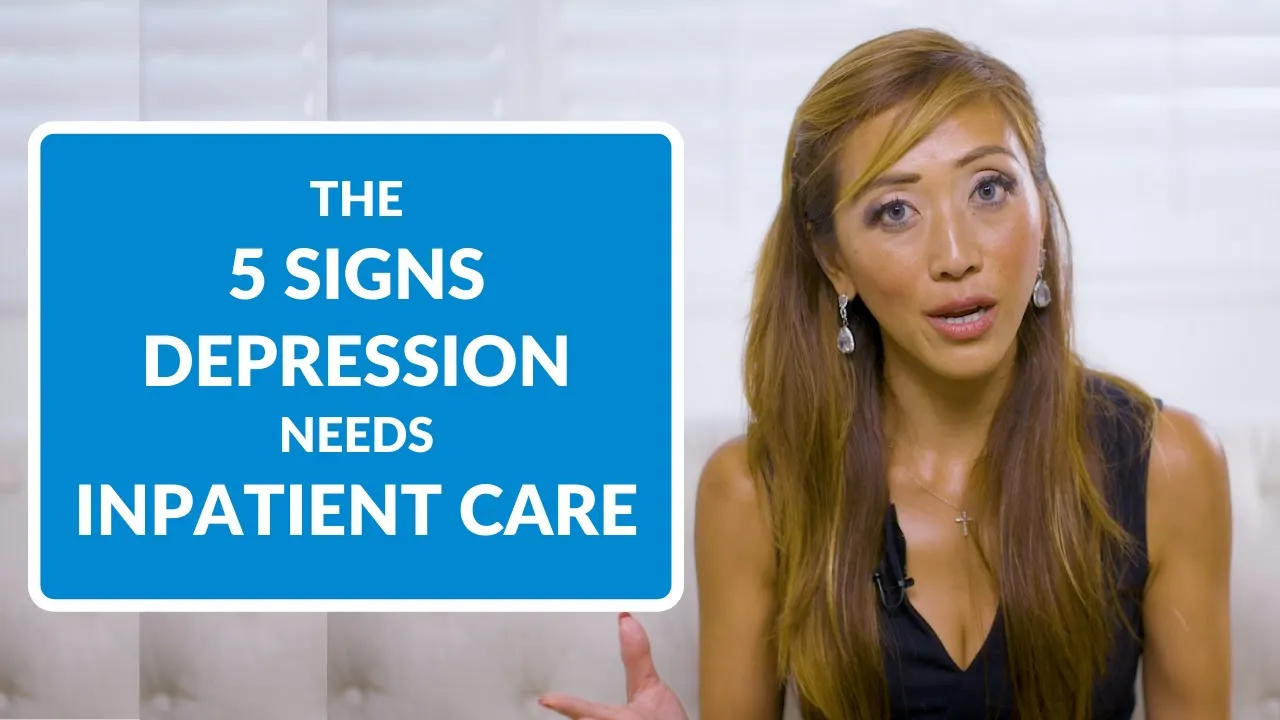
when their depression reaches a point that they think they need to take their care beyond just a one-on-one with a therapist once a week to a psychiatric hospitalization or one of these inpatient or outpatient cares what should they do well I think when the depression has reached a state of suicidal ideation or even an intent or plan then definitely you need to go to a higher level of care right away especially if it's a persistent thought you know sometimes people who are depressed will say well I had a flicker of a thought like maybe I'd
be better off dead but I'm not really gonna do anything about it and also it was just a quick flicker I mean maybe maybe they're still okay but when you find that it's chronic and you can't get rid of it and you kind of almost obsessing about it when you feel that level of hopelessness or helplessness and I think it's time to look into a higher level I also think that it's important to look into a higher level when the sadness is so profound that you really literally cannot stand it you really can't get your
mind around anything else except for that feeling and it's really heavy and you're unable to deal with activities of daily living anymore nothing about life or anything any people that you see any hobbies are enjoyable to even a small extent when you feel like those are the kind of factors that are influencing in your depression then I think it's time to look for a higher level of care I also think that it might be important to look for a higher level of care if you've tried multiple medication strategies and you've been in therapy a long
time traditional outpatient maybe once or twice a week and the symptoms are just not moving or you're getting some help but then it's inconsistent like the next thing you feel horrible again and if you're not consistently starting to make progress and it's been a long time in view tried a lot of different things then it might be time to go well in an effort to D stigmatize are the going to an inpatient or outpatient care facility I want people who feel comfortable enough to do so to leave a comment to this video if you have
ever been an inpatient outpatient care or even a psychiatric hospitalization the people I've talked to who have done it have said without it I don't know where my life would be they got their relationships back they got the relationship with their self back for the first time sometimes in decades it was the first time they have felt like themselves and it's because they committed to themselves yeah committed to the recovery for 10 days 30 days 60 days somewhere in there and they saw results from it are you seeing the same thing absolutely I think for
a lot of people this higher level of care can be a full reset so if something's not working in their life they've tried everything else they feel hopeless going to a higher level of care makes them feel like wow I've gotten like a brand new way of looking at my life I'm able to take a break from my everyday and like just really focus on my mental wellness and I think it's interesting because actually I don't know if you've seen this but there's a lot more like wellness programs popping up meditation ritual wellness retreats and
it's almost like that but they're like skimming the surface like they take a full reset but then they're doing things like yoga and like mindfulness practice and eating butter and they'll do that for a week or two and they'll go back to their lives but why can't we do that also with mental health not just physical health cuz they're obviously interrelated so in some ways think about it that way think about it as a mental wellness camp a mental wellness program not so much as it's like dreaded intensive no these facilities and centers are opportunities
and resources they are not Punishers for a life not well lived yeah this is a chance to live the best life of your life and so I think when people start to view them like you said that's when they become really valuable I want to give our viewers a sneak peek inside the series because you talked about how to properly talk to a loved one who you might want to encourage to go to a facility if you think they might need it it's called motivational interviewing take a look at this [Music] so motivational interviewing is
a technique that really meets the client where they are you meet the person who needs help where they are so it really takes into account the stages of change and what that means is some people will not even be in a place of contemplating change some people might be in a pre contemplation stage they might be just about ready to act but not quite there yet they have the insight but they're not really ready to take action and depending on what stage you're in you can still talk to them about the issue and get them
to commit to some kind of action item at that stage so somebody who might be in pre contemplation you give them the facts they say well okay I'll think about it you're like okay man while you're thinking about it may I give you this website to look at just take ten minutes and look at it and maybe next time we can talk about what you think about it yeah that's it but if somebody is ready for action then you say okay I have 10 centers that we can call would you like to make an appointment
tomorrow we can just get together from 9 to 11 call a bunch of these centers and see what we find and then we'll see if we want to set up a visit you know you'll do more extensive things if somebody's more ready but the key is to not be judgmental and to roll with the punches so if they start to feel like they're pushing back in there's resistance then you back up a bit and you say okay well it sounds like you're not really ready for us to call these 10 centers but would you mind
just taking a look at this website right we can talk tomorrow you can watch that entire series at Med circle calm dr. judy any last minute words to our viewers here well I think we're doing a lot now to destigmatize mental illness as much as possible and I'm so glad that you decided to do this series to talk about all of the different levels of care yeah so for everybody who's out there who says you know what treatment doesn't work for me perhaps you haven't considered some of these alternatives and you should and as we
talked about in the series it's important just to pick up the phone and call do some research on websites these few centers they want to talk to you they want to provide information even if you're not ready to make that commitment they will give you information and it never hurts to ask a lot of these treatment centers that cost a lot they will offer scholarship beds from time to time where it's actually for a reduced fee or for free yes you can always ask sometimes you get lucky and I've actually known some patients who have
been the beneficiaries of these well it's been really cool because they get exposure to these amazing treatment programs for free awesome well thank you for giving us this education it's awesome and thank you guys for watching remember recovery as possible I'm Kyle Kittleson this is Callie the lab are you gonna be on am i boring you just remember that no matter what you're going through you got this thanks for watching if you like what you just saw then why not subscribe click right here for new episodes and new series every week and to access exclusive
mental health videos that we only release at Med circle com check out the links below [Music]