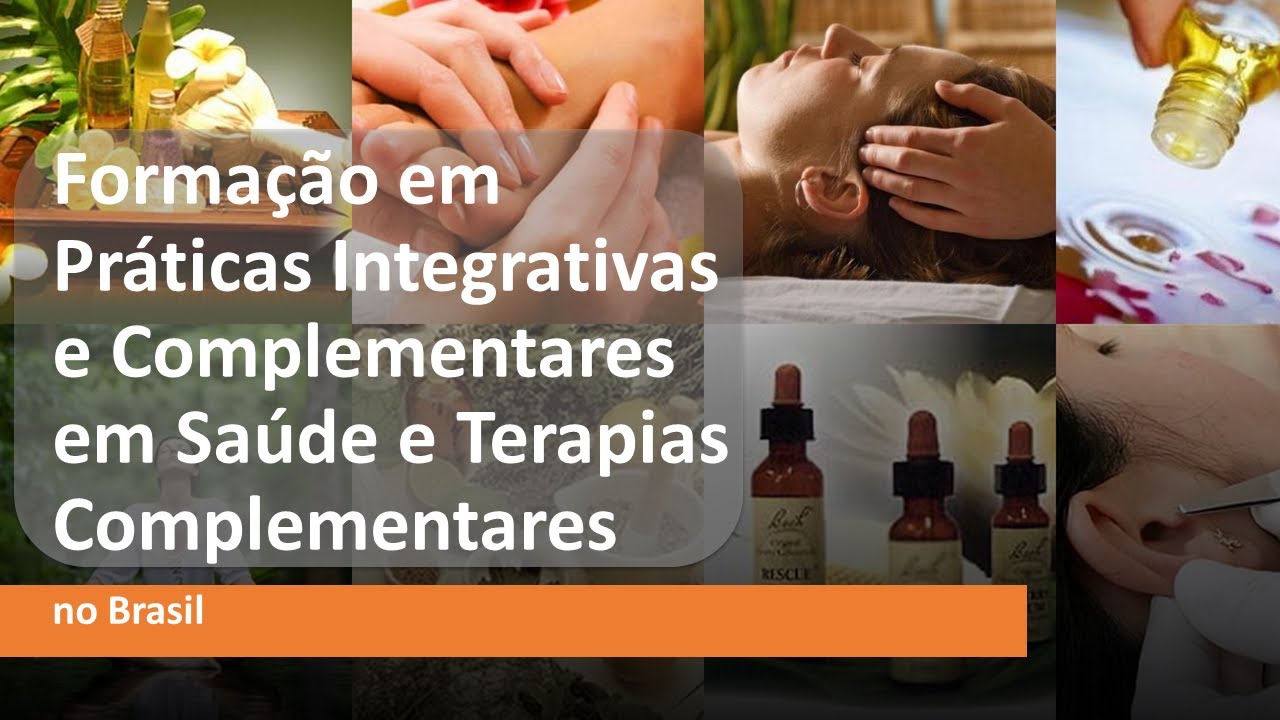
Hi, I'm Daniel Amado. In this video, first of all, I would like to thank people for the interest that people have taken in the content that we have made available here on the channel. We have now reached 1,000 subscribers and this gives us encouragement to continue producing quality content, to disseminate information about Integrative and Complementary Practices in Health (PICS).
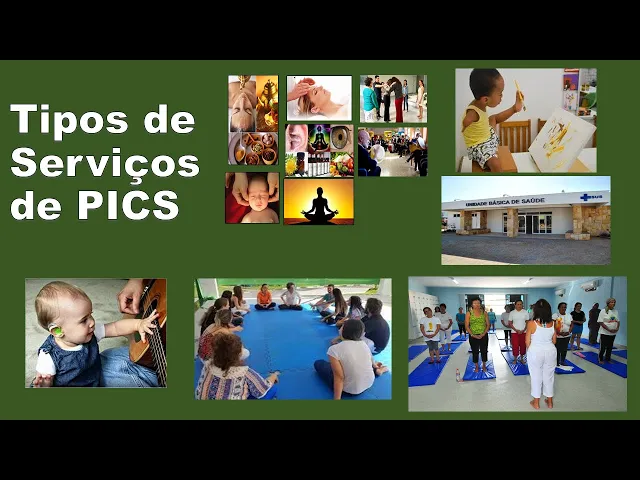
In this video, we're going to be talking about the most common types of integrative practices services. I think it is important to say that, in Brazil, we have an integration of integrative practices in the Unified Health System (SUS). The Unified Health System has invested a lot in expanding primary health care.
In this way, it is a perfect marriage, because in primary care, primary care is where care is provided throughout people's lives. The care that we call longitudinal and also where most of the population's health needs are resolved . So, there was no better place to be for integrative practices than in primary health care.
With this, ninety percent of all services offered in the SUS of integrative practices are in primary care. Of the more than 17 thousand health establishments, 15,400 are in primary care, that is, in the basic health units, in the health unit near people's homes. As we currently have approximately 45 thousand family health teams , we have approximately one third of them, which offer at least one of these practices.
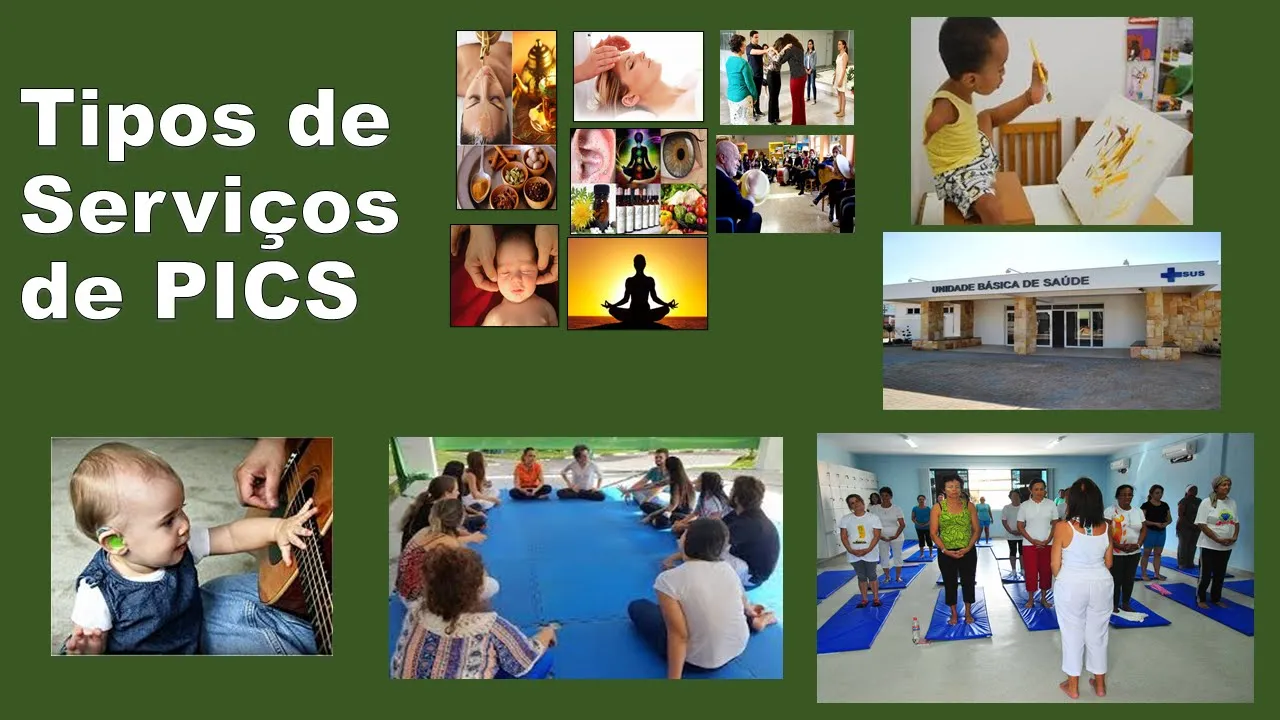
So what are the most common services that have integrative practices? As I said, the basic health units are the most common, followed by specialized clinics that offer some of these practices, such as homeopathy, acupuncture and herbal medicine. Integrated with other services in the health care network, such as rehabilitation services or mental health services, such as CAPS, for example.
Still in the field of specialized services, many experiences in the country are being implemented in integrative practice centers. These are health services specialized in offering integrative and complementary practices. Do you know any of them?
The services of integrative practices are also inserted in several hospitals in the country. So, you have so much outpatient care, for people who are not hospitalized, but there are also services that offer integrative practices for hospitalized patients and even for health professionals, such as self-care practices. A common place, also close to primary care, are the Health academies, a space for health promotion, health education, where it is a very good place to be.
Integrative practices are offered, as many practices also have this purpose of promoting health and health education. Another essential service are live pharmacies, therapeutic gardens or medicinal gardens. These modalities, which involve the production of medicinal plants, for dispensing to the population and also health education activities, are fundamental.
Now let's go deeper into some of the benefits that these integrative practices bring to being integrated into these services. In basic health units, for example, integrative practices contribute to having a person-centered care, in a comprehensive care and not just focused on the treatment of complaints and illnesses. The other fundamental factor is that integrative practices broaden the perspective of Health Professionals on the health-disease process, enabling some complaints that were considered non-specific for conventional medicine to have a strengthened and expanded perspective by integrative practices.
Giving that professional possibilities to use therapeutic offers to solve those health needs, which otherwise would not often be noticed or prioritized. With that, with the expansion of therapeutic offers in primary care, this further strengthens the resolving capacity of this care space. Being able to take care not only of common complaints, such as hypertension, diabetes, anxiety, depression, but a set of other issues that also affect the field of emotions, the organic field and social issues as well.
We can see many integrative practices, too, inserted in specialized services. So, how much integrative practices such as art therapy and music therapy are also included, for example, in Mental Health and Rehabilitation Services. Various manipulative practices, for example, such as osteopathy, chiropractic care and reflex therapy, also contribute to physical rehabilitation services .
In addition to the practices, which will take care of the issue of emotions and social relationships. They are also essential to treat not only the patients who are being assisted in these services, but also the caregivers and family members of these users. The integrative practices center has proven to be a fundamental space for expanding the therapeutic offer for the health care network.
In addition, in addition to expanding the offer, they have also proved to be a fundamental space for education and health for the population and for training other professionals in the health care network, especially in primary care. Thus, the integrative practices center is able to gradually train the family health teams to expand the therapeutic range of these teams. At the center of integrative practices, it is also possible to have an offer aimed at the population.
Something that often in primary care, due to limited time and demand in certain territories, it is difficult to organize some offers on the agenda. In this way, the specialized centers of integrative practices work by supporting this comprehensive care, offered by primary care teams. In Brazil, we are still expanding the hospital experiences of integrative practices.
We have some very old experiences, but our main experience has been in primary care. On the other hand, in other countries, such as the United States and countries in Europe, most experiences are in hospital care. Considering that they do not have a structured primary care network .
But, this does not mean that we cannot expand this offer. Many of the integrative practices have been adopted in hospital care protocols and used in different situations, whether in prenatal care, in maternity hospitals, for a more humanized delivery, in comprehensive care for hospitalized patients, with benefits, including the reduction of length of stay of several patients. Even in palliative care, acting not only to improve people's general well-being, reduce pain, strengthen the body for a faster recovery .
In various situations as well, to change the lifestyle of patients with chronic diseases, as well as the care of the Health Professionals themselves. Still talking about health professionals, several integrative practices have also been used in the space of management of health services. health.
Considering that health services are a place of high stress and demand, where people are dealing with complex situations that involve the suffering and even death of people, in this sense, integrative practices have also been used to the care of these professionals, who organize the services and the health care network Well, I hope in other videos, I can also bring some more practical examples of some experiences. I also want to bring international experiences, so that you can get to know them. Don't forget to be promoting our channel, commenting and liking these videos, so that we can continue producing these contents.