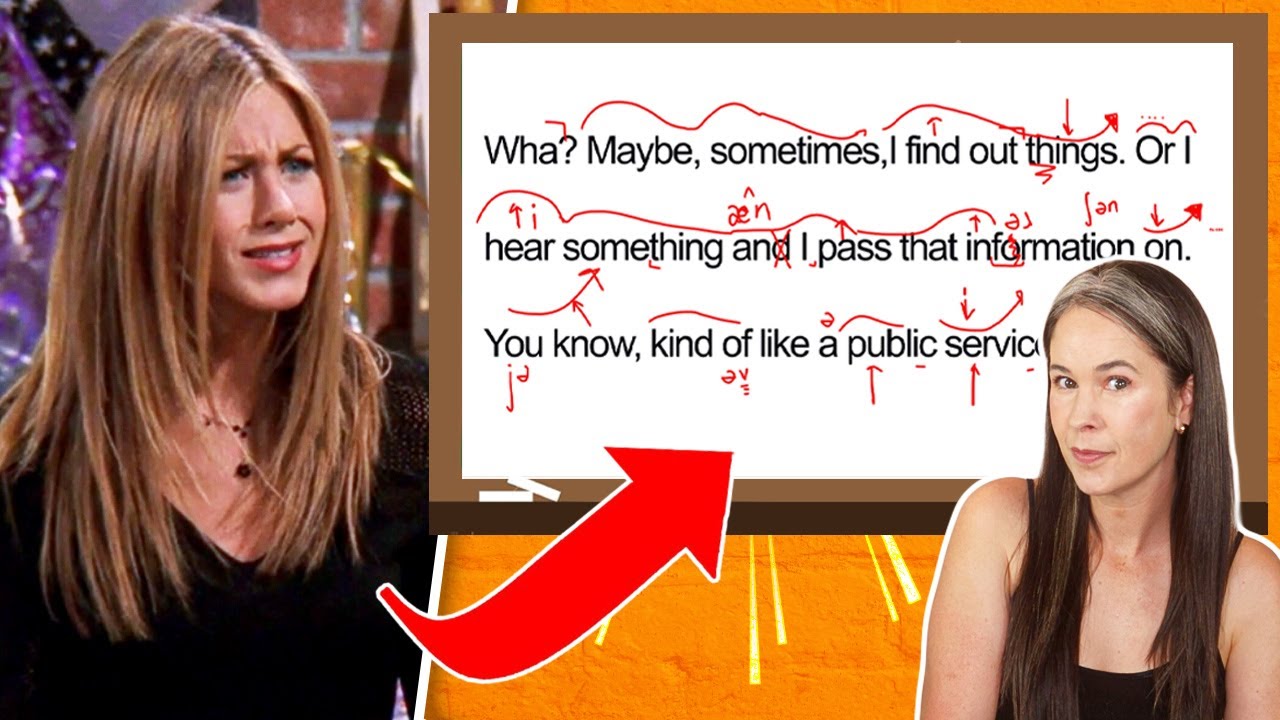
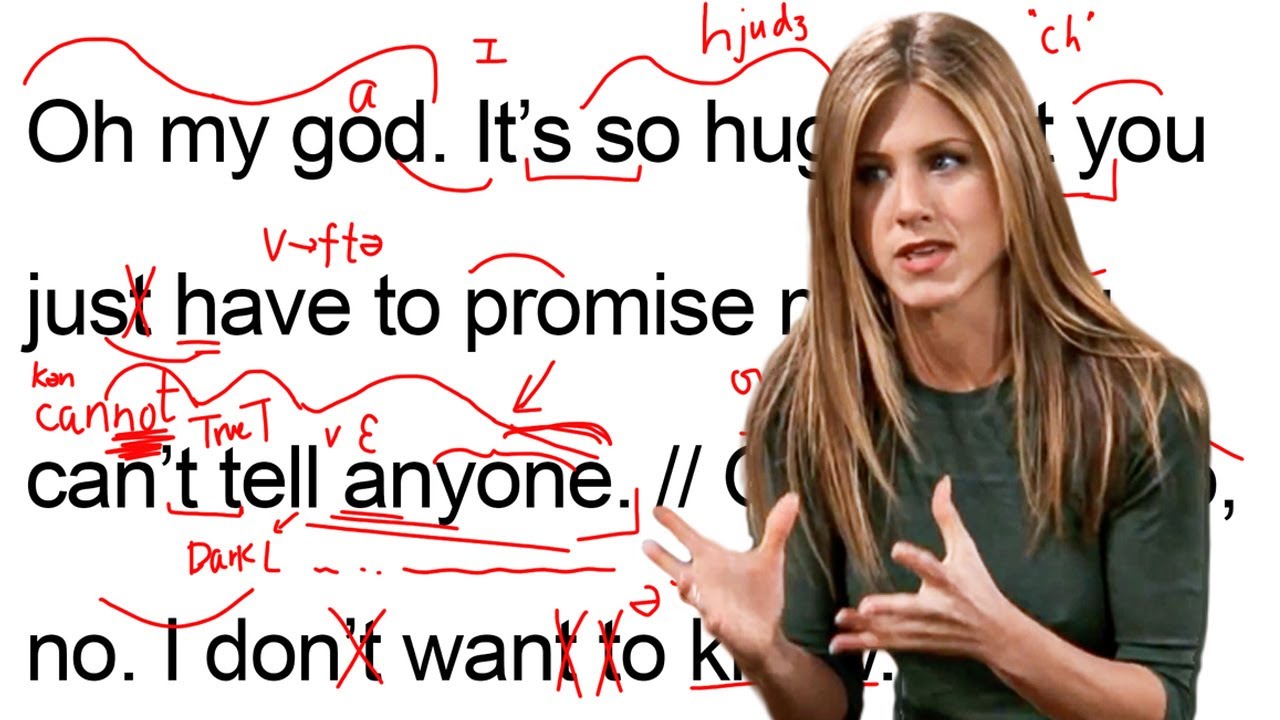
this is a line from later in this video if you can improve your placement you will immediately sound more natural every time you speak english i've been making videos on american english on youtube for 11 years and this is probably the most excited i've ever been about the video there's one thing that affects the sound of the voice when a non-native speaker is speaking american english more than anything else and it really affects whether or not someone sounds american it's placement maybe you've never even heard this word before not many teachers talk about it and
i will say it's one of the hardest things to teach but today we're going to talk about it we're going to use a mixing engineer and a scientific paper to understand what is placement here is a taste of what we'll explore hi hi i had the mixing engineer change the placement thank you sendai mike we're going to get to the details of all of this but i want you to know that almost all of my students need to work on their placement it doesn't matter what your native language is by the end of this video
you're going to understand what placement is and be able to change your placement to unlock a more natural american voice within yourself and please remember if you like this video or learned something be sure to like it and subscribe with notifications thank you guys several months ago i asked you to send in videos of yourself saying a dialogue so i could use your examples to teach here on youtube thank you all of the examples in this video including the one you already heard came from you guys and by the way if you didn't see last
week's video that is a great one where i used your videos to teach about american english pronunciation be sure to check it out placement affects the overall quality of the voice almost all of my students placements are too high it doesn't matter the native language chinese japanese korean vietnamese thai arabic hindi spanish portuguese french and so on the natural production of these languages is different than english so i found a mixing engineer here on youtube who could play with the formants of the voice in a minute we're going to talk about what that means but
first i just want you to hear the difference so he took the person we listened to whose native language is chinese and changed the formants hi what do you want to do tonight hi what do you want to do tonight the first one is her voice as she recorded it the second one has a different quality because mike played with the formants of the sound what do you want to do tonight what do you want to do tonight then he took my voice and he did the opposite we'll call the student that we're working with
here v he took v's voice and played with the formants for it to have a more american quality then he took my voice and did the same thing in reverse to try to make the quality of my voice reflect the quality of her voice what do you want to do tonight what do you want to do tonight what do you want to do tonight what do you want to do tonight changing the formants really changes the quality of the voice doesn't it listen to my whole mini conversation with that formant shift hey what do you
want to do tonight i don't know i feel like just watching tv sure so what is a formant and how does it change your voice so much it's not the pitch the pitch or the fundamental frequency is the same the vocal cords vibrate at a pitch those are two different vowels on the same pitch why did they sound different because of the shape of my mouth my tongue position was different my lip position ah what the vocal cords were doing didn't change the pitch was the same but the quality of the sound was affected by
the shape of the vocal tract which affected the sound part of the sound called performance formants are frequencies of sound above the fundamental frequency that's the pitch if this feels kind of technical stick with me the payoff in this video what you're going to learn to do with your voice is going to be huge okay so the vocal cords make the fundamental pitch and the shape of the vocal tract makes the formants the formants are what make different sounds like [Music] as my pitch stays the same but they can also affect the quality of the
vowel so you can either sound very natural speaking american english or not very natural depending on what's happening with your vocal tract so you may know exactly the tongue lip and jaw position for an american vowel but if the rest of your vocal tract your throat isn't shaped right you'll never be able to get the american quality of that vowel so we can change the formance of a sound by changing the shape of the vocal tract in a minute we're going to tell you what you want to do to sound more american but we can
also change the formants by recording a voice and having a sound mixer play with it i'm gonna let sendai mike explain this more he's a recording and mixing engineer in seattle then we're going to get into a lot more real-life student examples so you can start to find the right shape of your own vocal tract most of y'all are probably familiar with pitch shifting pitch shifting especially downwards has become really popular in hip hop and rap music so pitch shifting uh [Music] is when you change the fundamental frequency of your voice and we will talk
about using that to sound more natural in this video but at the moment let's hear about formant shifting now format shifting is similar to pitch shifting but the difference is when you format shift audio the note and i mean the note like the note you would play on a keyboard stays the same but the tone gets deeper or higher depending on which direction you're fonan shipping so if you format shipping you could sing a constant note and it would stay in key as you form it shift up and down okay he did a lot of
format shifting and that's what he did earlier to v's voice and my voice so we could really see how it affected the sound and it either made the sound thinner or heavier and as we'll see in the students that we're going to study most people have a sound that's too thin i've been in touch with a few students in my academy who've mentioned recently the idea that they had to use a different voice which i would say is a different shape to their vocal tract in order to speak american english one student said one of
my american friends told me that my presence and my voice doesn't match for american people my natural japanese voice is pretty high so the pitch of american english is often a little bit lower than what my students want to do and the placement the quality of the sound affected by the formants is also lower another student said your advice to keep low placement in mind has helped me a lot my native language is russian we came to the u.s seven years ago and unlike me my son picked up the american accent very quickly every time
he heard me speaking english he asked me why i was changing my voice to the higher pitch and i didn't i just used my russian voice coming from the front part of my mouth and it didn't sound very good so she was making all the sounds of american english tongue position lip position jaw drop but the rest of her vocal tract was in the shape of what she would use for russian so that made her american english sound higher and thinner because in american english we have a lower placement so how can you get a
lower placement let's look at a scientific paper i'm going to put the full name of the paper and the authors in the video description to understand this paper let's do a very quick anatomy lesson for the voice this will help you picture what you need to change in your throat in order to sound more american the vocal cords are here they're what vibrate and make the fundamental frequency or the pitch when your air comes up from your trachea ah your pitch changes as your larynx which is this bigger thing moves in ways that make the
vocal cords change in tension or thickness this kind of thing think of it as a guitar string it makes a different sound depending on where you put your finger on it when you pluck it as you affect the length of the string so the air comes up from your lungs through your trachea vibrates your vocal cords and creates your fundamental pitch but the key to changing your sound is knowing that your larynx here also called voice box can be moved by the complex series of muscles in your neck that attach it to the bones it
can be moved up or back down it can be moved forward it can be moved backward and all of these things affect not the pitch because that's the vocal cords but they affect the formants the other sounds above that frequency and those formants are what will give you an american voice or not so in order to have the right shape of the vocal tract to sound more american you want a lower larynx or voice box your native language may have your voice box in a slightly different place in your throat that will change the way
you sound so if you think of a wide open neck i think that helps my students release the muscles in their neck which then helps the larynx or the voice box drop down and that gives your vocal tract the right shape for the american placement since we're here let's just talk about a few other things that can affect your sound we have these open cavities in our mouth and then our nasal cavity and an open cavity is where sound will vibrate and it will change the quality so in american english none of our vowels are
nasal vowels that means here's our hard palate our roof of our mouth there's also a soft palate and when that's raised it prevents air from going up into the nasal cavity but when it's down air can go up and it can change the sound so ah becomes so the soft palate being closed or lifted is also very important in where your voice vibrates where your placement is we want to avoid nasal vowels in american english but the main takeaway of the paper is your larynx should be in a lowered relaxed position in order to give
your throat the right shape for american english you want to let go of the muscle tension in your neck to try to let your larynx lower and find that right placement with a raised larynx a sound with the same fundamental frequency will sound thinner and less resonant and that's not what we want to match the american quality we want it warmer and more resonant the main reason for this perceptual effect is that larynx raising can cause a rise in the frequency of the formants which gives the sound a different quality so in your own native
language you have the pitch the fundamental frequency that's natural for your language you have your articulators tongue teeth lips that you use to shape and create the different sounds of your native language but then you also have the shape of your vocal tract that affects the formants of the sound and therefore the quality of the sound and most people when they're learning english learn about and think about just the articulators tongue position lip position for a sound but if you don't change the shape of your vocal tract of your throat and you use the shape
that's natural for your own native language then you'll never have a truly american quality to your voice and that's why we work on placement right away in rachel's english academy because why work on all the sounds if you haven't first worked on the overall quality of the voice so that's what we're going to do here today we're going to work on the overall quality of your voice it affects your sound every time you speak english if you can improve your placement you will immediately sound more natural every time you speak when i work with a
student on placement what i do is this i have them say something in english anything and then i try to imitate them i imitate their placement and i alternate between that and a more american placement and i talk about what i'm changing what you need to do as a student is this use your ears to notice the different qualities of the sounds and then play with your own voice tense in places relax in places think of being wide and low try to find as many different kinds of voices as you can okay let's jump in
with a student we're going to go back to v we're actually going to come to the desk so that we can watch these students together i feel like just watching tv i feel like i feel like i feel like i feel like i feel like i feel like i i i feel like one thing i want to say is we should all be imitating together try to imitate the students and try to imitate me imitating the students and try to imitate me when i am putting in a more american placement imitating and playing with our
voices and trying to match things is the best way to find a new placement i think i feel like just watching tv i feel like i feel like i feel like i feel like i feel like i feel like i feel like i feel like i'm trying to place that really high here i feel like i feel like to do that one of the things i do is i bring a little bit of extra pressure here to the front of my throat i feel like ah it helps me throw it into this part of my
face more i i i i feel like i feel like and if i let that go there then it lets me lower my placement i feel like now i do want to say i think her pitch is a little bit higher than what would be more natural for american english i feel like can instead be i feel like i feel like just watching tv so my pitch is lower now it used to be when i was working with students i would say don't worry about your pitch it's placement it's the sound the formants but then
i realized that yes they're two separate things but often lowering their pitch their fundamental frequency helped with the overall tone because all of those frequencies were also lower gave them a warmer tone and that's really what we want also i do think in general a lot of people's natural pitch for american english is a little bit high so lowering the pitch can bring the fundamental frequency somewhere that is a little bit more natural but then it also has that nice effect of warming the voice more so try that try recording yourself saying something just listen
to the phrase and listen to it so many times that you have the melody in your head and then try to bring the pitch down a little bit i feel like uh uh uh i feel like ah i feel like i feel like you can do a sliding thing down to try to find a lower pitch and you know go as low as you can ah i feel like i feel like you're probably not going to speak from there but the more range you find the more you're going to be able to play with your
voice and find something that's comfortable okay so for vivian i had to try to release some tension in the front of my neck i can't say that that's exactly how she's producing that sound but i do know that if she thinks of a wide open neck and lets things sort of sink down that that will probably help okay our next student's native language is hindi i feel like just watching tv just watching tv just watching tv just watching tv just watching tv just watching just watching to me the place where this can resonate is very
narrow just watching just just just just watching just watching it it's all here ah and if i let my throat and neck relax it opens up this part down here and it allows the voice to come down and it just lets there be more room for resonance so again a lowering a releasing of tension higher up in the throat ah i feel like just watching tv that lets the placement lower um another thing that i tell my students in the academy is a couple things you can actually think of your mouth being here or i
have one exercise where i have them feel like their chest is actually a speaker where the voice comes out and that they don't have a mouth but by lowering in your mind with your imagination where your voice is coming out can also help let go of the tension above that point so that could be an exercise for you to try lay down close your eyes visualize that mouth there take a breath in and then speak and really in your mind's eye see that happening from this mouth you may find that it helps you release some
tension that you didn't even know that you had in your neck our next student's native language is russian hey what do you want to do tonight hey what do you want to do tonight hey what do you want to do tonight hey what do you want to do tonight hey hey hey again it feels very narrow all of the places in my body and my throat that could vibrate it feels like i've squished that down hey hey hey and it feels forward in the face in the nose hey and just really small that way we
want to open that up hey hey one thing that i tell my students sometimes to do this hey hey opening up is really think of releasing the muscles in the back of the neck ah sometimes i almost i'll tell them to almost even think of there being like a heavy weighted blanket sort of pulling things down anything to counteract tension and pulling things up hey hey hey hey are you practicing along out loud try to find both of those sounds hey hey it's not just about the jaw drop but you might be noticing that i
am dropping my jaw try it try whatever you can just see if you can find those two different sounds the pitch is the same the sounds are the same it's the formants in the throat in the rest of the vocal tract that is making them sound so different our next student's native language is ukrainian i feel like just watching tv i feel like just watching tv i feel like just watching tv i feel like just watching tv i feel like just watching tv i feel like just watching tv tv tv tv for that i've sort
of got a little pocket of resonance here and then also one in my nose tv tv i want this column of connection through everything tv tv i want to always feel like everything is connected down to this anchor root here ah this is what is where the voice is being produced i mean it's being produced in the vocal in the vocal cords here the voice box but we want to use our imagination to bring in more of the body lower it down get that warmer residence resonance tv tv tv tv you know when i imitate
other students i often have to tense things visibly in a way that they don't to try to get the tension inside and so this can be something that you can play with even just you know just trying to loosen things up find that things are really relaxed tv tv because what is causing the attention mostly is internal things that we can't see not external things like the articulators and i found that when we're talking about relaxing these things that we can't see and that we don't know very much about it just works well to use
your imagination like i said the mind's eye of the mouth here i have a couple exercises in the academy where i walk my students through a guided relaxation exercise just to sort of try to find that place where you can reset you know sometimes when students are practicing on something they'll get tense and the more tense things are the more the placement gets out of whack and so just to take a moment and to relax and release and think low and open and sort of reset to that spot can really help with their placement our
next students native languages mandarin chinese and her placement is nothing like mandarin chinese she's obviously done a lot of work on finding something new but it's still not quite right but let's listen to it and talk about it i don't know i felt like just watching tv i don't know i felt like just watching tv i don't know i felt like just watching tv i feel like i feel like just watching okay so i think her pitch is lower than it would have been and she's bringing in this breathiness in an effort to change the
quality of her voice and brava she has done it you really do not sound like a typical mandarin speaker speaking american english however it feels to me like it's gone a little bit in a husky direction and that is also not completely natural for speaking american english so let me listen to it again i don't know i felt like just watching tv i don't know i don't know uh uh so for me to try to get that sound uh uh i am sort of pressing forward here in a way that's trying to cause more opening
higher up in the throat i don't know but really what we want is thinking down low and open not high and open i don't know so instead of thinking that you're finding something here what would happen if in your mind you let that go and you brought it down and you like imagined some well or some lake here in your chest i don't know and then think oh my voice is attached to that and that's what's coming out that might help release and find that low open placement but the thing i love about what this
student has done is they've found something completely different she's really played with it and tried different qualities of the voice and that's so important as you work play with it find new things find new sounds because often students will try to change something and they'll need to change it this much and they're comfortable changing it this much or this much and i try to get them no you got to do it more and so playing with a wide range can help you find the right spot where you want to be the right place for your
voice you know here's a tip if you can find a video of an american speaking your native language and hopefully with a very thick american accent watch that person and think about why does it sound so strange or look so strange and then think whatever that sound quality is is what i need to do when i'm speaking american english right so maybe by hearing an american speak chinese for example and with a thick american accent maybe you can identify the sound by hearing it in your own native language that you need to try to find
um in american english so it could be interesting if you can find a native speaker of american english speaking your native language to imitate the way they speak your language that might help you find a new placement and you know what if you find a good video a good example of someone of an american speaking your native language with a thick american accent please put it in the comments below with the time code to the best part of that video so other students can watch that and can imitate that and find another way to use
their voice let's look at a few more examples next we have brazilian portuguese hey what do you want to do tonight hey what do you want to do tonight hey what do you want to do tonight hey what do you want to do tonight hey what do you want to do tonight okay so to me this is a little bit less pinched than some of the others but it still feels like where the voice lives and is vibrating is maybe here hey hey hey what do you wanna what do you wanna boom and we wanna
bring it down hey hey what do you want to do tonight hey we want to open it up and lower it down all right let's listen to another student her native language is korean hey what do i want to do tonight hey what do i want to do tonight hey what do i want to do tonight hey what do you want to do tonight hey what do you want to do tonight okay a couple things first i would say do try lowering the pitch hey hey hey hey hey what do you want to do tonight
see what you can find by lowering it hey what do you want to do tonight but again it feels like it's the resonance is really high up in my cheekbones hey hey hey it's almost like i've drawn things up with this tension here in my neck hey and then i have the opposite shape it's like in my mind the shape when i'm imitating you is sort of like a triangle with the with the wide part up top but then when i want my own american placement the triangle flips so that the narrow part is on
top and the wider part is on the bottom hey hey and just imagining that helps me find a lower placement another thing i wanted to say is sometimes when i imitate students with a higher placement i feel like something in my neck that i'm holding here opens up and folds down and relaxes like that you know it's like we have to use imagery here to try to guide you playing with things but also imagery playing with sounds but also using imagery to try to find different sounds so maybe you can feel like there's something up
here in your throat and you just picture it opening and relaxing out and down and see if that helps you open your throat in a way that changes the vocal tract in a way that brings in a more american placement we're going to listen to another student now whose native language is spanish i don't know i don't know i don't know i don't know i don't know i don't know i don't know oh oh oh again it just feels like i'm not utilizing any of this space for the vibration no no and it's just brought
on by a little bit of tension here i think it has to do with the base of the tongue where that attaches to the throat and just really letting that go [Music] another thing that you could picture is you know we talked about thinking about releasing the back of your neck by kind of imagining something really heavy on it like your skin gets this really thick heavy paste on it you could also think of that happening with the front of your throat oh like the outer kind of just gets this the outer part of your
neck just gets this sort of heavy not strangling feeling but just like a nice downward tug they can help you find that kind of quality in your voice now we're going to look at a couple of examples of students that i think did a nice job finding a low placement and um we're going to talk about something called the vocal fry so this is something that actually just happened in my voice as i said that the vocal fry fry fry that quality of the voice at the end of a phrase as the energy of the
voice is starting to diminish the breath is starting to diminish and as the pitch comes down it will happen that at the end you may find a word or two that ends up having that kind of quality quality quality quality you would never want to talk like this all the time that actually hurts to do that so you would never want to do that all the time but americans men and women do it all the time towards the end of a phrase without thinking of it um and i think it is a side effect of
the placement being solo and the starting pitch maybe being lower than what you're used to so if you notice that that's happening to your voice at the end of phrases that can be to you a good sign that you are lowering things all right let's listen to a student his native language is brazilian portuguese i don't know i don't know i don't know i don't know i don't know i don't know no no there was a little bit of a popcorn quality in his voice and i just felt like it was resonating down here all
right we have another person to listen to this guy speaks dutch sure sure sure sure sure again do you notice a little bit of that popcorn quality the pitch is low that is the fundamental frequency the resonance feels low and warm which means the formants are not higher and thinner i like it okay so you have lots of different ways you can play play with different placements and play with imitating as many of these students as you can you know try to find what they're doing try to place the voice where they're placing it and
then try to find something else see how wide you can get with your range of what you can do you could take any vowel [Music] so there i changed the way it sounded not by changing my articulators they stayed in exactly the same place not by changing the pitch the fundamental frequency that was the same in all of them but they were three dramatically different sounds because of what i was doing with my vocal tract try that take a vowel try to get as many different sounds as you can without changing the pitch these are
the things that you can do in the ways that you can play to figure out what in your neck makes what sound and to keep in mind that the american sound is low wide open vibrating in the chest it's not really up here it's not narrow but it's deep what did you think of this video was it super confusing i hope there was at least one thing that helped you think about placement in a new way thank you so much to all of the students who submitted a video for me to use again check out
the video from last week if you haven't already that shows all of the student videos in full now the next thing i think you should watch is this learn english with movies playlist really keep in mind placement and this idea of low and open as you are listening to the american speaker and then trying to do it yourself imitate them pause the video imitate them focus on placement see what happens guys we make new videos here every tuesday please subscribe with notifications if you haven't already and do come back i would love to see you
here and also please share this video this is a different kind of video for me we got a little bit more technical but i hope that it helped you out i hope it meant something to you and if so please share it okay guys that's it and thanks so much for using rachel's english





![#1 STRATEGY to become FLUENT in English [and why you DON'T NEED to 'speak like a native speaker’]](https://img.youtube.com/vi/0V0WeEnsec0/maxresdefault.jpg)