so after the very schematic formulaic six-day seven-day creation story in Genesis one suddenly the beginning of Genesis two in the middle of the fourth verse or so find ourselves in a very different sort of world it's a world what is somehow everything that was created before seems to have disappeared it's not a watery chaos anymore it's dry and dusty and there's no rain and there's no human to till the soil and then Adam is created and the garden and everything that goes with it it's a famous story very different from the other one but just
as famous what's interesting is as far as I know there's no reference to this story anywhere else in the rest of the Bible yeah I think in the rest of the Hebrew Bible that's the one I mean oh yes what about it becomes fairly important later on actually begins to be important in the second century BC in the book of Ben Sira and then in the Dead Sea Scrolls the sin of Adam looms large but actually in the Hebrew Bible it doesn't seem to it's not the story you look back to to explain everything that's
going on after this no what we make of this I don't know I mean some people would suggest that it must have been written quite late I think you know I would go some of the way with that not essays as some people would want to make it but it surely was hardly written back in the time of King Solomon as people used to believe that when the I was first Asian very early it's worth pointing out I'd say that there are lots of episodes especially at the beginning of Genesis that never make another appearance
anywhere else well I think that's what the same would hold you see food the whole primeval history probably but now here as with a lot of the primeval history there are a lot of parallels with Babylonian myths and especially the story of Atrahasis because in Atrahasis you have the movement from the creation of humanity up to the flood and we'll come back to that I dare say when we get to the I'm sure and there are overtones here of Gilgamesh in a way it's a coming-of-age story it's how people get to be human in the
sense that we understand humanity at the same time I tend to think that there's something at least more Native Israelite to this story then there is to the story in Genesis 1 which has such close parallels to the aneema Eilish there's something about the watery chaos of Genesis 1 that doesn't sound like something an Israelite would ever come up with but a dry dusty earth where there's no rain and you need someone to work the ground to make it viable that's the Israelite existence in a nutshell that issue of the dust right is plays in
very strongly in this story it's not only the what the earth is like beforehand this is the composition of mankind in this story and humanity is is constituted by just and breath now it's some of the Babylonian stories it's clay and you make little statues and then blow into them but it's a very simple kind of anthropology yeah and the whole purpose for which the man is created at the beginning of this is - till the garret that's right this is the model of the Royal Guard and typical in the ancient Near East and you
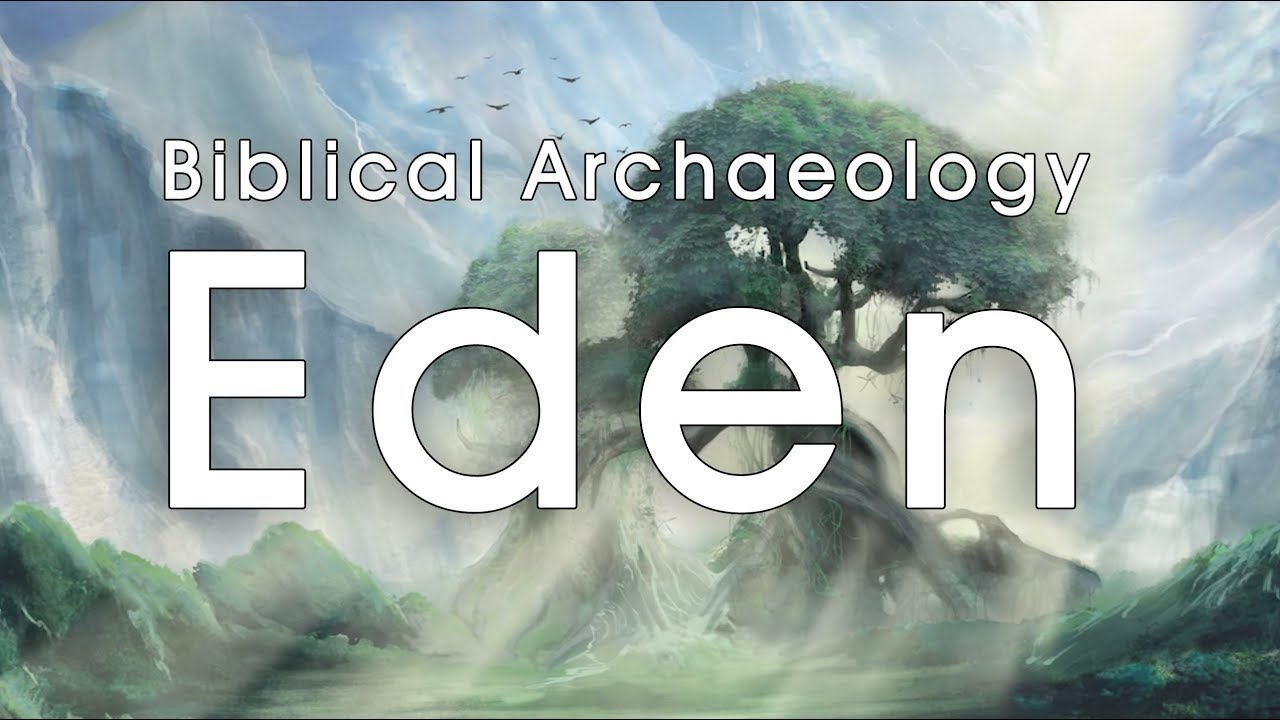
need somebody to look after it that's right they all right some good to do that himself and of course in some of the Babylonian stories you have a whole class of gods who could do this but then in the middle of this garden we have how many trees was it in the middle of the guard on the air it's a two trees yes although there have been people who have suggested that it was originally only one and then another one was added later but the story is fairly clear that there are two trees what's unclear
or at least unstated is you can really only eat from one of them before God will get angry there's the tree of life theoretically of immortality and there's a tree of knowledge of good and evil isn't there a certain lack of symmetry in that if you're going to call one tree the tree of life wouldn't you think the other one should be the tree of death and in fact then what does he say will happen to you if you eat from the other tree God says on that day you will surely die you will surely
die yes the serpent the serpent sees through that fairly fairly quickly but but Jesus that there is what should we say less than clear labeling I think that's it I think that's true would have been more more direct nice to put a sign on the second one and say tree of death right there because nobody does anything nobody would eat from it there is an interesting question with the Tree of Life the mechanism of which we don't quite understand that is do they eat the Tree of Life regularly and it continued right as long as
they keep eating from it they are immortal in which case it's true once they eat from the tree of knowledge they are banished from the garden which means they lack access to the Tree of Life now and they are destined to die or is it the Tree of Life they eat it once and they are immortal in which case we have to assume that they never ate it before God said not to yes and I think that's not clearly understood but we do know that at the end of the time when they're expelled from the
garden they now can no longer eat from the tree of life that option is off the table as is immortality and as his immortality and the question is where people meant to be immortal it's often assumed that they were you know I mean when you read the story without knowing how it's going to end yeah the opening of man's history is there's one guy in a garden there's no sense that he's ever going to die he's plucked he's plopped down there to tend the garden in theory were he happy doing that for the rest of
all time that's where he would still be yeah God creates animals because he has a sense that Adam is lonely but it has nothing to do with mortality it has only do with procreation and Eve the woman that's created at the end is simply the last of the animals that God creates in the hopes that Adam will find someone to keep him company this is a delightful way of putting it and I'm sure you'll get some feedback on it woman is the last of the animals is her what is her relationship here to Adam she's
taken out of his rib and she's told that she will be she's described as a helpmate for him yes is this he created equal there is an element of it I think you know she is of the same substance yeah as Anna she's certainly more like him she's many more like him and I think cinemas over she's expected I think to help him you know that's the help part I think she's expected to help him in his tending of the garden what the help constitutes is unclear yeah but she is you know he says you
know bone of my bone and flesh of my flesh she is different in kind but she is the when is she created she's created because none of the animals were suitable right they weren't suitable helpmates if if yeah yeah major spending money was going to do in the garden you think the horse may have been fine but you know it's certainly not a subordination of as some people have tried to make it be and it's not necessarily equality of roles either right so it's a secondary role but still essentially the same kind but no trouble
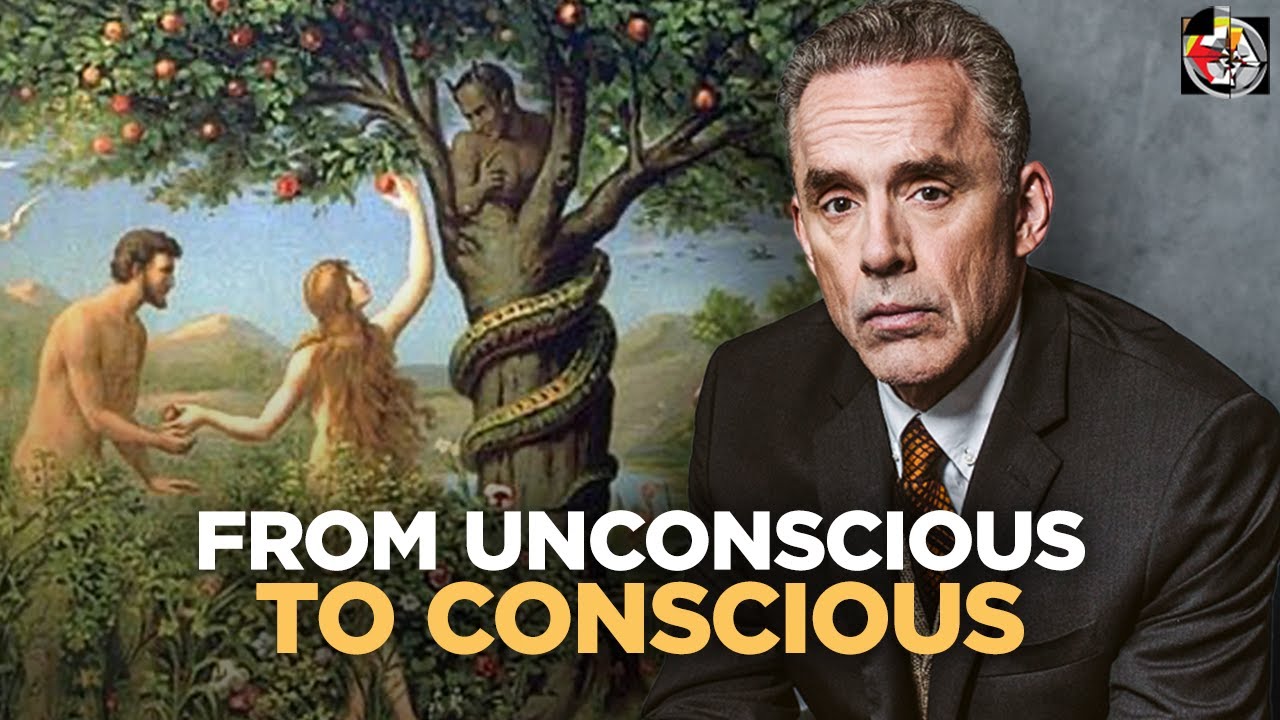
is going to start here because what goes wrong in the Garrety mostly what goes wrong is the snake tells the truth yeah there's Navy even pushed that back a little bit I said that what goes wrong is if you have one tree of the garden and you tell people you can eat from anything except that one trade this with your kids at home what are they going to do it's almost a setup right in some ways the story is really the invention of reverse psychology tells the truth this snake tells the truth you know that
in fact you will not die from eating it yeah they will die eventually but not on that day all right the snake says did God really say that yeah right but if you if you eat from it your eyes will be open who is the snake anyway even just last week and Casson was teaching some later material sake about the invention of Satan in some of the later apocalyptic literature and an African student came up to me and said but doesn't say to him go into the snake and the book of Genesis no sage goes
into the snake much later than the book of Genesis actually around the turn of the era mm-hmm I would say the first instance savages in the book called the wisdom of Solomon you definitely have it in the book of Revelation but here he's not the devil no what do you see you know the question is is he an independent-minded sort of character or is he doing a necessary certainly on the narrative front he's doing necessary work because in order for us to be around in order for the author to be around to have written the
story someone had to get out of any of out of the garden yeah in part because Adam and Eve in theory would be living forever in the garden and I don't think that they would be having any children because I don't think there's any indication yet there's no but but let's get on here to to pop then the Lord saying after he discovers that they have eaten the fruit and it takes him if you a little while to figure out what has happened even and we will skip right to what he says to the woman
I will know this again is the NRSV I will greatly increase your pangs and childbearing in pain you shall bring forth children yet your desire shall be for your husband and he shall rule over you if you want the first that has been used for the subjugation of women there it is I think this is one of the most abused verses out there yeah you know I don't love the translation in part because it's not perfectly accurate right the Hebrew says right not you will have pangs in childbirth but you will have labor work it's
the same word that's used for Adams work that he has to do his physical Labor's you will have physical Labor's and you will have childbirth and we have to remember that in the context of this story specifically right this is a couple who has no need for children it probably has not a lot of room in the garden to propagate at least in the infinite way that we have now done so the curse so as it such as it is on Eve is equivalent to Adams Adam is told no longer will you be able to
simply live in the garden and pick fruit now once you are evicted from the garden you will have to actually physically labor in order to survive you will have to grow food from the ground on your own is what we going on in all of these to the beginning with a snake is explaining what they saw as the case that's right in the case of the snake I gather it wasn't even accurate that snakes don't actually eat us but people thought they did and so you're trying to explain how did life get to be nasty
brutish and short that's right and and this is a story to do it no hey is it a result of sin is that fair thing to say the word sin isn't actually used right and the word fall isn't actually used but at the same time it seems fairly clear that their condition deteriorate significantly because of disobedience because I'm not doing what they were told this is true but it's the kind of disobedience I mean what's the analogy the analogy the best analogy is the child who has to leave the parents house Yeah right they've been
cared for and tended and eventually you gotta go and there's usually disobedience involved at some stage of childhood but in many ways this is this is a necessary step yeah let me say two things on death or one is that if you look at the epic of gilgamesh where also you have you know how it comes about that certain people die and but there is no morale Sayyad no morality superimposed on it it's just something that happens now here there is I think an element of guilt at least that is ascribed here to what Adam
and Eve do on the other hand it's nowhere near what would later be called original sin they in the classic Christian doctrine you have the idea that sin is transmitted as no hint of that here that if anything is transmitted here it's just the condition that people aren't born into a nice garden anymore and immortality is off the table at the same time what is what is also transmitted is the now is the knowledge and this right which is unmitigated good it's hard to say otherwise whereas you know when Enkidu in the story of Gilgamesh
has to put on toes they say he became human and that's actually what happens here with Adam and Eve exactly right but it gets a very bad rap later on because part of what we do with the story of Adam and Eve is point out how it doesn't actually say most of the things people think it says an almost universal truth about the Bible after Adam and Eve there's a there's a bunch of genealogy but this what comes next in the story is one of the most famous the flood which we are going to come
to in short order in short order indeed [Music]