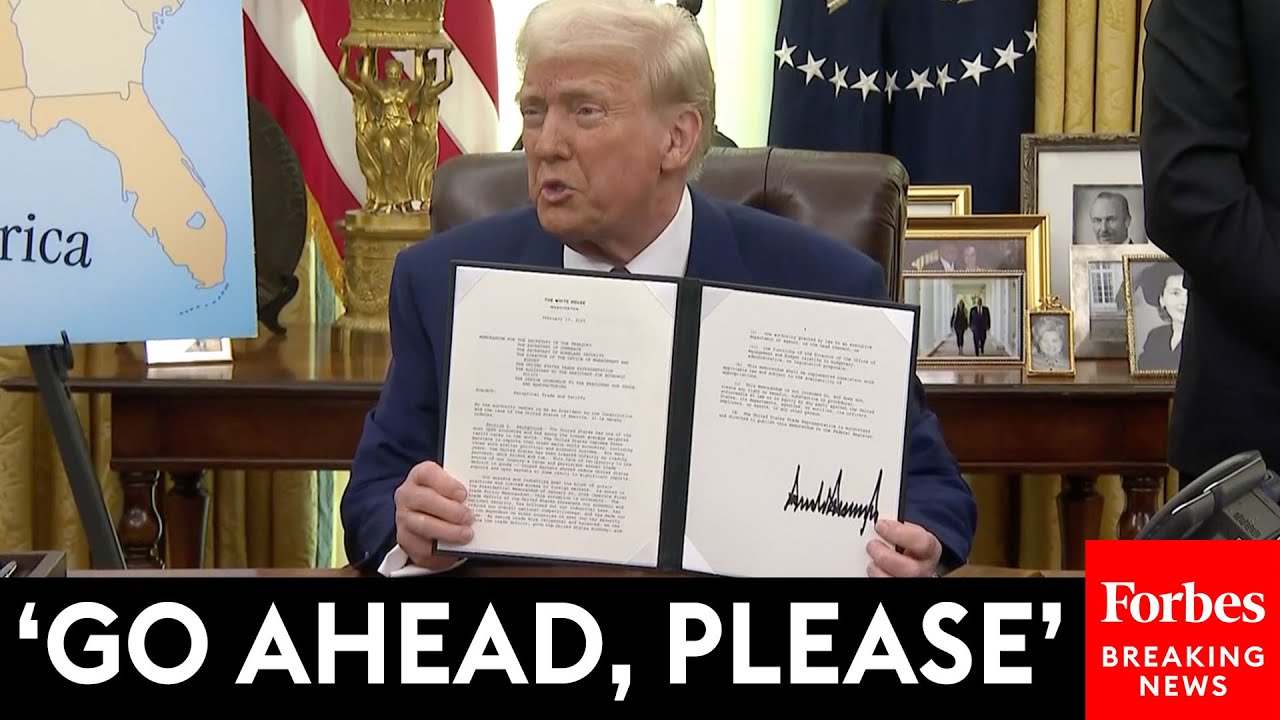
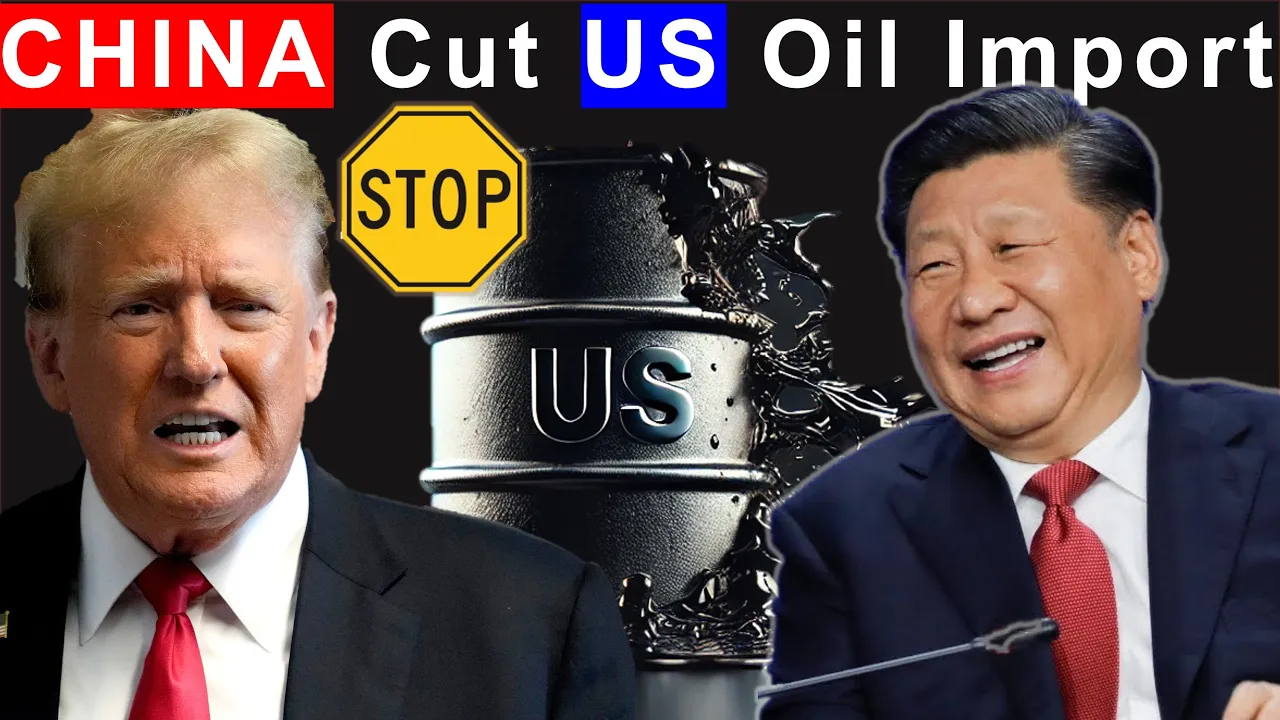
In early 2025, U. S. President Donald Trump announced plans to impose a 25% tariff on Canadian imports, citing concerns over illegal immigration and drug trafficking.
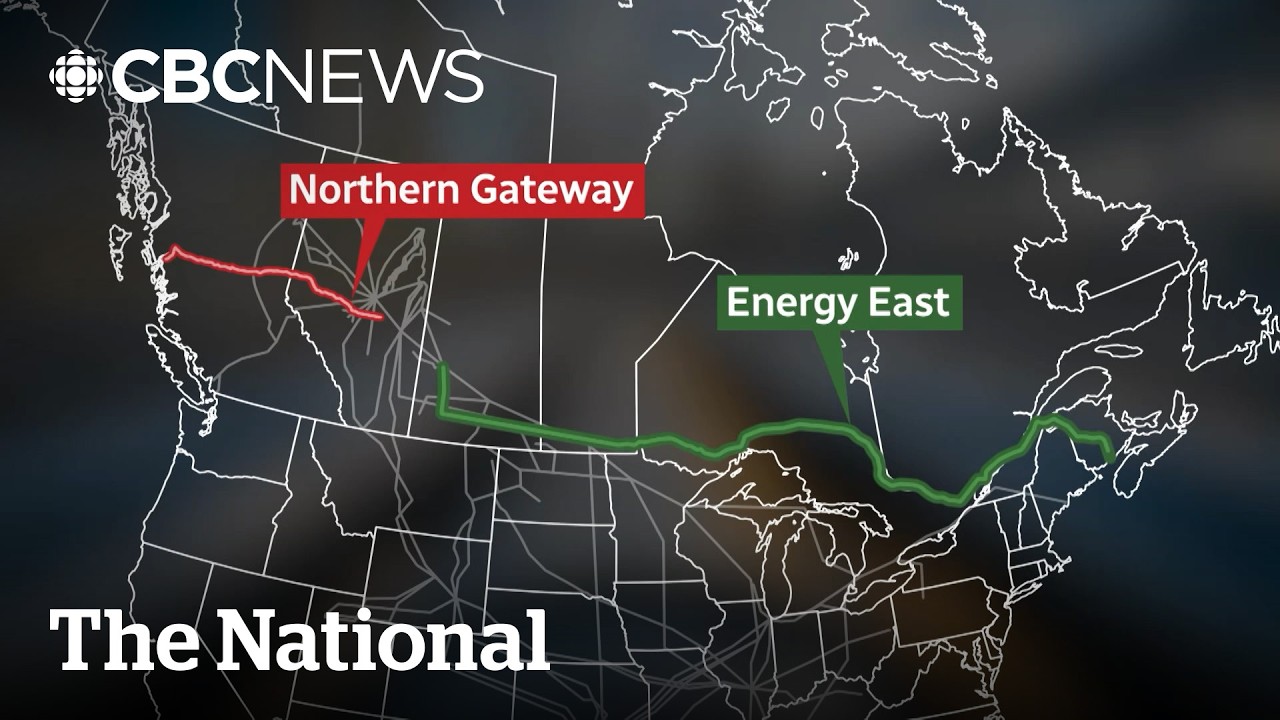
In response, Canada considered various retaliatory measures, including the possibility of reducing energy exports to the U. S. Prime Minister Justin Trudeau emphasized that nothing is off the table and advocated for a united national response.
Ontario Premier Ford supported strong retaliatory measures, suggesting the suspension of U. S. liquor imports and potential cuts to energy supplies to U.
S. states like Michigan and New York. The U.
S. and Canadian economies are deeply intertwined; U. S.
crude oil recently made up a significant portion of exports to China, effective February 10th, 2025, with a substantial portion of this being heavy crude essential for refineries in the Midwest and Rocky Mountain regions. Imposing tariffs or restricting oil exports could disrupt this supply chain, potentially leading to increased gasoline prices in the U. S.
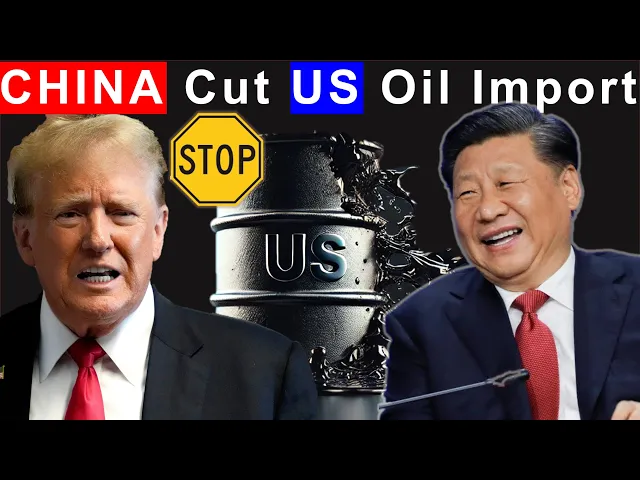
and economic challenges for Canada's energy-dependent provinces. Simultaneously, China has significantly reduced its imports of U. S.
crude oil. Recently, U. S.
crude exports to China decreased from 115. 6 million barrels in the previous year to 81. 9 million barrels.
This decline is attributed to China's economic slowdown, a strategic shift towards renewable energy, and increased imports from alternative suppliers like Russia and Iran. In retaliation to U. S.
tariffs, China announced additional levies on U. S. energy products, including a 10% tariff on crude oil and a 15% tariff on liquefied natural gas (LNG) and coal, effective February 10th, 2025.
While U. S. energy exports to China constitute a modest portion of China’s total imports, these measures further strain the trade relationship between the two nations.
In a dramatic shift in global energy trajectories, China's acquisition of U. S. crude oil has plummeted by almost 50%, reflecting not only its evolving energy priorities but also a sweeping realignment of international oil dynamics.
As a result, China slipped from being the second-largest purchaser of U. S. oil to ranking sixth.
In this context, we discuss the main factors behind this significant decline and its broader impact on global oil markets. Long hailed as the world's largest oil importer, China has reworked its purchasing strategies to obtain more favorable terms. It has historically sourced crude from a diverse range of suppliers to meet its enormous energy demand; yet recent studies indicate that China's overall crude imports dropped by roughly 7.
2% year-over-year, attributable in part to sporadic COVID-19 lockdowns, plentiful domestic reserves, and planned refinery enhancements. In spite of this decline, China has adjusted its purchasing strategies to obtain more favorable or flexible terms. Customs figures reveal a deliberate avoidance of some Western suppliers, highlighting Beijing's multifaceted pursuit of more affordable oil and improved energy security.
According to recent data, the proportion of Chinese crude imports from Iran has also increased, strengthening China's ties with politically isolated suppliers. Although a 2 percentage point rise might appear modest, it represents a significant real gain given China's enormous import volume, often exceeding 10 million barrels per day. Russia, pressured by Western sanctions, has offered substantial discounts on its Urals grade, appealing to Chinese refiners in search of lower feedstock costs.
Similarly, Iran, also under U. S. embargos, continues to ship crude to China using covert methods such as deactivating transponders or conducting ship-to-ship transfers near Malaysia or in the Gulf.
Venezuela, heavily hampered by American sanctions, still manages exports through intricate payment routes, and its low prices remain attractive for smaller Chinese refineries. Overall, these cost-effective sources have compensated for part of the reduction in Western supplies while strengthening China's ties with politically isolated suppliers. The attraction to sanctioned or discounted suppliers stems from political instability, as well as the chance to expand economic considerations.
Chinese refiners benefit from robust margins when acquiring crude at prices well below global averages. This allows them to either lower domestic fuel costs or boost shipments of refined products, particularly within Asia. Additionally, diversifying their supplier base enhances China's energy security by lessening dependence on any single source, thereby mitigating risks from political instability.
Moreover, the chance to expand diplomatic and trade relationships with nations such as Russia, Iran, and Venezuela, keen to bypass Western embargos, further motivates this realignment. This approach solidifies China's position as a key player prepared to operate outside Washington's sphere of influence. Monitoring trade flow complexities, analysts from Capita, Vortex, and other agencies use satellite imagery, AIS data, and port records to track vessel routes.
These tools expose tactics like disabling AIS and conducting mid-ocean transfers, commonly near Malaysia, to mask the true origin of shipments. Chinese customs data may not accurately reflect Iranian or Venezuelan barrels, as some shipments are recorded as Malaysian or Banjul. Nonetheless, the noticeable increase in such deliveries indicates a deliberate strategy to exploit pricing disparities.
While a 2 percentage point change in the import mix might seem minor, it represents billions of dollars given China's enormous demand and alters global shipping lanes. This shift also forces established suppliers like Saudi Arabia, Angola, and Brazil to sometimes revise their official sale designations to maintain market share. The broader impact acts on global oil markets as competitive pricing strategies prompt adjustments not only to secure more affordable supplies but also to question the effectiveness of Western sanctions.
This exposes alternative channels that keep oil flowing. By opting for cheaper barrels, China has the ability to influence global price benchmarks and market sentiment, particularly if the trend continues. For traditional suppliers, China's focus on cost-effective sourcing triggers competitive pricing strategies, prompting adjustments in supply routes and contractual terms.
This is especially critical for Russia, a key OPEC+ member, as its discounted exports to China might undermine broader efforts to maintain higher prices in the long run. Stronger ties between China and politically isolated oil producers could reshape global alliances, reinforcing Beijing's role as a crucial oil buyer prepared to operate outside the U. S.
regulatory framework. Only secure more affordable supplies for China, but also enhance its global negotiating power, potentially catalyzing extensive shifts in both energy markets and diplomatic relations. The expansion of electric vehicles and renewable energy in China is rapidly accelerating its adoption of electric vehicles, a trend that has immediate repercussions for oil demand, as an increasing number of Chinese consumers choose EVs and the government pushes for greater electrification in both transportation and industrial sectors.
Future oil consumption may decrease. Furthermore, the growing use of cleaner energy alternatives, such as LNG, continues to reduce reliance on traditional petroleum fuels. China and the BRICS block's strategic financial shift towards BRICS nations, which are pivotal global oil suppliers, has notably altered global energy pathways, especially in the context of Western sanctions driven by geopolitical conflicts.
The relationship between China and Saudi Arabia in energy is significant; half of its energy is expected to be renewable by 2030, which could reach 7. 8 gigawatt hours through technology initiatives. Saudi Arabia continues to be a cornerstone of China's oil imports, and in 2023, bilateral trade hit approximately $17.
23 billion, largely driven by oil exports. In addition to conventional hydrocarbons, both nations are investing in clean energy. Saudi Arabia's Vision 2030 targets that half of its energy be renewable by 2030 and sees strong participation from Chinese companies.
For example, in August 2024, China Energy Engineering inked a $972 million deal to build a 2-gigawatt solar farm in Saudi Arabia, collaborating with local players such as the Public Investment Fund and ACWA Power. In July 2024, Chinese company Sungrow Power Supply partnered with Saudi firm Aljaz Holding on an energy storage project that could reach 7. 8 gigawatt hours, thereby enhancing grid stability in the Kingdom.
Financial ties are also growing; in November 2024, China selected Saudi Arabia for its first sovereign bond issuance denominated in dollars in three years, with plans to issue up to $2 billion in Riyadh. This initiative underscores China's support for Saudi Arabia's Vision 2030 and reinforces their deepening economic partnership. China-Russia energy relations have also evolved, following Russia's discounted rates to China by 2023.
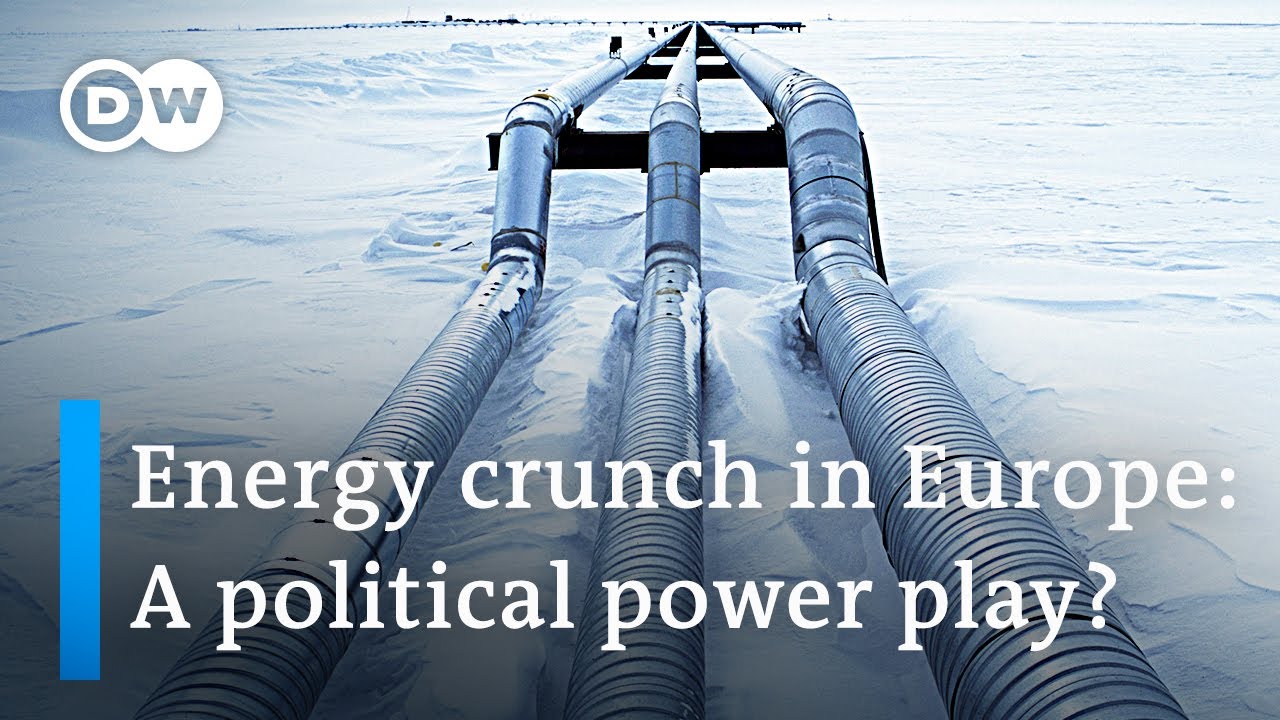
The Power of Siberia pipeline project, which redirects flows originally earmarked for Europe, is part of China's broader strategy to diversify its energy sources and secure long-term supply. Russia has discussed boosting gas deliveries to China through the proposed Power of Siberia 2 pipeline. China-Iran energy relations are marked by China's oil funding for Tehran's missile programs and related activities.
Despite U. S. efforts to curb Iranian oil exports, China persists in purchasing Iranian crude, often at significantly reduced prices.
These deals not only ensure a steady supply of affordable energy for China but also provide critical revenue for Iran. In October 2024, the United States introduced additional sanctions targeting Iran's oil and petrochemical industries, aiming to cut off funding for Tehran's missile programs and related activities. Let's take a quick pause.
If you've enjoyed the video so far, could we ask a small favor? Hitting the like button helps us reach a broader audience, and sharing your thoughts or feedback in the comments makes an even bigger impact. Thank you for watching!
Now let's dive back in. China-UAE trade involves energy commerce between the two nations. By 2023, total trade between China and the UAE strengthened its ties with the Abu Dhabi nation, with environmental initiatives resulting in a 16% increase in trade to reach $1.
3 billion. A key element of their bilateral trade is natural gas; during the same period, the UAE's natural gas exports to China amounted to around $4. 12 billion, underscoring the energy-centric nature of their relationship.
By 2023, total trade between the two reached roughly $95 billion, with non-oil trade constituting $83 billion, an increase of 7. 55% over 2022. Both countries aim to boost trade to $200 billion by 2030, demonstrating their mutual commitment to deeper commercial ties.
This growth has been driven by strategic joint ventures under the Belt and Road Initiative. China National Petroleum Corporation (CNPC) strengthened its ties with the Abu Dhabi National Oil Company (ADNOC). In July 2024, China National Offshore Oil Company (CNOOC) inked a strategic agreement with ADNOC for joint efforts in the exploration, production, and trading of crude oil and LNG, highlighting both nations' desire to reinforce their energy trade.
Renewable energy is also a priority; both countries have pledged to promote green investment, reinforcing their shared commitment to sustainable energy and environmental initiatives. China's leadership in solar technology has resulted in a dramatic increase in solar module shipments to the Middle East, including the UAE, thereby supporting local clean energy targets. Economic factors further bind the two nations.
China has long been the UAE's largest trading partner, while the UAE is China's top export destination and the second-largest commercial partner in the Middle East. Bilateral investments have also grown, with Chinese investments in the UAE rising by over 16% in the past year to reach $1. 3 billion, and UAE investments in China surging by 120%, accounting for 90% of all Arab capital flows into China.
The implications for U. S. -China energy trade are significant.
China's deepening ties with Russia and Iran may affect its demand for U. S. energy.
Access to more affordable, sanctioned crude provides China with cost-effective alternatives, diminishing the need to buy American oil. Additionally, strategic factors come into play as China seeks to diversify its sources and lessen its vulnerability to Western political pressures. Geopolitical and economic factors characterize China's collaborations with Russia and Iran.
Extend well beyond oil, encompassing broader diplomatic and trade objectives. By strengthening ties with these nations, China aims to counteract Western influence and bolster its self-sufficiency. This strategy is in line with the Belt and Road Initiative, which is designed to expand China's global footprint through infrastructure and trade projects.
**Impact on the US Economy:** A decline in China’s tariff dispute, characterized by duties and trade restrictions, could potentially lower domestic crude prices. This scenario might reduce revenues for American producers and hinder growth and job creation in the sector. Furthermore, if China's reduced purchases persist, the US trade deficit could widen, influencing other key economic indicators.
Additionally, escalating geopolitical tensions and policy conflicts shape these changing trade patterns. The prolonged US-China tariff dispute, characterized by duties and trade barriers, has driven China to diversify its sources, reducing its dependency on US crude. This trend underscores the intricate interplay between global politics and economic dynamics.
China's journey as an oil importer reflects its remarkable boom that dramatically increased domestic consumption. Simultaneously, the development of pipelines has led to 10 million barrels being highlighted, showcasing China's dominance as the leading crude importer, driven by rapid industrialization, shifting energy strategies, and international partnerships. A turning point came in the early 1990s when China transitioned from a net exporter to a net importer in 1993, spurred by comprehensive economic reforms and a manufacturing boom that dramatically increased domestic consumption.
Local production, exemplified by fields like Daqing, couldn't keep up, prompting reliance on imported barrels, initially sourced from Southeast Asia. In the early 2000s, China's demand for oil surged following its 2001 entry into the WTO and a significant economic upturn fueled by manufacturing and infrastructure investments. Imports steadily rose, exceeding 4 million barrels per day by the end of the decade.
Simultaneously, the development of pipelines and refineries prepared the nation for even greater intake. The 2010s witnessed record-breaking imports; by 2017, China had surpassed the US as the top crude importer, driven by robust industrial production and a burgeoning consumer market. Diversification of suppliers accelerated with a shift away from the Middle East towards increased purchases from Russia and some African nations.
By the decade's end, daily imports hovered around 10 million barrels, highlighting China's dominance in energy markets. Even though the 2020 pandemic disrupted global markets, China's oil imports remained largely steady, averaging nearly 11 million barrels per day, aided by strategic stockpiling during price drops. Subsequent years experienced COVID-related fluctuations, yet imports peaked at 11.
3 million barrels per day in 2023 amid a vigorous recovery. China's move to cut or halt US oil imports while strengthening ties with BRICS allies, particularly Russia and Iran, signals a calculated shift in its energy and global strategy. This approach highlights Beijing's intent to secure stable supply chains, reduce costs, and partner with aligned nations within the BRICS framework.
However, this realignment carries significant repercussions for the US, impacting both its economic interests and international influence. China's gradual move away from US crude aligns with BRICS efforts to fulfill its energy needs at reduced costs. Sanctions on Russia linked to the Ukraine conflict provided China an opportunity to access more affordable Russian oil, thereby reinforcing this shift.
At the same time, increased supplies from Iran further diversify China's sourcing options. These arrangements diminish China's vulnerability to American trade pressures, strengthening its energy security. From an economic standpoint, discounted crude from Russia and other BRICS nations enables China to fulfill its energy needs at reduced costs.
Moreover, engaging with these suppliers often facilitates non-dollar transactions, challenging the petrodollar system, a fundamental pillar of US financial influence. China's reduction in purchasing US crude has the potential to strengthen its relationships with other BRICS nations. Growing tensions between Washington and Beijing further complicate this decline, which could lead to an oversupply and subsequent price drops in the US market.
This situation might compress profit margins for US producers, limit investment, and reduce job opportunities, with ripple effects throughout the shipping and refining sectors. On the diplomatic front, this shift weakens American clout in global oil markets. By strengthening its relationships with other BRICS nations, China is laying the groundwork for an alternative economic center that challenges US-dominated systems.
BRICS initiatives for parallel financial networks and reduced reliance on the dollar could be further advanced by China's move away from US crude, undermining a key instrument of American influence. Furthermore, a decrease in Chinese purchases could widen the US trade deficit, as petroleum exports have been a significant component of US-China trade. Growing tensions between Washington and Beijing further complicate efforts to mitigate these economic impacts.
That's all for this video. Thank you for watching! We sincerely appreciate you joining us today.
If our content resonated with you or sparked inspiration, please consider expressing your support by liking it and subscribing to stay connected with our community. Your support holds immense value for us. You can watch another video from our channel, which is now on the screen.