Congo is a country known for its vast expanses of untouched Wilderness and a rich history of indigenous tribes it has long been a treasure Trove of unique cultural diversity the Congo River Winds through the Lush Landscapes where the hidden tribes of the country are preserving centuries old Customs these tribes each with their own unique lifestyle have been preserving Congo's Rich history for centuries join us in exploring the various unique tribes living in one of the world's most captivating regions number 15 UTI the UTI tribe also known as the bambuti are indigenous pygmy people who inhabit
the iuri rainforest in the northeastern part of Congo they are one of the oldest indigenous groups in Africa with a history dating back thousands of years living in small nomadic bands Outi have a deep connection to their Forest Home which they call e meaning where we live in appearance the UTI are typically shorter in stature compared to neighboring African ethnic groups averaging about 4' 6 in tall their physical characteristics including their small stature and distinctive facial features distinguish them as a unique ethnic group within the region the UTI live in harmony with with the forest
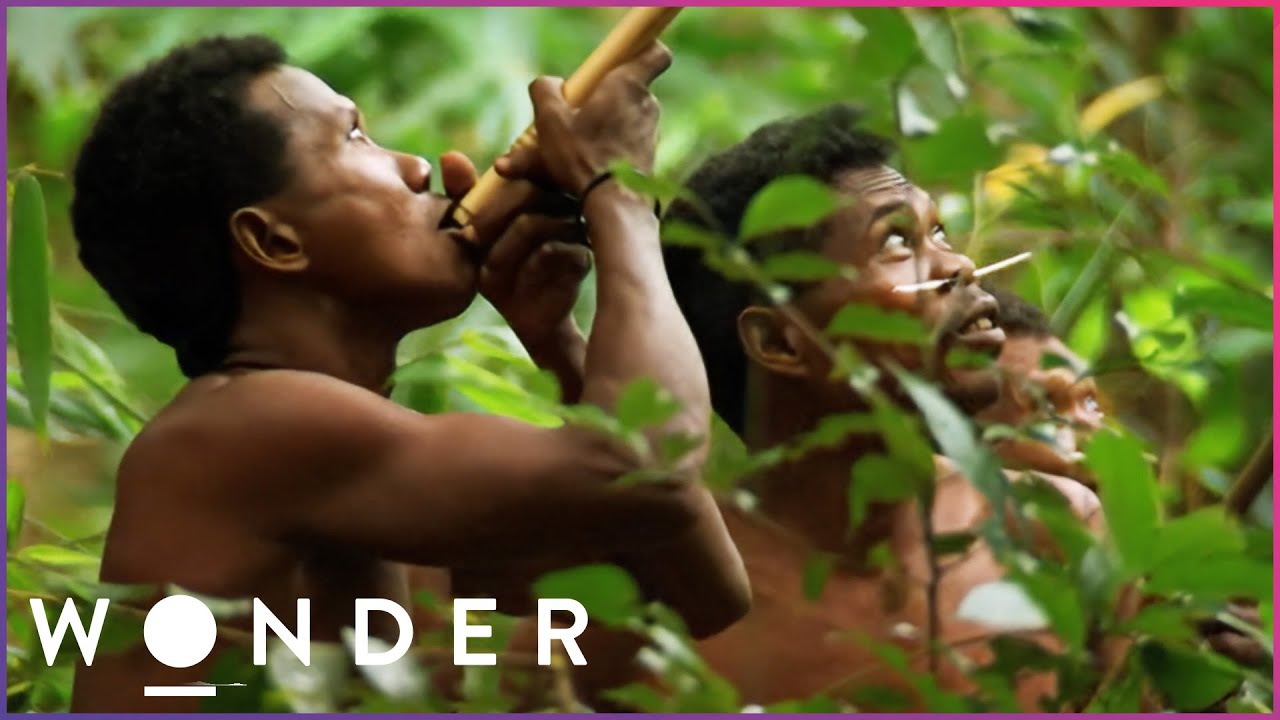
relying on hunting and gathering for their subsistence they are skilled Hunters using bows and arrows to catch small game such as Antelope monkeys and birds they also gather a wide variety of fruits nuts and roots from the forest floor supplementing their diet with honey from wild bees socially the Outi live in egalitarian societies without centralized leadership their bands are typically small consider consisting of extended family members who move together throughout the forest in search of food and resources they have intricate kinship systems that govern relationships and responsibilities within the group Music and Dance Play integral
roles in Outi culture serving both ceremonial and recreational purposes their music includes vocal poony and intricate rhythms produced by drums made from hollowed out tree trunks covered with animal skins dancing is a communal activity that strengthens social bonds and expresses their spiritual connection to the forest and its inhabitants spiritually the mouti believe in a complex system of spirits that inhabit the forest including spirits of ancestors and forest animals they perform rituals and ceremonies to honor these Spirits seeking their guidance and protection in daily life number 14 bakongo the bakongo tribe also known as the Congo
people has a rich history and cultural heritage deeply rooted in central Africa they inhabit a region spanning parts of present day Democratic Republic of Congo Angola and gabang the bakongo are known for their vibrant Traditions spiritual beliefs and complex social structure traditionally the bakongo society was organized into Clans each led by a chief or Noble known as a mu these leaders played crucial roles in maintaining order resolving disputes and preserving cultural practices Villages were typically self-sufficient with agriculture forming the backbone of their economy they cultivated crops like cassava Ma and peanuts religiously the bakongo practiced
a blend of Christianity introduced by missionaries and their indigenous beliefs centered around ancestral spirits and nature they believed in a Creator deity named in zambi or zambi mungu who governed the universe rituals and ceremonies often accompanied by rhythmic drumming and dancing were essential in honoring spirits and seeking their guidance The Bongo were renowned for their skilled craftsmanship particularly in Pottery weaving and metal working their art Artistry extended to sculptures and masks used in ceremonial contexts reflecting their spiritual and cultural identities these artifacts are prized for their intricate designs and symbolic meanings the bakongo society underwent
significant changes with the arrival of European colonizers in the late 19th century Portuguese influence was particularly strong impacting their governance Trade Practices and religious beliefs this era marked a period of cultural exchange and adaptation as the bakongo navigated new political Landscapes and economic systems number 13 Luba the Luba people one of the prominent tribes in Congo have a rich history that spans centuries they are known for their ancient Kingdom which flourished in central Africa the Luba kingdom was established around the 15th century in the region near Lake tanganika and Lake moeru its capital was located
in a city called casek which served as the political and Cultural Center of their empire the Luba kingdom was highly organized with a sophisticated political system led by a Divine King called the Mulo the malop ruled with the assistance of a Council of Elders and Chiefs from different regions of the Kingdom they governed a vast territory that encompassed diverse Landscapes from dense forests to savanas which supported their Agricultural and trading activities art and craftsmanship were integral to Luba culture they were renowned for their intricate wooden sculptures often depicting royalty and ancestral figures these sculptures were
not merely decorative but held deep spiritual significance symbolizing the power and lineage of the Luba rulers women played significant roles in Luba Society participating in agricultural work and trade alongside men they also held positions of authority within their communities contributing to decision-making processes and rituals religion among the Luba was animistic believing in spirits that inhabited natural objects and ancestors who influenced daily life ceremonies and rituals were important in honoring these spirits and ancestors ensuring prosperity and protection for the king om number 12 nandi the nand people are an ethnic group living in the eastern part
of the Democratic Republic of KGO mainly in the regions around Benny and [ __ ] they are known for their Rich cultural heritage and distinctive way of life which blends traditional practices with influences from neighboring groups the nandi are predominantly farmers and cattle herders cultivating crops such as maze Millet and beans in the fertile volcanic soils of the region their settlements are often clustered around hillsides where they practice terorist agriculture to maximize their harvests the landscape is dotted with banana and coffee plantations which are vital to their economy and daily life in addition to farming
the nandi are skilled Artisans renowned for their intricate wood carvings and basket weaving these crafts are not only functional but also hold deep cultural significance of often used in ceremonies and rituals that celebrate their history and ancestral Spirits social structure among the nandi is organized around Clans and lineages each with its own leadership and Customs Chiefs known as Mami hold significant Authority and are responsible for mediating disputes preserving traditions and ensuring the well-being of their communities respect for elders and communal decision- making are Central to nande Society fostering a strong sense of unity and Collective
identity traditionally the nandi have practiced initiation rights and ceremonies marking important life stages such as birth marriage and death these rituals involve intricate dances music played on traditional instruments like drums and flutes and elaborate costumes adorned with feathers and animal skins the nand people have faced challenges including colonial rule and more recent conflicts in the region despite these hardships they have maintain their cultural practices and continue to play a vital role in the cultural tapestry of the Congo number 11 Hutu the Hutu people are an ethnic group primarily found in the Great Lakes region of
Africa including Randa Burundi and parts of the Eastern Congo they are known for their agricultural lifestyle cultivating crops such as sorghum beans and Maze traditionally hu Society was organized around farming communities with a focus on communal labor and sharing of resources the hu have faced challenges including periods of conflict and displacement one significant event in their history is the Rwandan Genocide of 1994 where extremist hu militias targeted Tootsie people and moderate hus resulting in the deaths of hundreds of thousands this tragic event deeply scarred Rwandan society and had lasting effects on the Hutu Community the
Hutu have Rich traditions in music dance and oral storytelling traditional dances often involve rhythmic drumming and elaborate costumes reflecting their cultural heritage social life revolves around extended families and kinship ties with Elders playing a respected role in decision making and Community Affairs the Hutu language kinyarwanda is widely spoken among the Hutu population it is a Bantu language with its own unique dialects and variations across different regions where HW communities reside language serves as a unifying Factor among the hu people fostering a strong sense of identity and belonging number 10 Liga the Lega people are an
ethnic group living in the eastern part of Congo primarily in the provinces of South kvu and North kvu they are known for their Rich cultural heritage intricate art and unique societal structure the Leo Society is organized around a system of secret societies each with its own specific responsibilities and rituals one of the most notable aspects of their culture is the institution of bami a hierarchical organization that governs various aspects of Lega life bami is Central to Lega social structure emphasizing moral values discipline and personal development through a series of initiation stages the Lega are renowned
for their finely crafted Ivory and wooden objects including masks figures and ceremonial objects these artworks often symbolize spiritual and moral values within the bami society reflecting their intricate belief system and social hierarchy the Leger are agriculturalists cultivating crops such as Mae cassava and peanuts they live in villages scattered across the forested hills and plains of their Homeland with each Village typically led by a chief who oversees Community Affairs and represents the village in broader tribal councils the Leer has faced challenges due to conflicts and instability in the region particularly during periods of political upheaval in
the Congo however they have maintained a strong cultural identity and continue to practice their traditional Customs despite external pressures number nine Ang bandi the Ang bandi people are a tribe living along the ubangi river in Congo and the Central African Republic they are known for their farming skills and vibrant culture Traditions that have passed down through generations in the early 20th century French colonizers encountered the inandi and noted their unique customs the inandi are skilled in agriculture growing crops like yams plantains and cassava in Fertile Riverbank soils they live in villages made up of thatched
roof Huts arranged around a central Gathering space where Community meetings and ceremonies take place Ang bandi Society is organized around Clans each tracing its lineage through paternal ancestry these Clans play important roles in decision making and conflict resolution within the community Elders respected for their wisdom and experience guide the younger Generations in traditional knowledge and rituals traditional Ang bandi ceremonies are vibrant displays of dance and music drumming is Central to their celebrations with rhythms that echo through the forest during festivals honoring ancestors or marking important life events like weddings and births inandi beliefs blend animism
with ancestor worship where Spirits are believed to inhabit natural elements like trees and rivers shamans known as nanga act as intermediaries between the human and spirit worlds performing rituals to heal the sick and protect against evil forces number eight Baka pygmies the Baka pygmies also known simply as Baka are one of the indigenous peoples of central Africa primarily residing in the rainforests of Cameroon gabin Congo brazaville and the Central African Republic they are traditionally hunter gatherers renowned for their deep connection to the forest and their unique cultural practices living in small mobile groups within the
dense rainforest the Baka have a profound knowledge of their environment they move seasonally to follow the availability of wild game fruits and other resources essential to their survival their traditional dwellings are often temporary constructed from leaves and branches gathered from the forest The Barker organize themselves into extended family units forming larger communities based on kinship ties their society is egalitarian with decisions made through consensus among elders and experienced Hunters Music and Dance Play integral roles in their culture serving as forms of expression storytelling and spiritual connection the Baka are known for their intricate polyphonic vocal
music accompanied by various instruments like Harps and percussion made from natural materials in recent decades the Baka have faced challenges due to external pressures such as deforestation encroachment on their traditional lands and the influence of modern Lifestyles many have been forced to adapt to changes in their environment and have experienced social and economic marginalization number seven yansi the yansi tribe also known as the yaka is an ethnic group that resides primarily in the southwestern part of con o near the quango river they are known for their Rich cultural heritage artistic traditions and distinctive societal structures
in yansi society family and Community are Central they live in small villages typically surrounded by Farmland where they grow crops like ma cassava and peanuts the yansi are skilled farmers and Hunters relying on their agricultural prowess and knowledge of the local environment ment for sustenance their traditional homes made from locally sourced materials like mud and thatch reflect their close connection to the land each Village is organized around a central meeting area where Community Gatherings and important ceremonies take place these ceremonies often involve music dance and elaborate masks that are crafted by skilled Artisans within the
tribe they are renowned for their wooden sculpture masks and ceremonial objects which are not only decorative but also hold spiritual significance these artworks often depict animals ancestors and mythical beings serving as a link between the physical and spiritual Realms the yansi have a complex social structure led by Chiefs who are respected for their wisdom and Leadership they play a crucial role in settling disputes maintaining order and overseeing important communal activities Elders hold significant influence in decision-making processes ensuring continuity of cultural practices and traditions across Generations number six Shi the Shu people also known as the
Bashi are an ethnic group residing in the eastern part of the Democratic Republic of Congo particularly in the highlands near Lake tanganika they have a rich culture C Al Heritage that spans centuries characterized by unique customs and traditions the shoe are predominantly agriculturalists cultivating crops such as maze cassava and beans in the fertile volcanic soils of their Homeland their Villages are typically clustered around hillsides with thatched roof houses made from local materials like bamboo and grass these settlements often reflect a close-knit community life centered around extended families traditional Shure Society is organized around lineage and
Clan structures with leadership roles often passed down through hereditary lines Elders hold significant influence in decision-making processes guiding Community Affairs and resolving disputes according to customary laws the shaw are known for their vibrant celebrations and rituals festivals marking key agricultural Seasons such as the pl planting and harvesting of crops are important occasions where music dance and elaborate costumes play Central roles these festivities not only reinforce social bonds but also honor ancestral Spirits believe to protect and guide the community the spiritual life of the Shure is intertwined with their natural surroundings sacred Groves and natural landmarks
are revered as places of ancestral worship ship and spiritual connection shamans known as nanga serve as intermediaries between the Earthly realm and the spirit world conducting rituals to ensure the well-being of the community number five endaka the endaka tribe nestled deep within the dense forests of Northeastern Congo has a rich tapestry of tradition and history woven into their way of life for centuries they have thrived amidst the Lush Greenery their existence intertwined with the rhythms of the natural world in the village of momo located along the banks of the winding lulua River the endaka people
gather each morning to start their day the village is dotted with thatched roof Huts made from woven Palm leaves each carefully positioned to catch the first rays of the Sun that filter through the Towering canopy above children with wide eyes and and bare feet play games using handmade toys crafted from wood and plant fibers while Elders sit under the shade of ancient bobab trees sharing stories passed down through generations the endaka are known for their intricate knowledge of the forest men Venture deep into the undergrowth with Spears and machetes hunting games such as Antelope and
wild boar while women gather tubers fruits and medicinal plants that are ESS ential to their diet and health the forest provides not just sustenance but also materials for crafting tools utensils and ceremonial objects that hold deep spiritual significance their language in Darker resonates with rhythmic tones that reflect their close connection to Nature it is spoken during rituals that honor ancestors and celebrate milestones in life such as births and marriages during these ceremonies the beat of drums made from hollowed out tree trunks Echoes through the village calling everyone to participate in dances that tell stories of
Bravery love and resilience number four kusu the kusu people are an ancient tribe who have lived in the casai region of the Democratic Republic of Congo for centuries they are known for their Rich cultural heritage and distinct traditions that have been passed down through generations in the heart of the casai region where the kusu make their home lies a landscape dotted with dense forests and Meandering Rivers the kusu are primarily agriculturalists cultivating crops such as ma Millet and cassava in the fertile soils that characterize their Homeland their Villages are typically composed of mud brick houses
with thatched roofs nestled among the Lush Greenery that surrounds them the kusu society is structured around Clans each tracing its lineage back to a common ancestor revered for their wisdom and Leadership Elders play a pivotal role in decision-making drawing upon their knowledge of traditional customs and oral history to guide the community younger Generations are taught these Customs through storytelling and ceremonies that celebrate the trib's heritage one of the most distinctive aspects of kusu culture is their vibrant artwork which often features intricate geometric patterns and symbols that hold spiritual significance these designs Adorn not only their
pottery and textiles but also their bodies during ceremonial dances and rituals such occasions are marked by rhythmic drumming and chanting creating an atmosphere that reflects the tribes deep connection to their spiritual beliefs number three xandi the xandi people are an ethnic group living in the northeastern part of the Democratic Republic of Congo as well as in parts of South Sudan and the Central African Republic they are known for their unique cultural practices and historical significance in the region the Xander have traditionally been agriculturalists cultivating crops such as yams Mays and they also engage in hunting
and Gathering to supplement their diet their settlements are often organized around extended family units with Huts made from woven materials and thatched roofs one distinctive aspect of Xander culture is their governance system which historically included a complex hierarchy of Chiefs and advisers Chiefs known as aara held authority over their communities and were responsible for maintaining all and resolving disputes advisers called Coco provided counsel to the Chiefs based on their knowledge of tradition and spiritual beliefs spirituality and traditional beliefs play a significant role in Xander Society they traditionally worship ancestral spirits and believe in the influence
of Witchcraft also called mang witchcraft is believed to cause illness Misfortune or death and Xander have rituals and practices to protect themselves from its effects artistically the Xander are known for their intricate wood carvings particularly of masks and figurines used in ceremonies and rituals these artworks often depict animals spirits and symbolic representations of their cultural beliefs the Xander Kingdom flourished from the late 18th century until the early 20th century with its peak under King budw reigned late 19th century the kingdom was known for its centralized power and Military prowess engaging in trade and diplomacy with
neighboring groups number two sakata the sakata people are an ancient tribe with roots deeply intertwined in the Lush forests and Rolling Hills of the Congo Basin for centuries they have thrived amidst the dense vegetation and diverse Wildlife that characterizes their Homeland the sakata are known for their distinctive way of life shaped by their intimate connection with the natural world around them living in small close-knit communities scattered across the region the sakata traditionally sustain themselves through farming and hunting their Villages are often nestled near rivers or clearings in the forest where they build their homes from
local materials like wood and thatch each Village is led by a Chief respected for their wisdom and leadership in guiding the community through both everyday challenges and ceremonial occasions the sakata are skilled Artisans crafting intricate pottery and woven baskets that reflect their cultural heritage and practical needs these crafts play a crucial role in their daily lives serving not only as tools for food preparation and storage but also as expressions of artistic prowess and cultural identity Central to sakata society are their spiritual beliefs and rituals which honor ancestral spirits and seek harmony with the natural world
ceremonies marking important Milestones such as births coming of age and harvests are occasions of great communal celebration where traditional dances and songs echo through the forest number one budoo the budoo people are an ethnic group residing in the northeastern part of the Democratic Republic of Congo primarily in the iuri forest region they are known for their unique cultural practices and traditional way of life the budoo are part of the larger sudanic linguistic group and are closely related to other neighboring tribes such as the Le and the hea living in small villages scattered throughout the dense
rainforest the budoo have maintained a largely subsistence-based life style centered around Agriculture and hunting their Villages are typically composed of thatched roof Huts made from local materials reflecting their deep connection to the natural environment in these Villages communal activities like farming and traditional ceremonies play a significant role in their social fabric the budo have a rich oral tradition that passes down their history customs and beliefs through storytelling and rituals they have distinctive cultural practices including traditional dances accompanied by drums and other musical instruments made from natural materials found in the forest these dancers often celebrate
important Milestones such as harvest festivals or rights of Passage social structure among the budoo is typically organized around extended family units with Elders playing a crucial role in decision- making and conflict resolution they also have a system of chiefs or Village leaders Who oversee Community Affairs and represent their people in Regional matters spirituality is deeply ingrained in budo culture with beliefs often centered around animism and ancestor worship they believe in the presence of spirits in natural elements like trees and rivers and ceremonies are held to honor these spirits and seek Their Blessings for prosperity and
protection thanks for watching another episode while you are still here make sure to click the video on your screen for more quality content