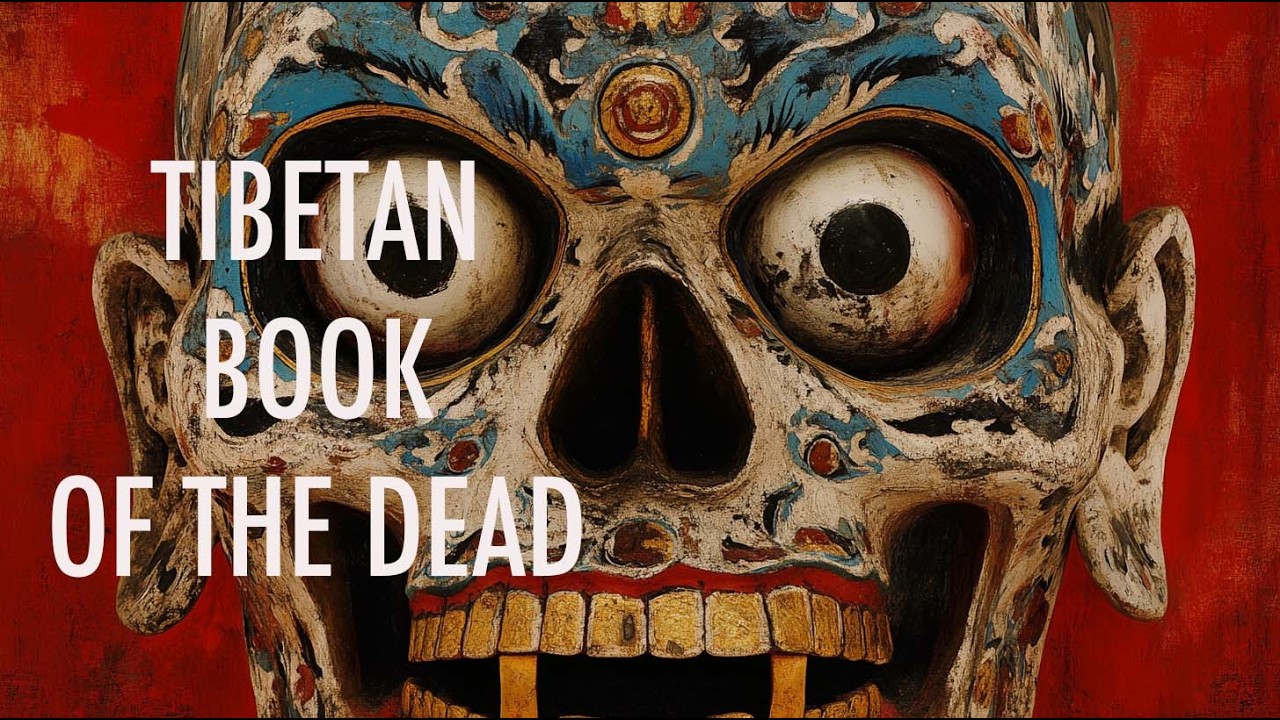
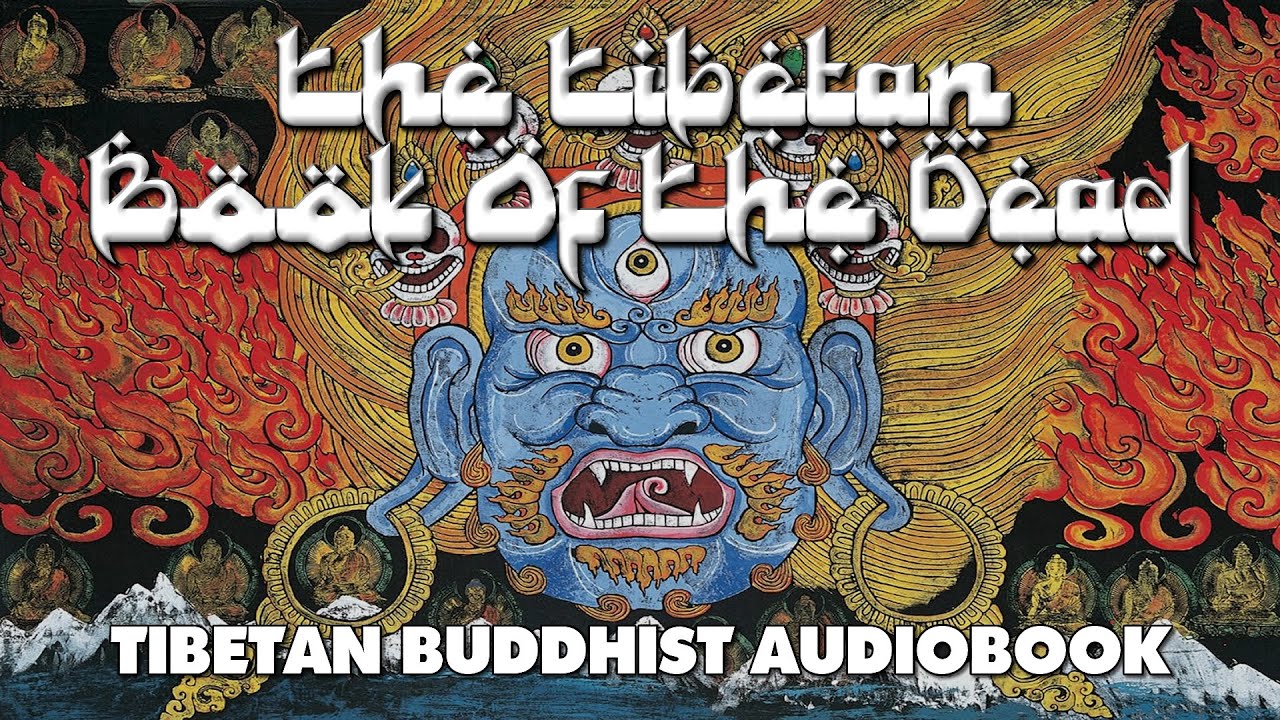
your life is nothing more than preparation for a journey you're not ready for. The truth is, you're already dead, and you just don't know it yet. This might sound unsettling, but for centuries, the teachings of the *Bardo Thodol*, commonly known as the *Tibetan Book of the Dead*, have offered profound insights into the nature of life, death, and what comes next.
Attributed to the great Tibetan Buddhist master Padma Sambhava, this ancient text doesn't just describe death as an end, but as a transition—an opportunity for liberation. It reveals the stages of the soul's journey after death, known as the bardos, and provides a roadmap for navigating them. These bardos are not mere myths; they are powerful metaphors for the mind's struggles and potential, both in life and beyond.
In this video, we will uncover these hidden teachings, explore their relevance to your own life, and show you how death might just be the greatest opportunity for spiritual freedom. Death is not the end; it is the beginning of a profound journey. According to the *Tibetan Book of the Dead*, the first stage the soul encounters is the Chikai Bardo, the moment of death itself.
In this state, the soul is released from the physical body and confronted with the clear light of pure consciousness. This light, described as radiant and all-encompassing, is the ultimate truth, the very essence of reality. It is a moment of unimaginable clarity and liberation if you are prepared to recognize it.
The clear light is not a foreign force; it is your true nature, free from the illusions and attachments of the material world. But herein lies the challenge: most souls, unprepared for this overwhelming experience, recoil in fear or confusion. Instead of embracing the light and merging with it, they turn away, clinging to the familiar sensations of their past lives.
This hesitation, born of attachment and ignorance, pushes the soul onward into the next stage of the journey. The Chiy Bardo teaches a powerful lesson: preparation for death is not about escaping the inevitable, but about cultivating awareness and detachment during life. Tibetan Buddhist teachings emphasize meditation as a way to familiarize yourself with the clear light.
When practiced consistently, meditation helps you recognize the true nature of your mind—a glimpse of the same light you will encounter at death. Those who have trained themselves in this way are less likely to react with fear and more likely to attain liberation when the moment comes. However, most people, caught up in the distractions and illusions of daily life, fail to see this.
They spend their lives avoiding thoughts of death, clinging to possessions, relationships, and identities that feel secure but are ultimately fleeting. This attachment creates a mental fog, obscuring the soul's ability to recognize the clear light when it appears. And when that moment passes, the opportunity for liberation is lost, propelling the soul into the next Bardo.
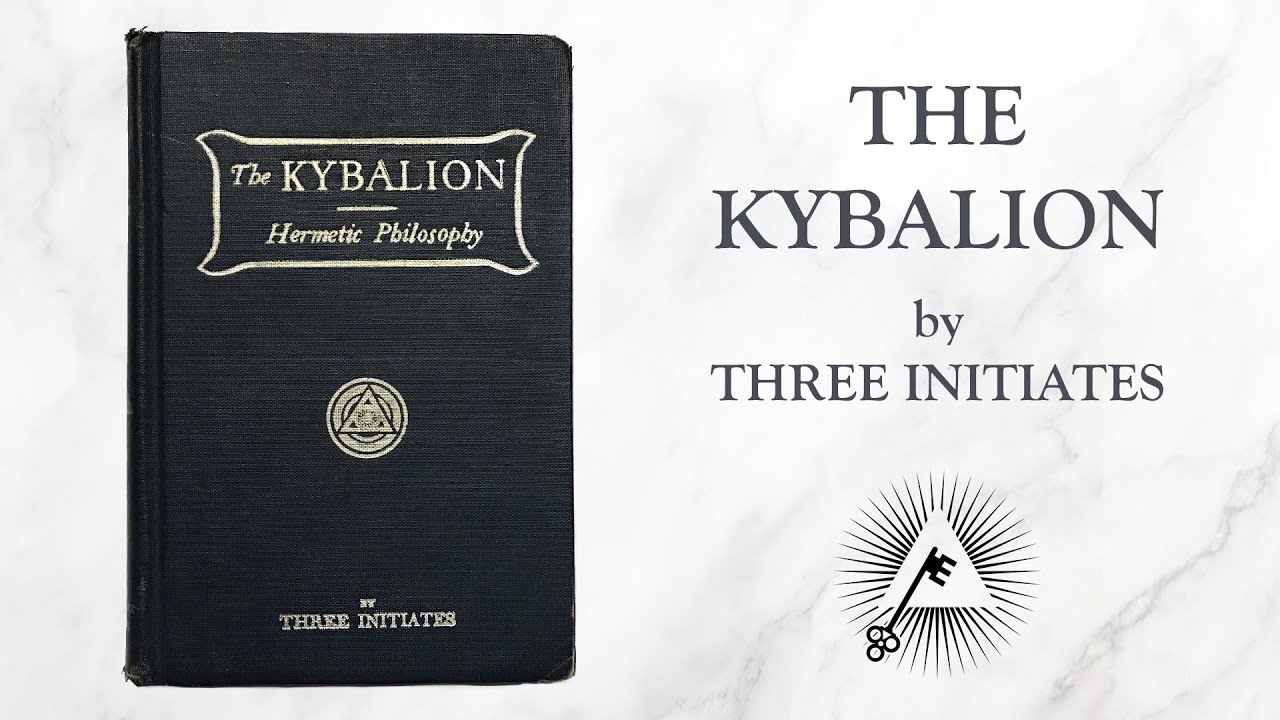
Some teachings of the *Bardo Thodol* are too sacred to share here, but if you want to dive deeper into these mysteries, subscribe to our free newsletter, *Insights Academy*. Using the link below, you'll receive exclusive insights and a free copy of the *Kiban*, a transformative text on universal principles, for a limited time only. Missing the clear light is not the end of the story, but it complicates the journey.
The soul, still tethered to the illusions of life, moves into the next phase: the Chid Bardo. Here, the mind's deepest fears, desires, and karmic imprints manifest as visions. While these may seem external and terrifying, they are nothing more than reflections of the soul itself.
Recognizing their illusory nature can still lead to liberation, but only if the soul has the courage to face them. The Chi I Bardo is a stark reminder of life's impermanence and the urgent need to prepare for this ultimate moment. It's not just about what happens after death, but how you choose to live now.
The more clarity and detachment you cultivate in life, the more likely you are to recognize and embrace the clear light when the time comes. This is the heart of the *Tibetan Book of the Dead*: a guide to liberation, not just in death, but in life itself. When the soul moves beyond the Chikai Bardo, having failed to merge with the clear light, it enters the Chon Yid Bardo—a realm of visions where the mind confronts itself.
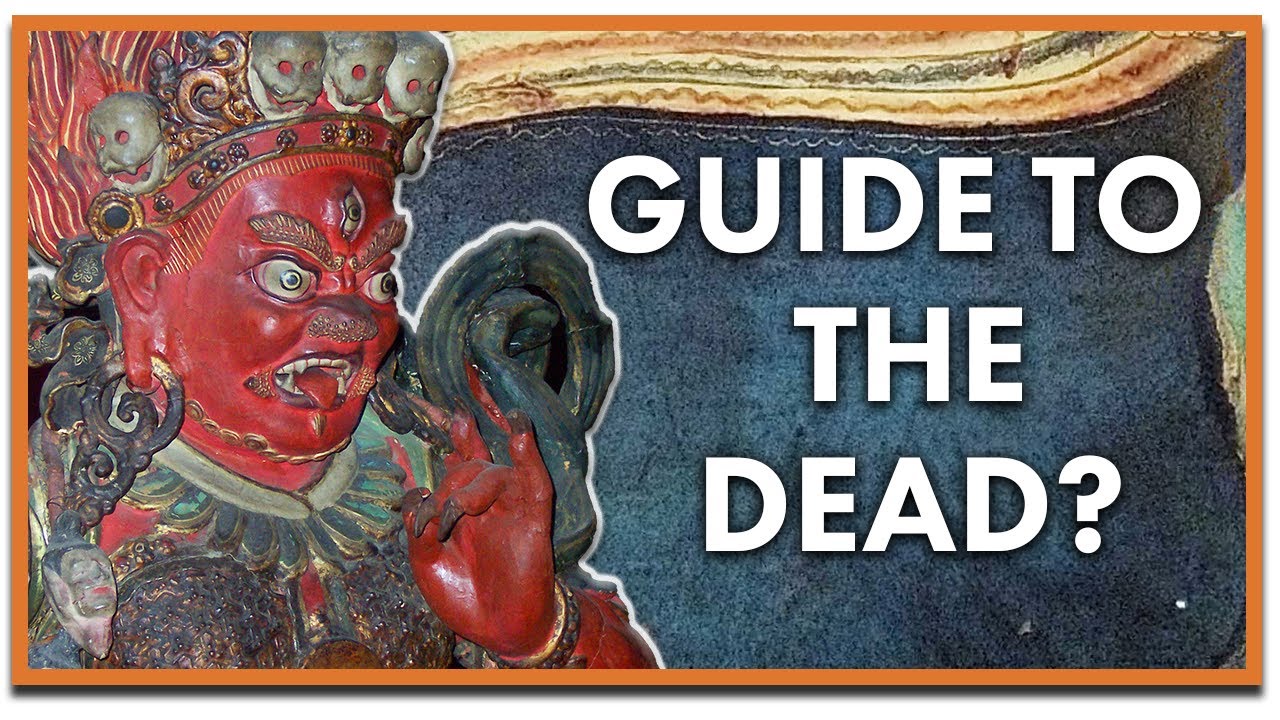
This stage is both profound and perilous, as it reflects the unfiltered projections of the soul's own karmic imprints. In this state, the peaceful and wrathful deities described in the *Bardo Thodol* are not external entities, but manifestations of your deepest fears, desires, and unresolved emotions. They are vivid, almost dreamlike, but their impact on the soul's journey is deeply real.
The Chid Bardo is a mirror for the mind: everything you see is you. The serene and luminous figures represent compassion, wisdom, and harmony—qualities you cultivated during life. The terrifying wrathful deities symbolize suppressed anger, guilt, and fear.
For the unprepared soul, these projections can feel overwhelming, leading to confusion and panic. However, those who recognize these visions as illusions—mere reflections of their own mind—can transcend this turmoil, moving closer to liberation. But why do these visions matter so much?
They reveal the truth about the soul's inner state, shaped by the actions, thoughts, and intentions of life. The *Bardo Thodol* teaches that awareness of this truth is key. Without it, the soul may react impulsively, fleeing from the wrathful deities or clinging to the peaceful ones, binding itself further to the cycle of samsara—the endless loop of birth, death, and rebirth.
Here lies a critical lesson for the living: the Chid Bardo is not just about the afterlife; it is a reflection of what happens within us every day. We are constantly experiencing mental projections—our anxieties, dreams, and emotional responses to the world around us. Life, as in this Bardo, recognizing these projections as impermanent and ucer, is a step toward freedom.
Meditation and mindfulness are vital tools for developing this awareness. By observing your thoughts without attachment or fear, you prepare to face the chid Bardo with clarity and courage. The stakes in this stage are high.
If the soul succumbs to fear or attachment, it descends deeper into karmic patterns, shaping the circumstances of its next life. Imagine being trapped in a nightmare you don't realize is a dream, reacting to every terrifying image as though it were real. This is the danger of the ched Bardo, but with awareness, the nightmare dissolves.
The soul sees the visions for what they are: creations of the mind, and moves beyond them. The teachings of this B remind us to confront our inner world with honesty; avoidance only deepens the power of these projections. If you suppress your fears or run from your emotions, they gain strength, ready to surface in moments of vulnerability.
Whether in life or after death, facing them head-on with courage and detachment reduces their grip on your consciousness. This Bardo also calls into question how we perceive life's challenges. The anger you feel toward a rival, the fear of failure, the longing for approval—these emotions may seem external, caused by other people or circumstances, but they originate within you, shaped by your mind and your karma.
The chid Bardo exposes this truth in its rarest form. The wrathful deities are not enemies to fight; they are parts of yourself that need acknowledgement and transformation. For those who fail to recognize the nature of these visions, the soul's journey continues into the next phase: the Sida Bardo, the path of rebirth.
The chid Bardo, however, offers an extraordinary opportunity for liberation if only the soul can see through the illusion. This teaching is both a warning and a promise: the power to transcend lies within, but it demands awareness and preparation. As you reflect on this Bardo, ask yourself: How often do you mistake your thoughts and fears for reality?
How much energy do you give to illusions, believing they control you? The ched Bardo urges you to reclaim that power, both in life and in the afterlife, by understanding the mind's true nature. As the soul moves beyond the chid Bardo, it enters the sidp Bardo, the stage of rebirth.
This is the final phase of the journey described in the Tibetan Book of the Dead, where the soul's karmic tendencies guide it toward its next life. Here, the accumulated desires, fears, and attachments from countless lifetimes come to the forefront, shaping the circumstances of rebirth. For those unprepared or unaware, the sidao marks the continuation of samsara, the endless cycle of death and rebirth.
Yet even in this phase, liberation remains possible for those who can detach from their cravings and see through the illusions. The Sid padoo is profoundly shaped by the soul's unresolved karma. During this stage, the soul is irresistibly drawn to situations that match its karmic imprints.
These may include strong attachments to certain people, places, or experiences. The Bardo Thodol teaches that these attractions act as a magnetic force, pulling the soul toward a new body and a new life. In this process, the soul may feel compelled to seek comfort or familiarity, unknowingly choosing conditions that perpetuate suffering.
Imagine this: a soul burdened by unresolved anger finds itself drawn to a turbulent environment in its next life—an abusive household, a war-torn region, or a competitive social structure. Another soul, deeply attached to material wealth, may reincarnate in circumstances of extreme greed or poverty, trapped in the endless pursuit of resources. These karmic attractions are not random; they are precise reflections of the soul's unresolved inner world.
This is why Tibetan Buddhism emphasizes preparation during life. The clearer and more detached the mind is at death, the less likely it is to be bound by these patterns. The Sid padoo also presents a unique challenge: the vivid imagery of potential rebirth.
The Bardo Thodol describes the soul encountering visions of parents engaging in intimacy, symbolizing the soul's entrance into a new womb. At this moment, the soul's reactions are critical. If the soul succumbs to desire or aversion, it is drawn into the process of rebirth.
However, a soul that maintains detachment and mindfulness can transcend this stage, avoiding rebirth altogether and merging with the clear light of ultimate liberation. This teaching is deeply symbolic. The visions of the sardo represent the mind's unfulfilled desires and the attachments that pull us back into the material world.
In life, we experience similar cycles. Think of the times you've acted out of impulse, chasing fleeting pleasures or avoiding discomfort. These reactions bind you to patterns, much like the sidp Bardo.
Breaking free requires mindfulness and self-awareness, recognizing that the source of fulfillment lies not in external circumstances but within. The lessons of the sidao extend far beyond the moment of death; they invite us to reflect on how we live now. Are we driven by cravings and fears that keep us trapped in cycles of stress, dissatisfaction, and longing?
Do we let our attachments dictate our choices, perpetuating patterns that lead to suffering? These questions are not merely philosophical; they are essential for anyone seeking freedom, both in this life and beyond. Preparation for the Sid padoo begins with cultivating detachment and mindfulness.
This doesn't mean rejecting the world or denying emotions; it means observing them without becoming entangled. Tibetan Buddhists often practice fow, a meditation technique that trains the mind to release attachments at the time of death. Through visualization and focused awareness, practitioners learn to redirect their consciousness toward the clear light, bypassing the illusions of the Sid padoo.
This practice, when done diligently, increases the soul's chances of liberation. The Sid padoo also underscores the importance of ethical living; every action, thought, and intention shapes your karmic imprint. Influencing not only this life but those to come, living with compassion, generosity, and self-awareness doesn't just create positive karma; it also trains the mind to let go of selfish desires.
When the time of death comes, this mental discipline becomes a powerful tool for navigating the bardos. For many, the sidp padoo represents the soul's final challenge before reincarnation, but for those who have prepared, it is also a moment of profound opportunity. The choice between rebirth and liberation hinges on a single truth: the ability to see through the illusions of desire and fear.
This teaching reminds us that freedom is not something to be found elsewhere; it is the natural state of a mind unburdened by attachments. As the Bardo Thodol reveals, the sidp padoo is not just a stage of the afterlife but a reflection of the cycles we live every day. Recognizing and breaking these patterns in life prepares us for the ultimate journey.
The path to liberation begins now, with each choice we make and each attachment we release. Death is not the enemy we've been taught to fear; it's a profound spiritual opportunity. The Tibetan Book of the Dead offers a radical perspective, reframing death as a chance to break free from the cycles of suffering and achieve ultimate liberation.
But this opportunity doesn't just appear when life ends; it's shaped by how we live now. The bardos, the transitional states described in the text, are not just experiences of the afterlife; they are mirrors of the mind, reflecting the choices, attachments, and awareness we cultivate in life. The chikai bardo challenges us to recognize the clear light at the moment of death, but how can we embrace something we've never practiced in life?
The chid bardo confronts us with projections of our own fears and desires, but how can we see them as illusions if we've never faced our inner world? The sidp padoo offers the ultimate choice: liberation or rebirth. Yet without mindfulness, most souls fall into the same karmic patterns, perpetuating their suffering.
Death, then, is not just an end; it's a test of how well we've prepared. Preparation for death begins with understanding life. Tibetan Buddhism teaches that the same principles governing the bardos apply to our daily experiences.
Every moment is a miniature bardo, a transition between states, offering the chance for awareness or reaction. When we become mindful of these moments, we prepare ourselves for the greater transitions to come. Consider how often we react to life's challenges with fear or attachment.
These reactions mirror the soul's journey in the bardos, where clinging to desires or fleeing from fears binds us to samsara. The lessons of the Bardo Thodol remind us that spiritual preparation is not about avoiding death but about embracing it as part of the natural cycle. Death strips away the illusions of material life, exposing the truth of our consciousness.
The more we understand this truth during life, the less terrifying and more liberating the process becomes. Meditation, mindfulness, and self-awareness are not just practices for the living; they are tools for navigating the transition of death with clarity and courage. This perspective reframes how we view mortality.
In many cultures, death is shrouded in fear, denial, and avoidance. We distract ourselves with work, entertainment, and material pursuits, hoping to escape the inevitable. But the Tibetan Book of the Dead invites us to face death head-on, not as an adversary but as a teacher.
By contemplating death, we learn to let go of the attachments that cause suffering. We realize that the things we cling to—possessions, relationships, even our sense of self—are impermanent. This realization isn't morbid; it's freeing.
It allows us to live with greater presence and purpose. One of the most transformative teachings of the bardos is the power of detachment. Detachment doesn't mean rejecting life; it means engaging with it fully without being bound by it.
When we let go of the need to control outcomes, the fear of loss diminishes. This freedom isn't just spiritual; it's deeply practical. Imagine living without the constant anxiety of needing to achieve, possess, or prove something.
Detachment enables us to experience life more authentically, appreciating it for what it is rather than what we wish it to be. The bardos also remind us of the importance of love and compassion. These qualities are not only antidotes to fear and anger but also the foundation of spiritual liberation.
In the chon yed bardo, the soul's positive karma manifests as peaceful visions, offering guidance and support. In life, cultivating compassion and kindness creates these same positive imprints, shaping both our present experiences and our journey beyond death. Reflecting on death also urges us to live intentionally.
How often do we drift through life caught in routines, reacting rather than choosing? The bardos teach us that every moment matters. The habits we form, the thoughts we entertain, and the emotions we nurture all shape our soul's journey.
When we bring mindfulness to these aspects of life, we align ourselves with the clear light, preparing for the ultimate transition. Death is a profound spiritual opportunity, but it's not something to fear. It's a reminder of the impermanence that defines existence and an invitation to live with greater awareness.
By facing the truth of mortality, we free ourselves from the illusions that bind us. This freedom transforms not only how we die but how we live. The Tibetan Book of the Dead doesn't promise an easy path, but it offers hope.
It reminds us that liberation is always possible, no matter how tangled we are in karma and attachment. The key lies in preparation, self-awareness, and a willingness to embrace the unknown. Life is a rehearsal for death, and death is an opportunity for transcendence.
The question is: are we ready to face it? The Tibetan Book of the Dead is not. Merely a text, it's a transmission of wisdom attributed to one of Tibetan Buddhism's most revered figures, Padma Sambhava, also known as Guru Rinpoche, considered the founder of Tibetan Buddhism.
Padma Sambhava's teachings laid the foundation for understanding the bardos and their profound implications. His message was clear: Liberation is possible, but it requires courage, awareness, and a deep understanding of the mind. Padma Sambhava's teachings are rooted in the recognition that the mind is the source of both suffering and freedom.
He emphasized that the bardos, whether experienced in death or in life, are not external realities but reflections of the mind's true nature. This is why the Bardo Thodol focuses so heavily on preparation; the mind, left untrained, becomes entangled in illusions, desires, and fears. However, a disciplined mind, cultivated through meditation and mindfulness, can recognize these experiences for what they are: fleeting and insubstantial.
One of Padma Sambhava's most powerful teachings is the concept of the clear light. This light, which the soul encounters in the Chikai Bardo, represents the essence of the mind: pure awareness, free from the distortions of ego and attachment. Recognizing this light is the key to liberation, but doing so requires familiarity with it during life.
This is why meditation is such a cornerstone of his teachings. Through meditation, practitioners learn to quiet the distractions of the mind and glimpse the clarity that underlies all experience. The Bardo Thodol also reflects Padma Sambhava's understanding of impermanence.
He taught that everything we experience—our thoughts, emotions, relationships, and even our identities—is in a constant state of flux. This impermanence is not something to resist or fear, but to embrace. By accepting that all things are temporary, we loosen the grip of attachment and create space for deeper insight.
This perspective transforms how we live: instead of clinging to the fleeting, we learn to appreciate it for what it is—a passing moment in the vast expanse of existence. Padma Sambhava also offered practical tools for navigating the bardos, both in life and in death. One such practice is Phowa, a meditation technique designed to prepare the soul for death.
Through visualization and mantra, practitioners train their consciousness to merge with the clear light, bypassing the illusions of the bardos. This practice, while simple in concept, requires discipline and dedication. It underscores Padma Sambhava's belief that spiritual liberation is not a gift, but a skill that must be cultivated.
The peaceful and wrathful deities described in the Bardo Thodol also reflect Padma Sambhava's insight into the mind's dual nature. These deities, which appear in the Chikhai Bardo, represent different aspects of consciousness. The peaceful deities embody compassion, wisdom, and harmony, while the wrathful deities symbolize raw energy and transformation.
Padma Sambhava taught that both are necessary for spiritual growth; the peaceful deities guide us toward enlightenment, while the wrathful deities challenge us to confront and overcome our fears. In modern terms, we might think of the peaceful deities as moments of clarity and peace that arise during meditation or reflection, while the wrathful deities are the intense emotions and challenges we face in life. Both are opportunities for growth, and both require awareness to navigate effectively.
Padma Sambhava's teachings remind us that even our darkest experiences can be transformative when approached with the right mindset. Another key aspect of Padma Sambhava's teachings is the emphasis on compassion. He believed that compassion is not just a virtue, but a powerful tool for transcending the ego.
When we cultivate compassion, we expand our perspective, seeing beyond our own desires and fears. This shift not only reduces suffering but also aligns us with the clear light, making liberation more attainable. Padma Sambhava's wisdom is as relevant today as it was centuries ago.
In a world filled with distractions, attachments, and fears, his teachings offer a path to clarity and freedom. They remind us that the true journey is inward, that liberation begins with understanding the nature of the mind. The Bardo Thodol is not just a guide for the afterlife; it's a guide for navigating the complexities of life itself.
Ultimately, Padma Sambhava's teachings challenge us to take responsibility for our spiritual journey. Liberation is not something that happens by chance; it is the result of intentional practice and self-awareness. Whether we're preparing for the bardos of death or facing the challenges of daily life, his message is the same: freedom is possible, but it requires courage, discipline, and an open heart.
The Tibetan Book of the Dead offers teachings that resonate deeply with individuals, but its wisdom extends beyond personal liberation. It challenges us to reconsider how we, as a society, approach life, death, and the transitions in between. The bardos are not just individual experiences; they are shared realities shaped by collective consciousness and the culture we inhabit.
To prepare for death fully, we must also reflect on how our communities can support one another in navigating these transitions. In many Western societies, death is a subject cloaked in silence and fear. Conversations about mortality are avoided, and rituals surrounding death are often perfunctory, detached, or hidden away.
This cultural avoidance creates a collective blindness, leaving individuals unprepared to face the ultimate journey. By contrast, the Tibetan Buddhist tradition embraces death as an integral part of life. Open discussions, rituals, and spiritual practices are designed to prepare the mind and soul for the bardos, fostering a sense of peace and readiness.
Imagine the profound difference it would make if communities prioritized these teachings instead of viewing death as a taboo; it could become an opportunity for unity, collective reflection, and growth. Families and friends could support one another in meditation practices, encouraging detachment from material concerns and cultivating compassion. Schools and workplaces could incorporate mindfulness training, teaching individuals to recognize and navigate their inner worlds with clarity.
This collective approach doesn't just prepare us for death; it transforms how we live. One of the most empowering aspects of the bardos is their. .
. Universality: the transitions they describe are not limited to physical death; they mirror the changes we experience throughout life: birth, loss, heartbreak, aging. These are all bardos in their own right, requiring awareness, courage, and acceptance.
When communities embrace these teachings, they create a culture that supports individuals through life's inevitable transitions. This shared understanding fosters resilience, reduces suffering, and strengthens connections. In this age of distraction and division, cultivating collective awareness is more important than ever.
The distractions of modern life—constant notifications, endless entertainment, and the pursuit of material success—pull us away from the truth of impermanence. They keep us focused on the external, leaving little time for self-reflection or spiritual growth. By coming together to practice mindfulness and reflect on the teachings of the bardos, communities can counteract these influences, creating spaces for deeper connection and meaning.
The Bardo Thodol also highlights the importance of shared rituals. Tibetan Buddhism places great emphasis on ceremonies and prayers performed for the deceased, guiding the soul through the bardos with compassion and clarity. These rituals are not just for the benefit of the departed; they remind the living of life's impermanence and the importance of spiritual practice.
In modern contexts, rituals can take many forms, from meditation circles to communal discussions about mortality. The key is creating environments where individuals feel supported in their spiritual journeys. Another crucial aspect of collective preparation is breaking the cultural stigma around emotions like fear and grief.
The bardos teach that fear arises when we fail to recognize the truth of our own minds. In life, fear often isolates us, making it harder to face challenges or reach out for help. But in a supportive community, fear can become a shared experience, something to explore and transcend together.
When we talk openly about death and the emotions it evokes, we reduce its power to paralyze us. Compassion lies at the heart of collective awakening. Just as the soul's journey through the bardos is guided by its karmic imprints, our lives are shaped by the connections we nurture.
Acts of kindness, understanding, and love ripple outward, creating positive energy that benefits not just individuals but entire communities. Compassion also strengthens our ability to let go of attachments, helping us face the bardos with greater ease. The teachings of the Bardo Thodol remind us that liberation is not a solitary pursuit.
While each soul must navigate its own journey, the strength of the collective can provide guidance and support. Imagine a world where communities actively prepare for the bardos, where spiritual growth is a shared goal, and where death is seen not as an end but as a transformation. Such a world wouldn't just transform how we die; it would transform how we live.
As we reflect on these teachings, consider how you can contribute to this collective awakening. How can you create spaces for mindfulness and compassion in your own life and community? How can you encourage others to embrace the truth of impermanence and prepare for life's transitions?
These questions are not just philosophical; they are practical steps toward a more connected and enlightened society. The journey through the bardos is both personal and universal. By preparing together, we not only support one another, but also honor the deeper truths that unite us all.
Death is not something to fear or avoid; it's an opportunity for profound growth, both individually and collectively. The question is: Will we face it alone, or will we face it together? The Tibetan Book of the Dead reminds us that death is not an end, but a transition—a journey through states that reflect the truth of our minds.
The Chikai Bardo confronts us with the clear light of pure consciousness, offering liberation if we can recognize it. The Chid Bardo challenges us with visions born of our karmic imprints, urging us to see through their illusory nature. Finally, the Sidar reveals the pull of desires and attachments, guiding the soul toward rebirth or, for the prepared, ultimate liberation.
These teachings are more than philosophical; they are a call to action for how we live now. The bardos mirror the transitions of daily life, and the principles they teach—detachment, mindfulness, and compassion—are tools we can use in every moment. Life and death are deeply intertwined, and the more we prepare for one, the more we transform the other.
But preparation is not something we can leave for the final moment; it starts with awareness, learning to recognize the patterns of attachment and fear that bind us. It deepens with practice—through meditation and mindfulness—that train the mind to remain steady and clear. And it flourishes in connection, as we come together to share wisdom, compassion, and support.
The Tibetan Book of the Dead offers a powerful truth: the journey of the soul is not preordained. At every stage, liberation is possible, but it requires courage to face the clear light, honesty to see the illusions of the mind, and discipline to let go of desires. These are not simple tasks, but they are within reach for those willing to prepare.
If these teachings resonate with you, there's more to explore. Join our free newsletter, Insights Academy, where we share knowledge too profound for this platform. By signing up using the link in the description, you'll receive a free copy of "Kyan: A Timeless Guide to the Principles of the Universe.
" Don't miss this opportunity to deepen your understanding. The Bardo Thodol challenges us to rethink our relationship with death, and in doing so, our relationship with life. Are we living in alignment with the clear light, or are we bound by illusions and attachments?
These are questions only you can answer, but the teachings offer a guiding hand. They show us that liberation is not a distant goal, but a possibility in every moment. As you reflect on the journey through the bardos, ask yourself: what attachments hold you?
Back, what fears stop you from living authentically, and what practices can help you prepare for the ultimate transition? The answers to these questions have the power to transform not only your death but your life. Remember, the path to liberation begins with awareness.
Every moment is an opportunity to prepare, to let go, and to embrace the truth of who you are. The Tibetan Book of the Dead is not just a guide for the afterlife; it's a guide for living with purpose, clarity, and freedom. If this video resonated with you, let us know by commenting, "I understood it.