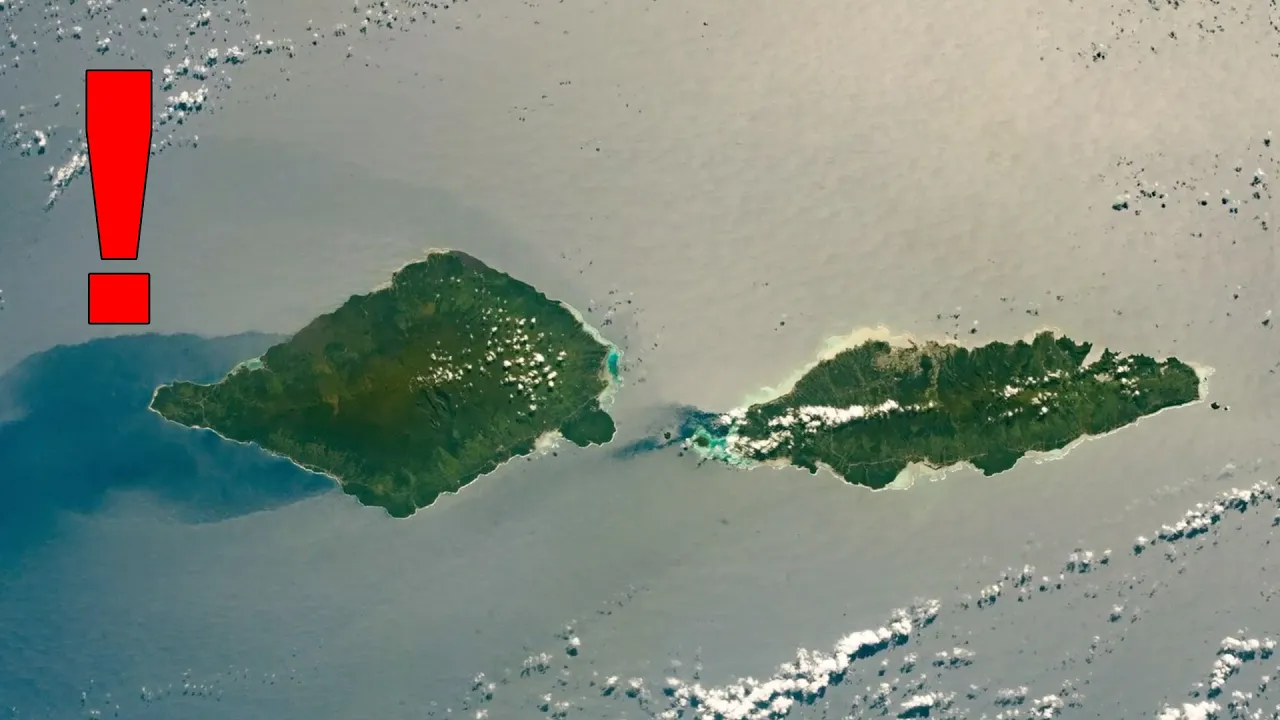
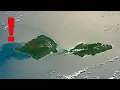
for today's video we're exploring the 15 strangest and Most Fascinating islands in the world let's start with number 15 the agasa islands also known as the Bonin Islands this island chain is often considered to be the galapagus: bird species it's thanks to all this that a visit here is well worth it number 14 South Georgia Island so Antarctica it's probably the last place in the world you'd expect to find biodiversity however it turns out that Antarctica's remote South Georgia Island may have as much biodiversity as the galapagus: like seaw worms ice fish and sea spiders
it's all this biodiversity that makes South Georgia Island absolutely incredible number 13 okunoshima while the Japanese island of okunoshima has an interesting ecosystem its ecological Origins are almost entirely man-made known as Rabbit Island in English its Origins date back to about 1925 in that year the island was turned into a poison gas plant as part of the poison testing the Island had a bunch of bunnies and a lab but after World War II these bunnies were all set loose with no natural Predators native to the island they did some bunny things and quickly spread and
about a thousand of them can now be found there best of all the Island's open to the public and home to a poison gas Museum making it a pretty cool place to visit number 12 sibani Yas so weirdly enough one of the largest man-made ecosystems on the planet was founded by a middle eastern Chic created by Sheik bin Sultan al- naan during his first stint as president of the United Arab Emirates The Story Goes that in 1977 he passed a law that deemed cban Yas to be a protected Wildlife Preserve soon millions of trees were
planted and numerous animal species were introduced with these including the gazelle Ria giraffe ostrich and coolest of all the Arabian orx which is a species of antelope that's now extinct in the wild after all was said and done three luxury hotels were opened on the island making this Wildlife Pres reserve a pretty cool vacation spot number 11 Eli Mal while Eli Mal is a tiny island in the already tiny nation of palao it's got a lake that gives it a spot in this list known as Jellyfish lake The Story Goes that 12,000 years ago sea
water began to pour into its Basin yet when the glaciers nearby receded the water levels dropped causing the jellyfish who were in The Basin to pretty much have nowhere to go trapped in a lake with no natural Predators their stingers devel velop to become absolutely harmless it's because of this that for a fee of 100 bucks it's now possible to purchase a permit to swim in the lake with these harmless jellyfish however be warned that due to its remote location Eli Mulk is quite difficult to get [Music] to number 10 sakra located about 340 km
southeast of Yemen many have called cotra the closest thing on earth to an alien planet filled with species found nowhere else it stands on a coral bank that may have once been connected with the African and Arabian mainlands while a fair amount of the animals are endemic what really makes cotra Stand Out is its vegetation as it's home to several famous species such as myrr frankincense and the dragon's blood tree the dragon's blood tree is pretty notable while it could easily have a video to itself the short and sweet of it is that it's shaped
like an umbrella can live for up to 600 years and has a very interesting dark resin it's better known as dragon's blood this resin is known for having incredible medicinal properties as it's considered to be a cure all for ailments such as fevers Cuts diarrhea ulcers and even dissenter its intense red color is also made it famous in manufacturing as stratov various violins were reportedly died with the sap of this tree now while cotra may have a lot to offer it's currently facing a bit of an uphill battle first and foremost Yemen is in the
middle of a Civil War and despite being rather remote cotra has found itself in the middle of the fighting to make matters worse increased industrial and tourist development on the island has led to much of sra's FAA being chopped down to accommodate an increase in population so while cotra may be an exceptionally cool place to visit I'd steer clear of it for the time being number nine the kodo dragon Islands the kodo dragon is at least visually the closest thing we have to a living dinosaur while the two are not closely related this species is
gargantuan coming in at up to 3 MERS in length and over 70 kg in weight they are the world's largest lizards however this size isn't what makes them famous instead their Fame can be attributed to their insane strength aggressiveness and predatory ability known for being pretty Fearless they often bring down prey that's multiple times larger than them hunting down and feasting on animals such as deer pigs and water buffalo this is possible thanks to their ability to Ambush and their venomous bite which inhibits blood clotting causes muscle paralysis and brings out hypothermia before inducing shock
and loss of consciousness thankfully this dangerous creature is far from widespread after all it can only be found on four Islands within the kodo national park and the island of Flores yet the fact that such a powerful creature is not widespread brings out a pretty interesting question why can the kodo dragon only be found on five Islands well the answer boils down to competition and evolution you see the kodo dragon has comfortably lived in its natural range for thousands of years and it would faced increased competition if it were to move off the island you
see while it used to have a much larger range the species has been wiped out from other areas as a result moving to additional Islands would simply be a risk that may not be worth taking as such though both human intervention and natural events have artificially confined the kodo dragon to these five Islands the Silver Lining is that these islands have a unique ecosystem that's not found anywhere else and best of all if you want to visit them it's a pretty simple process after flying to Bali you simply have to take an hourong flight to
the Flores and then Charter a boat to go to the islands between the boat and the flight it can be done for a few hundred bucks making it a pretty worthwhile experience if you're in that area of the world number eight the galapagus: quite different than anywhere in South America after all unlike many other Islands the [Music] galapagus: very large and therefore full of meat while they wouldn't have lasted long in most environments they did thrive in the galopagos in fact the only species to ever really threaten them were humans you see when the galopus
islands were discovered by the Europeans they realized that a tortoise could survive for 6 months to one year without food or water as a result everyone from Pirates to Whalers would take them on Long voyages so they could have fresh meat due to both this exploitation and their harvesting for oil a grand total of between 100 200,000 tortoises disappeared from the islands this unfortunately led to many subspecies going extinct although conservation efforts have been effective in protecting the 15,000 or so wild tortoises that remain thankfully despite the human development on the islands the galopus are
still home to many cool endemic species which includes the galopus penguin the galopus sea lion and the gpus Land Iguana the island does also have a special place in the hearts and minds of the scientific Community after all Charles Darwin published the f Origin of Species partially based on his travels there beyond all the wildlife and the scientific notoriety the galopus islands are also known for its worldclass scuba diving and its impressive Sierra Negra volcano so as a result the island had become increasingly popular with tourists making the galapagus: the most fascinating artificial ecosystem is
easily Ascension Island it's located in the middle of the Atlantic almost exactly halfway between South America and Africa a Barren Wasteland of lava Fields its dry climate and lack of fresh water made Ascension inhospitable thus when it was discovered in 1501 by Portuguese explorer J denova it was turned into a small and simple restocking point where Sailors searching for food would find it in form of seabirds and green turtles since it wasn't claimed by the Portuguese Crown it was used by all nations and for one year it even served as an open air prison for
Dutch officer lindert hasenbos in 1815 the island was permanently inhabited by the British and garrisoned and then it became an imperial Outpost and restop for scientists such as Charles Darwin and Joseph Dalton hooker it was hooker at the encouragement of Darwin who decided to turn Ascension Island into what it is today the story goes that in 1847 hooker reached out to his father that's because he was was the director of the Royal Botanical Gardens and with his help he arranged for trees to be shipped to the island year after year new varieties of trees arrived
from the Botanical Gardens of Europe South Africa and Argentina in fact by the late 1870s the island was home to exotic species such as the Norfolk pine eucalyptus bamboo and banana trees hooker's plan worked perfectly Green Mountain which is the highest peak on the island became a cloud forest complete with an array of trees and persistent low-level cloud cover now these trees draw moisture from the clouds enriching the soil and allowing vegetation to thrive best of all this island despite its small size and remote location it has a modest tourist industry and it hosts activities
such as fishing hiking and golfing so if you're looking for a fun vacation that's pretty far off the beaten path Ascension Island makes for an interesting choice number six Christmas Island while Christmas Island may sound like an awesome place with lots of holiday cheer it's got nothing to do with Santa reindeer or presents instead it's a tropical Australian Island located a few hundred kilom south of Australia and why it may sound disappointing at first Christmas Island still gets decked in red every year however this happens in October or November through an entirely natural process you
see in 1904 the mccc's rat suddenly went extinct on the island now this rat species was native there and in all likelihood the introduction of black rats and their Associated diseases in 1899 was to blame this quick 5-year Extinction was tragic but it did have a silver lining it left the Island's population of red crabs without any natural predators in response the crab population exploded and every year since Christmas Island has experienced a massive annual migration event every year during the wet season about a 100 million Scarlet red crabs make a Mad Dash across the
island moving from the forest to the Sea time here is of the essence as if their little red CRA Lings are born on land and not in the ocean they won't survive as a result Christmas Island which isn't particularly large is overrun the crabs tend to swarm moving across roads through homes and schools and under every foot and Tire in their path once the masses reach the ocean and go about their business they return to the forest at first the males make their way back and about 2 weeks later the females lay their eggs in
the ocean and follow behind them the eggs hatch almost instantly and while most of the baby crabs don't survive the harsh ocean conditions or Marine Predators those that do make their way back across the island battling land Predators such as yellow Crazy Ants and human shoes along the way to the locals this migration is a special event and they do their very best to help the Little Critters along during this time period they try to minimize driving hang crabs crossing signs on the roads and even construct crab Bridges to Aid with their Crossing if you
want to see the migration yourself I'd suggest making your way over there sooner rather than later this is because the f mentioned yellow Crazy Ants are an invasive species and in recent years they've been very effective at catching and eating young crabs in fact they're so crab obsessed that they'll form super colonies that work together to take over Red Crab nesting Burrows the strategy makes them extremely effective to date they've already wiped out about a quarter of the Red Crab population so unless something's done to combat them these pesky ants may lead to we yet
another unfortunate Extinction event number five Mona Island on the surface Puerto Rico's Mona island is a unique albeit somewhat desolate land mass while it has little vegetation and no permanent residence it's got several species found nowhere else on the planet including the Mona ground IG Guana and the monoa it's also got tons of seabirds and it makes it an important nesting site and often times species such as the hawk Bill turtle basket sponge and gorgonian Coral can be seen on its Shores however all the cool features aside Mona's Island status as a unique goes beyond
its interesting ecosystem that's because the island has a pretty dark past while the island was inhabited by the indigenous tyo people as far back as 3000 BC ever since Columbus first arrived in Mona in 1494 it's seen its fair share of characters for years it was a favorite hiding place of conquistadors and Pirates both of whom would take refuge here when they wanted to lay low during periods of danger or Revolt in time ships from other countries such as England France and the Netherlands arrived on Mona Shores replenishing their supplies and letting the sailors loose
before moving on to the next Depot in 1583 missionary work began on the island however by this point most of the local too had either passed or had fled since then the mysterious island has continued to be at the epicenter of controversy while it was used on and off as a pirate base lighthouse and bird guano mine in recent years it's been a sight for illegal activity every year migrants from Cuba Haiti and the Dominican Republic crowd small boats and try to make the dangerous Crossing to Puerto Rico in order to eventually get into the
United States often times they capsize and get stuck on the island sometimes these migrants arrive here not due to tragedy but on purpose as the Smugglers who transport them will in an effort to cut Corners simply abandon their migrant customers on the island even those who visit Mona for recreation sometimes stumble into the islands's traps for example in 2001 A Boy Scout on the island got lost and succumbed to dehydration and in 2024 a hunter disappeared inside a well-known cave so well a visit to this unique Island would be pretty cool it's certainly got a
tragic history and it's home to more than its fair share of strange happenings number four cery so while most of the islands on earth have been around for Millions if not billions of years cery Island came around a little bit more recently than most in fact it's even younger than some of the people watching this video located off the coast of Iceland cery finished forming just 57 years ago this because it was the product of a volcanic eruption happening 130 M below sea level the flows of the volcano built up a mound of material that
eventually built up an island the whole process took place between 1963 and 1967 and once all was said and done the new island came in at a maximum size of 2.7 Square km however now thanks to erosion it only measures in at 1.3 soon after its creation the island was named cery in a nod to certer who a fire giant from Norse mythology not long after it was also made to be completely off limits by the Icelandic government while this may seem like a bummer it was of vast importance as the decision was made to
essentially use the island as a massive science experiment the decision was made to only allow scientists on the island and even those who were there were limited to one small research station and the base of an unconstructed Lighthouse these protections have allowed the island to thrive naturally and organically develop its very own ecosystem of plants Birds insects and seals yet that doesn't mean the island hasn't been the recipient of some biological accidents you see the scientists on the island they posed a very real threat to its pristine ecosystem due to the fact that they could
accidentally carry seeds onto the island as a result the Island's few researchers are screened for seeds before entering the island however this didn't stop a scientist from depositing some from inside his body The Story Goes that after eating tomatoes a certain scientist defecated for some reason or another these feces were not properly handled causing the seeds to sprout on the island and create a tomato plant it's also worth noting that while C's protected ecosystem is pretty interesting it won't be around forever assuming that the current rate of erosion doesn't change the island will be mostly
at or below sea level by the year 2100 well the rate of erosion is likely to slow as the tougher core of the island is exposed so there is a chance that the island might survive for the next few centuries well on my end I do hope it does number three Lord how Island so Lord how island named after British Admiral Richard how is a remote subtropical Paradise formed via volcanic activity it is renowned for its unique biodiversity including endemic species like the endangered flightless Lord how woodhen and the Lord how Island fmid a large
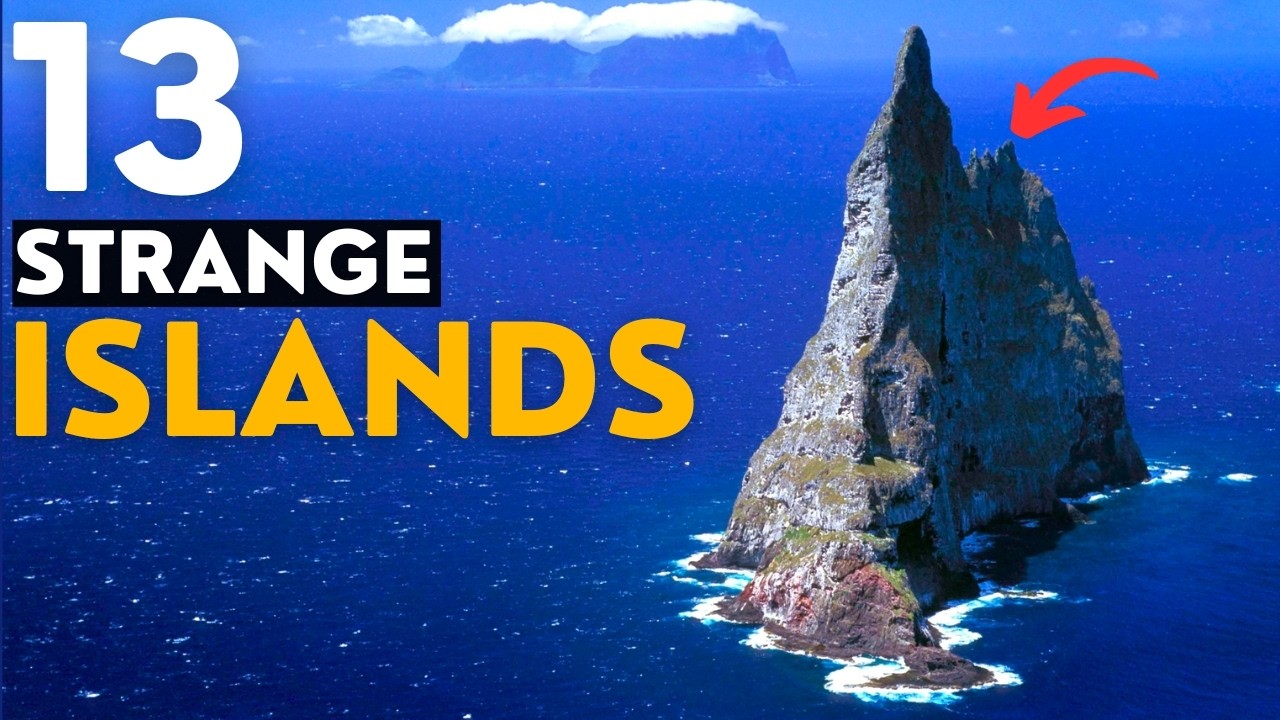
stick insect that was once thought extinct until rediscovered in 2001 the Island's isolation has allowed these species to evolve independently and its pristine environment is preserved by limiting tourist numbers to just about 400 at a time the island is also home to Ball's pyramid a towering remnant of the now submerged continent of zeelandia and the world's most southernly true coral reef beyond the natural wonders Lord how island is known for its unique time zone While most places adjust Clocks by 1 hour for Daylight Savings Time Lord how Island shifts by only 30 minutes normally in
the UTC plus 1030 time zone the island moves to UTC plus 11 during daylight savings time to align with the New South Wales Australia this unusual decision was solidified by a referendum reflecting the Island's desire for a Time connection with the mainland another peculiar event in the Island's history happened in 2016 when residents voted on a plan to address a century old rat infestation brought by the SS mombo in 1918 the rats had decimated local Wildlife lead leading to a controversial referendum by a narrow 52 to 48% vote the Islanders approved dropping 42 tons of
rat bait across the island well despite fears of poisoning and opposition to preserving some of the species targeted by Rats the program succeeded by October 2021 Lord how Island was declared rodent free allowing its native birds insects and plants to thrive again number two Madagascar Madagascar separated from the African continent around 160 million years ago leading to the Island's unique biodiversity today 95% of its reptiles 89% of its plant life and 92% of its mammals are found nowhere else while it was long believed that Madagascar species evolved in isolation after the split the fossil record
offers little evidence between the time of the dinosaurs and about 2,000 years ago raising some questions about how these species truly came to be scientists have proposed three main theories the species existed before Madagascar became an island they swam or rafted across from Mainland Africa or they crossed land bridges that may have existed at different times evolutionary biologists Ali and Blair Hedges recently analyzed the genes of 28 classes of land vertebrates including reptiles amphibians and mammals from Madagascar and they compared them with their close evolutionary relatives on Mainland Africa their research confirmed that some species
have been on the island since it split off 160 million years ago supporting the first Theory however the majority of Madagascar's current species likely arrived later having rafted from the mainland this Theory suggested that small animals were carried across the sea on natural rafts or floated across surviving the journey due to their size and hardiness the idea of land bridges was largely dismissed as no evidence in the genetic record supports surges of species Crossing on mass while the rafting theory is compelling it does remain open to Future challenges regardless Madagascar's unique ecosystem continues to Fascinate
scientists making it a must visit destination for any nature Enthusiast number one Snake Island ilad de kimara Grande known as snake island off the coast of sa Paulo in Brazil is Infamous for having the highest concentration of snakes in the world this island is home to the golden Lance head a highly venomous species responsible for 90% of snake bite fatalities in Brazil without treatment bites from these snakes have a 7% fatality rate which drops to 3% with Medical Care the Venom can cause severe symptoms such as kidney failure brain hemorrhage and muscle necrosis around 11,000
years ago rising sea levels isolated Snake Island from the mainland forcing the golden Lance heads to adapt with no ground prey they began hunting migratory Birds leading to the evolution of a more potent Venom three to five times stronger than that of their Mainland counterparts this Venom is so powerful it can immediately incapacitate prey and even melt human flesh the island was once inhabited by a Lighthouse Keeper and his family who maintained a beacon to guide ships but in the 1920s the lighthouse was automated possibly due to the dangers posed by the snakes today access
to the island is strictly controlled by the Brazilian Navy with only scientists and maintenance Crews allowed well despite their restrictions the island is targeted by Smugglers seeking the golden Lance head which fetches between $10,000 to $30,000 on the black market this illegal trade along with habitat degradation has led to a nearly 50% decline in the snake population over the last 15 years snake island is a unique ecosystem but its future is uncertain due to the threats posed by us humans and our activities thanks for watching everyone I'll see you next time thank you to our
channel members