literally 5 seconds into the trip and we've already seen a crocodile and that flew into the water didn't it that was crazy recently this rich green Paradise of Borneo has unveiled secrets that challenge our understanding of the natural world from bizarre creatures that defy logic to plants with mindboggling abilities that prove to be strange and mysterious what kinds of creatures are lurking in the shadows of the natural world join us as we delve into the strangest and most captivating discoveries recently made in the jungles of Borneo number 20 bornean clouded leopard clouded leopards are some
of the most difficult to catch and mysterious big cats on the planet found deep within the forests of Southeast Asia these remarkable creatures are known for their incredible climbing abilities making them masters of their forested homes what truly set clouded leopards apart are their unusually long canines which are reminiscent of the prehistoric saber-tooth C although they aren't any more closely related to these ancient Predators than other Modern Cats their unique features make them fascinating in their own right the borian clouded leopard in particular stands out as a distinct species officially recognized in 2007 these magnificent
big cats are extremely reclusive living in the thick rainforests of Borneo and Sumatra genetic testing has revealed that the borian clouded leopard is so different from other clouded leopards found on the Asian mainland that their relationship is about as distant as that between lions and Panthers on the island these agile Predators hunt a variety of prey including monkeys deer wild pigs and lizards playing a crucial role in maintaining the balance of the bornean rainforest ecosystem number 19 the mulu flying frog high in the mountains of Borneo at over 1,000 m above sea level lies a
fascinating Discovery within the rich expanse of sarawak's Gung mulu National Park the mulu flying frog this unique frog is far from ordinary besides performing the usual frog duties it has an extraordinary Talent it can glide through the air almost like it's flying this amazing creature resides exclusively in the Donham Valley where it prefers to stay close to small streams known commonly as the flying frog this little amphibian is quite small with the males measuring just 3.5 cm in length however what makes this tiny frog truly special is its incredible ability to change color during the
day it wears a plain brown coat blending in with its surroundings but as night falls its skin undergo a striking transformation turning a vibrant shade of green as if ready for a night out at a disco this color change even extends to its eyes adding to its already captivating appearance the mulu flying frog is part of a group of amphibians known for their strange and wonderful ability to Glide this impressive skill is made possible by their large fully net-like feet and the aerodynamic skin flaps on their limbs number 18 the world's tallest tropical tree in
2016 the world was captivated by a thrilling Discovery deep within the rich rainforests of saba Malaysia on the island of Borneo researchers stumbled upon an awe inspiring yellow Moran tree standing at a staggering 294 ft claiming the title of the tallest tropical tree ever recorded at that time this extraordinary tree rooted in the heart of one of the most biodiverse regions on Earth Stood as a proof to the incredible Heights nature can achieve but this record was soon eclipsed by an even more remarkable find Gregory Asner a renowned ecologist from Stanford University's Carnegie Institution for
Science made an electrifying announcement at the heart of Borneo conference utilizing Advanced lar technology which uses laser pulses to create detailed three-dimensional maps of forest canopies Asner and his team embarked on an ambitious aerial expedition across the thick jungles of Borneo their mission LED them to the discovery of 50 towering trees that surpassed the height of the yellow Moran with the tallest among them soaring to an un precedented 309 ft this gigantic tree found in the pristine danham Valley of saba also boasted a canopy stretching 132 ft wide the discovery not only set a new
world record but also highlighted the critical importance of preserving these ancient forests which are home to countless species some of which remain undiscovered Asner described the moment of finding these Giants as profoundly moving a reminder of the Untamed power and Majesty of nature the discovery also underscored the fragility of these ecosystems as borneo's rainforests face threats from deforestation and climate change number 17 bornean flat headed frog this unique frog has a much flatter appearance compared to other frogs and rather than having lungs it has a variety of other organs filling the space where lungs would
typically be this flat-headed Frog's unusual shape isn't just for show it serves an important purpose in its rainforest home deep within the heart of Borneo the flat body helps the Frog move more easily through the fast flowing streams where it lives Additionally the flattened shape increases its surface area allowing it to absorb oxygen more efficiently a perfect adaptation for its environment discovered in 1978 this fascinating species is now considered endangered and is listed on the iucn red list of threatened species unfortunately it is only found in two specific locations within the middle of a River
Basin making it incredibly vulnerable the Frog survival is under significant threat due to pollution caused by nearby mining activities which continue to put its fragile habitat at Great risk number 16 cop's bronze back in 2007 the cop's bronzeback snake was discovered in Borneo and it ly stood out due to its striking and unique appearance this rare species typically grows to about 1.5 m in length what makes it truly special is the vibrant coloration of its neck which shifts from a bright orange color to a mesmerizing blend of blue green and brown this beautiful color gradient
runs along the entire length of its body making it one of the most eye-catching reptiles out there to add even more flare to this snake's appearance the top of it its head is adorned with a deep bronze shade a signature feature of all bronzeback snakes hence their name a dark stripe runs from the mouth to the neck adding to its captivating look these snakes are easily recognizable especially when they feel threatened in moments of danger the cop's bronze back flares its backside dramatically displaying the Brilliant Orange of its neck it's a sight to behold but
it's also a clear warning despite their beauty these snakes have an aggressive nature and a painful bite making it wise to admire them from a safe distance they thrive in their natural habitat which ranges from lowland to Upland rainforests often found relaxing in trees the perfect point for hunting frogs and lizards while their appearance might be stunning these snakes are not to be toyed with number 15 Chan's meas stick Chan's meas stick is a truly remarkable insect found Prim arily in the dense rainforests of Borneo discovered in 2028 this giant stick insect has captured the
imagination of both scientists and nature enthusiasts due to its impressive size it is one of the largest stick insects in the world with females reaching an incredible length of up to 12.6 in including their extended legs males though slightly shorter can still grow to impressive lengths one of the most fascinating aspects of Chan's Mega stick is its extraordinary camouflage its body is designed to mimic a stem or branch which makes it nearly indistinguishable from the surrounding foliage this effective disguise is crucial for evading predators in the wild where its natural habitat is teeming with potential
threats Chan's Mega stick is not only notable for its size and camouflage but also for its reproductive behavior during mating the males perform a unique courtship display where they Sway and and move their bodies in a way that resembles a branch swaying in the wind this Behavior helps to attract females and establish dominance among rival males another intriguing fact about Chan's Mega stick is its diet like many stick insects it feeds primarily on leaves which are abundant in its rainforest home its feeding habits play a significant role in the ecosystem as it helps control the
growth of certain plant species and contributes to the overall health of the forest number 14 the spectacled flowerpecker in 2010 a truly thrilling Discovery occurred in the danham valley Conservation Area in sabba deep in the heart of Borneo a group of scientists stumbled upon a bird that had never been seen before the spectacled flowerpecker the surprise was Mutual the bird seemed just as astonished to see the researchers as they were to spot it while the scientists were crossing a rainforest canopy walkway that stretched 250 M they noticed this small bird its soft gray feathers white
arcs around its eyes and a broad white stripe running from its throat to its belly made it stand out the white Bunch on its breast and its distinctive eye Rings gave it the endearing name spectacled flowerpecker the discovery puzzled scientists especially given the extensive research conducted in the valley since 1986 despite Decades of study this bird had remained hidden until now experts although perhaps a bit shortsighted believe the spectacled flowerpecker specializes in life among the high Treetops where it can find the most fruit its preference for the upper canopy likely helped it avoid detection for
so long number 13 new species of orchid Borneo a paradise is home to an astonishing array of orch ORS with about 3,000 distinct species gracing its Landscapes recently dedicated conservation efforts in the heart of this Rich Island have unveiled 37 previously unknown orchid species highlighting borneo's role as a hot spot for Botanical discoveries one of these newly identified orchids is found on a towering peak in Malaysia an area celebrated for its incredible biodiversity and rare plant species borneo's rich and diverse plant life thrive thanks to the Island's unique climatic conditions the Region's high levels of
rainfall and consistent temperatures create a perfect environment for orchids to flourish additionally the Island's rainforests which house a series of Wildlife and plant species are crucial for sustaining the delicate balance of borneo's ecosystems efforts to protect borneo's orchids are vital not just for conserving these exotic flowers but also for safeguarding the Island's broader biodiversity many of these orchids have evolved to rely on specific environmental conditions and interactions with other species making their preservation essential for the health of the entire ecosystem the Island's conservation initiatives which include habitat protection and research programs play a key role
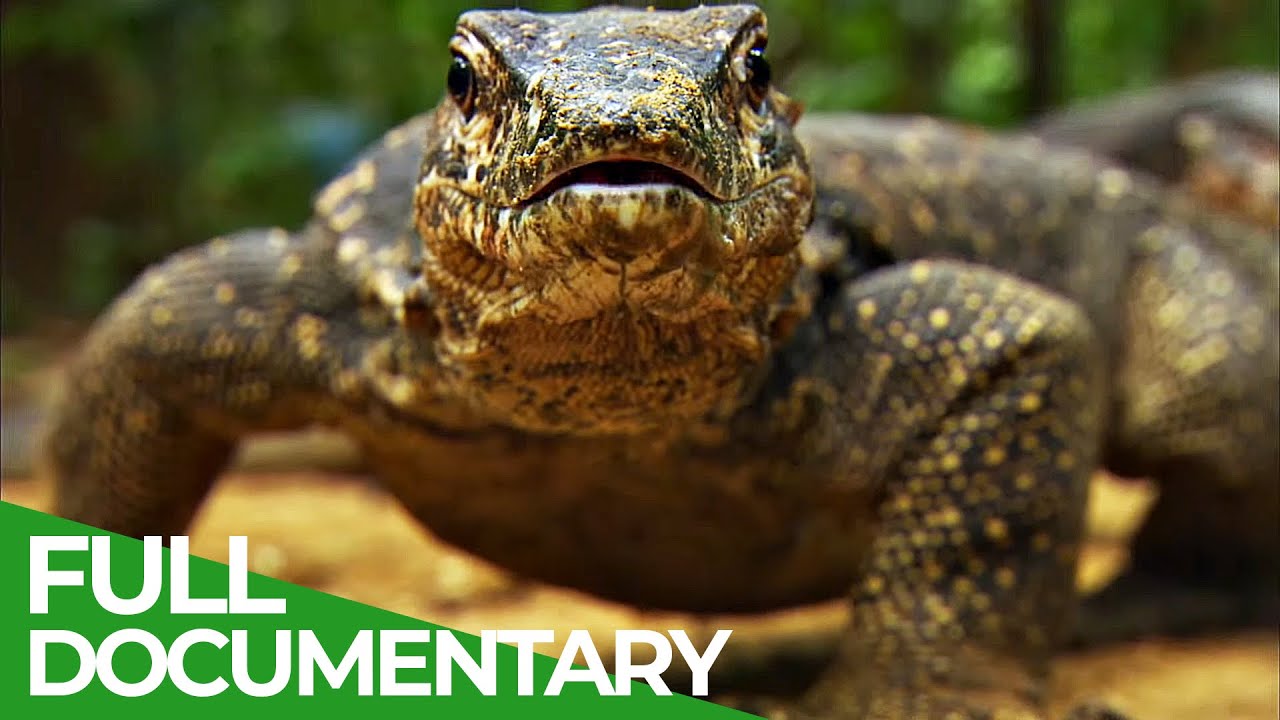
in ensuring that Borneo remains a living laboratory of Botanical wonders number 12 Borneo earis monitors monitor lizards are impressive large reptile that inhabit a wide range of environments across Africa Asia and Oceania among these the Komodo dragon stands out as the most famous and awe inspiring these massive creatures can weigh over 300 lb and their size can be attributed to their incredible appetite they consume up to 80% of their body weight in a single meal Komodo dragons are notorious for their aggressive and terrifying predatory skills ranking among the most ruthless predators in the animal kingdom
however not all monitor lizards are quite as fearsome take the Borneo earless monitor for instance this unique species found in the forests of Borneo is unlike any other creature on earth these lizards have an ancient lineage that dates back to the Cretaceous Period around 145 to 66 million years ago essentially they are living descendants of dinosaurs which is evident in their dinosaur-like appearance the Borneo earless monitor has no visible ear openings but it can still hear it boasts long brown armored skin and striking blue eyes these monitors are semi-aquatic thriving near water sources such as
streams and marshlands like their relatives they are carnivorous and have an unquenchable appetite eating a wide range of prey with an opportunistic approach sadly the Borneo earless monitor is classified as endangered by the iucn red list much of their decline is due to human activities that have destroyed their natural habitat a disheartening reminder of the impact we have on the world's Wildlife number 11 a new species of slug in the High Altitude regions of Borneo particularly in Saba researchers have identified several rare and endemic slug species including a newly discovered one with a name that's
a bit tricky to pronounce these slugs thrive in the V vibrant moss covered forests of the mountain peaks that rise up to 1,9 m above sea level one fascinating species measuring around 4 cm in length Sports an exceptionally long tail three times the length of its head when the slug rests this tail wraps around its body like a coil while its slimy exterior might not win everyone over its distinctive appearance is truly captivating adding to the Intrigue this slug exhibits a unique courtship behavior in involving love darts these are specialized harpoon-like structures made of calcium
carbonate during mating rituals the slug uses these darts to inject a hormone into its partner this hormone increases the likelihood of successful reproduction by affecting the reproductive system of the mate this method though unusual is an effective strategy in the Slugs evolutionary toolkit interestingly these slugs are also part of a broader study on biodivers University in borneo's Highlands the unique climate and isolated environments of these Mountain forests contribute to the high level of endemism meaning that many species found here are not found anywhere else on Earth researchers are continually exploring these remote areas to uncover
more about these elusive creatures and their specialized adaptations to the challenging conditions of their habitat number 10 hybrid mystery monkey in 2017 a captivating baby monkey was first spotted in the thick forests of Borneo sparking curiosity among scientists by 2022 this mysterious monkey had grown up but continued to Intrigue researchers dubbed the hybrid mystery monkey it has been seen roaming the forest captivating all who encounter it this mysterious creature has led scientists to speculate that it might be a rare hybrid between two distinct species the prascus monkey known for its impressive round nose and native
to Borneo and the Silvery idleness a striking primate with a silvery coat found in the same Forest although these two species share the same habitat they are only distantly related which makes their potential hybridization exceptionally unusual hybrids between different monkey species are extraordinarily rare adding a layer of mystery to this discovery the huge monkey with its unique structure and the Silvery idleness with its shining hair both have distinct adaptations that are fascinating on their own the possibility of a hybrid combining these traits opens up intriguing questions about evolutionary biology and the adaptability of primates furthermore
borneo's diverse ecosystem rich with tropical rainforests and rare Wildlife provides a unique backdrop for this discovery the hybrid mystery monkey's presence in this environment highlights the complexity and wonder of the Region's biod University offering scientists a rare opportunity to study the effects of inner species interaction in a natural setting number nine rare Palm species researchers from the Royal Botanic Gardens along with their team recently discovered an extraordinary Palm species that flowers and produces fruit almost entirely underground this fascinating trait LED them to name it pinanga subterrania native to the tropical island of Borneo in Southeast
Asia this plant is cherished by locals for its vibrant red fruit which is both sweet and juicy while the plant had remained largely unknown to scientists in London local people have been familiar with and utilizing it for Generations its significance among the Island's inhabitants went unnoticed by the scientific Community until recently now it stands among the more than 2,5 known Palm species unfortunately many of these plants are at risk of Extinction the international research team found pinanga subterrania scattered throughout the primary rainforests of Western Borneo from the Malaysian region of sowak to the Indonesian mountains
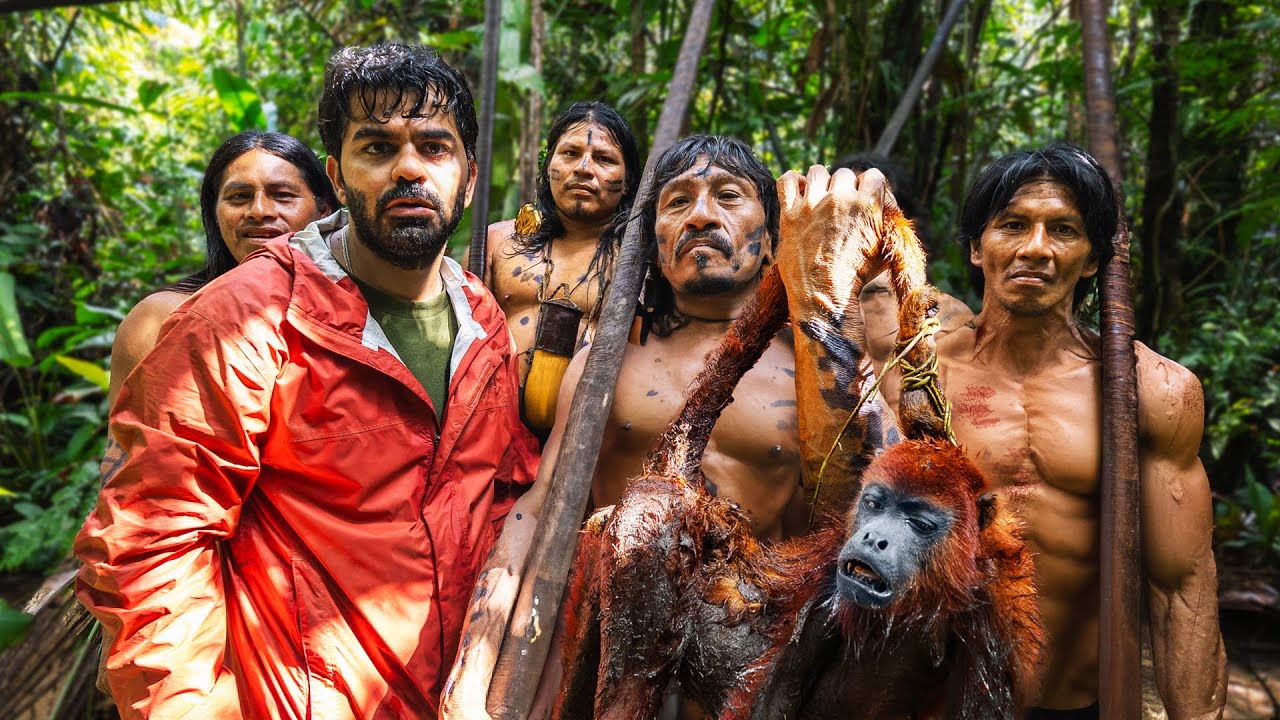
before its official scientific description the plant was known by various names in at least three bornean languages this highlights how valuable local knowledge can be if scientists took more time to learn from local experts rather than relying solely on their own often slow and inaccurate research they could gain a much deeper understanding of the Region's vegetation and creatures number eight the penon tribe the penan tribe is a remarkable group of people indigenous to the Lush rainforests of Borneo primarily found in the Malaysian state of Sarawak they are among the last true nomadic hunter gatherer communities
in Southeast Asia having lived in perfect harmony with their environment for centuries this friendly relationship makes perfect sense because the penin have always depended on the forest for everything they need food shelter and spiritual connection their semi-nomadic lifestyle is intricately tied to the changing seasons the penan follows the natural rhythms of the rainforest and possesses an intimate knowledge of the land they use a variety of plants for food medicine and tools hunting and Gathering form the core of their subsistence complemented by smallscale farming and fishing they live by the principle of taking only what they
need and show great respect for the forest which provides for and protects them the penon homes are simple yet practical structures made from woven Palm leaves and bamboo these homes can be easily assembled and disassembled making them well suited to their mobile way of life despite the encroachment of modernity many penans continue to uphold their traditional life lifestyle however some have been gradually settling into Villages due to external pressures and government policies that have favored modernization over the preservation of their ancient way of life this shift has been driven by corporate interests and industrial expansion
including logging and palm oil plantations which have dramatically altered their traditional lands these changes not only threaten the pen and's cultural heritage but also cause widespread environmental damage number seven new population of bayat in 2016 scientist had only scratched the surface when it came to understanding the bayat one of the five elusive wild cat species native to Borneo these rare and secretive cats often referred to as the Phantom of the forest had been so hidden that it was almost a ghost in the world of Wildlife Research with less than a dozen confirmed sightings in nearly
a century the bay cat remained one of the least known and most mysterious wild cats on the planet however a groundbreaking discovery occurred when the Borneo nature Foundation captured remarkable footage of the bayat in a forest where it had never been documented before this footage was the result of extensive efforts by the foundation which had partnered with Scientists from around the world to delve deeper into the mysteries of borneo's wildlife focusing their efforts on the thick and largely unexplored rungan landscape of central khim number six new species of carnivorous plant according to Charles Darwin millions
of years ago a fascinating transformation occurred among certain plants these plants faced with challenging environments where the soil lacked vital nutrients embarked on a unique evolutionary journey through a series of adaptations they developed the ability to consume meat a trait almost unheard of in the plant kingdom this incredible adaptation allowed them to survive where other other plants could not one of the most famous examples of these carnivorous plants is the Venus fly trap native to the subtropical Wetlands of the United States particularly North and South Carolina this plant is known for its dramatic and Swift
trap closure when it senses the presence of an insect the Venus fly trap isn't just a passive Hunter it actively lures its prey with sweet honey waiting for the right moment to snap its trap shut there are over 600 known species of carnivorous plants each with its own unique hunting strategy some like the sundue use sticky glandular hairs to capture their prey While others such as the bladder wart use vacuum-like bladders to suck in unsuspecting aquatic organisms among the most intriguing of these plants is a newly discovered species of pitcher plant that has taken a
bold step further in its Evolution While most pitcher plants have developed tall vase-like structures above ground to trap insects this new species has adapted to produce underground traps as well these Subterranean traps are a Marvel of Nature's Ingenuity designed to capture and digest prey that sets in the soil such as small insects and even worms now it's time for today's subscribers pick deep within the rich Uncharted jungles of Borneo where sunlight barely touches the forest floor and the air vibrates with the calls of exotic Wildlife a new chapter in The Tale of Nature's wonders has
been written a team of fearless explorers armed with only their intelligence and a thirst for Discovery stumbles upon a secret hidden for Millennia what they uncovered was a prawn like no other its body shining with color of dazzling Brown its claws larger and more intricate than any prawn you've seen before after days of trekking through dangerous terrain and braving the elements they reached a hidden Riverbank hidden in mist and secrecy if it was here amid the thick forest that Dr Grant's net caught a glimpse of something extraordinary a prawn unlike anything they had encountered this
prawn not only defies the Norms of its kind but also exhibits behaviors that baffle even the most seasoned biologists for one it has an intricate nearly invisible camouflage that allows it to blend seamlessly with its surroundings its brightness is not merely for show it's a sophisticated form of communication allowing the prawn to Signal potential mates and ward off Predators the velvet-like skin on its claws is not just a curiosity but an adaptation that helps it detect even the faintest vibrations in the water making it an incredibly skillful Hunter what could be the evolutionary advantage of
such unique features why does this prawn glow and have skin covered claws let's know your thoughts and comments below number five new slope L Loris species in 2012 researchers exploring the thick rainforests of Borneo stumbled upon an extraordinary Discovery a new species of slow loris a primate unlike any other these fascinating creatures with their large round eyes that glow eerily in the dark are as mysterious as the jungle they inhabit despite their endearing Teddy bear-like appearance and human-like Hands slow lorises have a hidden danger their bite isn't just venomous it's one of the most toxic
in the animal kingdom the Venom is produced by glands in their elbows which they lick before biting mixing it with saliva to deliver a potent toxin capable of causing severe allergic reactions and even death in some cases what makes their movement even more intriguing is that their slow deliberate motions are almost soothing a strategy they use to avoid detection by Predators thanks to to their extra vertebrae their spine is incredibly flexible allowing them to twist and turn in ways that are almost serpent-like a stark contrast to their otherwise cute and gentle appearance the name Loris
comes from the Dutch word for clown a nod to their strange wide-eyed Expressions which seem to mask their true dangerous nature in local folklore the slow loris is often seen as a creature of mystery and Magic believed to ward off evil spirits but in reality their venom bite is No Illusion it's a defense mechanism that can have deadly consequences number four oldest figurative painting in the world this cave in Borneo is home to the oldest known figurative art in the world dating back over 40,000 years this discovery has revolutionized our understanding of how early humans
Illustrated people before this the oldest known human-made Figures were found in Germany where archaeologists had un covered carved creamy carvings of people birds and horses these were believed to be around 40,000 years old however the Borneo cave art is even older challenging previous assumptions while older human-made images exist such as crisscrossing lines and Abstract patterns the depiction of a person in this cave art is a particularly remarkable find in the history of art what makes this discovery even more fascinating is that it suggests early humans separated by thousands of Miles were simultaneously advancing in their
artistic abilities despite the vast distances between them these ancient peoples were making similar strides in creativity a truly astounding realization number three new species of lorda merma ant in the green lowland rainforests of sowak Borneo researchers have made a remarkable Discovery a new species of ant named lorda merma reticulata this tiny reddish brown ant was found nestled among the dense Leaf waste a habitat teeming with life that often goes unnoticed Lord Amira reticulada is part of a group of ants known for their intricate social structures and highly specialized roles within their colonies what makes this
discovery particularly thrilling is that it Marks One of 29 new species identified since the heart of Borneo conservation plan was launched this initiative spanning three countries brunai Indonesia and Malaysia aims to protect one of the world's oldest rainforests the discovery of Lord airma reticulata not only extends the known range of this genus into southeast Asia but also deepens our understanding of the delicate balance Within These Rich interconnected ecosystems meanwhile deep within the same rainforests another rare and mysterious creature makes its home the Borneo earless monitor lizard this species is so hidden that it has often
been called the Holy Grail of herpetology first described in 1887 the Borneo earless monitor was long thought to be extinct until its rediscovery in the 1960s unlike most lizards it lacks visible ear openings which has puzzled scientists for decades however these lizards possess an extraordinary ability to detect vibrations and sounds through their skin and skull allowing them to navigate their shadowy semi aquatic habitats with ease number two zebra striped fish the zebra striped fish is a unique member of the fish family recently discovered in the heart of Borneo this striking fish is one of 17
new species identified in the region a proof of the incredible biodiversity hidden in borneo's rainforests despite its small size ranging from just 3 to 6 cm the zebra striped fish stands out with its distinctive black and white stripes resembling a zebra these markings provide camouflage in their natural habitat which includes the slow moving Waters of shallow streams and swamps the fish are typically found in the Shaded undergrowth of the rainforest where they seek Refuge from predators and feed on Tiny aquatic invertebrates interestingly this fish's recent discovery highlights the rich yet often overlooked Aquatic Life in
borneo's rainforest ecosystems many of these species have adapted to specific places within their environment and the zebra striped fish is no exception it plays a crucial role in its habitat contributing to the balance of the Aquatic food web though it might not seem flashy at first glance the zebra striped fish is a key example of how much there is still to learn about the Hidden Treasures of our planet's most remote and enigmatic places number one new freshwater prawn species in the late 2000s researchers made an exciting discovery of a new species of freshwater prawn in
a river flowing through the tropical rainforests of East Borneo this river is part of a larger water system known for its incredible biodiversity it connects to an even longer river which is home to nearly 150 unique fish species around 300 bird species and the critically endangered irawati dolphin a amidst all this rich life the newly discovered prawn is one of two recently identified prawn species it is Tiny measuring just over 1 cm in length which is probably why it had remained unnoticed for so long what's especially surprising about this prawn is that it has an
unusually large number of teeth compared to similar species besides this fascinating prawn there are several other unidentified species of freshwater prawns still waiting for scientific description they remain unnamed until they are officially recognized however borneo's Rivers face significant threats from habitat destruction pollution and unsustainable fishing practices therefore conserving these crucial waterways is becoming increasingly urgent the scientific exploration in the heart of Borneo has not only led to the discovery of these new species but also highlighted the need to protect this remarkable and diverse ecosystem what do you think is the most mindblowing Discovery from borneo's
jungles are there other remote corners of the Earth where incredible finds are just waiting to be uncovered let us know your thoughts and theories in the comments below