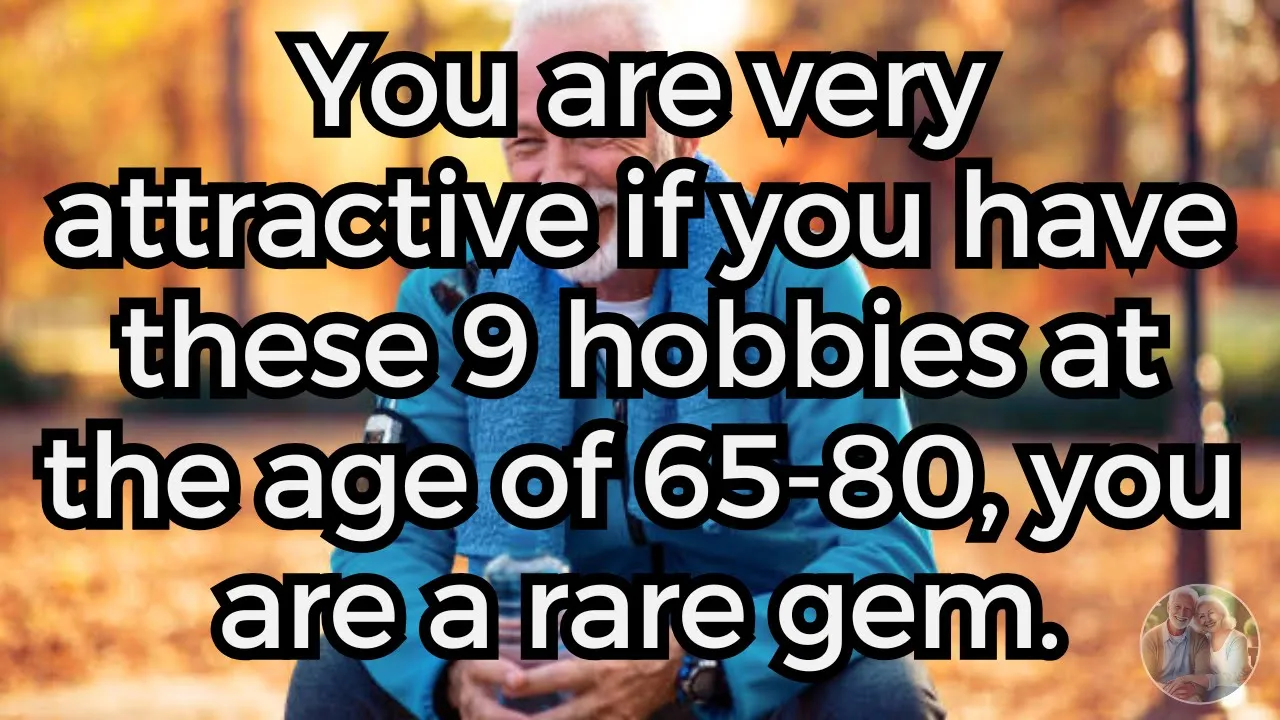
Have you ever wondered what it takes to live a truly fulfilling life even after 65? Well, the secret might lie in your hobbies. Today, we're diving deep into the world of hobbies that can not only keep you physically and mentally fit but also make you a rare gem in society.
From gardening to learning a new language, these nine activities can transform your golden years into a vibrant adventure. So, whether you're already retired or just looking for inspiration, stick around to discover how these hobbies can add joy, purpose, and a touch of magic to your life. Before we begin, I would appreciate it if you liked this video.
You can help me continue to spread the old-age lesson. If you haven't subscribed yet, I recommend you subscribe and turn on the bell so you don't miss any videos. If you like this video, please comment "number one.
" If you don't like it, comment "number zero" to let me know so I can make a better video for you. Now let's get started! **Number One: Gardening** **Physical Benefits** Gardening is an excellent form of exercise that keeps your body engaged without the intensity of a traditional workout.
As you dig, plant, weed, and harvest, you're working various muscle groups, helping to improve strength, flexibility, and endurance. Gardening also enhances balance and coordination, especially as you move around uneven surfaces, squat to plant seeds, or stretch to trim high branches. It's a full-body activity that encourages mobility, which is crucial for maintaining agility and preventing falls, particularly in older adults.
Moreover, being outdoors exposes you to fresh air and sunlight, providing a natural source of vitamin D essential for bone health and immunity. **Mental Benefits** Beyond its physical advantages, gardening offers a powerful boost to mental well-being. It is often regarded as a therapeutic activity that helps reduce stress and anxiety.
The act of tending to plants, watching them grow, and nurturing life from seed to bloom fosters a sense of purpose and achievement. Studies have shown that gardening can lower cortisol levels, the hormone associated with stress, leading to a more relaxed and positive mood. Engaging with nature also has meditative qualities, allowing you to disconnect from daily pressures and focus on the simple, rhythmic tasks at hand.
Furthermore, it sharpens cognitive functions, as planning and maintaining a garden require problem-solving, attention to detail, and creativity. This mental stimulation is especially beneficial in preventing cognitive decline and improving memory retention. **Social Benefits** Gardening also has a unique social aspect that fosters a sense of community and belonging.
Whether you're a seasoned gardener or just starting, sharing your knowledge, tips, or even surplus produce with neighbors can create meaningful connections. Community gardens offer a space where people from all walks of life come together to cultivate not only plants but friendships. These interactions can break down social barriers and promote inclusivity, offering opportunities to meet new people who share similar interests.
Joining a gardening club or attending local gardening workshops can further enhance your social network, creating bonds over shared experiences and challenges. For those who may feel isolated, gardening provides a gateway to social interaction and community engagement, encouraging collaboration and shared responsibility. **Environmental Impact** Additionally, gardening contributes positively to the environment.
By growing your food, you reduce your carbon footprint by minimizing the need for transportation and packaging associated with store-bought produce. Gardens—especially those that embrace organic practices—help to enrich soil health, support pollinators like bees and butterflies, and contribute to biodiversity. Even small-scale home gardens play a part in creating green spaces, improving air quality, and reducing urban heat islands.
**Emotional Fulfillment** There is also a deep emotional connection to gardening that comes from nurturing life. Watching your garden grow from tiny seeds to full-grown plants evokes feelings of pride and fulfillment. Many people find that gardening is a way to express creativity, as each garden is a unique reflection of its caretaker's style, preferences, and personality.
The act of caring for plants can also cultivate patience and mindfulness as you learn to adapt to the natural rhythm of growth and the changing seasons. It's a reminder that good things take time and attention, offering a slower, more reflective pace in a fast-moving world. **Number Two: Learning a New Language** **Mental Benefits** Engaging in the process of learning a new language offers significant mental advantages that can have a profound impact on cognitive function.
Research has shown that bilingualism enhances brain plasticity, which is the brain's ability to adapt and reorganize itself in response to new experiences. This adaptability helps keep the mind sharp, promoting better memory retention and recall. As learners navigate the complexities of grammar, vocabulary, and pronunciation, they develop improved problem-solving skills.
This is because mastering a new language requires critical thinking and analytical skills, as individuals must decipher meaning, structure sentences, and make connections between words and concepts. Additionally, the cognitive demands of language learning stimulate creativity, encouraging learners to think outside the box and approach challenges with innovative solutions. Studies have indicated that bilingual individuals often exhibit heightened creativity, as they can draw from multiple linguistic perspectives and cultural insights.
**Social Benefits** The social rewards of learning a new language are equally compelling. Language serves as a bridge between cultures, allowing individuals to connect with people from diverse backgrounds and foster deeper relationships. By learning a new language, you gain insights into different cultural nuances, traditions, and worldviews, enriching your understanding of humanity as a whole.
This cultural appreciation can lead to more meaningful interactions and a greater sense of empathy toward others. Moreover, being multilingual enhances your travel experiences, making them more enjoyable and immersive. When you can communicate with locals in their native language, you open the door to authentic experiences, such as trying regional delicacies, participating in community events, and accessing hidden gems that might be overlooked by tourists.
Making friends or navigating new environments, the ability to speak another language can significantly enhance your social life, creating connections that transcend linguistic boundaries and fostering a sense of global community. If you are still watching this video and finding these lessons useful, please comment "number one" below to let me know that you are still watching this video with me. Thank you for your valuable time.
Number three: Volunteering. Social benefits: Volunteering offers numerous social advantages, particularly by providing an opportunity to connect with new people and build meaningful relationships. Whether through a local charity, an international organization, or a community project, volunteering brings individuals together, fostering a sense of unity and shared purpose.
It allows you to meet people from different backgrounds, perspectives, and life experiences, expanding your social network and broadening your horizons. Through these connections, you not only learn from others but also offer your unique skills and insights, creating a supportive and collaborative environment. Moreover, volunteering can strengthen your sense of belonging as you contribute to causes that are larger than yourself, helping you to feel like part of something greater.
This connection to community and collective impact often leads to a deep sense of fulfillment as you witness the tangible difference your actions can make in the lives of others. Mental benefits: Volunteering provides significant mental health benefits, such as improved mood, reduced stress levels, and enhanced emotional well-being. By actively engaging in meaningful work, individuals often experience a sense of accomplishment and purpose.
Helping others and contributing to positive change can trigger the release of dopamine, the brain's feel-good neurotransmitter, which can improve your overall mood and emotional state. Moreover, volunteering has been linked to lower rates of anxiety and depression, as it offers a positive distraction from personal worries or stressors. It encourages a shift in focus from your challenges to the needs of others, which can provide perspective and alleviate mental burdens.
Furthermore, the satisfaction and sense of purpose derived from volunteering can boost self-esteem and confidence as you see firsthand the positive impact you have on individuals and the community as a whole. Over time, this can lead to a more meaningful and fulfilling life, reinforcing a sense of well-being and inner contentment. Number four: Traveling.
Mental benefits: Traveling offers a wealth of mental benefits that go beyond simply getting away from the daily grind. One of the most significant advantages is the expansion of your horizons. By visiting new destinations, you're exposed to different environments, perspectives, and ways of life.
This broadening of your worldview helps you challenge preconceptions and develop a more open and adaptive mindset. Exploring new cultures, landscapes, and experiences can reduce stress by providing a break from the pressure of everyday life and offering a sense of escape and rejuvenation. Traveling also stimulates mental agility and problem-solving skills, as it often requires you to navigate unfamiliar situations, deal with unexpected challenges, and find solutions on the go.
Whether it's learning how to communicate in a foreign language, figuring out directions in a new city, or managing logistics in an unfamiliar environment, the act of traveling encourages creativity and cognitive flexibility, helping you to think in new and innovative ways. It can also foster a sense of accomplishment and self-reliance, boosting your confidence as you learn to adapt and thrive in different circumstances. Social benefits: On the social side, traveling opens the door to new relationships and opportunities for meaningful connections.
Whether you're meeting locals in the places you visit or fellow travelers along the way, travel offers the chance to form friendships that you might not have encountered otherwise. These interactions can give you a deeper understanding of different cultures, languages, and traditions, allowing you to build empathy and a greater appreciation for diversity. Furthermore, traveling provides an ideal setting to strengthen relationships with loved ones.
Shared experiences in new environments foster bonding, as the unique adventures and challenges you face together can create lasting memories and deepen your connection. Whether it's exploring a new city with a partner, embarking on a family vacation, or taking a solo trip to reconnect with yourself, travel enhances social dynamics by creating opportunities for shared discovery and the joy of exploring the unknown together. If you are still watching this video and finding these lessons useful, please comment "number two" below to let me know that you are still watching this video with me.
Thank you for your valuable time. Number five: Playing a musical instrument. Mental benefits: Playing a musical instrument is not only a rewarding creative outlet but also a powerful cognitive booster.
It engages multiple areas of the brain, improving memory, attention span, and problem-solving skills. Regular practice of an instrument can enhance your ability to retain information and process complex patterns, which is particularly beneficial as you age. Additionally, the coordination between your hands, eyes, and ears while playing an instrument strengthens fine motor skills and helps improve hand-eye coordination.
Whether you're reading music, listening for tonal nuances, or timing your movements with rhythmic precision, every aspect of playing an instrument sharpens mental acuity and promotes neuroplasticity, which refers to the brain's ability to adapt and grow over time. Emotional benefits: Playing an instrument offers profound emotional advantages by serving as a form of self-expression. It provides a healthy way to channel emotions, allowing you to express joy, sadness, anger, or even nostalgia through the music you create.
This form of expression can be incredibly therapeutic, acting as an emotional release or a coping mechanism during stressful times. The act of playing music helps to regulate mood by triggering the release of dopamine, often referred to as the "feel-good" neurotransmitter. For many, it becomes a peaceful escape from everyday anxieties, providing a sense of accomplishment and satisfaction when mastering a piece.
Furthermore, playing music can foster a deep sense of connection, whether you're performing solo or as part of a group, creating bonds with others through shared experiences. Creative experiences also encourage mindfulness, as musicians are often fully immersed in the present moment, focusing their attention on the task at hand. Number six: dancing.
**Physical benefits**: Dancing is not only a form of artistic expression, but also a powerful full-body workout. It provides an enjoyable and engaging way to stay active, helping to maintain and improve overall fitness. Regular dancing can strengthen muscles, improve cardiovascular health, and increase endurance.
Whether it's a fast-paced style like salsa or a slower one like waltz, dancing engages multiple muscle groups, enhancing both strength and flexibility. It also helps to improve balance and coordination, which can be particularly beneficial as we age. As we move in rhythm to the music, our bodies naturally become more aligned and agile, reducing the risk of falls and improving posture.
The flexibility gained from dancing allows for more fluid movements, making everyday activities easier and more comfortable. **Mental benefits**: Beyond the physical rewards, dancing offers numerous mental health advantages. For many, it acts as a natural stress reliever.
The rhythmic movements combined with the focus on music allow the mind to temporarily forget about life's pressures. The release of endorphins, or happy hormones, during dance can significantly improve mood, creating a sense of joy and emotional uplift. Over time, dancing can help to alleviate symptoms of anxiety and depression by providing a structured way to express emotions, focus the mind, and encourage mindfulness.
In addition, dancing is a great mental workout; it improves cognitive functions such as memory, concentration, and problem-solving skills, especially when learning complex routines or choreography. The mental challenge of remembering steps, syncing with music, and coordinating movements can help keep the brain sharp and engaged. **Social benefits**: Dancing is also an excellent way to connect with others and build meaningful relationships.
Whether you're dancing in a group class, at a social event, or with a partner, it fosters a sense of community. It can break the ice in social situations and lead to new friendships or romantic connections. In group dances such as ballroom or swing dancing, communication and teamwork are essential, teaching trust and cooperation.
The shared experience of dancing can create lasting bonds as it offers an opportunity for people to connect beyond words. For couples, dancing can be a fun and intimate way to strengthen their relationship, encouraging trust, partnership, and mutual understanding, allowing partners to connect both physically and emotionally. Additionally, dancing often brings together diverse groups of people, providing an inclusive environment where everyone can participate, regardless of background, age, or skill level.
It becomes a space for personal expression, shared joy, and collective celebration. If you are still watching this video and finding these lessons useful, please comment number three below to let me know that you are still watching this video with me. Thank you for your valuable time.
Number seven: taking up a new hobby. **Mental benefits**: Engaging in a new hobby is a powerful way to boost mental health and keep your mind agile. When you learn something new, whether it's playing an instrument, painting, or even learning a new language, your brain forms new neural connections, which help to improve cognitive function over time.
This can enhance memory, attention span, and overall brain processing speed. New hobbies also encourage you to use critical thinking and problem-solving skills, forcing your mind to think in fresh, innovative ways as you tackle challenges in your chosen activity. Your brain becomes more adept at managing complex tasks and adapting to unexpected obstacles, ultimately increasing your mental flexibility.
Additionally, hobbies that involve creativity—such as writing, drawing, or crafting—stimulate the imagination, enhancing your ability to think outside the box and see problems from different angles. **Emotional benefits**: On an emotional level, taking up a new hobby provides a sense of accomplishment and personal growth. Learning and mastering a new skill brings a deep sense of satisfaction and pride, which can lead to a boost in self-esteem and confidence.
When you express yourself through activities like painting, dancing, or even gardening, you create a healthy outlet for your emotions, which can be a powerful way to manage stress and reduce feelings of anxiety or tension. Having a hobby to focus on can also act as a form of escapism, allowing you to temporarily disconnect from the stresses of daily life and immerse yourself in something fulfilling. Furthermore, dedicating time to a hobby promotes a sense of balance and well-being, as it provides a structured break from the hustle and bustle of responsibilities.
Over time, hobbies can help you rediscover passions, reignite curiosity, and foster a sense of fulfillment, ultimately contributing to a richer, more satisfying life. Number eight: spending time with loved ones. **Emotional benefits**: Spending quality time with loved ones offers profound emotional benefits that can significantly enhance your overall well-being.
Engaging in meaningful interactions with family, friends, or partners fosters a sense of emotional connection, creating a sense of belonging and security. These positive bonds can help to uplift your mood, reduce anxiety, and alleviate stress by providing a source of comfort and understanding. When you're surrounded by those who care about you, you feel supported and valued, which in turn boosts your self-esteem and self-worth.
Additionally, these moments of connection offer a temporary escape from life's pressures, allowing you to focus on joy, laughter, and shared experiences. The presence of loved ones can help you gain perspective and resilience in the face of challenges, as they often offer guidance, encouragement, or simply a listening ear. Feeling connected in this way helps to combat loneliness, creating a deeper sense of fulfillment and emotional stability.
Moreover, spending time with loved ones can inspire a sense of purpose and meaning in life. Through shared memories and collaborative efforts, you may begin to see the positive impact you have on those around you, which can motivate you to make a difference in the world—whether through simple gestures of kindness or. .
. More significant acts of support: the emotional connections you build with those close to you ripple outward, enriching both your life and the lives of others. If you are still watching this video and finding these lessons useful, please comment number four below to let me know that you are still watching this video with me.
Thank you for your valuable time. Number nine: Doing something you love. **Mental benefits**: Engaging in activities you love is not just a pleasurable pastime; it's a powerful tool for keeping your mind sharp as you age.
Whether it's painting, writing, gardening, or learning a new language, the cognitive benefits are substantial. Research shows that pursuing hobbies you're passionate about can enhance your memory, boost your attention span, and sharpen your problem-solving skills. Regularly challenging your brain with something you enjoy can stimulate neural pathways, which helps to maintain mental agility.
Creative activities in particular encourage innovative thinking and can even delay the onset of cognitive decline. The sense of accomplishment from mastering a new skill or completing a project can give your mind a workout, keeping you mentally engaged and alert. **Emotional benefits**: The emotional advantages of doing what you love are equally powerful.
It serves as an emotional outlet, offering a productive way to cope with stress and daily pressures. By immersing yourself in something you enjoy, you create a positive distraction from any negative emotions or worries, allowing for emotional release and relaxation. This can help reduce feelings of anxiety and depression, promoting a sense of calm and peace.
Moreover, these activities provide a deep sense of fulfillment; they connect you to your inner self, offering moments of personal satisfaction and joy. The feeling of being fully engaged and present, often referred to as "flow," is an emotionally rewarding experience that can leave you feeling content and happy with your life. **Finding your passion at any age**: Whether you're 65 or 80, the pursuit of a hobby you love can make a profound difference in your overall well-being.
The hobbies you choose not only shape your mind but also add meaningful structure to your day. It's never too late to discover or rediscover passions that make you feel alive and vibrant. The beauty of engaging in something you love is that it provides a sense of purpose and direction, often leading to increased self-esteem and confidence.
At this stage in life, finding something that brings joy, creativity, and a sense of accomplishment is invaluable, and it can even make you a rare gem in your community—someone who is actively living life with passion and enthusiasm. The key is to explore various interests until you find one that truly resonates with you. It's not about being the best at something, but about the personal fulfillment and joy it brings.
Whether it's crafting, volunteering, fitness, or learning a new skill, the most important thing is to enjoy the journey and embrace the benefits it brings—mentally, emotionally, and beyond. So what have you learned today about the incredible power of hobbies? Hopefully, you’ve discovered that these activities can not only keep you active and engaged but also enrich your life in countless ways.
From gardening to learning a new language, volunteering to traveling, playing a musical instrument to dancing, taking up a new hobby to spending time with loved ones—simply doing something you love—each of these activities offers unique benefits that can transform your golden years into a truly fulfilling experience. Hobbies can help you stay physically and mentally fit, reduce stress, improve your mood, boost your self-esteem, expand your horizons, broaden your perspective, and connect with others in meaningful ways. They can even help you discover new passions and talents that you never knew you had.
Now, I want to hear from you: what's one thing you've learned that you'll bring to your own life? Share your thoughts in the comments below. Perhaps you'll decide to start a garden, take a dance class, or volunteer at a local charity.
Whatever you choose, remember that it's never too late to start a new hobby and discover the joy and fulfillment it can bring. If you enjoyed this video, don't forget to give it a thumbs up, leave a comment, and subscribe to our channel for more inspiring content. Thank you for watching!