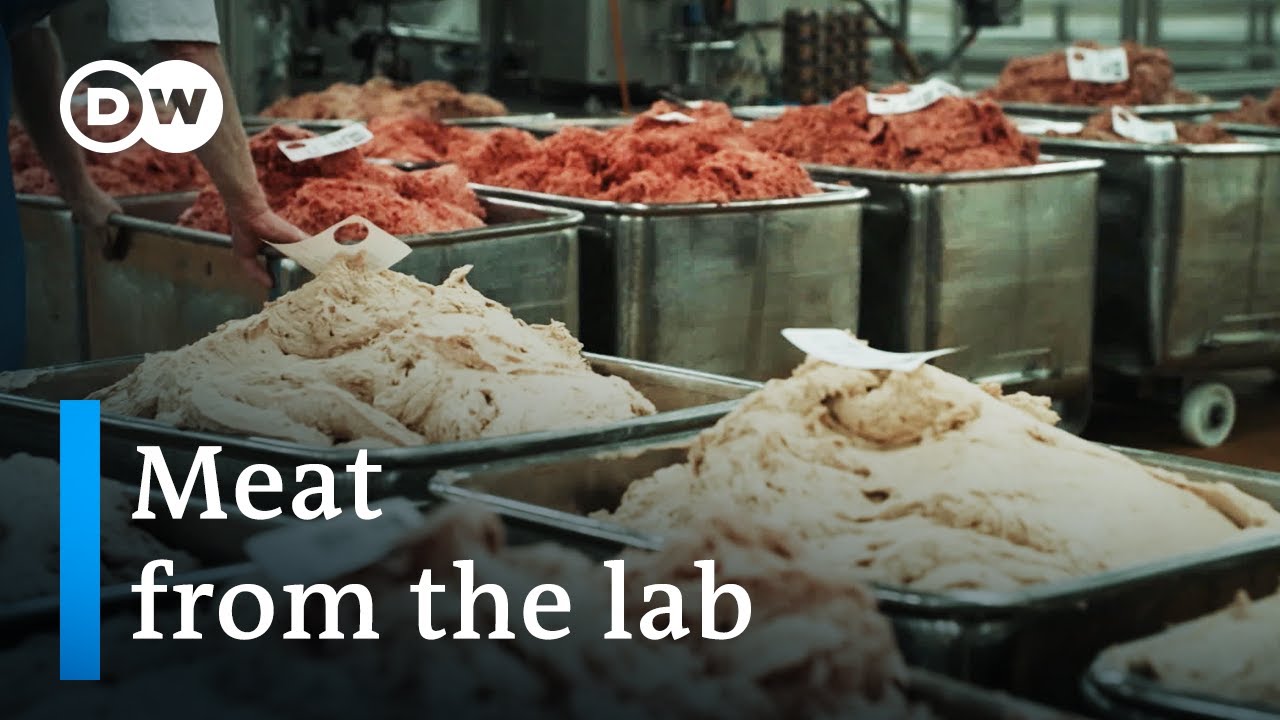
feeling hungry would you eat a steak grown in a laboratory would you take a bite of a cheeseburger made by a scientist technology startups and scientists are placing big bets on lab-grown meats currently livestock is responsible for around 15 percent of the global greenhouse gas emissions we could see this number rise in the coming decades according to the world economic forum the world population is expected to be close to 10 billion by 2050 that is a lot of mouths to feed this population boom and rising incomes will cause demand for meat products to rise by
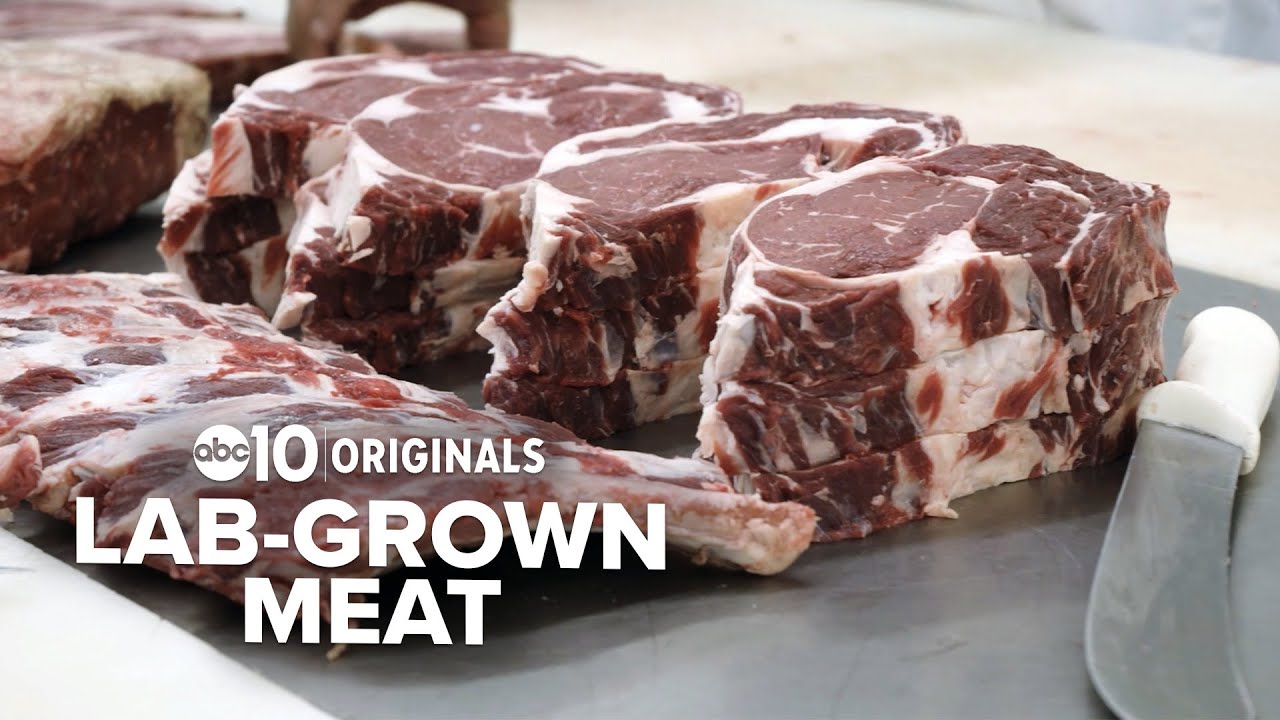
as much as 88 to feed the world's growing demand for meat we already use around 27 percent of the world's arable land to raise livestock we need to find a more sustainable way of satiating this rising demand one path to the future of sustainable eating could start with lab-grown meats not to be confused with plant-based meat alternatives lab-grown meats are cultured in the lab using cells which were originally derived from live animals in theory this cultured meat would use fewer of the planet's resources and no animals need to be slaughtered in the process cultured meat
might become a regular part of our diets in the coming years making its way onto the dinner table and appearing in some of our favorite restaurants nonetheless the prospect of this meet 2.0 raises a lot of complex social ethical and technical questions and simply put some people find the idea of eating meat from a lab weird so what is lab-grown meat and how is it made first a technician takes cells from a live animal these cells are grown up in a lab to permanently establish a culture called a cell line once a good cell line
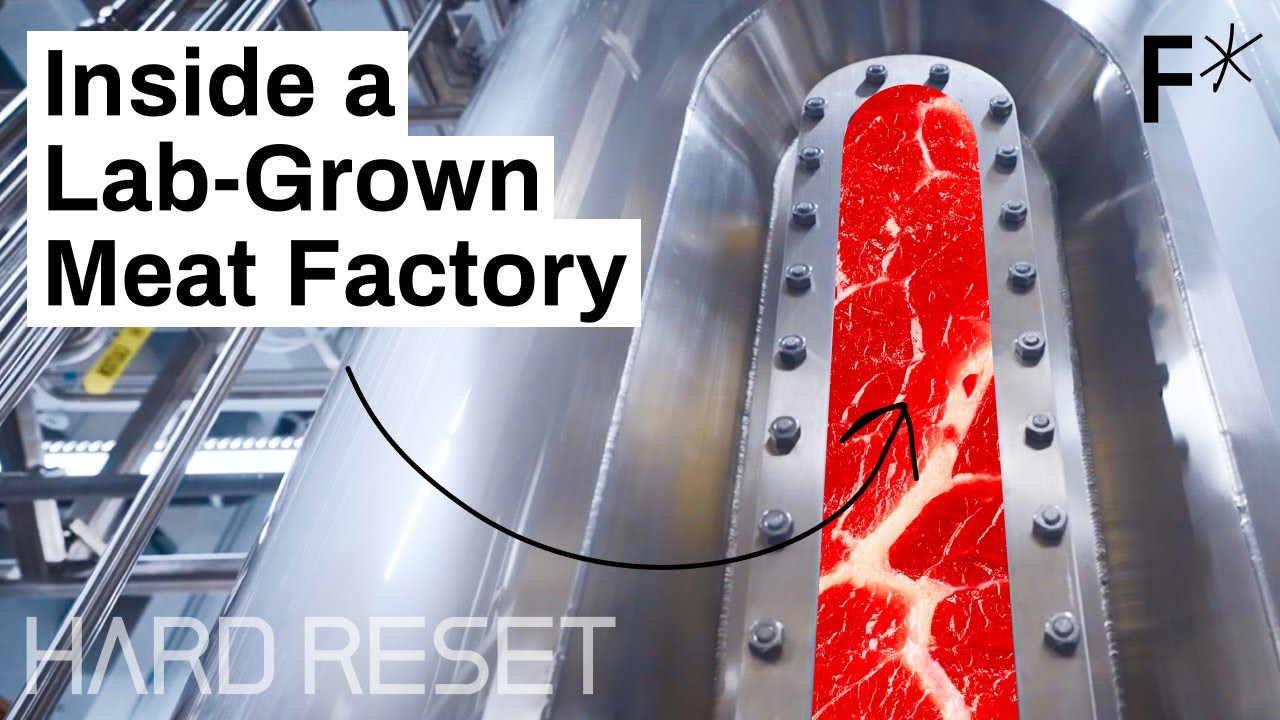
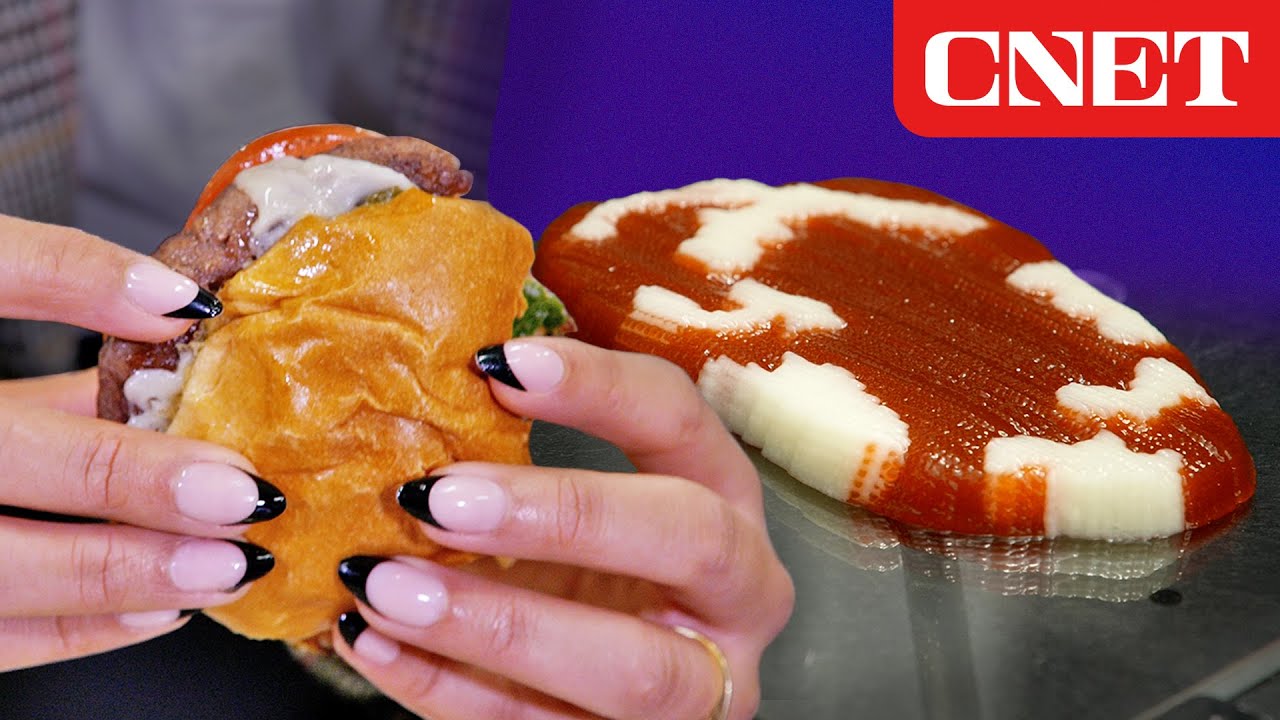
has been established a sample is introduced into a bioreactor this is essentially a culture medium which contains all the materials the cells need to grow the cells in the bioreactor grow and multiply exponentially and are then harvested once harvested the meat cells can be formed into any number of unstructured items from patties to sausages in the future it may be possible to use technologies such as 3d printing and edible scaffolds to create particular cuts of meat like chicken legs and t-bone steak however this is likely to be much more difficult than producing ground meat the
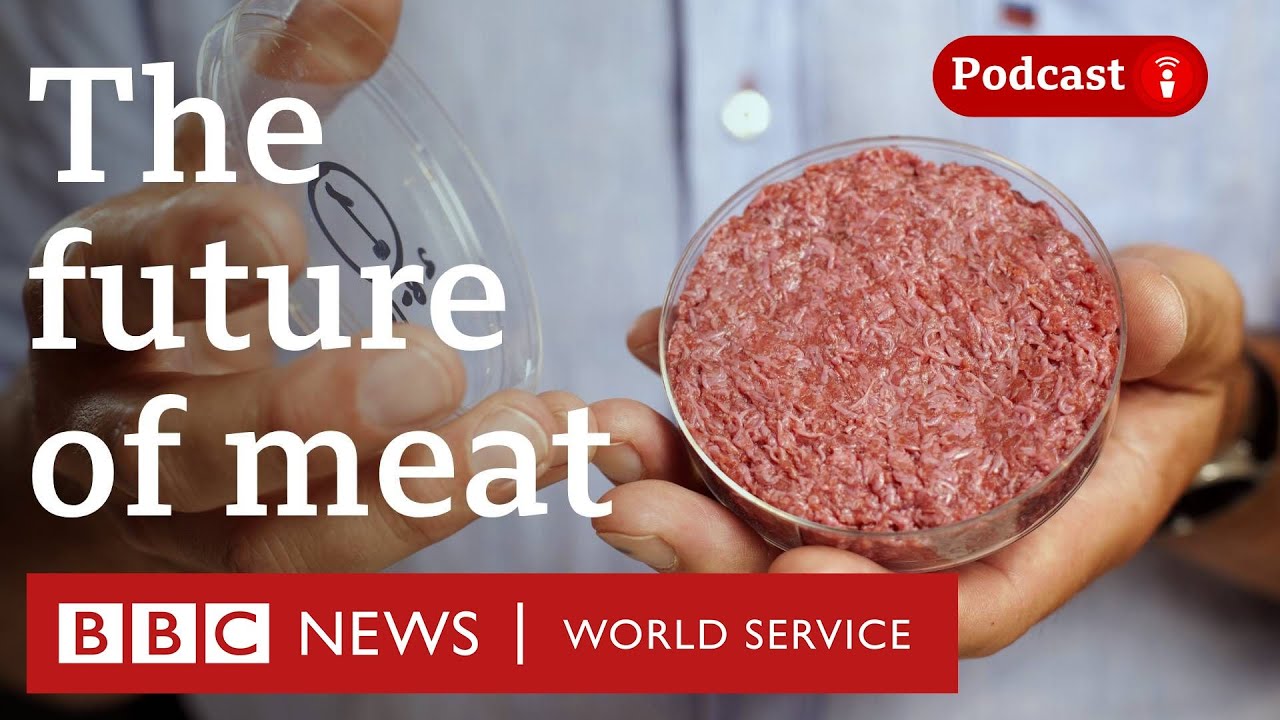
technology's first public proof of concept appeared in 2013 in the netherlands partially funded by google co-founder sergey brin dr mark post and his researchers at the university of maastricht spent a little over three hundred thousand dollars creating the world's first cultured meat hamburger it was described as like an animal protein cake the burger was even taste testing live on television and got positive reviews in general however the lab-grown burger lacked one central element fat in the meat that we eat every day there are different types of muscles connected tissues lipids bones and fat that give
flavor and texture to the food to this day one of the biggest challenges with lab-grown meat is giving them the flavors and textures that you might expect from biting into a steak or burger however this has not stopped entrepreneurs and scientists from trying today startup companies are working to bring lab-grown beef chicken and even fish to dinner tables around the world aside from the regulatory hurdles these startups need to find a way to scale up cultured meat while reducing costs moreover there are other technological challenges these include developing better cell lines and cheaper culture media
reducing the time it takes for the cells to grow and scaling up what are now small scale operations they will also need to find an alternative to the use of fetal bovine serum which is derived from cow fetuses and is added to culture media the use of the serum is a major barrier for an industry that is trying to take animals out of the equation the cultured meat also needs to taste good or be close enough to more traditional dishes that the public won't mind that it comes from a lab until cell-based meat makes the
leap from the lab to your dinner table there are some delicious plant-based meat options you can consider that are gaining traction companies like beyond meat and impossible foods offer customers meat-free options made from water soy protein coconut sunflower oil and natural flavorings some argue that the current appeal and adoption of plant-based meats by major restaurants could be a precursor to the coming age of cultured meat dishes you