Hey guys, tonight the first topic we explore reveals a haunting truth about the past. The way women's emotions, fears, and mental health were once misunderstood, misdiagnosed, and even punished. From ancient medicine to Victorian asylums, from so-called hysteria to dangerous remedies, we're about to walk through centuries of treatments, both bizarre and heartbreaking, that were once considered Normal. So, before you get comfortable, take a moment to like the video and subscribe. but only if you genuinely enjoy what I do here. And let me know in the comments where you're tuning in from and what time it is
for you. It's always fascinating to see who's joining us from around the world. Now, dim the lights, maybe turn on a fan for that soft background hum. And let's ease into tonight's journey together. Let's begin our journey in Ancient Greece, land of philosophers, myths, and oddly specific medical theories. Picture this. You're a woman in 400 B.CE. And for weeks now, you've been feeling off. Your chest feels tight. Your heart races for no reason. And sometimes you get this overwhelming wave of panic. You try to explain it to the local healer. And after some dramatic chinstroking,
he proudly diagnoses you with a wandering womb. Yes, you heard that right. The esteemed Hypocrates, the guy who gave us the hypocratic oath, genuinely believed that women's wombs had minds of their own. According to him, if a woman became too emotional, too anxious, or even too celibate, her uterus might just pack its bags and start roaming around the body like a lost tourist. Up toward the chest, down to the legs, wherever it fancied, really. and the symptoms that followed, dizziness, breathlessness, trembling, Were the result of this nomadic organ wreaking havoc. Now, the treatment, not exactly
what you'd hope for. No cozy blanket or herbal tea. Instead, doctors would waft pleasant smelling herbs near the pelvis and foul smelling ones near the nose, trying to lure the womb back to its rightful place. Imagine lying there while someone waves burning garlic under your face like they're trying to perform a seance for your uterus. All very Scientific, of course. And in a society where women couldn't vote, own land, or even wear pants, this bizarre diagnosis was the only explanation people had for female distress. Anxiety wasn't seen as a mental or emotional experience. It was
reduced to rogue reproductive behavior. To be fair, the Greeks were working with what they had. No brain scans, no serotonin theory, no traumainformed care, but still blaming everything on a misbehaving Uterus. That's like your car breaking down and the mechanic saying, "Ah, yes." The cup holder is wandering again. The truth is, ancient women were feeling deeply grief, fear, stress, uncertainty. But instead of being asked how they felt, they were handed incense and told their womb was misaligned. And so the silence began, not just of misunderstood symptoms, but of unheard stories. Now we drift into ancient
Rome, where civilization was advancing, plumbing was Impressive, and compassion was, well, still under construction. If you were a Roman woman struggling with anxiety, there was no therapist to call, no hotline to reach out to, and certainly no relaxing bath bomb to toss in the aqueduct. Instead, you'd be told to get married or have a child, or both quickly, because according to the medical minds of the time, who were surprise almost exclusively male, your emotional distress was caused by your Uterus being undermployed. They didn't call it anxiety. They called it fur uterrinus, which sounds like a
Roman battle formation, but was actually their term for female emotional instability. And if you cried too much, spoke out of turn, or seem generally agitated, well, maybe you were just failing at your womanly duties. The cure, childbirth, repeatedly. One Roman physician, Soranis, who actually wrote a gynecological textbook, Recommended that women avoid strong emotions altogether. You know, just stop feeling things. Problem solved. He also advised husbands to be gentle, which in Roman terms likely meant not yelling during dinner. If you were a wealthy Roman woman and showed signs of anxiety, you might be prescribed wine and
music. Not terrible until you remember that the diagnosis was still rooted in a belief that your Womb was malfunctioning, like a broken machine in a bakery. For poorer women, the remedies were more direct. herbal mixtures, spiritual rights, or being ignored entirely. And heaven forbid you questioned your husband's authority, or didn't smile at dinner, or cried too long after a miscarriage. That might get you labeled unstable, or worse, accused of being possessed by spirits or influenced by the gods. Nothing says compassionate Care like a priest waving chicken bones around while you sobb on a marble bench.
So while Rome gave us roads, laws and architecture, it gave anxious women nothing but shame wrapped in olive leaves, their pain was medicalized, moralized, and then minimized. Because in the end, no one asked what they were going through. They just asked when their next child was due. Now, let's walk softly into the shadowy corridors of the Middle Ages, a time When nights roamed, plagues bloomed, and if a woman had anxiety, it probably meant Satan was renting space in her soul. Medical understanding didn't just stall during this period. It practically reversed into oncoming traffic. The Greek
ideas of womb wandering were still hanging around, but now they were seasoned with a generous dose of fear, fire, and holy panic. Women who experienced what we now call anxiety, trembling, crying, panic attacks, Intrusive thoughts were often seen as spiritually compromised. Because clearly, if your hands shook or you wept at night, it wasn't trauma, it was demons. The church dominated the landscape of healing, and that healing often came in the form of exorcisms, public humiliation, or if things escalated, a bonfire with your name on it. If a woman admitted to hearing voices, or simply seemed
off, she could be accused of Witchcraft. Herbal remedies, suspicious, knowledge of the stars, satanic, crying too much. Clearly a gateway to evil in this era. Anxiety wasn't just misunderstood. It was feared. And fear in the wrong woman's body could get her locked in a convent, dunked in a river, or tried in a courtroom where the evidence included she looked weird during mass. There were also monasteries and infirmaries where nuns attempted to care for women with mental distress. But Without any true understanding of the mind, treatment usually meant long prayers, isolation, and fasting. Because nothing soothes
the soul like low blood sugar and total silence. And let's not forget the diagnostic tools of the day. If your anxiety caused you to faint or tremble, someone might press a cross to your forehead and see if you flinched. If you did, well, say goodbye to your goats and prepare to meet the village torchbearer. It's tragic, really. These Women weren't witches or sinners or hostiles for demonic spirits. They were people in pain. People trying to breathe through sorrow, trying to sleep through dread. But in a world built on fear, a woman who trembled became a
threat, and threats were burned, not understood. Ah, the Renaissance, a golden age of rebirth, art, science, literature. Everything was being rediscovered except unfortunately compassion for women's mental health that apparently stayed Locked in a medieval cellar. While Michelangelo was chiseling David and Da Vinci was sketching helicopters, doctors were still trying to figure out why women had feelings. And surprise, the leading theory was still the same tired villain, the uterus. Though ancient texts resurfaced, they were often filtered through newer, more refined interpretations, which is a fancy way of saying they still blamed women's Emotions on being too
female, anxious. That's because you're not married. Panicking? You need to conceive. Depressed? Time for a good leeching. Yes, leeches. Or if you were lucky, cupping, bleeding, or a hot pus to your abdomen. Doctors truly believed the body needed to be balanced. And for women, that meant draining them until their soul quieted down, or at least until they fainted and stopped talking. And the remedies didn't end there. There Were also soothing rituals like being confined to a dark room for days or advised not to read because a woman with too many books might start thinking. And
thinking of course was hazardous to your womb's stability. In elite households, women suffering from nervous complaints might be sent to the countryside for rest, which sounded nice on paper, but often meant being watched, silenced, and dosed with herbal tonics until they smiled again. or at least pretended to. The Renaissance loved beauty. It celebrated harmony and proportion. But it did not know what to do with a woman who wept uncontrollably or couldn't sleep through the night. Emotional pain, especially in women, was seen as unruly, unbalanced, inconvenient. So it was muted, draped in silk, locked behind chamber
doors, dismissed as womanly trouble. And in the grand halls where paintings were born and symphonies were composed, women with anxiety walked Silently, heads bowed, wondering if perhaps the problem really was inside them. Not the world, not the pressure, not the grief, just them. Because in the age of enlightenment, a woman's fear was still considered a flaw to be hidden, not a wound to be heard. As we step into the 17th and 18th centuries, the world is buzzing with progress. Telescopes are peering into the heavens. Philosophers are pondering liberty and reason. And Isaac Newton is explaining
gravity, Finally giving people a better excuse for falling apart. But if you were a woman during the Enlightenment, suffering from anxiety, all that rationality didn't do you much good. Because while the world was discovering natural laws and human rights, your trembling hands and sleepless nights were still being filed under female problems. Medical men, now wearing powdered wigs and very serious expressions, were beginning to write About the nervous system. They even had a name for women like you, nervous ladies. It sounded polite, maybe even elegant. But behind the label was the same old belief. Women were
emotionally delicate, spiritually frail, and biologically built for breakdowns. The uterus, thankfully, had stopped its wandering. But now, doctors said women had too many nerves, too much stimulation, too much imagination. In short, the Enlightenment Determined that women were simply too much. If you cried often or became overwhelmed or had panic attacks, you might be prescribed rest, warm baths, mild walks, or everyone's favorite, Lordinum. A lovely little cocktail of alcohol and opium. Lordinum could quiet your anxiety, your pain, and possibly your pulse, but at least you weren't complaining anymore. For wealthier women, there were nervous retreats where
You'd be waited on by servants while being gently discouraged from reading, thinking, or discussing anything upsetting such as your own emotions. Poorer women didn't have the luxury of sedation. They simply endured. And if you dared express anger or frustration, or heaven forbid, ambition, you might be considered not just anxious, but unstable, dangerous, mad. Your husband could have you confined. No trial, no explanation, just a signature and Silence. This was the Enlightenment. Reason for men, sedation for women, public discourse for philosophers, private despair for housewives, logic built libraries, fear locked doors. So, as the world basked
in the light of discovery, women with anxiety sat quietly in the shadows, medicated, misunderstood, and told that their pain was just a passing flutter of nerves. Nothing to worry about. Just breathe and don't think too hard. Now, we drift into The 19th century, the Victorian age, where everything looks elegant on the surface. Corsets are tight, manners are tighter, and emotional expression, especially for women, is considered downright indecent. Anxiety hasn't disappeared. It's just been rebranded. Welcome to the age of the rest cure. Developed by Dr. Silus Weir Mitchell, a man with a fine mustache and questionable
empathy. The rest cure was Prescribed to women suffering from what was still broadly labeled as nervous disorders. You felt anxious, exhausted, depressed. The solution? Lie in bed for weeks or months. No reading, no writing, no visitors, no talking about your feelings. Just a plush room, heavy curtains, boiled milk, and the slowly creeping sensation that you might be losing your mind, which ironically you probably were thanks to the treatment. Women were expected to surrender to Stillness, to melt into passivity. Movement was rebellion. Thought was dangerous. If you dared resist, you were said to be resisting healing,
which conveniently meant more confinement. This was not a fringe treatment. It was widely respected. Famous writer Charlotte Perkins Gilman went through the rest cure herself and later wrote The Yellow Wallpaper, a chilling story about a woman driven mad by her forced silence. Spoiler. It wasn't the Wallpaper that broke her. It was the cage of polite padded neglect. And then there were the asylums. If your anxiety didn't respond to milk and mandatory napping, you might find yourself behind the stone walls of a sanatorium. Once inside, women were subjected to ice baths, electrotherapy, and endless observation. Some
were given morphine. Others were restrained for days at a Time. their crime. Crying too much, talking too fast, refusing to smile. And still, no one asked why. No one asked if she'd lost a child or endured violence or simply cracked under the weight of perfection. In the Victorian world, women were supposed to be calm, composed, angelic. And if they weren't, they were hidden away beautifully, quietly, tragically, because society wasn't built to treat Anxious women. It was built to keep them from disrupting the dinner table. Welcome to the early 1900s where corsets were loosening, the industrial
age was humming, and a man named Sigund Freud had taken up the peculiar hobby of blaming almost everything on your childhood or your father. Freud, the father of psychoanalysis, offered a revolutionary idea. Maybe women weren't suffering from demons or defective wombs. Maybe it was Their minds, their unconscious, their repressed desires, their unresolved issues. Now, that should have been a turning point, a moment of progress. And in a way, it was. Instead of dunking anxious women in cold water or feeding them opium, doctors now invited them to lie on a couch and talk. Revolutionary, right? But
before we uncawk the champagne, let's talk about how they were expected to talk. Freud and his followers often viewed anxiety in women As the result of repressed sexual desire or internalized guilt, usually directed at their parents. If you were anxious, it was likely because you were suppressing something scandalous. You just didn't know it yet. Were you afraid to leave the house? Clearly symbolic. Having recurring nightmares? probably a metaphor for your mother, panic attacks, definitely something Freudian, probably phallic. And while this new method of Treatment was less physically violent, it still came with its own subtle
form of blame. The problem was inside you, not your circumstances, not the trauma, not the stifling expectations placed on your shoulders. You just needed to unpack it. And if you didn't get better, maybe you weren't trying hard enough. Maybe you were resisting the truth. Psychoanalysis spread like wildfire among the intellectual elite. In smoky vianese rooms, doctors scribbled notes While women whispered about their dreams and fears, still trying to be taken seriously, still trying to be heard. It was progress, yes, but fragile progress. Because even though the cages had been traded for couches, women's anxiety was
still being interpreted through a male lens, often reduced to libido, longing, or lingering daddy issues. And so the question remained, could a woman ever simply be anxious without being seen as broken? Or would every tremble, every Tear, every silent scream be pinned to a theory instead of a truth? It's the 1950s now. The war is over. The lawn is trimmed and your casserole is expected to be on the table by 6. You're a woman in suburbia. Polished nails, bright smile, pearls around your neck, and your anxiety. Well, darling, that's not something we talk about. Because
according to glossy magazines and daytime radio, everything is fine. So why do you feel like Screaming? Enter mother's little helper. The nickname for a small pill with a big promise. calmness, specifically Valium and its earlier cousin, Miltown. These little sedatives were marketed directly to women, especially housewives, who felt overwhelmed, underappreciated, or quietly unraveling in a sea of matching Tupperware. Feeling sad, anxious, numb? Just pop a pill, dear, and smile for the neighbors. Doctors handed them out like candy. No One asked about trauma. No one asked about loneliness. No one wondered if spending everyday vacuuming in
heels while pretending everything was perfect might be crushing. Because in this new world of conformity and consumerism, a woman's role was to be content. And if she wasn't, clearly something was wrong with her. Not the role, not the expectations, not the endless isolation. Pharmaceutical companies leaned into this narrative with Disturbing enthusiasm. One ad for tranquilizers featured a woman gripping the sink with the caption, "You can't set her free, but you can help her feel less trapped." Another proudly promised peace of mind for overburdened housewives. You know, the ones holding the family together with a smile
and a rising dose of bzzoazipines. By the 1960s, millions of women were medicated, not because they were mentally ill, but because they were Exhausted, because they were sad and didn't know why. Because they were human in a culture that didn't allow them to be. And while these drugs offered short-term relief, they often came with long-term dependency. But no one talked about that. Addiction, after all, was considered unladylike. So they smiled. They swallowed. And somewhere deep beneath the sedation, the real question lingered. What if her anxiety wasn't a Disorder? What if it was a warning? A
silent scream from a soul that was never allowed to speak? By the 1970s, something had shifted. The casserole was still warm, the house still tidy. But now, the woman inside it had questions like, "Why am I the only one sedated? Why does my pain come with a prescription but not a conversation? And who decided that anxiety was something I should apologize For? The feminist movement was swelling, not with rage, but with clarity. Women were beginning to talk in consciousness raising groups across living rooms and campuses. They compared notes, and what they discovered was they weren't
alone. Anxiety they realized wasn't some personal flaw. It wasn't just hormones or hysteria. It was often the logical result of being overworked, unheard, and expected to perform emotional labor like It was part of the furniture. Books like The Feminine Mystique by Betty Frerieden cracked the polished surface of postwar domesticity, revealing the problem that has no name. It described women who felt empty, anxious, restless, despite having everything society told them they should want. Finally, someone said it, "It's not in your head. It's in the walls, the expectations, the silence." And once the silence broke, there was
no going back. Women began reclaiming their stories. They stopped accepting tranquilizers as apologies. They started questioning the institutions that had pathized their emotions for centuries. In therapy rooms, a new kind of counselor was emerging. One who actually listened. One who didn't assume every panic attack was a cry for marriage or motherhood. Women entered psychology, medicine, and psychiatry, not just as patients, but as professionals. It wasn't perfect. Misdiagnosis was still common. Bias Still lingered. and pharmaceutical companies were still very busy. But something important had changed. Women were talking and this time they weren't being interrupted. They
were connecting the dots between personal pain and societal pressure, between internal struggle and external structure. They were rewriting the narrative from what's wrong with me to what happened to me. And slowly, painfully, the world began to shift. Because when women stopped Whispering and started comparing notes, they discovered something revolutionary. That their anxiety wasn't madness. It was truth. Trying to find a voice in a world that never wanted to hear it. As the 1980s and '90s rolled in, women's anxiety finally got a proper name. Not hysteria, not nerves, not she's just tired, but actual diagnostic terms.
Generalized anxiety disorder, panic disorder, PTSD. Finally, a medical vocabulary that Didn't blame the womb. Progress, right? Well, sort of. Psychiatry was getting more precise. The DSM, the big diagnostic manual with all the mental health labels, was growing thicker, and insurance companies were starting to reimburse treatments. But even as the science evolved, the experience of being a woman with anxiety still came with familiar echoes of doubt, dismissal, and stigma. Let's say You were a woman in 1993 having panic attacks. You go to a doctor, heart pounding, palms sweating, afraid you're dying. He might hand you a
pamphlet, a prescription for Xanax, and a polite suggestion to get some rest. At least they'd stopped blaming your uterus. Now they were blaming your lifestyle. You're working too hard. You're probably just overwhelmed. Have you tried jogging? And sure, therapy was now a real option if you could afford it. But Finding a therapist who wouldn't assume your anxiety was just being emotional could still be a challenge. If you cried in the session, you were labeled fragile. If you didn't, maybe you were in denial. Either way, your diagnosis came with an asterisk. Still, for many women, finally
having a name for what they felt was like being handed a mirror after years in the dark. It wasn't weakness. It wasn't personal failure. It was real. And it had been there all Along. Medications improved, too. SSRIs, drugs like Prozac and Zoloft, became household names, marketed as modern solutions to modern struggles. And for many, they truly helped. But again, they often came without a full explanation. No one was digging deeper into trauma, history, generational patterns. Just take this, feel better. So yes, progress was made, but it was clinical, not compassionate, structured, not sensitive. The labels
were new, but the Loneliness still painfully familiar. Because even with names and pills and pamphlets, the question still lingered in the quiet. Will someone ever ask why I'm afraid? Welcome to the 2000s, where flip phones were cool, low-rise jeans were confusing, and for the first time in centuries, people started asking not just what's wrong with you, but what happened to you? It was a quiet revolution, not one with banners or protests, but with TED talks, memoirs, And slowly shifting clinical conversations. Researchers, therapists, and trauma survivors began connecting dots that had long been ignored. Anxiety wasn't
just a chemical imbalance or a random quirk. Sometimes it was a normal response to a life that hadn't been very kind. And suddenly three words entered the spotlight. Traumainformed care. Instead of treating anxiety like an individual defect, this approach asked Bigger questions. What experiences shaped your nervous system? What patterns are your body trying to survive? What if your hypervigilance isn't irrational but learned? This wasn't just academic. It was deeply personal, especially for women, because now anxiety could be traced back to things no one wanted to talk about. Abuse, neglect, generational pressure, workplace harassment, the emotional
weight of performing Perfection while quietly breaking inside. For many, this brought relief, even validation. For the first time, their fear wasn't a flaw. It was a wound. And wounds can heal. But this wasn't a magical fix. Society still loved productivity more than peace. Women still faced pressure to be calm, capable, and composed, even while managing households, careers, children, and the growing stack of mental health Buzzwords. Burnout, imposttor syndrome, high functioning anxiety, all terms that sounded new but often felt old. And while therapy was more accessible, it was still expensive, still inconsistent, still uneven. One therapist
might hold space. Another might offer unsolicited advice and an awkward smile. Social media helped and hurt. Women could now share their struggles publicly, creating solidarity across time zones, but they Could also be told to drink more water and meditate instead of addressing years of systemic trauma. Still, something was shifting because the world was finally beginning to understand what women had always known. That anxiety wasn't weakness. It was history whispering through the body, waiting for someone, anyone, to listen. Now, we arrive in the age of Wi-Fi, wellness influencers, and phones that never let you rest. Welcome
to the Digital era where women's anxiety no longer needs a doctor's diagnosis. It just needs a screen. You wake up to 37 notifications, four emails, two calendar alerts, and a message from someone who just wants to pick your brain. You haven't even had coffee, but your pulse is already sprinting. Anxiety in the digital age isn't just internal. It's interactive and constant. You're expected to be available, responsive, successful, Hydrated, emotionally balanced, and preferably glowing. All while maintaining a curated smile on a platform that calls itself social. The modern woman isn't just managing her life, she's managing
her brand. And somehow anxiety is both a red flag and an aesthetic. Now, posts with my anxiety is bad today can trend as long as they're paired with the right filter and a caption that's self-aware but not too messy. Vulnerability sells, But only if it's digestible. And if you try to unplug, good luck. The world doesn't slow down. The algorithm punishes you. Emails pile up like guilt. Even meditation has become performance art, tracked by an app and graded by your smartwatch. Anxiety is everywhere, but so is advice. You can scroll through reels promising to cure
your nervous system in under 30 seconds. Breath work, matcha, journaling, tapping, all great tools until they become just another Checkbox in your already overfilled day. And through it all, the root of women's anxiety remains surprisingly consistent. pressure. The pressure to be liked, to be successful, to be informed, responsive, healthy, thin, ethical, kind, efficient, creative, funny, but not too funny. And don't forget to reply to your boss, your best friend, and that mom group chat that somehow never sleeps. It's no wonder your chest feels tight. Because in the age of being on 24/7, rest feels radical.
Silence feels suspicious. And peace, that's a full-time job on its own. But here's the quiet truth. Your anxiety isn't a glitch. It's a signal. That your nervous system wasn't designed for this much noise. After centuries of being silenced, sedated, shamed, and scrolled into exhaustion, something unexpected is happening. Women are slowing down. Not because the world has eased its grip. It hasn't, but because many are realizing That racing to meet impossible standards only leads to one place, burnout with a side of existential dread. So now, in corners of the internet and quiet living rooms, in yoga
studios and therapy circles, a soft revolution is underway. It's not loud. It doesn't go viral. It doesn't wear matching athleisure or quote productivity gurus. It just rests. Rest as resistance. Rest as reclaiming. Rest as the long-forbidden medicine women were denied for centuries. Not the Forced kind prescribed by Victorian doctors, but the chosen kind. The kind that says, "I don't owe anyone my exhaustion." Women are learning to say no, not as a failure, but as a boundary. They're cancelling plans, logging off, letting the dishes sit in the sink. And shockingly, the world keeps spinning. It's not
easy. The guilt is still there whispering. You should be doing more. But now there's another voice rising beside it. A quieter one. You've done Enough for today. Breathe. Communities are forming around this truth. Groups of women who hold space for each other without judgment. Who say me too? Instead of, "Why can't you just push through?" They're rewriting the narrative one exhale at a time. They're learning that healing isn't linear. That some days you'll meditate and journal and go for a walk. Other days you'll cry into your cereal and delete your calendar. Both Are okay. And
maybe, just maybe, anxiety doesn't mean you're broken. Maybe it means you're awake in a world that tries so hard to numb you. So tonight, if your mind is racing or your heart is heavy, remember this. You are not a machine. You were never meant to be. And in a culture that worships hustle and productivity, choosing to rest, truly rest, is not weakness. It's wisdom, ancient, sacred, revolutionary. Long before selfies, sailor sleeves, or Regrettable lowerback tributes, people were getting tattooed. In fact, the earliest known tattoos didn't belong to rebellious teenagers or battleh hardened warriors. They belong
to a man frozen in time. Literally, the iceman, discovered high in the Alps in 1991, is over 5,000 years old. His body, preserved by snow, time, and luck, is etched with 61 tattoos made of simple black lines and crosses. Not skulls, not dragons, just lines. But Here's the thing. These lines weren't random. They were placed on joints, the spine, and the ankles. Modern researchers believe they may have been a form of early acupuncture or pain relief. An ancient blend of medicine and ritual etched into the skin with soot and sharp tools. Primitive, yes, but also
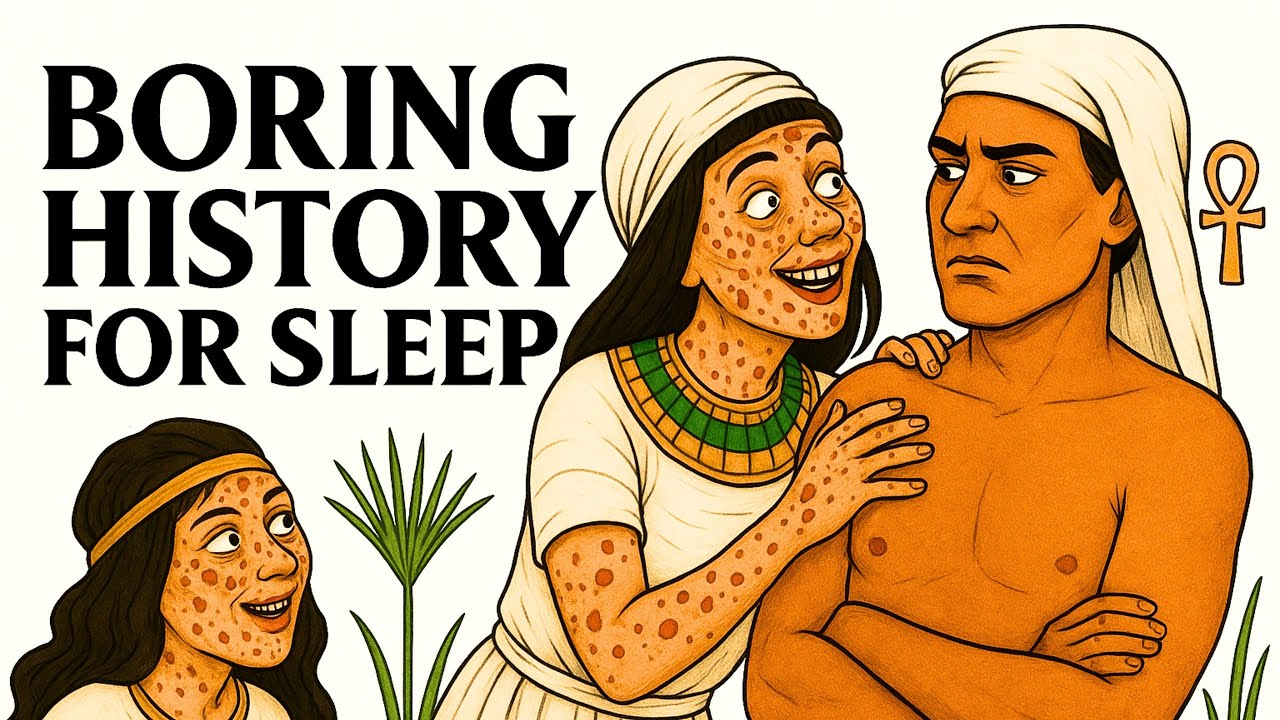
intentional. These weren't tattoos for show. They were tattoos for survival. A Nazi wasn't alone. Across ancient Egypt, tattooed mummies, mostly Women, have been found with intricate dot patterns across their bodies. Some archaeologists believe they were symbols of fertility used to protect both mother and child during childbirth. Others think they were signs of devotion to the goddess Hatheror. Either way, they weren't ornamental. They were spiritual, protective, worn proudly into the next life. In Siberia, tattooed Cyian nobles were buried in icy tombs, their bodies Decorated with mythical animals, deer, panthers, griffins curling across their arms and torsos
in bold black ink. For these people, tattoos were a warrior's mark, a passport into the afterlife, and perhaps a sign of rank. These weren't the first humans to tattoo themselves. They were just the first we've found. And that's the quiet truth of tattoo history. It didn't begin with pop culture. It began with ritual, with pain, with intention. Tattoos were never Just about beauty. They were medicine, memory, protection. Long before ink was rebellion, it was reverence, a sacred thread that wound its way through the skin. To tell stories when there were no books, to mark meaning
before we had names for things. So the next time you see a simple line of ink, remember someone did that thousands of years ago with fire and ash and it meant everything. To understand the soul of tattooing, we Have to drift across the ocean. To the islands of Polynesia, where ink was not fashion, but ceremony. In places like Samoa, Tonga, and Tahiti, tattoos were not chosen on a whim. They were sacred, earned, and carried for life. The very word tattoo comes from the Polynesian word tatau, meaning to strike, a reference to the sound made by
the tapping of ink into skin with carved bone tools. This wasn't a machine. This was rhythm. Tatau was more than body Art. It was a right of passage, often painful, always meaningful. A young Samoan man would lie on a woven mat as the tattooist or Tufuga worked for days, sometimes weeks, tapping intricate geometric patterns into his body with sharpened bone and soot. The design would stretch from the waist to the knees, a symbol of adulthood, identity, and bravery. The pain wasn't incidental. It was part of the ritual. To endure it was To prove you were
ready. To back out mid-process brought shame not just to you but to your entire family. In Tahiti tattoos told of genealogy and status. They might reflect divine protection, spiritual connection or sexual maturity. A woman's fingers might be inked to signal readiness for marriage. A man's chest might tell of his warrior lineage. Every dot, every line, every curve, all sacred. Even today, in many Polynesian communities, tattoos retain this Powerful role. They're not just expressions of self. They're connections to ancestry, living records carried on skin, a living scroll. When Europeans first arrived in the Pacific during the
18th century, they were fascinated and horrified by what they saw. Sailors like Captain Cook recorded the practice in journals, and soon after his crew began adopting tattoos themselves, not to honor the ritual, but to mark their travels, a souvenir, a trend, stripped Of meaning, but inked all the same. Still, the origin remained. Polynesian tattooing was never meant to be casual. It was sacred, personal, carried with pride through generations. proof that your story was worthy of pain and permanent enough to live just beneath the surface of the skin. As we shift eastward, the story of tattooing
takes on a more complicated shape, one of beauty and punishment, honor and Shame, all inked into flesh. In ancient China, tattoos carried a heavy stigma. Rather than symbols of spirituality or strength, they were often marks of disgrace. Criminals were tattooed on the face or neck with words like thief or traitor. Permanent reminders to society of what that person had done and who they would never stop being. It was called chipe branding for exile. Your punishment didn't end with Your sentence. It stayed on your skin for life. And yet even here in the shadows of shame,
tattooing held deeper layers. Some Chinese warriors voluntarily wore ink to show loyalty to their brothers or devotion to a cause. In the legendary novel Water Margin, one of the 108 heroic outlaws is said to have an entire body tattooed with imagery of dragons, tigers, and flames. A man's honor written on his skin like scripture. In Japan, the story is just as layered, maybe more. Early Japanese tattoos called irriumi were used to ward off evil spirits, protect fishermen, or even symbolize status. But as in China, tattoos also became tools of punishment. Criminals were marked with lines
on the arms or symbols on the forehead. In some regions, each crime added another stroke, a tally of dishonor visible to all. But over time, something changed. By the Edo period, 1600s, 1800s, full Body tattoos began to emerge as an underground art form. Vibrant, elaborate designs, dragons, koiish, gods, demons began to stretch across the backs, arms, and legs of commoners. These weren't criminals. These were firemen, laborers, and gamblers. Men with dangerous jobs and even more dangerous reputations. And then came the Yakuza, Japan's feared crime syndicates who embraced full body Iris as symbols of strength, loyalty,
and Fearlessness. The more coverage, the more respect, and the more pain you endured. These weren't tattoos for the public. They were private, hidden beneath suits, revealed only in bathous or in battle. In both China and Japan, tattoos lived in tension, art and punishment, identity and exile, a constant dance between pride and shame. Because sometimes the ink that marks you also defines you. In ancient Europe, tattoos walked a Thin line between power and punishment, depending entirely on who held the needle and who bore the mark. Let's begin with the Selts and the Picts. tribal peoples who
lived in what is now Britain and Scotland. When Roman soldiers first encountered them, they were stunned. These warriors, some naked, some cloaked in wolf pelts, were covered in swirling blue tattoos, fierce spirals and knots etched across their faces and bodies. The dye wo a Plant-based ink that stained the skin deep blue like thunderclouds rolled across flesh. These weren't decorations. They were battle armor, intimidation, identity. To tattoo your body was to declare, "I am not afraid to bleed." Julius Caesar described them in his writings, half in awe, half in horror, calling them wild and barbaric, which
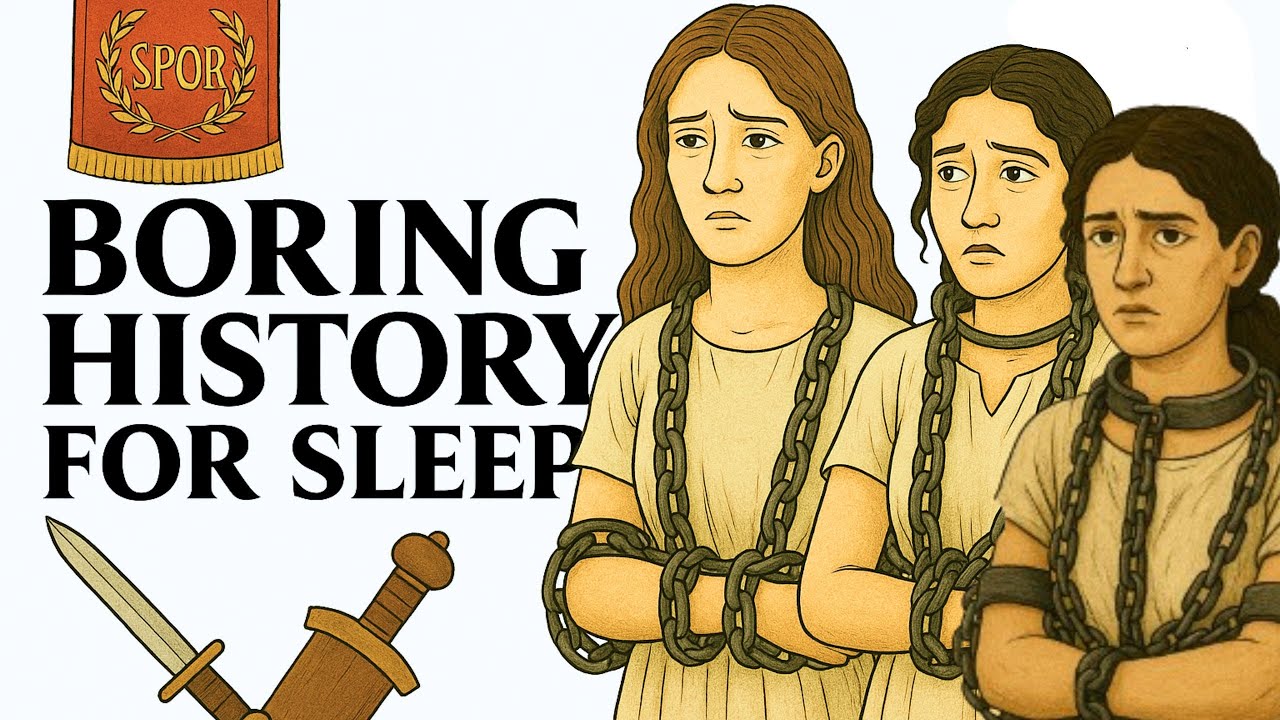
is ironic considering what Rome did next. Because while the Romans prided themselves on law and order, they also used tattoos not as symbols of honor, but as tools of control. Criminals, slaves, and prisoners of war were tattooed with marks of ownership or shame. A runaway slave might be branded with the letters FVG, short for fugitivis. A soldier who deserted his legion, inked forever with disgrace. Even Roman Christians in the empire's early days were sometimes tattooed to Mark them as enemies of the state or worse heretics. These were not badges. These were burdens. And yet not
all Roman tattooing was punishment. Some soldiers, particularly in the eastern provinces, began to tattoo themselves voluntarily. Symbols of loyalty to their legion or devotion to a deity. quiet rebellion inked beneath the armor. Over time, as Christianity spread And gained power, tattooing across Europe fell further into disrepute. By the early Middle Ages, it was largely condemned as pagan, sinful, or barbaric. The body was now seen as a temple, and temples apparently were best left unpainted. But deep in the forests and along the misty moors, the old traditions lived on, whispered through generations, passed from mother to
daughter, warrior to warrior. Because long before ink was criminal, it was Tribal. And in the blood soaked soils of ancient Europe, tattooing was proof you belonged to your people, to your land, to your gods. As Europe entered the long stretch of the Middle Ages, tattooing faded from the spotlight, but it never vanished. It simply went underground. The Christian church, now a dominant force across the continent, condemned tattooing. The body was to remain pure, unblenmished, a vessel of holiness. Pagan customs, including tattoos, were swept aside, labeled heathen, rebellious, or worse, demonic. And yet, even in this
era of suppression, ink still found its way beneath the skin. Among Christian pilgrims, especially those who made the treacherous journey to Jerusalem, tattoos became symbols of devotion. A small cross tattooed on the wrist or forearm was proof. I made it. You had survived the seas, the deserts, the bandits, and you came home marked by Faith. Some pilgrims even received these tattoos while in the Holy Land, etched by Coptic Christian families who had preserved the sacred art for generations. These weren't decorative. They were spiritual contracts, reminders etched in flesh that said, "I belong to God and
I went to his city." In some monasteries, tattoos were used to identify members of certain orders. Hidden symbols, discreet and Purposeful. There are whispers, though rarely confirmed, of knights from the Crusades tattooing holy relics, saints, or sacred words onto their arms and chests before battle. If they were to die far from home, at least their body would bear the mark of heaven. Meanwhile, outside the church's walls, folk traditions endured. In remote villages and forested regions, old customs lingered. Women tattooed protective symbols on their hands during Childbirth. Shepherds inked sacred patterns to ward off wolves. These
weren't fashion statements. They were prayers with pigment. But still, to be tattooed in medieval Europe was to exist on the edges, spiritually suspect, socially scrutinized. Unless of course you were branded by force. Criminals, prisoners, slaves, all could be marked. And in those cases, the tattoo wasn't a choice. It was a sentence. So the Middle Ages became a Paradox. A time when ink was both forbidden and revered, sacred and shamed. A time when tattoos weren't loud. They were whispers, whispers of faith, of defiance, of the enduring human need to leave a mark, even when the world
said not to. As the sails of European ships began cutting across oceans in the 16th and 17th centuries, tattoos returned to the Western world, not through science or religion, but through saltwater and Superstition. Explorers like Captain James Cook didn't just map coastlines. They encountered cultures where tattooing was sacred, particularly in Polynia. Cook's sailors, fascinated by the bold patterns and meanings of the tattoo, began getting inked themselves. It was exotic, dangerous, and rebellious. All the things aboard sailor craved. From there, tattooing spread through the ports like spilled rum. Sailors began crafting their own tattoo Culture. Part
survival, part tradition, and part bragging rights. A ship's anchor on the forearm meant you'd crossed the Atlantic. A turtle. You'd crossed the equator, officially a shellback. A pig and rooster on your feet. A charm to protect against drowning because, oddly enough, those animals were often the only ones to survive shipwrecks, floating safely in their wooden crates. Each tattoo had meaning, though the meanings often Changed with the tides. An image of a dagger through a heart might mean lost love or just a rough night in a Caribbean tavern. Hold fast across the knuckles was a prayer
for grip. Not on life, but on wet rigging in stormy seas. Tattooing became an unofficial language among sailors. No matter your flag, your mother tongue, or your luck with rum, ink could tell your story. It was shared identity in an ocean of loneliness. In Doside towns like New York, London, and Lisbon, tattoo parlors began to appear. Small smoky rooms filled with ink pots and tails from far away lands. These weren't the artists of sacred temples. They were former sailors themselves, often using homemade needles and gunpowder soot. But for men who faced drowning, disease, and mutiny,
a little pain for a permanent memory didn't seem so bad. Tattoos became keepsakes, confessions, maps of the places you'd Been, and the parts of yourself you couldn't leave behind. In an era when most people's stories faded with time, sailors wrote theirs in ink, and let the sea carry them into legend. By the late 19th century, tattooing was no longer just the mark of the sailor or the outsider. Thanks to a spark, quite literally, from electricity, tattoos were stepping into the modern world. In 1891, Samuel O'Reilly, a New York-based tattooist, filed a patent for the first
Electric tattoo machine. Inspired by Thomas Edison's electric pen, O'Reilly's device allowed for faster, more precise work and with far less blood. Suddenly, tattoos could be done in hours instead of days. Pain was still part of the package, but now the process felt less like surgery and more like art. And with this came a new era, the tattoo as performance. Circus sideshows and dime museums began to feature tattooed men and women as Curiosities. There was Captain George Constantinis, the tattooed Greek prince whose entire body was covered in intricate eastern designs, and Norah Hildebrandt, one of America's
first tattooed ladies, whose ink was matched only by the dramatic and likely fabricated tale of her captivity and forced tattooing by a savage tribe. These performers weren't just oddities. They were living exhibitions. Their bodies became walking stories, drawing Crowds and challenging Victorian ideas of propriety, especially when a woman removed her sleeves and revealed a serpent curled around her shoulder. Yet, tattoos remained taboo among respectable society. If you had ink, it meant something. You'd been to war, to sea, to jail, or you'd run away with the circus. And yet behind closed doors, the elite were quietly
getting tattooed, too. It's said that both King Edward 7th and his son, the future George 5th, had tattoos, One with a Jerusalem cross, the other with a dragon etched in Japan. Aristocrats in Europe and even some American high society figures began to explore the novelty of body art discreetly, privately, always with plausible deniability. Tattoo parlors flourished in port cities, but now they began appearing in urban centers, too. Small studios tucked between barber shops and billiard halls. And while most artists were still men, Women were beginning to enter the craft, needle in hand. The ink was
spreading, no longer just a mark of rebellion. It was becoming a medium for memory, identity, or simply the thrill of wearing something no one could take away. As the 20th century marched forward with skyscrapers, revolutions, and wars, tattoos continued their quiet evolution, but not always in the light. Behind prison walls, in locked cells, and concrete yards, a new language of Ink was being written. Not on paper, but on skin. These weren't polished studio tattoos. They were handmade, raw, created with contraband needles, guitar strings, melted plastic, and ink brewed from soot and toothpaste. Painful, absolutely. Precise,
rarely, meaningful, always. In prisons across the world, from Russia's goolags to American penitentiies, tattoos became a secret code. Every image told a story, every Placement carried weight, a spiderweb on the elbow. Time served. A teardrop near the eye. A life taken or a life lost. Five dots on the hand, four corners and one in the center meant I am surrounded. In Soviet prisons, tattooing became a detailed system of status and survival. A cathedral inked across the chest could signal years behind bars. Each dome a sentence, stars on the shoulders, a highranking inmate not to be
disrespected, but faking a rank through Ink that could get you killed. These tattoos weren't just decoration. They were armor, a resume, a warning, a prayer. In the United States, prison tattoos carried similar weight. Gang affiliations, racial lines, territorial claims, and personal losses. The tattoo gun was often a shared tool. The ink passed between inmates like contraband communion. For many, their first tattoo wasn't a choice. It was a right of Passage. But even outside the walls, these prison-born styles began to leak into the wider world. Artists, especially in urban areas, began incorporating the stark, bold lines
of prison art into their own work. What started as survival behind bars became a style replicated in shops, immortalized in movies, and echoed in street culture. Still, the stigma clung. A visible tattoo, especially one on the hands, neck, or face, often meant closed doors, Judgment, suspicion. The ink might fade, but the assumptions remained. Yet for the ones who wore them, those marks weren't shame. They were stories of survival, of time endured, of identity carved in silence. Because sometimes, when no one listens, the skin speaks. By the dawn of the 21st century, tattoos had undergone their
greatest transformation yet, from ancient right to outlaw code to something else Entirely, a canvas for the self. What was once hidden under sleeves or spoken in hush judgment was now proudly displayed on runways, in boardrooms, and across social feeds. From baristas to CEOs, kindergarten teachers to veterans, ink was no longer a symbol of rebellion. It had become a declaration of identity. The rise of tattoo studios mirrored this shift. No longer backroom shops with flickering neon signs, many became sanctuaries of expression. Clean, Curated, and often more like art galleries than the gritty dens of old. Tattoo
artists became celebrities in their own right with portfolios, weight lists, and fans who flew across countries just to sit in their chair. Styles exploded. Watercolor tattoos, fine line minimalism, realism so sharp it looked like photographs, sacred geometry, cultural revival, portraits of pets, loved ones, even entire life stories in spine to spine. Technology Helped. Machines became quieter, needles finer, ink safer, healing faster. But beneath the aesthetics, the old reasons remained. People still came for the same things they always had. Memory, mourning, power, rebirth. Some tattoos marked milestones, a birth, a death, a beginning. Others covered scars,
both visible and hidden. Some people tattooed themselves after escaping abusive relationships. Some honored ancestors. Some wrote their survival in symbols They couldn't speak aloud. And yes, some just really liked frogs with cowboy hats. There's room for that too. Across the globe, indigenous tattoo practices began to resurface with pride. Mauritamoko, Inuit, skin stitching, Filipino Bok, ancient forms once shamed or outlawed were being revived by new generations, reconnecting lineage through line work. Yet debates remain about cultural appropriation, about overcommercialization, about whether Something sacred can survive when it becomes a trend. But maybe that's the beauty of it.
Tattoos have always existed in tension, between pain and pride, permanence and impermanence, who we are and who we want to be. And so we return to where we began. Ink pressed into skin. A story told without words, a mark made not for approval, but for truth. And in the quiet ancient language of tattooing, that's always been enough. The story of the space race didn't begin With a spaceship or a stareyed dream. It began with war. World War II had left the planet in ruins. Cities shattered, borders redrawn, and two superpowers standing on opposite sides of
a new world order. The United States and the Soviet Union, once uneasy allies, emerged as ideological opposites. Capitalism versus communism, democracy versus dictatorship. And in the ashes of Nazi Germany, both sides found something, or Rather someone they wanted. Veron Brown, the German engineer behind the deadly V2 rocket, was captured by the Americans and quietly whisked to the US under Operation Paperclip. The Soviets, not to be outdone, seized German scientists and research of their own. The spoils of war now included rocket fuel, blueprints, and the mines to make them fly. The Cold War had begun, not
with gunfire, but with silence and suspicion. Each side raced to build not only bombs, but delivery systems. Intercontinental ballistic missiles, or ICBMs, became the new symbol of power. Rockets capable of carrying nuclear warheads from one continent to another. But it didn't take long before someone asked a different question. What if we pointed these toward the stars instead? Space became the next frontier, not for exploration, but for domination. It wasn't just about science. It was about symbolism. Whoever reached space first would claim moral superiority, technological supremacy, global awe. For the Soviets, the challenge was personal. After
years of devastation and isolation, they saw space as a chance to prove their strength to the world and to themselves. In the United States, space became a matter of national pride and Strategic necessity. Losing wasn't just a failure, it was a threat. And so, two nations looked to the heavens, not with wonder, but with urgency. Rockets were no longer just weapons. They were ladders to prestige. And somewhere above Earth's atmosphere, a silent race had begun. A race of machines, a race of men. A race where the finish line wasn't a place, but a dream. It
was a clear night on October 4th, 1957, when the world changed. Not with a bang, but with a beep. From a launch site in the barren steps of Kazakhstan, the Soviet Union sent a small metal sphere into orbit. It was called Sputnik 1. A shiny aluminum ball no larger than a beach ball weighing just under 200 lb with four long antennas poking from its sides. It had no camera, no passengers, just a radio transmitter that emitted a steady stream of beeps as it circled Earth every 96 Minutes. But those beeps echoed like thunder. To the
Soviets, Sputnik was proof of their triumph. the first artificial satellite ever launched by mankind. The first object made by human hands to break free from Earth's gravity. It was a staggering technical achievement. It meant their rockets worked. It meant they were ahead. To the Americans, it was a wakeup call wrapped in polished aluminum. Panic rippled through the United States. If the Soviets could launch a satellite into space, they could launch a nuclear warhead across the ocean. Schools ran duck and cover drills. Headlines screamed of a new red moon. And in living rooms across the country,
people looked up and wondered, "Are they watching us now?" Sputnik wasn't just a satellite. It was a signal. It told the world that the USSR had reached space first, and it turned space into a battlefield of prestige, politics, and Paranoia. President Eisenhower tried to stay calm, insisting that the US was not falling behind. But behind the scenes, alarm bells rang. Funding for science programs skyrocketed. Congress rushed to create NASA. American school children were suddenly encouraged to study math and physics, not just to get good jobs, but to defend freedom. Within a month, the Soviets launched
Sputnik 2, carrying a passenger, Leica, a stray dog plucked from the streets of Moscow. Leica became The first living creature to orbit the Earth. She would not survive the flight. But the message was clear. The Soviets weren't just ahead. They were accelerating. And now, for the first time, humanity was no longer alone in the stars. We had sent something, someone up, and the race had truly begun. The shock of Sputnik hit hard. In living rooms and laboratories, classrooms and Capitol Hill, the United States faced a difficult truth. It had Been beaten into space. Not by
a more powerful nation, but by one that had been until recently a devastated wartime ally, now a fierce ideological rival. The question wasn't just how did they do it. It was what do we do now? The answer came fast. In 1958, the United States created a new agency, the National Aeronautics and Space Administration, NASA. Built from the remnants of earlier aerospace programs, NASA was more than an agency. It was a declaration, a Commitment, a promise that America would not only catch up, it would lead. But the first American satellite, Explorer 1, wasn't launched until January
31st, 1958, nearly 4 months after Sputnik. Still, it carried more than a radio beep. It discovered the Van Allen radiation belts, proving that the US wasn't just chasing, it was contributing to science. The space race had become a national mission. Television programs featured space science for children. Schools added rocket math to curriculums. Funding for science, engineering, and math surged. American identity was now linked to the cosmos. But politics has always steered the rocket. This wasn't just about curiosity. It was about cold war dominance. Space was the new high ground. Whoever controlled it would control communications,
defense, and prestige. The US feared falling behind in the eyes of the world, especially Newly independent nations choosing between capitalist democracy and communist rule. Enter Project Mercury, America's first man spaceflight program. Seven test pilots, later dubbed the Mercury 7, were selected to represent not just NASA, but the hopes of an entire nation. They trained in secret. They endured punishing physical and psychological tests. And they were turned into heroes before they'd ever left the ground. Meanwhile, the Soviets were preparing to raise the stakes even further because satellites were only the beginning. The next goal was clear.
To send a human into space and bring them home. For America, the challenge was no longer hypothetical. It was real, personal, urgent, and it was only a matter of time before someone, Soviet or American, would risk their life to cross that invisible boundary between Earth and everything beyond it. April 12th, 1961. Just after sunrise in the Kazak Desert, a slender silver rocket stood on the launch pad, tall, silent, and poised to change history. Inside it sat a 27-year-old Soviet pilot named Yuri Gagarin. He was calm, smiling, even clad in an orange flight suit and a
white helmet. He looked more like a test pilot than a pioneer. But what he was about to do had never been done. Leave Earth entirely. At 9:07 a.m. Moscow time, the Vostto 1 spacecraft Roared to life. Gagarin's voice crackled through the radio with a single word that would echo across the planet. Pyakali, let's go. With that, he became the first human being to enter space. The flight lasted just 108 minutes. Gagarin completed one full orbit around Earth, reaching a peak altitude of 187 m and traveling over 17,000 mph. He looked down and saw our planet
from above. the blue curve of Earth, the Blackness of space and no borders. He later described what he saw with simple wonder. The Earth is blue. How beautiful. It is amazing. But make no mistake, this was not just a moment of human achievement. It was a geopolitical earthquake. The Soviets had done it first. Again, after Sputnik, after Leica, they had now sent a man into space and returned him safely. Gagarin didn't just orbit Earth. He orbited every front page on the Planet. The Soviets paraded him like a champion, a symbol of socialist superiority and scientific
might. The United States, stunned once more, scrambled to respond. President Kennedy, only a few months into his presidency, now faced the pressure to match and surpass the Soviet triumph. Yuri Gagarin returned to Earth a hero, landing in a field and startling a farmer and her daughter before calmly Explaining he had come from space. He never flew in space again, but his name was etched into history. Because on that day, humanity crossed a line we'd only ever imagined. We were no longer Earthbound. One man, one orbit, and the space race had officially entered its most human
chapter. Just weeks after Yuri Gagarin made history, the United States was reeling, but not defeated. The Soviets had claimed the first victory in human space Flight, but America had its own plan in motion to match and ultimately surpass the Soviet achievements. America's first step, Alan Shepard. On May 5th, 1961, Shepard, a Navy test pilot, climbed into the Mercury Redstone 3 spacecraft, nicknamed Freedom 7. Shepard's mission wasn't to orbit the Earth. Instead, his was a suborbital flight, a brief but crucial hop into space that would prove the US could send Humans into the skies and bring
them back alive. The stakes were high. Shepherd's flight was only going to last 15 minutes, a brief moment in space, but it was a public declaration. The United States was in the race, and it wasn't about to lose it. The countdown began, and at 9:34 a.m., the rocket launched with a roar that shook the ground. Shepherd soared upward, climbing to 116 mi above Earth, entering space for just a few minutes. As he floated weightlessly, he experienced a moment of awe, looking down on the blue planet below him. He didn't have the chance to look long.
After a short, thrilling journey, Shepherd's flight took a sharp descent and landed in the Atlantic Ocean. Shepherd was immediately rescued by a Navy ship. And as he stepped out of his capsule, he was hailed as a hero, the first American in space. Shepherd's flight wasn't as impressive in terms of Time or distance as Gagarin's orbital mission, but it was a crucial step in the US space program. It proved the Americans could launch men into space, and more importantly, they could bring them back safely. The United States had entered the race, and while it had been
a short flight, it was a long leap toward the ultimate goal, the moon. Shepard's success spurred NASA into action. The Mercury program's first success now paved the way for the Gemini And Apollo programs. The US was now determined to go further, to go higher, and above all, to reach the ultimate frontier. The race to the moon wasn't just about rockets anymore. It was about pride, about the human will to reach beyond. And the stakes had never been higher. With Alan Shepard's suborbital flight and the brief but groundbreaking Mercury missions behind them, the United States had
proven it could send humans into space. But now NASA had to answer a Bigger question. Could they go further? Could they stay in space longer? And most importantly, could they reach the moon? Enter the Gemini program, the bridge between Mercury and the Apollo missions, the critical testing ground for technologies and techniques that would be required to land a human on the moon. Launched in 1965, the Gemini program was designed to test the limits of human space flight. It was bigger, bolder, and More ambitious. The Gemini spacecraft was twice as large as the Mercury capsule and
could carry two astronauts, making it the first program to push the boundaries of extended space missions. Gemini's first flight, Gemini 3, took place on March 23rd, 1965, with astronauts Virgil, Gus Gryom, and John Young aboard. Their mission was brief, a simple orbit of Earth, but it marked a crucial turning point in human space exploration. Gryom's flight lasted just 5 hours, but it proved that two men could survive together in space, that they could pilot a spacecraft, and that they could manage critical life support systems in orbit. The Gemini missions began to increase in complexity. Gemini
4 in June 1965 marked the first American spacew walk with astronaut Ed White floating in the vacuum of space for 23 minutes. This was an enormous step forward, demonstrating that humans could operate outside the Confines of their spacecraft, a skill that would be essential for lunar exploration. Gemini also introduced the techniques that would make the Apollo mission possible, orbital rendevous and docking, which were needed for the lunar mission. The program's ultimate goal was to prepare astronauts to operate in deep space, even if it meant spending days in orbit, performing complex maneuvers and testing the endurance
required for Longer missions. By the time Gemini 12 completed its final mission in November 1966, the groundwork had been laid. America was ready for the moon, and the Soviet Union, though still ahead in some respects, had little to show for its efforts in comparison. The United States was gearing up for its grandest challenge yet. A challenge that would not just test technology, but human spirit. The race to the moon was heating up, and the Finish line was within reach. The year was 1961. President John F. Kennedy, inspired by the growing tension of the Cold War
and the challenge of space, made a bold proclamation that would set the stage for one of humanity's greatest feats. On May 25th, he stood before a joint session of Congress and declared that the United States would land a man on the moon by the end of the decade. The stakes were now clear. It was no Longer just about sending humans into space. It was about reaching the moon and bringing them back. This vision led to the birth of Apollo, NASA's program designed specifically for lunar exploration. The goal was unprecedented to send astronauts to the moon,
land them safely, and return them to Earth. The Apollo program was America's full throttle response to the Soviet Union's achievements, an answer to their dominance in the space race. The first step was Apollo 1, a mission tragically marred by a fire on January 27th, 1967 that claimed the lives of astronauts Gus Gryom, Ed White, and Roger B. Chaffy during a pre-launch test. The fire was a devastating setback, but it also spurred an overhaul of NASA's safety protocols and equipment. The Apollo program pressed on with new determination and innovation, learning from the loss of those brave
men. In 1968, Apollo 8 became the first Mission to send astronauts into lunar orbit. As the crew, Frank Borman, Jim Levelvel, and William Anders, circled the moon, they became the first humans to see the far side of the moon with their own eyes. The sight of Earth rising above the lunar surface from the spacecraft's window was an image that captured the world's imagination and marked a milestone in human exploration. But the ultimate goal still lay ahead. The world watched as NASA Prepared for Apollo 11. The mission that would make Kennedy's dream a reality. Tensions between
the US and USSR were palpable. But the United States was determined to reach the moon first. On July 20th, 1969, Neil Armstrong and Buzz Uldren made history. As Armstrong descended from the lunar module and stepped onto the surface of the moon, he famously declared, "That's one small step for man, one giant leap for Mankind." The United States had done it. The moon was no longer just a point in the sky. It was a place where humans had stood, a new world conquered. The space race had been won, but humanity's journey beyond Earth was just beginning.
On July 20th, 1969, America had done the unthinkable. It had landed a man on the moon. The Apollo 11 mission had fulfilled President Kennedy's promise. And Neil Armstrong's first step onto the lunar surface echoed as both a national Victory and a global triumph for humanity. But the space race wasn't over. After the glory of Apollo 11, the question now became, what comes next? For NASA, the immediate task was to complete the Apollo program. With five more successful moon landings between 1969 and 1972, astronauts explored different parts of the lunar surface, conducting experiments and collecting rock
samples that would offer clues to the moon's History. Each mission reinforced the US position as the undisputed leader in space exploration. But while Apollo was successful, it came at an immense cost, both financially and in terms of human lives. The program had consumed resources and attention. And by the early 1970s, political support for further lunar missions began to wne. The Cold War was still intensifying, but the urgency to outdo the Soviet Union in Space was fading. As a result, the Apollo program was abruptly cut short after Apollo 17 in 1972. The immediate focus of space
exploration shifted. The Skyab program, launched in 1973, was America's first space station where astronauts lived and worked for extended periods, conducting experiments in microgravity. Skyab demonstrated the viability of humans living in space for extended periods, laying the groundwork for Future space stations and deep space missions. Meanwhile, the Soviet Union, despite its initial successes, began to slow its space efforts. Although it had succeeded in sending the first human into space, the USSR never managed to land on the moon. The race was won, but the Soviets continued with unmanned missions to explore Venus and Mars and even
launched their own space station program, Salute, which eventually led to Mia, a massive orbital research station That became a symbol of Soviet scientific ambition in space. But it was the space shuttle program that would define the next era of space exploration. Launched in 1981, the shuttle was designed to be reusable, allowing for multiple missions with the same spacecraft. The shuttle era promised greater accessibility to space, enabling regular cargo and crew missions to low Earth orbit and eventually the Construction of the International Space Station. Despite the promise of these new frontiers, the early shuttle flights were
fraught with challenges and the tragic loss of Challenger in 1986 reminded the world of the risks involved. But space exploration continued, driven by a shared desire to learn, to grow, and to push the boundaries of what was possible. The era of government space agencies defined by the space race and Cold war competition began to give way to a new age, one that increasingly saw the involvement of private companies and international collaboration. The end of the Cold War had shifted the focus away from rivalry, but space exploration remained as captivating as ever. In the 1990s, the
International Space Station ISS began to take shape in low Earth orbit. Launched in 1998, the ISS represented a groundbreaking Collaboration between the United States, Russia, Canada, Japan, and Europe. The station became a symbol of what the world could achieve together. Transcending the nationalistic ambitions of the past and placing scientific research above competition, it became humanity's largest and most complex space laboratory, orbiting Earth at a speed of over 17,000 mph with astronauts from different nations living and working in Space for extended periods. While the ISS continues to serve as a hub for international cooperation, scientific research,
and technological innovation, it also laid the groundwork for a new direction in space exploration, the privatization of space. Enter SpaceX, founded by entrepreneur Elon Musk in 2002. Musk's vision was clear. To reduce the cost of space travel and make it possible for humans to live on other planets, Particularly Mars. SpaceX's success in developing reusable rockets revolutionized space travel. In 2012, SpaceX's Dragon capsule became the first privately built spacecraft to deliver cargo to the ISS. In 2020, SpaceX achieved another milestone when its crew Dragon spacecraft carried astronauts to the ISS, marking the first time since the
space shuttle's retirement that American astronauts were launched into space from US soil. SpaceX wasn't the only private player. Companies like Blue Origin, founded by Amazon's Jeff Bezos, and Virgin Galactic, founded by Sir Richard Branson, have also made significant strides in commercial space travel, focusing on suborbital flights for tourists and research. These companies are not just changing the business of space. They're redefining what's possible for private citizens to experience in space. The future of space exploration now includes plans for lunar colonies, Mars missions, and commercial space stations with companies like SpaceX and Blue Origin developing the
necessary infrastructure to make interplanetary travel a reality. In 2021, SpaceX's Starship completed successful test flights designed for deep space missions. NASA 2 has partnered with private firms to build the Aremis Luna program, which Aims to land humans on the moon once again with plans for a sustainable presence by the 2020s. Space, once the domain of only the world's greatest superpowers, is now an accessible frontier for many nations and private companies. The dream of exploring Mars, of establishing a human presence on other planets, is no longer just the stuff of science fiction. It is the next
great leap in human ambition. And just like during the space race, the stars Are calling once again. In the vast sunbaked expanse of Egypt, where the golden sands stretch endlessly beneath a blazing sky, there lies a mystery, a lost wonder of the ancient world. A place so incredible that according to the great historian Heroditus, it was more magnificent than even the great pyramids of Giza. It was called the labyrinth, an enormous underground complex unlike anything ever seen before, stretching far beneath the Earth and the monuments of Egypt. The Egyptians themselves described it as a marvel
of both architecture and ingenuity. A labyrinthine structure so intricate it defied the imagination. Heroditus, the Greek historian who traveled extensively in the fifth century BC, was one of the first to write about this astonishing site. In his travels, he was brought to Egypt, where he had the opportunity to see the Labyrinth firsthand. What he witnessed left him in awe. According to his writings, the structure was composed of vast chambers, intricately designed corridors and towering walls, far surpassing the grandeur of any known structure at the time. It wasn't just a building. It was a labyrinth of
monumental proportions filled with secrets and hidden spaces. The labyrinth, Heroditus described, consisted of 12 immense Courtyards surrounded by high stone walls. Inside the chambers were filled with carvings, statues, and inscriptions depicting the gods and the kings who had ruled Egypt throughout the ages. And perhaps most intriguing of all, Herodotus wrote of the structures sheer size, not just a few rooms or passageways, but a sprawling complex stretching over vast areas. Heroditus claimed the labyrinth was so large and complex that it was impossible to Explore it fully. He even compared it to the pyramids themselves, noting that
it was more wondrous and impressive. But like so many ancient marvels, the labyrinth soon faded from view, hidden beneath the sands of Egypt. Over time, the labyrinth became a legend. Despite its immense significance, it disappeared from history, buried beneath the shifting desert sands, as though the land itself had swallowed it whole. Today, scholars and archaeologists continue to search for the lost labyrinth, hoping to uncover its secrets and unlock the mysteries that have remained hidden for centuries. The labyrinth that Heroditus described was not just a building. It was a masterpiece of design, one so intricate that
it seemed to stretch the very limits of human ingenuity. According to his account, the structure was more than just a Collection of rooms or passageways. It was a vast, sprawling complex. Its scale and complexity a testament to the ancient Egyptians mastery of architecture and engineering. Heroditus famously noted that the labyrinth consisted of 12 courtyards, each one separated by towering stone walls that encased the labyrinth like a series of fortress-like enclosures. These walls were adorned with intricate carvings and scenes depicting the gods, The kings, and the mythological creatures that populated Egyptian beliefs. Some of these depictions
were said to be so detailed they appeared almost lifelike, a breathtaking blend of art and architecture. What made the labyrinth so unique was its sheer scale. Heroditus described the labyrinth as having a vast network of interconnected chambers, some so large they could house entire villages within their walls. He went on To compare it to the pyramids in terms of magnificence. Though unlike the pyramids, which had a singular focus, the labyrinth seemed to hold endless secrets, each turn, each passageway, leading to another mystery. Heroditus also noted the astonishing number of statues within the labyrinth. These statues
were not just simple representations. They were said to be works of immense artistic skill. Some of These statues were crafted to resemble the gods of Egypt, while others were of the pharaohs themselves, immortalized in stone. One particularly striking description involved a colossal statue of the god Osiris, which towered over the labyrinth's central chamber, serving as a constant reminder of the divine presence that pervaded the entire complex. Perhaps the most fascinating aspect of Heroditus' account was his description Of the labyrinth's layout. The rooms and passageways were not just haphazardly arranged. They were designed to confuse, to
create a sense of mystery, a true labyrinth in every sense of the word. Heroditus said it was impossible to explore the entire structure in a single visit. It was too vast, too intricate. He ended his description with an air of awe, noting that the labyrinth was a permanent wonder, one that would stand for millennia, or so it seemed at the Time. But despite the grandeur of Heroditus' account, the labyrinth was lost to history, hidden beneath the sands of Egypt, a mystery waiting to be rediscovered. The legend of the lost labyrinth has haunted historians, archaeologists, and
treasure hunters for centuries. Despite Heroditus's vivid description of the magnificent underground complex, the labyrinth's exact location remains a mystery. Scholars have long debated Where it might be hidden beneath the Egyptian sands and whether it still lies intact beneath the layers of time and shifting dunes. Most agree that the labyrinth was most likely situated near Lake Morris, an ancient artificial lake in the Egyptian desert near the Fume Oasis about 60 mi south of Cairo. Heroditus himself had mentioned this location as the site of the labyrinth, linking it to the impressive structure built by the pharaoh Amenhat
2 During the 12th dynasty around 1800 B.CE. The Fume Oasis with its fertile lands and proximity to the Nile had long been a thriving area of Egypt and many believe that the labyrinth was part of a larger temple complex. This complex might have been dedicated to the god crocodile Sobeck, whose ancient cult was centered around the area. Some theories even suggest that the labyrinth was built as a temple to Sobeek, perhaps to honor his association with the Nile and Its cycles. Over the years, various attempts to locate the labyrinth have been made, but the shifting
desert sands have provided little in the way of concrete evidence. In the 19th century, British archaeologists and explorers led expeditions into the Fume region, but they came back with only fragmented remnants and unclear artifacts. They found some curious ruins, large rectangular stone structures, which some believed might have been part of the Labyrinth's walls. But these findings were inconclusive, and no one has yet identified a definitive structure connected to the labyrinth itself. In modern times, technologies such as satellite imagery, ground penetrating radar, and drones have provided new hope for discovering the labyrinth. The desert is still
vast, and the sand continues to shift and bury anything that might lie beneath. In recent years, some researchers Believe they may be closing in on the labyrinth's location, suggesting that the complex could be buried beneath what appears to be a series of vast unexplored ruins near the Fume. Still, the labyrinth's exact location remains elusive, and the possibility of it still being hidden beneath the sand is both tantalizing and frustrating. As with many great mysteries of the ancient world, the Lost Labyrinth calls out to those who dare to Uncover its secrets. The question is not only
where it lies, but what treasures or even secrets it might still hold within its walls. The lost labyrinth of Egypt was not just a monumental structure. It was part of a much larger symbolic and spiritual landscape. To understand the significance of the labyrinth, one must consider its relationship to Egypt's other great wonders, particularly the pyramids, which have long been considered the Pinnacle of ancient Egyptian architectural achievement. The Great Pyramid of Giza, built for the Pharaoh Kufu, stands as a testament to Egypt's power and the complexity of their religious and architectural systems. It is no surprise
that Heroditus, when describing the labyrinth, would compare it to the pyramids, considering them both products of the same cultural and spiritual world. While the pyramids are often Associated with the burial of kings and the afterlife, the labyrinth may have had a different function, yet equally steeped in symbolism. Some theories suggest that the labyrinth was built as a temple complex dedicated not to one specific god, but to the broader cosmic forces of Egypt, incorporating the various gods and mythologies that governed the cycles of life, death, and rebirth. Like the pyramids, the labyrinth's design could Have been
tied to Egyptian cosmology. Ancient Egyptians believed in a complex layered universe, one that blended the material and spiritual realms. The labyrinth with its vast corridors and hidden chambers could have symbolized the journey of the soul through the afterlife. Much like the pyramids, which were designed as tombs to facilitate the pharaoh's passage into the next life, the comparison between the pyramids and the labyrinth suggests That both were not simply monumental feats of engineering, but symbolic representations of life's great mysteries. Some scholars even propose that the labyrinth might have served a ritualistic function where initiates would go
through a series of trials and spiritual experiences within its corridors, reflecting the journey of the soul through the underworld, a passageway to divine enlightenment, much like the spiritual Journey that was symbolized by the pyramids. Moreover, Heroditus himself believed that the labyrinth had an intricate network of passages and chambers, similar in their complexity to the passages inside the pyramids. This idea suggests a deep architectural connection, a shared symbolic purpose to guide both the living and the dead through spaces that blurred the boundaries between the material world And the afterlife. Though the exact connection between the labyrinth
and the pyramids remains unclear, one thing is certain. Both structures embodied the grand vision of ancient Egypt, a civilization that looked beyond the physical world toward the mysteries of the cosmos and the eternal. The lost labyrinth of Egypt was not simply a structure built for practical purposes like a palace or a marketplace. Its existence was shrouded In mystery. And the very design of the labyrinth suggests it was a place of profound spiritual and symbolic significance. The complex network of corridors and chambers, its intricate layout, and its scale all point to a deeper purpose, one that
goes beyond mere architecture. Many theories suggest that the labyrinth was a sacred site, a place where ancient rituals and religious ceremonies were held. The labyrinth may have served as a temple complex dedicated to the worship of multiple gods with the Egyptian pantheon of deities playing central roles in its design. The Egyptians were a deeply religious people and their monuments often carried spiritual meaning with each structure symbolizing different aspects of the afterlife, cosmic order, and the journey of the soul. One compelling theory is that the labyrinth was a representation of the Afterlife itself. In ancient Egyptian
belief, the journey to the afterlife was complex and treacherous. The soul of the deceased had to navigate the many challenges and obstacles that stood between it and the divine realm. The labyrinth with its maze-like structure and hidden chambers may have symbolized the trials and tribulations the soul had to endure in the afterlife. Just as the deceased had to find their Way through the winding passages of the labyrinth, they also had to navigate the journey through the underworld, guided by the gods and their faith. The labyrinth could also have been a ritualistic space where priests and
initiates underwent spiritual tests and trials. Some speculate that it was the site of ancient Egyptian mystery schools where sacred knowledge was imparted to chosen individuals. The initiates might have been led Through the labyrinth in a carefully constructed ritual meant to mirror their journey of spiritual enlightenment. The idea of a physical labyrinth representing the journey of the soul is a powerful one as it would provide a direct connection between the physical world and the spiritual one linking the ancient Egyptians understanding of life, death, and rebirth. Another theory holds that the labyrinth was connected to astronomical Alignments.
The ancient Egyptians were keenly aware of the stars and celestial movements which guided their agricultural calendar and religious practices. The labyrinth could have been built in alignment with the stars with its passages and chambers reflecting the patterns of the night sky, perhaps mirroring the path of the sun or the journey of the soul through the stars. Whatever its true purpose, the lost labyrinth remains an enigma. Its Symbolism, its mysteries, and its profound connection to the ancient Egyptian worldview continue to captivate those who seek to uncover the secrets buried beneath the sands. For centuries, the lost
labyrinth of Egypt has remained a mystery, buried beneath the shifting sands of time. But the fascination with this incredible structure has not waned. Archaeologists, historians, and explorers continue to search for the Labyrinth. hoping that modern technology and renewed curiosity might finally reveal the secrets hidden beneath Egypt's vast desert. The search for the labyrinth has been a long and difficult one. Early explorers and archaeologists using the limited tools of their time sought in vain for the legendary site. In the 19th century, European expeditions ventured into the desert, particularly around the Fume Oasis and Lake Morris, which
Heroditus had Indicated as the labyrinth's possible location. However, these early searches turned up little beyond scattered ruins and unclear remnants, enough to spark interest, but not enough to make any definitive discoveries. In the 20th and 21st centuries, the search for the labyrinth has gained new momentum thanks to advancements in technology. Satellite imagery, ground penetrating radar, and modern excavation methods have provided fresh tools in the Search for the lost wonder. With the help of aerial surveys, and satellite imaging, researchers have been able to scan vast stretches of the desert where the labyrinth is thought to lie.
Some scholars believe that beneath the sands there may still be hidden remains of massive stone structures, echoes of the great labyrinth Heroditus described. One of the key locations consistently linked to the labyrinth is the area around Lake Morris and the Fume Oasis near the ancient city of Crocodilopoulos. It was here, according to Heroditus and other ancient sources, that the labyrinth was constructed. The Fam region was a fertile oasis, and the area's importance in Egyptian civilization makes it a promising candidate for housing the labyrinth. Over the years, archaeologists have uncovered traces of ancient stone foundations and
architectural remnants in this area, though they have yet to Find definitive evidence of the labyrinth itself. In recent decades, there have been occasional reports of underwater ruins discovered in the area around Lake Murice, sparking renewed interest in the site. Some experts believe that parts of the labyrinth may lie submerged beneath the lake, hidden by thousands of years of sediment and water. Others speculate that the labyrinth could be buried under a sand dune near the remnants of ancient Egyptian cities or temples. Despite these advancements, the labyrinth's discovery remains elusive. But the search is far from over.
Each new excavation, every new scan of the desert brings with it a glimmer of hope that one day the lost labyrinth may emerge once again, offering up its secrets to the modern world. The sands of Egypt may hold more than just a forgotten building. They may hold the keys to understanding the deep spiritual and Architectural ingenuity of one of history's most remarkable civilizations. The search for the lost labyrinth is not just an archaeological quest. It's an attempt to uncover a hidden chapter of Egypt's history. A chapter that could dramatically alter our understanding of the ancient
world. If the labyrinth is ever found, it would provide unprecedented insights into the architecture, religion, and daily life of one of the most advanced Civilizations in history. One of the most tantalizing aspects of the labyrinth is the possibility that it holds ancient Egyptian knowledge that has been lost for millennia. The labyrinth with its intricate corridors, chambers, and symbolic carvings could be a repository of sacred texts or ritualistic knowledge. Some scholars speculate that it could contain documents that explain the deeper spiritual beliefs of the Egyptians, possibly shedding light on the mysteries of the afterlife, the gods
they worshiped, and the rituals they performed to ensure the passage of the soul to the next world. If these texts or symbols were preserved within the labyrinth, they could offer a glimpse into Egypt's religious practices and rituals, revealing aspects of their civilization that have been obscured by time. The labyrinth might also offer new clues About how the ancient Egyptians viewed the cosmos and their understanding of the heavens, which played such a central role in their culture. Many believe that the labyrinth's design was not just an architectural wonder, but also a reflection of astronomical alignments or
cosmological concepts tying the physical space to the divine. Moreover, the labyrinth's discovery could also revolutionize our understanding of ancient Egyptian Architecture. The sheer size and complexity of the structure as described by Heroditus suggests that it was built with advanced engineering techniques that might have influenced later architectural marvels. Archaeologists are particularly interested in how the labyrinth may have influenced the design of other monumental structures like the pyramids and the temples that dotted Egypt's landscape. But the implications go beyond just religious or Architectural history. The labyrinth could also tell us more about the social and political structure
of Egypt. Was it built by the will of a single pharaoh? Or was it a collaborative effort that involved many different workers and craftsmen? What does its construction say about the organization of ancient Egyptian society? The discovery of the labyrinth would not just add a chapter to Egyptology. It would rewrite parts of It, bringing new revelations about the ancient Egyptian civilization and its place in the history of the world. For now, the labyrinth remains hidden, a shadow beneath the sands. But with every new piece of evidence uncovered, the possibility of finding it grows closer. The
mysteries of the ancient world are still waiting to be unlocked. And the Lost Labyrinth may one day emerge from the shadows to reveal its secrets. The lost labyrinth of Egypt has long been Seen as more than just a physical structure. Its symbolic significance woven into the fabric of Egyptian culture has echoed through history, influencing not only the myths of ancient Egypt, but also the narratives of later civilizations. Even in its absence, the idea of the labyrinth has continued to captivate the human imagination. In ancient Egypt, labyrinths were not just architectural marvels. They were Symbolic representations
of the journey of the soul. The maze-like structure of the labyrinth may have been designed to mirror the difficult path the deceased had to navigate to reach the afterlife. In Egyptian cosmology, the afterlife was a realm full of challenges, trials, and mysteries where only the worthy would pass through the gates to eternal life. The labyrinth, with its many twists and turns, might have served as a metaphor for the soul's journey through these Trials. The labyrinth's role in Egyptian culture was perhaps linked to the worship of Sobeek, the crocodile god, whose temples were often placed in
the Fume region. Sobeek was believed to be both a creator and a destroyer, a duality reflected in the labyrinth's ability to both guide and confound. The symbolism of a hidden mysterious maze with its guarded secrets might have represented the dual nature of the divine, both nurturing and Terrifying. But the influence of the labyrinth did not end with Egypt. As the centuries passed, the idea of the labyrinth spread across cultures and myths. The most famous of these myths is the story of the labyrinth of Cree, designed by the legendary craftsman Datalus. In Greek mythology, the labyrinth
was built to house the minotaur, a halfman, half bull creature. This labyrinth, unlike the Egyptian version, was associated with Confusion and entrapment. A place where only those lost within its walls could face destruction. Over time, the concept of the labyrinth evolved, taking on different meanings across cultures. In medieval Europe, the labyrinth became a symbol of the spiritual journey, often depicted in the floors of cathedrals as a path of prayer and meditation. Pilgrims would walk the labyrinth's intricate paths as a symbol Of their own journey towards salvation. The idea of the labyrinth as a sacred space,
a space that requires both wisdom and courage to navigate, transcended borders and cultures, connecting it to the broader human experience of seeking answers, truth, and enlightenment. The labyrinth's connection to both life and death, as well as its association with spiritual trials ensures its place as a symbol that transcends time. Whether it was in Egypt, Greece, or later religious traditions, the labyrinth has remained a powerful metaphor for the complexities of the human soul and its struggle to find meaning and purpose. Though the lost labyrinth of Egypt remains hidden beneath the sands, its symbolic legacy continues to
inspire and provoke thought. It reminds us that some mysteries, though buried, are timeless, waiting to be uncovered when the world is ready to understand their deeper Meanings. The search for the lost labyrinth of Egypt is far from over. And with each passing year, new technologies and methods bring us closer to uncovering its hidden secrets. Though it has remained elusive for centuries, the labyrinth continues to captivate the imaginations of archaeologists and explorers alike, drawing attention to the mystery of this ancient wonder and the possibility of Unlocking one of the greatest lost sites of Egypt. The region
surrounding Lake Morris and the Fyum Oasis continues to be the primary focus of excavations. Many believe that the labyrinth lies buried somewhere near the ancient city of Crocodilopoulos, a once thriving hub that was home to a temple dedicated to Sobeck, the crocodile god. This location is central to the theories that place the labyrinth in the fume as Heroditus himself made connections between the two in his writings. In recent decades, advanced technology has breathed new life into the search. Satellite imagery and ground penetrating radar GPR have allowed researchers to explore areas previously inaccessible or unknown, providing
new clues about what might lie beneath the surface. These technologies have enabled archaeologists to detect signs of hidden structures, even those that might be Buried beneath thick layers of sand. In 2017, an aerial survey conducted over the Fumo Oasis revealed anomalies in the terrain. Large rectangular formations that could suggest the presence of ruins or ancient walls potentially marking the labyrinth's location. Despite these promising discoveries, much of the labyrinth remains hidden, and the desert's shifting sands continue to obscure the full extent of what might be buried beneath them. Some believe That part of the labyrinth could
be submerged beneath Lake Morris, which has changed shape over the millennia. The idea that parts of the labyrinth could lie beneath the water's surface, offers new hope for those who believe it is still out there, waiting to be rediscovered.