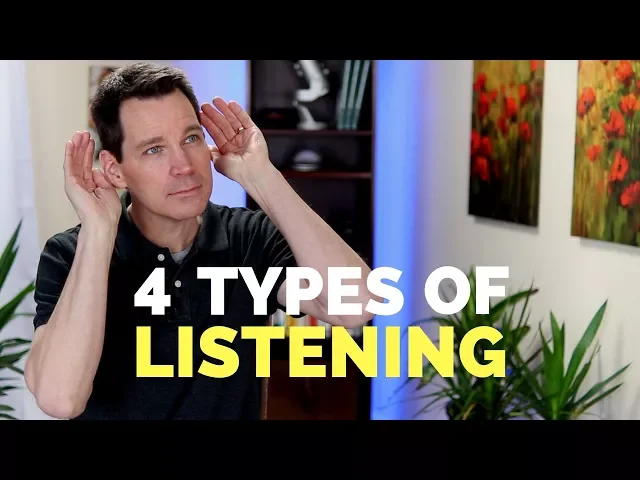
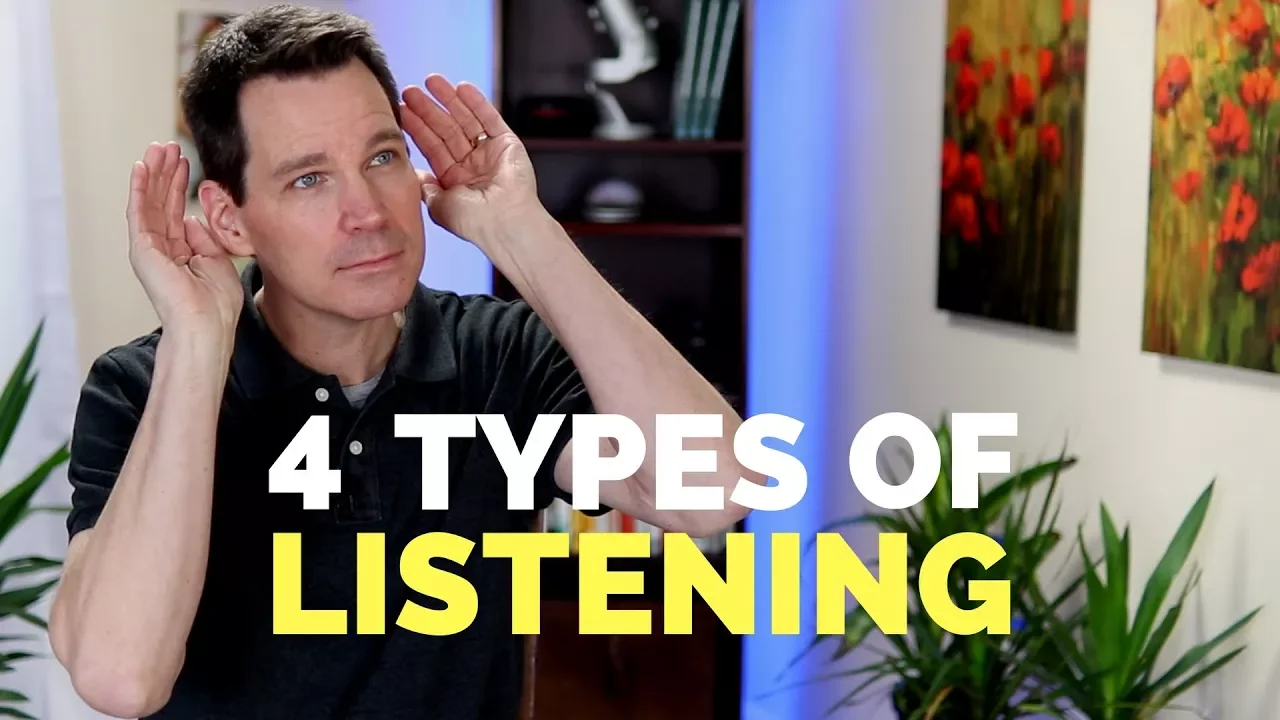
In this video, we're going to talk about the four types of listening. Years ago, I thought all listening was the same, but it's not. So let's get into the details.
Hello there friends. Welcome back. And if this is the first time you're tuning in to this channel, Communication Coach is here to help people probably like you, rising leaders, to help you increase your impact so you can lead the people around you to higher levels of excellence.
I believe that good communication and leadership change lives. And a big part of that is listening. So we're going to talk about the four types listening.
As we do, I would love to hear your comments in that section below the video. Which type of listening do you want to work on the most? The first type of listening is called appreciative listening.
This is where you're listening simply to appreciate. If you're listening to music or poetry, some kind of inspirational message, you're listening to appreciate what you're hearing. there's no pressure on you.
This is for your benefit. And I have to admit that I don't do enough appreciative listening. I really do need to do more.
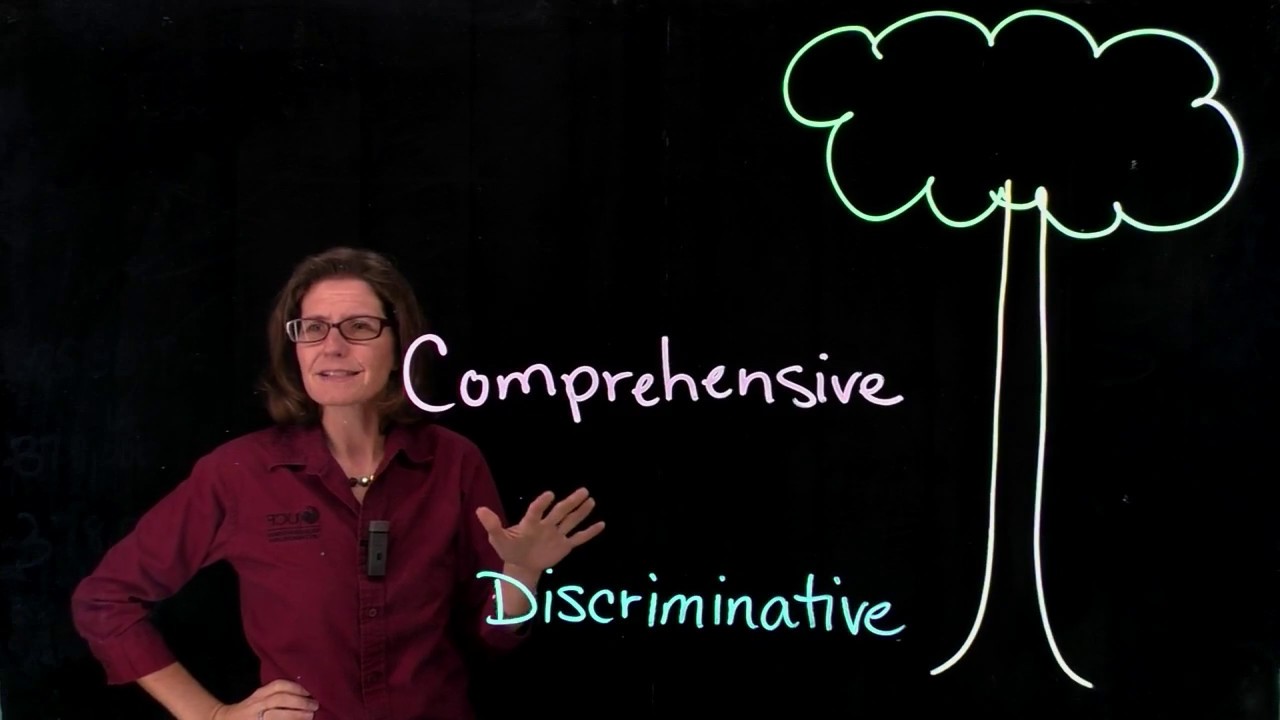
I think there's a kind of therapeutic value in listening for appreciation. The second type of listening is called comprehensive listening. Some people call it informational listening.
This is where you're listening to comprehend, to learn, to absorb the kind of content that you are listening to so that you can learn something. Anytime you're listening to a coach a teacher an instructor of any kind, you're listening to comprehend and learn. One of the key parts of this listening is being able to separate the main ideas from the sub points from the details.
Sometimes that's a challenge. I know that when I was in college, I was listening to this college professor. I remember this was a long night it's like a Tuesday night class for three hours.
And it went on and on and I had a lot of trouble figuring out like what are the main ideas here. It seems like a constant flow of detail but by working a little harder at it, taking notes a bit differently, I was able to listen to comprehend much more effectively by separating the main points from the sub points from the details. A third type is called empathetic listening.
This is where we're listening essentially to empathize. If we're listening to a friend or for listening as like a therapist, this is the way we'll be listening. We were listening to connect.
We're listening for people's emotions. This is the kind of listening that I do a lot for example in my marriage. When I'm talking to my wife, we're often talking about family issues or relationship issues and you have to be able to tune into the main point that the person is feeling, not (mainly) any content or details, necessarily.
All those those could be important. You really want to connect with what the person is feeling. And that is a challenge for me.
I am not built this way. I'm not like a therapist or a counselor and so we do have to when we're talking with friends and talking to our significant others, we have to connect with their emotions. this is a big challenge.
Not everybody's naturally good at this. I will say this, though. There's an old expression that if you want more friends or if you want deeper friendships, learn how to listen more effectively.
And I believe that is a trustworthy expression. I have found it true. The better I listen the better my relationships are.
And the fourth type of listening is called critical listening. This is where we're listening to criticize, essentially, to scrutinize a message, to pick it apart. We often have to listen critically when somebody is trying to sell us something or get us to do something or get our vote for some reason.
this is where people might have a motivation to only tell their side of the story to be very persuasive. And so it's much more important that we listen critically. So what are they saying?
What are they not saying? What's their central argument? How are they supporting their argument with details?
You have to be able to pick it apart a little bit and have a heightened sense of attention to the things that matter the most in that message. Otherwise people are going to take you for a fool, try to separate you from your money, and so forth. So these are the four types of listening.
As I mentioned, I would love to hear your comments in that section below. Which one do you need the most work on? Can't wait to look at your comments down below.
So, thanks. God bless. And I will see you in the next video.
Hey hello again speak of listening skills, I would like to invite you to enroll in a free course that I have created called Essential Professional Communication Skills. Listening is one of the five key lessons in that course. You can check that out in the link in the description below.
You can find it through the channel page as well as my website. So take care see you then.