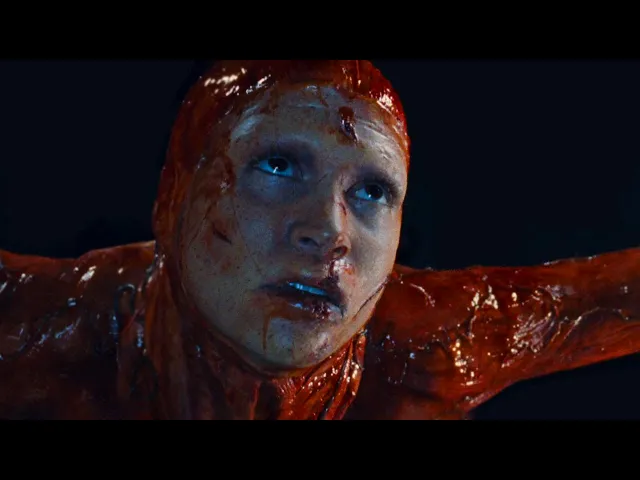
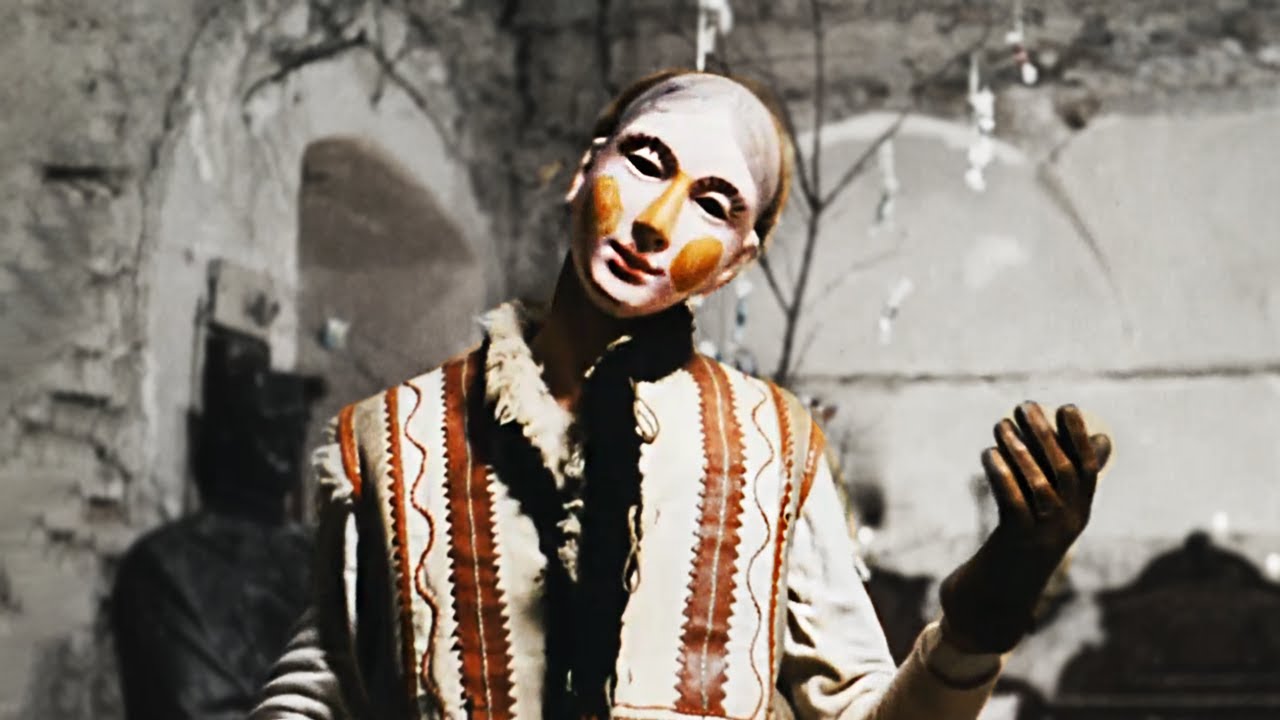
is the shadow awaiting us around the corner is the thought pressed against the back of our skull is the Beast eagerly waiting to devour every human interaction violence in our art is the climax how our end goals are so often achieved domination and subjugation of the enemy it's pure and unfiltered nothing can hide when violence is present as we regress back to the animals that we are in order to confront the Predator we will all inevitably face but even the act of witnessing violence makes one a victim of violence for we're transported to the nucleus
of dehumanization and forced to explain that which is unexplainable artists attempt to transgress to subvert or even to beautify the destructive this is a celebration of those attempts that Venture into the dark edges of Cinema and the insights it provides into human existence sometimes I'm like Amazed by people and it's a great feeling it's a great feeling to look at when you read Shaker you're like wow it means so much to me so then how do we dismantle or disrupt the schizophrenic hyper capitalist consumerist inhuman realm which exists at the same time that greatness exists
violence in the Arts obliterates physical and emotional boundaries yeah we often follow characters who use violence as a tool for Redemption most art justifies its usage in the most archetypal genres violence is rarely judged and it's seen as the means to employ one's will or to resist anothers and it's in the conventions of genre Works where this is often most visible in The Lord of the Rings The Alliance of men elves and dwarves is portrayed as honorable even when adopting a violent path the characterization comes through action and action is portrayed through aesthetic examining such
violence we see that there is No Malice or malevolent personalization within their sword Strokes there's a means to an end in their enaction of death and it's often a struggle whereas examining the Orcs the sadism in one's Joy Of Violence makes it an intrinsic evil our innate belief is that violence should not be enjoyed even if necessary however violence is often inevitable and thus the action in itself is not evil it's the context and the Artistry of its implementation which categorizes it into some moral code which is why even the stylized violence of the heroes
in The Lord of the Rings is viewed as triumphant go the flourishes of violence are in service of Acts of heroism and is thus A celebratory thing we celebrate the destruction of evil even if it requires violence perhaps the greatest individual hero of our modern mythology is Batman who embodies this sentiment with a moral code that is intrinsic with his very being his usage of brutal violence is what denotes him as a yungan archetype a man who exists in the shadow of Humanity's most destructive aspect but his self-imposed limitations of not killing allows him to
not sink into villainy I'm no executioner your compassion is a weakness your enemies will not share that's why it's so important the violence can be Redemptive and Cinema leverages extreme scenarios and intense visual styles to engage with the concepts that emerge out of violence whether it's the literal demolition of societal structures or the symbolic disintegration of individual psyches most film Aesthetics that require the usage of violence end up working toward a perfected style of its action after all action is merely the performance of a physical act directors must block and compose all actions to their
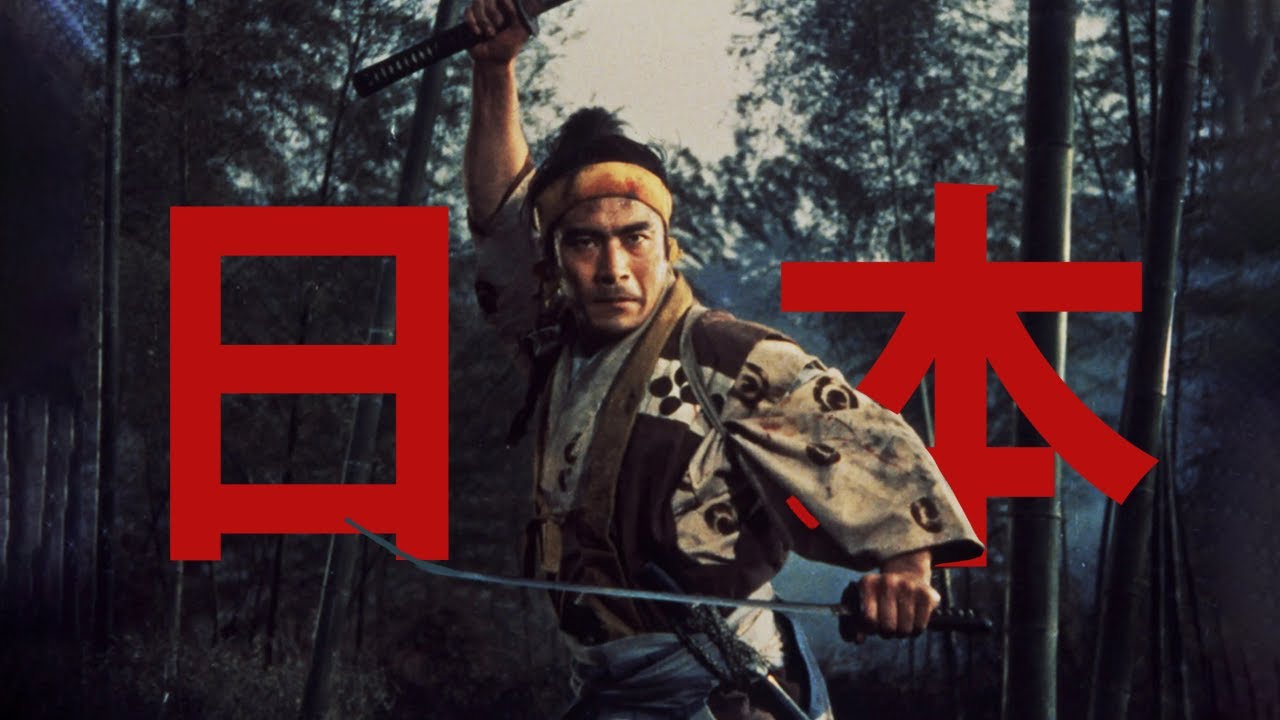
utmost ability including violent ones in King who's a touch of Zen editing and cinematography was completely reimagined for a genre yet to fully emerge with hypermobile cameras actors attached to wires and a much faster rate of editing that will destroy Cinema's Golden Rule violence here becomes something eleg a byproduct of One's Own spiritual ascendants A Touch of Zen is the first modern martial arts film and set the aesthetic for an entire genre with future films like Crouching Tiger Hidden Dragon the hyper stylization removes realism and thus a recognizable Humanity in the violence to transform it
to something otherworldly the choreographed dance-like movements flying through the trees was all in service of its Zen Buddhist themes and through this aesthetic it challenged the preconceived notions of violence as a tool in storytelling and in turn had to transform the very language of the medium itself for although violence will ultimately become an ethical discussion is depiction in any visual medium will also inevitably require a discussion about visual literacy composition blocking motion the objective tools that a master perfects and the idea that violence in cinema can be perfected must first come with the presumption that
violence is justifiable but then also stylized to a point where it works towards artistic Mastery works like Ang Bak display the awesome visual flare of martial arts filming in wide unobtrusive shots not cutting so that the action itself is on Full [Music] display however the films that perfected the brutality of violence in its Aesthetics are the ra [Applause] films there's not much that can be expressed in Words with films that are so based in physicality both raid films are Pinnacles of what hyper stylized superbly directed and a supremely talented crew can make each fight sequence
makes use of its surroundings with the terrain of an action sequence becoming a Sandbox of violent interactions the variance in scenarios people fight Styles Weaponry turns everything into a tool for violence here violence is character it's story it's motivation it is an excess of violence with crowds of people crammed into tiny areas to large scale brawls between prison inmates and gods and yet as more mainstream films display violence without gratuity The Raid films excel in their bloody excess but this is a film where morality never comes into the equation of the violence in fact in
all of the films I've just mentioned violence is merely a tool for protagonist to master the raid happens to have justifiable gratuiti however most films do not discuss violence in this manner and their aesthetic must be reconsidered as such in I saw the devil a justifiable violence transforms its character into an irredeemable sub object in seeking vengeance upon a serial killer our main character in the act of eradicating evil becomes evil himself here the ethics of endless violence come into play what is the end goal for the savagery we must bear witness to we establish
as evil a human being can be joyan sick as a psychopathic rapist killer and we're not granted the mercy of being able to avoid his works we see all his sadistic urges and we loathe him as such by the time Lee Young Hun's revenge is upon us there is no more deserving receptacle for it just yet when comes the end goal we watch the almost sadistic levels of our protagonists rage inflicted upon someone deserving yet for what purpose is it self-gratification Divine punishment the fact is that the violence from either side never ceases it fuels
itself the answer of how we eradicate violence here appears to be more violence and paradoxically is also what allows it to persist hey to for whereas in a film Like Straw Dogs its controversy and perplexing look at the nature of this kind of violence permeates its legacy to this day app after moving to a small English town Dustin Hoffman and his wife are found at the mercy of the locals whove completely rejected them the violence intensifies in a seemingly random manner growing more and more threatening we come to get this bloody freak we're going to
get him with your cooperation or without it David stop it the theme of otherness and one's own justifications to defend on come into question but the type of violence that's committed within Straw Dogs has to this day left people completely divided on the film in one breath it appears a heroic depiction of vigilantism we should R those who resist Violence by taking it into their own hands in another it appears to glorify the exploitation of victims and in others its Bleak almost hopeless resolve appears to point towards all violence being unnecessary know what Happ to
they get in now they kill us all [Applause] they gone too far to back down now do you understand that we dead if they get in there are suggestions from people who worked on the film that our characters perhaps subconsciously wish the violence upon themselves in order to enact it upon others the fact is that there are those who worked on the film who believe that and some who believe the exact opposite Boggs is a film with a complicated reputation because of its depictions of violence its very intensity results in a visceral action from the
viewer that it bypasses our artistic lens and just like in the film we view violence as an encroaching threat completely other to our very being and utterly unexplainable I'll this adversely you can look at Fritz Lang's m in its pioneering study of the psyche of violence presenting destruction of something both feed and haunted within Society and although possessing a different look to Straw Dogs its aesthetic is still in accordance with its sentiments the film's exploration of a child murderer evoke a deep sense of dread but what makes M truly extreme is the way it shifts
The Narrative lens to humanize the very figure of [Music] Destruction Lang's use of elongated Shadows suggest a spreading darkness of humanity lurking constantly beneath our surface world and its use of Silence leaves us constantly on the precipice as to which of the Two Worlds will emerge dominant the film's extremity lies in the moral ambiguity it forces the audience to confront by turning the criminal into the victim of societal wrath Lang reveals the corrupting nature of violence much like in Denny V's prisoners it delves into the murky depths of moral ambiguity where violence becomes a tool
of both Justice and Vengeance tell tell me tell me me where's my daughter where's my daughter in a narrative that's say much about the psychological unraveling of its characters as it is about the physical acts of brutality V nerve crafts a t suffocating atmosphere that reveals the rot beneath the surface of suburban normaly where destruction festers in the form of fear loss and the Primal need for Retribution and every day she's wondering why I'm not there to [ __ ] rescue her do you understand that me not you not you but me every day all
right so forgive me for not going home to have a good night's rest the film visual aesthetic drenched in overcast Gloom mirrors the emotional toll of its subject matter as violence escalates into a Labyrinth of ethical questions it's a slow burn building to explosive moments where each Act of brutality is not simply shown but felt deeply acts of violence are often committed against the futility and rage one feels upon having a violence enacted on them and being unable to Vanquish it violence in these films is in some way a byproduct of evil in an attempt
to eradicate it it's a way of making the audience feel Vindicated ultimately returning us to the idea that watching violence in one way or another is a cathartic experience so what does that really say about the way we view things help me in a film like Natural Born Killers Oliver Stone turns the romanticized notion of the American Outlaw on its head delivering a chaotic descent into media fueled violence call the Cs come [Applause] on like a psychedelic nightmare in constant overdrive the film aggressively blurs the line between satire and exploitation rendering its violence as both
spectacle and critique it implicates its audience in the violence and weaponizes its rapid editing hallucinatory visuals and overt performances to transform The Killers into pop culture icons yeah you know we respect human life and all but if I was a mass murderer I'd be Mickey and mallerie we're woven into the very psyche of our two killers a society seeks to plaster their War vision of the world outward and the aesthetic cohesion of the film breaks down projections emerge from The Ether cameras appear in the diagetic space of the film and the suggestion is that as
a United Society our shadows will completely overwhelm this world of any kind of consistency here the destruction is not only physical but also moral as the film challenges our complicity in the glorification of violence where you can tell by the blood and carage all around me to the final ch in the book called Mickey and mie has yet to be WR the medium itself becomes a weapon wielded with exaggerated ferocity to confront a society that consumes brutality as entertainment it extremity lies not in the Bloodshed alone but in the way it forces us to recognize
the circular relationship between violence and media he punched me he SLA me again he um I just I just want to say you know can we but where natural Bor Killers explores the media's romanticization of killers Battle Royale dissect society's obsession with competition and survival turning violence into a state mandated spectacle [Music] kiuk kaku's dystopian nightmare unfolds with a clinical Detachment pitting school children against each other in a gladiatorial death match the violence here is systemic orchestrated by a government intent on enforcing control through fear yet within this structure the film maintains a frenetic energy
blending the innocence of Youth with the savagery on screen the extreme jst depos between adolescence and death makes each act of violence more harrowing forcing the viewer to confront the fragility of humanity in the face of annihilation the film's raw power comes from its ability to strip down violence to its most Primal level where survival Instinct and societal manipulation intertwine [Music] in punishment Park Peter Watkins positions destruction within the framework of political repression offering a pseudo documentary that weaponizes realism to an unsettling effects punishment Park described by the US Senate subcommittee on Law and order
as a necessary training for the Law Officers and National Guard of the country in the control of those elements who seek the violent overthrow of the United States government and the means of providing a punitive deterrent for said subversive elements the film's grainy handheld cinematography places us directly in the desert where anti-establishment youths are hunted down by law enforcement in a brutal Kafkaesque exercise of power here violence is a means of enforcing societal order a tool wielded by those in control to suppress descent the destruction is both physical and ideological with the violence functioning not
only is punishment but as a spectacle design to dehumanize the Administration has chosen to accept and exploit the present division within the country and decide with what it considers as the majority instead of a politic of reconciliation it has chosen the politics of polarization Watkins uses the pseudo realism of his approach to critique the media's complicity in perpetuating cycles of violence much like funny games it implicates the viewer in this system of control as the audience becomes a passive Observer of the horrors unfolding C in this subversive exercise in deconstruction an almost clinical dismantling of
the tropes that Define the home invasion genre arises the violence here is not merely inflicted upon the characters but upon the audience itself Hanukah manipulates cinematic language breaking the fourth wall and shifting our expectations to remind us that we are complicit in our consumption of violence the film uses the very medium of Cinema to implicate its viewers revealing the vois impulses that fuel our engagement with violent imagery Every Act of brutality is carefully constructed to elicit discomfort as Hanukah strips away the escapism typically associated with genre [Applause] films the destruction here is psychological Hanukah dismantling
the character's lives congruently with our relationship towards cinematic violence for we all know that violence destroys but what comes in the aftermath of its destruction the decay of one stable structures and lives societal breakdown and the slow erosion of quietude and normaly in Len Matthew Cavit creates a stark portrait of a society on the edge where violence simmers just below the surface threatening to erupt at any moment the ruin in Len is systemic as the film captures the suffocating environment of the Parisian Banus where disillusioned youth are trapped in a cycle of poverty and brutality
the film explores how violence becomes ingrained in everyday life an inescapable part of the social fabric the film's gritty black and white aesthetic reinforces the bleakness of this existence with C ofit's sharp dialogue and kinetic camera work mirroring the Restless energy of its characters [Applause] [Music] the violence here is not just physical but existential as hope erodes under the weight of Oppression the end doesn't just depict violence it shows the in ability of it when Society abandons its most vulnerable it dialogues with Tony K's American History X a film that explores the slow and painful
process of unraveling ideological violence it's happening right here right in our neighborhood right in that building behind you Archie Miller ran that grocery store since we were kids here Dave worked there Mike worked there he went under and now some [ __ ] Korean owns it who fired these guys and he's making a killing cuz he hired 40 [ __ ] border jumpers the film's extremity lies in the way it confronts both the seductive power of hatred and the devastating consequences it leaves in its wake Edward n's portrayal of a Neo-Nazi seeking Redemption is a
study in ruin not only of a community torn apart by racial violence but of a man destroyed by his own Blind Fury [ __ ] [ __ ] Kabal reading [ __ ] get the [ __ ] out of my house see this that means not welcome much like Mississippi Burning the violence is personal infecting families friendships and more importantly Futures when we think about worlds that have lived through their violence a film Like A Clockwork Orange is the standard a depicting a society that has undergone such a complete transformation the youth seek immediate pleasure
through their search for Ultra violence and the Decay and vulgarity that surrounds the citizens is completely unnoticed and even subconsciously absorbed by them he must be a great disappointment to you sir there's an extremity in the manner in which the world Converses with its inhabitants much like in tekashi mik's itchy the killer does an exercise in extreme language here mik uses the lens of Ultraviolence to explore the darkest crevices of human sadism in this world pain and pleasure are inextricably intertwined and the spectacle of Destruction reaches almost operatic proportions hey you the film's visual aesthetic
is slick yet repulsive stylized yet grotesque it perfectly mirrors the themes laid bare in the original manga mik dares the audience to look beyond the goal into the psychosexual complexities at play so the film is less about the violence itself and more about how it reflects the character's Twisted desires and motivations he crafts a cinematic world where brutality becomes a form of communic pushing the boundaries of what can be shown on screen yet always with a sharp awareness of its own [Music] excess even when violence seeks to disgust its viewer it's still allur us it
goes in opposition to the highly composed heroic Purgatory a film that portrays a profound sense of desolation through its fragmented narrative and haunting imagery set in a postwar Japan the film explores the emotional and psychological impact of society grappling with the aftermath of conflict [Music] [Music] the film's slow pacing and somber tone emphasize the depth of Despair and alienation experienced by its characters kuroki's depiction of a world in disarray reflects the broader societal disintegration capturing the profound sense of emptiness and futility that pervades their lives however in a film like Martyrs the very Act of
violent communication between the artpiece and the viewer is more of an endurance test in one part it's a Revenge story in the other it's a metaanalysis on the act of suffering following two women seeking revenge on a mysterious faction that tortured young girls the trauma of violence manifests itself as a naked monster hellbent on consuming you on the other hand we see the perspective of violence from a vessel of its action can violence cause such victimization that a person must transcend the physicality of evil in order to retain Humanity in essence to become a mar
[Music] Martyrs utilize violence in a maximalist aspect because it is an act of breaking down the very foundations of the world one must sacrifice oneself to save the world in this sense is to expose themselves to the greatest depravity one can face there's a theme of saood in Martyrs which would bring us back to the original point of heroism achieved through violence however in this instance it's the complete inaction of violence that such status is received We crave the Revenge sought out by its two justifiable protagonists yet Mar suggests that one only achieves the Pinnacle
of humanism when one disregards it altogether [Music] any depiction of violence is often in discussion with the nature of the human soul what it says about its victims and what it says about its perpetrators and in army of Shadows jeampier Melville creates a world in which destruction is is not defined by extreme barbarism but by the slow deliberate erosion of the human soul The Cinematic violence here is subdued often occurring offscreen set within the French Resistance during World War II Melville's film is often concerned with the psychological toll of violence rather than its physical manifestations
the endless silence the muted color pallet an austere Direction mirror the film's emotional landscape where destruction is inevitable and it is in fact in the quietest of moments that it's expected Army of Shadows shows us through its film making that violence often exists all around us in a silent form the brooding atmosphere evokes a feeling that violence is in fact occurring as we speak it simply exists in the minds of people and their incoming betrayals The Human Condition thus transports the world to a somber and joyless Landscape Army of Shadows uses restraint to amplify its
thematic concerns suggesting that violence is true horror lies in the way it erodes the moral fabric of those who participate in it in Paul sh's hardcore which uses destruction as a metaphor for the loss of Innocence George C Scott plays a father and we watch his descent into the seedy underworld of adult entertainment to find his missing daughter off turn it [Music] [Applause] off the violence here is more existential with less traditional violent present but the shock fact are lying in people's acceptance towards the erosion of humanity George C Scott's character is a calvinist with
very traditional ideals who most for the first time in his life communicate with those in society who have none but I'll give you some advice Jake you'll look like a nice guy want to take some advice for me start small start with a kitty porno then look yourself up the result is a depiction of a world which is so fragmented that in their own spheres people never intersect and so their languages are completely different the only thing that thus becomes Universal that they can enact on one another is violence this depiction of moral Decay blurs
the line between reality and depravity just as Scott's performance moves between stoicism and derangement hardcore envisions how the human soul is torn apart by a schizophrenic Society intertwining violence with Obsession that's not true Jim oh as a matter of fact I think you're very close to the type we've been looking for oh yeah well uh I've done a lot of good work you know uh uh shorts features no major roles yet it's true but uh it's all been really good stuff in a completely different direction is noisy requium here yoshiko Matsui plunges us into a
grotesque fragmented vision of Urban Decay where violence and ruin intertwine inextricably the film is an assault on the senses both visually and thematically using disjointed narrative structures and disturbing imagery to evoke a world in collapse here ruin is depicted in its most literal form the decay of bodies the degradation of Minds the erosion of societal Norms it Revels in the grotesque but it also manages to keep a profound sense of melancholy the violence here feels inevitable a consequence of a society that has abandoned its Humanity the extremity lies in the film's willingness to show the
filth and grime of urban life using its Stark often shocking imagery to create a portrait of a world where violence is both the cause and effect a cyclical process of Destruction and [Music] despair for in works such as these violence can seem as though it's a cry for help an action against against the universe and the powers that be that allowed such evil to be present the Battle of alers brought a documentary style to treat the reenactment of its real world events as an act of protest for sometimes violence requires the instinctive rejection from its
viewer to get its point across such is the case of Men Behind the sun following the events of Unit 731 Japan's key experimental facility on germ warfare during World War II for the violence here is on a level so extreme and so callous that it borders on exploitation however by remembering that the film attempts to bring awareness to the realities that were suffered by people then it doesn't even come close to how extreme the violence really was because it actually happened so what do we do about these kinds of depictions what is the correct form
is it an act of protest against history's admitted atrocities if so then wouldn't the film be better as a documentary or simply showing real atrocities instead or do we understand fiction better Men Behind the Su chooses to graphically display the Carnage enacted on the subjects in Unit 731 and perhaps this translates better to most of the realities of what really occurred because at what point can it be translated to viewers the reality of violence without it teetering into Carnage for the sake of morbid entertainment it calls to mind Mikel hanah's Benny's video and its meditation
on the desensitizing effects of media violence like funny games the film confronts the viewer with their own complicity using the titular character's obsession with violent imagery as a lens through which to explore the numbing power of Cinema hanah's camera work is clinical almost detached much like Benny's own perspective which views violence through the distancing lens of a camera hanukkah's genius lies in his almost benal portrayal of a boy who cannot comprehend the real life consequences of his actions [Music] there is a meaninglessness to so much of the violence we see and the approaches towards nihilistic
outlooks are always on the horizon when examining them in a film such as elephant by gusan Sant we attempt to explain or find the Connecting Threads between students that are about to be present during a school shooting 11:30ish the envelope put your brother's name on there his name is what that boyfriend husband I get it okay okay he's tall BR uh right around 130 the film is incredibly spacious and dreamlike the camera floats above and most of the film is comprised of tracking shots following a character we really know nothing about the minutes at a
time and then an unavoidable explosion of violence emerges as quickly as ends the film is driving us towards the conclusion that there is a thread connecting normaly to violence but it's so ethereal that even when it's right in front of us we can't see it and we watch life and violence from a completely detached perspective as though it were one of the many other mechanical actions we've just been watching inescapable inhuman and meaningless all right let's see this so we'll park here right and we through the South entrance right then we go past the trophy
case and the the mineral case we in through the language lab they don't use it anymore so there shouldn't be anybody in there often the violence is just present around us Perhaps it is systemic Perhaps it is callous but for many instances it's accepted without question in the death of Mr lazarescu a man is wheeled from hospital to hospital in in order to receive urgent medical attention before responsibility being pushed away with no thought at all given to what may happen to him not violence as we know it but a violent action nonetheless and one
which we accept as part of our societal fabric is violence so part of our conditioning that it becomes invisible this same detached clinical vision is portrayed in the controversial innerglass cage a haunting exploration of trauma and the cyclical nature of violence set against the backdrop of postor War II for the film presents violence as an allc consuming Force both physically and psychologically as the remnants of fascist cruelty linger in the lives of its characters the titular glass cage becomes a symbol of imprisonment both for the former Nazi doctor confined to it and for the young
boy who becomes his caretaker Bound by his own traumatic past in the end violence comes to permeate every interaction as trust between individuals and even within oneself disintegrates and thus we reach the conclusion that in all our art and all our lives there is some antagonism that we must face some egregious act against humanity whether we like it or not there will always be some violence in memories of murder bong junho Blends True Crime with existential Des spare crafting a narrative where violence is not merely an event but a force that consumes all in its
[Music] path the film follows a group of detectives struggling to solve a series of murders in rural South Korea well the focus is less on the mystery itself than on the emotional and moral unraveling of its characters the film uses its setting to reflect the ruin inherent in societal failure here the incompetence and brutality of the police mirror the largest social malaise The film's Bleak cinematography with its muddy rain soaked Landscapes serves as a visual metaphor for the moral murkiness of its protagonists in the realm of Cinema violence transcends M spectacle becoming a profound aesthetic
language that delves into the neglected corners of humanity Tyrannosaur is a stark examination of personal desolation and societal neglect set against a backdrop of grim Urban Decay the film follows Jo j a man battling with his demons while trying to make sense of the bque world around him shut the [ __ ] up shut the [ __ ] up what the [ __ ] you laughing at not M just a private joke you ain't share it you want to give me a [ __ ] laugh not really [ __ ] up then the film's raw
and flinching portrayal of domestic violence and emotional turmoil captures the profound sense of isolation experienced by its characters violence in Tyrannosaur is conveyed through its Bleak realistic depiction of everyday brutality and the character struggles to find solace in a society so indifferent to their suffering paty kadin's use of intimate close-up shots and the film's Relentless emotional intensity emphasize the crushing weight of its story The bleakness emerges not only through content but through aesthetic whereas in dogville the medium is the message I thought you were implying that I was trying to exploit the town oh wishful
thinking this town is rotten From the Inside Out wouldn't miss it if it fell into the gorge tomorrow here L vont Tria employs a minimalist stage setting to explore themes of moral and emotional desolation the film's stripped down almost theatrical presentation removes traditional cinematic embellishments focusing instead on the brutal exploitation of Grace by the residents of dogville I'm willing to do whatever it takes if I have to work harder longer hour hours for Less pay than I'm willing to do that of course I am I just want to be sure that they wouldn't prefer that
I left town of course not the absence of physical walls and the bare set accentuate the moral void and emotional emptiness of the town the violence depicted underscores the profound impact of societal indifference and cruelty vona's film invites the audience to confront the dark underbelly of human nature and the pervasive sense of Abandonment that shapes the character's lives in a similar vein to kashim mik's audition starts with a seemingly mundane premise but rapidly descends into a harrowing exploration of psychological and physical horror [Music] initially presented with a calm almost clinical approach The Narrative shifts to
a disturbing climax highlighting the profound emotional and psychological isolation experienced by the characters mik's use of Stark unsettling imagery and a gradual buildup of tension transforms the film into a nightmarish exploration of human depravity and the fragility of trust and intimacy [Music] much like David cronenberg's A History of Violence it examines how violence affects even the most seemingly peaceful lives unraveling the veneer of normaly to reveal a core of Primal brutality sure give me some coffee make a black yes sir Joey and uh and your friends they don't drink coffee it doesn't agree with them
Joey Joey you are the film's central character played by vgo mortson is forced to confront the violent past he's tried to leave behind as his carefully constructed life begins to collapse Cron B's Direction while often restrained allows the film's violent Outburst to hit with devastating impact reinforcing the idea that violence once Unleashed can't be contained the extremity here lies not in the graphic depiction of violence but in the way it tears apart the illusion of control revealing that violence is an inescapable part of the human condition you kill some of his guys you take his
eye Jesus Joe you took him his eye barbed wire wasn't it that's disgusting you always were the crazy one the suggestion made throughout all of these works is that violence is our default point and that Humanity must emerge in spite of its presence and so what if an artist wants to explore the depth of humanity not to teach but to revile to dwell in the pit of misanthropy because the world is full of hate then you get a film like irreversible a chronically reversed Revenge [Music] story after the brutal rape of his girlfriend Vincent casselle
and his friend seek to find the man who committed the heinous act Gaspar no's Direction however is anything but welcoming a low h frequency that plays throughout the introduction the swaying almost off balance camera was supposed to literally make the audience feel nauseous this is a film that's supposed to make you sick a sequence of a man's face smashed in with a fire extinguisher multiple sexual assaults even Gasper no way talking about making the film under the influence of cocaine this is not a film that excels in any kind of humanism it's about the death
of humanity from the inside and out with no solution the perspective of irreversible is to create a vision of a world that is inherently violent that is violent first what this means from an artistic perspective is uncertain though in relation to its aesthetic it becomes a film so fueled by cruelty that most people simply will not watch it antithesis is Kristoff kow's a short film about killing the theatrical version of one of his decalog episodes a short film about killing follows the murder of a taxi driver by a stranger and is an exploration of the
Commandment Thou shalt not kill the film's look is made of extreme use of color filters that literally warp and darken the image there's an artificiality across the entire film as the image is literally being filmed out of existence the struggle for Humanity to seat beyond the the boundaries of the image is the reason behind this raw intense visual style our feeling towards the image our inability to see the discomfort caused by it is the same as the humanism of the film it's all there but it's just holding on just able to survive for in the
realm of Cinema violence serves as more than a dramatic device it's a mirror reflecting the profound depths of human suffering it challenges us to face the shadows of our own experiences and The Haunting Echoes of human cruelty in this dark reflection we find not just a spectacle of violence but a deep deeper almost poetic meditation on the fragility of human connections and the emptiness that can follow moments of profound upheaval ultimately Cinema's engagement with violence as an aesthetic language reveals how extreme experiences can dismantle The Familiar leaving behind a stark landscape of Haunting Beauty in
this confrontation with the abyss Cinema becomes a powerful tool for reflecting on the nature of existence itself and the fragile thread that binds us to one another [Music]