dustin i'm going to hand things back over to you to take on the conversation dustin's going to touch specifically on our approach to cloud operations and optimization he's joined by david gaffney who's one of our cloud solution engineers here at intervision i have a pleasure of working with david very closely as we roll out new services and solutions and the the big piece he's extremely experienced and the big piece i wanted to highlight about david is he's always has the customer in mind you know as we're building out our solutions and services it's really what's
what's the best uh possible case for our customer and he brings that to the table uh day in and day out so dustin and david i'm gonna turn things over to you and i'm really looking forward to you hearing more about the approach that we take with operations and optimization in the cloud yeah thank you and you know dave it's great to be presenting with you again and yeah i'll echo exactly what chris said it's it's what's awesome about dave is not only is he thinking about how we position our customers really well with the
products and services that we have to offer he's really listening to what is going on in the industry into what you say specifically and helping us really further develop the right solutions that and products that we can bring to market to proactively serve you as well so it's my pleasure to to go through this presentation with you thank you both for the kind words yeah well well deserved so we've uh we talked a little bit about readiness we've talked about migration and now it's time to get into that operations and optimization phase and what what
really strikes me and you're going to hear a lot from david that kind of dovetails on everything you just heard from our friends at aws about um how you get excellent at managing the cloud and what the options are to to doing that you know one of the things that we we hear a lot from organizations and we touched on it earlier is how do i help my how do i help my staff make this jump right um we talked earlier about you know we've gone from a traditional hardware model to a software model where
it's all consumption based and now organizations are faced with the challenge of taking traditional infrastructure engineers and transforming them into software engineers and that means they've got to understand everything about you know how code is developed and what all good code hygiene is and what what it means to have an effective ci cd pipeline and tool chain and because we want to do these things with fidelity and we talk about security by design and the reason this is so important is that you know now we still like we talked about want a good security posture
with the appropriate firewalls and barriers in place to keep bad actors out but now that you're doing everything as code keep in mind like one piece of bad code even unintended can can generate a lot more risk than anybody coming in from the outside can so we have to maintain a good security posture and and get your staff to adopt these good skills and so we talked about earlier about what it means to really embrace your core competencies right staff your organization to support your business not commodity-based services and really the management of of your
cloud-based infrastructure even your on-premise infrastructure those things are are our core competency they're not our commodity we're the commodity provider right and i think about this relative to you don't go generate your own electricity for your house right you buy it from somebody who provides power to the grid and so there's having an organization that takes care of managing your environment for you so that you can focus and staff to do developed to develop and deliver solutions that make the most measurable value for your company that's where that's where organizations get the greatest value out
of consuming the cloud and making this shift to a consumption based model right so invest in your differentiators and really think about how do you gain and leverage the insight from what we're doing so that we can keep you informed on staying ahead of the curve looking at those new uh new products and services that are coming to market to make you more effective and efficient at leveraging them um so operating the cloud can it can be a really big challenge here right um we you know you've got to think about security and compliance and
scalability this is that shift left stuff that we talked about earlier you know and and now now we want to automate it we've got one of our customers that we're working with um they they are automating transportation um and uh located in the bay area and this was one of the big things in maverick they they are kind of starting with this security by design as far left into their uh into their their foundational element as they possibly can and i my hat's off to them because if you get the security thing right now it's
not a toss it over the wall and make it somebody else's problem and also we talked earlier about the right culture making security everybody's responsibility in the organization will pay dividends right on top of that how do we automate right how do we get defects to out of production well you remove the human element not not that we're taking humans out of the equation but you know don't have manual processes automate as much as you can and in the cloud everything is code so um you know operating that to that model can can become more
challenging if you don't have the skills and experience to do that um and you know operations has to be pi part of your pipeline it's part of your definition of done and so many organizations are starting to make this shift away from infrastructure and operations towards site reliability engineers you know dave when you talk to customers do you hear about these kind of shifts and in priorities as as you talk to our customers yeah absolutely and you know i think it kind of dovetails what you were talking about earlier dustin and that is you know
you got to decide as an organization what skill sets you want to keep in-house and what what skill sets you want to leverage from other organizations uh what's core what's going to be here tomorrow what are we going to be able to do over and over and then more important than that what are those skill sets that add the most value to your company that you guys have a uh you know either competency in or it's critical to your business and so um i think that's you know it kind of goes back to this you
know skill set what are the skill sets uh that are required to be successful what do you have what do you want to keep and what do you want to source from someone else yeah that really dovetails us nicely into this next conversation here which is at the root of all this right is having the right talent um assigned to the right types of work uh is hard and you know the these these engineers that understand everything as code and kind of can do front to back development and understand provisioning the environments alongside uh the
the actual product in in functionality it's hard to do and they're hard to find and so um you know that's where organizations look to staffing to their core competencies and leaving the heavy lifting to organizations like us you know cloud migration it's it's not a differentiating thing right it's not core to your business matter of fact it can stall uh and take away from your business drivers so um having a partner to help you with that journey is is critical um you know and then like we said security is different in the cloud right we're
now talking about shift left security by design and you know we can't go back to the old way where we just say well send me some resumes and i'll sift through them and i'll try and get them inserted into my organization especially when you have to think about culture and and how how that's going to be perceived and consumed and so as a result organizations are turning more to organizations like innovision to be able to provide that next layer of service and so you heard earlier what aws is providing through ams but dave maybe you
can talk to us now about what it means to to do ams with innervision yeah absolutely you know uh dustin um this is really kind of goes back with what we've been talking about throughout this whole thing is you know the the concept of undifferentiated heavy lifting right so ams rolled this out in 2006 at a keynote and really it has to do with the fact that you know undifferentiated heavy lifting that's all the hard it work that an organization does that doesn't really add value to the mission of the company um but you have
to do anyway so it you know you've got to pack patching backups a lot of the infrastructure tasks that that are required to run any it environment no matter where it is um and unless you're a managed service provider like intervision these don't add to the bottom line revenue of the company they're just costs of doing business and so so it goes to the point of you know leveraging your partner's core competencies and and finding out the best way to do stuff right so depending upon the size of your cloud environment and the you know
and the uh the types of folks you have in your rit organization it may be more appropriate to work with a service provider and focus on those things that you guys do best that help support your mission of your company our approach uh is working with aws and we partner together and this is a partnership where aws provides some of the heavy lifting on the back end in terms of the automation the platform the security guard rails things like that and innervision focuses on our core competency and that service management so we've been doing service
management related activities for the last 15 years with all of our managed services and you know that goes down having key individuals that we work with that are a single point of contact that they're for reporting that they're for consulting they're there to basically make sure that everything is one runs well and is being monitored and that slas are being achieved and that you're a happy customer and in addition to that we also include so we've got two different roles that we provide each customer will become a an ams uh customer with innervision they get
a cloud service delivery manager um who's basically in charge of what i just said the single point of contact uh making sure that the business uh is running well that the relationship is going well and then also doing training you know things like real time like game day scenarios right that's uh that's basically where you do a live walkthrough with the customer hands-on keyboard make sure they know exactly what they're doing um and you know and it's not a one and done type of thing these are things that can be done ongoing as new people
on board it or as you know as it makes sense so there's a number of uh support related activities that we can provide that that make this a top-tier white glove service and then we've also got a cloud architect who is basically a consultant for you to um have uh as a designated resource to you know look at your environment provide consulting information on best practices and make sure that that you're having a good customer experience this is all back-ended by ms's 24x7 operations team their automation the platform their security so it's a really good
partnership we're thrilled uh to be working with aws on this as i said we've been in the managed service business for 15 years and we've been managing clouds for our own customers but um aws approached us with this a couple years ago and we really liked the idea and the more that we uh found out about it the more we liked it and so we we jumped in with both feet so those customers that are already on uh aw or ams directly through uh amazon you know so the value added sounds like what you're saying
the value of they get by by partnering with us is that that kind of next level intimacy and understanding of their environment their unique uh environment inside of aws and how we can then layer on additional support to the things that make them specific and unique in in how they develop and deliver products yeah and i think that's also important to to just and look at it in terms of our whole ecosystem of services that we provide right so we're not just going to be the you know the service management piece of ams we may
also be the company that migrated you into aws in the first place so with all of our you know our our core competencies around migration and engineers and computing and and and you know storage and these types of things it really helps us uh not only um get you know provide you with the main service but to get you migrated in the cloud and then provide some services that maybe ams doesn't provide because you know as we know that you know they have core competencies and then they allow their partners to provide other core competencies
to kind of work together and so there's certain gaps um that we've you know uncovered from time to time in ams with specific customers where they may want a customized version of the managed service versus the the standard one and we're absolutely able and willing to do that so yeah you know as i hear about the um you know the benefits of this and a lot of organizations talk about this but i think you know certainly i've seen working alongside you with our clients you know these are real tangible outcomes um and you know certainly
all these areas are critical we've hit on all of them you know reducing stall and and cost and security and onboarding and management you know but as you think about as we're building out our product portfolio at intervision to support this model beyond just a ms what you know what what are you thinking about as the the natural evolution and what what can we offer customers today it's a great question you know and and so it really kind of goes back to what type of environments customers need support on right so um within the ams
platform there are certain services that are considered fully managed and those are others that are considered you know self-provision self-managed um we've actually had customers approach us and say hey we know this is an unmanaged service can you manage it for us and we're we're like absolutely right so we've done custom scopes of work around that and i think the whole point of this is with ams you've got a solid foundation you've got highly automated environments you know where 93 of change requests are automated um it's secured by the secure and compliant by default um
and it has a lot of benefits there and so as we you know add on more and more customers in this environment we get requests to do things that maybe weren't anticipated or just outside of the core skill sets of what a ms wants to support and we are absolutely happy to do that you know we've been talking a lot a lot about operational costs and reducing costs and i think it's important to point out that it's not just you know reducing costs is not the only benefit here there's there's many others forester did a
study a year ago which was released in 20 march of 2020 which looked at six different ams customers that had been with them for two years and they found an average return on investment of 243 percent so things like not only reducing cost but reducing the potential of a security breach you know allowing customers to focus their you know precious it resources on those things that add value to the customers so um we're by the way we are very happy to share that forester report with you if you'd like just uh let us know but
but it really speaks to the the value of this this managed service beyond just cost savings and outsourcing i.t it can really benefit your organization in many many different ways oh sure yeah you know real costs you know certainly satisfy the cfo right but the opportunity costs are those detractors that erode everything from consumer confidence to even internal culture and employee satisfaction which you know ultimately again like humans are what make the business go so you know getting rid of those roadblocks so that organizations have confidence that they can develop and deliver with with fidelity
and efficacy i think only makes them better absolutely yeah guys i just wanted to highlight two quick things from the audience that i think are just really pertinent right now one is um as you mentioned uh dustin the concept of thinking about everything is code we have a few folks in the chat just like rah rah rally behind that and i think that's a really important thing a factor that maybe not many folks are considering but just highlighting that a few folks in the audience definitely agreed with you on that subject and then secondarily looking
at the poll results that we we just conducted the poll here today live in the moment around what's stalling folks migrations that are actively on this call today the two uh the two reasons that jumped out far and above all the others were securities concerns and lack of skill expertise and you know you think about what we're talking about here today and i just think that's just a great kind of showing like these kinds of services can help get around some of those challenges and expedite the migration so you can see that time to value
uh more quickly than than you would be able to otherwise so just one thing it seemed pertinent so well i and i love that that folks are are gravitating and understanding that everything is code you know and that by the way as they start to make that shift in culture and mindset it's going to enable them to uh close that skill gap right i mean it's you know i kind of think back one of my favorite films of all time is young frankenstein and when you know um you know terry garr's character says to igor
uh did the hump move and he says what hump you know we can't ignore the fact that we've got this burden that we've gotta think about relative to hey okay if we you know just pretending that that gap doesn't exist doesn't make it go away and and by the way we can help with that right we have devops competencies within our organization that is uh certified by aws so if if your organization today is saying well we want to make that that jump but we don't even know how to get started on it i i
would remind everyone that first and foremost it's a it's people first right you got to start with that but then have the right partner that helps you build the right process and and can bring the right tools to bear the tooling is generally pretty easy it can take care of itself um so that's great to hear you dave one of the things that you did hit on though so you you've certainly put in a valid plug for managing the opportunity cost and risk but since you did hit on the the real cost the financial costs
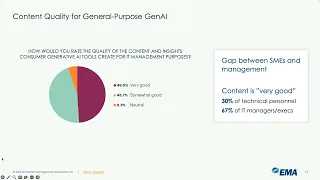
maybe talk a little bit about um cloud cost optimization and how we're helping customers there yeah absolutely sure so in uh what you're looking at here is results of the study done by idg in 2020 um that went out and surveyed a number of i.t leaders and ask what are some of the challenges that you're facing when it comes to adopting the cloud the number one response by more than 40 percent of the the respondents was controlling cloud costs so you can see that that is a real challenge and you know the part of the
cloud is the promise of the cloud is cost reduction right and and opex the capex to opex and you know and pay as you go and you know metered billing and that sort of stuff but what companies are finding is that when they migrate into the cloud it's not as simple as taking application a that you've estimated to uh you know cost this much in the cloud and then moving it there and expecting that to be the results uh requires a lot of care and feeding and optimization and and really grooming of of the environment
to make sure that it is uh you know being managed properly so that's that's a real key and you can tell just by the results of this survey that uh we're not the only company or you're not the only company that experiencing this this type of situation so how how what's our i mean i know we've got our cloud cost optimization product offering maybe you can talk a little bit more about how it works oh absolutely yeah so um you know i think that when it comes to cco there's uh cloud cost optimizations uh that
uh there's a number of ways that we can help but i think you know let's let's talk first a little bit about this complexity piece here so when it comes to understanding cost management in the cloud it's not just you know the visibility the problems with visibility have to do with the complex pricing models and not only that the extreme granularity of some of these cloud bills some of these bills are thousands of line items along and so being able to sift through that and know you know where the money's going and how do i
cut some of this stuff back that could be a challenge some of the other issues are ease of service provisioning you know it's so easy to point and click and shoot and get your uh get your your cloud resource spun up for that plc but now it's been two months and that poc is still running 24 7 and everybody's forgotten about it and it could run there forever if it's not maintained so you know tagging is a critical thing knowing who the resources are making sure that you're that you're using best practices that you can
do chargebacks and all that kind of stuff these are all sorts of things that can actually influence um the you know the the ability of or the the complexity and the uh how much how much you're spending in the cloud but the but the one thing that i think doesn't get enough attention dustin is this the the the excess of alternative architectures in the cloud there's about a half a dozen or more ways to solve any one architectural design right if you're if you're rolling out an application you could use this service or that service
you could use you know elastic load balancers you can do serverless you can lose a lot of different things but what is the most cost effective and i think a lot of companies you know and people that are going to the cloud they use the technologies that they're familiar with they want to go and they say hey i'm a windows guy i've been doing windows all my life they've got rds that's great i'll use sql on rds and life is good but that may or may not be the best solution or the most optimized solution
the cloud so it's it's a matter justin of not just looking at okay um how do i you know eliminate zombie resources and how do i you know right size instances and how to make sure that we've got you know reserved instances on and commitments on the majority of our book but it's also taken a step back and say why are we doing it this way and and our cloud cost optimization product does all of those things yeah you know one of the things too that jumps off the page for me especially for organizations that
are relatively new into the cloud there's that you know what we call uh sos shiny object syndrome right we we it's a new thing we all want to get good at it and so we try lots of different mechanisms to be successful at it and one of the things that aws has made it very easy to do is to consume different products and services for optimizing the way you get to the cloud but one of the challenges there is that organizations can start to consume so many of those things many of which that can solve
the same problem different ways like you talked about and then they get technical debt that just kind of the masses over time as well right um and so let me talk a little bit about you know in these different areas you know how are we what are we looking at that helps them um kind of identify those those points of overspending oh yeah sure so you know our so i'll talk a little bit about um what what cloud cost optimization means to intervision but essentially it's a service it uses typically native aws tools proprietary dashboard
but but primarily it's process and expertise right so we've we have a well-defined process of over 35 steps each one of those has gone through piece by piece to make sure that um we're covering each one so and then we've got a number of different cloud experts out there that can go on and go in and we are so confident that we can save you money uh that we are actually offering a guarantee so if we don't save you 30 or more uh we'll offer a guarantee it's sla backed and it'll be basically we'll return
a portion of the of the price you paid for this um there's a number of different ways that we do it but it boils down to uh you know three three three main areas cloud hygiene you know making sure that you're turning off things that don't need to be on that you're scheduling resources that you're you know eliminating um things that don't need to be running in the cloud or or data that's old um and then also looking at um the the you know the size of the instances right sizing looking at the the financials
are you are you committed those are the primary ways that we can do that but we also look at future state recommendations which is a way to say hey we looked at this application that you built using those lego blocks you know you could probably save a ton of money if you did it this other way let's let's go down that path so it's a really a holistic approach to kind of look at every at the all the components of of cost optimization and then try to actually save customers money and like i say we're
so confident we're actually offering a guarantee so um it's it's a it's pretty cool um the other nice thing about this is there's a near immediate return on investment so if you um you know pay for the service today and we save you you know 10 or 30 percent of your bill that's a month over month over month over month so you could actually um you know get an roi uh and and earn the money back within several months so that's that's pretty awesome but the most important thing is that you know when it comes
to class optimization you're offloading cost management burdens and the the issue dustin and is almost every organization that we work with has the same issue the people that are the most capable of of resolving cos you know cloud cost issues that doing cloud cost optimization those are the same people that are in high demand in the organization for things like revenue generating activities um new releases new code bases things like that so this these are your top tier architects and quite frankly what happens in many organizations is that cost optimization gets de-prioritized they don't have
time to go through on a monthly basis on a regular basis and make sure that you know things are turned off and things are right-sized because they're busy doing other stuff and so month after month you know some of this stuff just keeps piling up and the bills pile up and that's that's really the value here is is so that the key people in your organization are not tasked with having to you know find all the stuff and then finally is is just the optimize foundation so our program is built on the uh cost optimization
pillar of the aws wall architecture framework so we go after every one of those different areas and make sure that we are achieving the optimal cost for all of our customers and for our customers the so this is great like a 30 savings for me is kind of a no-brainer right but customers that maybe don't want to put out uh an initial expense is there a way for us to provide the service for them without them having to lay out money up front yeah absolutely so um essentially is account transfer um so if you sign
an account transfer agreement with intervision which essentially would make intervision the the biller uh and the biller record on that um essentially that pays for the service because we get a small portion of the funding back from aws that we use to basically fund the service so it's basically you you sign the uh the aws transfer agreement innovision is the biller of record and we provide the service free does that cost our customers anything nope nope nope so they paid the exact same bill they would have paid before exact same bill okay cool awesome well
i mean certainly you've talked about a couple of really critical things here right cloud cost optimization uh 30 guaranteed savings you kind of can't go wrong with that um you know anybody that doesn't like to save money i mean i just seems like a no-brainer for me um you know you really gave some great insight into what we're doing with ams and then you know to follow on with what um you know with what a aws talked about um and jay mentioned relative to what how ams is evolving you know talking about what you're you're
doing in the product team to help add additional value to that we talked about the well architected reviews in an earlier session i want to go back to those for a second because they are really great insight holistically to hit on all the points that cecilia talked about in her opening uh discussion with chris right how are we doing relative to security how are we doing relative to costs and what's what's going on from an architecture perspective i mean do we have uh an environment that is architected to spec relative to based on the best
practices that amazon has laid out um you know earlier uh john and i talked about staffing and how we can match resources uh you and i talked a little bit about making sure you've got the right resources in the right chair and and offloading commodity based things and that's another area where we can help and then again immersion days and those of you who maybe haven't heard that term immersion days before encourage you to go up to amazon site and take a look at those those immersion days we are a certified immersion day partner and
and if any of those are interesting we can sponsor those and we can tailor tailor them specifically to your needs um so great opportunities to help us get involved and enable us to help you further