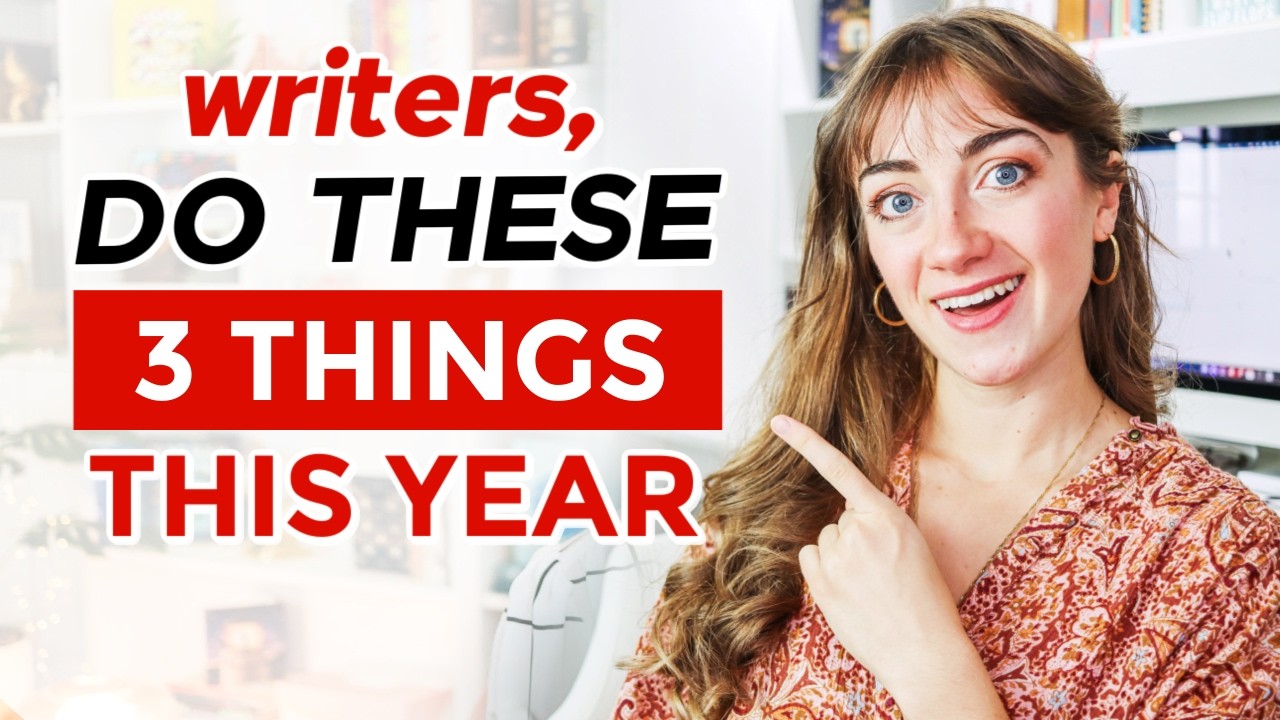
if your New Year's resolution is to write a book I want to help you do exactly that in this video I want to help you by giving you two things firstly some things to think about some information that I wish IID had when I was trying to write my first book so that you don't get in your own way worrying about things that won't help you and so that you don't have as many barriers in your way secondly things to do some practical exercises you can use to actually get started today ways to beat that
blank page and get past the hardest part if you're new here I'm Kieran I'm a writer and a freelance editor and I love to help writers tell their stories and have fun doing it so thanks for being here I've been writing for a good few years now novels short fiction bits in between and it's safe to say I've learned a fair bit about the craft or at least how I personally approach writing not everything of course there's always space to learn and I've got plenty of that but let's get into some of the things I
learned in the process of writing my first book over 10 years ago now that I think might be useful as you approach yours number one there's no right answer for whether you need to plan your story or not some people plan see by scene the entire book before writing so much as chapter one at the top of the page others write the entire book without planning anything whatsoever others do a bit of both the key to knowing what's right for you is trying it out I'd suggest trying to plan as far ahead as you can
and just seeing how it feels that to me is the key if it feels impossible to know where to take your story when you've not even started yet maybe your aess is more kind of planner but if it feels too loose and aimless to just start writing and see where it goes then you might find planning in more detail suits you a bit better planning can be as formal as setting out a story scene by scene in a spreadsheet or on note cards or as informal as pressing enter a few times under your story and
writing they nearly get there but something happens on the way underneath which is that's what I do so that's planning think about what your preference might be and attempt to plan you'll learn something about how you write that will help you avoid frustration and a brick wall one way or the other number two most of the reason that writing is so hard to begin with is down to your mindset writing's hard for pretty much everyone who's doing it properly natural Talent can help but it takes work and perseverance to get good at it anyway so
if when you first start out the results aren't quite what you hoped for know that that's just a part of the process and it's actually a really important and valuable part of it too a lot of new writers gather up all of that angst and pressure and nervousness into a big ball and put all of the weight of it directly onto themselves and then they make their first attempt at writing they worry over that first line feeling all that pressure and of course it doesn't come out perfect so all of their worst fears appear to
have come true all the signs point to them being no good at writing at all and they never make another attempt all of that's understandable of course but I wish I could tell them that that's normal and it gets easier you just need to weather the initial storm persevere and trust that you'll get better one way to avoid all of that initial angst and pressure is just to accept that you're first line and the first line you ever write is really no big deal I've got another video about writing your first line that I'll direct
you to at the end of this one but here's my summary of this point make sure your mindset is on your side think less about how hard writing is and how bad you think your first attempt will be and think more about how fun it'll be and how good it'll feel to work through all of that and not let it beat you then pause the video for a few moments and write something anything get your first line of writing done on your phone on your notebook on your computer whatever take one minute and write something
it doesn't seem like much I know but it might help remove the pressure a little bit it doesn't have to be good it just needs to exist and then you've got past that barrier all right ready hit pause take a second to write something and I'll see you back here for the next Point number three there's a ton of writing advice out there take all of it with a pinch of salt including this video and any of my videos there's loads of well-intentioned and intelligent creators here on YouTube and in other places that want to
help you succeed and to write the story way and they're giving great advice and sharing craft Knowledge from the heart because they're passionate about it but there's also a lot of businesses and companies that want to funnel your writing progress into their systems and methodologies that you don't really need and will cost you a lot of money up front and ultimately may not help you figure out how you write take in and embed any writing advice that feels legitimate to you and learn from it where you can but don't forget this one thing just because
you're new doesn't mean that your preferences your Intuition or your ideas are bad as much as you possibly can follow your own Compass as you learn to write try to do things your way your individuality is something that no other writer can offer the world in quite the same way so don't lose sight of that among the world of writing advice to embed that tip a little I have another suggestion for an exercise you can complete you likely have an idea for your story already something that sparked your desire to write a book in the
first place that's great hold on to that but for a second take a notebook or your phone and think a bit bigger than just that story think about how and what you love to read your favorite stories and stories that you want to tell what is it about them that matters to you is it the way they're told what they highlight about life how immersed you feel in them how the worlds are so detailed and deep or how the characters feel real for me I like stories that highlight those moments of quiet and reflection in
our lives and stories that have a certain atmosphere to them it could be anything but whatever occurs to you whatever you feel is important about those stories write those Concepts down and keep them as a North star that way when you find yourself surrounded by all manner of writing advice you can follow that star to the things that you actually value about storytelling and your own writing and you can take advice with those in mind so to summarize think about how what you're bringing to writing is valuable even though you're just starting out and hold
on to that and then write down those parts of Storytelling that you value most and keep them for reference in a few moments I'm going to wrap up this video and direct you to a more in-depth one where I'll talk you through writing a first line stepbystep step and write one with you in real time so you can sharpen up whatever you wrote before or take a shot at it properly if you haven't started yet make sure you follow along on this channel and on my patreon to stay engaged with your writing and to learn
how to write your story your way don't let this New Year's resolution slip away from you trying to write a book could lead you to happiness and contentment that's what writing's done for me give yourself the space and the permission to learn and be creative and who knows what you could have written by this time next year all right here's the video on opening lines go there next this is where it all starts good luck thank you so much for watching and happy writing