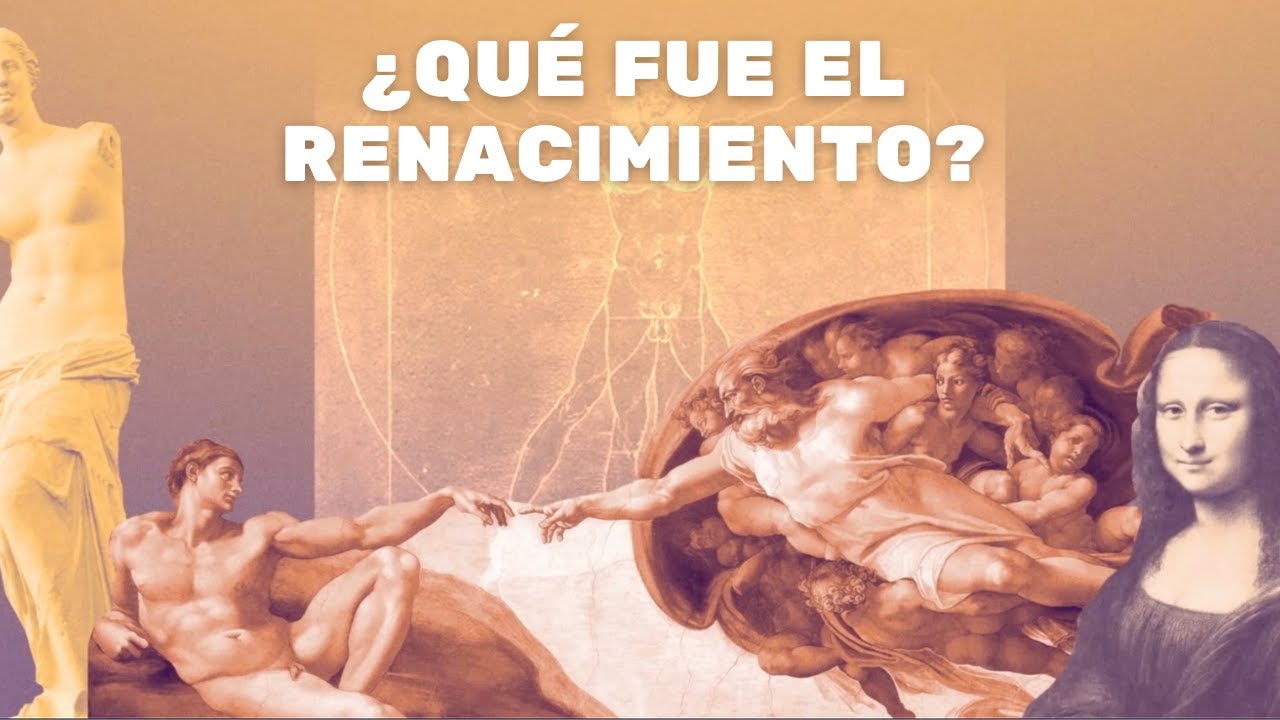
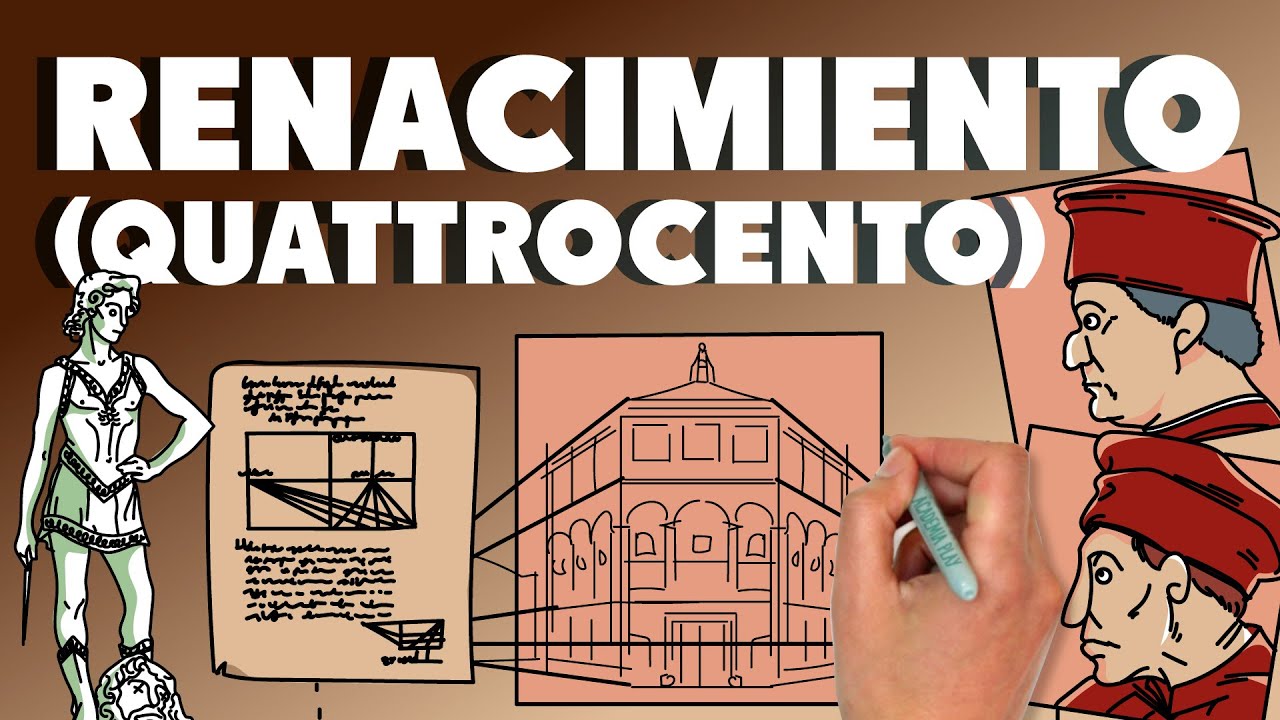
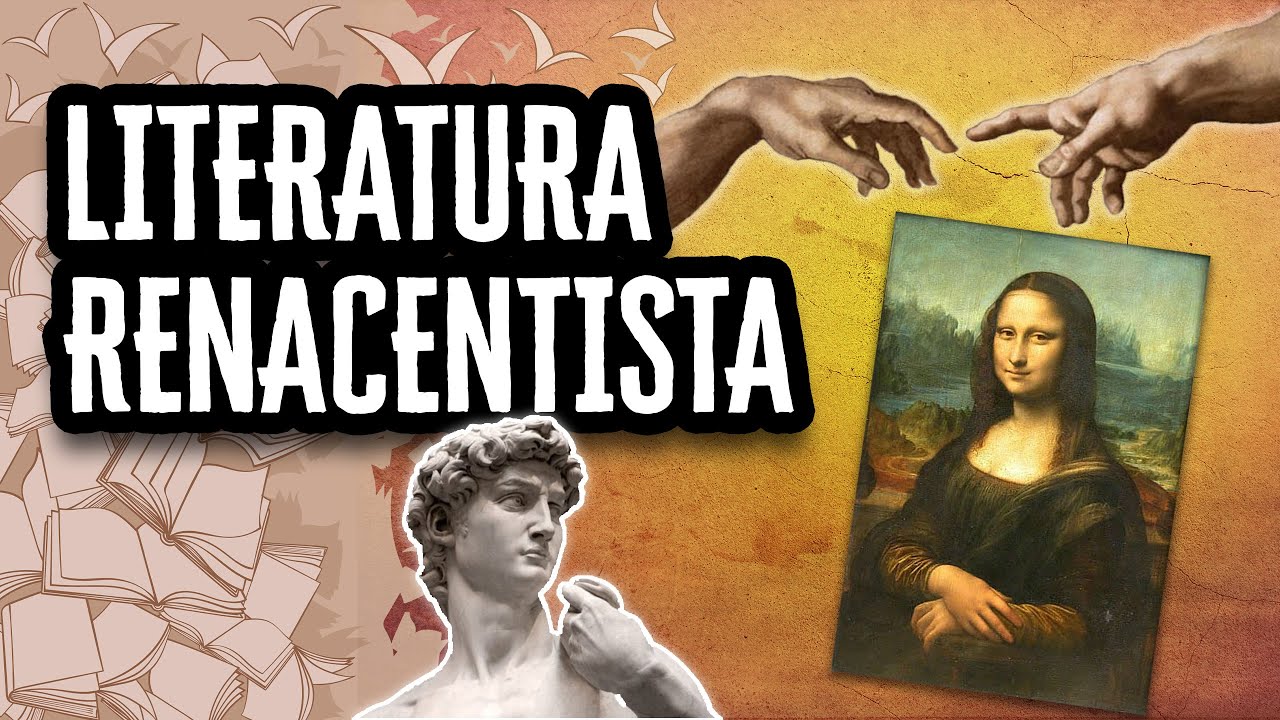
Renaissance literature was developed during the Renaissance, a cultural phenomenon that occurred in Europe during the fifteenth and sixteenth centuries. Before those dates, there were some authors whose works had the characteristic features of this type of literature, specifically in the Italy of the thirteenth and fourteenth centuries. The Renaissance not only brought about a transformation in the arts, but also affected other areas of society.
In general, the intellectuals of the time tried to recover the knowledge from classical Greece and Rome. In addition, the religious dogmatism typical of the Middle Ages gave way to a new philosophy that placed man and reason above faith. That humanism became one of the bases of literary creation.
The changes affected both the forms and the theme. Stories from classical mythology were recovered and nature became one of the most treated topics. On the other hand, literature lost part of its moralizing purpose, typical of the previous stage.
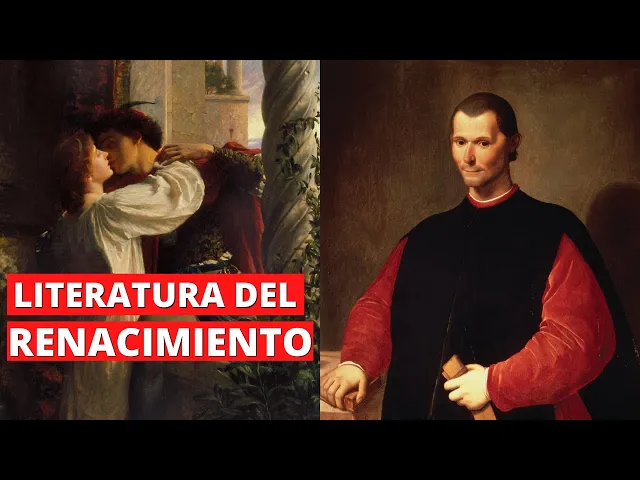
Among the most outstanding authors of this period are Machiavelli, Shakespeare, Miguel de Cervantes or Moliere, among many others. At this time works such as The Prince, Romeo and Juliet, Don Quixote, The Divine Comedy or A Midsummer Night's Dram were written. In this video I will explain the origin and history of Renaissance literature, its characteristics, the frequent topics that were discussed and the most representative authors and works.
If you want to learn more about this and other topics, visit lifeder. com and look for what you need in the web search engine. Historical context of Renaissance literature The Middle Ages gave way to a new historical stage in the fifteenth century, a change marked by historical events such as the fall of Constantinople (1453), the discovery of America (1492) or the invention of the printing press.
At that time a new vision of reality emerged that replaced the theocentrism of the Middle Ages with humanism, a philosophy that recovered the philosophy of classical Greece and placed the human being and reason as the most important elements. From the Middle Ages to the Renaissance Philosophically, the Renaissance was characterized by its anthropocentrism. That is, the center of life, society or art became the human being.
This cultural movement took as a reference the cultural, philosophical and artistic legacy of Greco-Latin antiquity. Starting from Italy, the Renaissance spread throughout the continent during the 15th and 16th centuries, affecting all areas of art and learning. This time put reason as the most important attribute among those that God had granted to human beings.
With this, modern thought began to settle by taking direct observation as a basis to explain reality. In this sense, a more scientific and rationalist vision began to develop. The very term "renaissance", although created later, reflects that the period was considered as a recovery of the Middle Ages, considered as a dark age.
Ideas, literary works or research were favored by the invention of the modern printing press by Johannes Gutenberg in 1440. Historical and socio-cultural changes In the 16th century, Europe experienced important changes in its society that were the result of an evolution history that had begun in the thirteenth century. In the political sphere, there was the disappearance of feudalism and the centralization of the power of the monarchies.
This meant a total change in the economic, military and administrative spheres of the countries of the continent. On the other hand, the discovery of America and the different expeditions made to other continents broadened the expectations of both man as an individual and of societies as a whole. The trade began to grow and the businessmen dedicated to this activity gained in importance and wealth.
In the religious aspect, the Church lost influence over the kings and the State was strengthened. This affected the world of art and culture as well, as previously it had been almost entirely controlled by the Church. In addition, the Protestant Reformation was a great upheaval in Catholic Europe.
Many of these changes were related to the development of a new social class: the bourgeoisie, the merchants and artisans who lived in the burgos (cities). The nobility lost power and the bourgeoisie were able to impose a new mentality. Characteristics of Renaissance literature Anthropocentric vision One of the general characteristics of the Renaissance was the advancement of science and new discoveries.
The result was that society acquired a more anthropocentric vision; that is, to place the human being in the central position that until then had been occupied by religion. The literature of the time was influenced by this new mentality. Locus amoenus The locus amoenus is defined as a literary topic that refers to a paradisiacal and idealized natural location.
Renaissance literature gave great importance to nature, which was presented as a symbol of perfection. These scenarios became common in poetry and works dealing with love. However, Renaissance authors presented natural settings controlled by humans, rather than wild.
The ideal woman of the Renaissance The woman, object of the love interest of the protagonist in most cases, was represented in Renaissance literature with specific features. It was an idealization that described perfect women as blonde, with light eyes and white skin. Emergence of lyrical poetry The Renaissance was a time when new forms of expression were born.
One of them was lyrical poetry, a type of composition in which extreme sensitivity stands out. The main themes were love and feelings of the author. Normally, these poets opted for the use of sonnets.
Clear and simple expression In Renaissance poetry, as in some other genres, the author usually speaks in the first person about his thoughts and emotions. In this way, writing becomes a reflexive act on the human being and his feelings. Stylistically, this meant that the texts moved away from the obscurantism of the medieval period.
Constructions became simpler and easier to understand. Reduction of morality One of the great differences between the literature of this period and that carried out during the Middle Ages was that the moralizing function was reduced. In the Middle Ages, the writings were intended to educate readers and instruct them in religion.
In the Renaissance, on the contrary, the purpose was to communicate feelings and help to better understand the human being. The Enunciator In Renaissance literature a new voice appeared: the enunciator. It was the protagonist of the work when he communicated with his readers to explain the story.
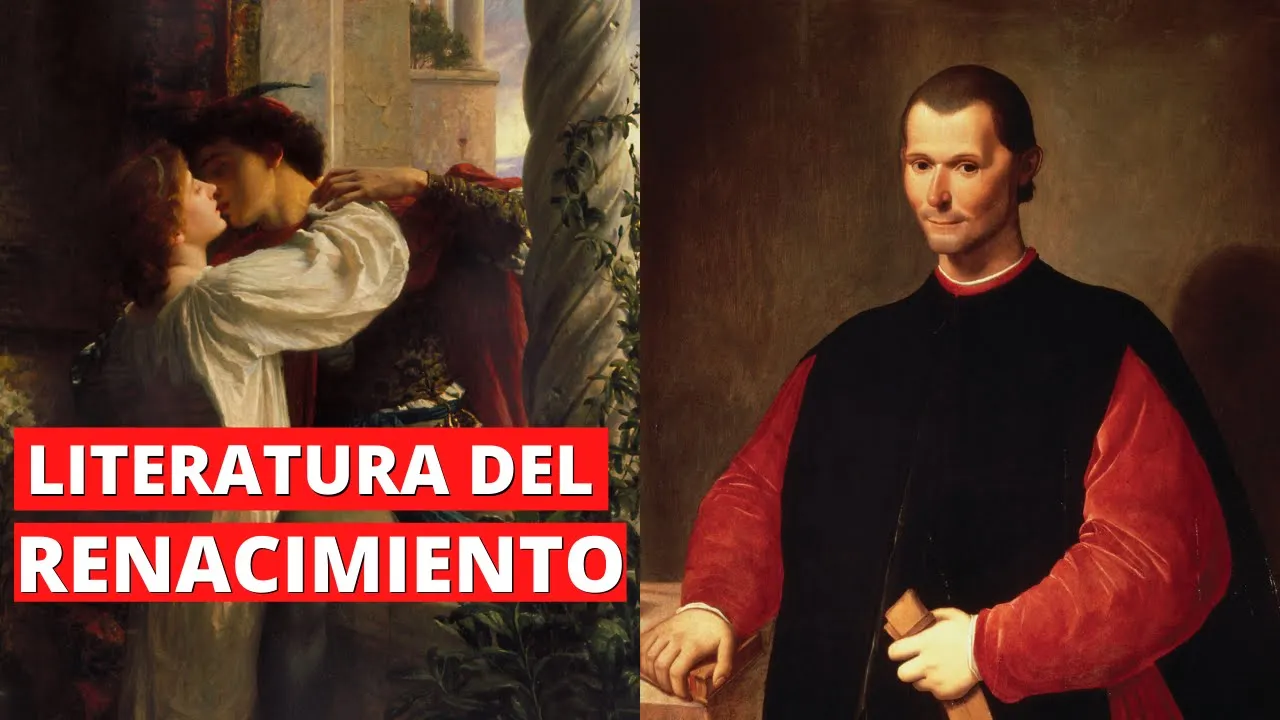
Topics covered by literature in the Renaissance Love The main theme of Renaissance literature is love. In his works, he praises that feeling and the beauty of the body and soul. One of the most important works with this theme is Romeo and Juliet, in which Shakespeare deals with impossible love and the tragedy that accompanies it.
Nature As has been pointed out, nature played a fundamental role in many of the works of this period. Thus, the landscape, with its beauty and the feelings it evokes, becomes another protagonist of many poems and narratives. This importance gave rise to the appearance of a new literary genre: the bucolic or pastoral, with examples such as Arcadia, by Jacopo Sannazaro, or Carmen bucolicum, by Petrarca.
Classical mythology The Renaissance tried to recover the philosophy and art of classical Greco-Latin antiquity. Literature was no exception, and mythological characters from Greece and Rome or references to them appear in works such as Los Lusíadas, by Luis de Camoes. Novels of chivalry One of the best-known themes of Renaissance literature was dedicated to narrating the adventures of knights-errant.
These went around the world protecting the weak and facing the wicked, whether they were humans or monsters. Orlando furioso, by Ludovico Ariosto, was one of the best examples of this theme. However , the most important work on the subject was a parody of chivalric books: El ingenioso hidalgo don Quijote de la Mancha.
Social criticism Some authors made fierce criticism of the injustices of the society of the time. In El Lazarillo de Tormes, for example, the inequalities, hypocrisy or vices that afflicted Spain during those centuries are reflected. Criticism of the Church The Protestant Reformation and its response, the Counter-Reformation, shook Europe to the point of provoking several wars of religion.
Literature dealt with religion and the power of the Church in books such as In Praise of Madness, by Erasmus of Rotterdam, or Utopia, by Thomas More. Religious sentiment Despite the humanism and anthropocentrism that characterized the Renaissance, religious themes continued to play an important role in literature. The feeling towards the divine was the protagonist of works such as those made by Saint John of the Cross.
Authors and outstanding works Niccolò Machiavelli (1496-1527) The Florentine Niccolò Machiavelli was one of the most outstanding thinkers of his time. Personally, he was in favor of the republic, but considered the presence of a monarch better than anarchy. In the literary field, his most outstanding work was The Prince, considered one of the most important political studies in history.
His influence has been so great that his surname has become an adjective, Machiavellian, which in its original conception referred to the idea that the reason of state was above any ethical consideration. Erasmus of Rotterdam (1467 – 1536) Erasmus was one of the most outstanding authors of the Renaissance. Born in the Netherlands, he is considered one of the great followers of humanism.
The author was in favor of all the innovations that appeared in science, society or philosophy. Likewise, he was committed to the need for the Church to reform itself. His ideas were reflected in his work In Praise of Madness, a fierce satire of ecclesiastical customs.
Molière (1622-1673) Jean-Baptiste Poquelin, better known as Moliere, was a French playwright whose plays were characterized by reflecting reality in a satirical style. The characters created by this author were easily recognizable by the spectators of the time, since they were caricatures of habitual personalities of French society. His works include Las Preciosas Ridiculas, about the dreams of young girls from the provinces; The Miser, inspired by a play by Plautus and reflecting extreme greed; or The imaginary patient, among others.
William Shakespeare (1564 - 1616) Possibly the best-known author in the history of literature. His plays have been performed all over the world, due to their universal theme. In the works of Shakespeare there are examples of almost all the themes of the Renaissance, from the love of Romeo and Juliet, to the drama of Macbeth or Hamlet.
In addition to being the author of comedies such as A Midsummer Night's Dram or The Merry Wives of Windsor, Shakespeare managed to perfectly describe the human condition, both good and bad, in his great tragedies, among which are, apart from those mentioned, others such as Othello, The Merchant of Venice or Antonio and Cleopatra. Miguel de Cervantes Saavedra (1547 – 1616) Miguel de Cervantes Saavedra was a Spanish playwright, poet and novelist whose masterpiece was El ingenioso hidalgo don Quixote de la Mancha. This book, a parody of chivalric books, is considered the first modern novel and has become the most published in history after the Bible.
In addition to Don Quixote, Cervantes was the author of works that cover all the narrative genres of the time: the pastoral novel, the picaresque, the Byzantine or the satire. Titles such as La Galatea, Exemplary Novels or The Works of Persiles and Sigismunda stand out.