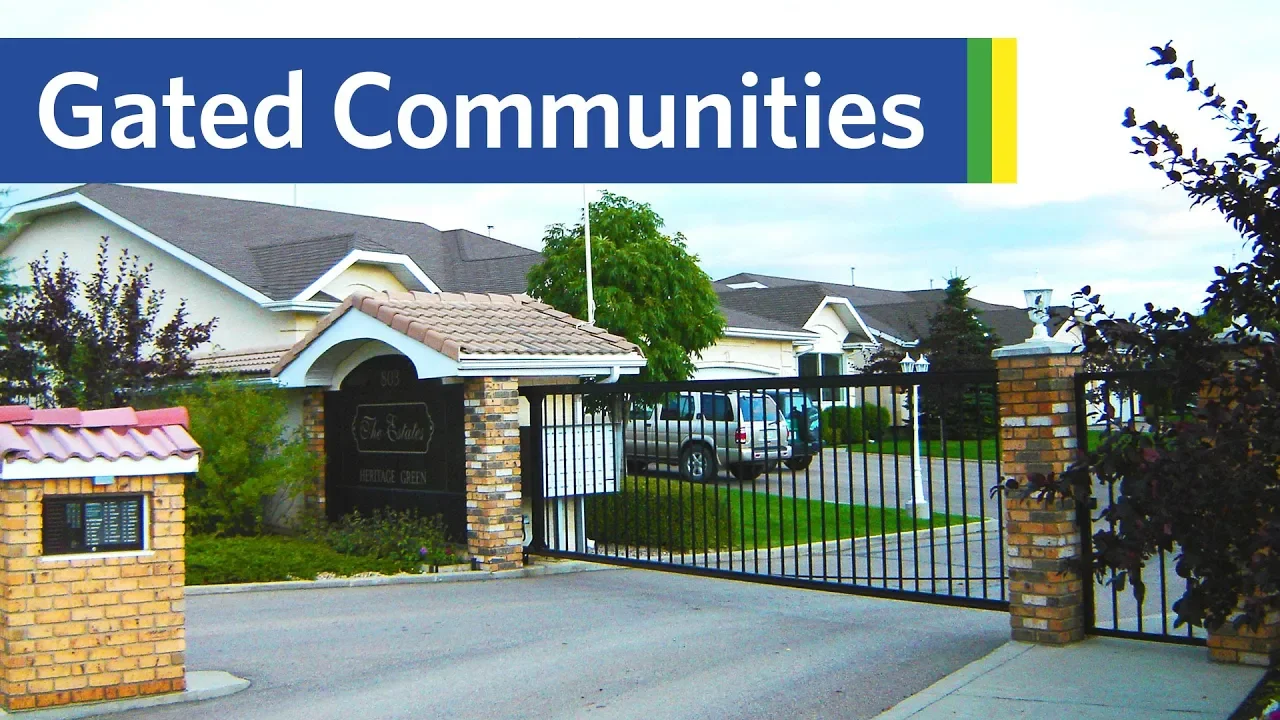
Canyon Lake, California is a city of 11,000 people in Riverside County, about 70 miles southeast of downtown LA. It's a nice-looking community surrounding a lake, and it features parks, beaches, a marina, and a golf course. And like any city it has a City Council, Fire Department, Police Department and all the other basic municipal services.
But you can't go there. You're not allowed in. It's almost entirely gated.
The only part that isn't gated is a shopping center across the street from the main gate. They'll let you spend your money in Canyon Lake but don't go near their residential amenities. An entire gated city is a bit rare, but gated communities are common.
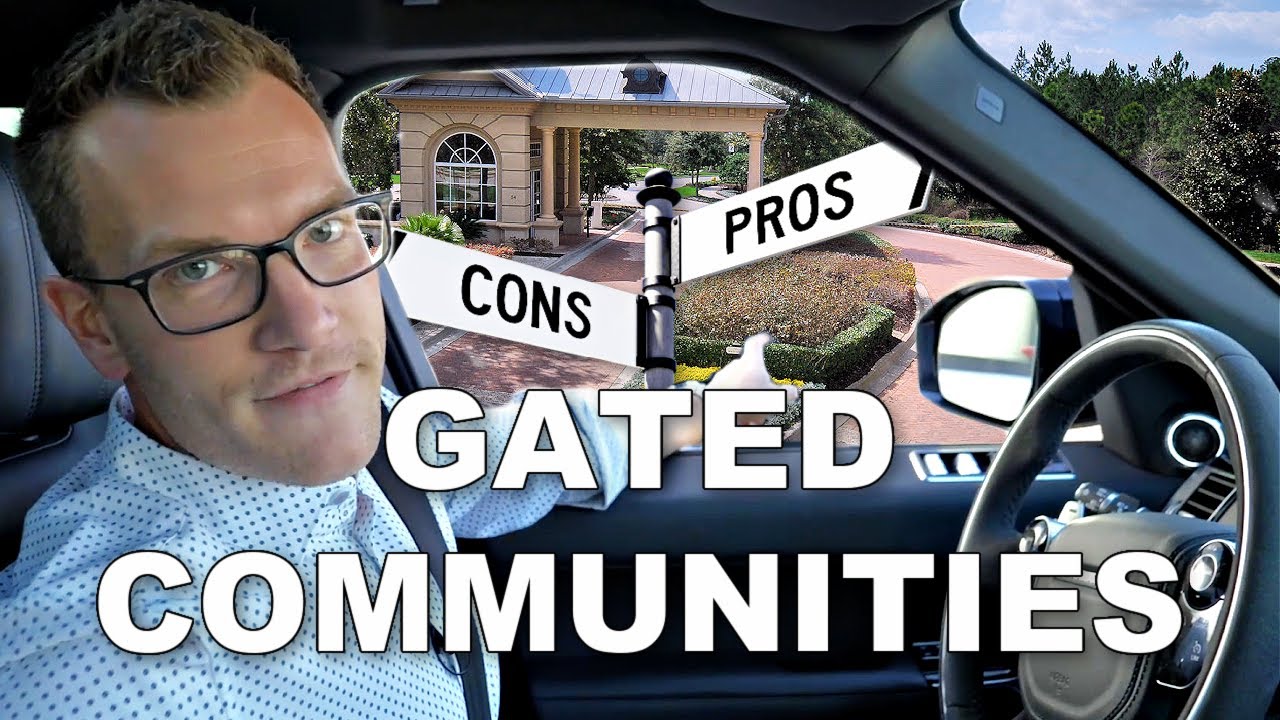
Millions of Americans live in tens of thousands of gated communities. New ones are built all the time, but why are they so popular? And are they good for our cities?
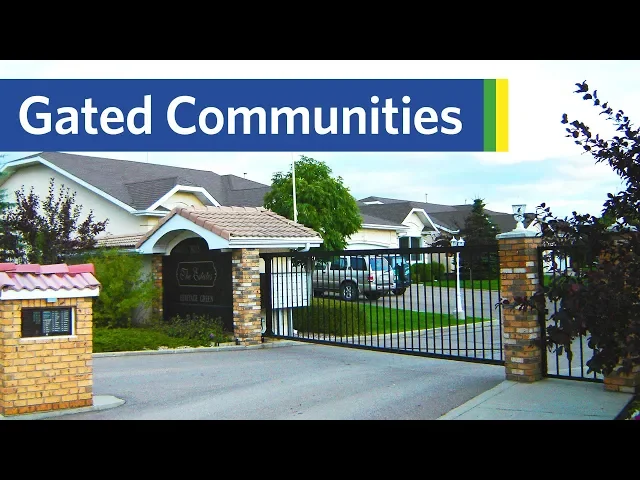
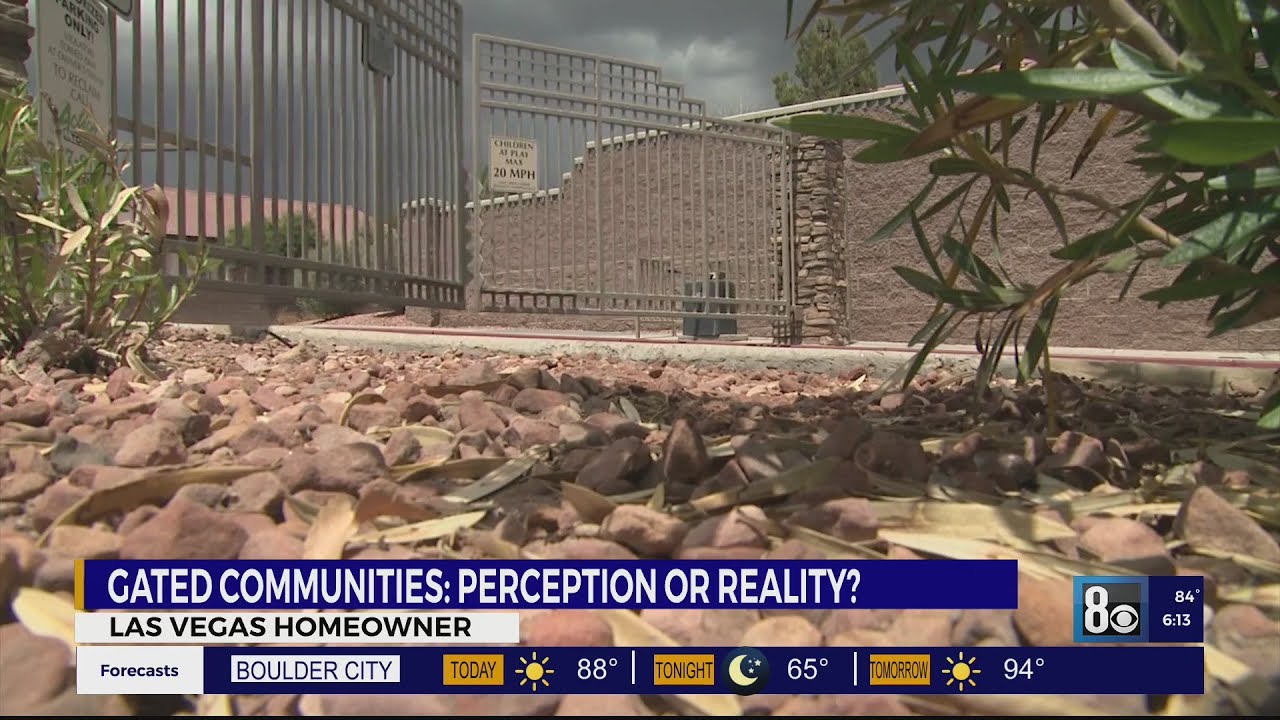
so let's put a definition out there. What are gated communities exactly? They are private communities that restrict access using gates, walls, landscaping, or other barriers.
Security may be provided by guards or keycard access. Canyon link is protected by some fences here and there but the gates at its three entrances provide the greatest level of security. Gated communities first appeared in Sun Belt cities as retirement communities but gained popularity in the 1980s as people feared urban crime in the Reagan era.
Today they can be found in all regions of the US and are common and popular abroad as well. People generally choose to live in gated communities for three reasons: lifestyle, prestige, and safety. A lifestyle community might be your typical country club or retirement community.
People choose these gated communities to be surrounded by like-minded people at the exclusion of all others. A prestige community is all about exclusivity. Living in the neighborhood is a status symbol and the gates are sure that the supply of homes is low and fixed.
A safety community uses gates and walls to keep out dangerous crime and traffic. The actual crime rate doesn't usually matter as crime in the US has been dropping for decades and gated communities are as popular as ever. In countries and cities where crime is truly high these communities are very popular for those who can afford it.
People may move into a gated community for a combination of reasons. A celebrity may like a gated community for the prestige but also for the safety and privacy the gates provide. The benefits they offer have definitely fueled their construction but many local governments also encourage them.
Why? It's all about the money. Gated communities are one type of private communities, what the law calls common interest communities or common interest developments.
I'll be referring to them as CICS in this video. These are places where residents own their property but also own property or amenities in common, such as parks, pools, or a clubhouse. Housing co-ops are a form of CIC, just in the urban environment because every resident owns their unit, but the rest of the building is owned in common.
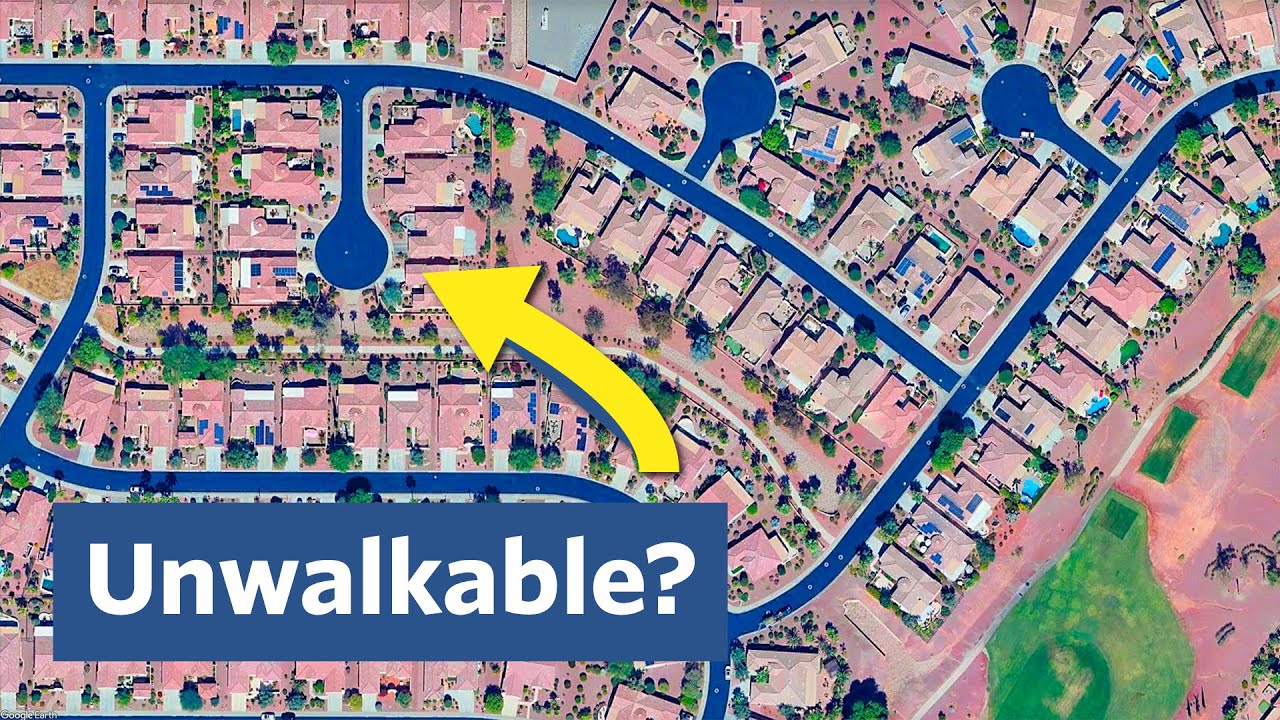
If you pay money to a homeowners association you live in a common interest community. Those fees go to paying for the upkeep of those shared amenities. Just a quick aside but you can easily tell if a community is private on Google Maps by trying to use the Street View tool.
Street View cars won't go into private communities, so you can get a quick map of what's public and what's not. In most CICs, infrastructure like streets and stormwater systems are also private. The streets are private so they can deny access to people who aren't supposed to be there because hey it's private property.
But it also means those roads aren't the city's responsibility to maintain. Residents of common interest communities don't get a discount in their taxes even though the local government provides them with fewer services. Residents pay full taxes and HOA fees to maintain the private property.
This may seem like a bad deal from the point of view of a resident but it's a great deal for the local government. The local government gets all that tax money they don't have to repave roads, plow snow, unclog storm drains, and maintain parks. In the largest gated communities, the HOA can act like a second government residents pay taxes to.
In Hot Springs Village, Arkansas, the largest gated community in the US, the property owners association has a staff of about 475 in departments that sound a lot like a real city: Public Works, Planning, Public Safety, and Golf? ? ?
That's all work that the local government doesn't have to be doing. There's another unlikely benefit to common interest communities: they can often be designed better than a public neighborhood. Now in most places the design of a CIC must meet the same standards as a public one, but since the local government won't ever be taking over the maintenance of a CIC's infrastructure and amenities the government often lets things slide that it wouldn't otherwise.
Designers of gated communities may have an opportunity to experiment with novel design concepts. One famous example of this is Village Homes, a CIC here in Davis, California. The community was designed to built in the 1970s and reflects the values of the environmental movement of the time.
Streets were very narrow because a network of pedestrian paths is the primary circulation system. Front doors open to those paths and lead residents to communal gardens, orchards, vineyards, and public greens. This kind of community would be impossible to design and build as a public community but this is truly a common interest community.
Residents buy into the neighborhood and the environmentalist philosophy. The result is a truly innovative and amazing place to live. So far this video probably sounds like I'm advocating for CICs and gated communities.
"You can be safe, prestigious, and environmentally sensitive, all generously paying taxes to the local government! " But there are still many negatives of gated communities and they largely outweigh any positives. Gated communities create a physical landscape of fear, where we wall ourselves off from others.
This quote really sums it all up. "Gated communities churn a vicious cycle by attracting like-minded residents who seek shelter from outsiders and whose physical seclusion then worsens paranoid groupthink against outsiders. A study of gated community residents did interviews with those residents.
While they don't represent the thoughts of all people, they highlight some of the problems with isolating yourself from others. Here are a couple of excerpts. "Who lives in your community?
" "People who are retired and don't want to maintain large yards. People who want to raise families in a more protected environment. " "What do you mean by that?
" "There are a lot of families who have in the last couple of years, after we built, as the crime rate, or the reporting of that crime rate has become such a prominent part of the news of the community, there's been a lot of 'fear flight. '" "My daughter feels very threatened when she sees poor people. " "How do you explain that?
" "She hasn't had enough exposure. We were driving next to a truck with some day laborers and equipment in the back, and we were parked beside them at the light. She wanted to move because she was afraid those people were going to come and get her.
They looked scary to her. I explained that they were workmen, and they're the 'backbone of our country,' they're coming from work, you know, but. .
. " These aren't cherry picked examples nearly all of the 20 interviewees in the study mentioned some fear of others or crime in their interview. The ironic thing is that gated communities may not even deliver on their promise of security.
The teenager living next door can still steal your lawn ornament and these gated communities are not Fort Knox. A criminal can learn the gate code or cut through a hedge pretty easily. Many of the residents interviewed in that study still had security systems for their homes.
I mentioned that local governments may like gated communities for their tax benefits, but gated communities may be a double-edged sword. Gated community residents may be less willing to contribute to public life outside their gates. When a library or parks bond appears on the ballot that would raise their taxes they're more likely to vote against it and could potentially deprive amenities to the residents who don't live in gated communities.
Ultimately communities like Canyon Lake and countless others offer the promise of a safe community surrounded by people "just like you. " The problem is that when you separate yourself off from other groups you might reduce your tolerance and understanding for different kinds of people. The beauty of cities is the mixing of cultures and the possibility of a shared prosperity but gated communities turn their backs on that image of the city.
So gates making people out of these communities, but I'm not sure I want to be let in. There is one community you'll definitely want to be a part of, and that's the online learning community over at Skillshare. Skillshare offers 20,000 courses on design, business, technology, and more.
Premium membership gives you unlimited access to high-quality classes on must know topics so you can improve your skills, unlock new opportunities, and do the work you love. My favorite Skillshare classes are the ones on Art and Design. I'm always looking to improve the graphics on this channel and I definitely have picked up new techniques thanks to Skillshare.
Join the millions of students already learning a skill share today with a special offer just for my viewers. Get two months of Skillshare for free. To sign up, visit the link in the description and get two months of unlimited access to over 20,000 classes for free.
Act now on this special offer and start learning today. I want to give a quick shout out to my Patrons on Patreon, particularly Christopher Facundo AlecZero, and Ram Kandasamy. Thank you so much.
And thanks, CC user!


![Why American Cities Are Broke - The Growth Ponzi Scheme [ST03]](https://img.youtube.com/vi/7IsMeKl-Sv0/maxresdefault.jpg)