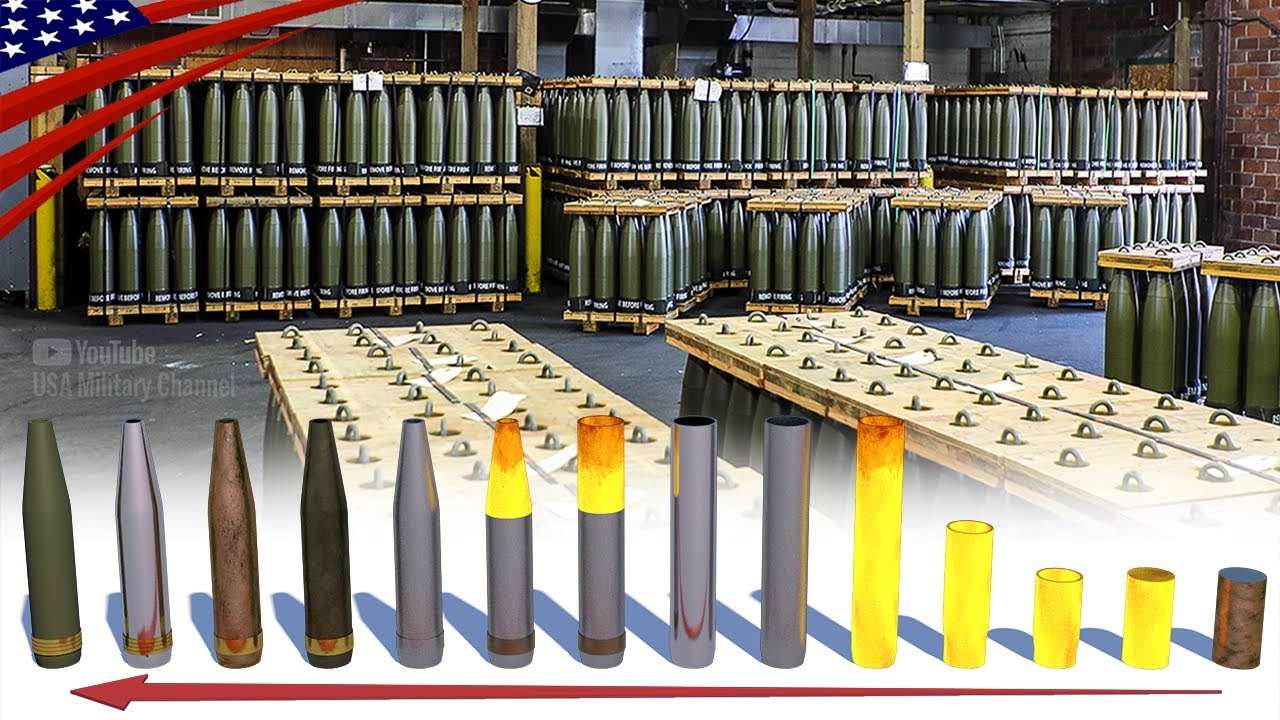
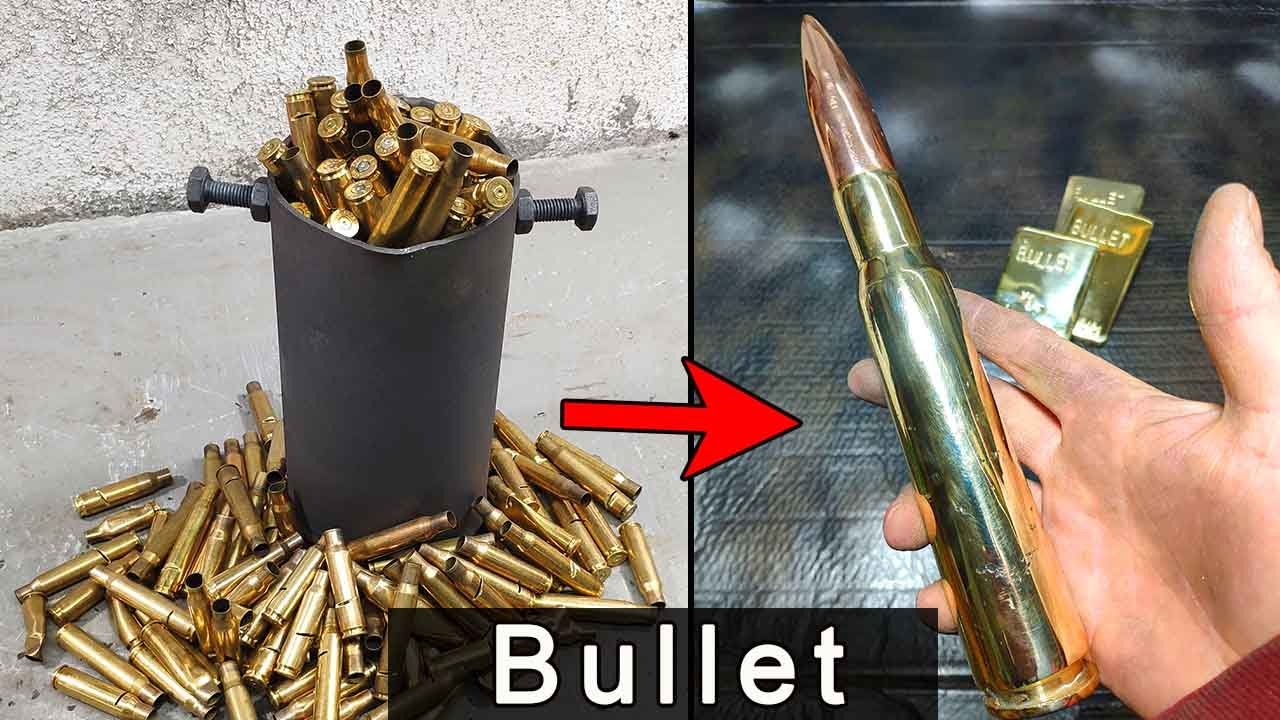
the invention of gunpowder in 9th century China revolutionized Warfare leading to the development of bullets and Firearms initially bullets were simple lead balls used in muskets and cannons but over the centuries technology evolved dramatically today modern bullets are highly engineered for specific purposes ranging from penetrating armor to minimizing collateral damage this Evolution from crude lead balls to sophisticated Precision engineered projectiles reflects centuries of innovation in Material Science chemistry and aerodynamics so how are modern bullets made the Journey of a bullet begins with the selection of its core raw materials primarily lead copper and sometimes steel
or tungsten depending on the bullets intended use lead with its high density and malleability is often used for the inner core of the bullet providing the necessary mass and deformability for impact copper known for its durability and resistance to corrosion is frequently used to encase the Lead Core in a jacket enhancing the bullet's ability to penetrate targets while minimizing Barrel Weare for armor piercing rounds harder materials like steel or tungsten are incorporated into the core to enable the bullet to breach protective barriers additionally propellants typically made from nitrocellulose or a combination of nitrocellulose and nitroglycerin
are chosen for their ability to rapidly combust generating the gas pressure needed to propel the bullet forward the primer a small but critical component is made from a mixture of chemicals that ignite the propellant upon being struck by the firing ttin this intricate selection of materials ensures that each bullet type is optimized for its specific function whether for hunting military engagement or law enforcement applications in the initial processing phase Raw materials are transformed into components ready for bullet assembly lead used for the bullet core is melted and cast into ingots before being extruded into wires
or directly molded into specific shapes suited for various bullet types this process ensures the lead has the desired density and malleability for Effective performance upon impact copper chosen for bullet jackets is rolled into thin sheets and then cut and formed into cups these cups are designed to encase the Lead Core providing structural integrity and aiding in the bullet's aerodynamic efficiency the thickness and shape of the copper jackets are carefully controlled to match specific bullet designs optimizing for penetration and accuracy for specialized bullets such as those intended for armor piercing materials like steel or tungsten are
precisely machined into cores this involves detailed shaping to achieve the exact dimensions necessary for penetrating hard targets the propellant crucial for propelling the bullet out of the firearm is produced by chemically treating and stabilizing nitrocellulose this process creates a powder that ignites and burns rapidly when sparked by the primer generating the gas pressure needed to launch the bullet primers small but essential for igniting the propellant are manufactured by mixing sensitive chemical compounds that react explosively to impact these compounds are then pressed into small cups ready to be integrated into the bullet casing through these meticulous
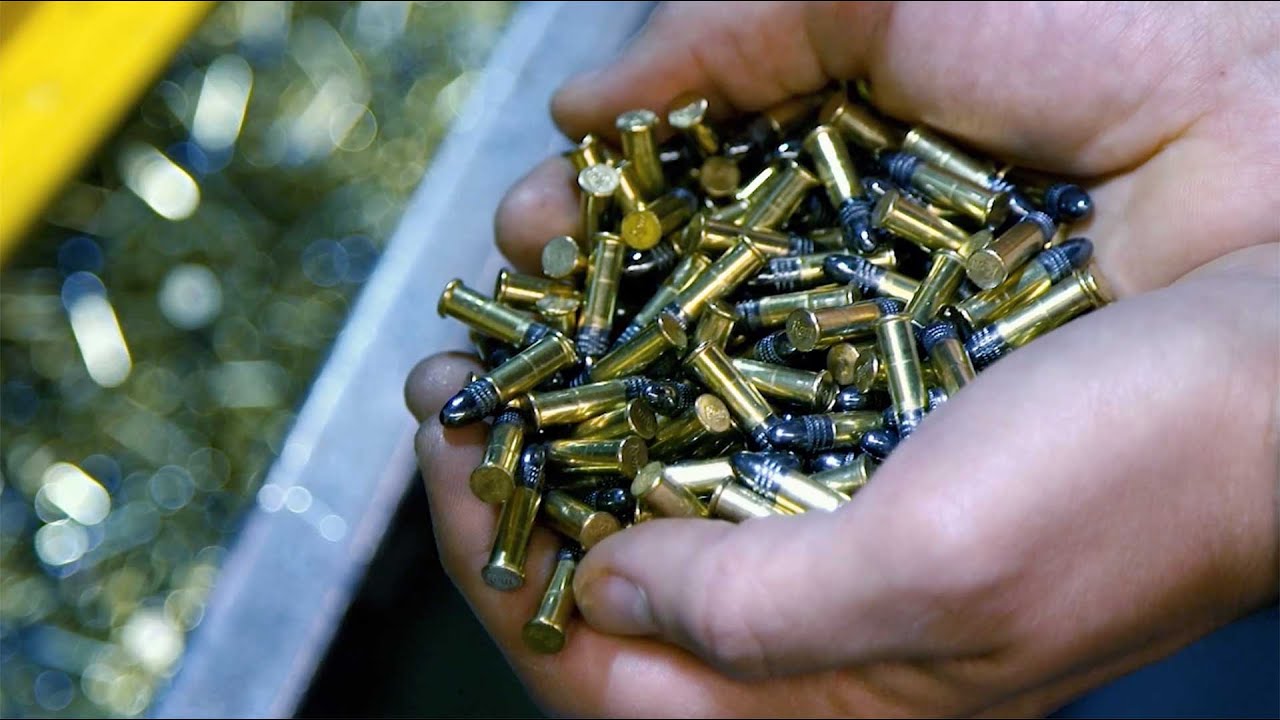
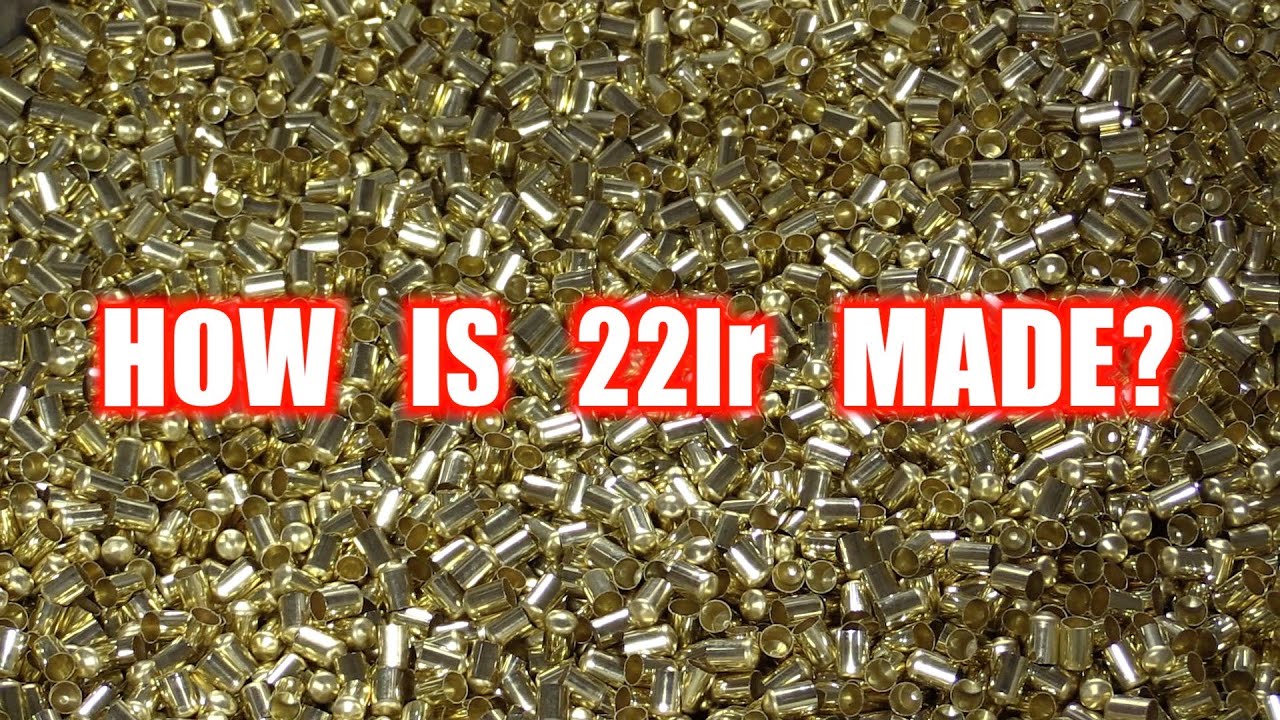
initial processing steps the fundamental components of a bullet are prepared with Precision ensuring they are ready for the subsequent stages of bullet manufacturing the main manufacturing phase of bullets is where all the prepared components come together it starts with the Lead Core being carefully inserted into the copper jacket this is a Precision task to ensure the bullet's performance for its intended use such as accuracy or impact upon reaching the target after the core and jacket are united the bullet is then shaped to its specific design whether it's pointed for aerodynamics or hollow point for controlled
expansion following this the assembly moves on to include the primer and propellant each casing receives a primer at its base essential for igniting the propellant that will eventually Propel the bullet forward the correct quantity of propellant powder is then measured and added to the casing a crucial step for achieving the desired veloc vity and pressure the bullet now fully formed is pressed into the primed and filled casing this process requires Precision to ensure the bullet seats correctly affecting the ammunition overall length and chambering the final step in the assembly line involves crimping the casing around
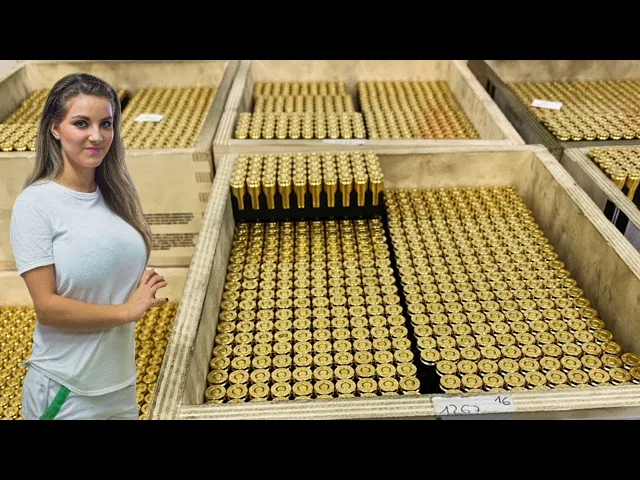
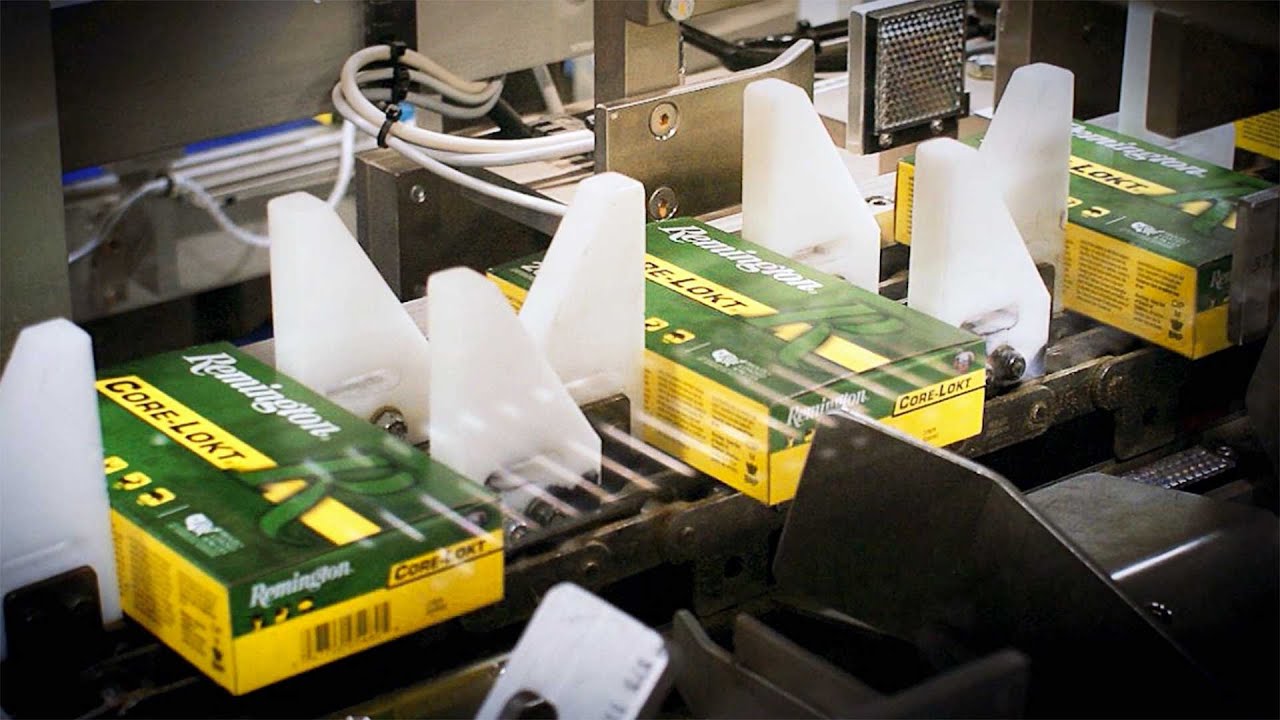
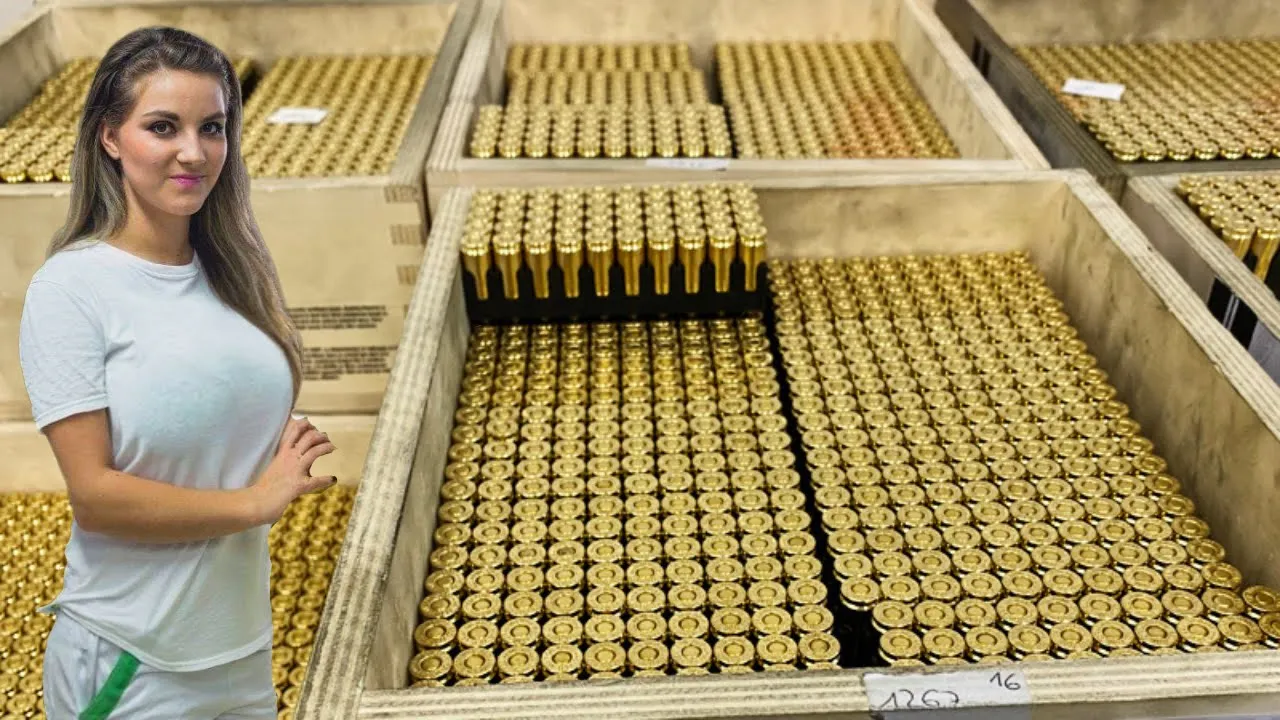
the bullet to secure it in place ensuring it withstands the firing process without any movement within the casing quality checks are integral throughout the stage with each bullet being inspected for consistency in weight dimensions and appearance samples from each batch are test fired to verify performance against established criteria such as velocity and accuracy the culmination of the bullet manufacturing process arrives at the final packaging stage where bullets are prepared for distribution this step is as crucial as any in ensuring the product reaches the consumer in perfect condition each bullet having passed rigorous quality checks is
sorted according to type and caliber then carefully placed into boxes these boxes are designed not only to protect the bullets during transport but also to provide easy storage and access for the user information such as caliber type and quantity is clearly labeled on the packaging ensuring transparency and ease of identification for consumers for larger shipments these individual boxes may be packed into crates or cartons ready for shipment to retailers law enforcement agencies or military units the packaging process while the final step in the journey from raw material to finished product is integral to the overall
quality and customer satisfaction ensuring that each round is delivered safely and ready for use