[Music] it's one of the world's greatest Mysteries hidden in the vastness of space out there somewhere are planets similar to Earth and orbiting a sun with just the right conditions for life to exist cuttingedge science and a new generation of telescopes are providing providing powerful new tools to expand our understanding of deep space the greatest detective hunt in history is underway to answer one of humankind's most elusive [Music] questions far away from the city lights on a stretch of Barren Road you can look up on a cloudless moonless night and see this a breathtaking view
of our Milky Way galaxy with what looks like hundreds of thousands maybe even billions of stars it's an awe inspiring sight but take a second [Music] look those stars are actually Suns and nearly 9 billion of them 22% of all the stars in our galaxy may have planets that could potentially support [Music] life that's what a team of astronomers from California and Hawaii has recently uncovered they crunch data from Kepler a high-powered space-based Telescope launched in 2009 Kepler's mission to search for potentially habitable earthlike planets around other stars the Planet Hunters surveyed 4 42,000 sunlike
Stars just a tiny fraction of our galaxy looking for a well-known clue the dimming light caused by an orbiting Planet as it crosses between the parent star and Us by some estimates there are around 100 billion billion earthlike planets in the universe conservatively if 1% of 1% of those planets developed intelligent life we could be looking at 10 million billion intelligent [Music] civilizations Kepler along with the farseeing Hubble telescope has transformed our understanding of the universe the idea that there could be so many small rocky planets with the possibility of life is stirring excitement in
the space community and Beyond scientists have been looking for evidence of life for over 5050 years when the first radio telescopes were used to scan for a signature of intelligence and we've sent signals of our own into the cosmos with TV broadcasts and satellite Transmissions so far there's been no reply today's astronomers and scientists aren't searching for space aliens from some Advanced civilization instead they're using sophisticated optical telescopes and robotic probes to find the conditions that might be conducive for [Music] life because Earth is the only planet that we know of where life exists a
look at what made it all possible is a critical starting point three key ingredients are needed basic building block elements like carbon oxygen hydrogen and nitrogen a liquid like water so these elements can mix and create more complex organic compounds and an energy source like the sun to power the chemical reactions needed to drive life from the tiniest microbes to human [Music] beings on Earth life is found in some of the most remote places traces of DNA were recently discovered in ice cores buried miles under an Antarctic ice [Music] sheet and in the pitch black
depth of our oceans hydrothermal vents have been found teeming with life from blind shrimp to tube worms if life can survive here we might be able to find it in Other Extreme environments [Music] [Applause] [Music] our closest neighbor Mars has been a major focus in our search for Life satellite imagery from several Mars missions has boosted the theory that water once flowed on its surface scientists say this dense network of gullies could be from ancient rivers that formed from rain or melting snow but that liquid water appear appears to have vanished billions of years ago
when the planet cooled and the atmosphere largely disappeared but scientists estimate there may be enough water trapped in its polar ice caps to cover the entire planet with an Ocean 80 ft deep and when NASA's Curiosity Rover touched down on the Martian surface it found more water trapped in the planet's Frozen soil it's a hopeful sign for the possibility of Life on Mars but hundreds of millions of miles away one of Jupiter's moons Europa is currently NASA's best bet for life under its icy crust is an enormous ocean where bacterial life might be found especially
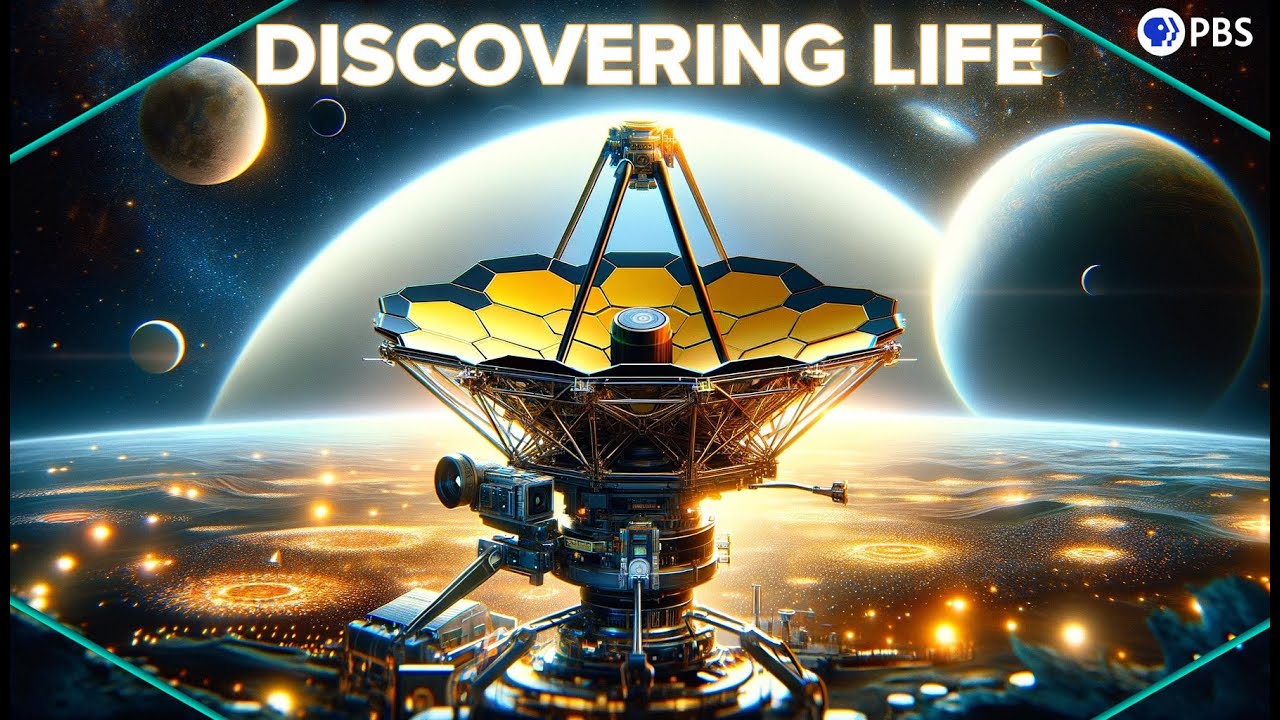
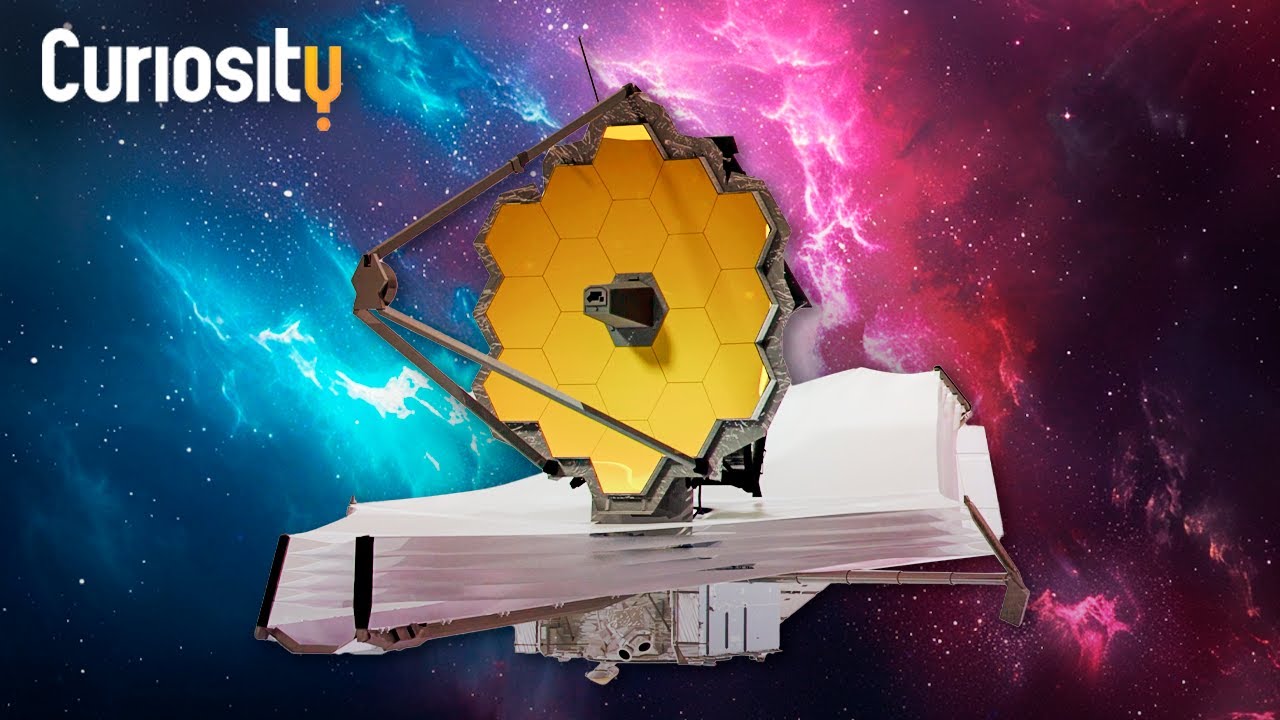
if active volcanoes beneath europa's surface heat the water but we'll have to wait at least a decade to find out NASA hopes to launch a mission to Europa by [Music] 2025 scientists are already hard at work creating the planet hunting instruments of Tomorrow a joint effort between NASA and MIT will launch the transiting exoplanet survey satellite in 2017 Tess will spend 2 years looking for exoplanets small planets with bright host stars and cataloging them for future exploration next up in 2018 will be the launch of the James web telescope NASA's Next Generation Premier space Observatory
the telescope's 18 hexagonal mirrors measure 21.4 ft across giving it much more light Gathering power than the Hubble telescope the sharpness of its images will allow scientists to see a penny from 24 miles away one of the telescope's most notable abilities will be to view infrared light it will scan atmospheres of alien planets for oxygen and other gases that could be produced by living organisms but searching for what might be considered an earth twin a planet to the same size and temperature as Earth is a huge challenge the bright light from nearby Stars makes it
almost impossible to see another project NASA is developing is a giant star shade to help block the Starlight so telescopes can better see exoplanets if all goes well the star shade will launch on a separate telescope in 2023 [Music] with billions of galaxies and hundreds of billions of planets the hunt for extraterrestrial life has never been more exciting life beyond Earth is finally coming closer into view