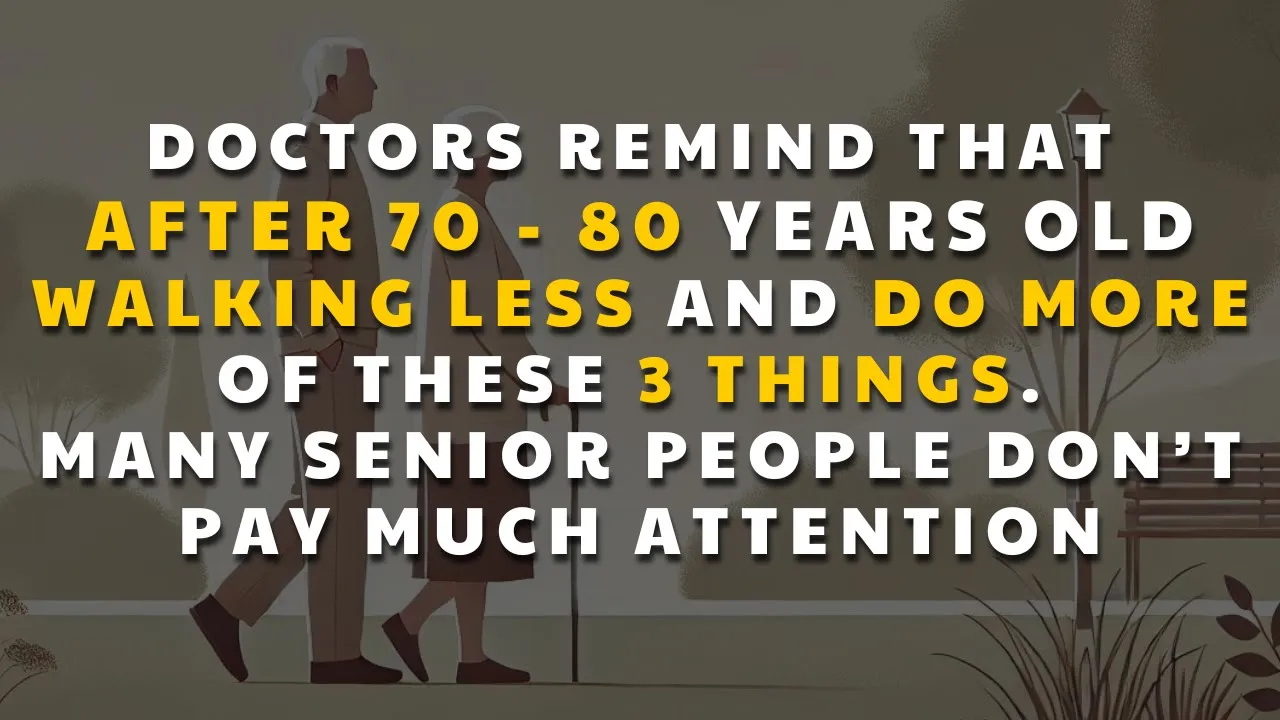
have you ever wondered how our daily habits affect us as we grow older imagine waking up one morning with a familiar ache in your knees and realizing that maybe your body isn't quite the same as it used to be this happened to Grandpa one day and his journey to understanding how to adapt his beloved walking routine to his aging body is a story worth hearing join us as we explore what he learned from his visit to the doctor and discover the two important things that can help maintain health after 70 one knee pain and hospital
visit one morning Grandpa felt knee pain again he decided to stop walking and went home to rest back home he sat on the sofa rubbing his knees murmuring to himself am I really getting old my body isn't as good as before when Grandpa's son heard about this he promptly took him to the hospital for a checkup after the doctor carefully understood Grandpa's situation he told him that with age joint cartilage wears down gradually prolonged walking May strain the knees so excessive walking is not recommended Grandpa felt conflicted I'm already used to walking every day what
should I do the doctor smiled and comforted him you don't need to stop walking completely just do it in moderation also two other things are very important for your health after s 70 two why does the body become prone to problems after 70 one embracing aging firstly recognizing that biological factors such as genetics and the decline of the immune system play a significant role in aging helps us appreciate the natural process our bodies go through this awareness can lead to Greater acceptance and less fear about getting old early Health screenings and preventive measures are essential
because they allow us to catch potential health issues before they become severe for example regular checkups can detect conditions like high blood pressure or cholesterol which can be managed more effectively if caught early preventive measures such as vaccinations and healthy lifestyle choices can help us avoid or delay the onset of diseases another critical aspect is the management of chronic diseases as we age conditions like diabetes arthritis and heart disease can become more challenging to manage ongoing Medical Care and monitoring ensure that these diseases are kept under control preventing complications and maintaining a better quality of
life regular doctor visits medication management and lifestyle adjustments are all part of this Continuous Care moreover being proactive about our health can lead to a more active and fulfilling life in our later years by staying informed and engaged with our health we can participate more fully in activities we enjoy maintain our independence and reduce the burden on our families and Health Care Systems in American culture where Independence and self-reliance are highly valued taking charge of our Health aligns well with these values it empowers individuals to make informed decisions about their well-being ensuring they live healthier
longer and more satisfying lives this proactive approach to health not only benefits the individual but also has positive Ripple effects on families and communities by prioritizing our health as we age we contribute to a healthier more vibrant Society two how lifestyle choices shape our health understanding the importance of lifestyle choices in determining Health outcomes is crucial for several reasons especially in American culture where fast food and sedentary lifestyles are prevalent firstly poor sleep lack of exercise and unhealthy diets contribute significantly to physical decline these factors can lead to chronic diseases like obesity diabetes heart disease
disease and even mental health issues like depression and anxiety when people don't get enough sleep their bodies can't repair and rejuvenate leading to a weakened immune system and increased susceptibility to illnesses regular exercise is essential for maintaining cardiovascular health muscle strength and overall energy levels without it the body becomes weak and the risk of disease increases secondly an unhealthy diet rich in fast food and processed items often lacks essential nutrients needed for the body to function correctly these foods are usually high in sugars fats and salts contributing to weight gain and other health problems a
balanced diet including fruits vegetables whole grains and lean proteins provides the necessary vitamins and minerals that support bodily functions and prevent diseases promoting healthy habits from a young age is vital because habits formed early in life tend to stick children who grow up eating balanced meals engaging in regular physical activity and getting sufficient sleep are more likely to continue these practices into adulthood this early adoption of healthy habits helps prevent the onset of Lifestyle related diseases and promotes longevity moreover addressing these life style factors can reduce health care costs in the long run preventive care
through Healthy Living can decrease the need for medical interventions which are often costly and can strain Health Care Systems in conclusion the importance of lifestyle choices in health outcomes cannot be overstated encouraging balanced diets regular exercise and adequate sleep from a young age can significantly mitigate the negative effects of aging and lead to a healthier more fulfilling life for Americans adopting these healthy habits is essential to combat the pervasive culture of fast food and sedentary living three the importance of psychological well-being for the elderly the importance of psychological well-being cannot be overstated especially in today's
society where Independence is highly valued while Independence is a positive trait it can sometimes lead to isolation particularly among the elderly this isolation can cause feelings of loneliness and depression which have a significant impact on both mental and physical health in American culture where the emphasis is often on self-sufficiency the psychological needs of individuals especially older adults can be overlooked however social connections play a crucial role in maintaining overall health Studies have shown that people who have strong social networks are generally healthier and live longer than those who are isolated loneliness can lead to serious
health issues including heart disease weakened immune systems and even cognitive decline depression if not addressed can be equally damaging leading to a lower quality of life and increased mortality rates therefore it is essential to create communities and support networks that can provide the necessary emotional and psychological care for the elderly these networks can be a Lifeline they offer companionship reduce the feeling of being alone and provide a sense of belonging regular social interaction can keep the Mind active and engaged reducing the risk of mental health issues furthermore support networks can help identify early signs of
psychological distress and provide timely interventions by fostering strong social connections and prioritizing mental health support we can improve the overall well-being of our elderly population this not only benefits the individuals but also strengthens the community as a whole when older adults are healthy and happy they can continue to contribute their wisdom and experience in enriching the lives of those around them economic and medical factors also play a critical role financial difficulties can lead to neglect of health issues while drug misuse can worsen health conditions this points to the need for Affordable Health Care and proper
medication management for the elderly ensuring that older adults have access to necessary Medical Care without the burden of high costs is vital in summary under understanding these factors is important because it helps us create a holistic approach to caring for the elderly by addressing biological lifestyle psychological and economic factors we can improve the quality of life for older adults helping them to age with dignity and Better Health this comprehensive care approach not only benefits the elderly but also reduces the overall strain on Health Care Systems three the benefits of walking for the elderly walking is
one of the simplest yet most effective forms of exercise especially for the elderly the importance of the benefits it provides cannot be overstated let's delve into why walking is crucial for senior citizens firstly walking significantly improves cardiovascular health as we age the risk of heart diseases and hypertension increases walking in helps by gradually raising the heart rate which strengthens the heart's pumping ability this means that regular walking can reduce the risk of heart diseases and high blood pressure making it an essential activity for maintaining heart health secondly muscle strength and endurance decline with age walking
is a lowi impact exercise that effectively strengthens leg and buck muscles it also stimulates bone growth and increases bone density helping to prevent osteoporosis by maintaining muscle and bone health walking enables the elderly to stay active and independent for longer in addition walking aids digestion physical activity stimulates gastrointestinal motility helping food move smoothly through the intestines this reduces the risk of digestive problems which are common in older adults a well-functioning digestive system is vital for overall health and well-being moreover walking boosts metabolism and enhances immunity this is particularly important as a strong immune system helps
fend off illnesses regular physical activity like walking reduces the risk of chronic diseases such as diabetes high cholesterol and hypertension by promoting overall metabolic health walking helps the elderly maintain a healthier lifestyle another significant benefit is improved sleep good walking habits can regulate body rhythms and promote deep sleep deep sleep is crucial for restoring energy enhancing memory and improving emotional stability quality sleep helps the elderly feel more refreshed and better equipped to face daily challenges in conclusion walking offers a wide range of health benefits that are especially important for the elderly it enhances cardiovascular health
strengthens muscles and Bones AIDS digestion boost metabolism and improv sleep by incorporating regular walking into their routines senior citizens can enjoy a healthier more active and independent life if you find these stories inspiring and they motivate you to take action please comment comment nine if not comment zero your feedback means a lot to us thank you for your valuable time four walk less and do more of these two things after 70 walking is one of the simplest yet most effective forms of exercise especially for the elderly the importance of the benefits it provides cannot be
overstated let's delve into why walking is is crucial for senior citizens one the importance of a balanced diet for elderly Health maintaining a balanced diet is crucial for elderly people for several reasons as people age their physical functions and metabolic rates change which means their nutritional needs also shift ensuring a balanced diet helps address these changing needs and promotes overall health and well-being firstly protein is an essential nutrient for elderly people it helps maintain muscle mass repair body tissues and support normal immune function without enough protein elderly people can experience muscle loss weakness and a
weakened immune system this is why it is recommended for them to consume more high quality protein sources such as fish poultry eggs dairy products and soy products secondly V vitamins and minerals play a vital role in the diet of elderly people fresh vegetables fruits and whole grains are rich in these nutrients which help in various bodily functions for example calcium and vitamin D are important for bone health while vitamin C supports the immune system a diet rich in vitamins and minerals helps prevent deficiencies that can lead to health issues like osteoporosis and infections in in
addition elderly people should be mindful of their intake of salt sugar and saturated fats high levels of these can lead to chronic diseases such as hypertension diabetes and heart disease by reducing the consumption of these unhealthy components elderly people can better manage their health and prevent the onset of these conditions moreover a balanced diet can improve the overall quality of life for elderly people proper nutrition helps maintain energy levels supports mental health and enhances physical capabilities it can also prevent or manage existing health conditions making everyday activities easier and more enjoyable in summary maintaining a
balanced diet is essential for elderly people due to their changing nutritional needs it helps support muscle mass immune function and overall health while also preventing chronic diseases by focusing on a diet rich in proteins vitamins and minerals and reducing unhealthy components elderly people can enjoy a healthier and more fulfilling life two the importance of mental activities for elderly well-being maintaining mental activities is crucial for elderly people for several reasons firstly as people age their cognitive abilities often decline this means they might find it harder to remember things solve problems or think clearly however engaging in
mental activities like Reading Writing painting playing music and dancing can help keep their mind sharp these activities stimulate the brain improving thinking skills and memory they act like exercise for the brain keeping it active and healthy moreover mental activities bring joy Jo and reduce stress and anxiety many elderly people experience feelings of loneliness and depression especially if they are not as active as they used to be or if they have lost friends and family members by participating in hobbies and social activities they can find pleasure in a sense of accomplishment these activities offer a break
from daily worries helping them feel happier and more relaxed engaging in social activities and volunteer work is also highly beneficial when elderly people communicate interact and cooperate with others they exercise their social skills and build connections this social interaction is essential for their mental health it helps them feel valued and appreciated boosting their self-esteem and reducing feelings of loneliness and isolation when they contribute to their communities they also experience a sense of purpose and fulfill fillment in summary maintaining mental activities is vital for elderly people because it helps keep their minds active improves their cognitive
abilities and enhances their overall well-being these activities provide mental stimulation reduce stress and anxiety and offer opportunities for social interaction and personal growth by staying mentally active elderly people can lead more fulfilling and satisfying lives feeling connected and valued within their communities this holistic approach to mental health ensures they not only live longer but also enjoy a better quality of life five after 70 remember three taboos for walking after 70 remember three taboos for walking with the gradual decline of physical function after 70 years old special attention is needed when walking one finding balance understanding
and respecting the limits of our bodies when it comes to physical activity is crucial especially for the elderly the belief that walking 10,000 steps a day is a universal standard for good health is widespread but it's not necessarily true for everyone this guideline while well-intentioned doesn't account for individual differences in physical condition and stamina for elderly people in particular excessive walking can lead to more harm than good our joints and bones become more Fragile with age walking too much can put a significant strain on these areas increasing the risk of developing arthritis and osteoporosis these
conditions can cause pain reduce mobility and significantly impact the quality of life therefore it's essential to find a balance that promotes Health without causing injury experts suggest that a more reasonable goal for older adults is to aim for 7,000 to 8,000 steps a day this range is considered enough to provide the benefits of physical activity such as improved cardiovascular health better mood and increased energy levels without overburdening the body it's important to personalize fitness goals what works for one person might not work for another and this is especially true as we age listening to our
bodies and adjusting our activity levels accordingly can help us stay active and healthy in the long term moreover promoting a more tailored approach to physical activity can help reduce the stigma or guilt some elderly might feel for not meeting the 10 000000 step goal instead of feeling pressured to reach a specific number they can focus us on what feels right for them leading to a more positive and sustainable approach to staying active in conclusion recognizing that physical limits vary from person to person is key to maintaining health and well-being particularly for the elderly by adjusting
activity levels to suit individual needs we can enjoy the benefits of exercise without risking our health two correct walking posture maintain raining correct walking posture is crucial especially for the elderly as we age our bodies become more susceptible to injuries and various health issues walking with proper posture can significantly reduce the risk of joint injuries which are common among older adults when elderly people keep their chest up head up and swing their arms while walking they engage their muscles more effectively promoting better balance and coordination incorrect walking posture such as walking with hands behind the
back or taking large steps can lead to several problems it can strain the joints particularly the knees and hips which are already vulnerable in older age this strain can cause pain and increase the likelihood of Falls a major concern for the elderly Falls can lead to serious injuries like fractures which can drastically affect the quality of life and Mobility moreover good posture helps in maintaining proper alignment of the spine this is important because a well aligned spine reduces the risk of back pain a common issue in old age it also ensures that the body weight
is evenly distributed reducing unnecessary pressure on specific joints walking with good posture also promotes better breathing when the chest is up and the head is held high the lungs have more space to expand leading to improved oxygen intake this can enhance overall stamina and energy levels making daily activities easier and more enjoyable furthermore walking correctly can have psychological benefits it can boost confidence and self-esteem as maintaining an upright posture often makes people feel more alert and positive this can contribute to better mental health which is just as important as physical health in conclusion maintaining proper
walking posture is essential for the elderly it helps in reducing the risk of injuries improves physical coordination promotes better breathing and enhances overall well-being encouraging elderly people to adopt these habits can lead to healthier more active and fulfilling lives three avoiding sudden stops while walking avoiding sudden stops during walking is essential for several reasons particularly when considering health and safety firstly stopping abruptly can cause dizziness when you're walking your body is in motion and your heart rate and blood circulation are adjusted to this activity suddenly stopping can disrupt this balance leading to a sudden drop
in blood pressure which may cause you to feel laded or dizzy this can be dangerous especially if you're in a place where losing your balance could result in a fall secondly avoiding sudden stops helps prevent overheating when you're walking especially in warm weather your body generates heat a gradual slow down allows your body to adjust and cool down naturally if you stop too quickly your body might not have enough time to regulate its temperature leading to overheating and discomfort gradually accelerating and decelerating while walking also supports better cardiovascular health when you start your walk slowly
you give your heart and muscles time to warm up reducing the risk of strains and injuries similarly a slow cool down period helps your heart rate and breathing return to normal gradually which is better for your overall cardiovascular system this approach minimizes the stress on your heart and muscles making your exercise exercise routine safer and more effective additionally this practice can improve your overall walking experience starting and ending your walk at a slow pace allows you to enjoy your surroundings more and gives you a chance to mentally prepare for and unwind from your exercise session
it makes walking more enjoyable and sustainable as a long-term exercise Habit in summary avoiding sudden stops during walking is crucial for maintaining balance preventing overheating supporting cardiovascular health and enhancing the overall walking experience by gradually adjusting your pace you protect your body and make your walking routine safer and more enjoyable if you find these stories inspiring and they motivate you to take action please comment nine if not comment zero your feedback means a lot to us thank you for your valuable time time