if you're over 60 and want to keep your memory sharp you might be eating some foods that are doing more harm than good today I'm going to share the top five foods according to research you should avoid to protect your brain health but don't worry I'm not going to leave you hanging I'll also provide some much better Alternatives so make sure you stick around for this all right let's dive in first off why is it so crucial to be mindful of what you eat as you age well science shows that certain foods can actually stimulate
the production of toxins in your body these toxins are a big deal because they cause inflammation which messes with the neurons in your brain when your brain is inflamed it struggles to function properly leading to memory loss and that dreaded brain fog so what are these memory damaging Foods let's start with one that might surprise you one diet soda a lot of people think diet soda is a guilt-free drink because it's calorie free and sugar-free but but here's the shocking truth it's actually worse than regular soda diet sodas are packed with artificial sweeteners and chemicals
that mimic sugar according to the American Heart Association seniors who drink diet soda daily are three times more likely to develop dementia yep you heard that right it's also linked to obesity and a higher risk of stroke ditch the diet soda and go for unsweetened iced tea or good old water if you need a bit of sweetness a touch of stevia in your iced tea works wonders two cereal we've all seen those commercials claiming cereal as a heart healthy breakfast option but many of these cereals have more sugar in one serving than some desserts processed
sugar can seriously impair your memory and brain function researchers have found that sugar addiction is as powerful as addiction to cocaine instead of sugary cereals try having oatmeal with some fresh fruit it's delicious and much better for your brain three whole wheat bread you might think you're making a healthy choice by swapping white bread for whole wheat bread but hold on a second whole wheat bread can cause your blood sugar to spike leading to inflammation and we know inflammation is a major player in Alzheimer's disease but don't worry you don't have to give up bread
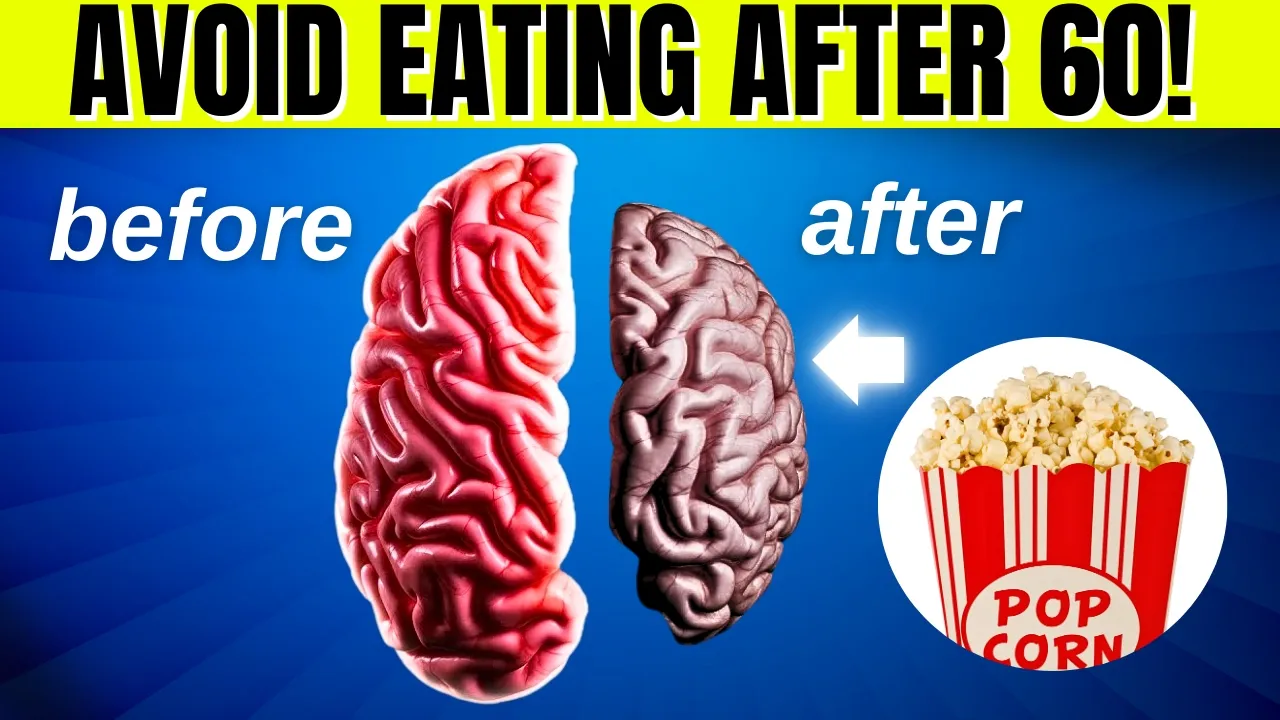
entirely opt for sprouted grain bread it's tasty and much kinder to your brain four microwave popcorn who doesn't love a good movie night with some popcorn but mic wave popcorn contains a chemical called dial which is linked to the buildup of ameloid plaques in the brain a key factor in Alzheimer's the good news you don't have to give up popcorn just make it the old-fashioned way with Organic popcorn kernels on the stove top add a pinch of salt and a little butter and you're all set five canned tuna tuna is generally a healthy choice but
canned tuna often contains preservatives that strip away its nutrients plus can hand tuna packed in oil is a no-go instead opt for tuna and water to get the maximum nutritional benefits it's a simple swap that makes a big difference if you're looking to replace memory damaging foods with healthier Alternatives here are some great options alternatives to diet soda green tea rich in antioxidants and can be enjoyed hot or iced it provides a gentle caffeine boost without the harmful artificial sweeteners found in diet soda kombucha a fermented tea that is slightly carbonated and contains probiotics which
are beneficial for gut health and can improve mental alertness and focus sparkling water for those who miss the Fizz of soda plain or flavored sparkling water is a great substitute you can also add a splash of natural fruit juice for extra flavor probiotic drinks options like culture pop sparkling probiotic soda offer a healthy low calorie alternative with added gut health benefits alternatives to sugar cereals oatmeal a versatile and nutritious option you can top it with fresh fruits nuts and a drizzle of Honey or maple syrup for sweetness oats provide sustained energy release and are rich
in choline which is essential for memory musely a mix of rolled oats nuts seeds and dried fruits it's a wholesome and less processed alternative to sugary cereals chia seed pudding made by soaking chia seeds in milk or a milk alternative overnight it's high in fiber and omega-3 fatty acids homemade granola create your own granola using nuts seeds and a touch of natural sweeteners like honey or maple syrup here are some alternatives to whole wheat bread sprouted grain bread easier to digest in lower and glycemic index compared to regular whole wheat bread brands like Ezekiel Bread
are a good choice rye bread higher in fiber and lower in gluten making it a healthier option for those who can tolerate some gluten sourdough bread made from fermented grains which can Aid digestion and provide beneficial probiotics lettuce wraps use large leafy greens like lettuce collared greens or kale as a wrap for sandwiches and burgers sweet potato slices toasted sweet potato slices can be used as a base for toppings similar to bread up next alternatives to microwave popcorn stove top popcorn make popcorn the old-fashioned way using organic popcorn kernels you can control the amount of
salt and butter added making it a healthier snack air popped popcorn use an air popper to make popcorn without any added oils season with your favorite spices for flavor next alternatives to can tuna fresh tuna opt for fresh tuna steaks which can be grilled or seared for a delicious and healthy meal caned tuna in water if you prefer the convenience of can can tuna choose those packed in water rather than oil to reduce unnecessary fats and preservatives other fish consider other types of fish like salmon mackerel or sardines which are rich in omega-3 fatty acids
and beneficial for brain health by making these simple swaps you can enjoy delicious meals and snacks while protecting your memory and overall brain health remember it's all about making smarter choices that benefit your body and mind in the long run to maintain optimal and brain health and function certain vitamins play crucial roles here are the key vitamins and their impacts one vitamin B complex B vitamins are vital for brain health they support energy production neurotransmitter function and cognitive Health deficiencies and B vitamins can lead to cognitive decline depression and neurological disorders sources eggs dairy products
meat fish leafy greens legumes and fortified cereals two vitamin D vitamin D supports brain health by protecting against cognitive decline and reducing the risk of neurodegenerative diseases it also plays a role in mood regulation sources sunlight exposure fatty fish fortified dairy products and mushrooms exposed to UV light three vitamin C vitamin C acts as an antioxidant protecting brain cells from oxidative stress it also supports the synthesis of neurotransmitters which are essential for brain function sources citrus fruits strawberries bell peppers broccoli and tomatoes four omega-3 fatty acids while not a vitamin omega-3 fatty acids are crucial
for brain health they support cognitive function and reduce inflammation they are often recommended alongside vitamins for comprehensive brain health support great sources are fatty fish like salmon and mackerel flax seeds chia seeds and walnuts incorporating these vitamins through a balanced diet can significantly contribute to maintaining both Kidney Health and brain function always consult with a health care provider before starting any new supplements especially if you have existing health conditions here are some additional tips for brain health one stay Physically Active regular exercise increases blood flow to the brain and can help improve cognitive function activities
like walking swimming and yoga are great options two get enough sleep quality sleep is essential for memory consolidation and overall brain health aim for 7 to n hours of sleep per night three engage in mental activities keep your brain active with puzzles reading learning new skills or playing musical instruments these activities can help maintain cognitive function four manage stress chronic stress can negatively impact brain health practice relaxation techniques such as meditation deep breathing or mindfulness to reduce stress levels five stay socially connected social interactions can help keep your brain engaged and reduce the risk of
cognitive decline spend time with friends and family join clubs or volunteer in your community there you have it five foods to avoid if you want to keep your memory sharp and your brain healthy as you age along with some great alternatives to keep you on track remember it's not about cutting out everything you love it's about making smarter choices swap these foods for healthier options and your brain will thank you if you found this video helpful give it a thumbs up and don't forget to subscribe for more tips on Healthy Living thanks for watching and
catch you in the next video