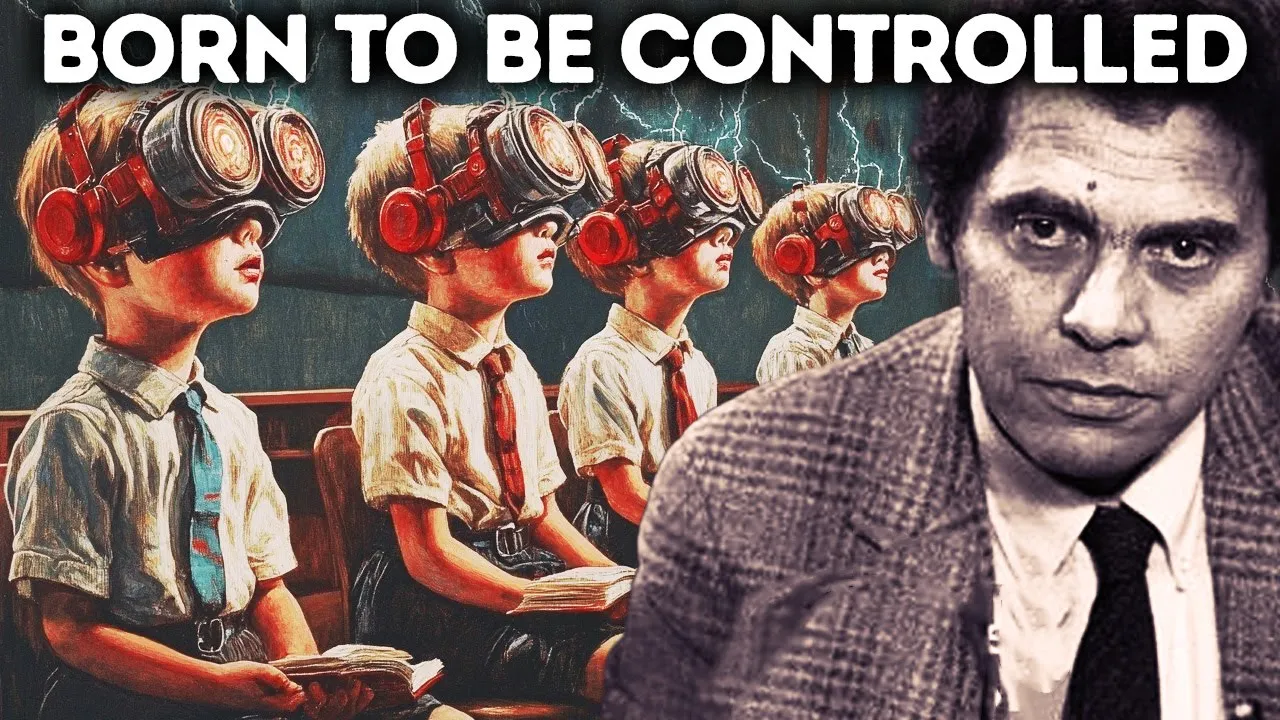
There is no sure way to bring an end to schooling than for it to have no end. Without purpose, schools become houses of detention, not attention. Your life is a lie from the moment you could walk.
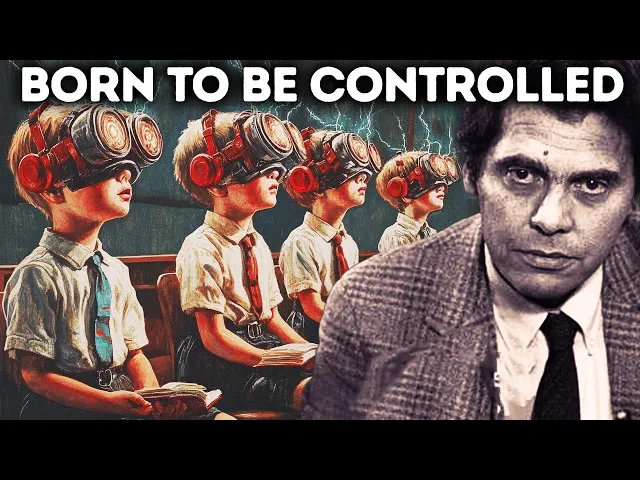
They've been programming your mind, and you didn't stand a chance. You were open, trusting, curious, and they knew it. They stepped in before you could think for yourself, feeding you ideas about what to dream, what to fear, and even who you should be.
And your parents? They couldn't stop it. They didn't even see it because they were victims too, caught in the same system designed to shape and control you.
Now here you are, carrying the weight of programming you never asked for, feeling like something is missing, like your life isn't fully your own. These systems—education, media, food, and even the language you use—weren't built to help you thrive. They were built to keep you small, compliant, and predictable.
Every bell you heard in school, every cartoon you watched, every phrase you repeated—it wasn't harmless; it was deliberate—a system of control perfected over generations. But here's the truth they don't want you to know: you don't have to live this way anymore. That programming doesn't define you.
You can break free, reclaim your power, and rewrite the story of your life. And it all starts with seeing the truth for what it really is. Some wake up at 18, some wake up at 40, and some never wake up at all.
But you? You're here. That means you're ready to see the truth.
See, they've been designing you for one purpose: compliance. They don't want you to think critically; they want you to just follow their rules, buy their products, pay taxes, and live within the narrow boundaries they've drawn out for you. It isn't an accident nor a mistake but a system perfected over generations, conditioning you to obey without realizing it yourself.
The greatest lie they ever told was convincing you that you're free, but you're not free. Freedom demands awareness, and awareness is the very thing they've systematically worked to suppress. The stories you grew up with glorified obedience and cast rebellion as dangerous, ensuring you'd follow the script without question.
Almost everything you believe about success, happiness, and morality was handed to you by those who profit from your conformity. Society wasn't built to nurture your individuality; it was designed to suppress it, keeping you predictable and easy to control. Take schools, for example.
They seem free in your early years, but nothing in this system is truly free. You're their product. Schools condition your mind to fit their agenda, shaping you into a compliant participant in their machinery, all under the guise of education.
And it doesn't stop there. As you grow older, you're funneled into a system that demands you take on massive loans for higher education—debts that tie you to their financial system for decades. The school model itself is designed to profit.
Governments send schools money, but much of it never reaches the classroom. Instead, it's diverted into administrative costs, flashy projects, and systems that benefit everyone except the students. It's no coincidence that this model mirrors the prison system.
Both receive funding based on numbers—students or inmates—and both are more focused on control and profit than genuine reform or growth. Schools shape obedient workers; prisons manage those who step out of line. It's two sides of the same coin, both designed to keep you in their grip, profiting from your compliance while making you believe you're free.
But it doesn't have to be this way. Recognizing the cage is the first step to reclaiming your life. You must understand how they programmed you, why they did it, and most importantly, how to break free.
It won't be easy; it will challenge everything you've been taught to believe. But real freedom demands nothing less. So let's go back to where it all begins: the foundation of this programming.
It started with your childhood. The system that claims to educate you isn't just teaching; it's conditioning. From your very first day in the classroom, you're being shaped into obedience.
You're taught to follow rules, respect authority, and suppress individuality, all under the guise of learning. Education has never been about liberation; it’s always been about control. The classroom isn't a space for independent thought; it's a factory for conformity.
The system isn't designed to empower you but to mold you into a predictable, compliant cog in the machine. Why? Because control thrives on predictability.
Empowered individuals question the system, disrupt the status quo, and demand accountability. Obedient individuals don't, and that's exactly what the system wants: submission, not independence. Now let's take a moment to think about the stories you were taught as a child.
The curriculum isn't neutral; it's carefully written to celebrate power and hide the truth about those who challenged it. History books glorify conquests as victories but skip over all the bloodshed, the suffering, and the stolen lands behind them. Entire groups of people—rebels, visionaries, and alternative leaders—are either erased or turned into footnotes.
And this isn't by accident; it's done on purpose. It’s designed to make you see the world not as it really is but as how they want you to see it. Even subjects like literature, science, and math aren't safe from the system's grip.
Literature elevates heroes who follow rules and punishes those who challenge authority. Science, which should encourage curiosity and exploration, is reduced to memorizing facts instead of asking questions. And math, with its beauty and creativity, is stripped away, leaving you with formulas and the idea that there's only one right answer.
It has never been about your real knowledge but programming your still impressionable mind. You're taught to memorize answers, not to question them; to conform, not to think for yourself, in a system built. .
. On obedience, independent thought is seen as a threat. That's why it's quietly and consistently discouraged.
Now think about all those standardized tests they made you take. They told you things like, "You need to know this because you won't always have a calculator," or "It's important to learn this because there won't always be navigation. " But here we are, carrying calculators and GPS in our pockets 24/7.
Funny how that worked out, isn't it? Those tests were never about preparing you for the real world; they weren't a measure of intelligence; they were a measure of obedience. They were testing how well you could memorize, follow instructions, and stay inside the lines.
Innovation, creativity, critical thinking—those don't fit into a system that runs on conformity. They don't want you to think differently; they want you to fit the mold, follow the script, and never ask questions. The real message behind these tests is clear: conform or fail.
Step outside the lines and you'll face the consequences—social, economic, or both. Challenge the system, and you risk being isolated, punished, or labeled as difficult. These tests don't prepare you for the complexities of real life; they prepare you to fear standing out, to settle for mediocrity, and to tie your self-worth to someone else's approval.
And then there's the school bell. It's not just a signal to change classes; it's a lesson in submission. Think about it: you hear the bell, you move.
No questions, no choices, just obedience. It's classical conditioning at its finest. Remember Pavlov's experiment?
He rang a bell, and the dogs began to salivate, expecting food. Over time, they didn't need the food—just the bell. Now look at schools: the bell rings, and you respond automatically.
Not because you're hungry, but because you've been trained to obey without questioning. The system rewards compliance and punishes defiance, teaching you to follow orders, not to think for yourself. This constant rhythm of interruptions, this division of your day into rigid chunks, wasn't designed to prepare you for independence; it's training you for the 9 to 5 grind.
Think about it: the bell rings, and you move. Lunch is at a set time, even if you're not hungry. Breaks are limited, and someone else decides when your work starts and stops.
Sound familiar? It's the same structure you'll find in most jobs, and it isn't about managing time; it is about conditioning you to give up your freedom to the clock, to live by someone else's schedule, and to see your time as something to be traded away instead of a canvas for your dreams. Over time, you stop questioning it.
You stop asking why your life is broken into rigid schedules and just accept it as normal. But here's the truth: it's not normal. You know it; I know it; we all know it.
And the most powerful lessons in school are the ones you aren't aware you're learning—like to obey authority. You're taught to respect teachers and principals, not because they earn it, but because they hold power. This normalizes submission to authority in every aspect of life.
Or to fear failure: mistakes are punished. This creates a fear of risk and locks you into predictable, controlled behaviors. Or to seek validation: gold stars and grades condition you to value external approval over your own instincts, making you easy to manipulate.
And the transition to media and entertainment? The education system sets the foundation, but the programming doesn't stop there. Media and entertainment take over, embedding the lessons of conformity into your desires and dreams.
What you consume shapes who you become. And then there's the media—another tool for brainwashing you from the moment you're born. It's designed to shape your thoughts, desires, and identity without you ever noticing.
From the cartoons you loved as a child to the movies and music you consume as an adult, every image, every sound, every story is carefully crafted to keep you distracted, obedient, and hooked on the system. Think about the stories you've seen over and over again: the hero. They don't challenge the system; they fight to protect it.
Their mission isn't rebellion; it's restoring order. They follow the rules, earn respect for their charm and bravery, and sacrifice their own dreams for the so-called greater good. The message is clear: the hero is good because they're attractive, obedient, and self-sacrificing.
Now look at the villain. The villain is everything the system doesn't want you to be: a rebel, an outcast, someone who questions authority and challenges the status quo. Villains disrupt; they ask hard questions, and they threaten the structures you've been taught to respect.
And how are they portrayed? As dangerous, evil, or untrustworthy. This isn't by accident; it's deliberate.
You're being trained to fear opposition, to see rebellion as scary and wrong because the system doesn't just want your obedience; it wants your loyalty. From the moment you encounter these characters in cartoons as a child, the programming starts. You're taught to see goodness as following the rules and evil as breaking them.
The hero becomes your role model for obedience, while the villain makes you fear questioning the rules that limit your freedom. This isn't just storytelling; it's deliberate psychological conditioning, training you for a lifetime of submission. Take Disney movies, for example.
They glorify monarchies and elitism, painting kings, queens, and princesses as naturally good and rightful leaders. This teaches children to see hierarchies as normal, even fair. It's the idea that some people are born to rule, while others are born to serve.
And think about the stories: the hero, always someone of high status, rescues the struggling commoner, sending a subtle message that your problems can only be solved by someone more powerful. It's not just entertainment; it's shaping how you see the world. And ironically, cartoons aren't just entertainment; they are commercials disguised as stories.
Brightly colored ads and catchy jingles hook you in. You, as a child, the characters come with branded merchandise: dolls, costumes, and theme parks. Happiness becomes a transaction—one tied to the Disney lifestyle.
They program you in your childhood that happiness is equated with owning the latest action figure or princess doll. For them, it's about creating lifelong habits. Children are taught that their worth comes from what they own.
Brands become a measure of social status; owning the right products makes you popular, while lacking them makes you invisible. Fast forward to adulthood, and you're still chasing the same lie: spending money on things that give you fleeting pleasure but leave you empty. It's a smart system, isn't it?
Programming you from childhood to equate your self-worth with material things. They've trained you to believe that owning more will fill the emptiness, but it never does, and that's exactly how they keep you buying into the lie. But the media isn't their only tool of programming you; the system reaches even deeper, like the food you eat and the environment you live in.
Do you remember that happy feeling of seeing your favorite cartoon characters pop up on a McDonald's menu? That spark of excitement when a Happy Meal promised not just food, but a toy tied to your favorite cartoon hero? It wasn't clever marketing but the beginning of lifelong programming.
From the moment you're a child, happiness is sold to you in a brightly colored box with the face of your favorite hero stamped on it. The toy changes every week, keeping you coming back, while the menu stays the same: unhealthy, addictive food designed to hook you early. This isn't just about selling meals; it's about shaping consumer habits that last a lifetime.
McDonald's and fast food giants like it use the emotional bond kids have with cartoons to hardwire the idea that consumption equals joy. What seems like an innocent meal and toy combo is actually a psychological weapon, shaping desires and behaviors in ways most of us never notice. The Happy Meal isn't just a box of nuggets and fries; it's a psychological trap designed to forge a deep association between food, reward, and happiness.
The rotating toys, often tied to popular movies or TV shows, create a sense of urgency and novelty. "Collect them all" campaigns instill the idea that missing out on the next toy means losing a piece of happiness. But what about the food itself?
The meals are filled with high-fat, high-sugar, and high-salt items engineered to trigger your brain's reward centers. The immediate gratification from these flavors makes them addictive, creating cravings long after the toy is forgotten. It's a cycle: emotional attachment, addiction to the taste, and a constant return to the counter.
By the time you're an adult, the connection is locked in. Fast food isn't just convenient; it's comforting. You've been programmed to turn to it for celebrations, stress, or even boredom, without ever questioning why it feels like the default choice.
This programming affects everyone, so don't be too quick to judge those who struggle with their weight; they've been trapped by the same system, just like the rest of us. Culture isn't the values your parents pass down or the traditions you inherit naturally. From day one, it programs your thoughts, shapes your behavior, and molds your identity.
But here's the truth: your culture isn't truly yours; it's been crafted by corporations, governments, and elites to manipulate and control society. And if you look closer, the traditions you follow, the holidays you celebrate, the phrases you repeat—they aren't organic; they're engineered. Take Christmas, for example: it's no longer about spirituality or family heritage; it's a multi-billion dollar industry designed to make you equate love and generosity with buying more.
That's not culture; it's consumer conditioning. Every custom, every ritual, every so-called norm exists for one purpose: to make you predictable, compliant, and easy to exploit. Once you see this, once you realize that even your beliefs, identity, and sense of self have been programmed, you can't unsee it.
And when the illusion shatters, you'll understand just how deep the control goes. Language isn't just words; it's the software they use to program your reality. Think of the phrases you grew up with—the ones that seemed harmless, even loving, like "don't talk back.
" Translation: silence your doubts, defer to authority. Or "that's just the way it is. " Translation: don't question the system, accept your powerlessness.
And to be a good boy or girl. Translation: your value is tied to obedience, not individuality. These aren't just words; they're psychological handcuffs.
By the time you're old enough to think critically, these scripts are so deeply embedded that rebellion feels wrong, even dangerous. Think about it: how often do you stop yourself from speaking out—not because you're wrong, but because you've been trained to equate silence with virtue? And it doesn't stop there.
Corporate buzzwords like "team player" and "stay in your lane" are just rebranded versions of "don't talk back. " They frame compliance as a virtue while painting dissent as selfish or disruptive. But what's the fastest way to control a population?
Rituals. The more repetitive, the better. The key is to make them seem harmless, or better yet, sacred.
Take the Pledge of Allegiance: every morning, millions of children stand hand over heart and chant the same words. Do they understand what they’re saying? Of course not; that's the point.
The ritual isn't about meaning; it's about muscle memory. By the time they're adults, blind loyalty to the nation-state feels as natural as breathing. Or look at Christmas: what's it really about?
Generosity? Togetherness? No, it's about consumption.
From the moment kids can speak, they're taught that happiness comes in the form of wrapped boxes. And who brings those gifts? Santa Claus, a benevolent authority figure who rewards compliance and punishes rebellion.
Sound familiar? It's the same narrative that runs society: obey, and you'll be. .
. rewarded question, and you'll be excluded. Even weddings, supposedly about love, are rituals of conformity.
The perfect wedding requires you to follow a script: the dress, the vows, the guest list. Deviate, and you risk judgment. It's a microcosm of societal control; conform or face isolation.
Has anyone seen the prices of weddings lately? Just another way of profiting money from you. Language doesn't just control how you see the world; it controls how you see yourself.
From the moment you enter school, you're bombarded with labels: good grades = success; bad grades = failure. Follow the rules: good; break them: bad. This isn't about teaching kids to think critically; it's about teaching them to associate their worth with compliance.
By adulthood, this framework is so deeply ingrained that most people can't imagine a world where success isn't dictated by someone else's standards. But here's the thing: this conditioning isn't accidental at all. It benefits the very systems that control you.
Think about it: if your self-worth is tied to external approval, you'll spend your entire life chasing validation from them—like your bosses, corporations, and societal norms. That's not freedom; it's servitude. Modern slavery.
And here's where it gets chilling: none of this is random. The phrases you repeat, the rituals you follow, the holidays you celebrate—they all serve the same masters. In their pockets, corporations thrive on your inability to question consumerism; governments benefit from your blind loyalty to authority; social media platforms profit from your need for external validation, using algorithms to amplify conformity and suppress dissent.
Even your favorite holidays are monetized rituals of control. Every Christmas ad, every Black Friday sale, every patriotic July 4th commercial—they all reinforce the same message: don't think, just participate. And the scariest part?
It works. Look back on your life—how many times have you followed a script without questioning it? How many traditions, phrases, and habits have you accepted as normal?
The truth is, the system has been shaping you since birth, conditioning you to stay in line, consume without question, and seek validation from the very structures that oppress you. But here's the good news: once you see the cage, you can break out. Start questioning: why do we celebrate the things we celebrate?
Why do we say the things we say? And most importantly, who benefits when we don't? Cultural conditioning is just the surface; beneath it lies a deeper layer of psychological control—fear, dependency, and programmed conformity.
Let's peel back the curtain and uncover what's really going on inside your mind. Now think back to the first gold star you earned in school, or the first time someone called you a good boy or good girl. That warm feeling of approval wasn't just encouragement; it was conditioning.
You were being taught that your value lies not in who you are, but in how well you meet others' expectations. This programming doesn't fade with age; it evolves. As adults, the stakes grow higher—degrees, promotions, luxury cars, picture-perfect relationships.
Each of these societal markers promises validation, but it's just a fleeting reward. Why? Because the bar keeps moving.
There's always a bigger house, a better job, or more followers on social media to chase. Consider the rise of platforms like Instagram or LinkedIn—entire ecosystems built on the need for external validation. The likes, comments, and endorsements are digital gold stars, reinforcing a cycle that keeps you hooked.
But the tragedy? No matter how much you achieve, it never feels like enough, because you've been trained to look outward for fulfillment instead of inward. And failure isn't just a part of life; it's essential for growth.
But society doesn't see it that way. From a young age, you're conditioned to equate failure with shame: poor grades = punishment; mistakes = embarrassment. The message is loud and clear: failure isn't a stepping stone; it's a stain.
As adults, this fear becomes a silent prison. How many dreams have you abandoned because of the fear of failing? How many ideas have you left unspoken, jobs not pursued, or risks avoided because of that nagging voice saying, "What if I mess up?
" And it's not your fault—this fear isn't how you were born; it's implanted. It's what keeps people from disrupting the system. It ensures you stay on a predictable, controllable path, never daring to step off the treadmill of safety and conformity.
See, the programming goes deeper than conscious thought. It embeds itself in your subconscious, shaping your fears and anxieties in ways you may not even notice. From the classroom to the workplace, questioning authority triggers instinctual anxiety.
Why? Because it's been tied to punishment since childhood. You've been trained to avoid dissent, even when the system is clearly flawed.
The need for validation creates a hyper-awareness of others' opinions. This fear silences authenticity, making you mold yourself to fit societal expectations, even when it feels suffocating. Media and culture bombard you with the idea that there's never enough time, money, and resources.
This manufactured scarcity keeps you in a constant state of competition, stress, and compliance, ensuring you stay too busy striving to ever question why. These fears don't just control individuals; they fuel billion-dollar industries. The self-help market thrives on your insecurities, offering temporary relief while never addressing the root cause.
Pharmaceuticals profit from managing the anxiety and depression that this system creates. The system creates the sickness and then sells you the cure. All of this conditioning culminates in a society where conformity feels safe, and authenticity feels dangerous.
Most people will go their entire lives prioritizing fitting in over standing out, fearing rejection more than stagnation. Think about the workplace: how often do employees swallow their true thoughts, ideas, or criticisms to keep the peace? Authenticity is sacrificed on the altar of acceptance.
But here's the thing: conformity isn't just stifling individuals; it's stifling progress. A world where everyone fits the mold is a world where. .
. Innovation, creativity, and revolution die quietly. Let's step back for a moment: how much of your life has been shaped by these patterns?
How many of your decisions—where you work, how you act, what you fear—are truly your own? The truth is, the system has been programming you since birth, ensuring that you remain predictable, compliant, and profitable. But here's the part they don't want you to know: the same mind that was programmed can be reprogrammed.
These patterns aren't permanent; they're habits, and like any habit, they can be broken. Awareness is the first step to reclaiming your autonomy. Once you see the patterns, you can start disrupting them.
You will learn how to break free from this cycle of control and rebuild your life on your own terms, because freedom isn't given; it's taken, and it starts here. But you can't fix what you can't see. Awareness is the foundation of change.
Now, start by asking yourself the hard question: who benefits from the beliefs I hold? Write down your beliefs about success, love, happiness, and failure. Then trace their origins.
Did they come from your family, school, advertising? Often, you'll uncover that the narratives driving your life were never chosen by you; they were implanted. For example, do you really want that high-paying job with the long hours, or were you told it's the only path to success?
Does your fear of failure stem from a genuine concern, or was it drilled into you by a grading system that punished mistakes? Awareness unravels these threads. The system thrives on reaction—a mindless response to triggers, fears, and desires it created.
Mindfulness breaks this cycle. When you observe your thoughts without judgment, you disrupt the programming. You create a gap between stimulus and response, and in that gap lies freedom.
Try this: when you feel the urge to seek approval, pause. Ask yourself, "What am I trying to prove, and to whom? " When fear of failure grips you, reframe it.
Say, "This mistake isn't the end; it's the lesson I needed. " And remember to take control of your mental diet. Platforms like Instagram and TikTok are engineered to hijack your attention and feed you narratives that prioritize conformity over authenticity.
Be intentional about the movies, shows, and music you consume. Choose stories that empower you rather than reinforce societal control. Ask, "What is this content trying to teach me?
" Know that every ad has an agenda; train yourself to spot it. Ask, "What fear or desire is this ad exploiting? " Your awareness turns their manipulation into ash.
One of the most important tips is to surround yourself with items that inspire authenticity and creativity, like art, nature, and meaningful objects. They are tools of resistance against the monotony of conformity. Try to build genuine relationships.
I know it's easier said than done, especially in this world nowadays, but try to seek out connections based on growth and authenticity, not superficial validation. Find people who challenge you to be your truest self. But your awakening is only the beginning.
True power lies in collective action. The system thrives on division, distraction, and isolation, ensuring that individuals stay silent and fragmented, that we hate each other and blame each other instead of them. But what would happen when the isolated wake up?
When the sparks of individual awareness merge into a wildfire of collective awakening? That's when the system begins to crumble. It's not about rebellion; it's about transformation.
Awareness spreads like wildfire. Once you see the invisible chains, it's impossible not to notice them everywhere and to share what you've learned. But the key to awakening others isn't shouting from the rooftops or pointing fingers; it's asking questions that ignite curiosity.
Questions plant seeds; seeds grow into movements. Every person you inspire to think critically contributes to a tidal wave of change. The system isolates you because isolation breeds compliance, but connection—connection builds revolutions.
To challenge control, we must unite. Start discussions in your community or online. Create safe spaces for people to share insights and question the status quo.
Mainstream outlets often serve the system. Back journalists, podcasters, and creators who dare to speak truth to power. Teach children to question everything.
Encourage them to see failure as growth, curiosity as strength, and authenticity as success. When individuals come together, the power of collective thought amplifies. The system fears critical thinkers who support one another, because together, they’re unstoppable.
Now, one of the most important things you could do is hit them where it hurts. See, the system thrives on your consumption, but by redefining what you value and where you spend your resources, you can dismantle its foundation. Invest in small businesses instead of corporations that profit from exploitation.
Reject consumerism; shift focus from possessions to experiences, relationships, and self-expression. Happiness isn't bought; it's built. Repeat after me: happiness can only be built from within.
Every dollar you spend or withhold is a vote for the world you want to create. Stories are the system's most powerful weapon; they shape how you perceive the world, who you trust, and what you believe is possible. To dismantle the system, we must rewrite the stories.
Write, film, and share stories that inspire autonomy, critical thinking, and collective action. Stories are viral; they can shift cultural consciousness faster than laws. When enough people reject the system's myths, its grip on reality weakens.
The system thrives on fear—fear of failure, rejection, and standing out. But here's the truth: courage spreads faster than fear. Every act of defiance, no matter how small, sends ripples through the collective.
Speak your truth, even when it's uncomfortable. Live authentically, even when it's unpopular. Question authority, even when it feels risky.
Your courage inspires others to find their own. And when enough people step forward, fear loses its hold. Imagine if millions of people rejected the narratives that bound them, spending consciously, creating communities of resistance, and demanding change.
The system's foundation isn't just shaken; it's obliterated. But Collective Awakening is just the start. To truly dismantle control, we need to rebuild from the ground up.
The time is now; the system depends on your silence and compliance. But when individuals wake up and unite, they become the architects of a new reality. This is your moment.
Speak, act, inspire! The world won't change itself, but together we will. The systems that control us weren't accidents; they were meticulously designed to concentrate power, prioritize profit, and suppress autonomy.
Breaking free requires more than awareness or resistance. To truly dismantle these systems, we must replace them with frameworks built on fairness, empowerment, and genuine freedom. The question isn't if we can do it; the question is whether we're ready to take the leap.
No, the enemy is capitalism. It rewards greed, trapping the majority in cycles of debt and survival while the elite amass wealth. Media and education perpetuate conformity, drowning dissent in a flood of manipulated narratives.
These pillars reinforce one another, creating a system designed to keep you distracted, divided, and dependent. True transformation means dismantling them all at once. Empower the mind.
Education is the foundation of change; currently, it's a tool for indoctrination designed to create obedient workers rather than critical thinkers. Imagine an education system that liberates instead of suppresses. Take back control.
When power is returned to the people, the system loses its grip. Value people over profit. The current economic model thrives on scarcity and exploitation.
A transformed economy values well-being, equity, and collaboration. Economic freedom isn't about wealth; it's about liberation from fear. The media's current role as a propaganda machine must be dismantled; it can become a tool for truth instead of manipulation.
Control the narrative, and you control reality. Shift the narrative, and you shift the world. Systemic change begins with individuals.
You have more power than the system wants you to believe. Say no to systems that don't align with your values. Vote with your choices, time, and money.
The system doesn't just control the world around you; it infiltrates your mind, shaping your thoughts, fears, and desires. From childhood, you were conditioned to seek approval, fear failure, and prioritize fitting in over being authentic. Recognizing this programming is powerful, but recognition alone won't undo it.
These patterns operate in your subconscious, influencing every decision you make. The subconscious is the system's playground; it operates silently, controlling your thoughts and actions without your awareness. To reclaim it, you must rewrite the script, replacing disempowering beliefs with liberating ones.
For example, turn "I need to fit in to succeed" into "My uniqueness is my power. " Visualize a life where you live authentically, untethered from others' approval. The system is designed to hijack your emotions; fear, guilt, and anger are its primary tools of control.
Resilience isn't about ignoring these emotions, but mastering them. When the system stokes fear or guilt, recognize it for what it is: a manipulation. Refocus on what truly matters to you.
The system also profits from your self-doubt; counter it by celebrating your imperfections and valuing progress over perfection. Gratitude rewires your brain to focus on abundance, breaking the system's narrative of scarcity and lack. The system sold you a definition of success: wealth, status, and possessions.
But whose definition is that? Reclaim your autonomy by redefining success and happiness on your own terms. Are you living in alignment with your values and passions, or chasing external validation?
Do your choices bring joy and purpose, or are they designed to impress others? Shift away from external benchmarks and toward inner fulfillment. Find joy in simplicity, nurture relationships that uplift you, and pursue passions that resonate deeply.
Empowerment isn't just about inner work; it's about courageous action in a world designed to keep you in line. Limit exposure to manipulative media, toxic environments, and voices that don't serve your growth. Seek out communities that celebrate authenticity and encourage critical thinking.
Align every decision—what you buy, who you support, how you spend your time—with your values and vision. Every small choice adds to your power. Once you've reclaimed your mind and cultivated inner strength, the next step is living with purpose.
Your freedom is your power. The system may have shaped you, but it doesn't own you. Every thought you rewrite, every fear you overcome, and every authentic choice you make chips away at its control.
This is where the revolution starts—not out there, but within. Purpose is not something society hands you; it's something you uncover within yourself. Yet from the moment you could walk and talk, the system programmed you to chase someone else's idea of purpose: career titles, financial milestones, and societal approval.
But here's the truth they don't want you to see: purpose isn't found in what you achieve; it's found in living authentically. Breaking free means rejecting the narratives that were imposed on you and aligning your life with what truly matters to you. Shedding the illusion of "should" is essential.
The word "should" is the system's favorite weapon. It whispers in your ear, telling you you should go to college to be successful, you should settle down by 30, you should follow the script everyone else is following. But here's the thing: those "shoulds" aren't universal truths; they're constructs designed to keep you predictable, manageable, and compliant.
To reclaim your purpose, start by questioning every "should" you encounter. What do I actually want beyond others' expectations? What ignites my passion, even if it doesn't fit society's definition of success?
Am I living a life I chose or one chosen for me? When you shed the illusion of "should," you clear the path to discover what genuinely fulfills you. Years of conditioning can bury your authentic self, but it's still there, waiting to be uncovered.
Reconnecting with it requires peeling back the layers of programming. Intuition is often drowned out by societal noise; pay attention to what feels right, not what looks right. To others, dive into new activities, revisit forgotten interests, and embrace failure as part of the journey.
Authenticity isn't static; it evolves through exploration. Rediscovering your true self is just the beginning. The next step is to align your daily life with your core values and passions.
This isn't about abandoning responsibility; it's about living deliberately. Minimalism isn't just about owning less; it's about focusing on what matters most. Let go of commitments and possessions that don't serve your purpose.
Intentional living transforms your life from a reactive existence into a conscious expression of your values. Living authentically doesn't just change your life; it inspires others and contributes to collective liberation. When you align with your true purpose, you radiate a kind of freedom that's impossible to ignore.
Show others that living authentically isn't just possible; it's fulfilling. Use your time and resources to back causes that align with your values, from sustainability to social justice. Create ripple effects; even small acts like sharing a powerful idea or supporting a local creator can spark change far beyond what you see.
Authenticity is contagious; the more you embrace it, the more you empower others to do the same. Living authentically doesn't mean living without fear or failure. You'll face doubts, setbacks, and moments where societal programming tries to pull you back in.
But remember, authenticity isn't about being flawless; it's about being real. Every challenge you overcome strengthens your resolve and deepens your connection to your true self. Redefining your purpose is a personal revolution, but it's only the start.
Imagine the world we could create if millions of people began living authentically. In the final section, we'll explore how to ignite this ripple effect of transformation, inspiring others to awaken and reclaim their freedom. Your life, your purpose.
The system wants you to think purpose is out there—something to chase or to be bought—but it's been within you all along, waiting for you to reclaim it. Live authentically; the world is waiting for the real you. Let setbacks strengthen you; your persistence encourages others to push through their fears.
Every choice you make contributes to a collective shift. Imagine a world where critical thinking is celebrated, well-being is prioritized, and authenticity thrives. This is the legacy of awakening—a world built on freedom and creativity.
Awakening doesn't end with you; your courage has the power to inspire others, creating a ripple effect that can challenge and transform the systems of control. The system thrives on silence, but your voice and actions can spark a revolution. The choice is yours: will you stay quiet, or will you take the step toward freedom?
If this message resonated with you, comment below with "Breaking Free. " Let's show the system that silence is no longer an option. To the philosophical Essence family: I can't thank you enough for all the overwhelming support on our previous videos about how they control us.
Your comments, shares, and insights have been nothing short of inspiring. It's clear we're building something special here. Because of your incredible response, I've decided to turn this into a full series.
Every week until the end of the year, I'll be dropping big videos like this, diving deeper into the truths they don't want you to know. Together, we'll uncover the hidden forces shaping our lives and break free from the illusions they've created. And I want to hear from you: what's your favorite movie or show that touches on these themes?
Let's keep the conversation going in the comments. Your input helps shape this journey, and I love hearing your perspectives. If you found value in this video, don't forget to like, comment, and follow.
And remember, we'll never hide this knowledge behind paywalls or exclusive memberships. This truth belongs to everyone, and together, we're making it accessible for all. Let's keep breaking free, one step at a time.