when Danielle started noticing a change in her seven-year-olds behavior she took matters into her own hands to get a diagnosis when Bianca was 7 I started to notice just some rapid eye blinking it was like you know just super fast so it you know I asked her teachers and they're like no she can see the board fine I asked her no mommy I can see and then I started to progress a little bit more and adding in some shoulder shrugs and then what I call the Velociraptor which is she would just open her mouth real
wide like that she would do it if no one was watching so what's an attention-seeking to tell me I can't control it I didn't know what it was that I knew doing something it started doing some research and I stumbled upon Tourette's syndrome it said things like they typically come in threes and like that's interesting then it says eventually you may add in a verbal well from there added in the mmm like loud coughing and that's where we really realized that she indeed had tried currently they come in threes touching my face just sticking my
tongue out and then shake my head right now they are definitely at their height imagine someone just like tapping on your face and then sliding my finger down she will flap her face really hard and it makes a really loud noise I try to resist it a lot but it's so tingly and it won't let you like stop you another one right now on what sounds like she's gagging there really isn't an hour that goes by where Bianca doesn't have some kind of tic until I try in in school I hold it in the festa
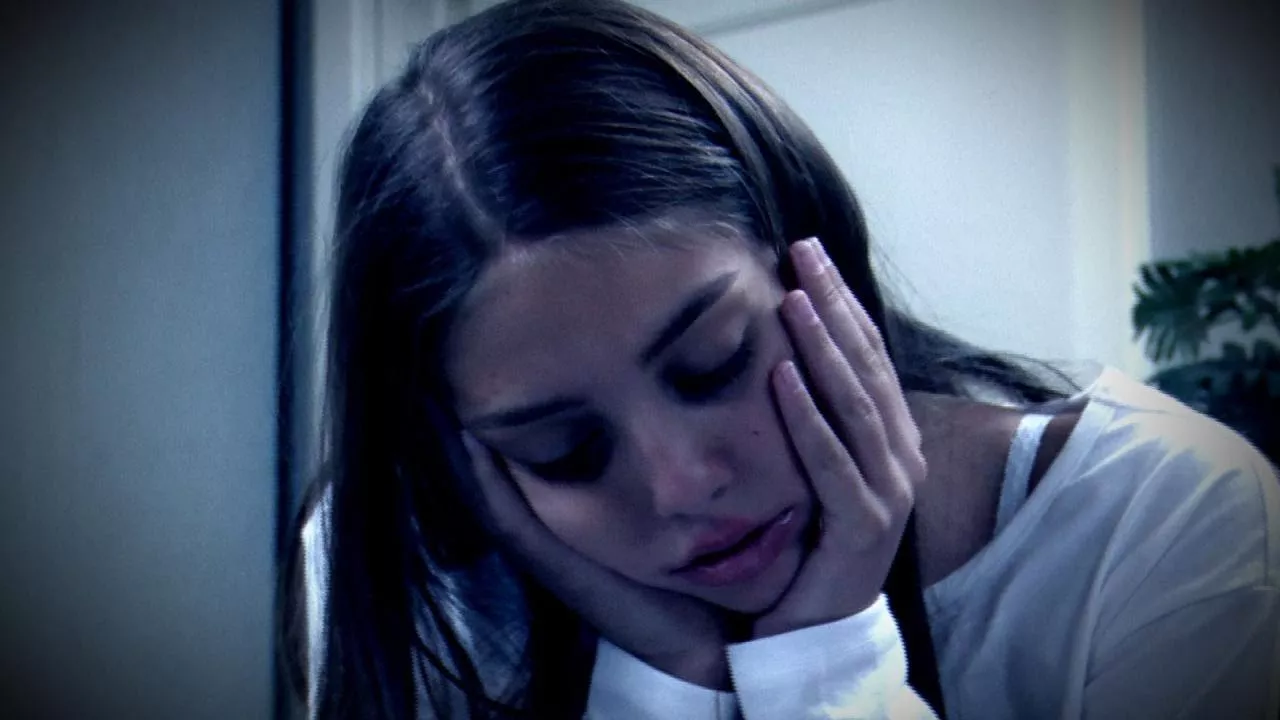
my like advantage and then when I get home it's like ah it has to be mentally exhausting you know think about the time you've ever had a cold and you were coughing imagine if all day long for trying to hold in a car I almost get a sense of relief wave over me to watch her sleep because she's at peace there's people that laugh at me and I tell them it's not funny it's really not funny my biggest fear for Bianca honestly is next year which is middle school though I do worry about bullying part
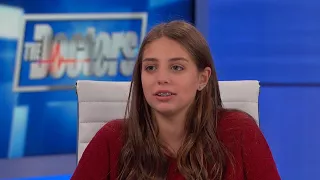
of me wonders like will the boy take her to homecoming one day knowing that she has this so those things creep in every once in a while then I look at her and I think of course why wouldn't a boy taper to homecoming a matter of fact I am confident have a really bright future this is our reality now what can I do to help her still live the most amazing life possible everyone please welcome Danielle to the show [Applause] first of all just want to applaud you the way that you've approached though there are
elements that have been tough for you and for what's the toughest part I don't understand what she's going through I don't understand why she has to slap her face that many times and and I can't help her but I've realized it's not my job to understand why it's my job to just be understanding and that's the best that I can do and this is something that look a lot of people don't fully understand and joining us now is board-certified child and adolescent psychologist dr. John passing Janey who's the director of child tic disorder at UCLA
Bianca diagnosed at the age of seven is that a normal age young definitely that is a standard age most kids are diagnosed around age around five six or seven with tics tending to get worse over time through puberty and then in many cases getting better or even disappearing in adolescence we've getting a better sense of the causes we don't know the cures but the behavioral treatments actually have about the similar efficacy to medication without the side effects so it's an important alternative for many children and even adults you