When penicillin, the world's first antibiotic, was discovered in 1928, it changed the course of medical history. Without antibiotics, performing surgeries safely was virtually impossible, and common problems or complications, such as deep wounds or respiratory infections, could be fatal. Estimates show that antibiotics have increased the human lifespan by roughly 20 years.
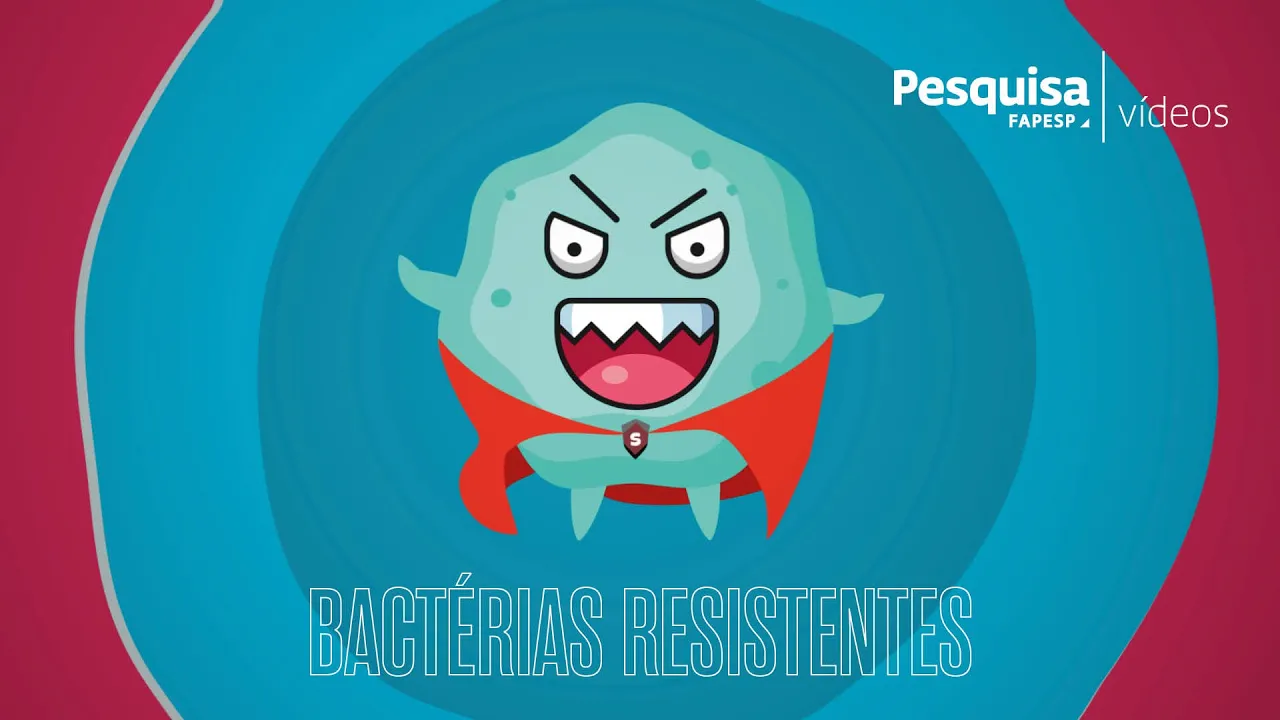
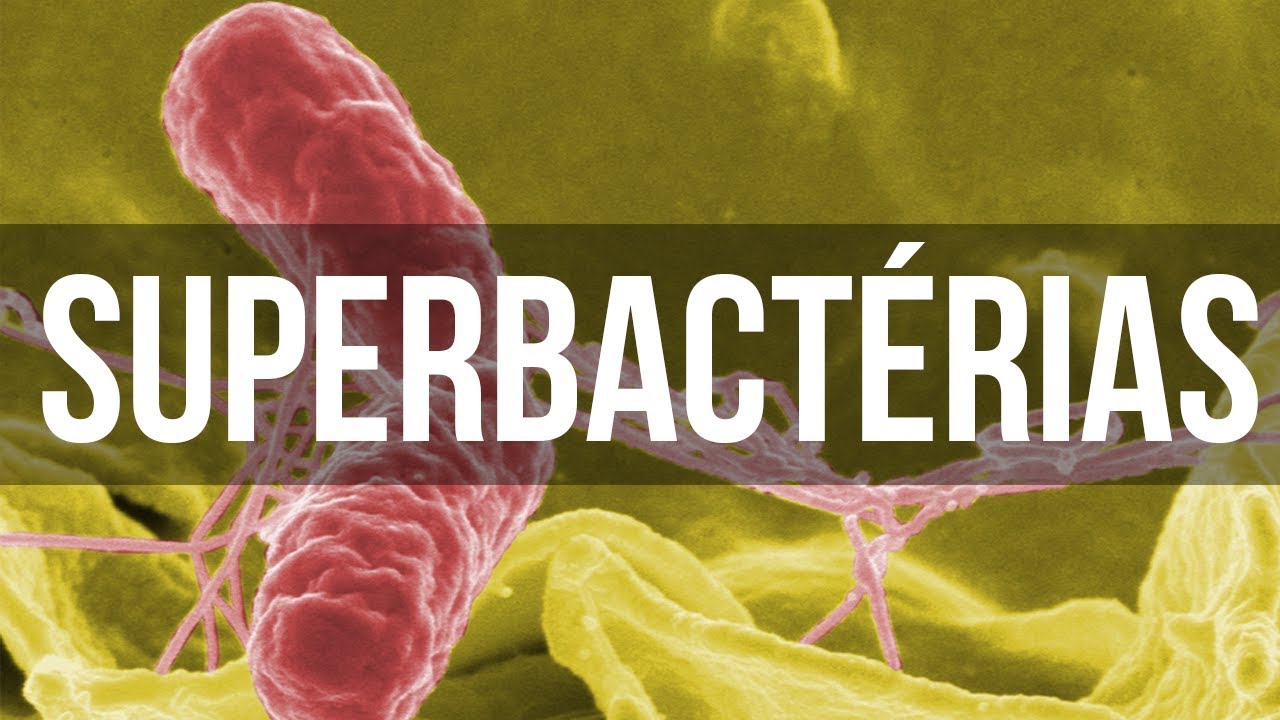
But the increasingly frequent and widespread use of antibiotics poses a real threat, and addressing this is one of the biggest health issues humanity will have to confront. The spread of multidrug-resistant bacteria – sometimes referred to as superbugs – has become a global nightmare. And they have been spreading swiftly, keeping experts up at night.
There are roughly 12 classes of antibiotics. Each class affects a different part of the structure or functioning of bacteria, either eliminating them or inhibiting their growth. When bacteria are exposed to the right concentration of antibiotics for a sufficient length of time, they die.
But if the dosage and the duration of the treatment are insufficient to eradicate them, a few bacteria may survive and multiply, accumulating adaptations, which allow them to evade the effects of the drugs. At least 10 thousand tons of antibiotics are produced worldwide every year and are used for human healthcare and on livestock to treat diseases and induce weight gain. One of the consequences is that, even when administered correctly, these products end up contaminating the environment.
Bacteria are therefore continually exposed to these drugs, favoring the selection of superbug strains. In some cases, we are witnessing the emergence of bacteria against which existing drugs have proven ineffective. Most cases of superbug infection are confined to hospitals, and the problem remains relatively rare among the community at large.
A study led by epidemiologist Ramanan Laxminaryan estimated that, every year, 136 million cases of hospital-acquired infection are caused by superbugs worldwide. A report published in The Lancet medical journal, co-authored by Brazilian researchers, showed that almost five million deaths in 2019 were caused by superbugs. por quase cinco milhões de mortes em 2019.
This number is close to the total deaths recorded over three years of the Covid-19 pandemic and far surpasses the combined annual deaths caused by malaria, AIDS and tuberculosis. 70% of these deaths were caused by six different types of superbugs. The increase in use of antibiotics, exacerbated by the pandemic, and the overcrowding of hospitals seem to have contributed to the spreading of genes that allow bacteria (or superbugs) to resist the effects of medications.
And superbugs are increasingly being detected outside of hospitals. A team led by pharmaceutical scientist Eliana Stehling has been monitoring the spread of multidrug-resistant bacteria across nearly 50 cities in the state of São Paulo, and have detected them in soil samples collected from agricultural areas, in animal husbandry facilities, and in rivers, streams and creeks. Superbugs have also been detected in cats and dogs at veterinary hospitals and clinics and in samples collected from fresh lettuce, arugula and cabbage consumed by the public.
At the São Paulo campus of the University of São Paulo, Chilean microbiologist Nilton Lincopan and his team have detected the presence of superbugs in various locations. They are also present in the waters of the Tietê and Pinheiros rivers and have infected turtles, penguins, whales, dolphins and seabirds in Brazil's coastal areas. In other words, superbugs are everywhere.
In view of this scenario, experts recommend several health safety measures: Maintaining good personal and food hygiene. Getting vaccinated against microorganisms for which inoculation is available, such as certain bacteria that cause pneumonia, tuberculosis and meningitis. Judicious use of medications: Doctors should only prescribe antibiotics to treat bacterial infections, administering tests to determine the most suitable and effective drug for each case.
Patients should take the recommended dosage for the prescribed duration, even if symptoms improve before completing the treatment. Whenever possible, it is best to avoid hospitals. When necessary, however, one should spend as little time in them as possible.
Bacteria are becoming increasingly resistant due to the misuse of the very "weapon" meant to eradicate them. It might seem like something out of a horror movie, but it is in fact a reality. Therefore, it is becoming increasingly important that drugs be used rigorously and responsibly and under proper medical supervision.
Proper disposal of leftover medication and packaging is also essential in preventing water contamination.












![Microplastic Dangers? [How to Avoid Microplastics] - 2024](https://img.youtube.com/vi/1qrf3b5RcUo/maxresdefault.jpg)