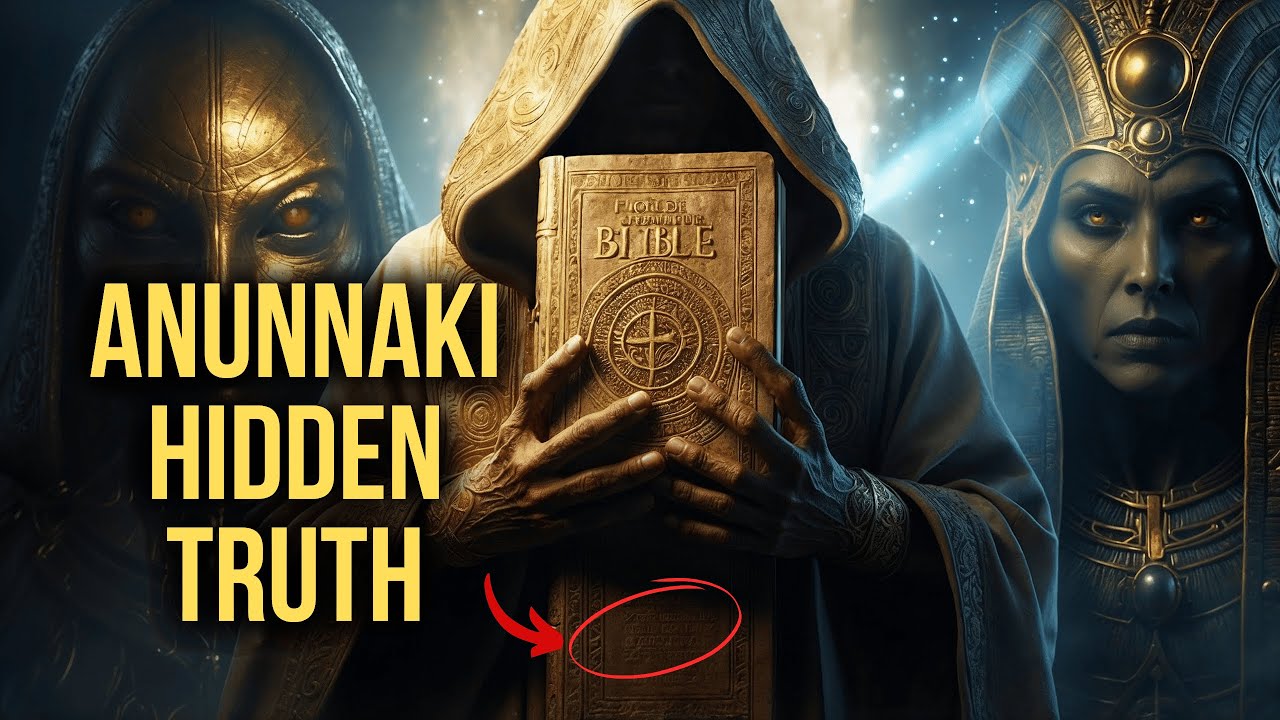
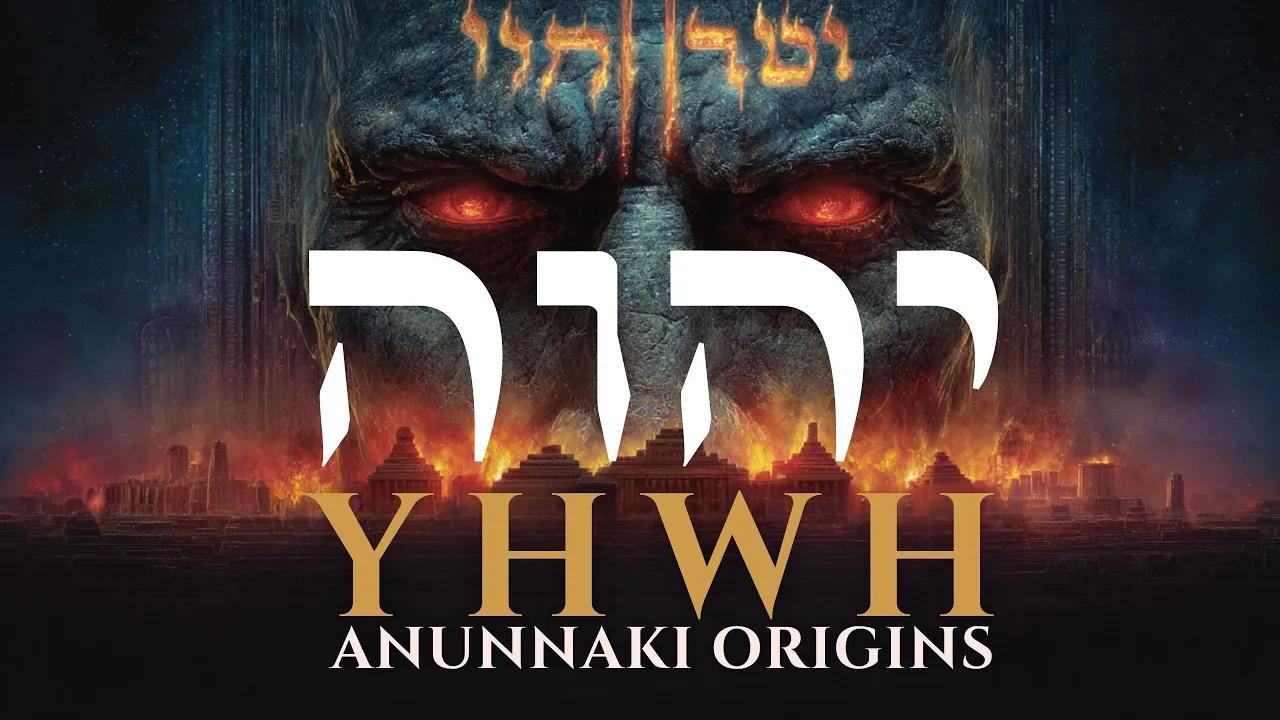
Yahweh the sacred name that Echoes through centuries revered by billions the god of Abraham Moses and the prophets creator of the heavens and the Earth for countless Believers Yahweh is the Eternal and singular deity a being whose existence is beyond question but what if this familiar story of yahweh's Supremacy conceals a much older truth what if yahweh's Origins are not unique but part of a lineage stretching back to the dawn of human civilization long before the Bible was written there were Whispers of gods who walked Among Us beings who shaped Humanity ruled as kings and
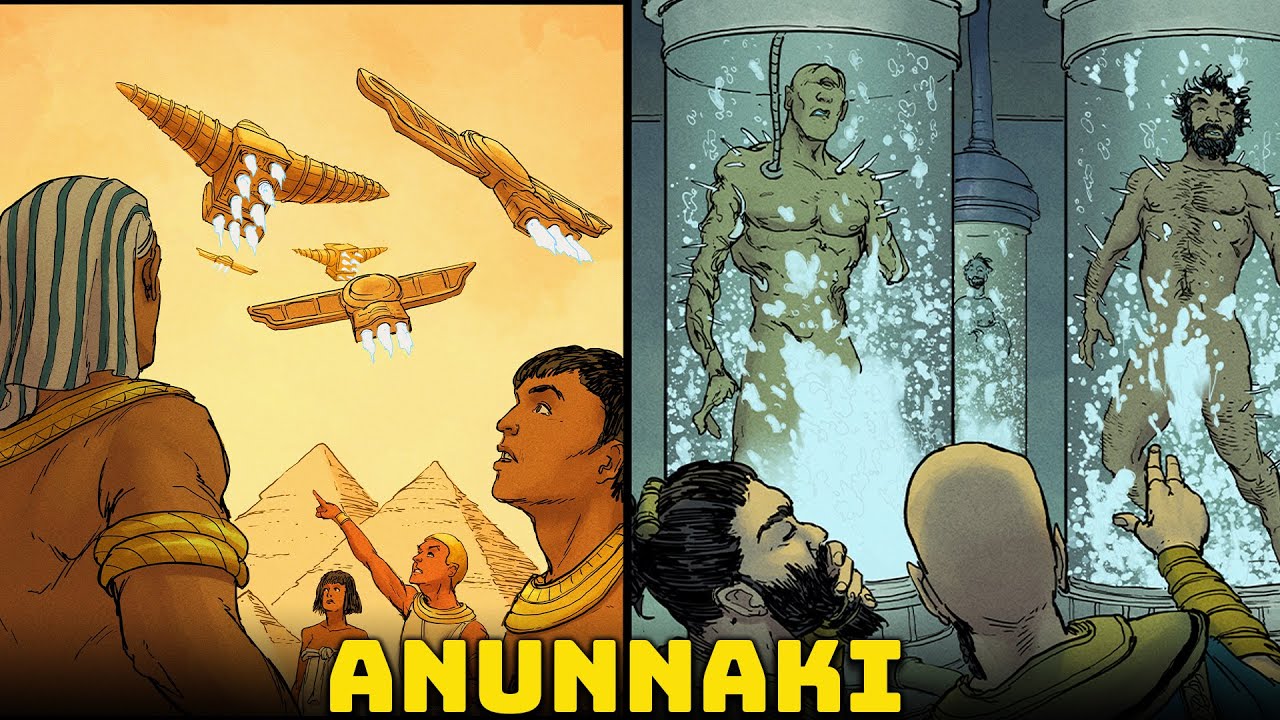
overlords and left their imprint on every myth and Legend across the ancient world these gods were known as the Anunnaki for centuries they dominated the stories of Sumer and Babylon credited as creators of humanity and bearers of divine knowledge and among them was a figure whose attributes feel eerily familiar a god of Storms and judgment a strict enforcer of laws a bringer of both salvation and destruction could Yahweh the god of the Bible be a reimagining of one of these ancient anunaki gods was he once part of a Pantheon a council of divine beings before
being reshaped into the singular deity we know today to find the answers we must dig deep into the past uncovering the connections between Yahweh and the ancient gods of Mesopotamia this is the story of Yahweh and it begins with the Anunnaki [Music] h [Music] the Yahweh most people know today is often described as Eternal all powerful and singular yet the earliest traces of Yahweh tell a different story one rooted in a world of competing gods and shared worship the Bible itself hints at yahweh's early connections to specific regions passages like Deuteronomy 33:2 and judges 54
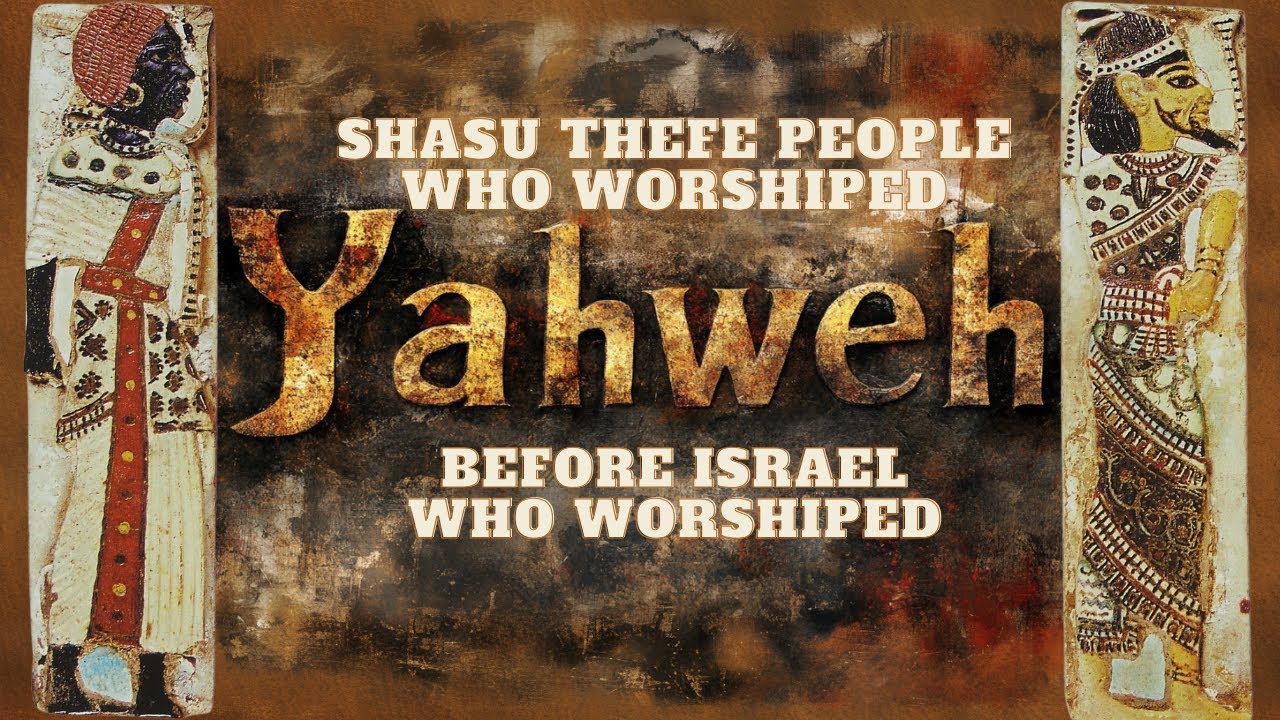
describe Yahweh as emerging from the deserts of Edom s and Midian regions historically associated with tribal and desert gods in fact yahweh's earliest identity appears tied to the forces of nature a god of Storms and War much like B in Canaanite tradition evidence from ancient inscriptions strengthens this view the conet AUD site an archaeological Discovery in the Sinai Peninsula dating back to the 9th century BCE includes inscriptions that invoke Yahweh of Samaria and his Ashera this suggests that Yahweh was not alone in early Israelite worship but was part of a Divine pair Ashera a mother
goddess known from ugaritic texts was worshiped widely in the ancient near East and was often linked to fertility and protection even the Bible reveals traces of this shared worship the first temple period under Kings like Solomon shows evidence of syncretism blending yahweh's worship with other Canaanite Gods aera poles were often erected near yahweh's altars 2 Kings 21:7 and the prophets frequently condemned Israel for mixing yahweh's worship with bale rituals First Kings 18 18-21 Marduk the patron God of Babylon offers a striking parallel originally a city deity Marduk was elevated to the head of the Babylonian
Pantheon as babyon grew in power yahweh's rise from a desert deity to the singular God of Israel reflects a similar pattern even the term Elohim used to describe Yahweh in the Bible hints at these pagan origins Elohim is a plural word often interpreted as Gods but applied singularly to Yahweh this raises an intriguing question was Yahweh once understood as one among many Elohim a Divine Council of Gods like the anunaki of Sumerian myth [Music] [Music] [Music] the term Elohim used frequently to refer to God is a linguistic anomaly while it is treated as singular when
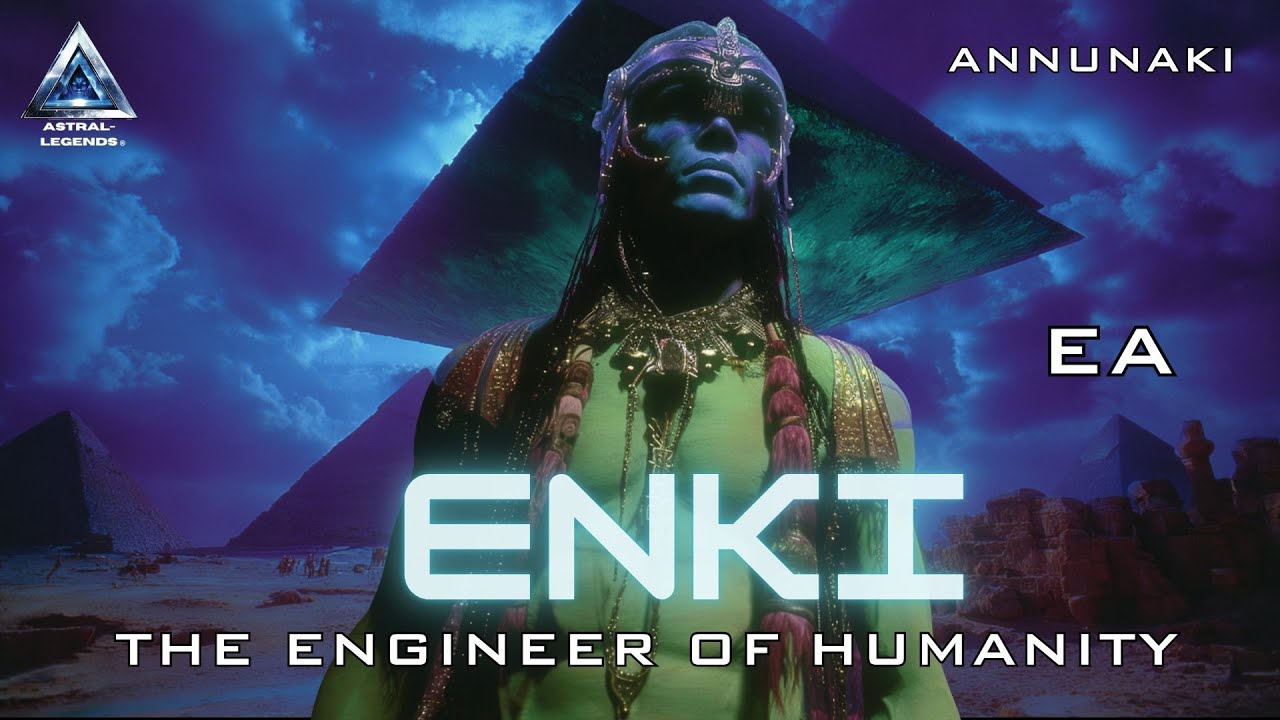
referring to Yahweh the word itself is unmistakably plural it literally means Gods this plural usage becomes even more striking when examined in its context in Genesis 1:26 Elohim says let us make man in our image after our likeness who is the US tradition interpretations argue that this is a Divine self- reference or a hint of the Trinity but from a historical and linguistic perspective this could point to something older a council of gods much like the Anunnaki and Sumerian mythology these Gods operated within a hierarchical council led by figures like Anu enlil and eni the
parallels are striking when compared to yahweh's rise to prominence in the Bible which also hints at a Divine counsel Psalm 82 provides a rare glimpse into this ancient framework stating God Elohim stands in the Assembly of the Gods he judges among the gods this verse describes Yahweh presiding over a council of lesser deities beings who were later erased or absorbed into yahweh's singular identity could these Gods be Echoes of older polytheistic traditions similar to the anunaki the ugaritic texts discovered in the ancient city of ugarit modern-day Ras shamra provide additional evidence these texts describe the
Canaanite Pantheon led by L the high God and His Council of deities among these gods were bayel the storm God and Ashera the consort of L early Israelite religion likely borrowed heavily from these traditions as the name Elohim itself is linguistically tied to L Yahweh may have originally been one of these Elohim a warrior God or storm deity Who Rose to prominence over time even the Bible preserves remnants of this plural framework in Genesis 62 the sons of God Ben Elohim are described as interacting with human women producing Offspring described as Giants or Nephilim the
flood story is perhaps the most obvious connection the biblical account of Noah's Arc in Genesis 6-9 is almost identical to the Sumerian flood myth found in the atrahasis Epic and the Epic of Gilgamesh in both stories a great flood is Unleashed to destroy humanity and in both a single man is warned to build an ark saving his family and animals in the Sumerian version this man is Zeus sudra in the Acadian and Babylonian retellings he becomes utnapishtim and in the Bible he is Noah the shared details Divine displeasure the ark and the covenant made After
the flood suggest that the Genesis story is not an original Tale But A reworking of much older Mesopotamian Traditions the Garden of Eden too has parallels in Sumerian myth the Sumerians spoke of a paradise called dilmun a sacred Garden where the gods lived in harmony dilman was a place of eternal life Untouched by disease or death much like the biblical Eden even the details of Humanity's creation Echo Sumerian traditions in Genesis humans are formed from dust given Life by the Breath of God in Sumerian mythology the gods create humans from clay mixing it with the
blood of a sacri IED God to animate them Abraham the patriarch of the Hebrew people provides yet another link according to the Bible Abraham was born in ER of the cdes a city that was one of sumer's great Urban centers dedicated to the Moon god Nana sin Abraham's connection to this city suggests that his early beliefs and by extension the roots of yahweh's worship may have been influenced by the religious traditions of Mesopotamia the tower of Babble described in Genesis 11 is another fascinating connection this story of Humanity's attempt to build a tower to the
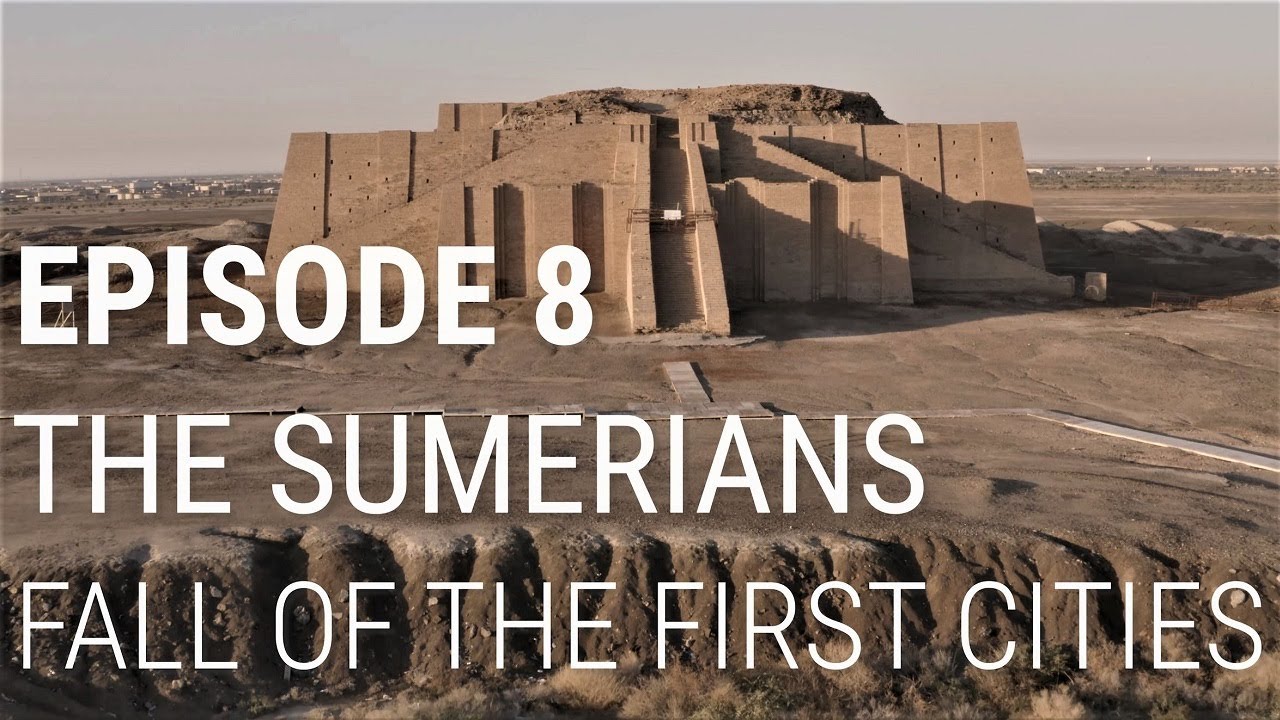
heavens is widely seen as a reference to Mesopotamian ziggurats massive Temple complexes built to honor the gods the word Eden itself May derive from the Samarian term aen meaning step or plain the term Adam is linked to the Acadian word adamu meaning to make which aligns with the Sumerian tradition of humans being molded from [Music] clay does any of this sound familiar a powerful commanding God who enforces order and punishes Disobedience much like Yahweh in the Bible a compassionate figure who challenges authority to elevate Humanity reminiscent of the serpent in Eden or even Jesus in
later interpretations just as the Anunnaki fashioned humans to serve them the Elohim declare let us make man in our image after our likeness Genesis 1:26 could the Elohim be a reinterpretation of the Anunnaki Divine Council if the Anunnaki were the gods of Humanity's first civilization their influence would have spread far and wide into Babylonian Assyrian and eventually Israelite Traditions could Yahweh as we know him have inherited the attributes of these ancient gods could his story be part of a much older narrative that began in the temples of Sumer the pieces of this puzzle are beginning
to fit together [Music] [Music] together the story of Abraham is Central to understanding the evolution of yahweh's wor ship according to the Bible Abraham was called by God to leave ER of the chales and travel to the land of Canaan where he would become the father of a new nation abandoning the polytheistic beliefs of his homeland to worship the one true God but who was this God could it be that yahweh's early identity was shaped not only by the regional gods of Canaan but also by the Divine figure Abraham would have encountered in ER many
scholars believe believe that yahweh's earliest form was closely linked to the worship of the Moon god Nana the name Yahweh itself has been suggested to have linguistic roots that connect it to the Sumerian and Semitic god of the Moon in fact there's a theory that Yahweh was originally a regional Moon deity before evolving into the singular God of Israel [Music] [Music] the Divine council is most explicitly referenced in Psalm 82 where Yahweh is depicted standing among the Assembly of the Gods God Elohim stands in the Divine assembly he judges among the gods here Yahweh not
only participates in the council but asserts his authority judging the other deities and declaring their eventual downfall the idea of a Divine Council wasn't unique to Israel in Sumerian and Babylonian mythology the Anunnaki operated as a council of gods led by Anu enlil and enki decisions of cosmic significance such as the creation of humanity or the unleashing of the flood were made collectively with each God playing a specific role the Divine Council also o appears in the Book of Job where the sons of God present themselves before Yahweh and the accuser often translated as Satan
takes Center Stage another clue comes from the Canaanite Pantheon described in the ugaritic texts where L the chief deity presides over a council of gods the similarities are undeniable L's title as the father of gods and his role as the ultimate Authority are Echo in yahweh's characterization in fact many scholars believe that early Israelite religion adapted and merged El's identity with yahweh's Deuteronomy 32 8-9 for example originally describes Elon a title often associated with L dividing the Nations among the sons of God with Yahweh receiving Israel as his portion later translations altered this to remove
the implication of multiple gods solidifying yahweh's Singularity and yet questions remain why were these older connections obscured Rewritten or forgotten was it to protect a fragile new monotheism from the competing traditions of its time or is it possible that beneath these myths lies a deeper truth yahweh's story is far older than the Bible older than Abraham older than Canan it is a story that began in the temples of Sumer in the shadow of ziggurats under the Gaze of gods Who Came From The Stars [Music] [Music] w [Music] [Music] [Music] [Music] me foree [Music] for [Music]
[Music] fore foree [Music]