Uh a few weeks ago and their mayor said they haven't heard about ICE staying in the city, um, and how does ICE kind of rapidly work with these local agencies what are those policies and what's your response to that? You said there was an altercation in Saint Cloud. It's an hour north after the incident.
The mayor said that ICE did not communicate with them. They were in the city for a major operation. The police chief did not know about the operation at the time.
Could you talk a little bit about proactive communication with local law enforcement? Yeah, it's actually, it's one of the takeaways. I've talked with these guys before we came on the stage, but during our roundtable and some of the other conversations we've had, communication, we, we absolutely want to ensure there's.
Good communication between federal officials and state and local officials, and I'm sure that we can do better on that. We absolutely want to make sure that we are communicating, but that also requires a two-way street, and that's the point that I make about state and local officials. These guys will absolutely communicate with state and local officials.
They'll tell people if, if they have to do an enforcement operation in a particular municipality, but part of that is they also want to ensure that if they're communicating about their. Whereabouts that's not being used as a weapon against them. Sometimes they tell people where they're going and then they find out that their agents' faces are on the, you know, on Reddit or on some social media thread saying, here's this guy, we know he's going to be at this place at this exact time.
So that communication has got to be a two-way street. These guys are going to communicate with business leaders, with local officials, with, with state officials. We also need the local officials and state officials to do a good job of protecting people.
When they're in their communities, we're not, we're not asking, by the way, we don't want any police officer in this community, in this state to help us do immigration enforcement. We've got that. But, but, but if, but if a protester shows up and that protester turns violent against our immigration officers, we really, really need the cooperation of our local partners.
We haven't gotten it yet, but I think if we do, we really can lower the temperature. Mr Vice President, earlier this week. Asians to enter.
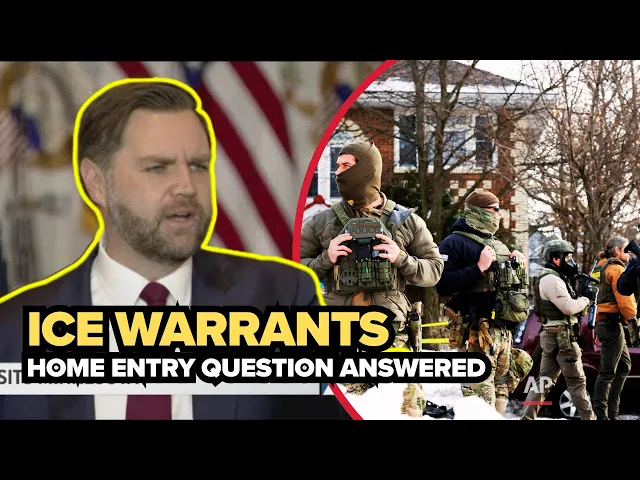
what you say. P Yeah, so I, I, I saw that story and the story is like so much that I read in the mainstream media, it's missing a whole lot of context, and we appreciate the context, it makes sense. No one is saying, Look, there are exceptions.
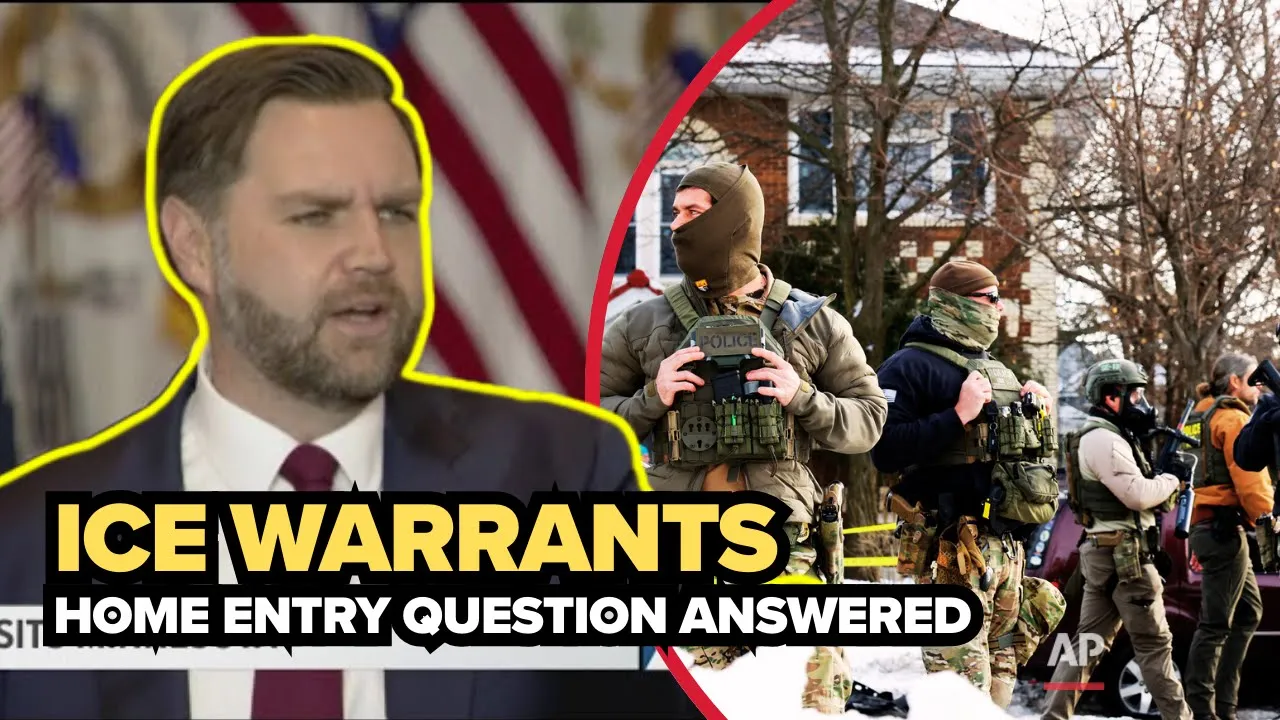
For example, a crazy exception, if somebody is fired at from inside a house, they don't need a warrant to go inside that person's house. There are very narrow exceptions to the warrant requirement where law enforcement officers don't need, you know, a warrant if, for example, they're an imminent threat of their lives. But what we've said and what ICE has proposed, what the Department of Homeland Security really has proposed and the Department of Justice is that We can get administrative warrants to enforce administrative immigration law.
Now it's possible, I guess, that the courts will say no, and of course if the courts say no, we would follow that law, but nobody is talking about doing immigration enforcement without a warrant. We're talking about different types of warrants that exist in our system. Typically what happens, not always, but typically in the immigration system, those are handled by administrative law judges.
So we're talking about getting warrants from those. Administrative law judges and then of course with other cases you get judges or you get warrants from a judge. That's very consistent with the practice of American law.
I'm sure the courts will weigh in on that, but we're never going to enter somebody's house without some kind of a warrant unless of course somebody's firing on an officer or they have to do something in order to protect themselves. Mr Vice President, do you believe that you can with an administrative warrant or would that be a violation? Well, our understanding is that you can enforce the immigration laws of the country under an administrative order if you have an administrative warrant.
That's what we think. That's our understanding of the law. That's our best faith attempt to understand the law.
Again, this is something courts will weigh in on. I won't speak to that, but yes, most immigration law in our country is not done through the criminal system with the judge. It's done through the administrative law system.
We're going to continue that practice just as they did in the Biden administration or any other administration. Mr Vice President, earlier this week.