are you feeling like your vision is getting worse with age do your eyes itch or feel gritty and is your night vision deteriorating if so this video is perfect for you if your eyes feel dry you're struggling to see at a distance or if you experience eye discomfort or headaches related to Vision these signs and symptoms May indicate eye problems and suggest that your eyes aren't functioning as they should if you don't start taking care of your eye Health now you could allow serious eye conditions to progress which may gradually reduce the quality of your
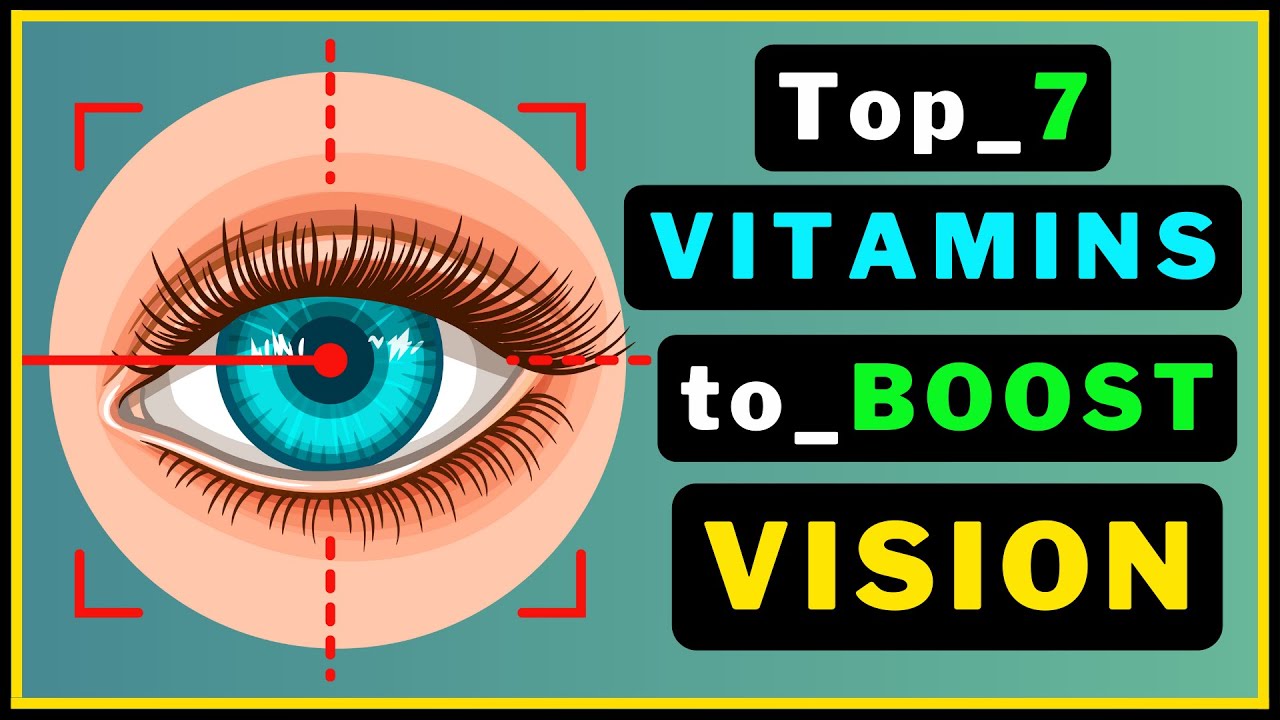
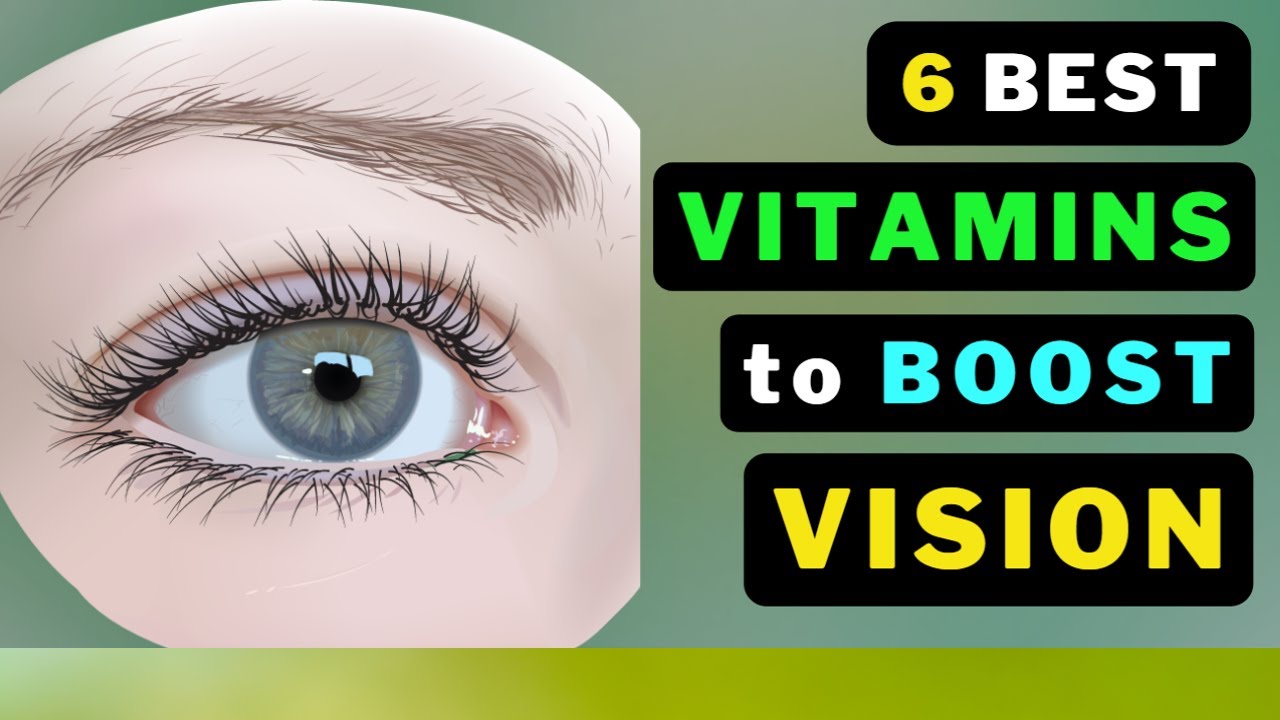
vision while the risk of developing these serious eye conditions depends on your genetics your diet can also play a significant role both in preventing and slowing the progression of these diseases vision is our most precious sense and some nutrients are essential for your eyes these nutrients help maintain eye function protect your eyes from harmful blue light night blindness dry eyes and reduce the risk of age related degenerative eye diseases major studies in Opthalmology have shown that a combination of certain nutrients can reduce the risk of cataracts and age related macular degeneration which is the leading
cause of blindness these nutrients are considered essential and fundamental for your eye Health in today's video we will explore which nutrients these are and how we can obtain them through our diet our first nutrient is omega-3 various Studies have shown that omega-3 can reduce the risk of cataracts and vision deterioration by up to 30% omega-3 is is also essential for forming the fatty layer of the tear film which lubricates eye structures and prevents dry eye as we age or with health issues like uncontrolled diabetes or high blood pressure abnormal vessels form in the retina leading
to vision loss over time and omega-3 works by blocking the formation of these abnormal vessels the retina which is the part of the eye responsible for sending visual stimuli to the brain greatly benefits from adequate levels of Omega-3 but what foods provide good amounts of Omega 3 the main sources of Omega-3 include avocado chia seeds flax seeds pumpkin seeds and fishes like tuna sardines salmon and anchovies our next nutrient is Vitamin C this information may surprise you the aquous humor a liquid found inside our eyes contains the highest vitamin C in the body 20 times
more vitamin C than in our blood so you can imagine how important vitamin C is for ey health lower levels of vitamin C increase the risk of cataracts optic nerve damage and glaucoma vitamin C is also vital for collagen production which helps maintain the Integrity of eye structures recent Studies have shown that almost all cataract cases are associated with low levels of vitamin C so what foods contain vitamin C vegetables like bell peppers broccoli and kale as well as citrus fruits like lemons oranges grapefruit and kiwi are all rich in vitamin C the next nutrient
is vitamin A vitamin A is crucial for maintaining the health of the cornea optic nerve and retina it also enhances the optic nerves and retina's ability to absorb light improving daytime and nighttime vision but what happens when a person has vitamin A deficiency they can develop a condition known as hypovitaminosis which is simply a deficiency of this vitamin this deficiency causes night blindness corneal ulcers vision loss or total blindness vitamin A deficiency is the leading cause of childhood blindness worldwide but it also affects adults particularly those with liver or pancreatic issues inflammatory bowel diseases like
Crohn's disease or those with very restrictive diets the main foods that contain vitamin A along with almost all the nutrients we've covered so far include vegetables like spinach broccoli Swiss chard cabbage and cauliflower we can also look for sources of beta carotene a precursor of vitamin A which our body converts into Vitamin A when consumed examples include carrots pumpkins bell peppers and sweet potatoes our next nutrient is lutein and zanthin lutein and zanthin are substances naturally present in our eyes these two antioxidants act like sunscreen for your eyes protecting them from sun damage the problem
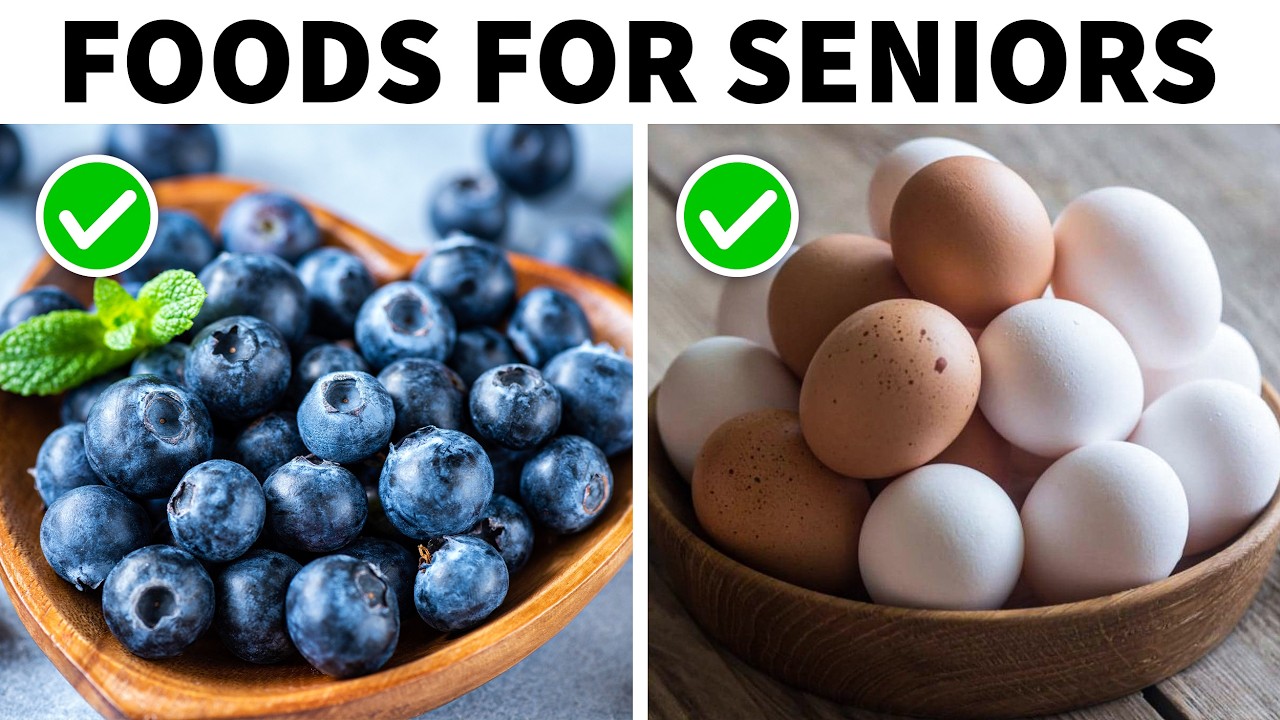
is that our bodies cannot produce these nutrients meaning we need to obtain lutein and zanthin from our diet these substances help maintain the health of the lens and import important eye structure and combat free radicals that damage cells preventing premature aging of the eyes low levels of zanthin increase the risk of cataracts premature eye aging and vision loss which foods provide Lutine and zanthin one of the richest sources of zanthin and Lutine is eggs especially the yolk you can also find zanthin and Lutine in carrots and pumpkins and in green leafy vegetables like spinach lettuce
kale broccoli and swiss chard our second to last nutrient is vitamin E vitamin E helps maintain the health of the lens macula and eye muscles it reduces the risk of cataracts protects the macula maintains visual sharpness and prevents cloudy or blurry vision an important fact about vitamin E is that it is not well absorbed in supplement form so it's crucial to have a diet rich in this nutrient which foods provide highquality vitamin E for your eyes nuts cashews and almonds not only contain essential nutrients for your eyes but they are also rich in vitamin E
other sources of this nutrient include vegetables like white and green asparagus and legumes such as chickpeas and lentils our final nutrient is zinc zinc slows down eye aging and can help slow age related macular degeneration by up to 25% zinc also protects the rod photo receptors responsible for night vision improving our ability to see in lowlight environments if you notice that it takes you longer to adjust to dark environments it may indicate that your night vision is deteriorating and that you you need to consume more zinc but what can you eat to add more zinc
to your diet some of the best sources of zinc are seeds such as flax seeds Kia seeds sunflower seeds and pumpkin seeds other sources include Seafood like clams oysters muscles and crustations like lobster shrimp and crabs by incorporating these nutrients into your diet you'll be supporting your overall Eye Health and reducing the risk of age related eye diseases if you found this video helpful don't forget to hit the like button And subscribe to the channel you can also encourage others to take care of their Eye Health by sharing the video see you next time